Driving in Ireland: Essential Tips for Your Journey
Are you planning a trip to Ireland? Driving in Ireland can be an incredible experience, but it’s essential to keep road safety in mind to have an enjoyable journey. What are some tips for driving in Ireland? In this guide, we’ll explore the necessary knowledge and tips for driving in Ireland, covering everything from road conditions, traffic laws, navigating roundabouts, driving on the left side of the road, and more. So buckle up, and let’s get ready to hit the road for an incredible driving experience in Ireland.
Understanding Irish Roads and Road Conditions
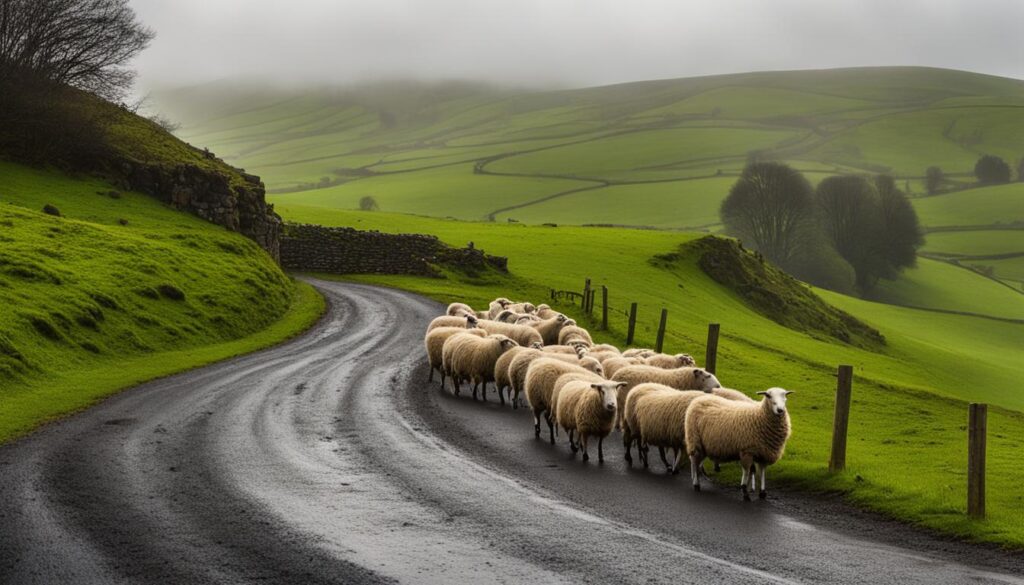
Driving in Ireland requires adapting to new road conditions and challenges. Irish roads are known for their narrowness, rural nature, and the presence of hedgerows along the edges. These factors may contribute to a unique driving experience that may require more focus and attention than what you’re used to.
Furthermore, road conditions in Ireland may vary greatly from one region to another. Weather conditions can also impact the safety of the roads in rural areas, where roads are often less traveled. For instance, heavy rainfall may create a slippery surface or lead to flooding on the roads.
It’s important to remember that the roads in Ireland may be different from what you’re used to, and therefore it’s vital to adapt your driving style accordingly.
Road Condition Characteristics
| Road Condition | Description |
|---|---|
| Narrowness | The roads in Ireland may be narrower than what you’re used to, with less margin for drivers passing each other. |
| Rural Nature | Many roads in Ireland will lead through rural areas, where drivers may encounter livestock and unexpected obstacles. |
| Hedgerows | The roads in Ireland are often marked by hedgerows that can obstruct vision and cause difficulties when passing other vehicles. |
| Variable Road Conditions | Ireland experiences a wide range of weather changes that can impact driving safety. |
By respecting these features and being mindful of the unpredictable nature of road conditions, you can support safe and enjoyable driving experiences during your time in Ireland.
Getting Familiar with Traffic Laws and Regulations
Driving in a foreign country can be challenging, but it can also be incredibly rewarding. To ensure a safe driving experience in Ireland, it’s important to familiarize yourself with the traffic laws and regulations.
Speed limits in Ireland are measured in kilometers per hour, and they vary depending on the type of road you’re driving on. It’s essential to know the speed limits and adhere to them for your safety and the safety of other drivers on the road.
Irish road signage may be unfamiliar to drivers from other countries, so it’s crucial to study and understand the signs before hitting Irish roads. Knowing road signs will help you navigate the roads safely and avoid situations that could result in accidents.
You should also be familiar with driving etiquette in Ireland. Drivers in Ireland tend to be courteous, and it’s common to flash your headlights to signal to another driver to proceed. These small considerations will help you blend in and feel more confident behind the wheel.
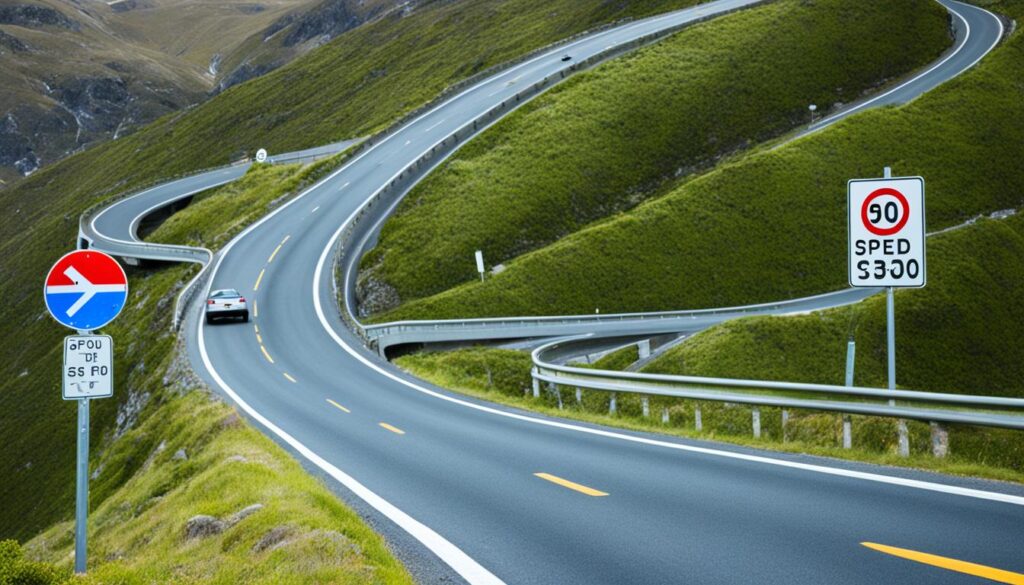
In addition to traffic laws, it’s essential to understand the rules of the road in Ireland. For example, in Ireland, you drive on the left side of the road, and the driver’s seat is on the right side of the car. If you’re used to driving on the right side of the road, this can take some getting used to. Take your time, stay alert, and focus on driving on the left side of the road to stay safe.
Overall, understanding the traffic laws and regulations in Ireland is vital for a safe and enjoyable driving experience. Take the time to study and prepare, and you’ll be ready to hit the Irish roads with confidence.
Navigating Roundabouts and Junctions
Roundabouts and junctions are common on Irish roads, and navigating them can be tricky for drivers who are not used to them. However, if you follow the driving rules and keep a few tips in mind, you will have no problem navigating through these busy intersections.
Using turn signals: It’s important to use your turn signals to indicate which direction you will be turning when approaching a roundabout or junction. This will help other drivers understand your intentions and reduce the risk of accidents.
Yielding to other drivers: When entering a roundabout or junction, you must yield to drivers already in the roundabout or oncoming traffic. Look left and right before entering, and be prepared to stop if necessary.
Choosing the correct lane: In a roundabout, choose the appropriate lane based on your destination. If you are taking the first exit, use the left lane. For all other exits, use the right lane. In a junction, stay in the left lane for turning left, the right lane for turning right, and the center lane for going straight ahead.
Remember that both roundabouts and junctions can be busy, especially during rush hour. Always be patient and take your time, and never try to cut in front of other drivers or change lanes at the last minute.
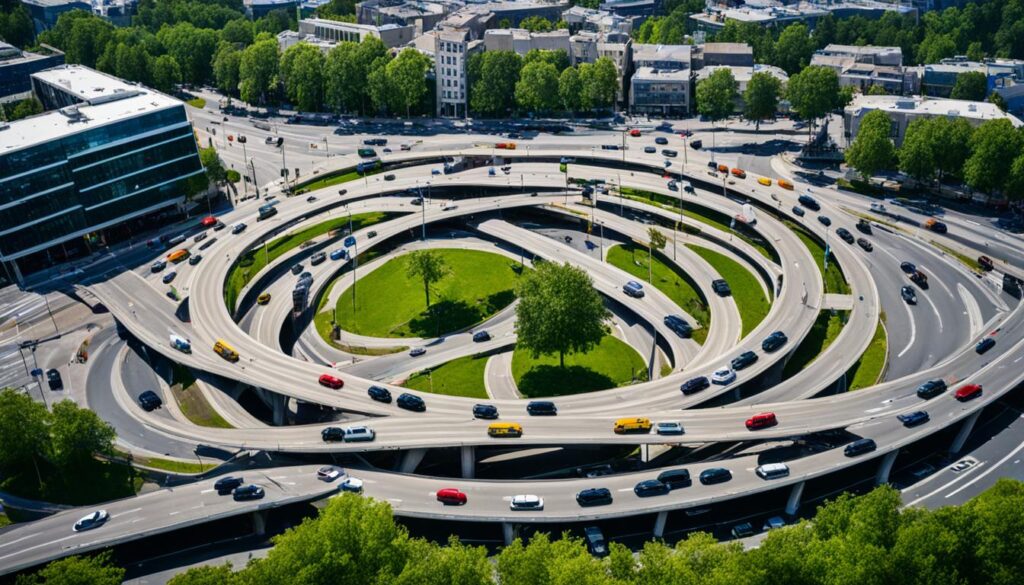
Note: Roundabouts and junctions may be different in layout and design depending on the location. Always pay attention to road signs, especially when traveling to a new area.
Adapting to Driving on the Left Side of the Road
Driving in Ireland can be a thrilling adventure, but if you are used to driving on the right-hand side of the road, adapting to the left side can be challenging. It’s important to take some time to familiarize yourself with the rules and techniques before you start to drive.
One of the most helpful tips is to remember to stay focused on the correct side of the road. This may seem obvious, but it can be easy to slip into old habits and drive on the wrong side, particularly when you’re maneuvering through unfamiliar roads.
| Top Tips for Driving on the Left Side of the Road in Ireland |
|---|
| Pay attention to road signage and markings indicating which side of the road to drive on. |
| Use visual cues such as the position of the steering wheel to remind yourself to stay left. |
| Take a few practice runs in a quiet area to get accustomed to driving on the left side, particularly if you’re driving a manual transmission vehicle. |
| Always be alert and focused on the road. |
Remember that it’s okay to take your time and to drive at a slower pace until you’re more comfortable with driving on the left side of the road. This will help you stay safe and confident while you’re discovering all that Ireland has to offer.
Dealing with Rural Roads and Narrow Lanes
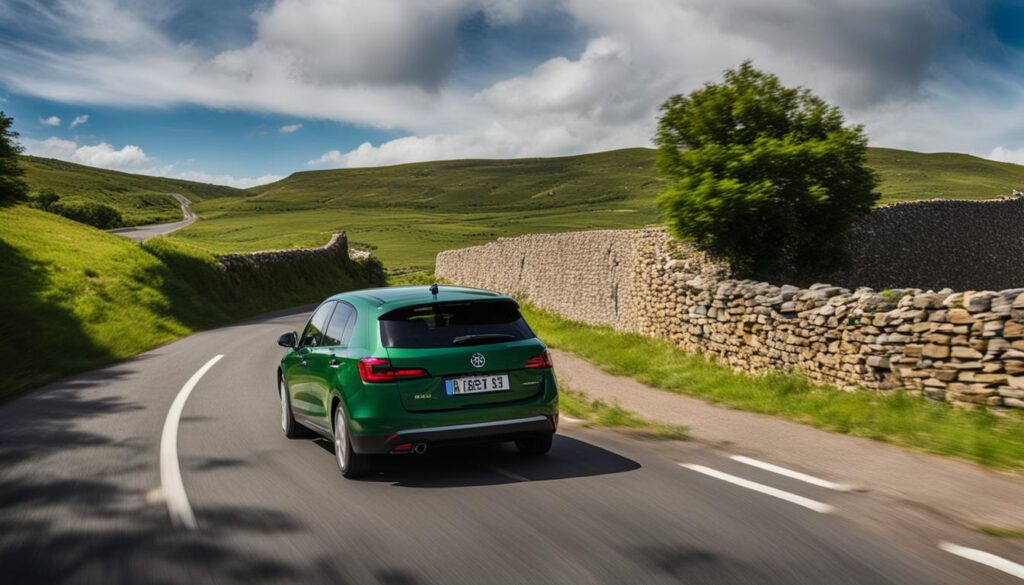
Driving on rural roads and narrow lanes can be a challenging experience, even for skilled drivers. In Ireland, these roads are common outside of major cities and towns, so it’s essential to be prepared for them. To ensure a safe and enjoyable journey, we recommend following these tips:
- Stay alert: Watch out for oncoming traffic, pedestrians, and wildlife, which can appear suddenly.
- Reduce speed: Rural roads often have blind corners and unexpected hazards, so it’s essential to drive slower to avoid accidents.
- Yield to oncoming traffic: When approaching another vehicle, follow the rules of the road and yield if necessary to ensure a smooth passing.
If you’re driving on narrow lanes, it’s crucial to remain focused and careful. These roads are often barely wide enough for one vehicle, so you’ll need to be cautious to avoid collisions. Here are a few tips for handling narrow lanes:
- Keep your speed low: The slower you drive, the more time you’ll have to react to any obstacles or turns in the road.
- Stay close to the center of the road: This way, you’ll avoid scraping your car on rural hedgerows or other obstacles.
- Be prepared to reverse: If you see another vehicle approaching and not enough space for passing, you may need to pull over and reverse until the other vehicle can pass.
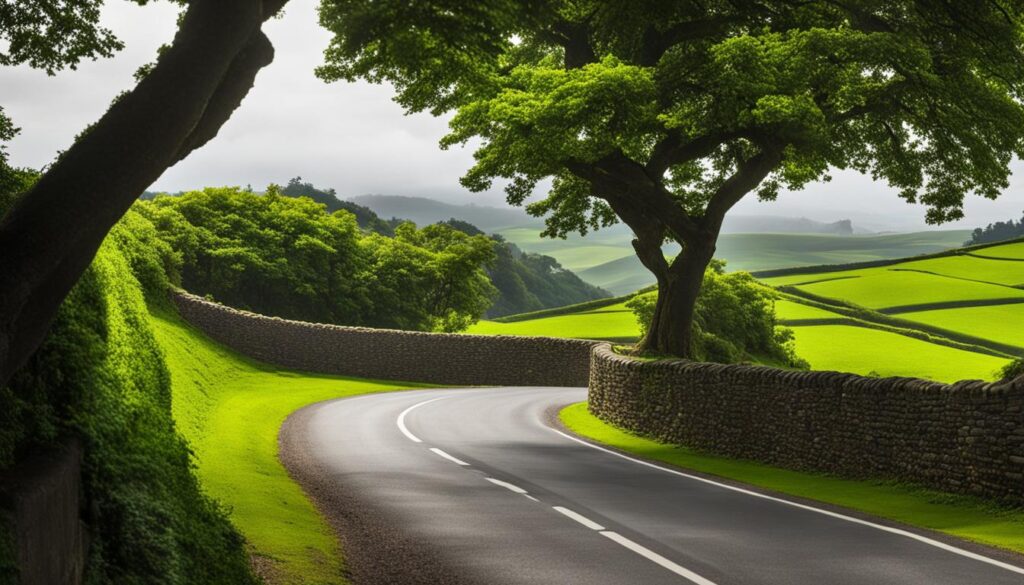
Remember that on narrow lanes, patience and careful driving are crucial for a safe and successful journey. Stay alert, take your time, and be courteous to other drivers and pedestrians.
Understanding Irish Weather Conditions
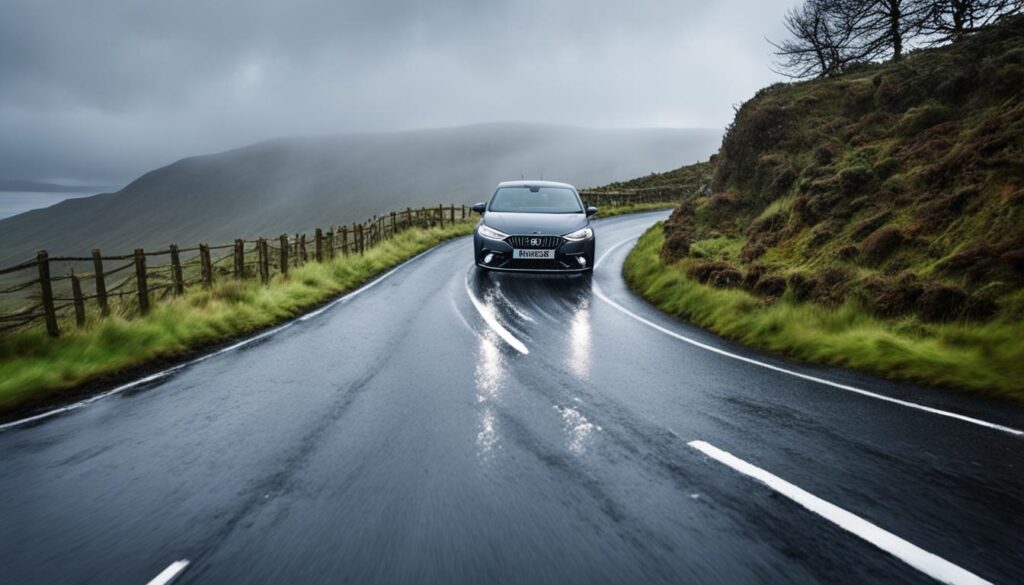
Driving in Ireland can be challenging due to the country’s unpredictable weather conditions. Rain, fog, and strong winds can all impact road conditions and make driving hazardous. It is important to adjust your driving behavior and be prepared for changing weather conditions in order to ensure your safety on the road.
Rain: Ireland is known for its rainy weather, and driving in the rain can be especially difficult for visitors who are not accustomed to it. Wet roads can be slippery, and visibility may be reduced, making it more difficult to see other vehicles and road signs. When driving in the rain, it is important to slow down and maintain a safe following distance from the car in front of you. Also, ensure your windshield wipers are in good condition and your headlights are turned on.
Fog: Fog can make it difficult to see the road ahead. When driving in foggy conditions, it is important to slow down and turn on your low-beam headlights. Keep a safe distance from other cars and use your car’s fog lights if it has them. Be extra careful at intersections and around curves where visibility may be limited.
Strong winds: Ireland’s coastal location means that strong winds can be a frequent occurrence. Be careful when driving in gusty conditions, especially when crossing bridges or overtaking high-sided vehicles. Keep both hands on the steering wheel and maintain a steady speed, but slow down if necessary.
Speed Limits and Safe Driving Practices
Adhering to speed limits and following safe driving practices is crucial for a secure and enjoyable journey on Irish roads. Speed limits may vary depending on the region and road type, so it is vital to pay close attention to signage and adjust your speed accordingly. Going over speed limits can result in fines, penalty points, and potential road accidents.
Maintaining a safe following distance is another essential driving practice for road safety. It is recommended to keep a two-second gap between your vehicle and the one in front of you. This allows for ample reaction time to sudden stops or obstacles on the road.
Avoiding distractions while driving, such as texting or phone calls, is also critical for your safety and that of others on the road. These distractions can divert your attention from the road and increase the likelihood of accidents.
Remember: obey speed limits, maintain a safe following distance, and avoid distractions while driving.
Tips for Safe Driving Practices
| Safe Driving Practices | Benefits |
|---|---|
| Obey posted speed limits | Reduced risk of accidents and fines |
| Maintain a safe following distance | Ample reaction time to sudden stops and obstacles |
| Avoid distractions while driving | Increased focus and awareness on the road |
Understanding the Significance of “N,” “L,” and Other Road Signs
When driving in Ireland, it is crucial to understand the meaning of road signs to ensure a safe journey. The “N” (novice) and “L” (learner) signs are two particularly significant signs that you may encounter on Irish roads. The “N” sign indicates that a driver with a learner permit is at the wheel, while the “L” sign signifies that the driver is a novice.
It is essential to note that drivers bearing either sign must not exceed 45 mph on any road. Additionally, learner drivers must be accompanied by a fully licensed driver at all times.
Other important road signs that you may encounter include speed limit signs, indicating the maximum speed limit for a particular area. These limits can range from 30 mph in urban areas to 60 mph on national roads. Signs displaying “no parking,” “no entry,” “stop,” and “yield” are also common on Irish roads, and it’s essential to understand their meaning to ensure compliance with traffic laws.
| Sign | Meaning |
|---|---|
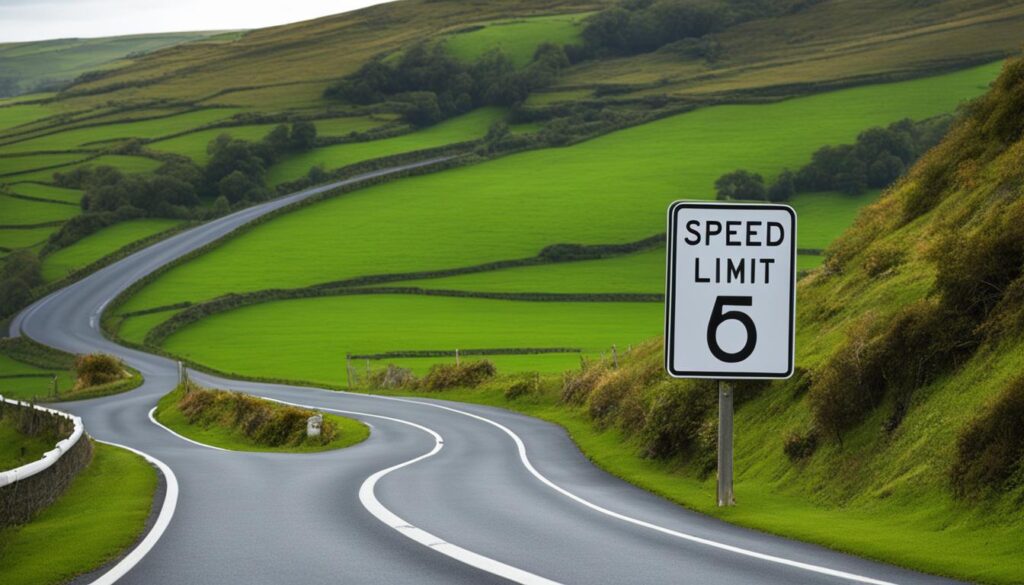 |
Indicates the maximum speed limit for a particular area |
 |
Indicates areas where parking is prohibited |
| Indicates that entry is prohibited | |
| Indicates that drivers must come to a complete stop before proceeding | |
| Indicates that drivers must give way to other road users at intersections |
By familiarizing yourself with the various road signs in Ireland, you can ensure that you are aware of the rules of the road and navigate Irish roads safely and confidently.
Parking and Finding Accommodation
When traveling to Ireland, finding suitable parking and accommodations can be a challenge, particularly in urban areas. To avoid unnecessary stress and expenses, it’s essential to plan ahead and follow a few simple tips.
Parking Tips
When parking in cities and towns, be aware of signage and regulations, as parking rules can vary significantly from place to place. In some areas, you may need to purchase a parking disc from a local shop or display a parking permit. Always make sure to park in designated areas and avoid blocking driveways or pedestrian pathways.
It’s also important to be mindful of parking fees and time limits. Many parking areas offer pay-and-display machines where you can purchase a ticket for a set amount of time. Make sure to note the expiration time and move your car before your ticket expires to avoid a fine or towing.
If you’re planning to park for an extended period, consider using a long-term parking facility outside of the city center. These facilities are often more affordable and offer regular shuttle services to and from the city.
Finding Accommodation Tips
When looking for accommodation, consider your parking needs ahead of time. Many hotels and B&Bs offer on-site parking facilities, which can save you time and hassle. If parking is not available on-site, check with your accommodation provider to see if they offer nearby parking options or can provide recommendations for affordable local parking facilities.
When searching for accommodation online, make sure to filter your search results to include parking facilities. This will help you to focus your search on options that meet your parking needs and preferences. You can also check with local tourist information offices or contact accommodation providers directly to inquire about parking options.
Handling Emergency Situations and Breakdowns
Driving in Ireland can be a wonderful experience, but it’s important to be prepared for emergencies such as breakdowns and accidents. It’s essential to know what to do in case of unexpected events to ensure your safety and minimize the risk of harm to yourself and others.
If you experience a breakdown or other emergency, there are several steps you can take to stay safe and minimize damage.
| Step | Action |
|---|---|
| 1 | Move your vehicle off the road as soon as possible if it is safe to do so. Turn on your hazard lights to alert other drivers. |
| 2 | If you have been involved in an accident or someone has been injured, call the emergency services immediately. |
| 3 | If you cannot move your vehicle, switch on the hazard lights, get out of your car and stand well away from it on the far side of a barrier or in a safe area. |
| 4 | Contact your rental company or breakdown service as soon as you can, or contact the AA or RAC directly if you are a member. |
| 5 | Make sure you have a reflective vest in your car to use if you need to exit your vehicle in an emergency situation. |
| 6 | If you have the necessary tools and know what you’re doing, you may be able to make temporary repairs to your vehicle. If you don’t know what you’re doing or you don’t have the right tools, it’s best to wait for help. |
Remember that safety should always be your top priority. While you’re waiting for help to arrive, stay in your vehicle if it’s safe to do so. Keep the doors locked and the windows closed, except for a small opening to allow for ventilation.
It’s also a good idea to keep an emergency kit in your car, including items such as a flashlight, warm clothing, first-aid kit, water, and snacks.
By being prepared for emergency situations and knowing what to do in case of a breakdown or accident, you can ensure your safety and enhance your driving experience in Ireland.
Conclusion
Driving in Ireland can be an unforgettable experience. However, it’s important to prioritize road safety to ensure a smooth and enjoyable journey. Remember to adapt to Irish roads and their conditions, familiarize yourself with traffic laws and regulations, and navigate roundabouts and junctions with care. Be mindful of driving on the left side of the road and take caution on rural roads and narrow lanes. Keep an eye on Irish weather conditions and maintain safe driving practices such as obeying speed limits, maintaining a safe following distance, and avoiding distractions.
Understanding road signs and finding suitable parking and accommodation will also contribute to a stress-free journey. In the unfortunate event of an emergency situation or breakdown, stay prepared and know who to contact for assistance.
By following these essential tips, you can have a memorable and safe driving experience in Ireland. Have a fantastic trip!