Discover Denmark’s Official Currency: What You Need to Know
If you’re planning a trip to Denmark, it’s important to know the country’s official currency. The currency in Denmark is the Danish Kroner, also known as DKK. This guide will provide you with essential information about the Danish currency to ensure that your trip is as hassle-free as possible.
Denmark is a Scandinavian country that boasts beautiful landscapes, vibrant cities, and rich history. From Copenhagen’s colorful buildings and Tivoli Gardens to Aarhus’ interactive museums and beaches, there’s something for everyone in Denmark. And with this guide, you’ll be able to navigate the currency in Denmark with ease.
Overview of the Danish Kroner
As the official monetary unit of Denmark, the Danish Kroner is an essential element of financial transactions in the country. The Danish currency code is DKK and is commonly symbolized by kr. Understanding the importance of the Danish Kroner is crucial in managing your money during your stay in Denmark.
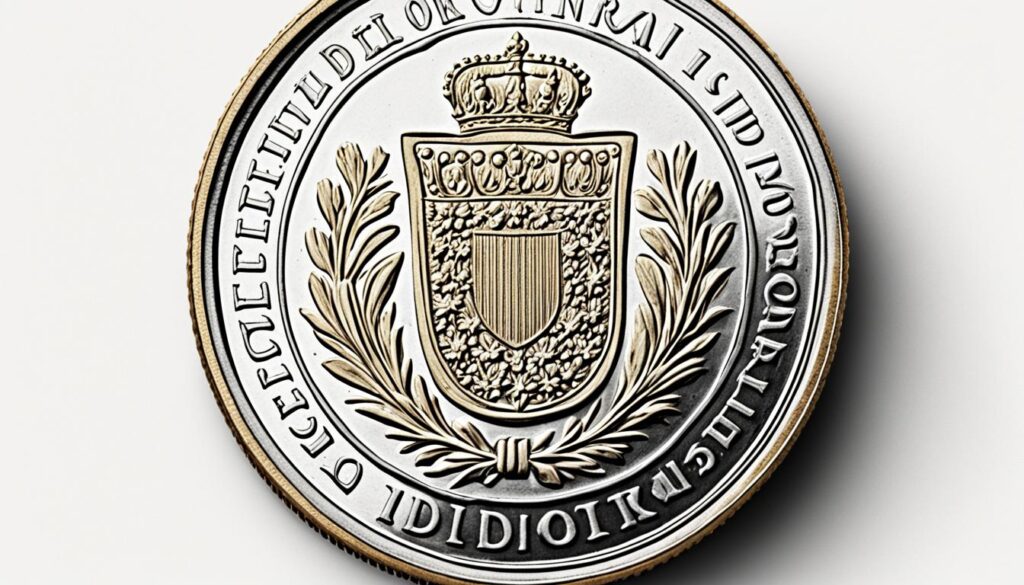
The Danish Kroner is the sole legal tender in Denmark and is regulated by the central bank, Danmarks Nationalbank. The currency has been in use since 1875 and ranks among the world’s oldest currencies.
When exchanging foreign currency, it is necessary to know the current exchange rate. The exchange rate determines the value of the Danish Kroner against other currencies. The exchange rate fluctuates regularly and is influenced by various factors, including market forces and economic conditions.
History of the Danish Kroner
The Danish Kroner has a rich history dating back to the year 1873, when it was introduced as the official currency of Denmark. Before the Danish Kroner, various other currencies were used in Denmark, including the Rigsdaler and the Skilling.
The Danish Kroner was introduced as a decimal system, with 100 øre (cents) making up one Kroner. This system replaced the previous denominations of 96 and 120 skilling.
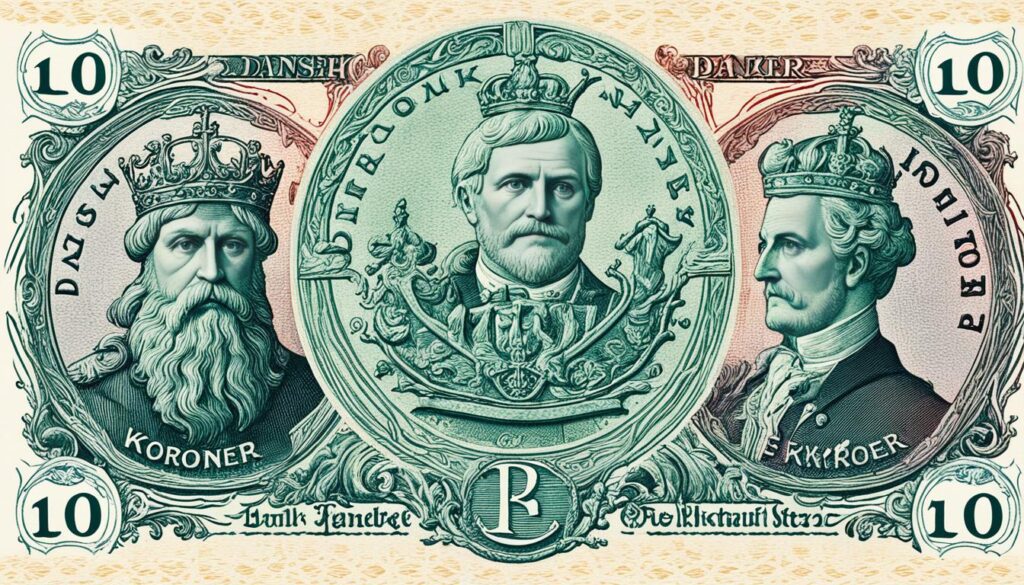
Throughout its history, the Danish Kroner has seen many changes, both in terms of its value and design. In 1982, the designs on the banknotes and coins were changed to feature prominent Danes, such as the fairy-tale writer Hans Christian Andersen and the physicist Niels Bohr.
Historical Exchange Rates of the Danish Kroner
The table below shows the historical exchange rates of the Danish Kroner against other major currencies, including the US dollar and the Euro. The data is provided by the Danish National Bank.
| Year | Euro | US Dollar | British Pound | Swiss Franc |
|---|---|---|---|---|
| 2010 | 7.47 | 5.91 | 9.12 | 5.56 |
| 2015 | 7.45 | 6.80 | 10.52 | 6.66 |
| 2020 | 7.47 | 6.61 | 8.61 | 6.06 |
As seen in the table, the exchange rate of the Danish Kroner has varied significantly over the years. Factors such as global economic trends, political stability, and inflation can all impact the value of the currency.
Despite these fluctuations, the Danish Kroner remains a stable and highly valued currency in Denmark and around the world.
Banknotes and Coins
When it comes to using Danish currency in Denmark, it is essential to understand the Danish Kroner banknotes and coins.
The Danish Kroner banknotes come in denominations of 50, 100, 200, 500 and 1000, while the coins come in 50 øre, 1, 2, 5, 10, and 20 Kroner values.
The design of each note and coin is unique and showcases Danish culture and history. For instance, the 50 Kroner note features a portrait of the influential Danish writer, Karen Blixen, while the 1 Krone coin has a depiction of a queen’s crown.
It’s important to note that while some businesses in Denmark accept credit cards, some smaller shops and restaurants may only accept cash. To ensure you have the adequate amount of money when visiting Denmark, it’s best to familiarize yourself with the banknotes and coins used in the country.
Exchange Rate in Denmark
When planning a trip to Denmark, it’s important to understand the exchange rate and how it affects the value of the Danish Kroner. The exchange rate measures the value of one currency in relation to another, and it fluctuates constantly based on various economic and political factors.
As of July 2021, 1 USD is equivalent to approximately 6.22 DKK, while 1 EUR is equivalent to approximately 7.44 DKK. It’s recommended to stay informed about the latest exchange rates to ensure you’re getting the best deal when exchanging your currency.
| Factors That Influence Exchange Rates | Impact on Danish Kroner Value |
|---|---|
| Economic conditions and policies | May cause the Danish Kroner value to fluctuate based on market conditions and perceived stability. |
| Political developments | May impact the Danish Kroner value based on changes in government, policies, and stability. |
| International trade and investment flows | May impact the Danish Kroner value based on demand for the currency driven by businesses, investors, and tourists. |
| Interest rate differentials | May impact the Danish Kroner value based on the difference between Denmark’s interest rates and those of other countries. |
If you need to exchange currency while in Denmark, it’s recommended to do so at banks or exchange offices, as they often offer the most competitive rates. ATM withdrawals are also a convenient way to obtain cash in Denmark, but keep in mind that some ATMs may charge high transaction fees.
Using Credit Cards and Cash
When it comes to paying for expenses in Denmark, you have a range of options, including credit cards and cash. It is important to understand the best ways to use these payment methods to manage your money effectively.
Credit Cards:
Credit cards are widely accepted across Denmark, making them a convenient payment option. Visa and Mastercard are the most commonly accepted cards, while American Express and Discover may have limited acceptance. It is recommended to carry at least one credit card for emergencies, in case you run out of cash.
Before using your credit card in Denmark, check with your bank about any foreign transaction fees or currency conversion fees that may apply. Some banks offer cards with no foreign transaction fees, which can save you money.
Additionally, you should alert your credit card company about your travel plans, so they do not flag your international purchases as fraud and lock your account.
“Credit cards are widely accepted across Denmark, making them a convenient payment option.”
Cash:
Carrying cash in Denmark is also recommended. You can withdraw Danish Kroner from ATMs with your debit card, but be aware that the fees may vary depending on the ATM operator and your bank. Consider withdrawing larger amounts of cash to minimize the transaction fees.
While most places in Denmark accept credit cards, there are still some small shops and vendors that only accept cash. It is always good to have some cash on hand for these instances.
| Payment Method | Acceptance | Pros | Cons |
|---|---|---|---|
| Credit Cards | Widely Accepted | Convenient; Offers good exchange rates; Fraud Protection; Rewards Programs | Potential Foreign Transaction Fees; Limited Acceptance of some card brands |
| Cash | Accepted, but not everywhere | Good for small purchases; Good in areas without ATM access; No Fees | Potential Loss/Theft; Not convenient for larger purchases; Difficulty in getting change |
When deciding on using credit cards or cash, consider the acceptance, convenience, fees, and potential risks associated with each payment method. By being mindful of your spending and payment options, you can make the most of your money in Denmark.

Currency Exchange Tips
If you’re traveling to Denmark, you’ll want to familiarize yourself with currency exchange tips to maximize the value of your money while abroad. Here are some useful tips:
- Exchange rates: Keep an eye on the exchange rate in Denmark to get the best deal for your money. The value of the Danish Kroner fluctuates, so it’s a good idea to exchange currency when the rate is in your favor.
- Convenient places: Look for currency exchange offices, banks, and ATMs to exchange your money. Most places accept major credit cards such as Visa and Mastercard, which you can use to withdraw cash from ATMs.
- Potential fees: Be aware of potential fees when exchanging currency in Denmark. Some banks and exchange offices may charge a commission or a flat fee for their services, so it’s important to compare rates and fees to get the best deal.
- Maximizing exchange rate: Consider exchanging larger sums of money at once to maximize the exchange rate and reduce the impact of any fees. It’s also a good idea to exchange money at the beginning of your trip to avoid last-minute rush and long queues.
To help you navigate the currency exchange, refer to the table below for approximate exchange rates as of August 2021.

Exchange Rate Table
| Currency | Exchange Rate (as of August 2021) |
|---|---|
| US Dollar (USD) | 1 USD = 6.38 DKK |
| Euro (EUR) | 1 EUR = 7.54 DKK |
| British Pound (GBP) | 1 GBP = 8.85 DKK |
It’s important to note that the exchange rates are subject to change, so it’s best to check the current rate before making any transactions. By following these currency exchange tips, you can make the most of your money while exploring Denmark.
Budgeting and Expenses
When traveling to Denmark, it is crucial to consider your budget and expenses to ensure a financially stress-free trip. Knowing the average cost of accommodations, transportation, dining, and attractions can help you plan and manage your financial resources effectively.
Accommodation Costs
The cost of accommodations in Denmark can vary, depending on the city and type of lodging you choose. On average, a mid-range hotel room can cost around 700-1,200 DKK per night, while a budget hotel or hostel can be around 400-700 DKK per night. For a luxury hotel, expect to pay upwards of 1,200 DKK per night.
Transportation Costs
When it comes to transportation, Denmark is known for its efficient and reliable public transportation system. A single bus or metro ride can cost around 24 DKK, while a 10-trip ticket can help you save a few bucks. Taxis are also available, but they can be expensive, with an initial starting fee of around 50 DKK plus additional charges per kilometer.
Dining Costs
Denmark offers a wide variety of dining options, from street food vendors to high-end restaurants. On average, a casual meal at a mid-range restaurant can cost around 200-300 DKK per person, while fine dining restaurants can cost upwards of 500 DKK per person. Street food can be a more budget-friendly option, ranging from 30-80 DKK per item.
Attraction Costs
Denmark boasts a plethora of attractions, from historical landmarks to modern museums. Many museums and galleries offer free admission, while others may charge a fee ranging from 50-150 DKK per person. Landmarks such as the Tivoli Gardens or Legoland can be more expensive, with admission prices ranging from 200-400 DKK per person.
| Average Cost | |
|---|---|
| Mid-range hotel room per night | 700-1,200 DKK |
| Budget hotel or hostel per night | 400-700 DKK |
| Luxury hotel per night | 1,200 DKK and upwards |
| Single bus or metro ride | 24 DKK |
| Mid-range restaurant meal per person | 200-300 DKK |
| Fine dining restaurant meal per person | 500 DKK and upwards |
| Landmark or theme park admission per person | 200-400 DKK |
By planning and managing your expenses wisely while in Denmark, you can make the most of your Danish adventure without worrying about overspending.
Safety and Security
When it comes to using money in Denmark, safety and security should always be a top consideration. Fortunately, Denmark is a relatively safe country, and incidences of theft and fraud are relatively low. However, it’s still important to be aware of common scams that can occur, especially in crowded areas and tourist hotspots.
Common Scams
One common scam involves individuals asking for money or pretending to be lost and in need of assistance. It’s always best to avoid giving money to strangers and to keep an eye on your belongings when in crowded areas. Additionally, be wary of individuals who approach you with unusual offers or sales tactics, as these could be a sign of a scam.
Precautions to Take
When visiting Denmark, it’s always a good idea to keep your valuables in a secure location, such as a hotel safe. Additionally, be sure to keep an eye on your credit card and bank statements to ensure that there are no unauthorized charges or suspicious activity. If you do become a victim of theft or fraud, be sure to report it to the local authorities as soon as possible.
Recommended Ways to Keep Your Money Secure
One recommended way to keep your money secure while in Denmark is to use a credit card with a PIN, instead of relying solely on cash. This can help prevent fraudulent activity and provide an additional layer of security. Additionally, choose ATMs that are located in secure locations, and be sure to cover the keypad when entering your PIN. Lastly, be sure to keep your personal identification details private, such as your passport number or social security number.
Conclusion
Now that you have a better understanding of the Danish currency, you are ready to embark on your Danish adventure with confidence. Remember, the official currency of Denmark is the Danish Krone, and it is best to exchange your money at official exchange bureaus or banks to get the best exchange rate.
When using credit cards, check with your bank about international transaction fees, and always be aware of your expenses to stay within your budget. Keep your money safe by carrying only what you need and storing the rest in a secure location, such as a hotel safe.
By managing your money effectively, you can enjoy all that Denmark has to offer without worrying about currency issues. So, pack your bags, and get ready to immerse yourself in the rich culture, history, and beauty of this fascinating country.
We hope that this guide has been helpful to you in understanding the Danish currency and monetary system. Enjoy your trip!