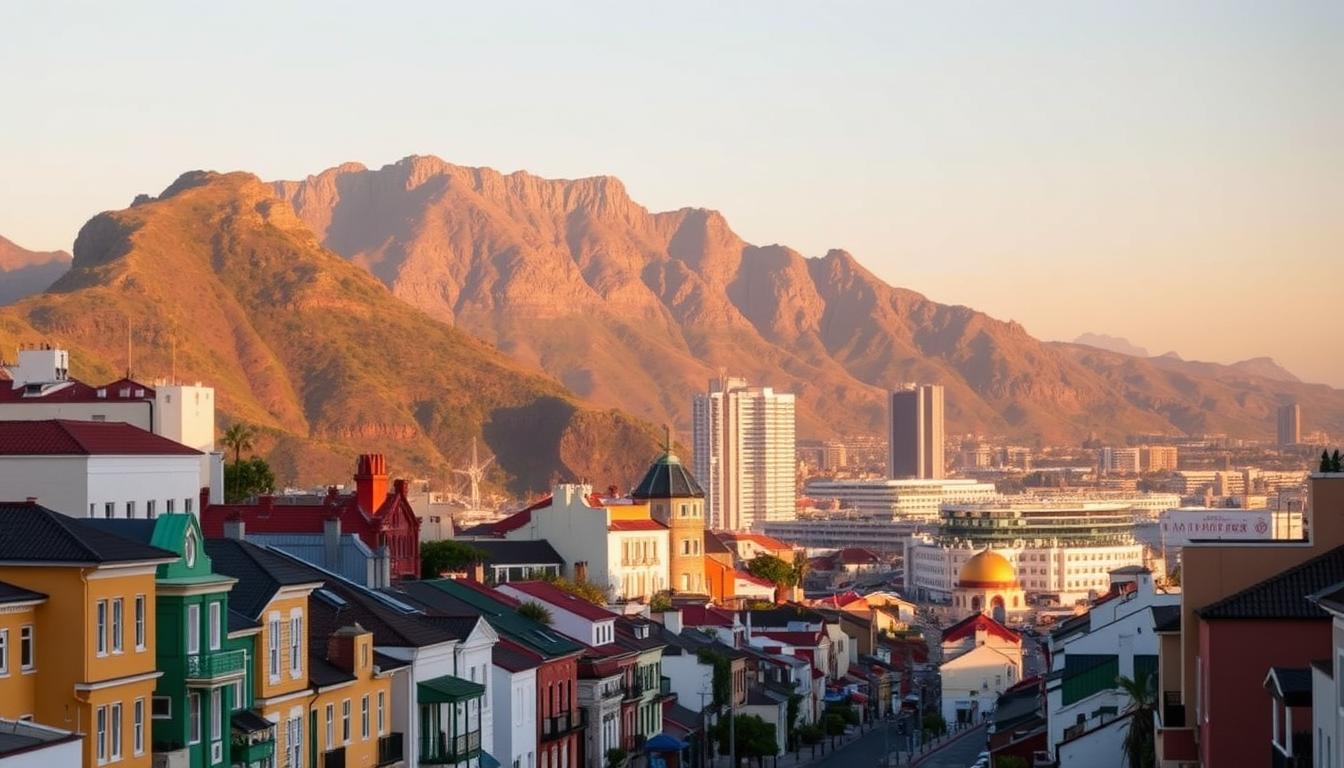
Don’t Miss These Cultural Highlights in Cape Town
Are you ready to dive into a city where Africa’s rhythm meets Europe’s vibrancy? Cape Town is a mix of cultures, filled with unforgettable cultural experiences.
You’re about to explore the heart of South Africa’s cultural capital. Here, history, art, and fun come together. With its rich history and diverse people, Cape Town offers a unique mix of traditions, foods, and lifestyles.
From lively markets to top museums, Cape Town attractions are waiting for you. It’s a must-visit destination for any traveler.
Exploring Cape Town’s Rich Cultural Tapestry
When you arrive in Cape Town, you dive into a world of vibrant culture. The city’s culture is a mix of many traditions. This makes it a unique place where different cultures come together.
The City’s Multicultural Heritage
Cape Town’s culture is seen in its buildings, food, and traditions. The city’s history is shaped by many cultures. This includes the Khoikhoi and San people, European settlers, and immigrants from Africa and Asia.
Places like Bo-Kaap show off the city’s diverse culture. It’s famous for its colorful houses and Cape Malay traditions.
| Cultural Influence | Contribution to Cape Town’s Culture |
|---|---|
| Indigenous | Traditional practices and customs |
| African | Music, dance, and art |
| European | Architecture, cuisine, and language |
| Asian | Culinary influences and cultural festivals |
Best Times to Experience Cape Town’s Culture
The best time to see Cape Town’s culture is during festivals and events. The Cape Town Jazz Festival and Kirstenbosch Summer Concerts highlight the city’s music. Also, the Heritage Day in September offers a deep look into the city’s heritage.
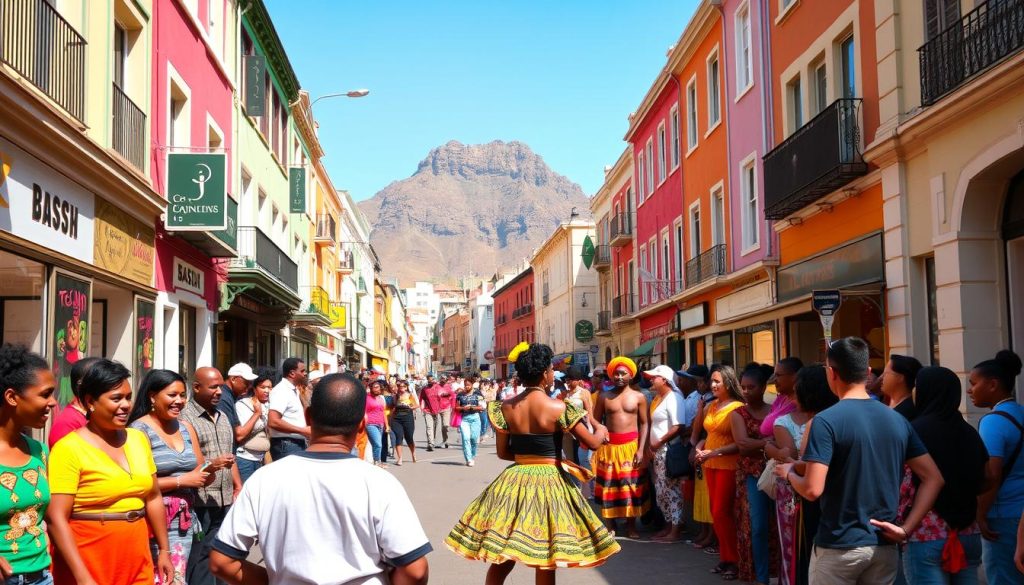
What Cultural Experiences Should I Not Miss in Cape Town?
Exploring Cape Town reveals a rich tapestry of cultural experiences. The city’s heritage is a mix of indigenous roots, colonial past, and immigrant influences.
Must-Visit Cultural Attractions
Cape Town boasts many cultural spots worth visiting. These places offer a deep dive into the city’s heritage. Some highlights include:
- The District Six Museum, which tells the story of the forced removals of the District Six community
- Robben Island, where Nelson Mandela was imprisoned for 18 years
- The Bo-Kaap Museum, showcasing the history and culture of the Cape Malay community
These attractions give a peek into Cape Town’s complex history and cultural identity.
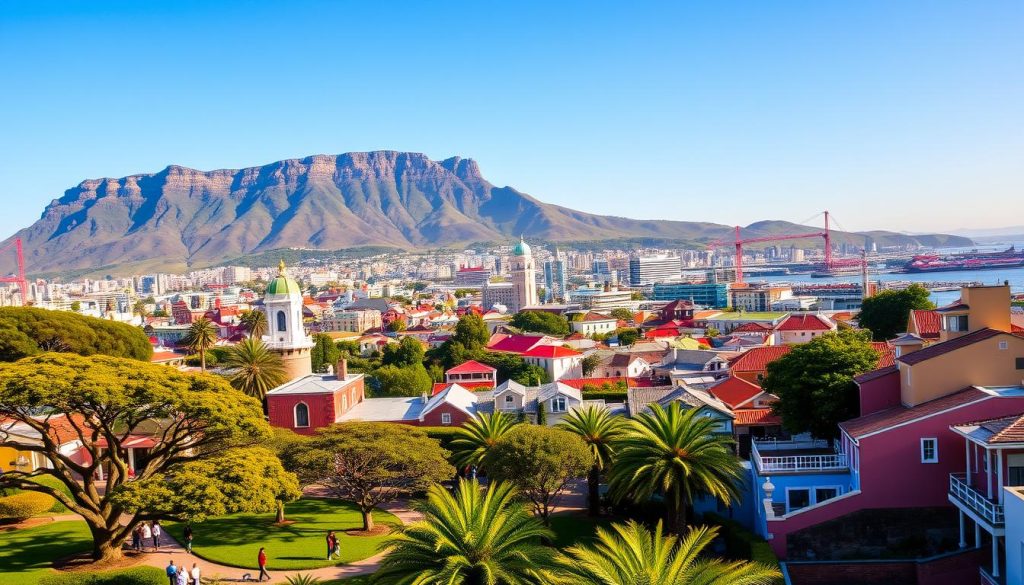
Planning Your Cultural Itinerary
Planning your cultural trip to Cape Town is key. Here are some tips to help:
| Attraction | Location | Best Time to Visit |
|---|---|---|
| District Six Museum | City Centre | Morning |
| Robben Island | V&A Waterfront | Early Morning |
| Bo-Kaap Museum | Bo-Kaap | Afternoon |
By planning your visit around these spots, you’ll have a smooth and enjoyable experience in Cape Town.
Also, don’t miss out on the city’s cultural events. Traditional music and festivals add to the richness of your visit.
Robben Island: Walking in Mandela’s Footsteps
When you arrive at Robben Island, you’re not just seeing a place. You’re stepping into a key part of South Africa’s history. This island, near Cape Town, is a major cultural spot and a must-see for those wanting to learn about the country’s past.

Historical Significance and Legacy
Robben Island’s story is closely linked to the fight against apartheid. For nearly four centuries, it was a prison for those opposing apartheid. Nelson Mandela, a key figure in this fight, was imprisoned here for 18 years. Today, the island is a symbol of the struggle for freedom and equality, showing the strength of the human spirit.
Visitor Experience and Former Political Prisoner Tours
Visiting Robben Island is a moving experience. This is thanks to the tours given by former political prisoners. These guides share their personal stories of life in prison, offering insights into the hardships and resistance faced by inmates. You’ll see Mandela’s cell and the quarry where prisoners worked, gaining a deeper understanding of the island’s history.
Practical Tips for Your Visit
To get the most out of your visit to Robben Island, plan ahead. Tours run all day, but booking early is wise, espeically when many people are traveling. Dress for the weather, as it can be windy and cold, even in summer. Also, bring water and snacks, as choices are limited. Take your time to reflect on the island’s history; it’s a place that invites deep thought and contemplation.
Bo-Kaap: Cape Town’s Colorful Cultural Quarter
Walking through Bo-Kaap, you’ll see a world of colors and a community rich in history. This lively area is a key spot for anyone wanting to dive into Cape Town’s cultural mix.
History of the Cape Malay Community
The Bo-Kaap neighborhood is where the Cape Malay community lives. They are the descendants of slaves from the Dutch East India Company. They keep their culture alive through food, music, and religion. The Cape Malay community’s history is a significant part of Cape Town’s cultural heritage, showing the city’s complex past and its mix of cultures.
Architectural Highlights and Photography Spots
Bo-Kaap is famous for its colorful houses, making it a photographer’s dream. The buildings mix Cape Dutch, Indonesian, and British styles. Walking the cobblestone streets, you can take amazing photos of these houses. 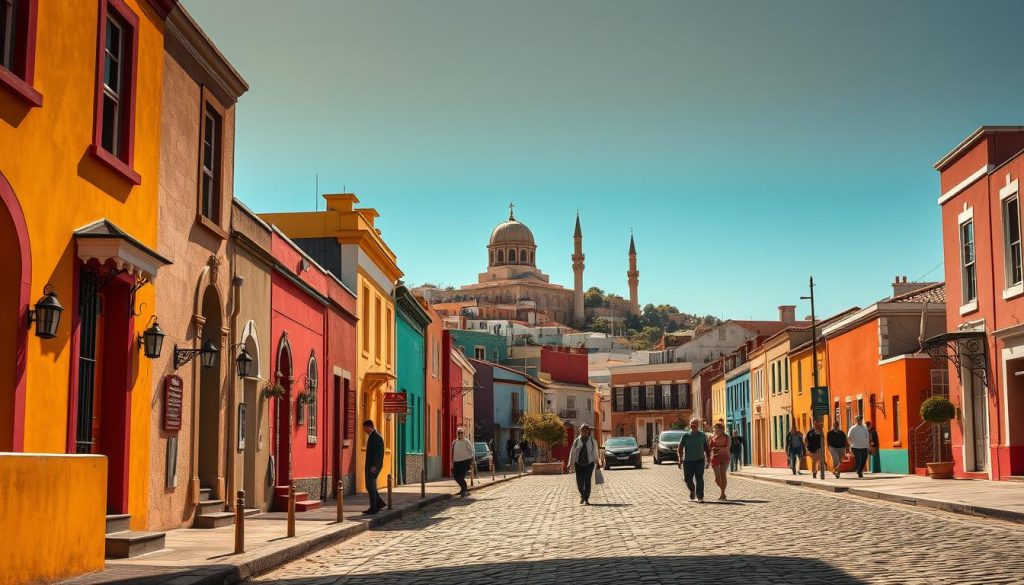
| Photography Spot | Best Time to Visit | Tips |
|---|---|---|
| Bo-Kaap Main Street | Early morning or late afternoon | Use natural light to capture vibrant colors |
| Bo-Kaap Museum | Anytime | Focus on architectural details |
| Chiappini Street | Golden hour | Experiment with angles and perspectives |
Culinary Experiences and Cooking Classes in Bo-Kaap
The Cape Malay community is known for its food, mixing African, Indonesian, and European tastes. You can try local dishes like bobotie and sosaties. Cooking classes let you learn how to make these dishes and their cultural importance.
Exploring Bo-Kaap helps you understand Cape Town’s cultural diversity and its history. This neighborhood is a key part of the city’s vibrant culture.
District Six Museum and South African Museum: Understanding Cape Town’s Past
The District Six Museum and the South African Museum give us a deep look into Cape Town’s history. They show the city’s complex past and its people’s strength.
The History and Forced Removals of District Six
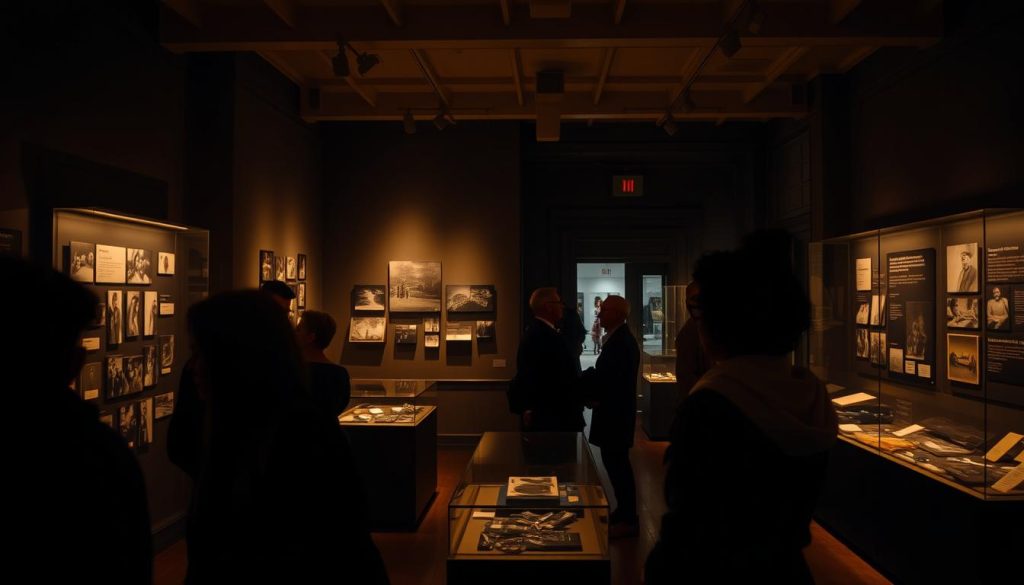
The District Six Museum tells the story of apartheid’s forced removals. Opened in 1994, it’s in Cape Town’s heart. It remembers the displacement of over 60,000 people from District Six.
Apartheid’s legacy is still seen today. The museum is a place for reflection and remembering. Walking through, you see the hard truths of forced removals and the community’s strength.
“The District Six Museum is a symbol of the struggle against apartheid and a celebration of the community’s spirit.”
Exhibits and Personal Stories
The museum’s exhibits are deeply personal. They tell of families torn apart and lives changed. You see artifacts and personal belongings of former residents. These give a moving look into their lives before and after removals.
| Exhibit | Description |
|---|---|
| Personal Belongings | Artifacts and belongings of former residents, showcasing their lives before and after forced removals. |
| Photographic Displays | Photographs documenting the history of District Six and its community. |
| Oral Histories | Recordings and transcripts of personal stories from former residents, providing a firsthand account of their experiences. |
Indigenous Cultures at the South African Museum
The South African Museum, next to the District Six Museum, highlights South Africa’s indigenous cultures. It has Khoisan artifacts and exhibits on indigenous groups’ history and traditions.
Exploring the museum, you learn about the cultures that shaped South Africa. The exhibits give a full view of the country’s indigenous heritage and its role in the cultural scene.
Cape Town’s Vibrant Art Scene
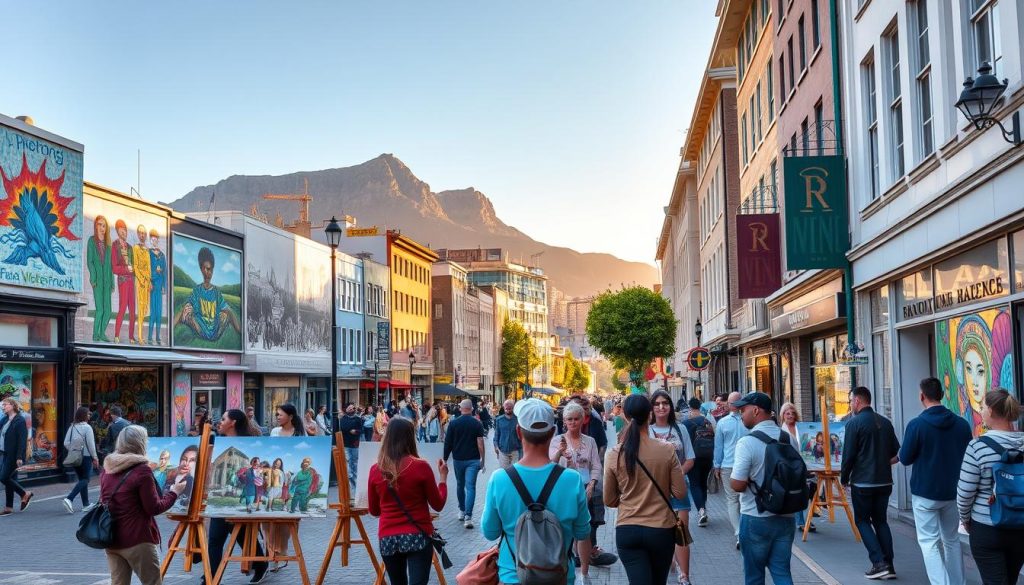
The art scene in Cape Town is a must-see. It has world-class museums, galleries, and street art. You’ll find a wide range of art that shows off Cape Town’s rich culture.
Zeitz MOCAA: Africa’s Leading Contemporary Art Museum
Zeitz MOCAA is a highlight in Cape Town’s art world. It has a huge collection of contemporary art from Africa and its diaspora. Located in the Silo District of the V&A Waterfront, its architecture is stunning.
Zeitz MOCAA has changing exhibitions. These show the work of both local and international artists. It’s a top spot for anyone who loves art.
Woodstock Street Art and Gallery Tours
Woodstock is famous for its street art. The walls are covered in colorful murals and graffiti. You can take a self-guided tour or join a guided tour to learn more.
Woodstock also has many art galleries. They show a wide range of contemporary art.
First Thursdays Art Walk and Cultural Events
Every first Thursday, Cape Town’s art scene buzzes with the First Thursdays Art Walk. Galleries and art spaces open their doors. You can meet artists, see exhibitions, and enjoy live music and drinks.
This event is a great way to see the city’s vibrant culture.
| Art Venue | Location | Features |
|---|---|---|
| Zeitz MOCAA | V&A Waterfront | Contemporary African art, rotating exhibitions |
| Woodstock Street Art | Woodstock | Vibrant street art, galleries, self-guided tours |
| First Thursdays Art Walk | Various locations | Monthly art event, gallery openings, live music |
Traditional Markets and Craft Shopping Experiences
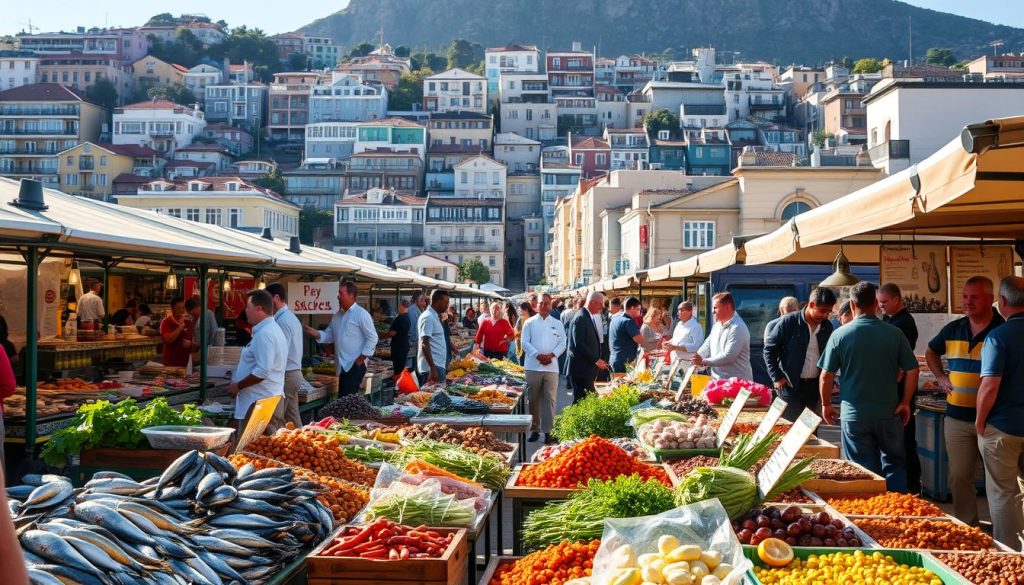
Cape Town’s markets are a unique blend of traditional crafts and modern flair. You’ll find local artisans, craftspeople, and entrepreneurs here. They showcase their unique items.
Greenmarket Square and Pan-African Crafts
Greenmarket Square is one of Cape Town’s oldest markets. It offers a wide range of crafts, artwork, and souvenirs. You can find woodcarvings, textiles, and more, all showing Africa’s rich culture.
It’s a great place to find unique gifts or just enjoy the lively atmosphere.
Neighbourgoods Market at Old Biscuit Mill
The Neighbourgoods Market at Old Biscuit Mill offers a modern shopping experience. It’s perfect for foodies and craft lovers. You’ll find artisanal producers, street food, and live music here.
It’s the ideal spot to try local foods and find handmade crafts.
V&A Waterfront Craft Market and Watershed
The V&A Waterfront Craft Market and Watershed are great for shopping. They focus on high-quality crafts and local artisans. Watershed is known for unique, handmade items like jewelry and home decor.
The market is close to the waterfront. So, you can shop and enjoy the views and attractions.
Shopping for souvenirs or diving into local culture? Cape Town’s markets and craft shops are a must-see.
Cape Town’s Music and Performance Culture
Exploring Cape Town reveals a vibrant music scene. It mixes traditional and modern styles. The city’s diverse culture shapes its unique musical identity.
Traditional Cape Jazz and Goema Sounds
Cape Town is famous for Cape jazz, starting in the 1950s. It’s known for soulful melodies and improvisation. Goema, rooted in Cape Malay culture, features energetic drumbeats and lively performances. You can find these sounds at cultural events and music venues across the city.
Live Music Venues and Cultural Performances
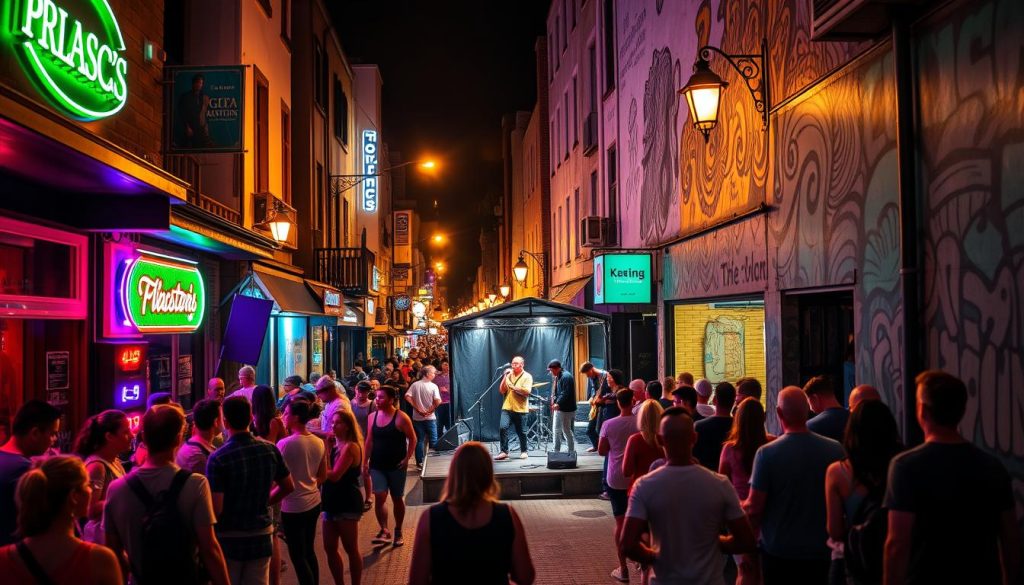
The city has many live music spots. From cozy jazz clubs to big concert halls, you’ll find local talent. Places like the Rustenburg Concert Hall and the fynbos Venue offer a mix of traditional and modern music. Cultural performances, including dance and music, are also common at cultural centers and festivals.
Annual Festivals: Cape Town Jazz Festival and Kirstenbosch Summer Concerts
Cape Town celebrates its music with several festivals each year. The Cape Town Jazz Festival is a major event, featuring jazz from around the world. The Kirstenbosch Summer Concerts, held in Kirstenbosch National Botanical Garden, showcase a variety of musicians in a beautiful outdoor setting.
| Festival | Location | Genre |
|---|---|---|
| Cape Town Jazz Festival | Cape Town Stadium | Jazz |
| Kirstenbosch Summer Concerts | Kirstenbosch National Botanical Garden | Various |
These festivals highlight Cape Town’s rich musical heritage. They show how music brings people together.
Culinary Journey Through Cape Town’s Cultural Heritage
Exploring Cape Town reveals a world of flavors. The city’s food scene is a mix of old traditions and new ideas. It shows the influence of Africa, Europe, and Asia.
Cape Malay Cuisine and Spice: Roots and Flavors
Cape Malay food is known for its deep tastes and spices. This comes from the Cape Malay community’s ties to Southeast Asia and the Middle East. Try bobotie and boemboe to taste this unique blend. You can find these dishes in local eateries and cooking classes.
African Fusion Restaurants and Township Food Experiences
Cape Town’s African fusion restaurants offer a fresh take on traditional dishes. They mix local ingredients with global cooking styles. Township food tours also let you taste the real flavors of places like Langa and Mitchells Plain.
Food Tours and Interactive Cooking Classes
Join a food tour or cooking class to really get into Cape Town’s food culture. You’ll learn about local dishes and how to make them. Food tours take you to markets and restaurants. Cooking classes let you make Cape Town’s famous dishes yourself.
Wine Culture and the Cape Winelands
The Cape Winelands are famous for their old wine estates and Dutch roots. As you wander through this beautiful area, you’ll find a rich mix of wine culture, history, and landscapes.

Historical Wine Estates and Dutch Heritage
The Cape Winelands boast some of South Africa’s oldest and most respected wine estates. Estates like Vergelegen and Groot Constantia show off the Dutch heritage through their buildings, wine-making, and traditions. You can learn about these estates by taking a guided tour, which includes wine tastings and stories of winemaking history.
The Dutch influence is clear in the region’s wine-making methods, dating back to the 17th century. This legacy still influences the wine industry in the Cape Winelands, making it a special place for wine lovers.
Wine Tasting Experiences and Cellar Tours
Visiting the Cape Winelands isn’t complete without trying its top-notch wines. Many estates offer cellar tours, where you can see how wine is made, from picking grapes to bottling. These tours end with wine tastings, letting you try some of the best wines.
Some estates also have special experiences, like private wine tastings and vineyard tours. These offer a deeper look into the region’s wine culture and a chance to meet winemakers.
Cultural Festivals in the Winelands
The Cape Winelands have many cultural festivals all year round. These celebrate the region’s wine, music, and food. The Cape Winelands Festival is a big hit, with live music, local dishes, and wine tastings. These festivals are a great way to see the local culture and enjoy the area’s famous wines in a fun setting.
Going to a cultural festival in the Cape Winelands is a fantastic way to dive into the area’s lively culture. You’ll get to enjoy its famous wines in a lively atmosphere.
Conclusion: Embracing Cape Town’s Cultural Diversity
Cape Town is a treasure trove of experiences. As you explore the city, you’ll find a rich mix of cultures and traditions. From Bo-Kaap’s colorful streets to the District Six Museum, the city’s history is complex and fascinating.
For a great visit, use our travel tips. Check out the Zeitz MOCAA and the South African Museum. Don’t miss a traditional Cape jazz performance or a cultural festival.
Exploring Cape Town’s diversity will deepen your understanding of its history and people. Whether you love history, food, or adventure, there’s something for everyone. Come and see Cape Town’s unique heritage for yourself. We can’t wait to welcome you.