Do I need a visa to visit Doha, Qatar?
Planning a trip to Doha, Qatar’s lively capital? It’s crucial to know the visa rules first. This guide will help you figure out if you need a visa. We’ll also show you how to get one if necessary.
With this information, you can prepare for a smooth journey to this fascinating Middle Eastern city. Get ready for an exciting and culturally rich adventure in Doha!
Qatar Visa Requirements
Qatar’s visa rules are simple for many travelers. Over 90 countries can enter Qatar without a visa. This includes the US, Canada, and many European nations.
Visa-free Entry
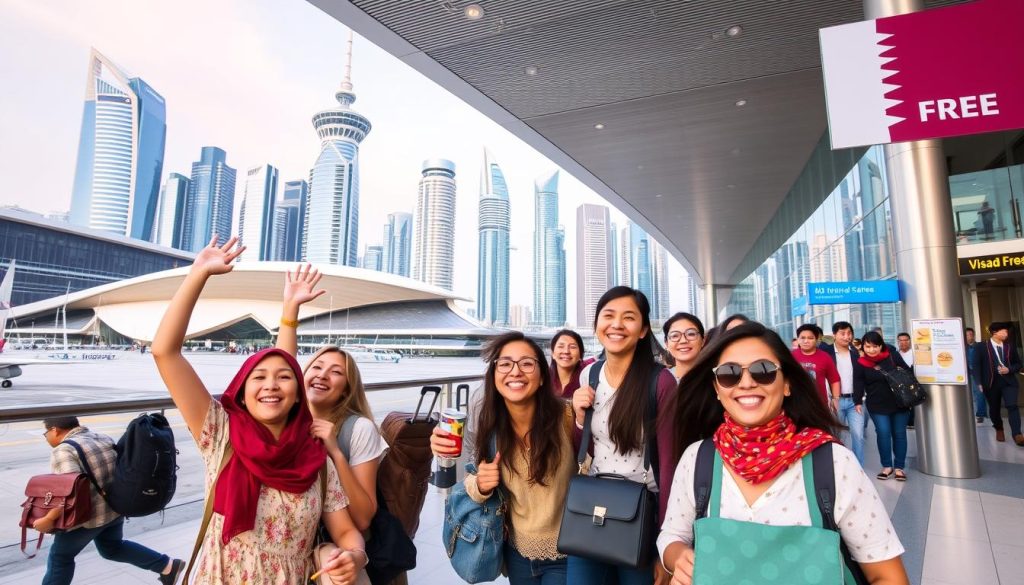
If you’re from a visa-free country, you’ll get a free visa at Doha Airport. This visa lasts up to 30 days. It’s perfect for short trips to Qatar.
Visa on Arrival
Other travelers can get a visa on arrival. Apply online or through the Hayya platform. It costs QAR 100 (about $27 USD). You’ll receive the visa when you land.
| Visa Type | Eligibility | Duration | Cost |
|---|---|---|---|
| Visa-free Entry | Citizens of over 90 countries | Up to 30 days | Free |
| Visa on Arrival | Applicable for travelers not eligible for visa-free entry | Up to 30 days | QAR 100 (approx. $27 USD) |
Your passport must be valid for six months past your planned stay. Check the visa rules before you go. This will help you plan your trip to Qatar smoothly.
Exit Bans in Qatar
Qatar has strict exit ban policies that can trap visitors in the country. Legal issues, disputes, debts, or contracts may prevent people from leaving. These Qatari exit bans can last for months or even years.
Exit bans pose a serious risk to travelers. Even minor problems can result in being stuck in Qatar. U.S. citizens have faced these restrictions, causing major disruptions to their plans.
Travelers should be cautious when visiting Qatar. It’s important to resolve any potential issues before your trip. This helps avoid the risk of being subject to Qatari immigration rules exit bans.
| Reason for Exit Ban | Potential Duration |
|---|---|
| Legal Proceedings | Months or Years |
| Labor Disputes | Months or Years |
| Financial Disputes | Months or Years |
| Personal Debt | Months or Years |
| Outstanding Contracts | Months or Years |
Research Qatari exit bans and Qatari immigration rules before planning your trip. Seek legal advice if needed. Settling all obligations can help prevent being trapped in Qatar indefinitely.
Do I need a visa to visit Doha, Qatar?
Understanding Doha’s visa rules is crucial before your trip. The process can be simple, depending on your nationality and visit purpose.
Some travelers can get a visa on arrival at Hamad International Airport. It’s valid for one month and costs QAR 25/USD 7. You can renew it for two more months.
U.S. citizens need a visa for Qatar. The tourist visa lasts 30 days. Your passport must be valid for six months. Longer stays may require an exit permit.
Pre-arranged visas are an option if you’re not eligible for arrival visas. Normal processing takes about two weeks. Fast-track options are available in five to six days.
To apply, gather documents like your passport, photos, and a completed application form. The Hayya platform can help streamline the e-visa process.
Always check the latest visa requirements before your Doha trip. Good planning ensures a smooth vacation in this captivating Qatari city.
| Visa Requirement | Details |
|---|---|
| Visa on Arrival |
|
| Pre-arranged Visa |
|
| U.S. Citizens |
|
“Regardless of your nationality or the purpose of your visit, it’s essential to research the latest visa requirements and ensure you have the necessary documents before your trip to Doha.”
Criminal Penalties in Qatar
Qatar enforces strict laws with harsh penalties for various offenses. Visitors must know and follow these laws to avoid legal trouble. Alcohol and drug-related crimes are taken very seriously.
Alcohol-Related Offenses
In Qatar, public drunkenness and drinking without a permit can lead to severe punishment. Consequences may include arrest, hefty fines, jail time, or deportation. Alcohol laws are strictly enforced, so it’s crucial to obey them.
Drug-Related Offenses
Qatar prohibits the use or possession of illegal drugs. Penalties for drug crimes can be extremely harsh. Sentences may range from large fines to long prison terms. In some cases, the death penalty may apply.
Travelers should never bring banned substances into Qatar. The risks are far too great. Respecting local laws is essential for all visitors to Qatar.
Remember, not knowing the law doesn’t excuse breaking it. Understanding and following Qatar’s rules ensures a safe and enjoyable trip.
“Transiting passengers carrying any amount of drugs, including legal medication in other countries, through Qatar may face arrest.”
| Offense | Penalty |
|---|---|
| Public Intoxication | Arrest, Fines, Imprisonment, Deportation |
| Drinking and Driving | Arrest, Fines, Imprisonment, Deportation |
| Possession or Consumption of Alcohol without Permit | Arrest, Fines, Imprisonment, Deportation |
| Use or Possession of Illegal Drugs | Fines, Imprisonment, Deportation, Death Penalty |
Arrest Notification and Legal Representation
Understanding your rights is vital if you’re arrested in Qatar. Qatari authorities don’t always inform the U.S. Embassy about arrests. You must act quickly to notify the embassy yourself.
Ask police to contact the U.S. Embassy in Doha for you. If they refuse, have a friend or family member do it. Legal help may be limited at first, so get a lawyer fast.
- Qatar law enforcement authorities do not routinely notify the U.S. Embassy in Doha of a U.S. citizen’s arrest, especially for serious crimes.
- Arrested U.S. citizens in Qatar often spend one or two nights in jail awaiting a hearing with Qatar’s Public Prosecution or the appropriate court, regardless of the charges.
- Incidents involving insults or obscene language/gestures can result in arrest, overnight imprisonment, and fines, whether between private parties or involving law enforcement officers.
The Qatari arrest notification process isn’t automatic. You may need to actively seek legal help in Qatar. Quick action can improve your chances of a good outcome.
“Insults or obscene language/gestures in public in Qatar are considered punishable offenses.”
Employment and Contract Disputes
Qatar’s labor laws often favor employers over employees. Foreign workers face challenges in employment and contract disputes. Knowing your rights and the legal landscape is vital.
“Exit bans” can be a major issue in Qatar. If your employer files a complaint, you might be unable to leave the country. This can happen even on a tourist or airport visa.
Changing jobs before your contract ends can be tricky. You’ll need permission from your current employer and approval from the Interior Ministry. Qatari citizens get priority for jobs over foreign workers.
Labor disputes in Qatar can drag on for years. The Ministry of Labor usually handles these issues. Qatari Civil Law allows contracts to follow the employer’s home country laws.
Your employment contract is crucial. It must be in writing and in Arabic. The Labor Department needs a copy on file.
Contracts can be fixed-term or unlimited. Notice periods for ending a job depend on how long you’ve worked there.
| Key Facts on Employment and Contract Disputes in Qatar |
|---|
|
Grasping Qatar’s employment rules is key for foreign workers. Knowing the challenges helps protect your rights. Following proper steps can reduce risks in job-related issues.

Cultural and Social Considerations
Doha, Qatar has unique cultural and social norms. As an Islamic nation, Qatar has specific dress code requirements. In public areas, cover shoulders, chests, stomachs, and knees. Respecting local customs ensures a safe trip.
Dress Code
Dress modestly in Doha, covering shoulders and knees. This applies to both men and women. It’s crucial when visiting mosques or religious sites. Wear loose, lightweight fabrics to stay cool in Qatar’s hot climate.
Faith-Based Travelers
Qatar strictly regulates religious practices. Proselytizing is illegal, so respect the country’s Islamic faith. If planning religious activities, research local guidelines first.
LGBTQI+ Travelers
Same-sex relations are illegal in Qatar. The country doesn’t recognize the “X” gender marker on passports. LGBTQI+ visitors should be cautious to avoid legal issues or harassment.
Travelers with Disabilities
Accessibility is limited in Qatar. Recent improvements have been made. However, visitors with special needs may face challenges with infrastructure and public transportation.
Women Travelers
Women may face harassment in crowded public areas. Dress conservatively and avoid traveling alone at night. Stay vigilant to ensure a safe trip.
Respect Qatar’s cultural norms for a successful visit. Being mindful of local customs ensures a safe and memorable experience. Enjoy this unique Middle Eastern destination responsibly.

Journalists and Photography Regulations
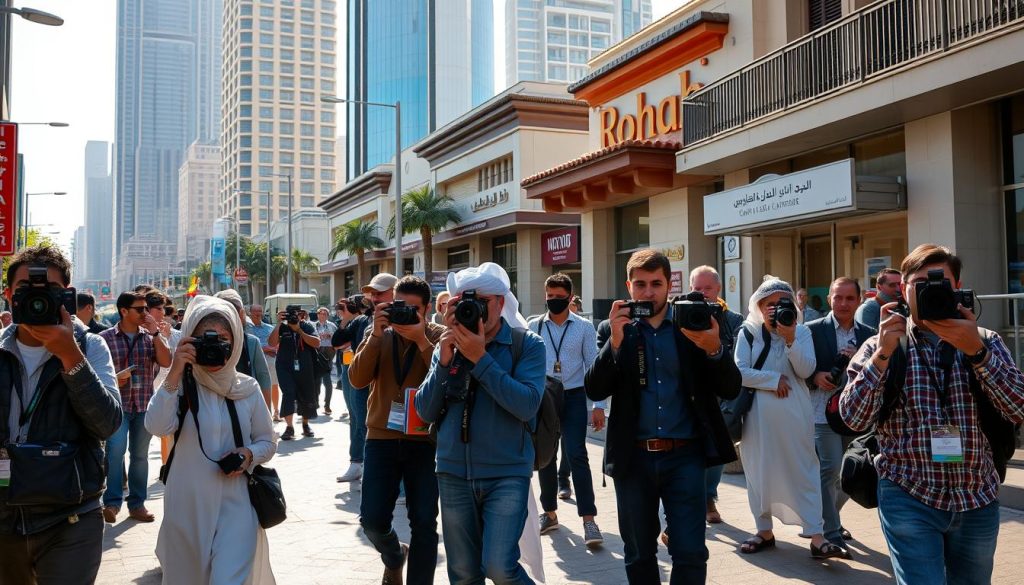
Qatar has strict rules for media activities and photography. The country tightly controls press freedom and expression. Specific visas and permissions are required for any journalistic work.
Journalists, bloggers, and vloggers need an “I” visa for interviews, reporting, or using camera equipment. This visa is for foreign media representatives and has extra requirements.
Taking photos of locals, especially women, without permission is banned in Qatar. Photographing government buildings or military sites is also forbidden. Breaking these rules can lead to harsh penalties.
Freelance journalists must meet certain criteria for the “I” visa. They need credentials from a professional organization and a contract with a media outlet. Not following these rules can result in fines or deportation.
It’s vital for journalists in Qatar to know the laws before starting any media work. Those interested in photography regulations in Qatar should research thoroughly to avoid legal issues.
| Visa Type | Purpose | Eligibility | Fees |
|---|---|---|---|
| I Visa | Journalism and Media Activities | Journalists, Bloggers, Vloggers | Varies |
| B-1 Visa | Photography (no income from US source) | Still Photographers | Varies |
| Visa Waiver Program | Media Activities (with media visa) | Citizens of Participating Countries | Varies |
Understanding Qatar’s media laws is crucial for journalists in Qatar. Those interested in photography regulations in Qatar must research thoroughly before starting any work.
Conclusion
Visiting Doha requires careful planning and knowledge of Qatar’s visa rules. Travelers must understand visa options, including the eVisa system and visa-free entry for US citizens. It’s crucial to avoid overstaying or breaking Qatari laws.
Respecting Doha’s dress code and social etiquette is essential for a smooth trip. Be aware of regulations for journalists and photography. These steps ensure a respectful experience in Qatar’s vibrant capital.
Doha offers a rich blend of history, architecture, and culture for American visitors. It’s an amazing gateway to explore the Middle East. By focusing on safety and cultural awareness, you’ll create unforgettable memories in this Doha travel guide.
Adhering to Qatari laws ensures a safe and enjoyable time in this captivating destination. Doha stands out as a popular choice for those planning travel to Qatar. Embrace the local customs to fully appreciate this welcoming city.