Discover the Wonders of Nairobi National Museum in Kenya
Ever wondered about Kenya’s rich cultural secrets? Step into the Nairobi National Museum to discover Kenya’s history and culture.
The museum is a treasure trove of Kenya’s heritage. It takes you on a journey through time. You’ll see artifacts and interactive displays that show Kenya’s natural history and cultural traditions.
Explore the wonders of this amazing Kenya museum. Learn about the African history that has made Kenya what it is today.
The Cultural Heart of Kenya
When you enter the Nairobi National Museum, you dive into Kenya’s rich culture. The museum started in 1910 by the East Africa and Uganda Natural History Society (EAUNHS). It has worked hard to keep the area’s plants, animals, and cultural history safe.
A Gateway to Kenya’s Rich Heritage
The Nairobi National Museum is more than a place for artifacts. It opens the door to Kenya’s deep cultural roots. Walking through the exhibits, you learn about the country’s many ethnic groups, their customs, and how they live.
The Museum’s Role in Preserving East African Culture
The museum plays a key role in saving East African culture. Its collections offer a special look into the area’s past and cultural ways. It’s in the heart of Nairobi, making it a key spot for culture and learning.
| Museum Aspect | Description |
|---|---|
| Location | Heart of Nairobi |
| Established | 1910 by EAUNHS |
| Significance | Preserves East African culture and heritage |

Visiting the Nairobi National Museum lets you explore Kenya’s rich culture. You’ll get a better understanding of the country’s history and traditions.
History of the Nairobi National Museum
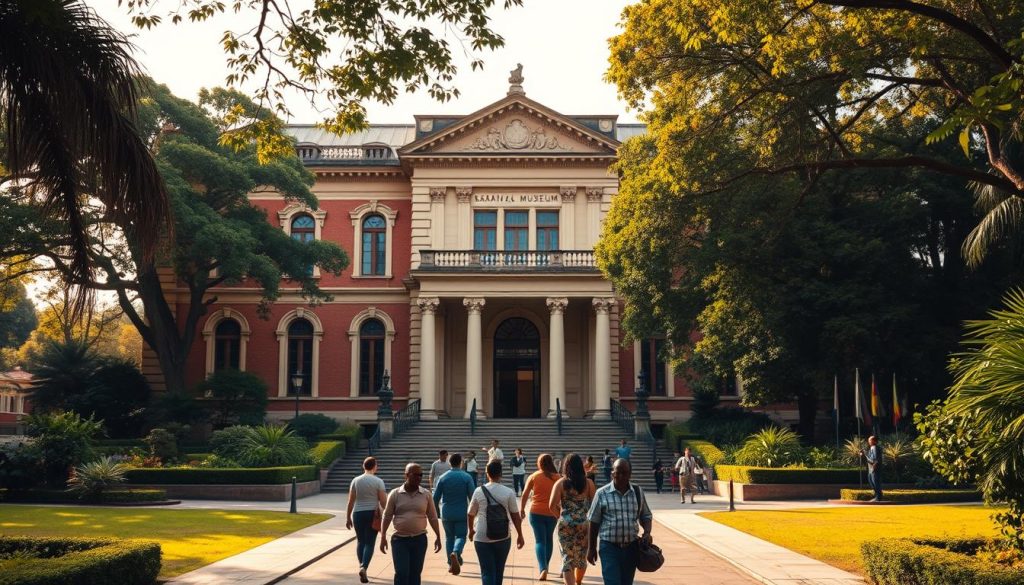
Exploring the Nairobi National Museum reveals its deep history. It started in a small building in Nairobi. Then, it moved to its current spot on Museum Hill in 1929.
From Colonial Institution to National Pride
The Nairobi National Museum has grown from its colonial beginnings to symbolize national pride. It has changed a lot to protect Kenyan heritage.
The 2005-2008 Renovation and Modernization
A big change was the 2005-2008 renovation and modernization. The museum’s facilities were updated to international standards. This improved the experience for visitors.
Current Status and International Recognition
Now, the Nairobi National Museum is known worldwide for preserving East African culture. Its renovated facilities and diverse exhibitions attract tourists and researchers.
The museum’s story shows its strength and ability to adapt. It mirrors Kenya’s journey in preserving culture and identity.
What Makes the Nairobi National Museum Special
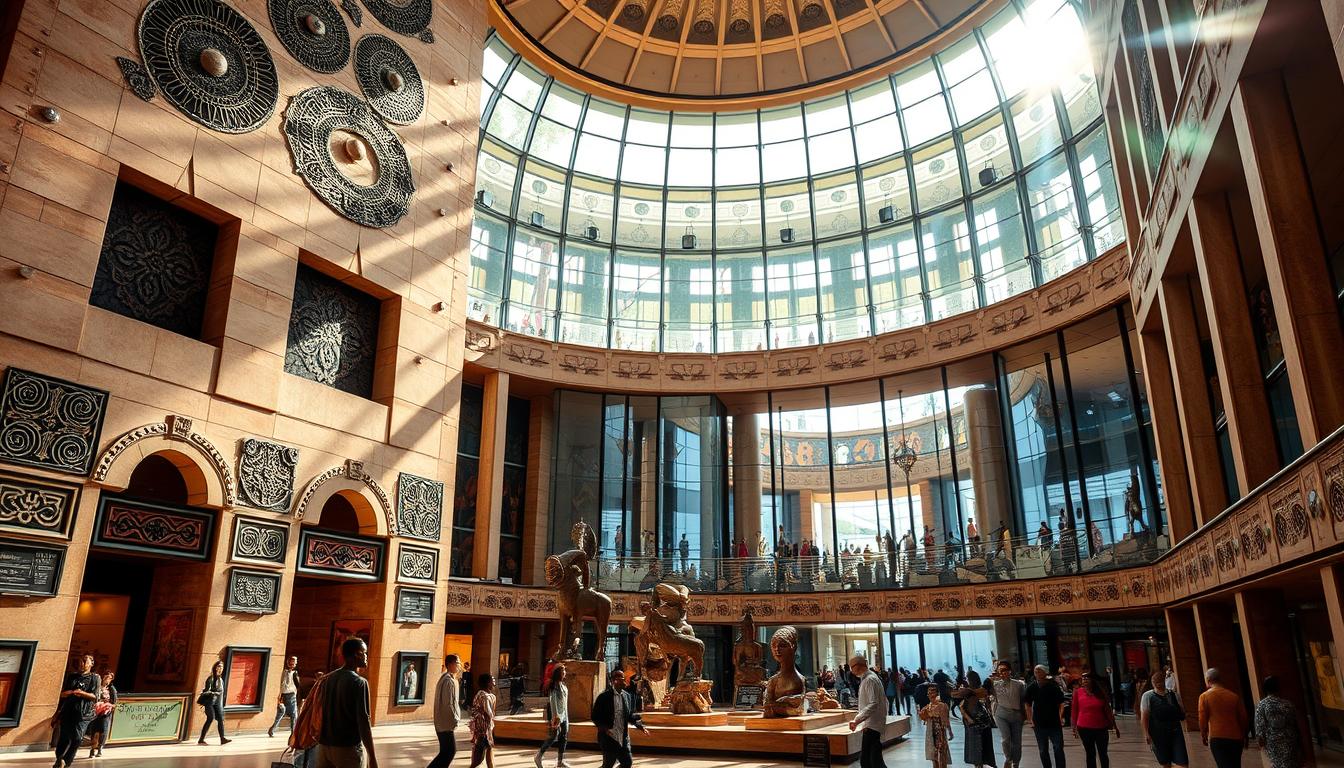
Exploring the Nairobi National Museum reveals its unique charm. It’s known for its unique collections, award-winning architecture, and cultural significance.
Unique Collections Found Nowhere Else
The museum has over 900 bird specimens. These represent the wide range of birds in the area. It attracts bird lovers and scientists.
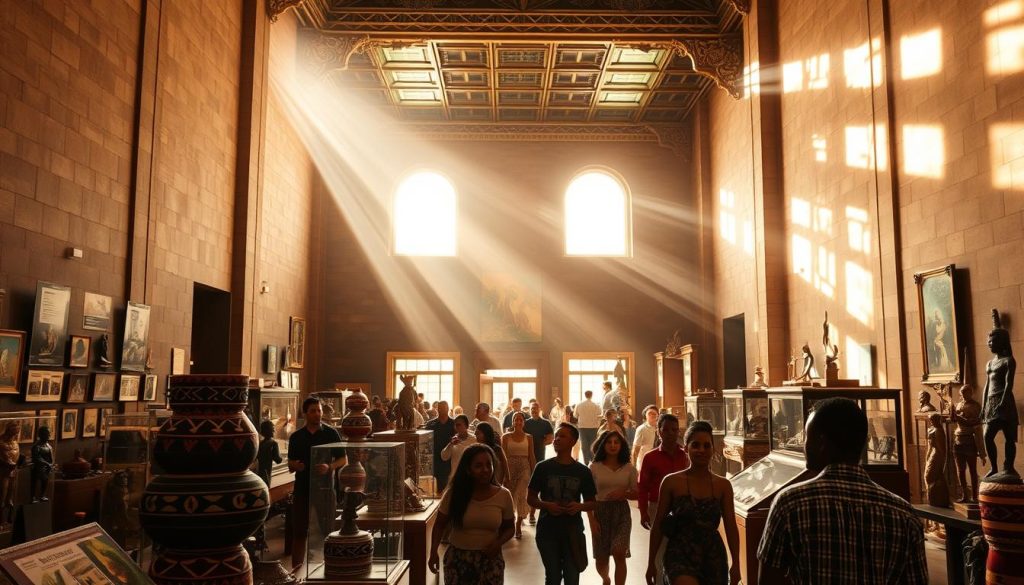
Award-Winning Architecture and Design
The museum’s design mixes traditional and modern styles. It shows Kenya’s rich culture. Its architecture has won international praise.
Cultural Significance to Kenyans and Visitors
The museum is deeply meaningful to Kenyans and visitors. It offers a glimpse into Kenya’s history and traditions. It’s a must-see for those interested in culture.
Exploring the Main Exhibits
The museum’s main exhibits take you on a journey through Kenya’s culture, history, and nature. You’ll learn a lot about the country’s rich heritage and its importance.
Hall of Kenya: The Nation’s Story
The Hall of Kenya is a key part of the museum. It tells the story of the nation from before colonial times to today. You’ll see artifacts, images, and interactive displays that make Kenya’s history come alive.
Hominid Skull Room: Human Origins Collection
The Hominid Skull Room is another important exhibit. It has a big collection of hominid fossils and skulls. This helps us understand human evolution and our ancestors’ history.
Birds of East Africa Exhibition
The Birds of East Africa Exhibition is great for bird lovers. It shows many bird species, including:
- Rare and endemic species
- Conservation status displays
- Interactive displays showcasing bird habitats
Rare and Endemic Species
The exhibit shows rare and endemic bird species from East Africa. You’ll see the endangered Sokoke Scops Owl and the vibrant Hartlaub’s Turaco.
Conservation Status Displays
The conservation status displays tell us about the current state of bird species. They highlight the need for conservation efforts.
| Bird Species | Conservation Status |
|---|---|
| Sokoke Scops Owl | Endangered |
| Hartlaub’s Turaco | Least Concern |
| Sharpe’s Longclaw | Vulnerable |
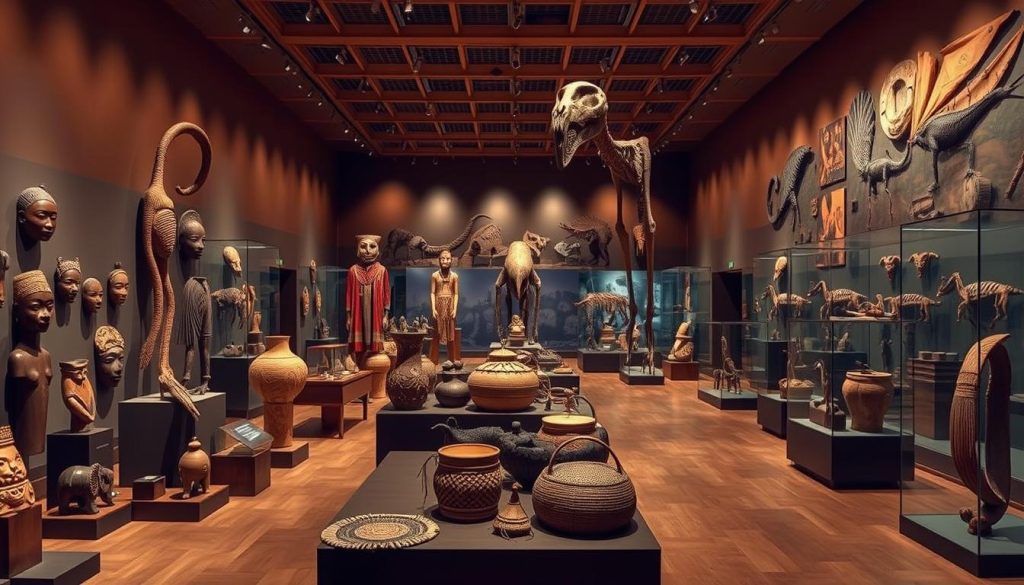
As you keep exploring the Nairobi National Museum’s main exhibits, you’ll learn more about Kenya’s history, culture, and nature.
The Fascinating History Gallery
The History Gallery at the Nairobi National Museum takes you on a journey through Kenya’s history. You’ll see everything from ancient times to today. It’s a story of Kenya’s past, from its early days to its fight for freedom and its growth today.
Pre-Colonial Kenya Artifacts
The gallery starts with artifacts from before colonial times. You’ll see tools, jewelry, and more that show how early Kenyans lived. These items are key to understanding Kenya’s roots.
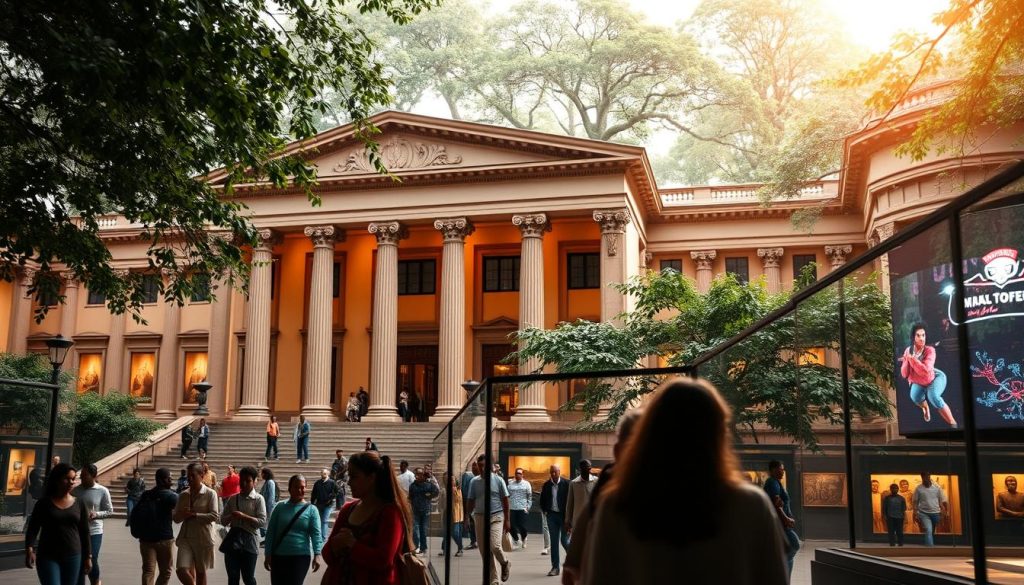
The Struggle for Independence
The next part of the gallery tells the story of Kenya’s fight for freedom. You’ll see documents, photos, and personal items from key figures. This part is a moving tribute to those who fought for freedom.
Modern Kenya’s Development and Challenges
The final part looks at Kenya today. It talks about the country’s growth and the challenges it faces. A table shows important moments in Kenya’s recent history:
| Year | Event | Significance |
|---|---|---|
| 1963 | Independence | Kenya gains independence from British colonial rule |
| 1964 | Jomo Kenyatta becomes President | First president of independent Kenya, marking a new era |
| 2010 | New Constitution | Adoption of a new constitution, enhancing democratic governance |
By the end of your visit, you’ll know more about Kenya’s history and its journey to today.
“The History Gallery is a testament to Kenya’s rich and diverse heritage, offering visitors a comprehensive look at the nation’s past and its path to the future.”
Natural History Exhibits at the Nairobi National Museum
As you explore the Nairobi National Museum, you’ll find a world of natural history exhibits. These exhibits showcase Kenya’s diverse ecosystems and rich natural heritage.
The Great Hall of Mammals
The Great Hall of Mammals is a must-see. It features life-sized models and mounted specimens of many mammals. You’ll see animals like the African elephant and lion, and some you might not know about. This exhibit lets you see these animals up close, helping you appreciate Kenya’s wildlife more.
Geological Wonders of the Rift Valley
The museum also has Geological Wonders of the Rift Valley. This exhibit shows the unique geological features of the region. It gives insights into the Earth’s history and how our planet has changed.
Paleontological Treasures and Fossil Collections
The Paleontological Treasures and Fossil Collections are another key part. They feature a wide range of fossils that tell us about life on Earth. From ancient hominids to extinct species, these fossils offer a glimpse into the past. They help us understand how life has evolved on our planet.
By exploring these exhibits, visitors can learn more about Kenya’s natural world. They also see why conservation efforts are so important.
Art and Cultural Exhibitions
Exploring the Nairobi National Museum reveals a wealth of Kenyan and African art. The museum’s art collections are a key highlight. They offer deep insights into Kenya’s cultural heritage.
Traditional Kenyan Art Through the Ages
The museum displays a wide range of Traditional Kenyan Art. You’ll see detailed wood carvings, colorful textiles, and more. These pieces show the country’s rich cultural history.
By exploring Kenyan art through the ages, you gain a deeper understanding. You’ll learn more about Kenya’s cultural identity.
Contemporary African Artists Showcase
The museum also has a contemporary art gallery. It hosts rotating exhibitions by Kenyan and international artists. This is a chance to see the newest trends and innovations in African art.
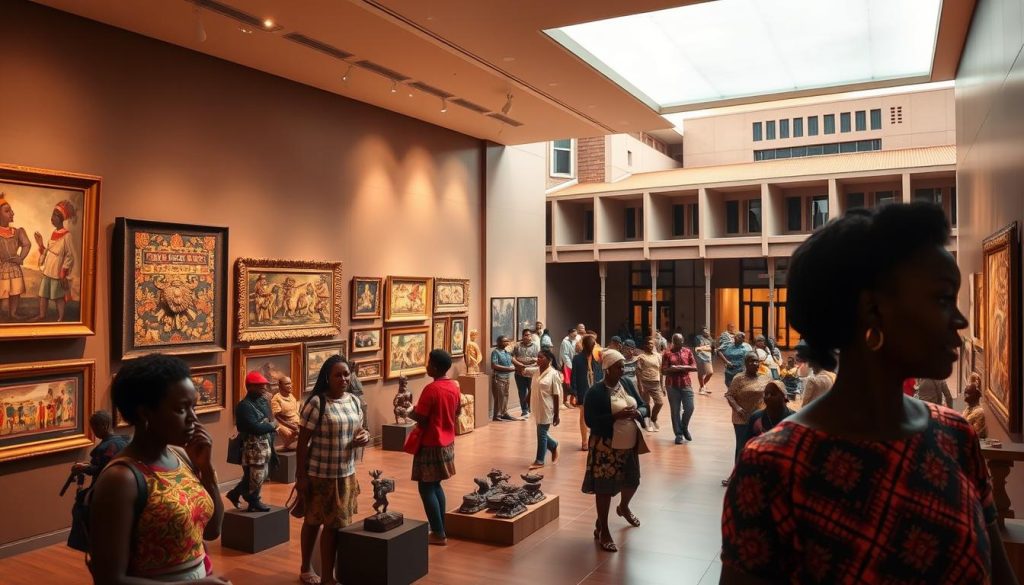
Temporary and Traveling Exhibitions
The museum often has Temporary Exhibitions from around the world. These exhibitions bring new perspectives to the museum’s collections. They offer a dynamic cultural experience for visitors.
The Nairobi National Museum is a top spot for anyone interested in Kenya’s culture. It showcases a wide range of art and cultural exhibitions.
The Botanical Gardens and Snake Park
As you explore the Nairobi National Museum, you’ll find its botanical gardens. They are a peaceful spot for those who love botany and conservation. Here, you can see manyindigenous plants, like medicinal plants, succulents, and flowers.
Indigenous Plants and Conservation Efforts
The gardens are key in conservation efforts. They help preserve and study local plants. Visitors can learn how these plants are used in traditional Kenyan medicine and their role in nature.

The Snake Park: Reptiles of East Africa
Next to the gardens is the Snake Park. It houses a variety of reptiles and amphibians from East Africa. Here, you can safely learn about the region’s interesting reptiles.
Educational Programs in the Gardens
The Nairobi National Museum has educational programs in the gardens. These programs teach about conservation and the value of local plants. They are fun and educational for all ages.
Educational Programs and Special Events
Explore Kenya’s rich cultural heritage through the museum’s educational programs and special events. The Nairobi National Museum offers a variety of activities for all interests and ages.
Workshops and Learning Opportunities
The museum provides workshops and learning opportunities. These hands-on experiences let you dive into Kenya’s history, culture, and nature. They are engaging and informative, perfect for both locals and tourists.
Annual Cultural Festivals
The Nairobi National Museum hosts annual cultural festivals to celebrate Kenya’s diverse culture. These events showcase traditional music, dance, and art. They offer a unique look into Kenya’s rich cultural heritage.
Children’s Programs and Family Activities
The museum also has children’s programs and family activities. They are both fun and educational. These programs help young people appreciate Kenya’s heritage and strengthen family bonds.
| Program Type | Description | Target Audience |
|---|---|---|
| Workshops | Hands-on experiences exploring Kenya’s history and culture | General Public, Schools |
| Cultural Festivals | Celebrations of traditional music, dance, and art | Families, Cultural Enthusiasts |
| Children’s Programs | Educational and entertaining activities for young minds | Children, Families |
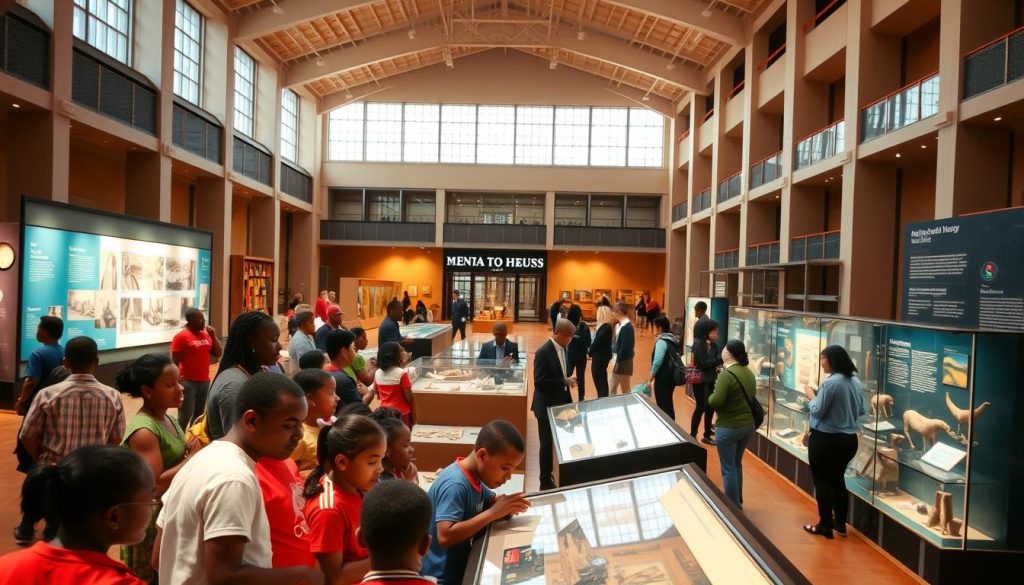
Join these educational programs and special events to understand Kenya’s heritage better. You’ll also help preserve it.
Practical Information for Visitors
To make the most of your trip to the Nairobi National Museum, it’s essential to be prepared. Here are the key details you need to know.
Location and Transportation Options
The Nairobi National Museum is at Museum Hill, Nairobi. You can get there by car or public transport. If driving, there’s plenty of parking.
For public transport, several matatu routes are near the museum.
Opening Hours and Entrance Fees
The museum is open daily from 8:30 AM to 5:30 PM. Admission fees change based on where you’re from and your age. Check the official website for the latest fees before you go.
Guided Tours and Audio Guides
The museum offers both guided tours and audio guides to enhance your experience.
Expert-Led Tours
Expert-led tours give detailed info about the exhibits. They’re available upon request.
Self-Guided Options
For those who like to explore at their own pace, audio guides are available in several languages.
Accessibility Information
The museum is committed to being accessible to all visitors. It has ramps and elevators for those with mobility issues. It’s wise to contact the museum in advance to ensure your needs are met.
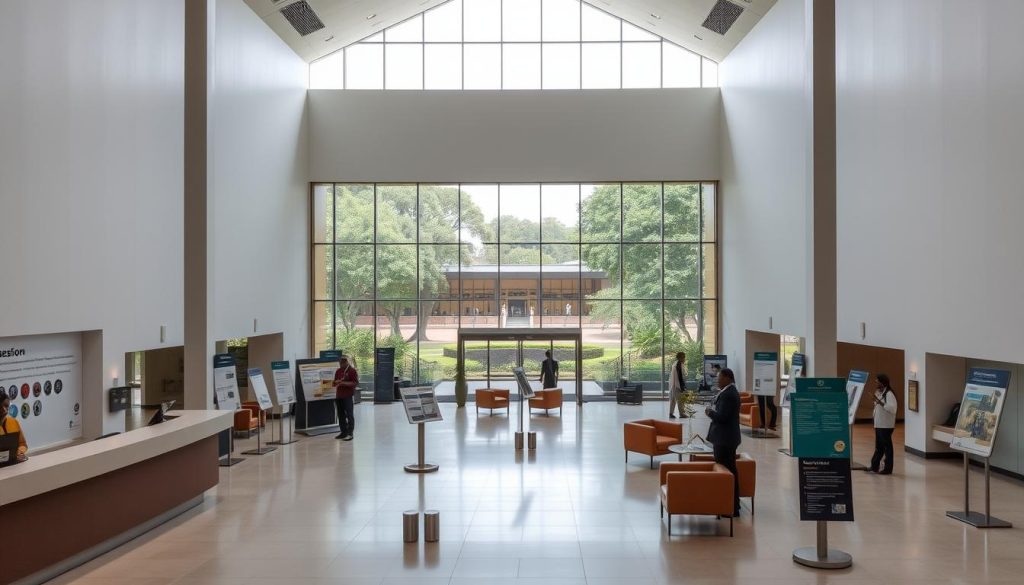
Making the Most of Your Visit
To get the most out of your visit to the Nairobi National Museum, follow some insider tips. Plan your visit based on what interests you the most. This will make your experience even better.
Recommended Itineraries Based on Interest
The museum has many exhibits for different interests. History buffs should start with the History Gallery. Nature lovers should see the Great Hall of Mammals. Plan to spend at least 2-3 hours to enjoy everything without rushing.
Best Times to Visit and Seasonal Highlights
Visit during off-peak hours like early morning or late afternoon to avoid crowds. The museum suggests this for a better experience. Also, check the museum’s calendar for seasonal highlights before you go.
Museum Amenities: Gift Shop, Café, and Facilities
The museum has a gift shop for souvenirs, a café for refreshments, and other facilities. These make your visit comfortable.
Photography Policies and Tips
Photography is okay for personal use, but check for flash or tripod restrictions. For great photos, visit during the golden hour for soft natural light.
Conclusion: Why the Nairobi National Museum is a Must-Visit Destination
The Nairobi National Museum is a key spot for exploring Kenya’s history and culture. It’s filled with exhibits that show the country’s rich heritage. Whether you’re into history, nature, or culture, this museum has something for everyone.
Visitors of all ages will find something interesting here. The museum has interactive displays and educational programs. It’s a great place to learn about Kenya’s past and present.
Being a popular spot, the museum helps Kenya’s economy and boosts tourism. It’s a memorable experience that should be on your travel list. It’s a great way to see Kenya’s cultural side.