Discover the Puna Pau Quarry: A Must-See on Your Trip
Planning a trip to Easter Island? You might wonder about the Puna Pau quarry. What secrets does this small volcano hold? A visit or tour here reveals the island’s history and the moai’s creation.
Visiting the Puna Pau quarry is unforgettable. You’ll see the crater and learn about red scoria in moai topknots. Its beauty and history make it a key attraction on Easter Island.
The Historical Significance of Puna Pau Quarry
Exploring the Puna Pau stone quarry reveals Easter Island’s rich history. This quarry is key, offering insights into the island’s past. The red scoria stone here was used for the moai statues’ distinctive topknots.
The red scoria stone was perfect for carving due to its unique properties. You’ll learn about the discoveries that highlight the island’s history. The Puna Pau quarry was used from the 14th to the 17th century for making pukao, which topped some moai statues.
Some interesting facts about the Puna Pau quarry include:
- It was the only source of red scoria for the Rapanui to carve pukao and other items.
- The stone was also used for ahu facia blocks and a unique moai at Vinapu.
- Excavations from 2009 to 2013 uncovered important information about the island’s history.

Exploring the Puna Pau quarry deepens your understanding of Easter Island’s historic sites. Its significance goes beyond moai construction. It offers a look into the lives of the Rapa Nui people and their impressive achievements.
Understanding the Geological Marvel of Puna Pau
Exploring the Puna Pau quarry reveals its unique geological features. This small extinct volcano emerged during Ma’unga Terevaka’s eruptions. It offers a peek into Easter Island’s volcanic past.
Geological studies show the Puna Pau quarry is a key site. It gives insights into the volcano’s formation and the island’s history. As a travel guide, understanding its geological context is crucial.
Some key facts about the Puna Pau quarry include:
- It’s the source of the red scoria used for crafting pukao, the topknots adorning the moai.
- The quarry contains remnants of unfinished pukao, indicating the labor-intensive process of moai construction.
- The site offers stunning views and a unique opportunity to learn about the island’s geology and history.
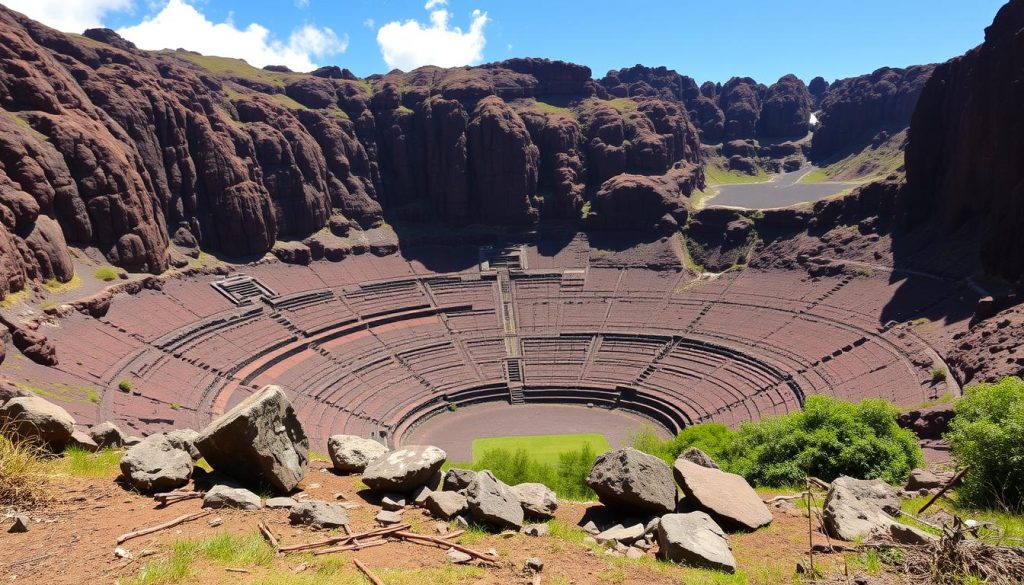
In conclusion, the Puna Pau quarry is a must-see for those interested in Easter Island’s geology and culture. Its unique features and fascinating history make it a standout part of any travel guide. It offers a memorable experience among the many things to do in Easter Island.
Planning Your Puna Pau Quarry Visit
When you plan to visit the Puna Pau quarry, think about the best time. The dry season, from May to October, is perfect. It has mild and sunny weather, great for exploring.
You can pick from many best quarry tours Easter Island offers. These tours give you a deeper look into the quarry’s history and importance.
Think about entrance fees and permits when planning. The cost to enter Rapa Nui National Park is $72,000 CLP ($70 USD). You can choose between guided or self-guided tours. Guided tours share lots of history and facts. Self-guided tours let you explore at your own pace.

Here are some tips for your visit:
* Go during the dry season for the best weather
* Pick from unique experiences Easter Island has, like guided or self-guided tours
* Plan your trip based on the park’s hours and ticket prices
What Makes Puna Pau Different from Other Easter Island Quarries
Planning a visit to Puna Pau quarry? You might wonder what makes it special. The red scoria stone found here is unique. It was used to make the topknots, or pukao, on many moai statues.
A tour of Puna Pau crater gives you a peek into Easter Island’s rich history and culture. The quarry shows the ancient Rapa Nui people’s skill and craftsmanship. With over 600 giant statues, Puna Pau is a key spot for history, culture, and natural beauty lovers.
Some interesting facts about Puna Pau quarry include:
- The quarry is the only place on the island with red scoria stone, making it very valuable.
- The red scoria stone was used for the pukao on top of the moai statues.
- Puna Pau is a major archaeological site with ancient tool marks and unfinished pukao.
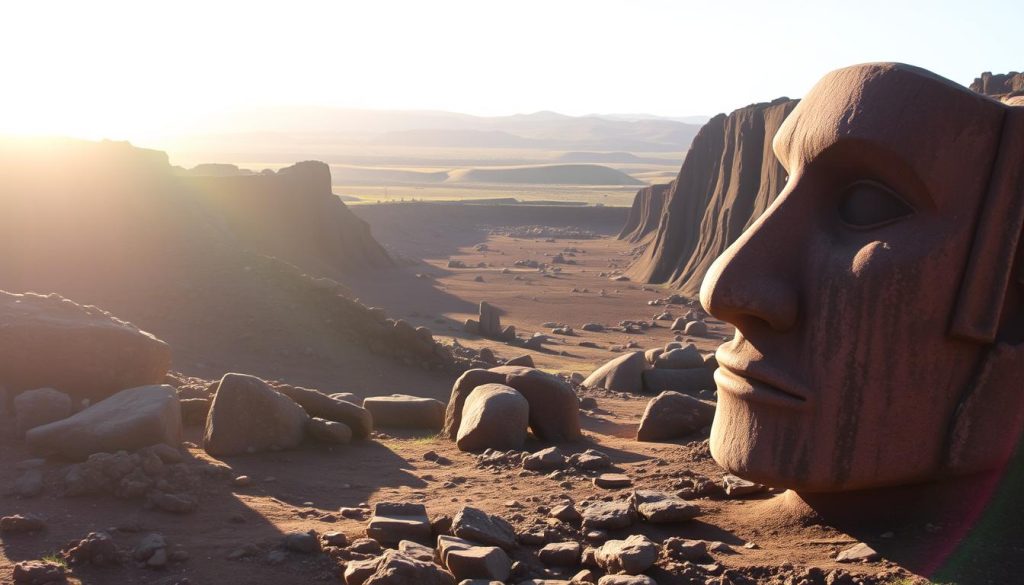
Exploring Puna Pau quarry deepens your understanding of the island’s history and culture. It’s a unique site that offers an unforgettable experience. Whether you’re into history, archaeology, or natural beauty, visiting Puna Pau is a must-do on Easter Island.
Essential Features of the Puna Pau Stone Quarry
Exploring the moai quarry Puna Pau reveals many interesting features. These features give us a peek into the island’s history and culture. The Puna Pau stone quarry shows how the moai statues were made. It’s about 7 kilometers east of Haŋa Roa and was used from the 14th to the 17th centuries.
The quarry has ancient tool marks and unfinished pukao specimens. These show how the Rapa Nui people made the moai statues. The quarry is filled with red scoria, used for small statues, blocks, eyes, and pukao.
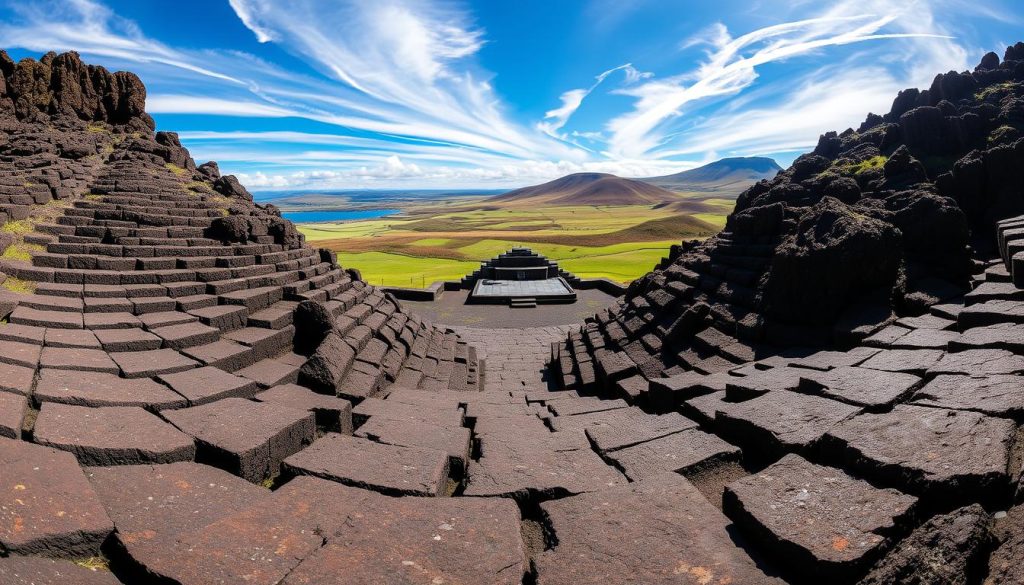
The Red Scoria Workshop
The red scoria workshop at Puna Pau is a unique sight. It shows the ancient craftsmanship of the island. The material from the quarry was used for many objects, including small moai statues. About twenty small moai statues were made from this material.
Ancient Tool Marks
The ancient tool marks in the quarry are very interesting. They show how the Rapa Nui people made the moai statues. These marks highlight their skill and craftsmanship.
Unfinished Pukao Specimens
The unfinished pukao specimens in the quarry are fascinating. They give us a look at how the moai statues were made. It’s believed that one-third of the stone from Puna Pau was used for pukao. This shows how important the quarry was in making these iconic statues.
Navigating the Quarry Site
Exploring the Puna Pau quarry is a unique adventure. You’ll see history, culture, and natural beauty all in one place. Guided tours make it easy to enjoy the site, letting you dive into fascinating stories and breathtaking views.
When you visit, wear comfy shoes for a half-day of fun. A professional guide will show you around, sharing the site’s rich history. You’ll see ancient masonry and get up close to the famous Moai statues.
Here are some key details to keep in mind when planning your visit:
- Tour duration: Half-day experience
- Tour meeting point pickup time: Starting at 03:00 PM
- Transportation: Air-conditioned van or bus
- Food and beverage provision: Not provided; visitors encouraged to bring their own
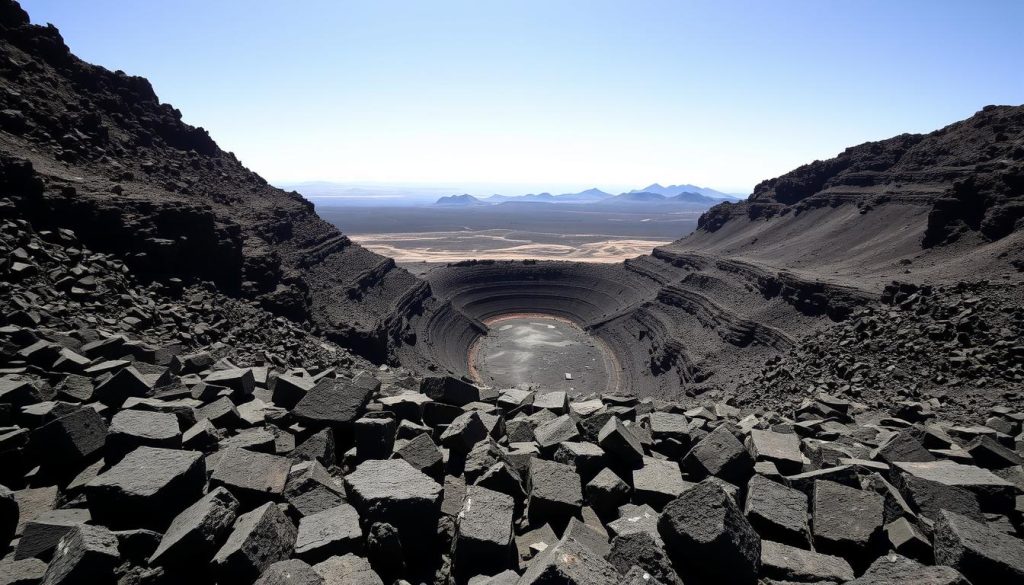
The Puna Pau quarry is a highlight of Easter Island. With its history, beauty, and cultural importance, it’s a must-see. Follow this travel guide Puna Pau quarry to make your trip unforgettable, exploring all the things to do in Easter Island.
Photography Tips and Viewing Points
Exploring the Puna Pau quarry offers many unique photo chances. The early morning or late afternoon is best for best quarry tours Easter Island. This time gives you soft, golden light, perfect for photos.
For great shots, a good camera and lens are key. Bring a tripod to keep your camera steady and avoid blurry photos. Using a drone can also give you amazing aerial views of the quarry and its landscape.
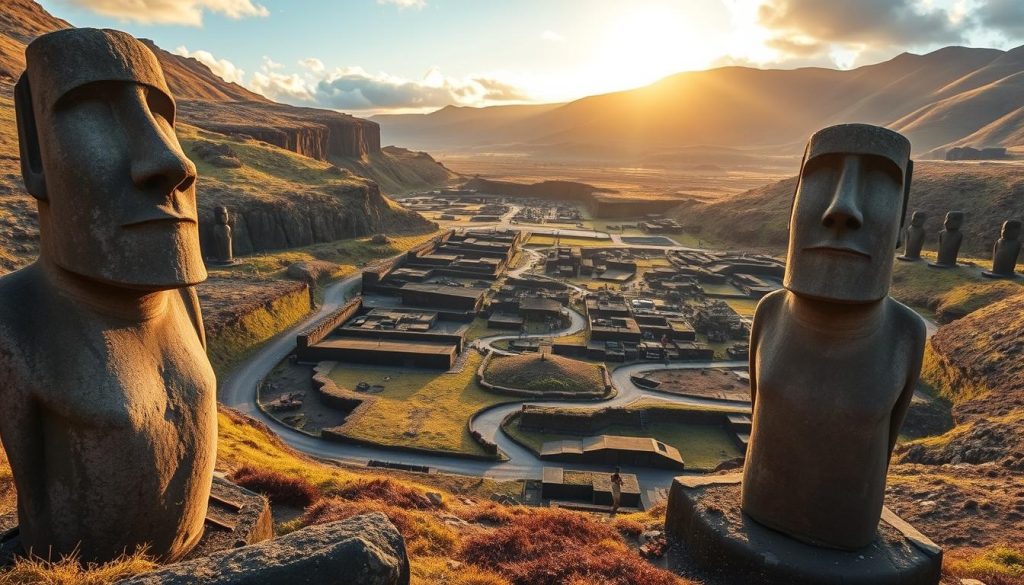
Make your photo trip even better with unique experiences Easter Island. A guided tour can teach you about the quarry’s history and give you special photo spots. Puna Pau quarry is a top spot for photography lovers.
Don’t miss the crater for stunning views of the landscape. Also, check out Ahu Akivi for a unique look at the moai statues. Take your time to find more hidden spots and get the perfect photo.
Combining Your Visit with Other Easter Island Attractions
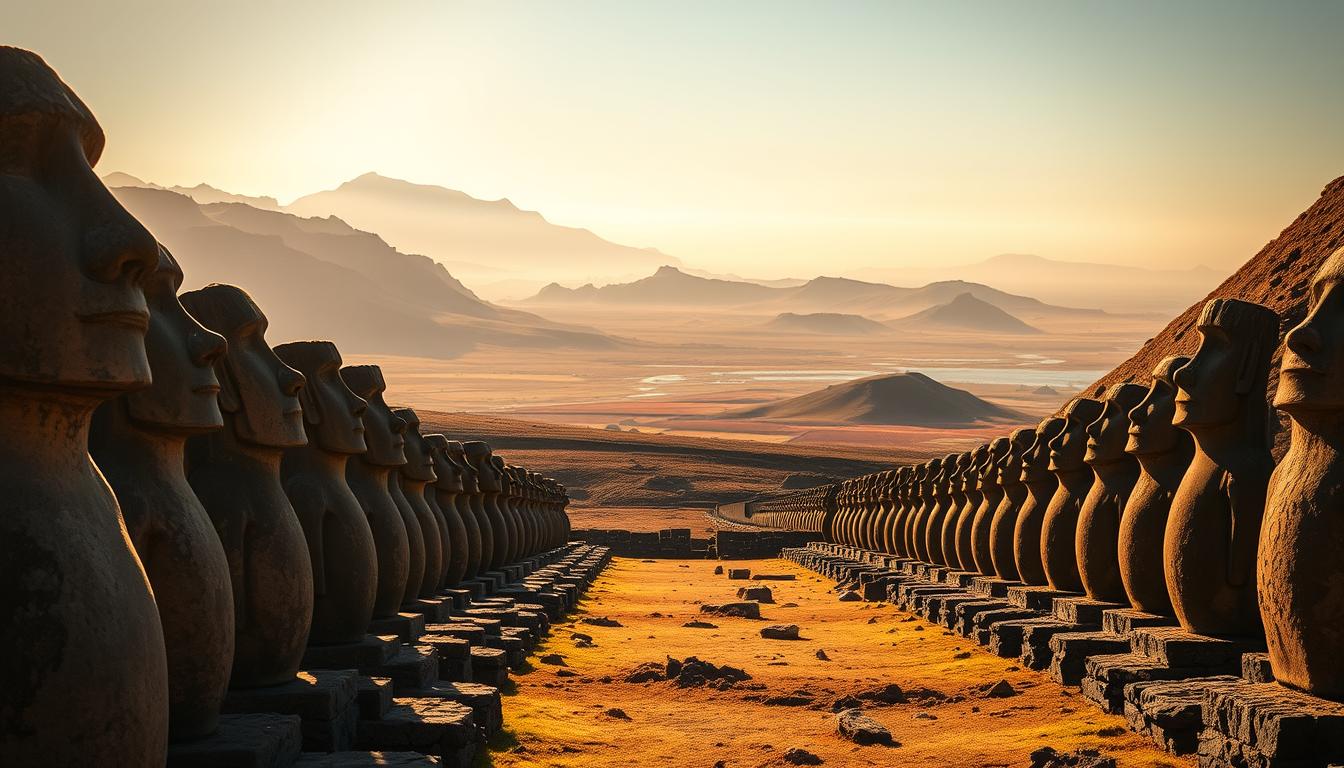
When planning your trip to the Puna Pau quarry, think about seeing other sights on Easter Island. The island boasts over 600 Moai statues, each with its own story. A visit to the Puna Pau crater can be paired with stops at sites like Ahu Tahai and the Sebastian Englert Museum. This will help you understand the island’s deep cultural roots.
There are many itineraries to choose from, depending on what you like. You might want to see the Rano Raruku quarry with its 400 Moai statues. Or, you could visit Ahu Akivi, which lines up with the equinoxes. This way, you can craft a trip that fits your interests perfectly.

- Plan your visit for the best time of year, considering the weather.
- Choose a tour that matches your interests, whether guided or self-guided.
- Always respect the island’s culture and follow local rules.
By exploring both the Puna Pau quarry and other attractions, you’ll have a memorable trip. You’ll see the island’s stunning landscapes and learn about its rich history.
Cultural Etiquette and Preservation Guidelines
When you visit Easter Island’s historic sites, it’s key to respect their cultural and historical value. The Puna Pau quarry travel guide offers tips on how to explore without harming the site. You’ll learn about cultural etiquette and preservation to enjoy your visit and protect the site for others.
The Rapa Nui National Park, a UNESCO World Heritage Site, covers 40% of the island. It’s vital to follow rules to keep the area safe. This includes staying on paths, not touching the moai, and not taking rocks or plants. By doing this, you help preserve Easter Island’s historic sites and the Puna Pau quarry.
Here are some extra tips to remember:
- Be respectful of the local culture and traditions
- Follow the instructions of the park rangers and guides
- Stay on designated paths and avoid damaging the vegetation
- Do not touch or climb on the moai
- Take all trash and disposable items with you when you leave the site

By following these guidelines, you can enjoy your visit to Easter Island’s historic sites and the Puna Pau quarry. You’ll also help in conserving this unique and fascinating area.
Conclusion: Making the Most of Your Puna Pau Experience
As you finish your trip to Puna Pau quarry, you’ll have a new respect for experiences Easter Island offers. This site is a peek into the island’s deep cultural history. It shows the amazing skills and creativity of the Rapa Nui people.
Choosing a guided tour or exploring on your own, the best quarry tours Easter Island will take you deep into history and geology. You’ll see unfinished pukao specimens and ancient tool marks. Each step will make a lasting memory.
When you leave Puna Pau, remember it’s just a part of Easter Island’s wonders. Try to visit other famous sites and cultural spots too. With good planning and a sense of adventure, you’ll discover Easter Island’s true beauty.