Discover the Historical Sites in Sousse, Tunisia
Ever wondered what secrets Sousse, Tunisia, holds behind its ancient walls? This city is a treasure trove of historical attractions. Here, the past and present blend in a unique way.
Sousse, Tunisia, has a rich cultural heritage. Its history goes back to the 11th century BC. Exploring this Mediterranean coastal city, you’ll find pristine beaches and vibrant nightlife. It’s also known for its historical significance.
Walking through the city’s ancient medina, you’ll see its history unfold. From the Roman era to today, Sousse’s historical sites hold secrets. Get ready to experience the city’s unique charm.
The Rich Historical Heritage of Sousse
Exploring Sousse reveals a rich history through its landmarks. This ancient city’s story is complex, shaped by its Mediterranean location.
Sousse’s Strategic Importance Throughout History
Sousse’s strategic location made it valuable to many civilizations. Its harbor was a safe spot for ships, boosting trade. The city’s defenses, like the Ribat, show its military importance.
For centuries, Sousse was a key spot for trade and defense. It played a big role in the region’s history.
From Phoenicians to Modern Tunisia: A Timeline
Sousse’s history goes from the Phoenicians to modern Tunisia. Here’s a quick look:
- Phoenician Era (9th century BC): Sousse was a trading post.
- Roman Era (1st century BC – 5th century AD): It became a major commercial center.
- Arab Conquest (7th century AD): Sousse joined the Islamic world.
- Ottoman Rule (16th century – 19th century): The city saw architectural and cultural growth.
- Modern Tunisia (20th century onwards): Sousse balances its heritage with modern changes.

Are There Any Historical Sites in Sousse? Exploring the Ancient Medina
The Medina of Sousse is a key historical area. It invites you to explore its rich past. As a UNESCO World Heritage site, it offers a unique glimpse into the city’s strategic importance throughout history.
UNESCO World Heritage Status and Significance
The Medina’s UNESCO World Heritage site status acknowledges its cultural and historical significance. This recognition highlights the area’s importance as a preserved ancient city. It showcases the architectural and cultural heritage of the region.
Key aspects of its UNESCO status include:
- Preservation of ancient architecture
- Cultural significance in the region’s history
- A representation of the blend of various cultural influences
Navigating the Labyrinthine Streets
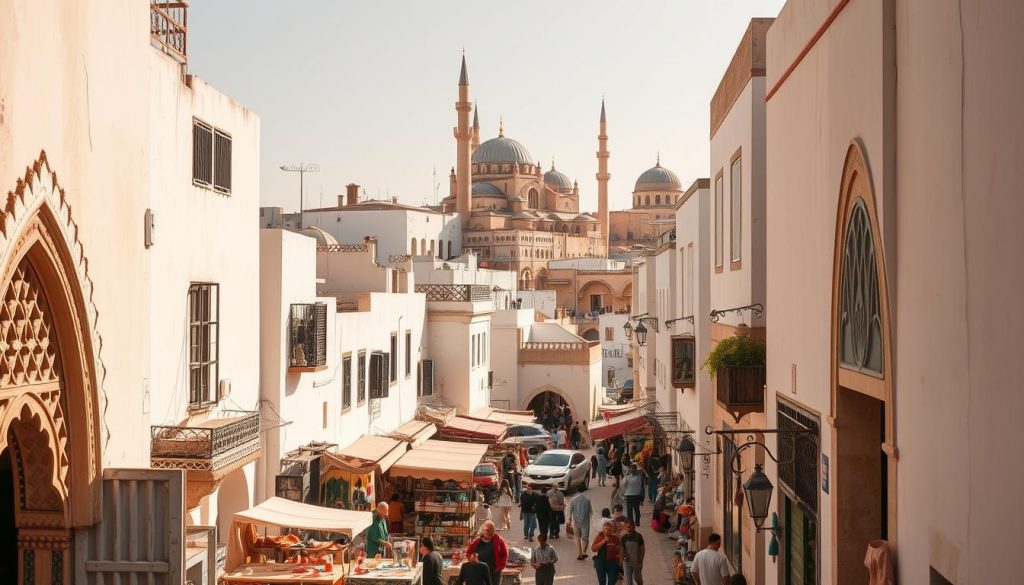
As you navigate the Medina’s narrow streets, you’ll discover a world of historical treasures. The layout of the Medina is a testament to its ancient origins. Its winding paths and closely packed buildings are a sight to behold.
Tips for exploring the Medina:
- Wear comfortable shoes for walking
- Be prepared for narrow alleys and unexpected discoveries
- Take time to absorb the atmosphere and history around you
Architectural Highlights Within the Medina Walls
The Medina is home to numerous architectural highlights. These include traditional Tunisian homes, historic mosques, and the imposing Ribat. These structures showcase the region’s rich architectural heritage and the various influences that have shaped it over the centuries.
Some of the notable architectural features include intricate stone carvings, ornate doorways, and the use of local materials in construction.
The Imposing Ribat of Sousse
Exploring Sousse, Tunisia, reveals the Ribat of Sousse as a standout. This fortress-monastery showcases the city’s history and strategic role. It’s not just a site; it’s a journey into the past, revealing military and religious practices.
Military Architecture and Defensive Function
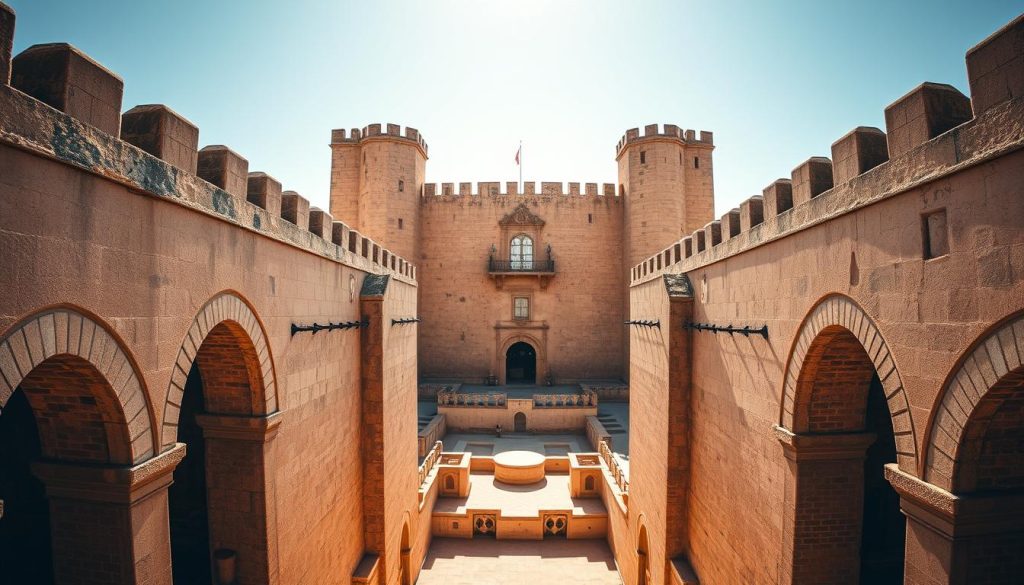
The Ribat of Sousse is famous for its military architecture. It was built as a fortress and monastery. Its strong walls and design were key in defending against attacks, highlighting the advanced tactics of its era.
The Ribat’s design is a showcase of Islamic military architecture. Its high walls and watchtowers made it a secure place.
Panoramic Views from the Watchtower
Visiting the Ribat, climbing to the watchtower is a highlight. It offers panoramic views of Sousse and the Mediterranean Sea. From here, you can see the city’s layout and its role as a trade and maritime hub.
Historical Significance in Islamic North Africa
The Ribat of Sousse is key in Islamic North Africa’s history. It was a model for other fortifications in the region. Its significance goes beyond defense, showing a time of religious and cultural growth.
Seeing the Ribat of Sousse is essential for history buffs. It gives a glimpse into Sousse’s rich past and cultural heritage.
The Great Mosque of Sousse
The Great Mosque in Sousse is a top spot for those into historical tourism. It’s a key religious and cultural site, giving a peek into the city’s deep history.
Architectural Features and Aghlabid Design
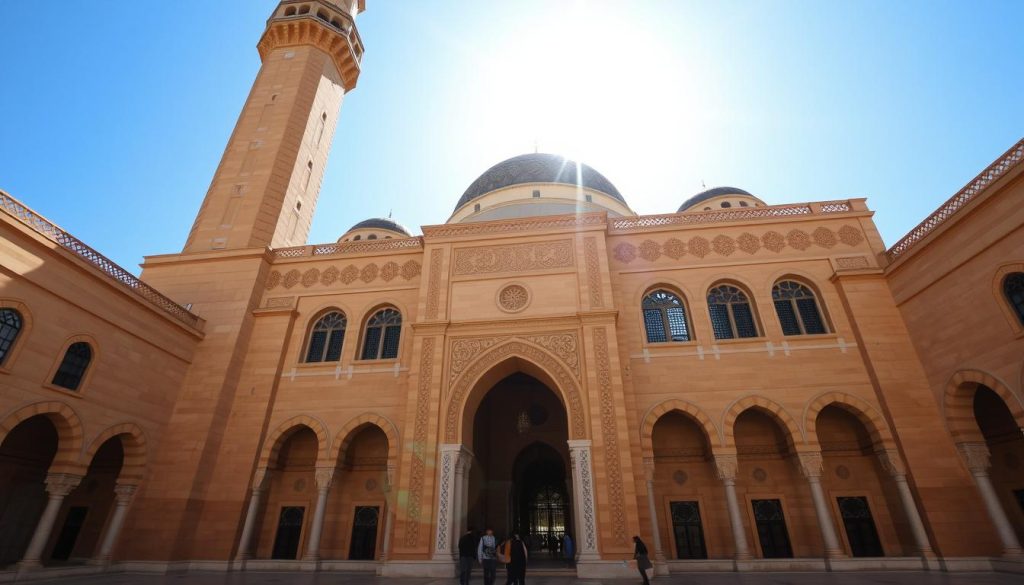
The Great Mosque of Sousse is famous for its Aghlabid architectural style. It uses stone and brick, with arches and domes. This shows its importance in Islamic history during the Aghlabid dynasty.
Some key features include:
- The large prayer hall with its hypostyle design
- The minaret, which offers panoramic views of the city
- The intricate decorations and calligraphy on the walls and ceilings
Religious and Cultural Importance
The Great Mosque of Sousse is more than a place of prayer. It’s a cultural icon that shows the city’s history and identity. It has been a key spot for Islamic learning and community events.
Visitor Information and Etiquette
When you visit the Great Mosque of Sousse, respect local customs and traditions. Here’s what to do:
- Dress modestly, covering shoulders and knees
- Remove shoes before entering the prayer hall
- Be aware of prayer times and try to avoid visiting during peak hours
By following these tips, you’ll have a respectful and meaningful visit to this important historical site.
Sousse Archaeological Museum and Kasbah
Sousse, a city with a rich history, boasts the Sousse Archaeological Museum and Kasbah. These sites are must-sees. They reveal Sousse’s past, from Roman mosaics to Islamic heritage.
Roman Mosaics and Artifacts
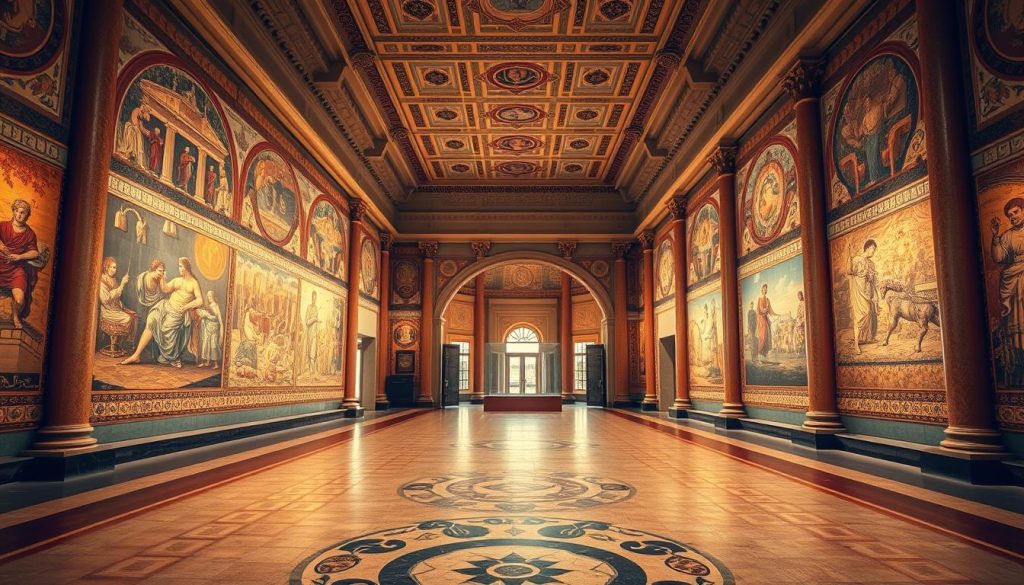
The Sousse Archaeological Museum showcases Roman mosaics and artifacts. You’ll see mosaics that tell stories of mythology and everyday life. They give a peek into the ancient Romans’ culture and way of life.
Notable Exhibits:
- Mosaics from the Roman villa at Sousse
- Roman coins and jewelry
- Sculptures and pottery from the Roman period
Byzantine and Islamic Collections
The museum also has Byzantine and Islamic artifacts. These show the cultural influences on Sousse over time. You can see Byzantine mosaics and Islamic art, showing the city’s role as a cultural hub.
| Period | Notable Artifacts |
|---|---|
| Byzantine Era | Mosaics, Icons |
| Islamic Period | Calligraphy, Pottery |
The Kasbah’s Historical Role
The Kasbah, or fortress, in Sousse was crucial in history. It was a defensive stronghold and administrative center. Its location helped control the city and protect its people.
The Kasbah’s architecture shows its importance. It has thick walls and watchtowers for a secure view of the area.
Lesser-Known Historical Treasures in Sousse
Exploring Sousse’s history reveals many hidden gems. The city’s main spots are great, but there’s more to see. These lesser-known sites offer a unique look into Sousse’s past.
Catacombs: Early Christian History
The Catacombs of Sousse are a key historical site. They show the city’s early Christian days. The tunnels and chambers hold the remains of early Christian martyrs and followers. This ancient site is a must-see for history and archaeology fans.
Visiting the Catacombs lets you understand the early Christians’ struggles.
Zaouia Zakkak: A Hidden Gem
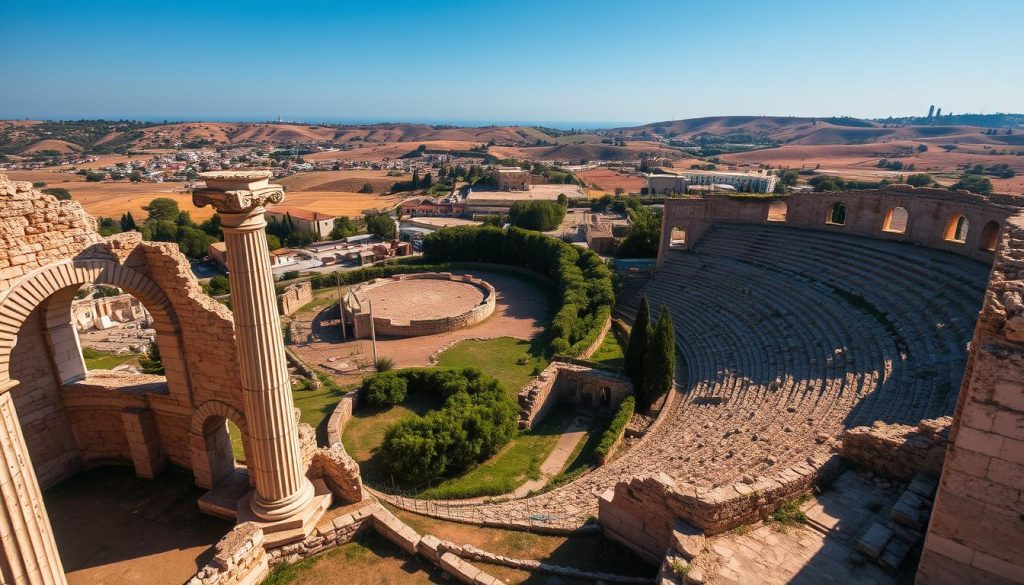
Zaouia Zakkak is a hidden gem in Sousse. This 14th-century Islamic monument is a stunning example of Islamic architecture. It has detailed stone carvings and beautiful tile work. The calm of Zaouia Zakkak is perfect for reflection.
Explore the courtyard and admire the architecture.
The Old Port and Maritime Heritage
The Old Port in Sousse is another treasure. It’s a key part of the city’s maritime history. Remnants from the Phoenician era are still seen today. The Old Port is a great spot to learn about Sousse’s maritime past.
Exploring these sites deepens your understanding of Sousse’s history and culture. Whether you’re into ancient history, architecture, or maritime tales, Sousse has something for everyone.
Day Trips to Nearby Historical Sites
Exploring Sousse’s history reveals many nearby sites perfect for a day trip. The area around Sousse is filled with landmarks that show Tunisia’s rich cultural heritage.
El Jem Amphitheater: A Roman Marvel
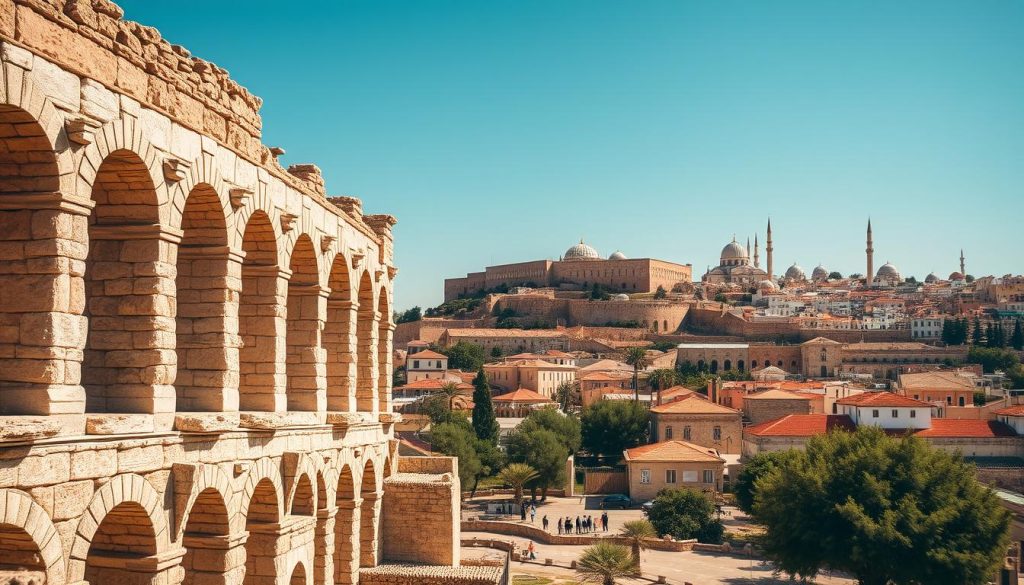
The El Jem Amphitheater is a top Roman ruin in North Africa. It could hold up to 35,000 people. This UNESCO World Heritage Site shows the ancient Romans’ skill in engineering. It gives us a peek into their culture and history.
- Experience the grandeur of Roman architecture
- Explore the history of gladiatorial combat
- Enjoy the surrounding landscape of El Jem
Monastir’s Ribat and Historical Center
Monastir, a coastal town near Sousse, has a historic Ribat. It has been a key part of the region’s defense for centuries. The Ribat’s watchtowers give stunning views of the Mediterranean. The historical center offers a look into Monastir’s past.
Key attractions in Monastir include:
- The Ribat’s military architecture
- The historic center’s traditional markets
- The mausoleum of Habib Bourguiba, Tunisia’s first president
Port El Kantaoui: Modern History and Architecture
For a modern twist, visit Port El Kantaoui, a marina built in the 1970s. This marina town shows off modern Tunisian architecture. It offers fun activities like sailing and golfing.
Port El Kantaoui is a mix of modern history and fun. It’s a great spot for a day trip to see a different side of Tunisia.
Practical Information for American Visitors
Sousse is a treasure trove of history, and being well-prepared can make your trip unforgettable. Here are some tips to help you enjoy your time in Sousse.
Best Times to Visit and Weather Considerations
The best times to visit Sousse are spring (March to May) and autumn (September to November). The weather is mild and perfect for exploring. Summer is hot, and winters are mild but can be rainy. Plan your visit to avoid extreme weather.
Transportation Options and Getting Around
Sousse is easy to get around with various transport options. You can take taxis, buses, or rent a car. For a real experience, walk or bike around. Always agree on taxi fares before you start.
Safety Tips and Cultural Etiquette
Stay safe and keep an eye on your belongings. Tunisia is conservative, so dress modestly, even at historical sites or mosques. Respect local customs for a great experience.
Photography Tips and Permissions
Be respectful when taking photos. Some places need permission, so ask first. Focus on the vibrant colors and textures of Sousse’s sites.
| Aspect | Tips | Benefits |
|---|---|---|
| Weather | Visit during spring or autumn | Pleasant weather for sightseeing |
| Transportation | Use taxis, buses, or rent a car | Easy navigation around the city |
| Cultural Etiquette | Dress modestly, respect local customs | Positive experience, fewer misunderstandings |
Conclusion: Experiencing the Living History of Sousse
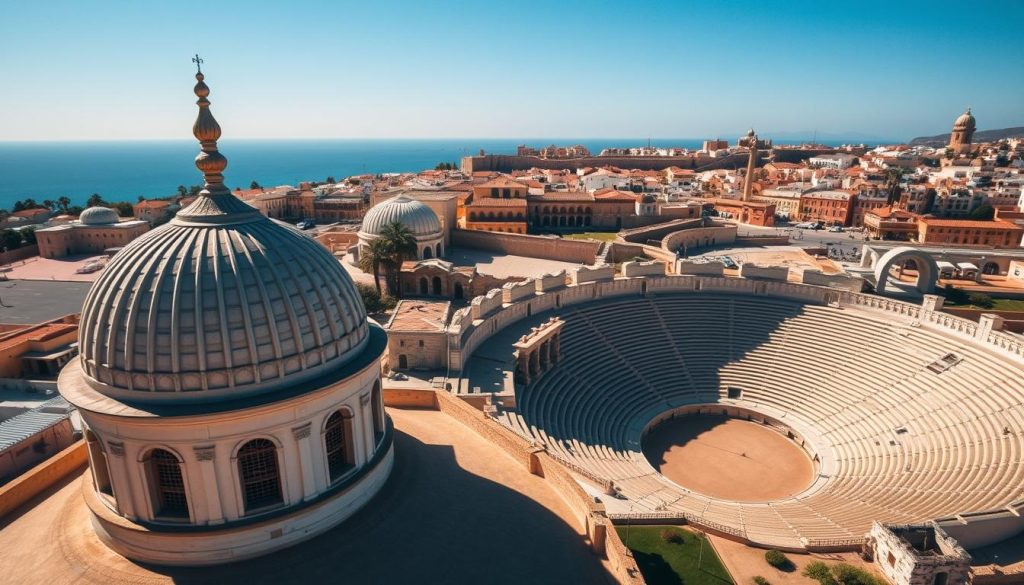
Exploring Sousse, Tunisia, reveals a city where old meets new. The Medina’s winding streets and the Ribat’s grandeur show Sousse’s deep cultural roots.
Walking through ancient walls, visiting the Great Mosque, or seeing Roman mosaics at the Sousse Archaeological Museum is unforgettable. Sousse caters to those who love history, architecture, or exploring new cultures.
Visiting Sousse lets you feel its vibrant history. Its location on the Mediterranean coast made it a key trade and cultural hub for centuries. Today, you can see its past in the Byzantine and Islamic collections, Catacombs, and Zaouia Zakkak.
When planning your trip to Tunisia, don’t miss Sousse. It offers a mix of history, culture, and modern sights. Sousse is a place that will surely amaze and inspire you.