Discover Paro: Is This Bhutan Gem Worth Your Visit?
Ever wondered why some places stick with you long after you leave? Paro, Bhutan, might just be one of those places. It’s a town at 2,250 meters high, a gateway to Bhutan’s wonders. It’s known for its history, stunning nature, and unique culture.
As you look at the green fields and the calm Paro Chhu River, you’ll find many Paro tourist attractions. There’s the famous Paro Taktsang (Tiger’s Nest Monastery) and the National Museum of Bhutan. Each spot in Paro has its own story, asking if you’re ready to uncover its secrets.
Introduction to Paro: A Gem in Bhutan
Paro is a treasure in Bhutan, known for its cultural heritage and stunning landscapes. It’s a charming town in the Paro district. Here, you can see Bhutan’s history and traditions up close. Paro sits at 2,250 meters, offering beautiful views, traditional buildings, and lively markets.
With a good Paro travel guide, you’ll find lots of things to do in Paro. You can visit famous spots like Taktshang Monastery, Dungtse Lhakhang, and Drukgyel Dzong. You can also dive into the local culture by joining festivals, trying local food, or buying handmade crafts.
Getting to Paro is easy because it has Bhutan’s only international airport. It has flights from cities like Delhi, Kathmandu, and Singapore every day. The town is a great starting point for exploring Bhutan’s wonders.
For the best experience, visit in spring or autumn. These seasons offer perfect weather for outdoor activities and sightseeing. You can fully enjoy the beautiful surroundings and connect with the local culture.
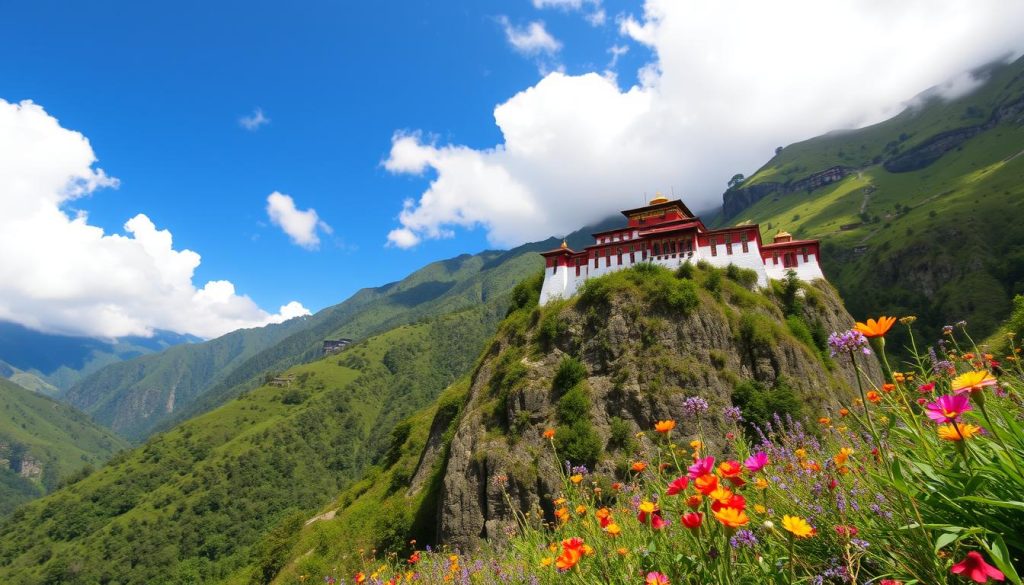
Exploring Paro will show you why it’s a top spot in Bhutan. It combines history, landscapes, and culture in a way that makes your visit unforgettable and rewarding.
The Serenity of Paro Valley
Paro Valley is a stunning part of the Himalayas in Bhutan. It’s a place where peace and nature come together. The valley’s beauty is perfect for those looking to relax and explore.
Walking through Paro Valley, you’ll see beautiful forests and mountains. The Paro Chhu River adds to the beauty with its views and sounds. You can hike to places like Tiger’s Nest Monastery, a famous spot high up in the valley.
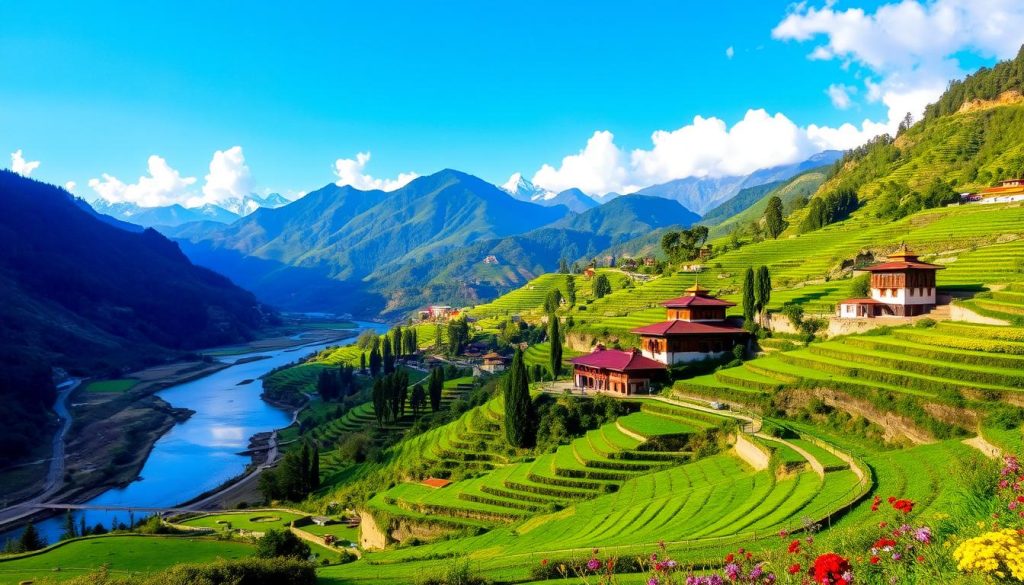
Birdwatchers will love the riverbanks, where many species live. The valley’s calm lets visitors fully enjoy their surroundings. It’s a peaceful place to get away from daily life.
The valley’s culture is also special. Places like Rinpung Dzong and Drukgyel Dzong show off the area’s history and architecture. Every turn in Paro Valley reveals more of its beauty, making it a great spot for a peaceful getaway.
Is Paro worth visiting? Exploring Its Unique Charm
Paro is a place of wonder, filled with history and culture. It has ancient monasteries and fortresses that show off Bhutan’s rich heritage. The famous Paro Taktsang, or Tiger’s Nest Monastery, sits on a cliff, offering stunning views and a glimpse into the area’s cultural significance.
Historical Significance of Paro
Paro’s historical sites take you back in time. The Rinpung Dzong and Drukgyel Dzong are grand fortresses that showcase Bhutan’s architectural and historical strength. These structures share stories of battles and victories, showing Paro’s impact on Bhutan’s culture.
Cultural Encounters in Paro
Paro is also known for its vibrant culture. Traditional festivals bring colors and music, welcoming visitors to join in. The Paro Market is a treasure trove of local crafts, fresh food, and souvenirs. It’s a great place to see Bhutanese life up close and find unique items.
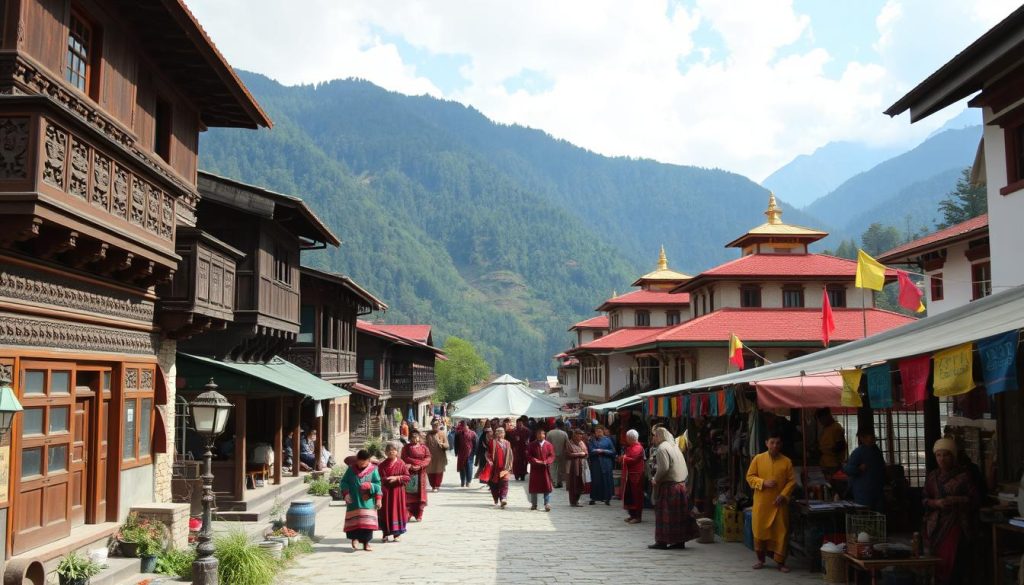
Visiting Paro lets you explore amazing historical sites and experience the local culture. This town is a true gem in Bhutan, perfect for those who love adventure and learning.
Getting to Paro: Travel Options
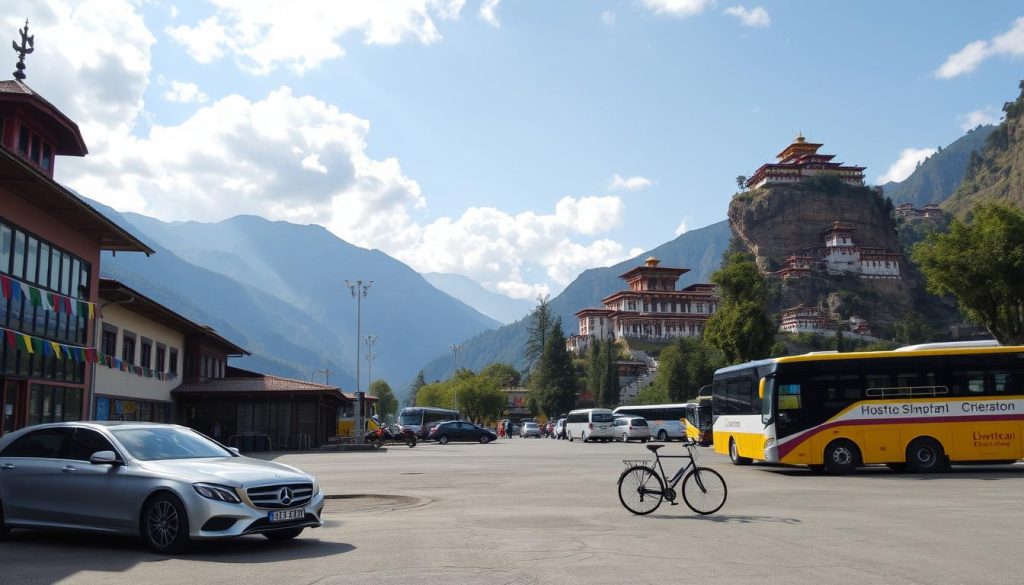
Getting to Paro is an exciting part of your journey. There are many ways to get there. Knowing your options helps you enjoy Bhutan tourism more.
Arriving by Air
The main way to get to Paro is by flying into Paro International Airport (PBH). It’s the only international airport in Bhutan. Flights are run by Drukair and Bhutan Airlines.
As you fly in, you’ll see amazing views. It makes arriving in Paro even more magical. Ticket prices vary from $110 to $550, based on your route and when you book. Remember, a $40 visa fee is needed, and you can pay it online.
Exploring Overland Travel
Driving is another great way to get to Bhutan. You can enter from India at Phuentsholing. This lets you see Bhutan’s beautiful landscapes on your way.
Rental cars are available, often with drivers. This makes your trip more local. Indian tourists can even drive themselves in some areas. Buses are also an option, with prices from $2.40 to $12. Traveling by bus lets you see more at your own pace and supports Bhutan tourism.
Best Time to Visit Paro
Knowing when to visit Paro can make your trip better. The weather changes with the seasons, offering unique experiences and chances to see Bhutan festivals. Each season in Paro shows off its magical beauty.
Seasonal Highlights
Paro has four seasons, each with its own charm:
- Spring (March to May): This time is full of color with blossoms and temperatures from 8°C to 20°C. It’s great for outdoor fun and seeing rhododendrons bloom.
- Summer (June to August): Summer is warm and humid, with temperatures from 15°C to 30°C. The monsoon brings light rain, making everything green and lush.
- Autumn (September to November): Autumn is the best time to visit Paro. It has mild weather and clear skies. The leaves turn colors, perfect for photos.
- Winter (December to February): Winter is cool to cold, with temperatures from -5°C to 15°C. It’s quiet, with clear skies and beautiful Himalayan views. Snow at high places adds to the beauty.
Events and Festivals to Experience
Attending Bhutan festivals is a highlight of your trip. The Paro Tsechu in early April is a big draw, with its colorful dances and rituals. Other festivals include:
| Festival | Date | Description |
|---|---|---|
| Paro Tsechu | Early April | A big religious festival with traditional dances and masks. |
| Punakha Dromche | February | A celebration of history with cultural displays and festivals. |
| Thimphu Tshechu | October | A festival honoring Guru Rinpoche, with traditional performances. |
Knowing about these seasons and festivals helps plan a memorable trip. Enjoy the culture, outdoor activities, and Paro’s stunning views all year round.
Top Paro Tourist Attractions
Paro in Bhutan is a place full of attractions you can’t miss. Each spot shows the rich culture and history of the area. You’ll find everything from ancient monasteries to amazing museums, all adding to Paro’s charm.
Paro Taktsang (Tiger’s Nest Monastery)
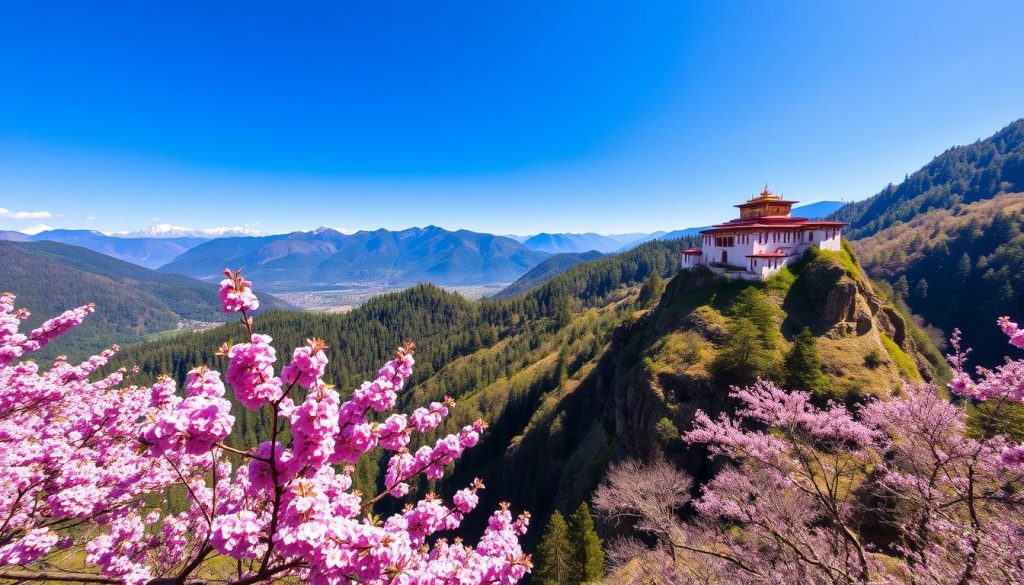
Paro Taktsang, or Tiger’s Nest, sits high on a cliff over 3,000 meters up. A 2-kilometer hike takes you to this stunning monastery. It offers incredible views of the Paro Valley and more. It’s a key spiritual site in Bhutan, making it a must-see.
National Museum of Bhutan
The National Museum of Bhutan, or Ta Dzong, is in a former watchtower. It has a vast collection of artifacts that tell Bhutan’s story. You can learn about the country’s history, art, and identity here. It’s a key place to visit in Paro for its insightful exhibits and rich history.
Rinpung Dzong: A Historical Fortress
Rinpung Dzong is a beautiful example of Bhutanese architecture. It’s a key place for both government and religion. The fortress has detailed woodwork and colorful murals. It’s also a site for big cultural festivals, showing Paro’s spirit.
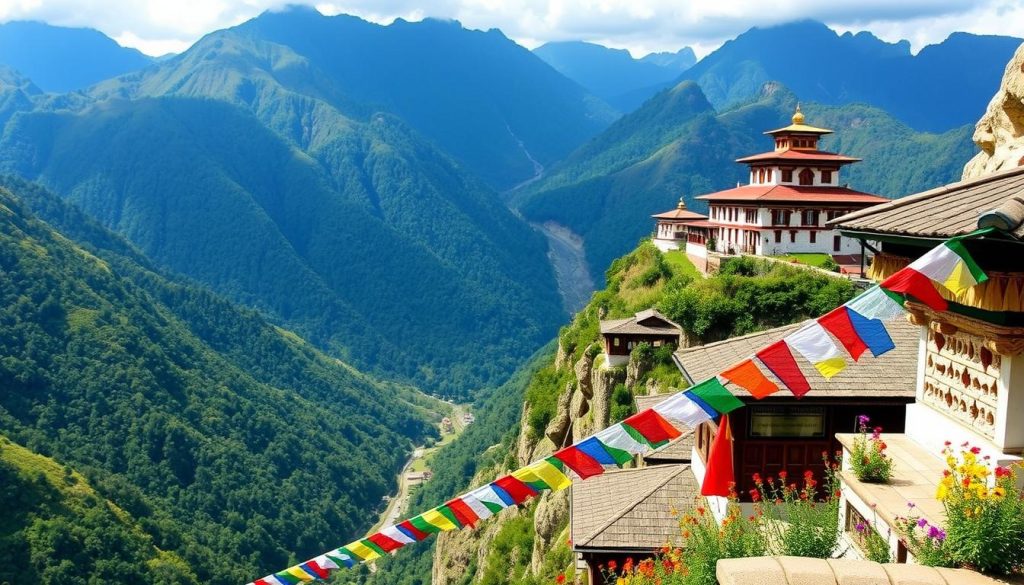
Things to Do in Paro: Adventure and Culture
Paro is a treasure trove of activities for those who love nature and culture. It offers thrilling outdoor adventures and a chance to dive into local traditions. Whether you’re after excitement or cultural experiences, Paro has something special for you.
Outdoor Activities and Hiking Trails
Outdoor lovers will find plenty to do in Bhutan’s stunning landscapes. Hike to famous spots like:
- Tiger’s Nest Monastery
- Ta Dzong
- Bumdra Monastery
For water fun, try rafting on the Paro Chhu river for about Nu 4,040 per person. Kayaking is also an option for the same price, suitable for all skill levels.
Local Markets and Handicrafts
Exploring local markets is a must in Paro. The craft market has around 80 stalls with beautiful handicrafts. You can find:
- Colorful beaded chains
- Bangles
- Traditional clothes
- Wood carvings and sculptures
- Gold and silver ornaments
Shopping here supports local artisans and lets you bring home unique souvenirs.
Cultural Performances to Attend
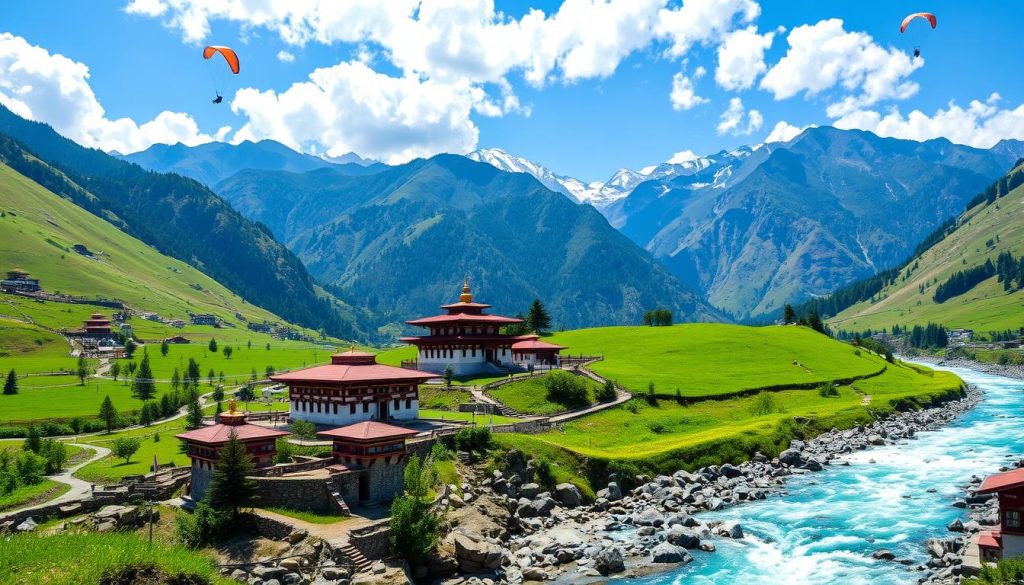
Immerse yourself in Bhutan’s traditions by attending cultural performances. These events showcase traditional dances and music. They often happen during festivals and in cultural venues across Paro.
| Activity | Location | Cost (in Nu) |
|---|---|---|
| Rafting | Paro Chhu River | 4,040 |
| Kayaking | Paro Chhu River | 4,040 |
| Biking Tour | Ta Dzong to Khasadrapchu | 73.03 per day |
| Buddhist Temple Entry (Kyichu Lhakhang) | Kyichu Lhakhang | 300 |
| Ta-Dzong Museum Entry | Ta-Dzong | 25 (SAARC), 150 (Non-SAARC) |
Paro offers a wide range of activities for unforgettable adventures and cultural experiences. From outdoor thrills to local crafts and performances, Paro is a place of wonder.
Paro Travel Tips for a Memorable Visit
Planning your trip to Paro can make your visit unforgettable. Since Paro is where flights to Bhutan start and end, make sure your travel documents are ready. Choose places to stay that show off Bhutan’s culture, like the Tashi Namgay Resort.
Remember to pack clothes for both warm and cool weather. Paro’s climate can change quickly.
Essential Preparations
Knowing the basics of Bhutan travel is key. Paro’s high altitude means you might get altitude sickness. Always have travel insurance that covers emergencies.
Get the usual vaccinations and protect yourself from mosquitoes. This is important for your health.
Cultural Etiquette to Keep in Mind
Respecting Bhutan’s culture will make your visit better. Be polite at sacred places like Kyichu Lhakhang. Try local sports like archery to connect with the people.
Learning about Paro’s history and architecture, like Rinpung Dzong, will be rewarding. Being mindful of cultural norms helps preserve Bhutan’s heritage.