Top Paro Attractions & Activities to Experience
Have you ever wondered about the hidden gems in Paro Valley, Bhutan? This place is known for its stunning views and rich culture. It’s a top spot for both spiritual journeys and exciting activities like rafting.
This article will show you the best things to do in Paro. You’ll learn about the top attractions and activities. Whether you want adventure or peace, you’ll find something great to do in Paro.
Paro is famous for the Tiger’s Nest monastery, which sits on a cliff. You can also explore the National Museum and Rinpung Dzong to learn about local history. The craft market has over 80 stalls, and Namgay Artisanal Brewery offers unique Bhutanese brews.
Paro offers a mix of cultural experiences and thrilling activities. Let’s explore why visiting Paro, Bhutan, is an experience you won’t forget.
Introduction to Paro Valley
Paro Valley is a stunning gateway to Bhutan, known for its beautiful views and rich culture. It’s surrounded by towering mountains and attracts many visitors each year. The valley is also home to Bhutan’s only international airport, making it easy for people from around the world to visit.
Your Paro travel guide will show you many sights and activities. You can see the 7th-century Kyichu Lhakhang with its amazing architecture. Or, you can hike to the famous Taktsang Monastery (Tiger’s Nest), a 4-hour journey.
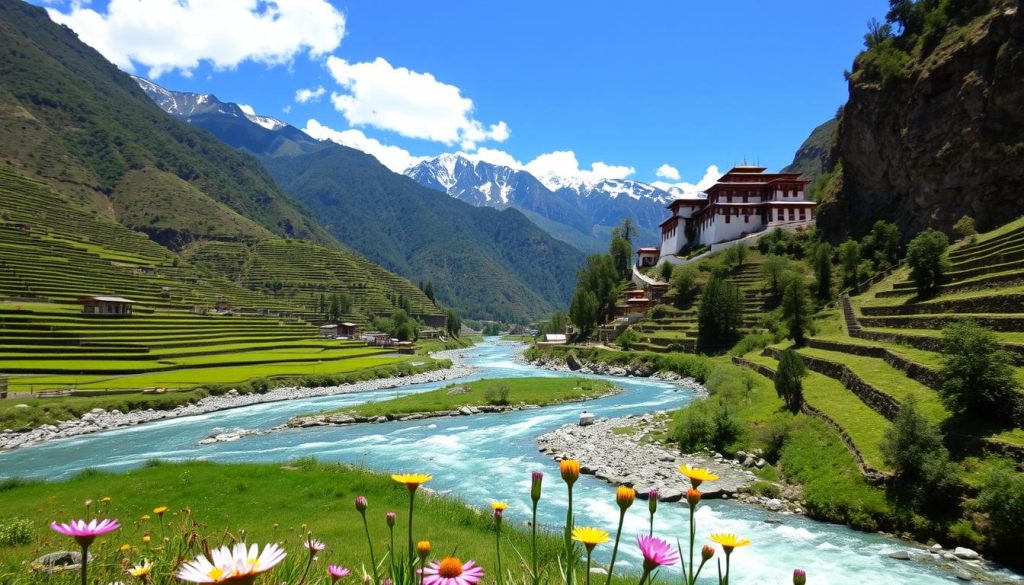
The valley’s long history offers lots to explore. Mount Jomolhari stands tall, with snow-covered peaks reaching 2,700 meters. Paro is also filled with temples and religious sites, showing Bhutan’s deep heritage. The National Museum of Bhutan, in a restored watchtower, showcases antique items and traditional tools.
Paro Valley is perfect for those who want to dive into local culture. You can try unique beers at Namgay Artisanal Brewery or join in on the Paro Tsechu festival. Your time in Paro Valley will be filled with memorable moments that connect you with the Bhutanese way of life.
Exploring the Iconic Paro Taktsang (Tiger’s Nest)
The Paro Taktsang, also known as Tiger’s Nest, is a must-see in Paro Bhutan. It sits about 3,120 meters high, attached to a cliff. It offers breathtaking views of the Paro Valley.
Visiting this place is an adventure. You’ll see nature’s beauty and spiritual significance. It’s a trek that you won’t forget.
The Trek to Tiger’s Nest
The trek to Tiger’s Nest is unforgettable. It’s a 4.5-kilometer round trip, taking 2 to 3 hours. You start at 2,400 meters and climb about 700 meters.
Along the way, you’ll see forests and mountains. It’s a favorite spot for nature lovers.
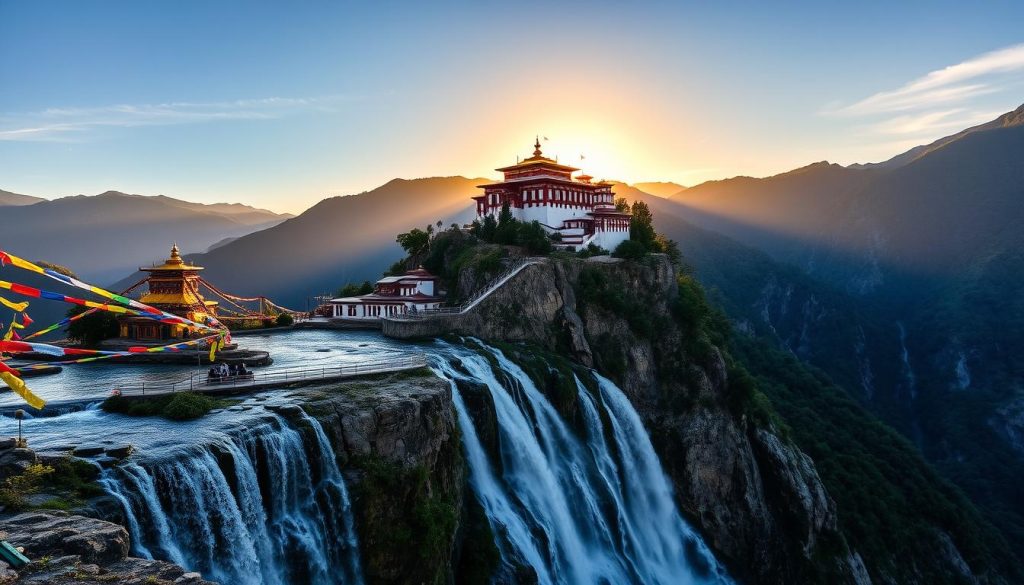
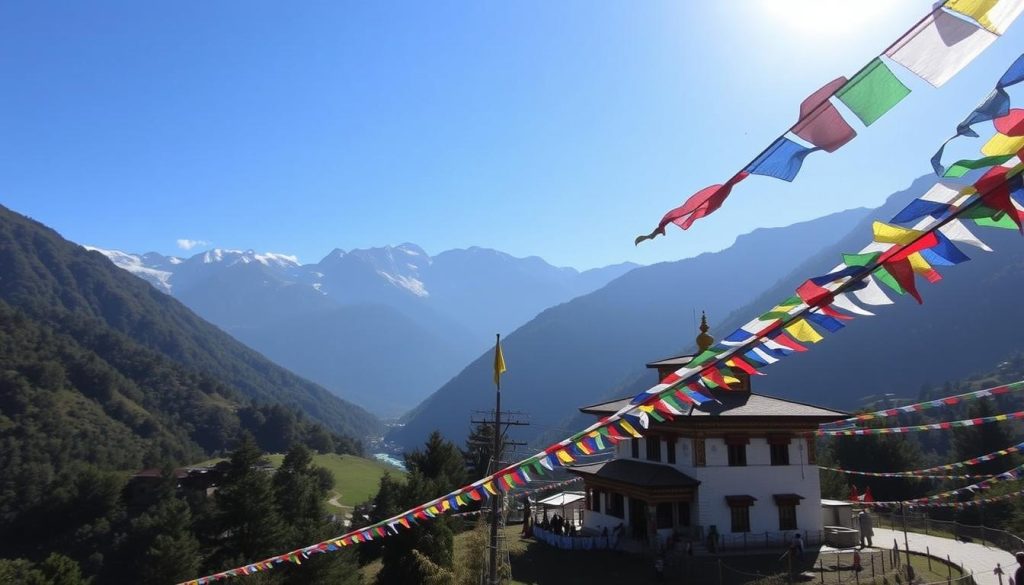
As you walk, you’ll see prayer flags and peaceful views. The best times to go are spring and autumn. The weather is perfect for hiking.
Summer brings rain, and winters are cold. So, plan your visit carefully.
Spiritual Significance of the Monastery
The Paro Taktsang is more than beautiful architecture. It’s a key pilgrimage site for Buddhists. It’s where Guru Padmasambhava meditated in the 8th century.
Many come to find spiritual peace. It’s a unique way to experience Bhutan’s culture.
The monastery was rebuilt in 1998 after a fire. It was finished again in 2005. Around 500 tourists visit each year. They come for its beauty and history.
Visiting Tiger’s Nest is more than a hike. It’s a journey into Buddhism in Bhutan.
What to do in Paro?
Exploring Paro reveals a mix of cultural, historical, and adventurous activities for all. You’ll see breathtaking landscapes and dive into Bhutanese traditions. Enjoy Paro tourism with activities and attractions that will make your trip unforgettable.
Top Activities and Attractions
- National Museum of Bhutan: Open from 9 AM to 5 PM, it costs INR 25 for SAARC citizens and INR 150 for others. It’s a great start for your Paro sightseeing.
- Drukgyel Dzong: A UNESCO World Heritage site, open from 7 AM to 6 PM. Guided tours cost around INR 500. It’s known for its architecture and history.
- Paro Craft Market: Open daily from 11 AM to 8 PM. You can buy authentic handicrafts for INR 1000-1500 on average.
- Tiger’s Nest Monastery: Open from 8 AM to 6 PM. You can walk for 2-3 hours or ride a pony. It’s a must-see for its views and spiritual significance.
- Traditional Festivals: Visit the Paro Festival Ground to experience local culture. Enjoy traditional dances in March/April.
- Adventure Sports: Try mountain biking, trekking, rafting, or kayaking. The Snowman Trek offers stunning views up to 5,400 meters.
- Local Cuisine: Try momos and traditional soups at local eateries. It’s a great way to explore Paro’s food scene.
- Tachogang Lhakhang Bridge: Cross this ancient iron-braced bridge for a thrilling experience.
- Brewery Visits: Visit the local brewery in Dumsibu. Taste beer made from unique Bhutanese ingredients.

Paro has something for everyone, whether you’re into culture or outdoor adventures. Explore the many activities in Paro to see its beauty and traditions.
Visiting Rinpung Dzong
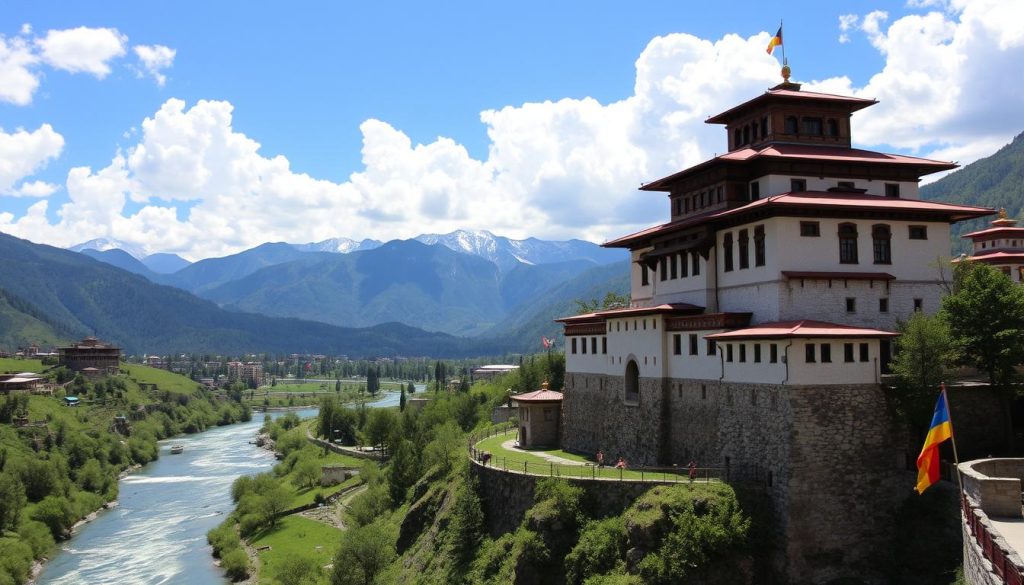
Rinpung Dzong is a key Paro attraction showcasing Bhutan’s history and architecture. It’s in the heart of Paro Valley. Built in 1646, it’s a fortress-monastery that still serves as a religious and administrative center. Visiting Rinpung Dzong lets you see Bhutan’s rich culture and history.
Historical Importance of Rinpung Dzong
Rinpung Dzong is crucial in Bhutan history. It commemorates the victory over Tibetan invasions. The Paro Tsechu festival here is a big cultural event. It draws people with its dances, music, and ceremonies.
The dzong is ready for the festival all year. It’s a place for cultural events, keeping traditions alive.
Architectural Features
The architectural features of Rinpung Dzong show Bhutanese builders’ skill. Its five-storey central tower, the utse, stands tall. The massive walls and detailed woodwork give visitors a deep experience.
The courtyards are perfect for photos, with stunning murals and designs. Inside, the temples are sacred, with rules against photos. The beauty of Rinpung Dzong shows Bhutan’s heritage and art.
Experience the National Museum of Bhutan
Exploring Paro activities isn’t complete without visiting the National Museum of Bhutan. It’s in the old watchtower, Ta Dzong. This museum is a treasure trove of Bhutan’s rich culture and history.
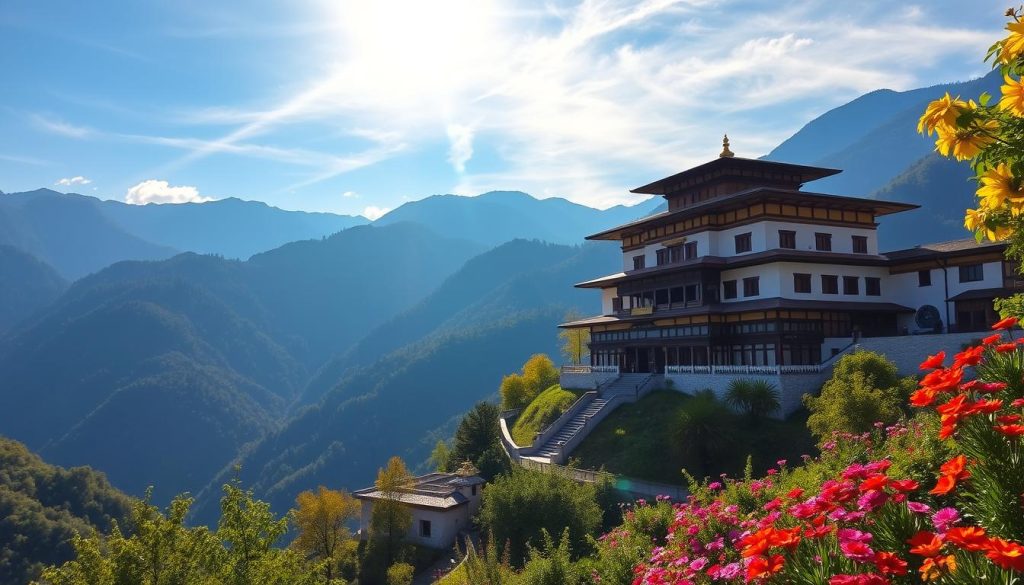
Since 1968, the museum has showcased over 3000 masterpieces. These pieces span 1500 years of Bhutan’s art and traditions. You’ll see:
- Fine arts and paintings
- Bronzes and textiles
- Jewelry and handicrafts
- Stuffed animals and butterflies
The stamp hall is a highlight, featuring unique stamps like the triangular yeti stamp. The museum is open from 10:00 AM to 4:30 PM, Tuesday to Friday. On Saturday, it’s open from 10:00 AM to 1:00 PM. Sundays, it’s open from 11:30 AM to 3:30 PM. Mondays, it’s closed.
Entry fees range from 10 Nu for locals to 200 Nu for foreigners. It’s a great deal for those wanting to learn more about Bhutanese culture. Plus, you get to see the Paro Valley from a unique spot, enhancing your Paro activities experience.
| Day | Opening Hours | Entry Fee (Nu) |
|---|---|---|
| Tuesday – Friday | 10:00 AM – 4:30 PM | 10 (Locals) / 200 (Foreign Nationals) |
| Saturday | 10:00 AM – 1:00 PM | 10 (Locals) / 200 (Foreign Nationals) |
| Sunday | 11:30 AM – 3:30 PM | 10 (Locals) / 200 (Foreign Nationals) |
| Monday | Closed | N/A |
Your visit to the National Museum of Bhutan will give you a deep look into Bhutan’s art and culture. It’s a must-see on your Paro journey.
Crossing the Old Iron Bridge
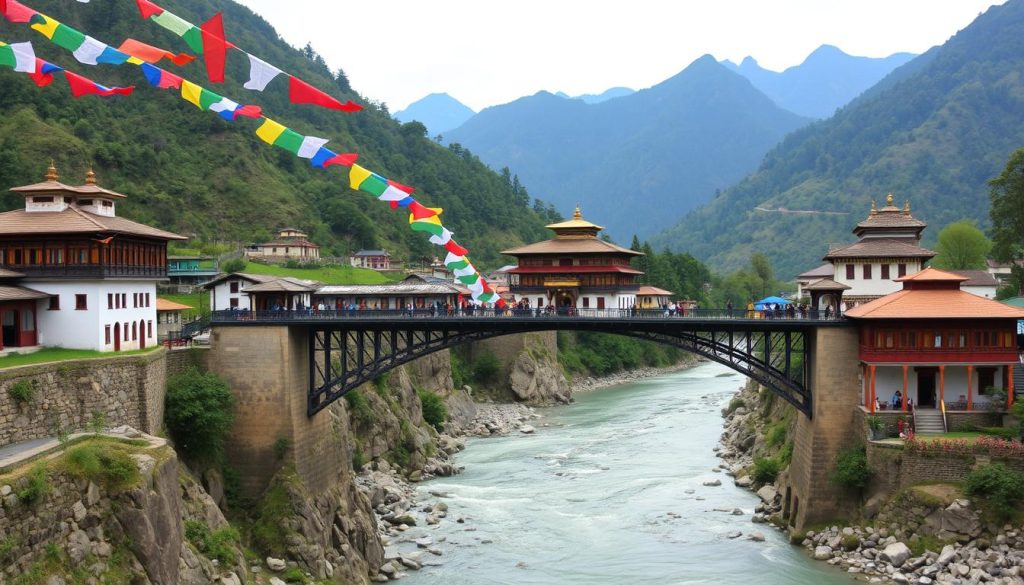
The Old Iron Bridge was built by Thangtong Gyalpo in the 14th century. It’s a marvel of ancient Bhutanese engineering. This bridge links the Tachog Temple with Paro’s stunning valleys. Even after renovations, it still holds great importance and offers an exciting journey for visitors.
As you walk across, you’ll see breathtaking views of the Paro Chhu river. It’s a hidden treasure among Paro’s attractions.
History of the Bridge
This iron bridge is over 600 years old. It’s famous for its unique design, with no visible support. The bridge has seen many challenges, including a major flood in 1969.
Thanks to a royal team, the bridge was fixed and restored to its former beauty.
Connecting with Local Culture
Visiting the Old Iron Bridge is more than just seeing sights. It’s a chance to dive into Paro’s local culture. This iconic path shows off Bhutan’s rich heritage and lets you see daily life in the community.
Markets and traditional crafts nearby give a close look at Bhutanese traditions. Walking around, you’ll see prayer wheels and stone piles. They add to the spiritual feel, helping you understand local customs better.
Take a Hiking Adventure to Chele La Pass
Chele La Pass is one of the highest motorable passes in Bhutan, reaching over 3,900 meters. It’s a top spot for Hiking in Paro, with amazing views of the Himalayas. Whether you drive or hike, the scenery is perfect for photos.
The best times to visit are spring (March to May) and autumn (September to November). The weather is nice then. Winter (December to February) turns the area into a magical wonderland. But, the rainy monsoon season from June to August is not great for hiking.
It takes about 1.5 to 2 hours to get to Chele La Pass from Paro by road. There are no hotels at the pass, but you can enjoy:
- Trekking to the Kila Goempa Nunnery
- Photography sessions capturing breathtaking views
- Wildlife watching
- Immersing yourself in local culture
- Stargazing in the clear night sky
The trek to Chele La Pass takes three days. You’ll cover 5km, 16km, and 13km, with ups and downs each day. Lodges are at least 3-star quality, with 4 or 5-star options for more.
Tours include a guide, transport, entry fees, and meals. But, remember, personal costs, insurance, visa fees, flights, and tips are not covered.
Discover the excitement and beauty of Chele La Pass on a Hiking in Paro adventure. It’s a memorable experience in Bhutan’s stunning nature.
Exploring Kyichu Lhakhang (The Blue Temple)
Kyichu Lhakhang, or the Blue Temple, is a key part of Bhutan’s spiritual history. It’s in the beautiful Paro Valley and dates back to the 7th century. It’s a place where visitors can truly experience Paro’s culture.
Cultural Significance of the Temple
King Songtsen Gampo built Kyichu Lhakhang. He united Tibet and Nepal. The temple was meant to tame a female ogress across the Himalayas.
Walking through the temple, you feel the heart of Bhutan’s Buddhism. The statues and murals tell stories of Buddhist history. The peaceful atmosphere and cultural practices make it a must-see in Paro. Entry costs BTN 400, giving you a glimpse into centuries of devotion and art.
Indulging in Local Brews at Namgay Artisanal Brewery
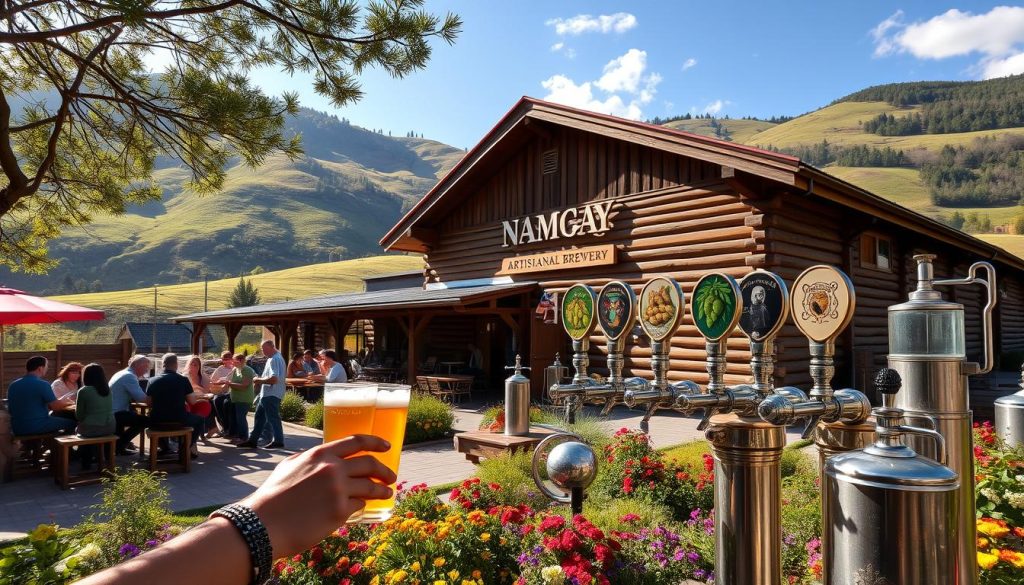
Visiting Namgay Artisanal Brewery is a must for anyone wanting to taste Paro’s local culture. This brewery showcases Bhutan’s unique flavors through its craft beers. Each beer is made with local ingredients, telling stories of the region’s heritage and brewing traditions.
Beer Tasting Tours
The brewery offers one-hour beer tasting tours. These tours let you explore Paro’s unique local brews. You’ll get to:
- Sample a variety of locally made beers
- Discover the ingredients that make Bhutanese brewing special
- Chat with experts who share their knowledge of brewing
- Relax in a setting that honors local craftsmanship
These tours are both educational and fun. They show how craft beer is changing in Bhutan. Whether you love beer or are just curious, Namgay Artisanal Brewery offers a special experience. It connects you to Paro’s way of life.
Rafting and Kayaking on the Paro Chhu River
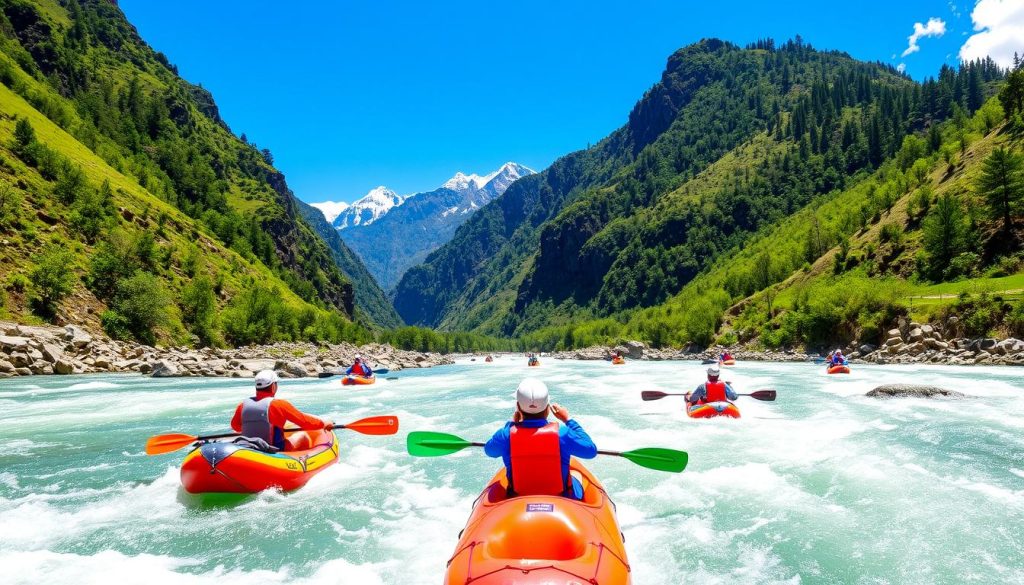
The Paro Chhu River is a top spot for those who love rafting and kayaking. It offers exciting rapids for all skill levels. As you paddle, you’ll see stunning nature around you, making it a trip to remember.
Kayakers will enjoy a 7-kilometer stretch on the lower Paro Chhu River. It’s perfect for beginners and those a bit more experienced. The trip takes about three hours and lets you see the beauty of Paro, Thimphu, and Punakha.
Along the river, you’ll find amazing sights. The Iron Bridge at Tachog Lhakhang, built in the 1400s, is a great place to take photos. The river has rapids like:
- Hungry Ghost Rapid at Mile 4.3: A Class III+ rapid with a big boulder in the middle. You can go left or right.
- Boulder Choke at Mile 5: A Class V rapid that’s tricky. It’s best to scout it out or portage.
- Realm of the Demigods at Mile 3.9: A tough rapid with entrances on the center and left side.
The Paro Chhu River meets the Wang Chhu, offering even more challenging rapids. The trip ends at Chhuzom, where you’ll hike up a trail to get back to the road. Local companies provide the safety gear you need for a fun and safe trip.
Try rafting and kayaking on the Paro Chhu for an unforgettable adventure. You’ll see the stunning beauty of Bhutan. The trip also includes visits to cultural and historical sites, making it a complete experience.
Conclusion
As you finish your Paro travel guide, you’ll see that this valley is more than just a place. It has stunning views from Tiger’s Nest monastery and historical sites like Rinpung Dzong. Don’t miss trying local brews and outdoor fun like rafting on the Paro Chhu River.
What to do in Paro? Dive into its unique culture. You can trek in spring, see festivals in autumn, and relax in winter. The calm and the Himalayas make every visit special.
To really enjoy Paro, spend at least 2-3 days here. Explore places like Kyichu Lhakhang and see the Buddha Dordenma. Your trip to Paro will give you memories you’ll always treasure.