Discover How to Cook Authentic Mandalay Cuisine
Ever wondered what makes Mandalay cuisine so special? It’s not just about following recipes. It’s about understanding the cultural stories in each dish.
This article is your entry into Mandalay cuisine. You’ll discover dishes that bring back memories for many. Inspired by MiMi Aye’s work, you’ll see that cooking Mandalay food is about skill and love for ingredients and techniques.
Join us on a culinary adventure. You’ll learn to make Mandalay’s famous dishes. This journey combines tradition with new flavors, making your kitchen a place of rich Mandalay tastes.
Introduction to Mandalay Cuisine
Mandalay cuisine is a fascinating introduction to Burmese food. It shows the rich culinary heritage of Myanmar’s second-largest city. This cooking style is a mix of flavors from India and Thailand.
Each dish tells the story of Mandalay’s culture, history, and lifestyle. It’s a unique experience for those who want to try this vibrant cuisine.
At the heart of Mandalay culinary heritage is the cookbook “Mandalay: Recipes and Tales from a Burmese Kitchen” by MiMi Aye. It has 90+ recipes, divided into sections like Fritters, Salads, Soups, and Noodles. This makes it easy for home cooks to follow.
The author tested 16 recipes to ensure they are tasty and simple to make. There are also notes on substituting ingredients.
The cookbook is a great guide for understanding traditional Burmese ingredients and equipment. It includes 17 menus for simple or grand meals. With titles in English, Romanized Burmese, and Burmese script, it welcomes all to Mandalay cuisine.
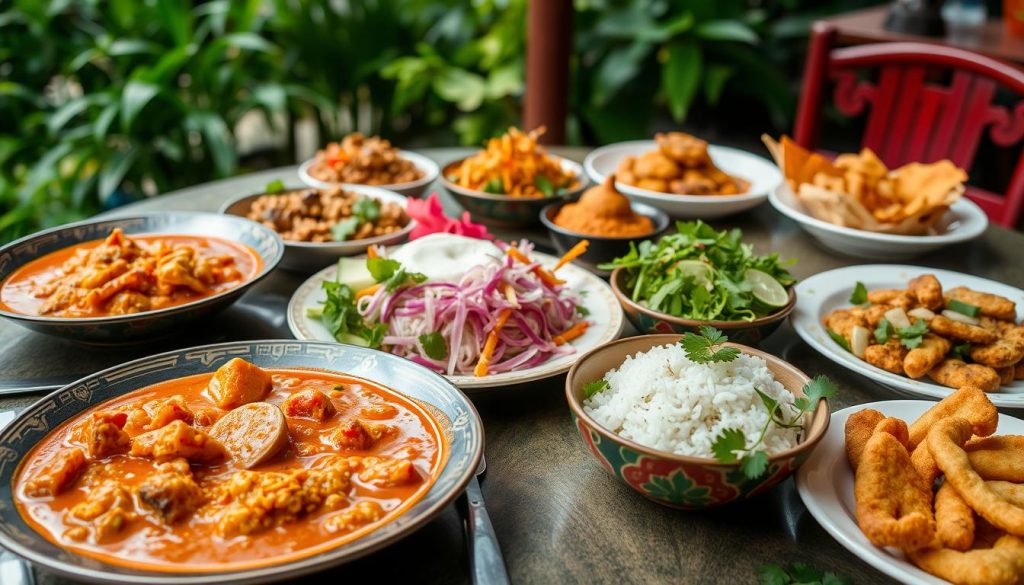
Try dishes like Nan gyi thoke, a rich noodle dish with chicken curry, and lahpet thoke, a refreshing salad with fermented tea leaves. Your taste buds will enjoy the authentic flavors of Mandalay. Exploring Mandalay cuisine is a journey into its history and the skill behind each meal.
The Importance of Authenticity in Mandalay Cooking
Authenticity in cooking is key to keeping the unique flavors and traditions of Mandalay food alive. Recipes passed down through generations show the rich Burmese culinary traditions. These recipes are more than just food; they connect us to the area’s history and customs.
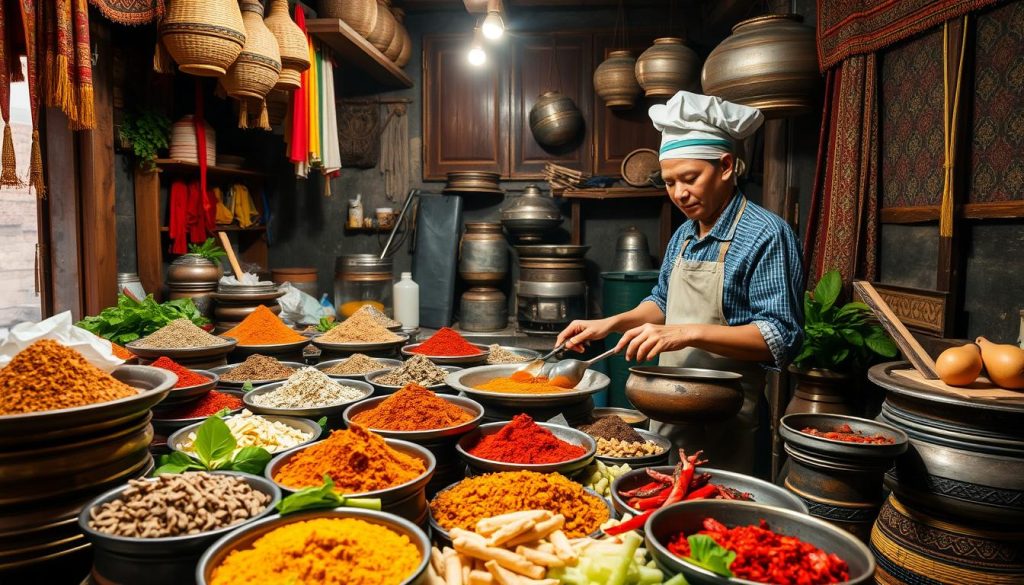
Using real ingredients is vital for capturing a dish’s true essence. MiMi Aye talks about the hard work of finding genuine Burmese ingredients abroad. She suggests substitutes to keep the recipe true, making your cooking experience richer and more creative.
Each dish tells a story of Burma’s cultural mix, influenced by China and India but still uniquely Burmese. Dishes like Coconut Chicken Noodles or Lahpet show the depth of flavors and the effort put into making them. Lahpet, for example, uses pickled tea leaves that ferment for six weeks, often served at special times or after meals. This highlights the importance of sharing meals and strengthening community bonds.
Garnishes are crucial in Burmese cooking, adding flavor and beauty to dishes. Ingredients like sliced shallots, boiled eggs, lime quarters, and crispy fried noodles enhance both taste and presentation. Knowing these elements helps us appreciate the full richness of Burmese culinary traditions.
Key Ingredients in Mandalay Dishes
Mandalay cuisine is rich and diverse, thanks to influences from India and China. This mix of cultures brings together many ingredients. Knowing these key ingredients can make your cooking better.
Essential Spices and Herbs
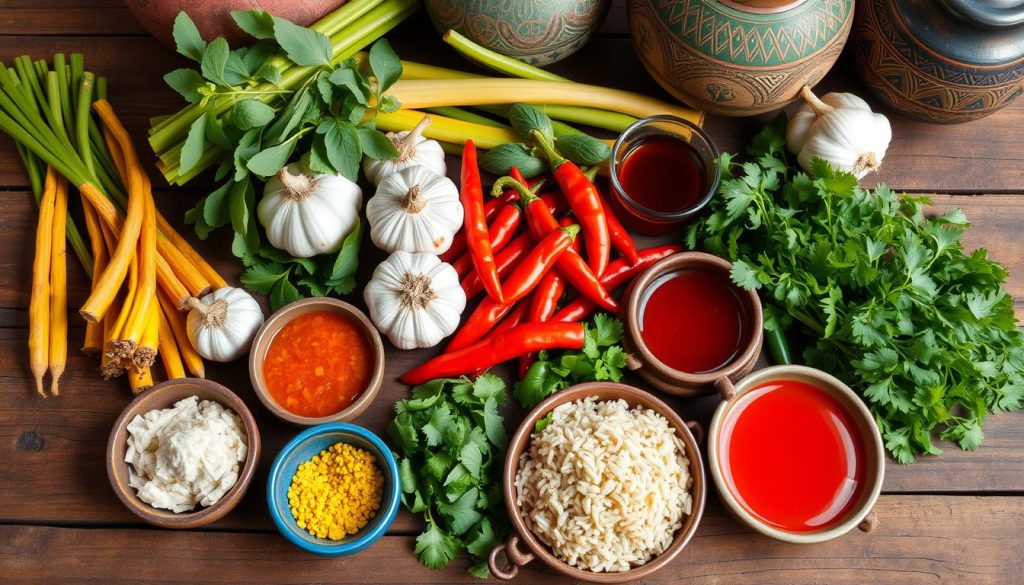
At the core of Mandalay dishes are essential spices that add vibrant flavors. You’ll find:
- Turmeric
- Chili
- Ginger
- Garlic
- Curry leaves
- Mint
- Coriander
- Sweet basil
Fermented pastes like shrimp paste and sauces like fish sauce and soy sauce are key. They add a unique umami taste to dishes.
Commonly Used Ingredients
Burmese food often uses a variety of vegetables and legumes. Key staples include:
| Category | Examples |
|---|---|
| Vegetables | Asparagus, cabbage, cucumber, eggplant, potato, pumpkin, leafy greens |
| Lentils | Black-eyed peas, chickpeas, urad dal |
| Fruits and Nuts | Coconuts, mangos, avocados, durians, almonds |
| Meat and Seafood | Beef, chicken, duck, pork, venison, catfish, eel, prawns, snapper |
These ingredients show Mandalay cuisine’s versatility. They also stress the need for quality ingredients for authentic flavors.
Traditional Mandalay Cooking Methods
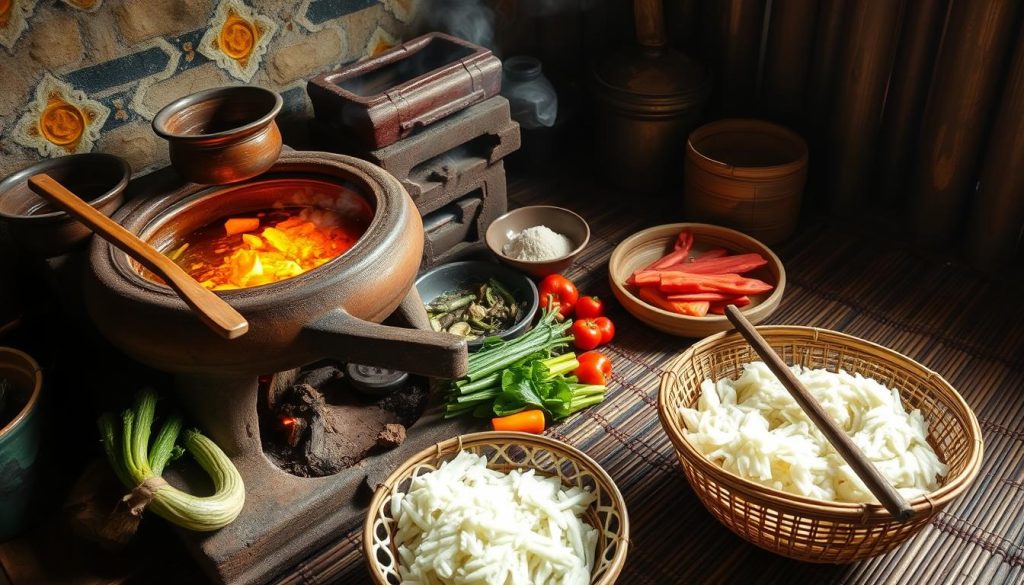
Mandalay cuisine is known for its rich flavors, thanks to traditional cooking methods. Techniques like steaming, frying, and stir-frying are key. They help create the unique tastes and textures of local dishes.
Steaming is a common method in Mandalay kitchens. It keeps the natural flavors and nutrients of ingredients. Steamed rice, a staple in Burmese cuisine, is often served with many dishes.
Frying and stir-frying are also important. They make dishes taste better and have a crispy texture. The right spices and oil are crucial. Using the right cookware and measuring ingredients accurately is also important.
Here’s a table that shows some traditional cooking methods:
| Cooking Method | Description | Common Uses |
|---|---|---|
| Steaming | Cooking food by placing it above boiling water, retaining moisture and nutrients. | Rice, dumplings, vegetables |
| Frying | Cooking food in hot oil to achieve a crispy exterior and tender interior. | Meat, fish, vegetables |
| Stir-frying | Quick cooking in a small amount of oil while stirring constantly for even cooking. | Noodles, vegetables, meats |
Learning these traditional cooking methods and authentic cooking practices will help you make beloved Mandalay dishes at home. Whether it’s steamed rice or a vibrant stir-fry, each technique brings out the best of Mandalay’s culinary heritage.
Learn to Cook Mandalay Food
To start cooking Mandalay food, follow a clear plan. This will make you more confident. First, learn about Mandalay’s unique tastes and cooking methods. These tips will help you use common ingredients in tasty dishes.
Step-by-Step Guidance for Beginners
Start with a simple recipe that shows off Mandalay’s flavors. Here’s how to do it:
- Gather your ingredients. Make sure you have all the spices and produce you need.
- Prepare your ingredients well, chopping and measuring them right.
- Follow the recipe step by step, taking time to understand each part.
- Keep tasting to adjust the flavors to your taste.
- Enjoy the cooking, even if it’s not perfect.
Using these tips will help you get into Mandalay’s cooking world. Remember, practice is key. Every dish teaches you something new.
Common Mistakes to Avoid
Every chef faces challenges, no matter their skill. Knowing Mandalay cooking mistakes can help you avoid them. Here are some common ones to watch out for:
- Overcooking ingredients: This makes them lose texture and flavor.
- Imbalance in flavors: Make sure to balance sweet, salty, and sour.
- Skipping the marinating step: Marinating is key for deeper flavors.
- Neglecting to taste: Taste often to make adjustments before serving.
- Using stale spices: Fresh spices make a big difference in the dish.
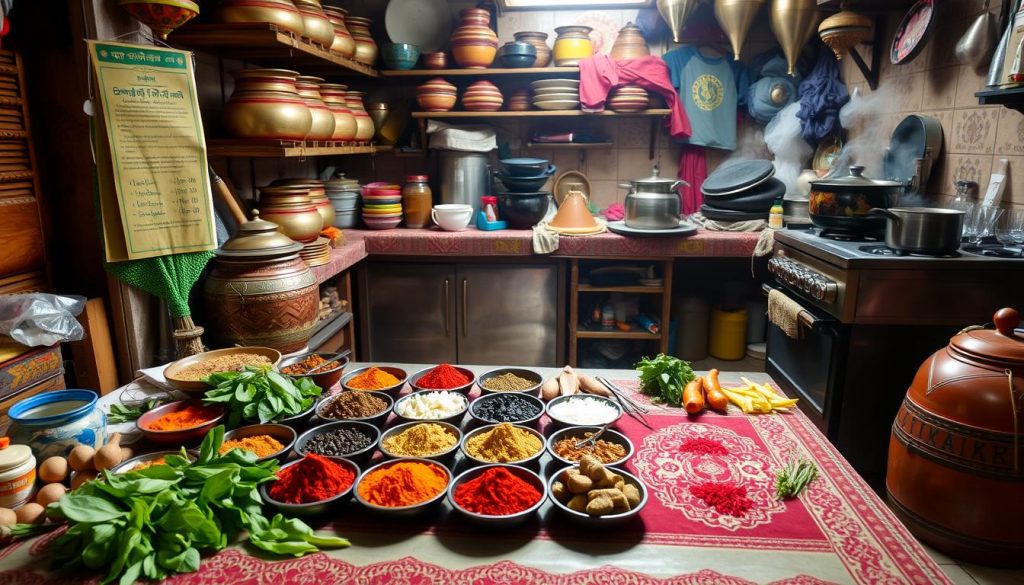
Famous Mandalay Dishes You Must Try
Mandalay’s cuisine is a mix of flavors and textures. You’ll find several dishes that food lovers can’t miss. Mohinga, Myanmar’s national dish, is a must-try. It’s a comforting soup with lemongrass, rice noodles, and banana tree pith. It’s a favorite for breakfast.
Nan Gyi Thoke is another dish you should try. It’s a dish of fat rice noodles with chicken or beef curry. It’s topped with chili oil, chickpea powder, coriander, and shallots. It’s a mix of flavors that will excite your taste buds.
Samosa Thoke is a street food you should not miss. It’s like Indian samosa chaat but with a Burmese twist. The small pastries are filled with potatoes and chickpeas. Sharing these snacks with friends makes the meal more fun.
Laphet Thoke is a dish that shows the Burmese love for tea. It mixes pickled tea leaves with fresh veggies like cabbage and tomatoes. It’s topped with peanuts and dried shrimp, making it a refreshing dish.
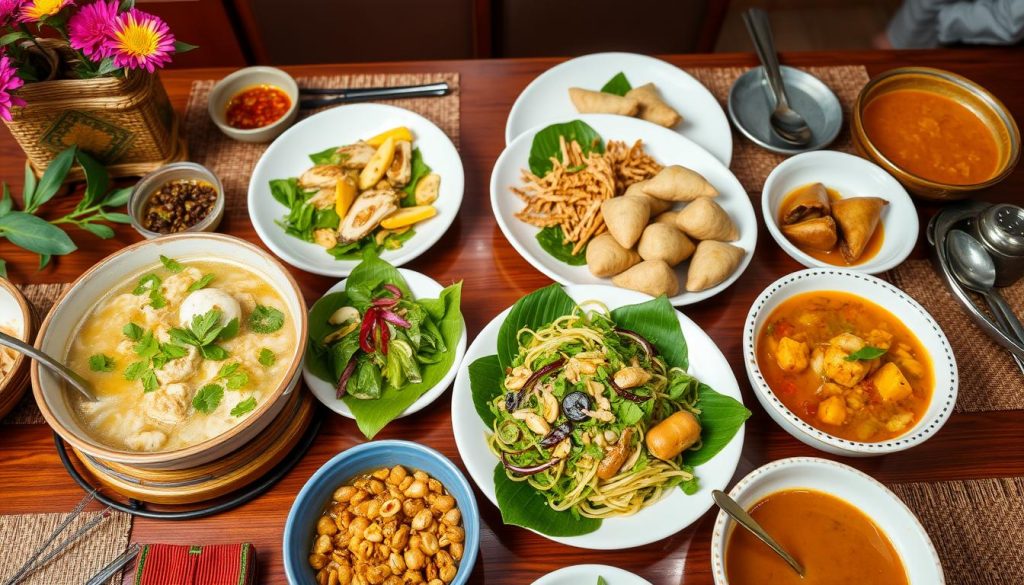
Trying these iconic dishes opens a window to Mandalay’s rich culinary heritage. By cooking these recipes, you taste history and share it with others. Exploring Mandalay’s dishes helps you appreciate the artistry of Burmese cuisine.
Popular Mandalay Cuisine Recipes
Exploring Mandalay cuisine through specific recipes is exciting. Two standout dishes are the Spicy Fried Fish Curry and Burmese Tofu Fritters. These dishes highlight Mandalay’s rich flavors, fresh ingredients, and simple cooking methods.
Spicy Fried Fish Curry
The Spicy Fried Fish Curry recipe captures the heart of Burmese cooking. It uses garlic, ginger, and spices, loved by locals. Serve it with rice for a full meal. Here’s what you’ll need:
- Fresh fish (e.g., snapper or tilapia)
- Garlic and ginger
- Turmeric and chili powder
- Onions and tomatoes
- Salt and oil
This recipe can be tweaked with veggies or different fish, making it flexible for your kitchen.
Burmese Tofu Fritters
The Burmese Tofu Fritters recipe offers a tasty, crispy snack. They’re made from chickpea flour and are filling. To make them, you’ll need:
- Chickpea flour and water
- Fresh herbs (like coriander and green onions)
- Salt and spices to taste
- Pan-frying oil
These fritters can be spiced up with your favorite ingredients. They’re easy to make and fun to experiment with.
Mandalay Culinary Techniques for Perfect Dishes
Learning Mandalay cooking techniques can take your dishes to the next level. Marinating is a key method for adding flavor. It lets spices and sauces soak into every part of the food, making it taste better.
Getting the flavors right is crucial for great Mandalay dishes. Mixing sweet, salty, sour, and bitter tastes makes a meal enjoyable for everyone. The right spices can turn a simple dish into something amazing.
How you present your food is also important. Good plating can impress your guests and make their meal better. Use fresh herbs or colorful veggies to make your dish look appealing.
Here are some cooking tips for your Mandalay cooking journey:
- Choose fresh, local ingredients in Mandalay for better taste.
- Marinating adds depth to meats and veggies.
- Try different spice mixes to find your favorite.
- Learn various cooking methods to improve your skills.
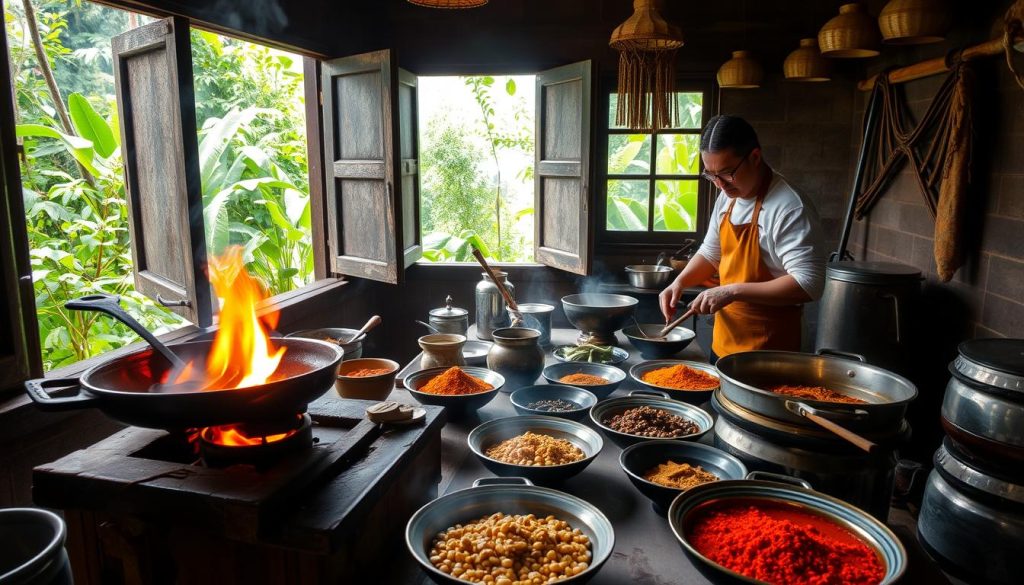
Looking into cooking classes can be helpful. Classes in Mandalay cost about $60 per person. Prices vary from $40 to over $200, depending on the chef and menu. You can find classes for birthdays, couples, and more, offering unique experiences.
| Cooking Class Type | Focus Area | Average Cost per Person |
|---|---|---|
| Birthday Party Cooking Classes | Various Cuisines | $60 |
| Bachelorette Party Cooking Classes | Special Menus | $70 |
| Couples Cooking Classes | Romantic Dishes | $80 |
| Private Cooking Classes | Customized Experience | $200+ |
By using Mandalay cooking techniques, you can make delicious meals and memorable dining experiences. Perfecting Mandalay recipes means focusing on quality and creativity in the kitchen.
Cultural Significance of Mandalay Food
The culinary culture of Mandalay shows the heart of the local community and its traditions. Food is more than just something to eat; it’s a key way to connect with others. It plays a big role in daily life, like during family gatherings and celebrations.
At special times, traditional dishes are made to welcome guests and relatives. This creates a space for sharing and coming together. Many Mandalay food traditions focus on eating together, which strengthens bonds.
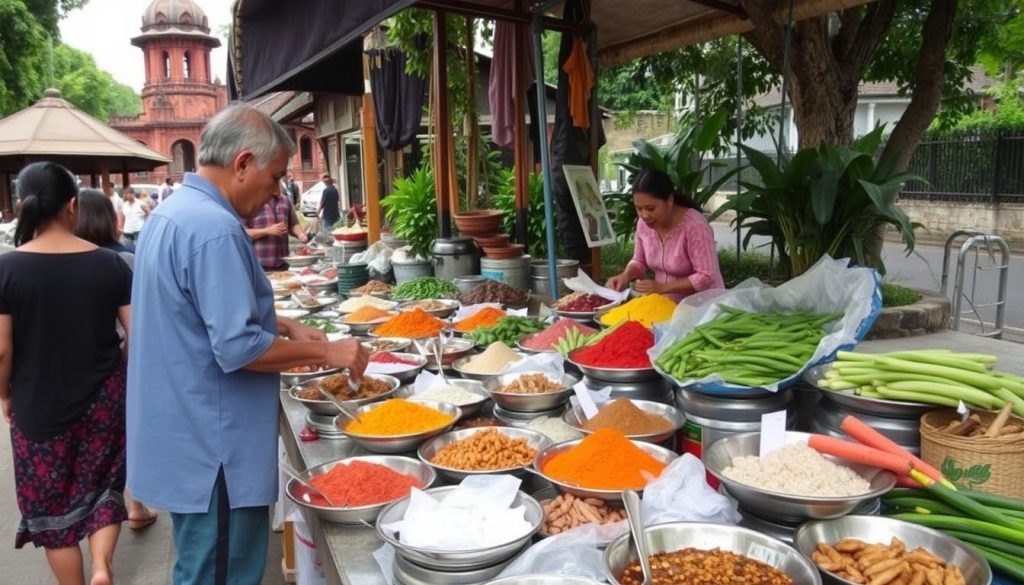
A typical meal in Mandalay includes rice with many tasty curries, salads, and sides. Making dishes like Burmese Tea Leaf Salad shows the value of cooking rituals. The mix of spices and ingredients reflects the diverse influences from China and India.
- Meals are often enjoyed with tea, which is very important in daily life.
- Special occasions feature unique Mandalay dishes, using local ingredients.
- Preparing food is seen as an art form, passed down through generations, keeping Mandalay’s heritage alive.
For visitors, learning about Mandalay’s culinary culture helps appreciate the area’s food more. By joining in local traditions, you gain insight into the Burmese way of life and values.
| Food Item | Type | Significance |
|---|---|---|
| Burmese Tea Leaf Salad | Salad | A national dish showcasing a blend of flavors. |
| KaYanChin Thee PePyar Hin | Vegetable Dish | Symbolizing local agriculture and sustainable practices. |
| Curry | Main Course | Central component of meals, emphasizing communal dining. |
In conclusion, Mandalay’s culinary culture is a treasure that brings people together. Knowing the importance of food in Burmese culture makes exploring Mandalay’s food scene even more rewarding.
Exploring Burmese Mandalay Cuisine Tutorials
Want to get better at cooking? Check out Mandalay cuisine tutorials online and in your area. Many sites and classes offer great ways to learn Burmese cooking. You can watch video tutorials, follow detailed recipes, and join cooking classes. These activities let you dive into Mandalay’s rich flavors and traditions.
Local cooking classes teach you how to make dishes like mint fish soup and long bean salad. You’ll also learn to make fried spring onion and Burmese chicken and potato curry. Classes often include a welcome drink, coffee or tea, and sometimes a soft drink or local beer. This makes your learning experience even more fun.
| Type of Class | Location | Cost | Included Features |
|---|---|---|---|
| Group Cooking Class | Inle Heritage House | Varies | Welcome drink, coffee/tea, dish tastings |
| Private Cooking Session | Khaung Daing Village | Contact for details | Hands-on experience, homemade materials |
| Weekend Workshops | Local Community Centers | Starting at $20 | Complete meals, cultural talks |
Trying these options can really help you understand Mandalay cuisine better. Whether you’re in a small group or have a private lesson, you’ll get to taste real Burmese flavors. Plus, it’s a fun and educational way to learn. You’ll get to work with local chefs and learn old cooking techniques.
Conclusion
Exploring Mandalay cuisine is like starting a tasty journey filled with real culinary experiences. This article has shown you the heart of Mandalay food. It’s not just about recipes, but also the stories and traditions behind each dish.
Learning about traditional cooking and key ingredients is key. You can now try making dishes like Laphet Thoke or Spicy Fried Fish Curry. These dishes are more than food; they celebrate community, history, and resilience.
Now, you’re ready to cook and share Mandalay dishes with loved ones. This act strengthens your bond with Mandalay cuisine and the community spirit. Enjoy the flavors, cherish the moments, and let Mandalay’s traditions make your meals special.