Discover Historic Sites in Holetown, Barbados
Are there any historical sites in Holetown that showcase the town’s rich history and cultural significance? As you plan your trip to this charming town on the west coast of Barbados, you may wonder about the Holetown historical landmarks and attractions. With a history dating back to 1625, Holetown has a unique story to tell. Its historical sites are a testament to its strategic importance in the Caribbean.
Holetown historical landmarks offer a glimpse into the town’s colonial past and its significance in the region. As you explore the town, you’ll discover a range of attractions. These cater to different interests and budgets, with prices averaging from $22 to $325. Whether you’re interested in learning about the town’s founding, its colonial history, or its current status as a tourist hub, Holetown has something to offer. It’s an ideal destination for history buffs and travelers alike.
The Historical Significance of Holetown in Barbados
Exploring Holetown reveals its deep history, starting in 1625 when it was claimed for England. In 1627, the first English settlers arrived, starting a new chapter for the island. Places like the St. James Parish Church, built in 1628, show Holetown’s key role in Barbados’ past.
Holetown was crucial in the Caribbean trade early on. Its location made it a key spot for trade and commerce. Today, you can see this history in its architecture and landmarks, like the Holetown historical monuments.
First English Settlement in Barbados
The first English settlement in Barbados was in Holetown. It was the only town on the island until 1629. This settlement was vital for the island’s growth, and its legacy is seen in the town’s historic buildings and landmarks. Sites like the Holetown Monument remind us of its importance in Barbados’ history.
Early Colonial History
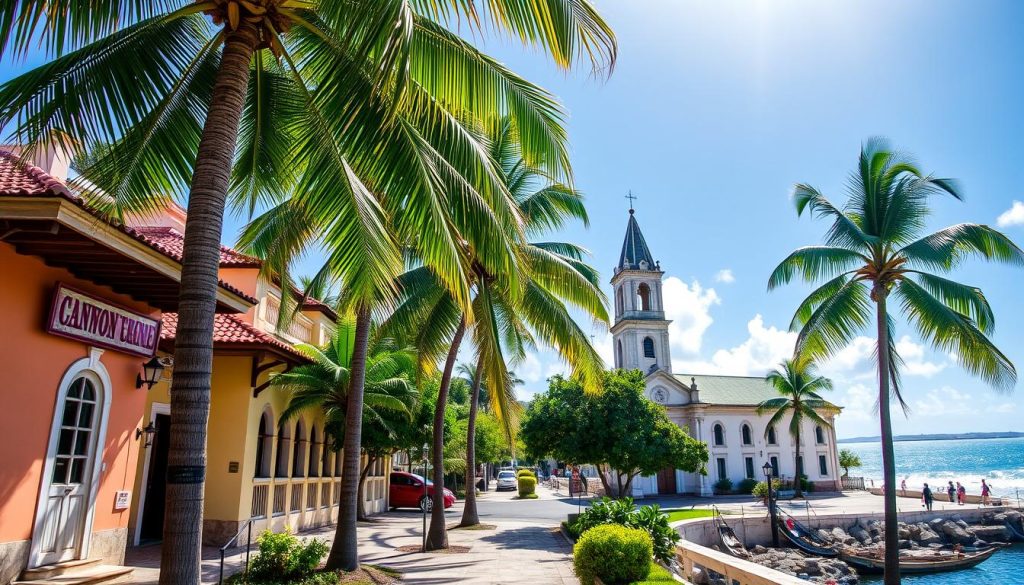
Holetown’s early days were filled with important events. The St. James Parish Church was built in 1628. Over time, it has been updated, including a big refurbishment in 1874 and the addition of porches in the 1900s. Today, it’s a top spot for tourists and a symbol of Holetown’s rich history.
| Year | Event |
|---|---|
| 1625 | Barbados was claimed for England |
| 1627 | First English settlers arrived in Barbados |
| 1628 | St. James Parish Church was built |
Are There Any Historical Sites in Holetown? A Complete Overview
Exploring Holetown reveals a wealth of historical sites. You’ll find places like the St. James Parish Church and the Holetown Monument. These are just a few of the Holetown heritage sites to see. A Holetown history tour is a great way to learn about the town’s past.
Some key historical sites in Holetown include:
- St. James Parish Church, established in 1628, with a 300-year-old baptismal font
- The Holetown Monument, marking the first English landing in 1625
- The Folkestone Marine Park, featuring a museum and aquarium with island marine life
These sites give a peek into Holetown’s history and its role in Barbados. By visiting these Holetown heritage sites and taking a Holetown history tour, you’ll understand the town’s significance better.
Holetown offers something for everyone, whether you’re into history, architecture, or culture. Its rich heritage and many historical sites make it a top spot to visit in Barbados.
| Historical Site | Year Established | Significance |
|---|---|---|
| St. James Parish Church | 1628 | Oldest church in Holetown, featuring a baptismal font over 300 years old |
| Holetown Monument | 1625 | Commemorates the first English landing in Holetown |
| Folkestone Marine Park | Showcases the island’s marine life, featuring a museum and aquarium |
St. James Parish Church: Holetown’s Oldest Religious Monument
Exploring Holetown’s historic sites? Don’t miss the St. James Parish Church. Founded in 1628, it’s a key historical landmark. Its stunning stained-glass windows and coral stone construction are awe-inspiring.
Inside, you’ll see historical artifacts like the baptismal font and the oldest bell in the Caribbean. These items highlight the church’s rich history and its role in Holetown’s heritage. Make sure to check visiting hours and guidelines for a respectful visit.
Architectural Features
The church’s design is a testament to its historical importance. Its coral stone and stunning stained-glass windows are unique. Walking through, you’ll see the detailed craftsmanship that has lasted centuries.
Historical Artifacts Inside
The church houses several historical artifacts, including the baptismal font and the oldest bell in the Caribbean. These items give a glimpse into the church’s history and its significance in Holetown’s heritage. You’ll also find ancient manuscripts and relics that highlight the church’s importance.
Visiting Hours and Guidelines
Before visiting the St. James Parish Church, check the visiting hours and guidelines. The church welcomes visitors from Monday to Friday. Guided tours are available upon request. It’s important to follow the church’s rules for a smooth and enjoyable visit.

Exploring Holetown’s historic sites? Remember to respect the town’s rich heritage and landmarks. The St. James Parish Church is just one of the many landmarks that show Holetown’s significance in Barbados’ history. Visiting these sites will deepen your understanding of Holetown’s history and its importance in the island’s heritage.
The Holetown Monument and Its Significance
Exploring Holetown, you’ll find the Holetown Monument. It honors the first English settlers in Barbados, who landed in 1625. This landmark is among the Holetown historical monuments that highlight the town’s rich past.
The monument sits in a park, close to Holetown Beach. It’s surrounded by greenery, offering a peaceful spot for visitors. Walking from the beach takes about 10 minutes, or 5-7 minutes from the Lime Grove Lifestyle Centre. The area boasts many attractions, adding to the cultural and historical journey for tourists.
Some notable features and attractions near the Holetown Monument include:
- Holetown Public Centre
- Multiple restaurants and bars
- Parks and beaches
- Cultural sites
The Holetown Monument is a key landmark in the area. Its importance is seen in the town’s history and culture. As one of the Barbados historical sites, it draws both locals and tourists, making it a vital part of the town’s heritage.

Exploring the First Settlement Site
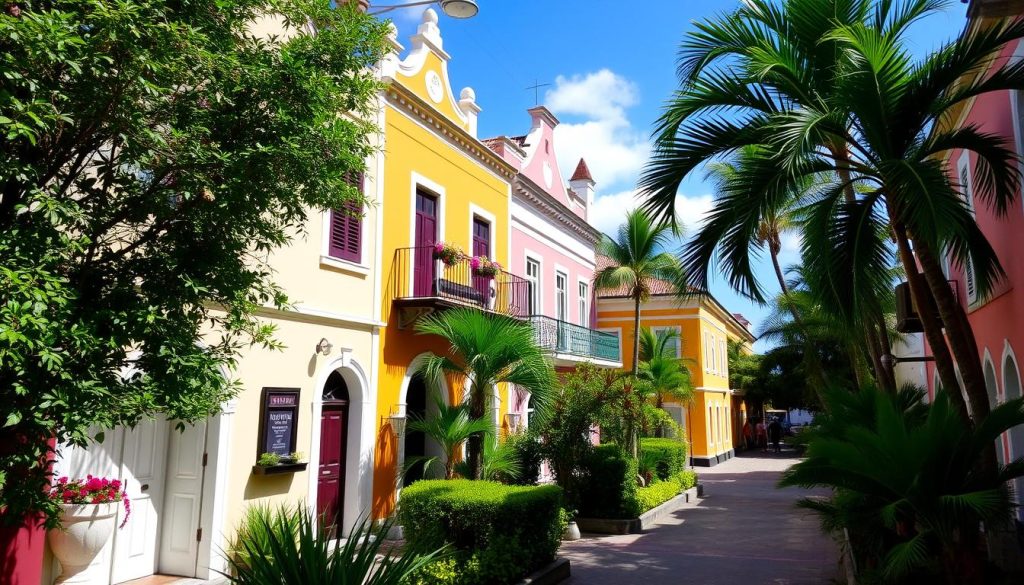
When you visit Holetown, you can see the first settlement site. It’s where the island’s history began. This site is key to understanding Holetown’s early days. You’ll find archaeological finds and historical markers that tell the town’s story.
The site shows the original layout of the settlement. You can see where the first buildings stood and the town’s early layout. Walking here, you can picture life for the settlers who came in 1625. It’s a must-see for history buffs and anyone curious about culture.
- Archaeological discoveries, such as artifacts and ruins
- Historical markers, which provide information about the site’s history
- The original settlement layout, which gives visitors an idea of what the town looked like in the past
These elements make the first settlement site a vital part of Holetown’s history. It’s a top attraction for those interested in the town’s past.
| Feature | Description |
|---|---|
| Archaeological discoveries | Artifacts and ruins from the early settlement |
| Historical markers | Signs providing information about the site’s history |
| Original settlement layout | The location of the first buildings and infrastructure |
The Historic Holetown Fort: Remnants of Colonial Defense
Exploring Holetown, you’ll find the Historic Holetown Fort. It’s a key part of the town’s defense history. This fort is among the Holetown historical landmarks that highlight the town’s rich past. Its construction and use show the town’s strategic role in the Caribbean.
The Historic Holetown Fort is a top spot to visit in Holetown. It offers a peek into the town’s history. You can see the fort’s remains and learn about its role in defense. It’s also a great place to learn about the town’s history and its role in the Caribbean.
- Located at 13°10′12″N 59°33′09″W, the fort is in the heart of Holetown
- The fort was built during the colonial era to protect the town from invaders
- The fort is one of the many Holetown historic places that are worth visiting
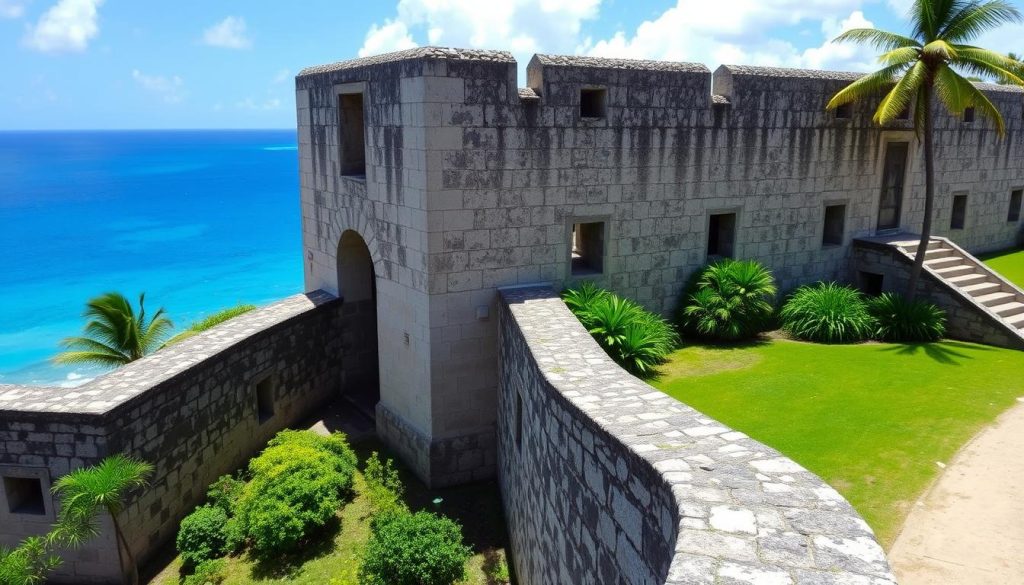
The Historic Holetown Fort is a vital part of the town’s heritage. Its preservation is key for future generations. Visiting the fort, you’ll understand the town’s history and its role in the Caribbean better.
Heritage Buildings Along First and Second Street
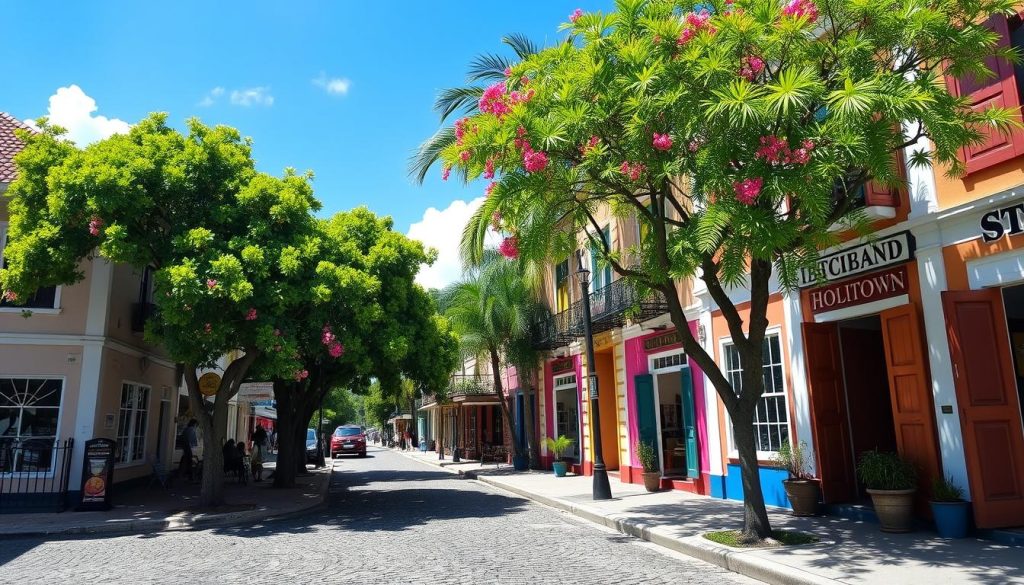
Walking along First and Second Street in Holetown, you’ll find many heritage buildings. These Holetown historical attractions show the town’s rich history and colonial style. The buildings have been restored to keep their original charm.
Notable historic houses include old plantation homes turned into museums, restaurants, and shops. These Holetown heritage sites give a peek into the lives of early residents. You can explore the streets yourself to see the architecture and learn about each building’s history.
Photography lovers will find plenty of subjects along these streets. The mix of colonial architecture and lively atmosphere makes for great photos. Visit during the golden hour for the best light.
- Take a guided tour to learn more about the history and significance of each building
- Respect the buildings and their surroundings, as they are an important part of the town’s heritage
- Capture photos of the buildings, but be mindful of any restrictions or guidelines
| Building | Year Built | Architectural Style |
|---|---|---|
| Old Plantation House | 1650 | Colonial |
| St. James Parish Church | 1628 | Georgian |
The Holetown Museum: Preserving Local History
Exploring Holetown reveals its rich history and cultural importance. The Holetown Museum is a key attraction, offering a peek into the town’s past. It features unique exhibits and interactive displays, making it fun for all ages.
The museum showcases Holetown’s history from 1627 to today. You’ll learn about its role in the Caribbean trade and its impact on the island’s heritage. It also offers Holetown history tours for a deeper dive into the town’s past.
Visitors can see exhibits on Holetown heritage sites like Folkestone Marine Park & Visitor Centre and St. James Parish Church. These sites highlight the town’s history and culture. The museum gives a special view of their importance.
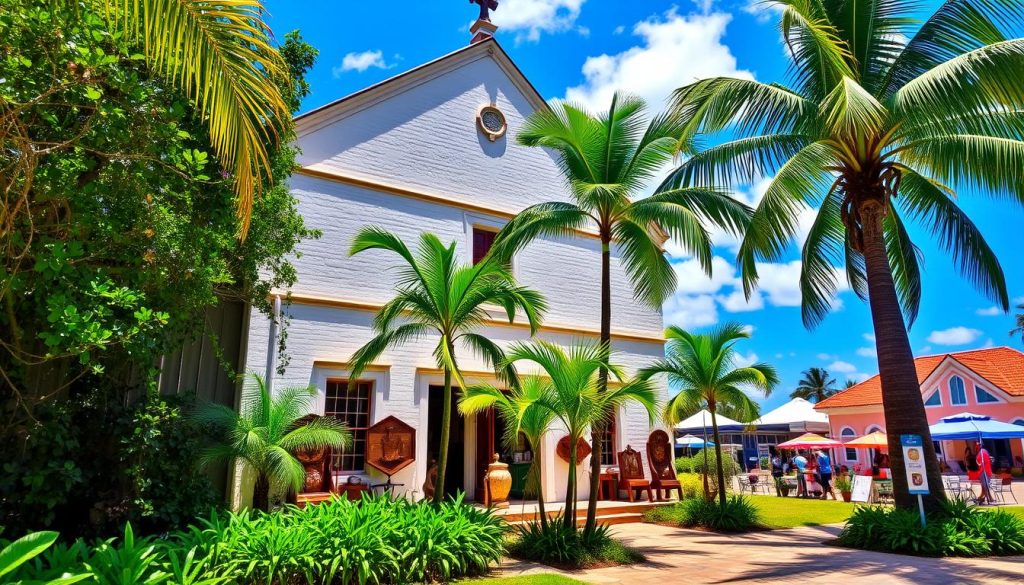
The Holetown Museum is a great place to start your Holetown history tours. It offers a detailed look at the town’s history and culture. With its engaging exhibits and interactive displays, it’s perfect for anyone wanting to learn about Holetown’s rich heritage.
| Museum Exhibit | Description |
|---|---|
| Early Settlement | Artifacts and exhibits showcasing the town’s early settlement in 1627 |
| Caribbean Trade | Exhibits highlighting the town’s strategic importance in the Caribbean trade |
| Cultural Heritage | Displays showcasing the town’s rich cultural heritage and historical significance |
Traditional Chattel Houses: Living History
Exploring Holetown historic places, you’ll find traditional chattel houses. These homes show the town’s rich culture. They were built to be affordable and easy to move.
Chattel houses stand out for their design. They have a central door, windows on each side, and small windows above for air. You’ll see fancy details like “bell pelmet” window hoods and decorative fretwork.
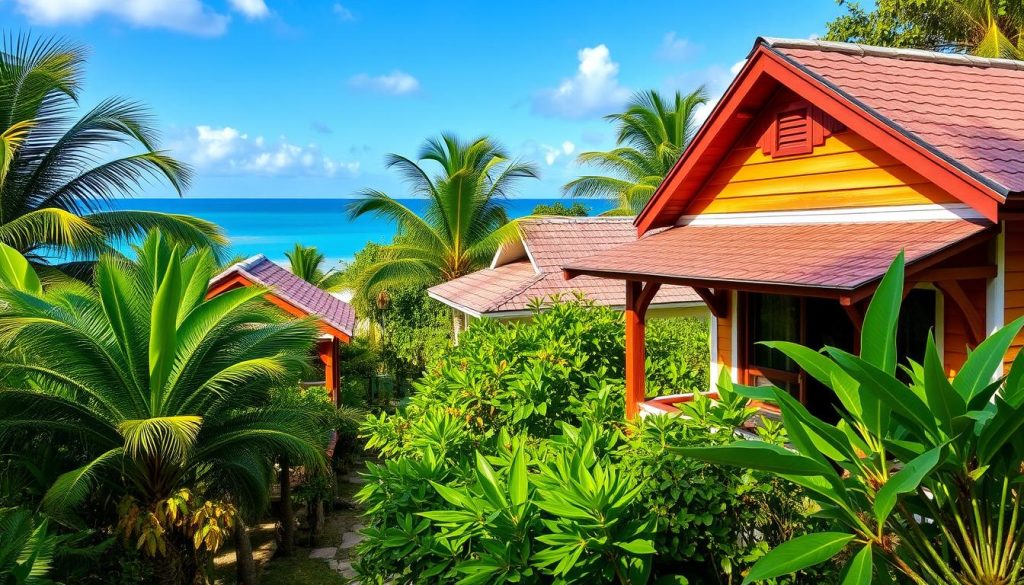
Chattel houses hold a special place in Holetown’s history. They became common after slavery ended. Many were built with money from Barbadian workers who helped build the Panama Canal.
Today, you can see these houses in Holetown. Some have been fixed up by older folks who love their charm. You can also visit Tyrol Cot Heritage Village to see real replicas. It’s a great spot for those interested in Holetown’s history.
Historical Walking Tours and Heritage Trails
Exploring Holetown lets you dive into its rich history and culture. Holetown history tours and heritage trails are perfect for this. They take you to the town’s historic sites, landmarks, and cultural spots.
Tour operators like Inajas Transport and Tours have over 15 years of experience. They offer Holetown history tours from 8 AM to 6 PM every day. You’ll see attractions like Harrison’s Cave and Eco-Adventure Park. Plus, you’ll get free refreshments like rum punch and bottled water.
Here are some key features of Holetown heritage sites tours:
- Family-friendly tours with infant seats and stroller access
- Private tours available for exclusive groups
- Guided tours of historic sites and landmarks
- Opportunities for hiking and wildlife observation
The cost of these tours varies. Prices range from $22 to $325. On average, a Holetown history tour costs between $100 to $200. Some popular tour options include:
| Tour Type | Price |
|---|---|
| Guided walking tour of Bridgetown | $22 |
| Private customizable island adventure tour | $325 |
| Full-day coast to coast tour | $120 |
Best Times to Visit Holetown’s Historical Sites
Planning a visit to Holetown’s historical sites? Knowing the best times is key. With over 100,000 visitors each year, Holetown, Barbados, is a top spot. Its heritage sites are a big reason why.
The dry season, from December to April, is the best time to see these sites. Daytime temperatures are pleasant, between 75-85°F (24-29°C). This makes it perfect for exploring.
On the other hand, June to November is the wet season. It rains a lot, with 6-7 inches per month. This is the worst time to visit.
When planning your trip, keep these points in mind:
- Peak season: December to April, with extended hours at attractions like the Folkestone Marine Park
- Shoulder season: May and November, with lower hotel rates and fewer crowds
- Hurricane season: June to November, with the highest risk period in August to October
By thinking about these factors, you can plan your visit well. This way, you’ll enjoy Holetown’s rich heritage and sites.
Holetown is perfect for history buffs and those wanting to see Barbados’ unique culture. Its history and preserved sites make it a standout destination.
| Month | Average High Temperature (°F) | Average Rainfall (inches) |
|---|---|---|
| January | 82 | 2 |
| February | 82 | 2 |
| March | 83 | 2 |
| April | 84 | 3 |
Conclusion: Experiencing Holetown’s Rich Historical Heritage
As you’ve explored Holetown, Barbados, you’ve seen its lasting importance. The town’s historical landmarks and historic places show its colonial past and local traditions. This seaside town gives a unique look into Barbados’ history.
Visiting Holetown, you’ve seen the St. James Parish Church’s beauty and the Tyrol Cot Heritage Village’s charm. Walking its streets, you’ve felt the town’s historical richness. Holetown’s mix of old and new lets you dive into the island’s fascinating story.
When you visit Holetown, check out its historical sites and talk to local guides. They’ll share secrets and stories that bring the town’s heritage alive. You’ll leave with a new respect for Holetown and Barbados’ strong spirit.