
Discover Historic Sites in Gyumri: A Guide
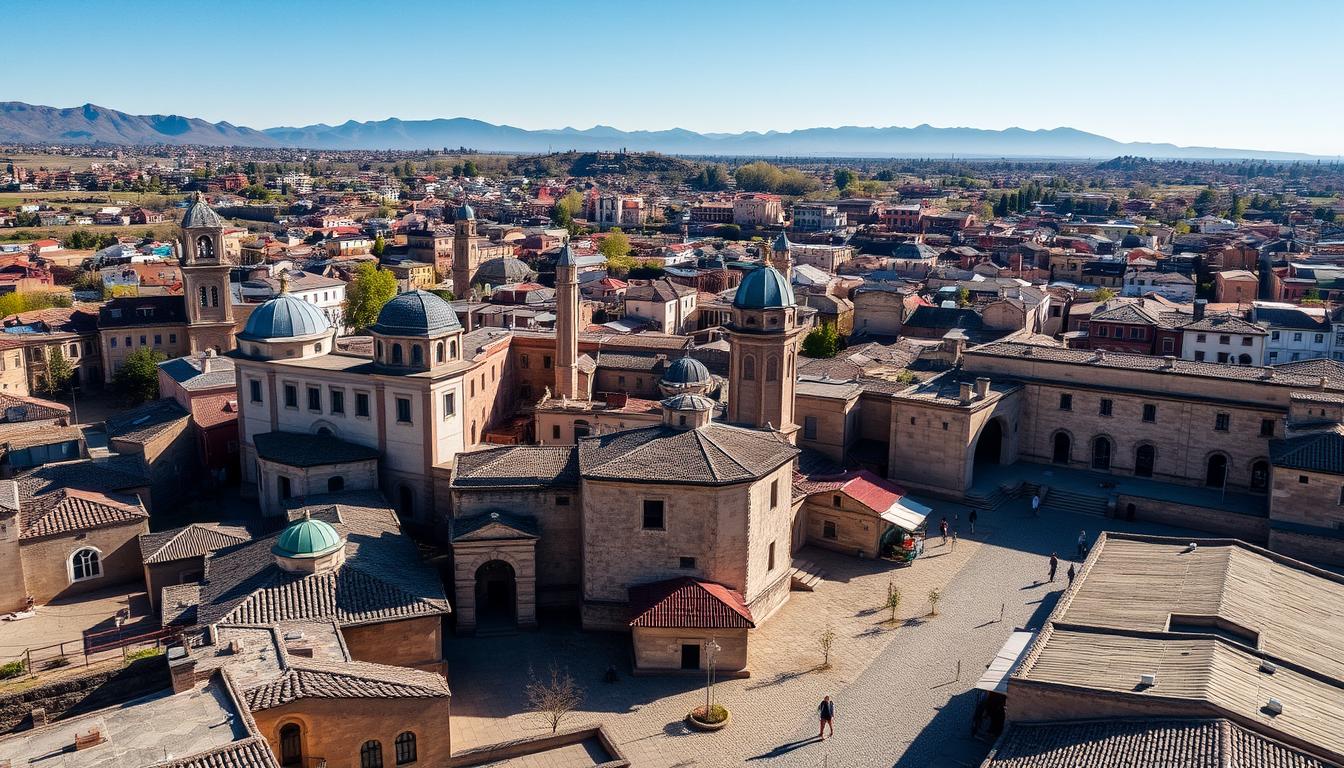
Have you ever thought about how a city can survive through time and show a nation’s history? Gyumri, Armenia’s cultural heart and second-largest city, offers a peek into the past. It has amazing historic sites. This guide will show you Gyumri’s ancient landmarks, highlighting the city’s resilience and charm.
Gyumri, once called Kumayri, Alexandrapol, and Leninakan, has changed a lot over time. It has been a military outpost and a busy trading center. Despite big challenges, like the 1988 earthquake, Gyumri has kept its old town intact. It’s filled with stunning architecture and stories waiting to be found.
Let’s explore Gyumri’s historical landmarks together. They tell the city’s story and invite you to experience its culture. From unique buildings to lively traditions, Gyumri is full of adventures. Every corner is a new discovery among Gyumri’s top tourist spots.
Introduction to Gyumri
Gyumri is Armenia’s second-largest city, known for its lively culture and art. It’s located at 40°47′22″N 43°50′51″E, in a place full of history and strength. The city has 112,301 people, covering 54 km² (21 sq mi), and sits at 1,509 m (4,951 ft) high.
The city faced big challenges, like the 1988 Spitak earthquake. But Gyumri kept its cultural spirit alive. It’s now a key spot for those who love history and culture.
Visitors can see the historic square, revamped with 100 million drams ($333,000). Gyumri’s art and architecture are unique. It’s also known as Kumayri, Alexandropol, and Leninakan. Despite its past struggles, Gyumri is now a vibrant place to visit.
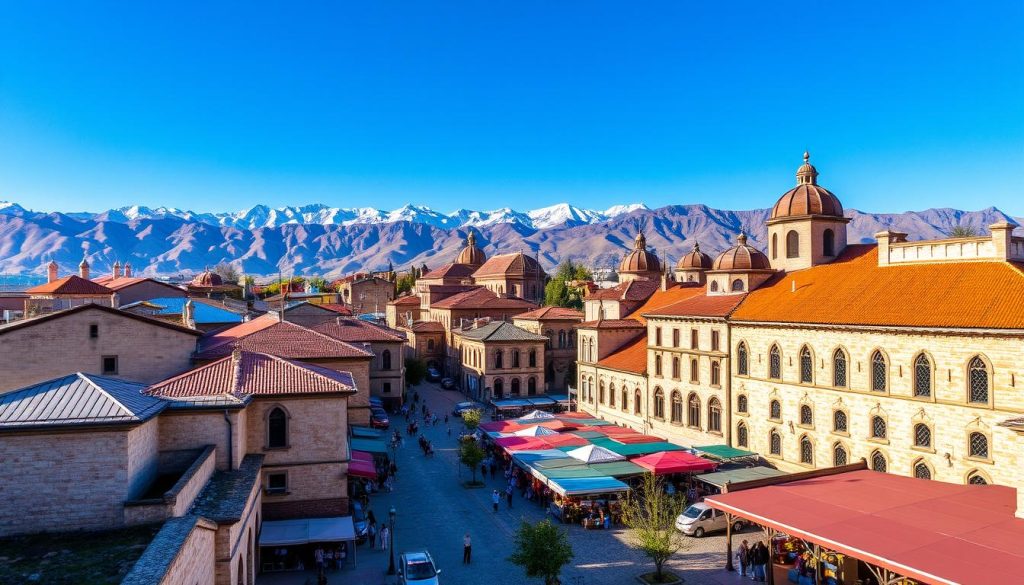
Gyumri has a cooler summer, making it perfect for exploring. The city’s streets tell stories of artists and locals. Hotels like Berlin and Isuz welcome everyone with open arms. Gyumri shows the power of resilience and creativity in Armenia.
The Historical Significance of Gyumri
Gyumri is a key part of Armenia’s history. It’s the second-largest city and has played many roles. It was a military base and a center for trade on old routes. Its ancient monuments show the city’s long and varied history.
Visiting Gyumri lets you see its art and culture. You’ll find many monuments and buildings that show the city’s past. The Dzitoghtsyan Museum of National Architecture and Urban Life is a must-see.
Gyumri’s history is filled with stories of overcoming hard times, like after the 1988 earthquake. The city has rebuilt and become a symbol of Armenian strength. Exploring Gyumri’s cultural sites lets you see its rich history and growth.
Gyumri is now focusing on sustainable tourism. This approach helps visitors enjoy the city while keeping its traditions alive. It’s a way to protect Gyumri’s natural and cultural treasures for the future.
| Aspects | Details |
|---|---|
| Population | 114,500 |
| Historical Development | Roots dating back to the 19th century as Alexandropol |
| Key Attractions | Sev Berd (Black Fortress), Dzitoghtsyan Museum, Aslamazyan Sisters House-Museum |
| Distance from Yerevan | 120 km (approx. 2 hours by car) |
| Distance from Vanadzor | 70 km (approx. 1 hour 30 minutes by car) |
| Currency | Armenian Dram (֏, AMD) |
| Time Zone | GMT+4 |
| Language | Armenian |
Exploring the Old Town of Gyumri
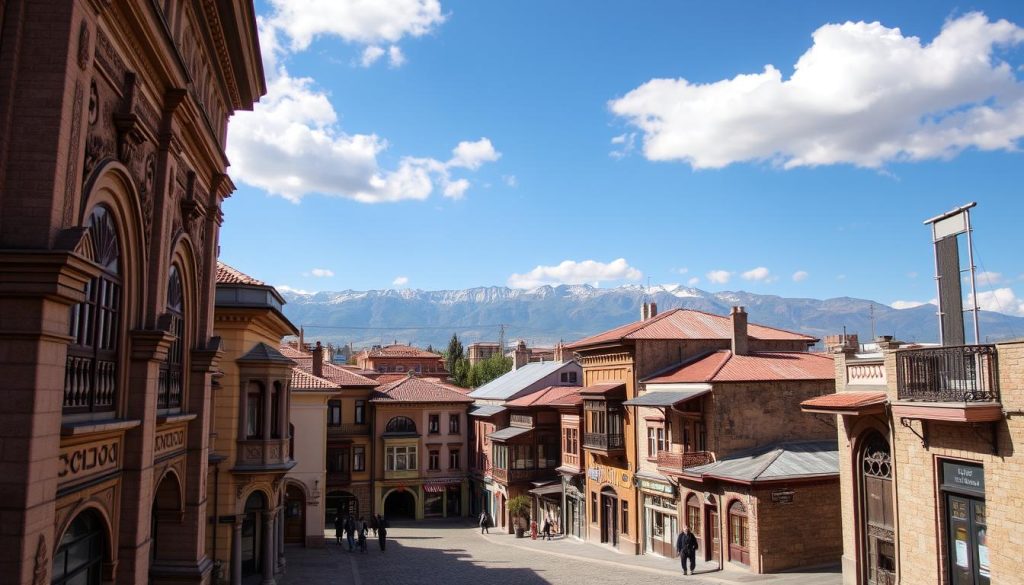
The old town of Gyumri is a mix of history and culture. It shows many Gyumri historical landmarks. Walking through its narrow streets, you’ll find a deep Armenian heritage.
The buildings here are from the 19th century. They tell stories from long ago. Every corner is a feast for the eyes, showing the city’s heart.
In Kumayri district, there are about 1,600 cultural monuments. This area shows Gyumri’s strength, having survived two big earthquakes. You’ll see old places like a barbershop from World War II and a pharmacy since 1870.
Exploring Gyumri, you’ll see more than just tourist spots. You’ll learn about its architecture, culture, and role in Armenia. Join a guided tour for a closer look at landmarks, homes, and Kumayri district.
Local guides share Gyumri’s secrets, traditions, and spirit. They give you a personal view of this magical city.
Must-Visit Historic Sites in Gyumri
Exploring Gyumri’s historic sites reveals a rich cultural tapestry and architectural wonders. Each site shares a unique story, showcasing the city’s strength and heritage. Here are some top spots to explore in this enchanting city.
Dzitoghtsyan Museum
The Dzitoghtsyan Museum is a must-see for culture lovers. It showcases a wide range of artifacts that highlight Armenian traditions and history. This museum offers a deep dive into the region’s artistic and historical contributions, making it a key Gyumri sightseeing spot.
Black Fortress
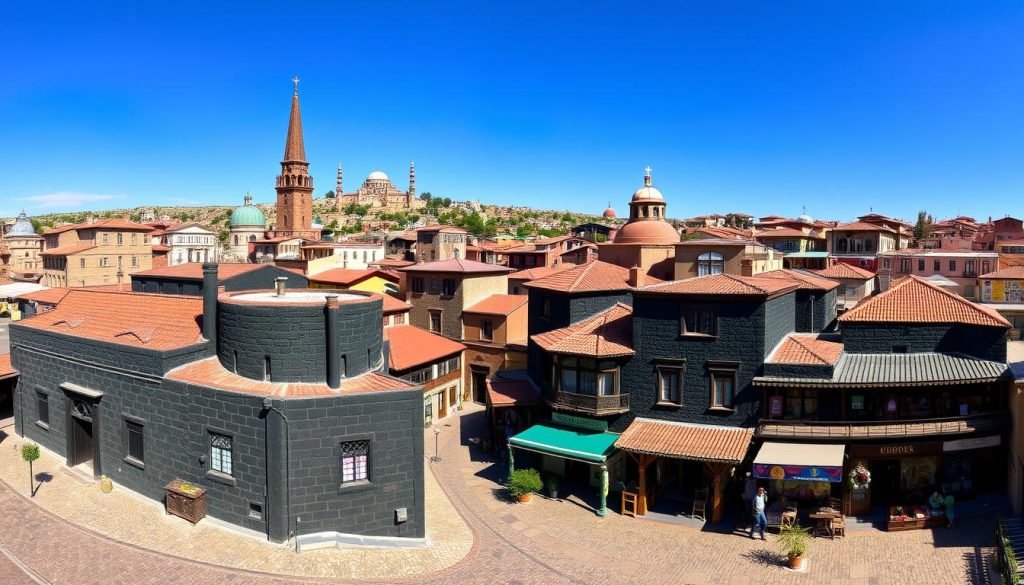
The Black Fortress is a symbol of Gyumri’s strength. It offers a peek into the city’s military past and has stunning views. Visiting here gives you a glimpse into the city’s resilience and the events that have shaped it.
Marmashen Monastery
Marmashen Monastery is a peaceful gem near Gyumri. It’s a significant religious site and a serene retreat. Its beautiful architecture and setting make it a must-see for those looking to reflect in a historically rich environment.
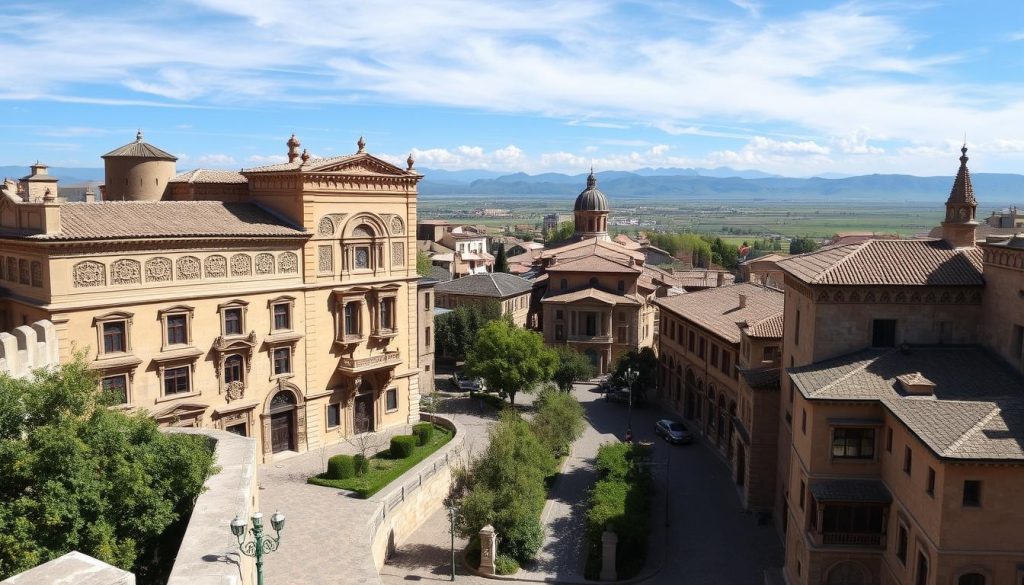
| Site | Highlights | Significance |
|---|---|---|
| Dzitoghtsyan Museum | Vast array of artifacts, Armenian heritage | Cultural insight, historical understanding |
| Black Fortress | Panoramic views, military history | Symbol of resilience |
| Marmashen Monastery | Stunning architecture, peaceful retreat | Religious significance |
Gyumri’s Cultural Heritage Sites
Gyumri is a lively showcase of Armenian culture, with many cultural sites. These include museums, galleries, and craft shops. Visitors will see many artistic expressions and traditional practices that tell the region’s story.
The city works hard to keep its cultural heritage alive. It does this through art, crafts, and cultural events. For example, the Museum of National Architecture and Urban Life is in a 1870s mansion. It shows the town’s architectural beauty and history.
Here’s a list of some important Gyumri historical landmarks:
| Landmark | Description | Year Established |
|---|---|---|
| Cathedral of the Holy Mother of God | The oldest surviving church in Gyumri, built in a Cruciform style. | 1874 – 1886 |
| Sev Berd (Black Fortress) | An imposing fortress built during the Russian imperial period, showcasing resilient architecture. | 1830s |
| Gyumri Brewery | The oldest beer factory in Armenia, celebrated for several beer varieties. | 1898 |
| Vardan Achemyan Drama Theatre | A significant cultural venue contributing to the vibrant arts scene in Gyumri. | 1930s |
| Cobweb Art Gallery and Museum | A hub for modern art that attracts art enthusiasts and visitors alike. | 2015 |
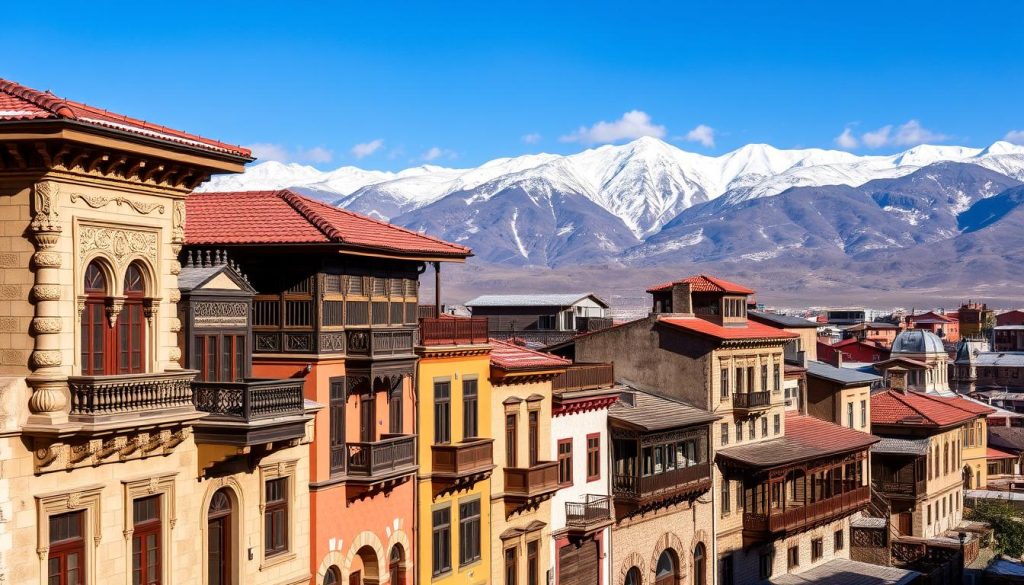
Visiting these landmarks in Gyumri helps you understand the city’s history and culture. By experiencing local traditions and events, you connect deeply with Gyumri. This city is a cultural gem, inviting you to discover its rich history and art.
Architectural Highlights of Gyumri
Gyumri is known for its stunning architecture, mainly from the 19th century. Walking around, you’ll see buildings with detailed designs and mixed styles. These reflect the city’s long history.
You’ll notice influences like neoclassical and Armenian traditional designs. They tell the story of Gyumri’s growth. Exploring these sites shows the community’s strength and cultural heritage.
19th Century Buildings
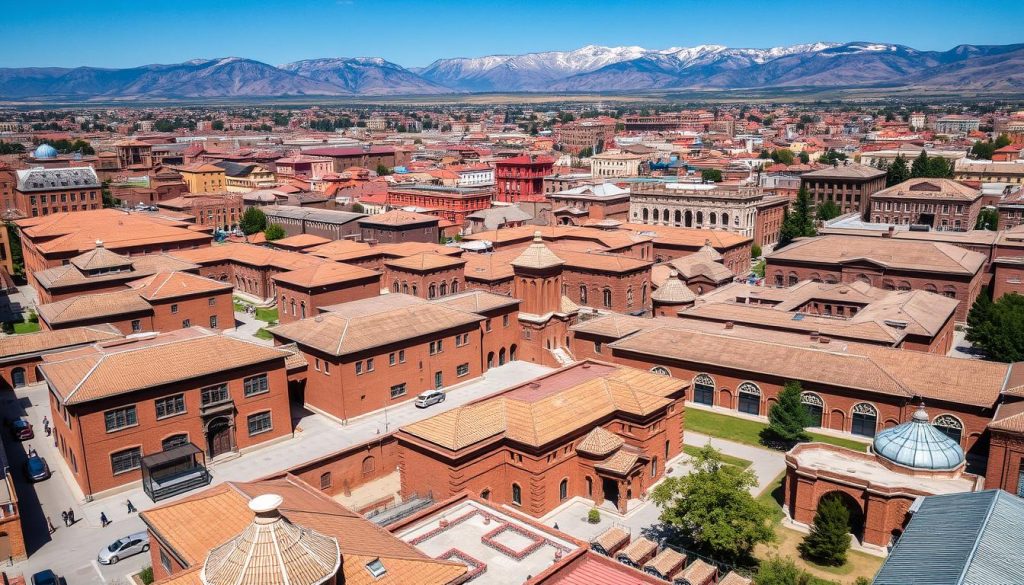
The 19th-century architecture in Gyumri is truly captivating. The Kumayri historic district has over a thousand buildings from this time. They are a testament to the city’s cultural importance and craftsmanship.
Each building tells a story of innovation and tradition. It’s a paradise for those who love history and architecture.
Unique Designs and Styles
As you wander, look for the unique designs that make Gyumri special. The Cathedral of the Holy Mother of God, built in 1884, is a must-see. So is the Poloz Mukuch Beerhouse, in a 1860s mansion from the 1960s.
These sites show Gyumri’s ability to adapt through time. The city’s varied styles make it a key part of your Gyumri tour.
The Role of Tours in Discovering Gyumri’s History
Tours are key in uncovering Gyumri’s rich history. They offer curated experiences that let you dive into the city’s cultural heritage. Guided tours reveal architectural secrets and stories behind landmarks.
With different tour providers, you can explore Gyumri in ways that match your interests. This ensures a unique experience for everyone.
City Research Center Tours
The City Research Center offers tours that focus on Gyumri’s history. Local experts lead these tours, giving a detailed look at the city’s architecture and culture. Small groups mean you get personal attention and a fun learning experience.
These tours are perfect for history buffs. They share stories about Gyumri’s famous buildings and cultural sites. It’s a must-see for anyone interested in history.
Private Historical Tours
Private historical tours are for those who want a customized experience. You can tailor your tour to visit museums, churches, or landmarks that interest you. Guides share engaging stories that bring Gyumri’s past to life.
These tours might uncover hidden gems and facts you never knew. They’re designed for all budgets, making them accessible to everyone.
Outdoor and Scenic Gyumri Sightseeing Spots
Gyumri is more than just historic buildings and cultural spots. It has many outdoor experiences that are breathtaking. As you explore this lively city, you’ll find many scenic places. These parks, gardens, and walkways are perfect for relaxing and enjoying nature.
Visiting spots like the Black Fortress gives you stunning views. You can see the ancient architecture and think about Gyumri’s history. Activities like walking trails or visiting ancient monuments make your visit even better. These spots mix nature with history, making your trip unforgettable.
The best time for outdoor fun in Gyumri is spring and summer. But autumn is great for those who like cooler weather. Whether you want to walk or take photos, Gyumri’s outdoors offer amazing experiences. Don’t miss out on these spots to make your visit memorable.





