Discover Durban’s Top Historical Attractions
Are you ready to uncover the rich history and cultural heritage of South Africa’s third-largest city? Durban is a melting pot of cultures. It offers a unique blend of colonial past and vibrant cultural experiences.
As you explore this fascinating city, you’ll find a treasure trove of must-visit attractions. These attractions showcase Durban’s architectural and cultural significance. From its turbulent history to its cosmopolitan air, Durban’s top historical sites are waiting for you.
Visiting Durban’s top historical attractions is the best way to experience the city. These sites reflect Durban’s diverse heritage and cultural identity.
The Rich Historical Tapestry of Durban
Exploring Durban’s history reveals a rich mix of cultures. The city’s story is woven from British traders, Zulus, Boers, and more. This mix has created a unique cultural landscape.
From Colonial Trading Port to Multicultural Hub
Durban’s journey from a colonial port to a multicultural center is fascinating. The city’s early days saw clashes between cultures, leading to a rich blend of traditions. Indian contract laborers, for example, stayed in Durban after their contracts ended, enriching the city’s culture. Today, Durban has the largest Indian population outside of India.
The Cultural Melting Pot That Defined Durban’s Heritage
Durban’s cultural mix is seen in its landmarks and traditions. “Durban is a city where East meets West, and where different cultures have come together to create a unique identity”. This reflects the city’s history and people’s strength. The mix of Zulu, British, Indian, and other influences has made Durban’s culture vibrant and ever-changing.
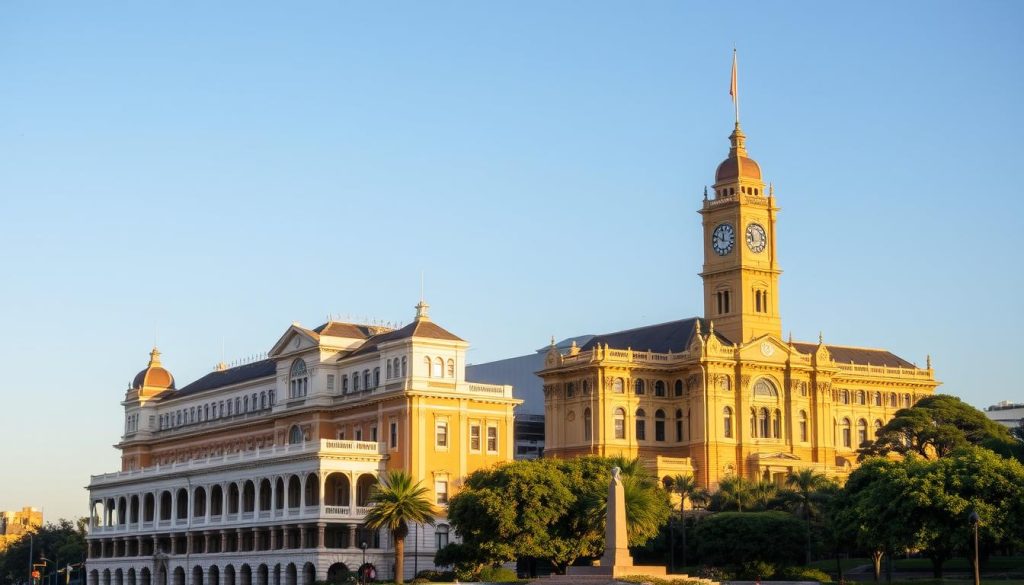
Durban’s historical sites show its rich cultural heritage. They offer a peek into the city’s complex past. Exploring these landmarks helps you understand Durban’s evolution into a multicultural center.
Must-Visit Durban Historical Sites in the City Center
Exploring Durban’s city center reveals a treasure trove of historical sites. These sites highlight the city’s rich heritage. They offer a peek into Durban’s past and its cultural journey.
Durban City Hall: A Neo-Baroque Masterpiece
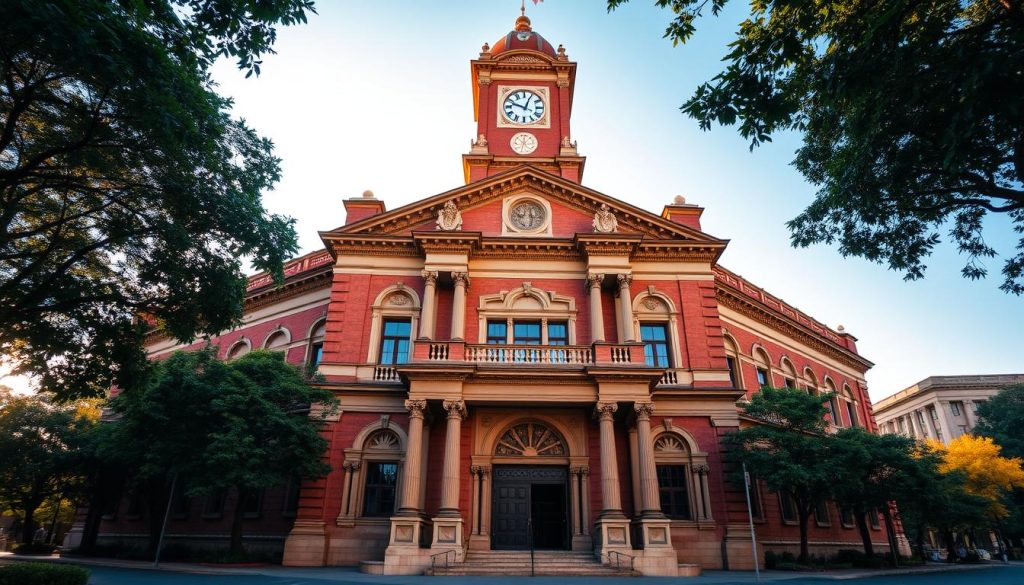
The Durban City Hall stands as a symbol of the city’s history. It’s a masterpiece of neo-Baroque architecture, built in the early 1900s. This building is a favorite among both tourists and locals, showcasing Durban’s history.
The Old Court House Museum: Durban’s Oldest Public Building
The Old Court House Museum is a key historical site in Durban. It’s the city’s oldest public building, having served as a court house and museum. Today, it offers a window into Durban’s past.
Francis Farewell Square: The Heart of Colonial Durban
Francis Farewell Square is a landmark from Durban’s colonial era. It’s now a top spot for tourists, giving a look into the city’s early days and growth.
| Historical Site | Description | Significance |
|---|---|---|
| Durban City Hall | Neo-Baroque architecture, built early 1900s | Iconic landmark, testament to Durban’s history |
| Old Court House Museum | Durban’s oldest public building, served as court house and museum | Showcases Durban’s history, glimpse into the past |
| Francis Farewell Square | Historic landmark, colonial past significance | Popular tourist destination, glimpse into early history |
Exploring Durban’s Colonial Architecture
As you explore Durban, you’ll find a mix of colonial architecture. This shows the city’s rich history. The buildings tell the story of Durban’s diverse culture.
The Victorian Charm of Durban’s Heritage Buildings
Durban’s old buildings have a Victorian charm. This charm comes from the city’s British roots. Their details and facades are typical of Victorian style.
Architectural Features and Influences
Durban’s buildings show the impact of British rule and its role as a trading port. They use local materials and mix cultures, making them unique.
Notable Preservation Efforts
There’s a big push to keep Durban’s old buildings in good shape. Many have been restored to their former beauty. This effort keeps the city’s history alive and attracts tourists.
| Building | Architectural Style | Year Built |
|---|---|---|
| Durban City Hall | Neo-Baroque | 1910 |
| The Old Court House | Victorian | 1850 |
Walking Tours of Durban’s Historical Districts
Guided walking tours are a great way to see Durban’s colonial architecture. These tours take you through key historical areas. You’ll learn about the buildings’ history and importance.
Walking tours give a special view of Durban’s history and culture. By walking through historical districts, visitors can really understand Durban’s story.
Religious Historical Landmarks That Shaped Durban
Exploring Durban reveals a rich mix of religious sites. These landmarks show the city’s cultural diversity and heritage.
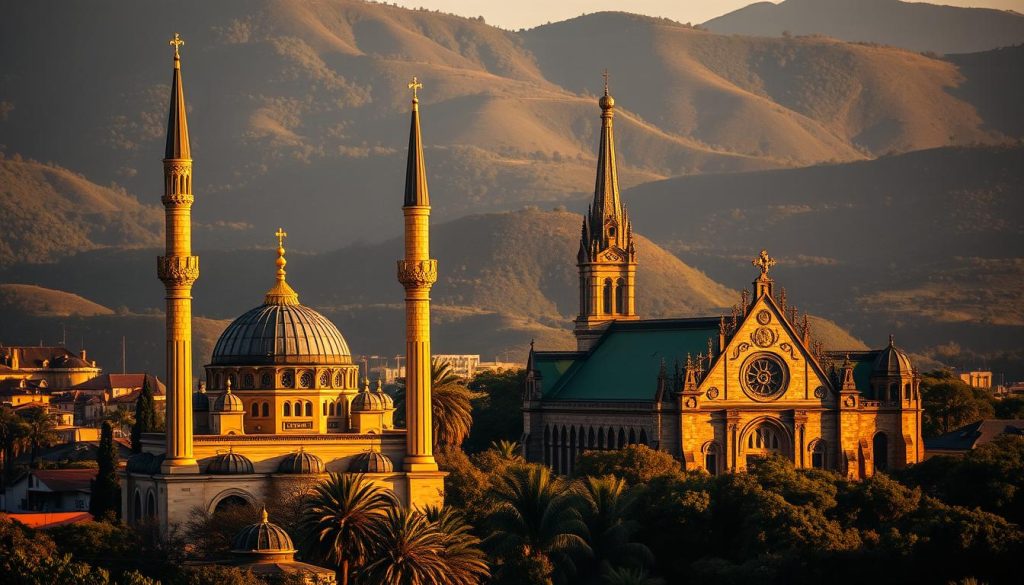
Juma Masjid Mosque
The Juma Masjid Mosque stands as the largest mosque in the Southern Hemisphere. It’s more than a place of worship; it’s a symbol of Durban’s diverse culture. Visitors can admire its architecture and learn about its role in the community.
Emmanuel Cathedral
Emmanuel Cathedral is known for its stunning Gothic Revival design. It’s a key site for those interested in Durban’s religious history. Its detailed stone carvings and colorful stained-glass windows are unforgettable.
Mariannhill Monastery
The Mariannhill Monastery offers a look into Durban’s cultural past. This Trappist monastery is a peaceful spot with beautiful gardens and architecture. It’s a place to reflect and learn about Durban’s heritage.
These landmarks are just a few of the many that have shaped Durban. Visiting them helps you understand the city’s rich cultural heritage and its importance in the region.
Durban’s Military History and Memorials
Durban’s military history is both fascinating and rich. It has many landmarks and memorials to explore. These sites tell stories of battles and victories that shaped Durban’s identity.
The Old Fort and Its Role in the Anglo-Zulu War
The Old Fort is a key historical site. It played a crucial role in the Anglo-Zulu War. Visitors can see the fort’s remains and learn about its importance.
The Warrior’s Gate MOTH Museum: Honoring Veterans
The Warrior’s Gate MOTH Museum honors veterans and showcases Durban’s military history. It has artifacts, uniforms, and medals that tell the city’s military story. It’s a moving tribute to those who served.
Notable Exhibits and Artifacts
The museum has many exhibits, including military gear and soldiers’ personal items. It features displays on the Anglo-Zulu War and other key conflicts.
Remembrance Ceremonies and Events
The Warrior’s Gate MOTH Museum holds remembrance ceremonies and events all year. These events are a key part of Durban’s culture and military heritage. They honor those who have served.
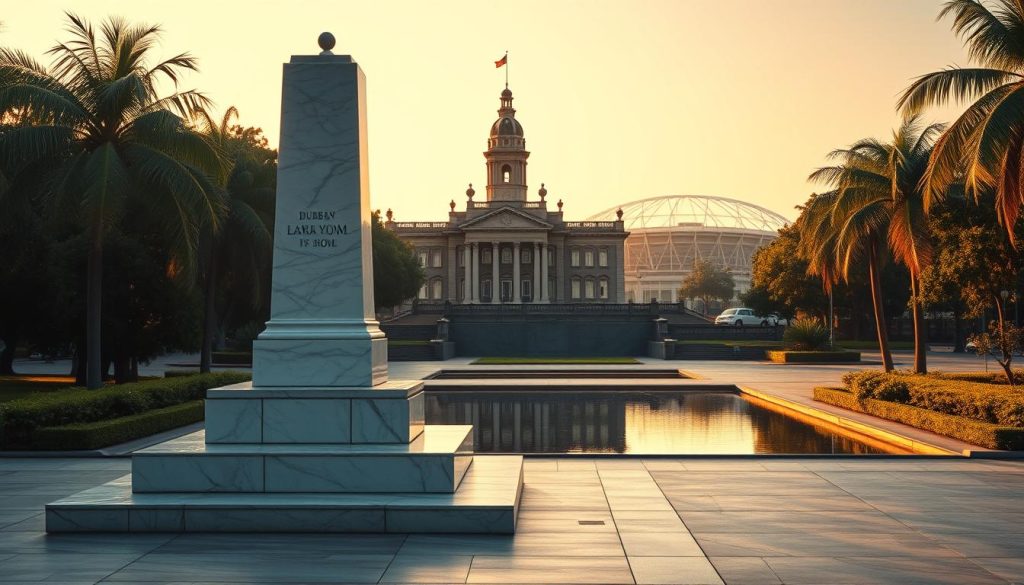
Exploring Durban’s military history and memorials offers a deeper look at the city’s past. It shows the city’s importance in history.
Cultural and Heritage Museums Preserving Durban’s Past
Exploring Durban reveals a wealth of cultural and heritage museums. These places are key in keeping the city’s history alive. They offer a peek into Durban’s diverse past.
KwaMuhle Museum: Documenting Apartheid History
The KwaMuhle Museum is a major site that tells the story of apartheid in Durban. It’s located in the old municipal building. Here, you can see how apartheid affected the city and its people.
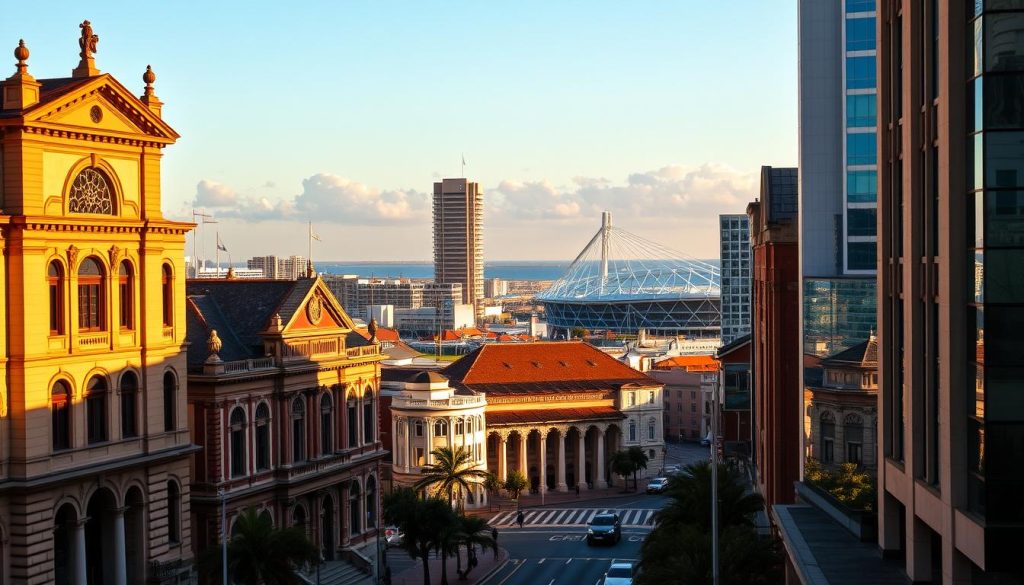
Phansi Museum: Celebrating Indigenous Art and Culture
The Phansi Museum celebrates indigenous art and culture. It has a huge collection of artifacts and exhibits. You can see the traditional practices and customs of the region’s indigenous communities.
Durban Natural Science Museum: Natural History Through Time
The Durban Natural Science Museum shows the city’s natural history. It has exhibits on dinosaurs to marine life. You can learn about Durban’s natural world and why conservation is important.
These museums, among others, make up Durban’s rich cultural and historical identity. By visiting, you can understand Durban’s complex history. You’ll also appreciate the cultural heritage that makes Durban special.
Historical Markets and Trading Centers
Durban’s historical markets and trading centers show the city’s rich cultural heritage. These lively spots have shaped Durban’s identity. They mix cultures, traditions, and commerce in a unique way.
Victoria Street Market: Spices, Crafts, and Colonial Commerce
The Victoria Street Market has been around since the late 19th century. Walking through, you’ll smell exotic spices and see traditional crafts. It’s a place filled with cultural experiences, from handmade goods to local foods.
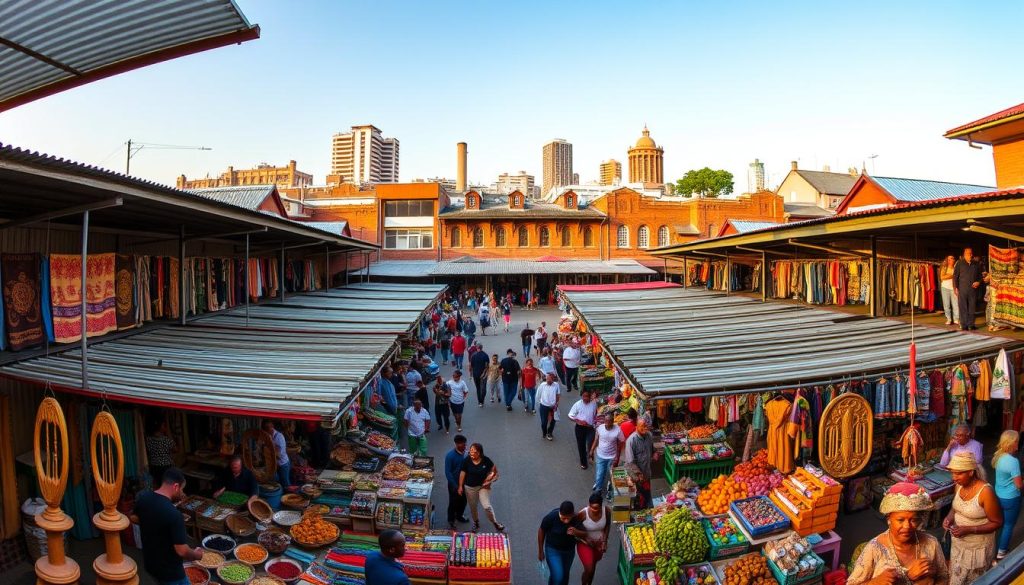
The Indian Quarter: Indentured Labor Legacy
The Indian Quarter, or “Gandhi Quarter,” honors Durban’s indentured labor history. It’s known for its street art, markets, and Indian food. Exploring here, you’ll learn about the Indian community’s growth in Durban.
Cultural Significance and Evolution
The Indian Quarter is key to Durban’s culture. Its architecture, food, and traditions show the community’s journey. These have changed over time, influenced by various experiences.
Traditional Crafts and Cuisine
In the Indian Quarter, you can see and taste traditional Indian crafts and food. It’s a place for those who want to dive into Durban’s cultural heritage. You’ll find everything from textiles to local dishes.
Transportation Landmarks That Built Durban
Durban’s growth is tied to its transportation history. This makes it a fascinating topic to explore. The city’s development into a major urban center was greatly influenced by its transportation infrastructure.
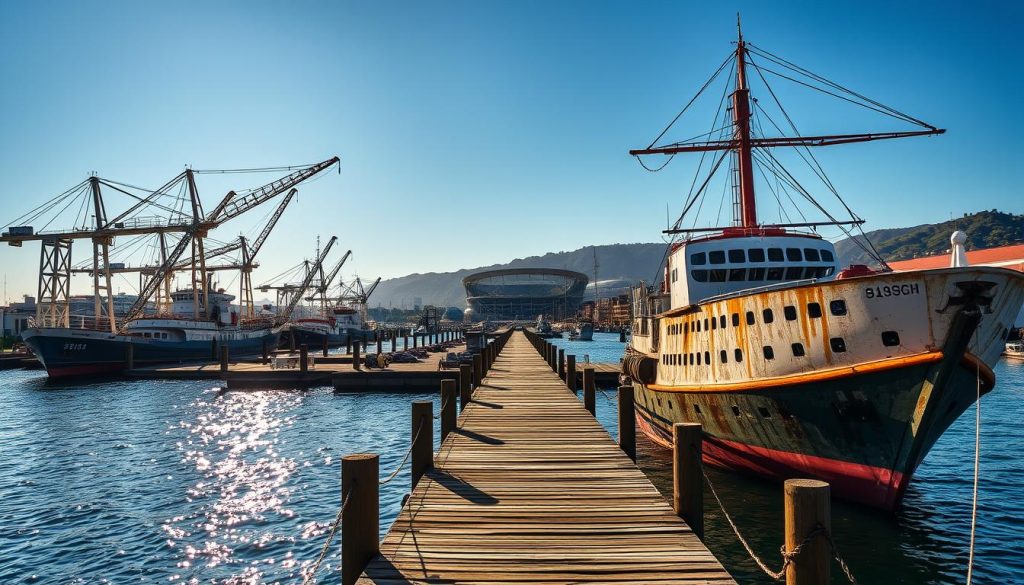
The Historic Port of Durban: Gateway to Africa
The Historic Port of Durban is a key transportation landmark in the city. It serves as a major gateway to Africa. This has been crucial for the region’s economic growth.
The port’s location has made it a hub for trade and commerce. It connects Durban to markets all over the world.
Durban Station Building: Railway Heritage
The Durban Station Building is another important landmark. It showcases the city’s railway heritage. This historic building has been essential for Durban’s transportation network.
It provides rail connections to different parts of the country.
| Landmark | Significance | Year Established |
|---|---|---|
| Historic Port of Durban | Major gateway to Africa, facilitating trade and commerce | 1850s |
| Durban Station Building | Showcases railway heritage, providing rail connectivity | 1880s |
These landmarks have greatly contributed to Durban’s growth. They also give visitors a peek into the city’s rich history.
Day Trips to Significant Historical Sites Near Durban
Outside Durban, you’ll find many historical sites perfect for a day trip. The areas around Durban are filled with history. They offer cultural, military, and heritage sites that show the region’s rich past.
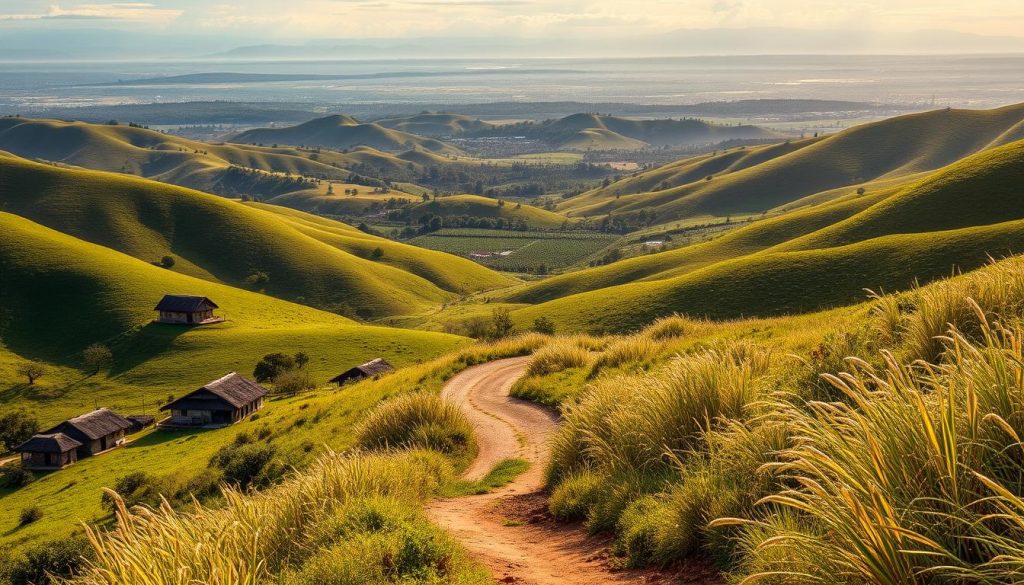
The Valley of a Thousand Hills: Zulu Cultural Heritage
The Valley of a Thousand Hills is a key cultural site. It gives insights into the Zulu culture and traditions. This valley is not just beautiful but also a place to learn about the Zulu heritage.
Inanda Heritage Route: Following Gandhi’s Footsteps
The Inanda Heritage Route is another must-see near Durban. It follows Mahatma Gandhi’s path. Visitors can see places linked to Gandhi and learn about his impact on the area’s history.
Isandlwana and Rorke’s Drift: Anglo-Zulu War Battlefields
Isandlwana and Rorke’s Drift are key battlefields from the Anglo-Zulu War. These sites are great for those interested in military history.
Historical Significance of the Battles
The battles at Isandlwana and Rorke’s Drift were crucial in the Anglo-Zulu War. Isandlwana saw a big British defeat. Rorke’s Drift was a heroic defense that earned many Victoria Crosses.
Visitor Experience and Guided Tours
Visitors can take guided tours at these battlefields. These tours offer a deep look into the battles’ history and importance. They often include reenactments and detailed explanations, making the visit more engaging.
| Historical Site | Significance | Visitor Experience |
|---|---|---|
| Valley of a Thousand Hills | Zulu Cultural Heritage | Guided tours, cultural experiences |
| Inanda Heritage Route | Gandhi’s legacy | Following Gandhi’s footsteps, historical sites |
| Isandlwana and Rorke’s Drift | Anglo-Zulu War battlefields | Guided tours, reenactments |
Practical Tips for Exploring Durban’s Historical Attractions
Planning your visit to Durban’s historical sites is key. Think about the best times to go and how to get around. With some planning, you’ll enjoy Durban’s rich history to the fullest.
Best Seasons and Times to Visit
Durban’s sites are great all year, but winter is best. From May to August, the weather is perfect for walking tours. Summer can be too hot and humid for some.
Transportation Options and Getting Around
Durban has good public transport like buses and trains. Taxis and ride-sharing are also options. Renting a car or joining a guided tour can make it easier.
| Transportation Mode | Cost | Convenience |
|---|---|---|
| Public Bus | Affordable | Moderate |
| Taxi/Ride-sharing | Moderate | High |
| Rental Car | Higher | High |
Guided Tour Recommendations
Guided tours can make your visit better. Try a historical walking tour or a cultural experience. They offer deep insights into Durban’s past.
Historical Walking Tours
Walking tours let you see Durban’s sites up close. Guides share stories and history, making it more personal.
Cultural Immersion Experiences
Immerse yourself in local culture and traditions. Experiences like cooking classes and artisan visits are available.
“The best way to experience Durban’s history is to immerse yourself in its culture and heritage.”
Conclusion: Embracing Durban’s Rich Historical Legacy
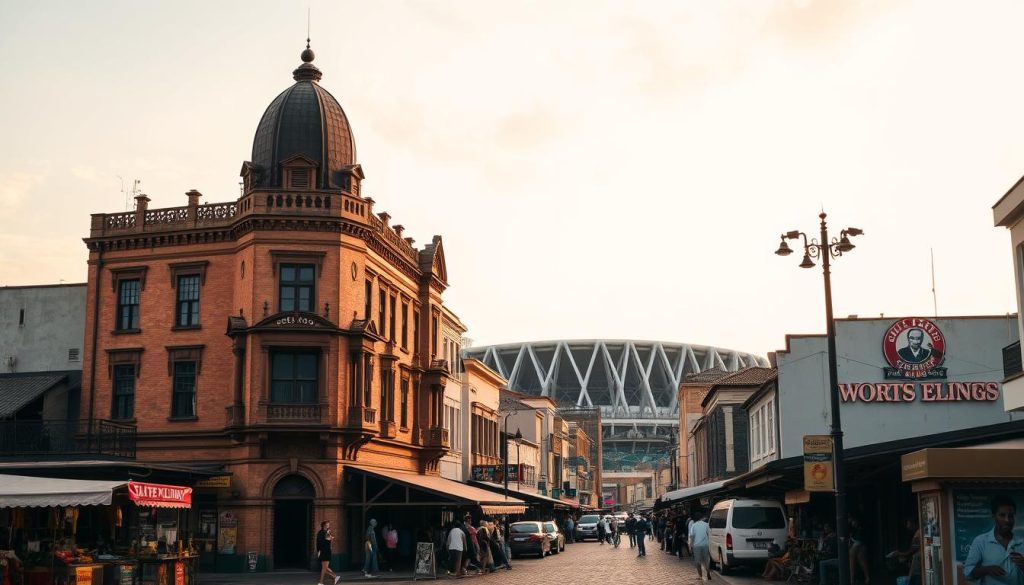
Exploring Durban’s historical sites reveals a world of cultural richness and heritage. You’ll find everything from colonial history to vibrant cultural traditions. Durban’s landmarks offer a unique mix of history, architecture, and cultural experiences.
Durban’s history shows the city’s diverse identity. It’s shaped by its indigenous people, colonial past, and immigrant communities. Walking through historical districts, you’ll see Victorian charm and Gothic Revival styles. These reflect Durban’s varied heritage.
Durban has something for everyone interested in history, architecture, or culture. By visiting its historical sites, you’ll learn more about the city’s complex past. So, take a journey back in time and discover Durban’s rich history.