

Discover Authentic Local Cuisine on Your Travels
If you’re someone who loves traveling and experiencing new cultures, then you’re in for a treat! One of the best ways to immerse yourself in the local culture is by savoring its authentic local cuisine. By embarking on a culinary adventure, you can taste the world’s flavors and create unforgettable memories.
How can you experience authentic local cuisine while traveling? This article will provide you with tips and tricks to help you embrace the local gastronomy and have an enriching culinary journey. So pack your bags, bring your appetite and let’s explore the flavors of the world.
Culinary Tourism: A Food Lover’s Paradise
Are you a food lover who wants to experience a destination through its cuisine? Culinary tourism is a growing trend that allows you to savor the authentic flavors of the local cuisine while immersing yourself in the region’s culinary traditions.
To make the most of your culinary adventure, use these food tasting tips to savor the local flavors:
- Sample traditional dishes that are unique to the region.
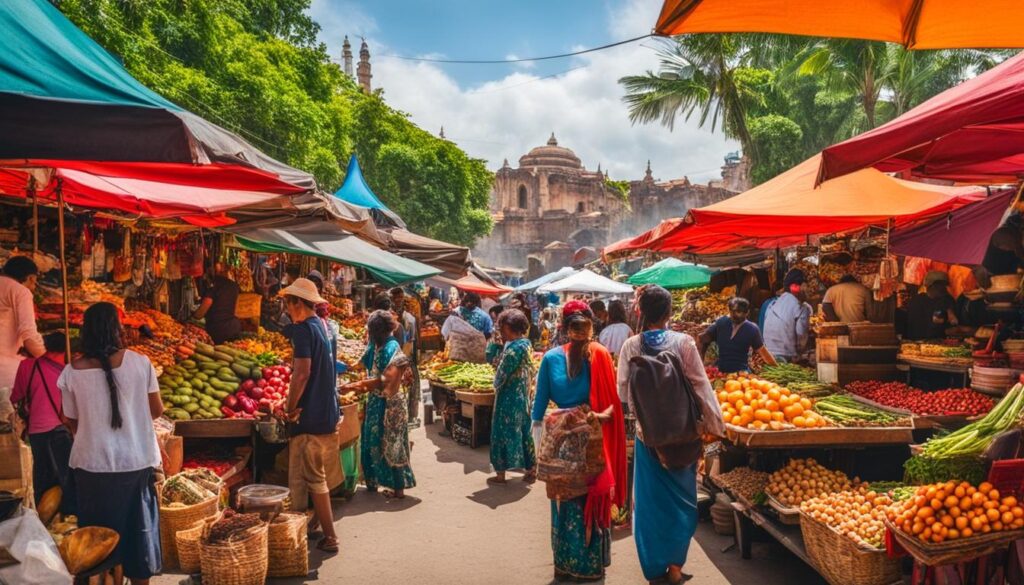
- Visit local food markets and try fresh produce.
- Try street food from vendors who are popular with the locals.
- Take a cooking class to learn how to make traditional dishes.
- Pair your meals with local wines or craft beers for a complete experience.
With culinary tourism, you can go beyond traditional dining experiences and explore the local food culture. By trying new foods and embracing the culinary adventures, you’ll have an unforgettable journey.
Exploring Traditional Dishes in Different Countries
Traveling is a wonderful way to discover new cultures and traditions, including their delicious traditional dishes. Everywhere you go, the local gastronomy offers authentic food experiences that showcase the unique flavors and cooking styles of the region. In this section, we’ll take a closer look at some of the traditional dishes from around the world that are sure to tantalize your taste buds.
Italy: Pizza Margherita
No trip to Italy would be complete without trying a slice of their iconic pizza Margherita. This Neapolitan pizza is topped with San Marzano tomatoes, fresh mozzarella cheese, and basil leaves, representing the colors of the Italian flag. The crust is crispy on the outside and soft on the inside, offering a mouth-watering combination of textures and flavors that have made pizza one of the world’s most beloved dishes.

Japan: Sushi
Sushi is a traditional Japanese dish that has become a global sensation. Consisting of vinegared rice, fresh fish, and vegetables, sushi comes in different varieties and flavors, depending on the region. Whether you try it in a restaurant or from a street vendor, sushi promises a unique and authentic food experience that encapsulates Japan’s culinary finesse.
Mexico: Tacos al Pastor
Mexico’s rich culinary heritage is full of flavors and aromas that are sure to delight your senses, particularly their famous street food dish: tacos al pastor. This traditional dish consists of seasoned pork that is slowly cooked on a vertical spit and served on a corn tortilla. Topped with finely diced onions, cilantro, and a squeeze of fresh lime, tacos al pastor offer a burst of flavor and texture that is not to be missed.
India: Butter Chicken
Butter chicken is a popular Indian dish that has made its mark in the global culinary scene. Also known as murgh makhani, butter chicken is made by marinating chicken in yogurt and spices, cooking it in a creamy tomato sauce, and serving it with naan bread or rice. The dish offers a fusion of sweet and savory flavors that will transport you to the vibrant streets of India.
Local Food Experiences: Beyond Restaurants
When traveling, dining out is the obvious choice to experience local cuisine. However, exploring other food options can bring unique flavors and cultural experiences to your vacation.
Local Food Markets
Local food markets are a great way to sample traditional dishes and learn about local ingredients. Choose a market that is popular among locals to get a true taste of the region. You can also interact with vendors and learn about their cooking techniques and family recipes. Don’t be afraid to ask for recommendations and try something new!

Street Food Stalls
Street food is an essential part of many cultures around the world, offering affordable and delicious meals to locals and tourists alike. Look for food stalls that are popular and busy, as they are likely to serve fresh and authentic dishes. Be adventurous and try street food that you might not find in restaurants. Just make sure to choose clean and hygienic stalls to avoid stomach problems.
Cooking Classes
Cooking classes are a fun and educational way to learn about local cuisine and cooking techniques. You can participate in a hands-on class and learn how to prepare traditional dishes, using local ingredients and spices. Most classes also involve a visit to a local food market to select ingredients, allowing you to experience local culture and food traditions on a deeper level.
“Food is a central activity of mankind and one of the single most significant trademarks of a culture.” – Mark Kurlansky
Immerse Yourself in the Local Culture
When it comes to experiencing authentic local cuisine, immersing yourself in the local culture is key. Understanding local traditions, customs, and beliefs can provide a deeper appreciation for the flavors and history behind the dishes. By embracing the local culture, you’ll be able to fully engage in authentic food experiences that will stay with you long after your trip is over.
Start by researching the cultural customs, social norms, and religious beliefs of the country you are visiting. This will help you understand the significance of certain dishes and ingredients and how they relate to the local way of life. Take the time to visit historical and cultural landmarks, art museums, and festivals to gain a better understanding of the local heritage.
| Tip | Description |
|---|---|
| Partake in local festivals and events | Many countries have festivals and events centered around food. Attending these events can provide insight into the local cuisine as well as the culture and traditions. |
| Visit local food markets | Exploring food markets can give you an idea of the local ingredients used in traditional dishes and allow you to sample local snacks and street foods. |
| Take a cooking class | Learn how to cook traditional dishes from the locals themselves, gaining an in-depth understanding of the techniques, ingredients, and cultural significance of the dishes. |
Incorporating local culture into your culinary journey goes beyond just food. It’s about fully immersing yourself in the local way of life, interacting with locals, and learning from their firsthand experiences. By doing so, you’ll be able to create meaningful memories and have a more enriching travel experience.
Connect with Locals: A Gateway to Authenticity
One of the most effective ways to truly experience local food culture is by connecting with locals. They can provide insider knowledge and guidance on where to find the best local food experiences.
Make an effort to strike up conversations with locals, whether it’s in a restaurant, food market, or café. You’ll be surprised how friendly and open they can be, eager to share their culinary expertise with you. Don’t be shy to ask for recommendations, or even to be led on a tour through the local delicacies.
If you want to go beyond the typical tourist experience, consider staying in a homestay or visiting a local family for a meal. Not only will you have the opportunity to taste authentic home-cooked food, but you can also learn about local traditions and lifestyle.
Joining a local cooking class or street food tour is another great way to connect with locals and gain firsthand experience in the local food scene. Take advantage of opportunities to interact with people, truly delving into the culinary traditions of the region you’re visiting, learning local techniques, ingredients and flavours that you can take home with you.
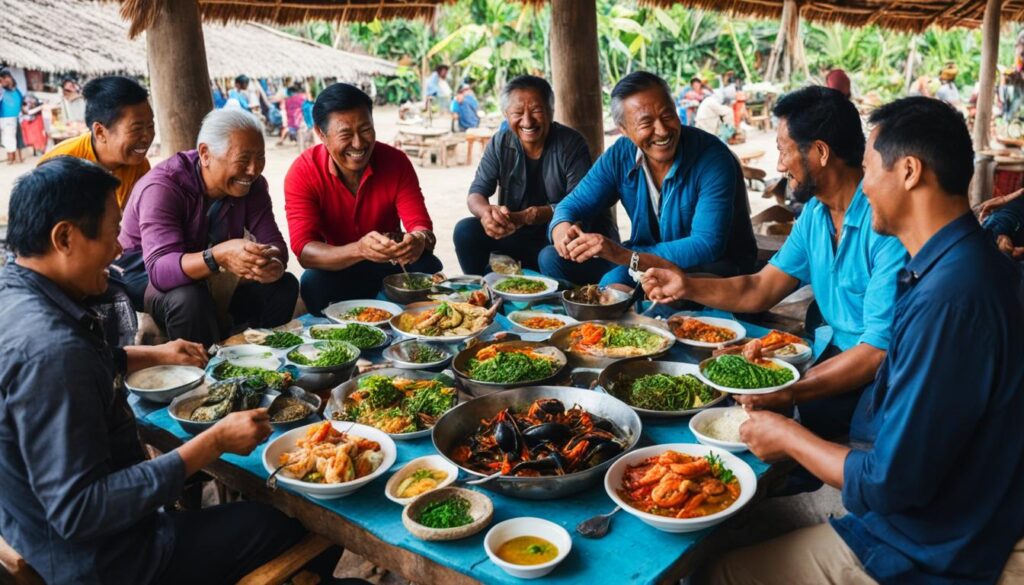
Remember that connecting with locals goes beyond just trying new foods. It’s about immersing yourself in the local culture, making connections, and experiencing a destination from the perspective of those who call it home. Embrace the experience and savor the true essence of authentic local cuisine!
Embrace Culinary Adventures: Trying New Foods Abroad
Exploring local cuisine is one of the best ways to immerse yourself in a new destination. When you travel, be open to stepping out of your comfort zone and trying local dishes that you may not get to experience at home. Trying new foods abroad is an essential part of food exploration while on vacation, and it can lead to unforgettable culinary experiences.
Whether you’re a seasoned foodie or just curious about new flavors, embracing culinary adventures is a sure way to enhance your travel experience. You can discover new textures and ingredients that will take your taste buds on a thrilling journey.
Local Food Markets and Street Food Stalls
Uncovering local food markets and street food stalls is an excellent way to try new foods when you’re abroad. These markets are often bustling with activity, and you’ll find vendors selling everything from fresh fruits and vegetables to local snacks and sweets.
Walking through a local market is an opportunity to see the fresh ingredients that locals use to prepare their traditional dishes. You may even get the chance to sample some of the local cuisine as you explore.
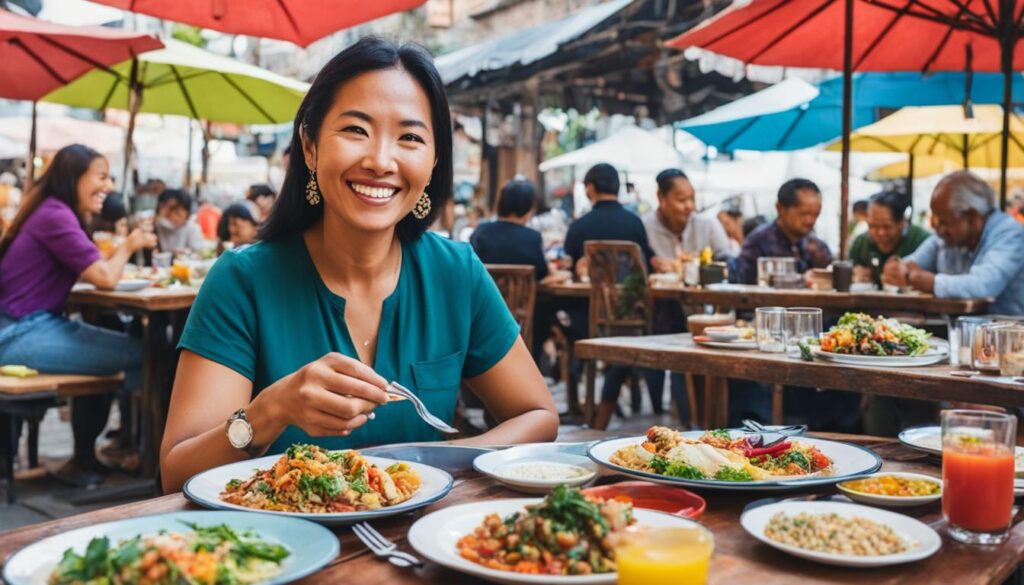
Tip: If you’re not sure what to try, don’t be afraid to ask the vendor for recommendations. They’re usually happy to share their favorite local delicacies.
Cooking Classes
Another way to experience local cuisine is by attending a cooking class. These classes offer a hands-on experience where you can learn to prepare traditional dishes yourself.
Not only will you get to taste the food, but you’ll also learn about the ingredients and techniques used in the dishes. This kind of immersive experience is a great way to gain a deeper appreciation for the local cuisine.
Be Open-Minded
When trying new foods abroad, it’s essential to have an open mind. Some of the dishes may not be familiar to you, and they may look or smell different than what you’re used to. But keep in mind that the locals have been eating these dishes for generations, and they’re a significant part of their culture and culinary traditions.
Embrace the adventure of trying new foods and step out of your comfort zone. You may discover a new favorite dish or ingredient that you can’t wait to recreate at home.
Traveling is an opportunity to savor the world’s flavors and embrace culinary adventures. Don’t be afraid to try new foods and explore local cuisine while on vacation. You never know what delicious surprises await you!
Local Ingredients: The Essence of Authenticity
When it comes to creating authentic local cuisine, using local ingredients is crucial. The flavors and quality of ingredients can vary based on where they are grown, which can significantly impact the taste of traditional dishes.
Using local ingredients not only ensures that the dishes are true to their roots, but it also supports local producers and vendors, contributing to the local economy.
For instance, in Italy, tomatoes grown in the volcanic region of San Marzano are known for their rich flavor and are used to make the world-famous Neapolitan pizza. Similarly, in Mexico, traditional mole sauce is made using ingredients like chiles, chocolate, and locally grown spices, adding depth and complexity to the flavor profile.
When traveling, seek out restaurants that use local ingredients, or better yet, visit local markets and grocery stores to pick up ingredients and prepare traditional dishes yourself. This allows you to not only taste the authentic flavors but also learn about the local culture and culinary traditions.
So, next time you travel, make it a point to seek out the local ingredients and savor the world’s flavors as nature intended.
Sustainable Food Practices: Supporting Local Communities
When traveling, it’s important to be mindful of the impact that tourism can have on local communities and their unique culinary traditions. Choosing to engage in sustainable food practices while on vacation not only promotes environmental consciousness but also supports the local economy and empowers local producers.
One way to support sustainable food practices is by seeking out local food experiences. Visit local farmers’ markets and purchase fresh, locally-grown produce to enjoy during your travels. Not only is the food likely to be healthier and fresher, but you’re also supporting local farmers and their communities.
Another way to support sustainable food practices is to dine at restaurants that prioritize locally-sourced ingredients and sustainable cooking methods. By choosing restaurants that support local producers and prioritize sustainability, you’re not only enjoying delicious food but also contributing to the preservation of traditional culinary practices.
Finally, consider taking a cooking class that emphasizes sustainable food practices. Learn new techniques for cooking with local ingredients and discover how to reduce food waste in the kitchen. By immersing yourself in the local food culture, you’ll gain a deeper understanding of the importance of sustainability and the ways in which it supports the preservation of local culinary traditions.
Preserving Culinary Heritage: A Responsibility for Travelers
Authentic food experiences are a fundamental part of any travel adventure. They offer a glimpse into the unique tastes and culinary traditions of different cultures, allowing travelers to satisfy their cravings while experiencing local customs. As travelers, we have a responsibility to preserve the culinary heritage of the places we visit.
Preserving culinary heritage means safeguarding the recipes, ingredients, and cooking techniques that have been passed down from generation to generation. It means supporting local food artisans, small restaurants, and farmers who uphold culinary traditions. And it means respecting the local food culture by seeking out authentic food experiences.
One way to support culinary heritage is by choosing to dine at local restaurants and sampling traditional dishes. These restaurants strive to preserve the original flavors and cooking techniques used by their ancestors. Dishes made with local ingredients like herbs, spices, and seafood can offer a unique and unforgettable experience.
Another way to contribute is by sharing your food experiences with others. Take pictures of your meals, interact with locals, and engage in food conversations. Sharing such experiences through social media can go a long way in preserving culinary heritage. It also encourages fellow travelers to explore local cuisines and support the local culinary culture.
By preserving culinary heritage, we not only elevate our taste buds but also put our money where our mouth is. Through our support, we encourage the preservation of traditional dishes and culinary techniques, which in turn empowers local businesses. This helps to maintain the authenticity of local cuisine while also supporting the overall cultural identity of a place.
Ways to Preserve Culinary Heritage:
| Ways to Preserve Culinary Heritage: | Examples |
|---|---|
| Support local restaurants | Try traditional dishes at local restaurants |
| Learn about the culture | Talk to locals, visit markets, and take cooking classes |
| Share your experiences | Blog, vlog, or share your food experiences on social media |
| Buy local ingredients | Purchase local ingredients to use in your cooking or to take home as souvenirs |
Preserving culinary heritage is a noble responsibility that we have as travelers. By supporting local culinary traditions, we can ensure that authentic food experiences are available for future generations. So, the next time you travel, make sure to immerse yourself in the local gastronomy, learn about the culture, and support small businesses that uphold culinary traditions.
Conclusion
In conclusion, discovering authentic local cuisine while traveling is a culinary adventure that can enrich your experience and allow you to savor the world’s flavors. By immersing yourself in the local gastronomy, connecting with locals, and embracing culinary exploration, you can create unforgettable food experiences that will enhance your travels.
Exploring traditional dishes from different countries and understanding their cultural and historical significance is an excellent way to delve into the local food scene and have authentic food experiences. Beyond restaurants, local food markets, street food stalls, and cooking classes offer unique and immersive food experiences that you won’t want to miss.
It’s essential to be open to trying new foods and stepping out of your culinary comfort zone when traveling. You may discover new flavors, textures, and ingredients that will take your taste buds on a thrilling journey.
The use of local ingredients often contributes to the authenticity and flavor of traditional dishes. Engaging in sustainable food practices while traveling can help preserve local culinary traditions and empower local producers.
As travelers, we have a responsibility to preserve culinary heritage and promote authentic food experiences. By contributing to the preservation of culinary traditions, we can ensure that future generations can also enjoy the authentic flavors of different cultures.
So pack your appetite and embark on a culinary journey that allows you to taste the world’s flavors. The locals are the ultimate gateway to authentic local cuisine, so don’t be afraid to connect, learn, and savor the local flavors. Bon appétit!


