
Creole Cooking Classes and Food Markets on La Digue
Ever wondered what makes Creole cuisine special? Is it the spices, the fresh ingredients, or the family recipes? On La Digue, you can taste the real Creole cooking yourself.
Picture yourself in a cooking class learning Creole dishes. You’ll also visit lively food markets to try unique fruits and treats.
Getting involved in the local food scene lets you appreciate La Digue’s culture more. You’ll learn new cooking skills to wow your loved ones. La Digue is a must-visit for anyone who loves food or wants to try something new.
Discovering the Culinary Heritage of La Digue
When you arrive on La Digue, you’re greeted by the smells of Seychellois Creole cuisine. It’s like a warm hug that invites you to explore the island’s rich food history. The air is filled with the scents of exotic spices and fresh seafood, preparing you for a culinary adventure.
The Unique Flavors of Seychellois Creole Cuisine
Seychellois Creole cuisine is a mix of African, European, and Asian flavors. This blend creates a taste that’s unlike any other Creole cuisine. Traditional Creole cuisine on La Digue uses fresh coconut, fish, and special spices. These ingredients add depth and warmth to every dish.
La Digue’s Place in the Creole Culinary World
La Digue is a key player in the Creole culinary world. It offers an authentic Creole culinary experience that’s deeply rooted in the island’s traditions. The island’s food is more than just food; it’s a way to connect with the community and keep cultural heritage alive.
Why Food is Central to Island Culture
Food is at the heart of La Digue’s culture, bringing people together. Sharing meals is a sign of love and hospitality, showing the island’s warm nature. By joining in a Creole culinary experience, you become part of this cultural fabric. You gain insights into the traditions and values that shape life on La Digue.
Understanding Authentic Creole Cuisine
Creole cuisine on La Digue has deep roots. It’s shaped by African, European, and Asian cultures. This mix comes from the island’s history and location.
Historical Influences on Seychellois Food
Seychellois food has been influenced by France and Africa. This mix has created a unique Creole cuisine. It stands out from other foods around the world.
Key Ingredients in Traditional Creole Cooking
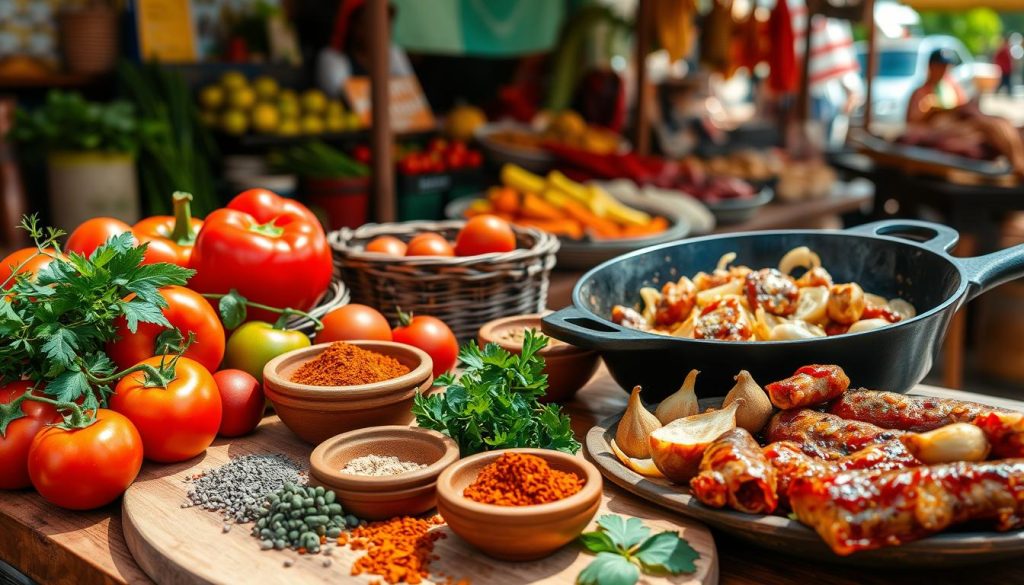
Traditional Creole cooking uses fresh seafood, coconut milk, and spices. Coconuts are key, found in oil, milk, and grated form. The island’s seafood is also a big part of Creole dishes.
Signature Cooking Techniques and Flavor Profiles
Creole cooking is all about slow cooking and spices. This makes the flavors rich and complex. Ingredients like coconuts, chilies, and herbs give Creole dishes their unique taste.
- Use of coconut milk and cream
- Incorporation of fresh seafood and spices
- Slow cooking techniques to enhance flavors
Trying authentic Creole dishes is a must. Cooking classes or demonstrations let you explore La Digue’s culinary culture.
Creole Cooking Classes and Food Markets on La Digue
La Digue is a great place to dive into Creole cuisine. You can take cooking classes and visit food markets. These experiences let you understand the island’s culture and traditions better.
Why Cooking Classes Are the Ultimate Cultural Experience
Cooking classes on La Digue are more than learning recipes. They’re a deep dive into the island’s culture. Local chefs share stories and history behind each dish, enriching your learning experience.
What to Expect from a Typical Cooking Class
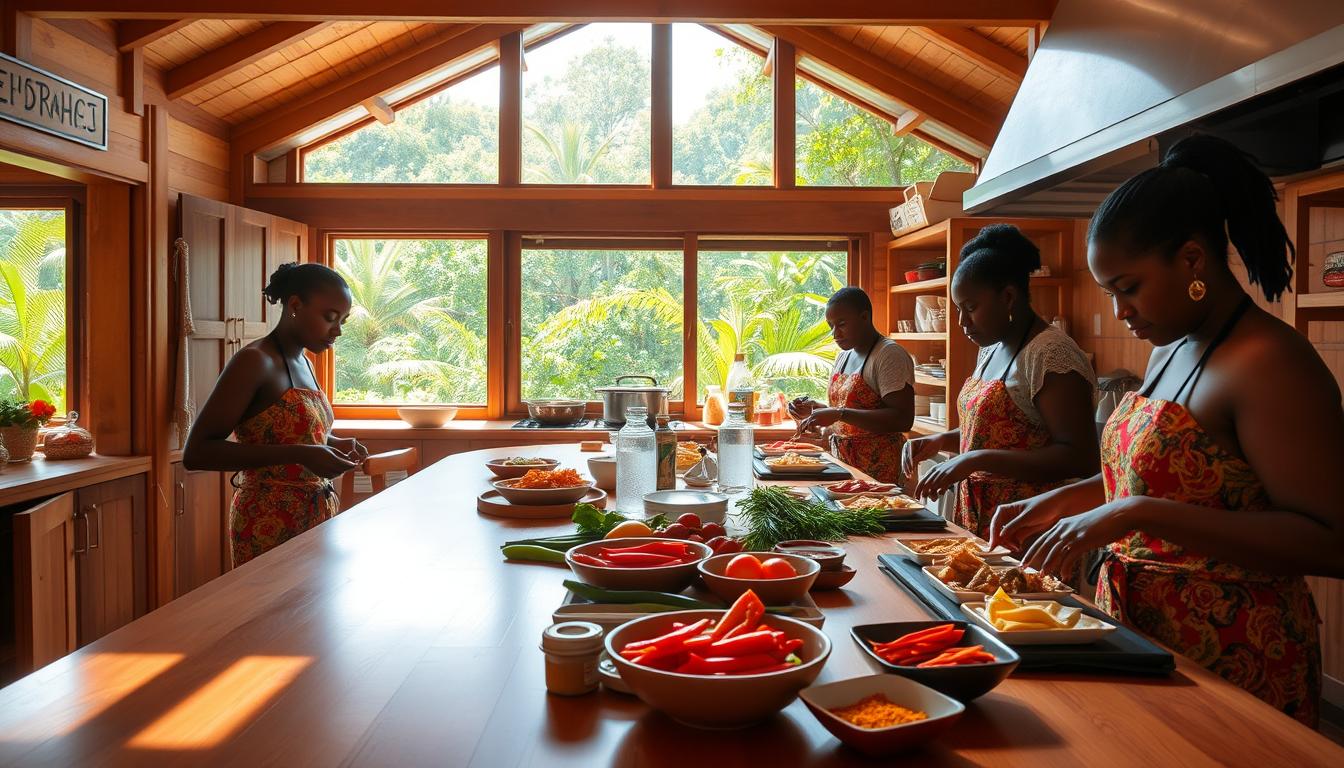
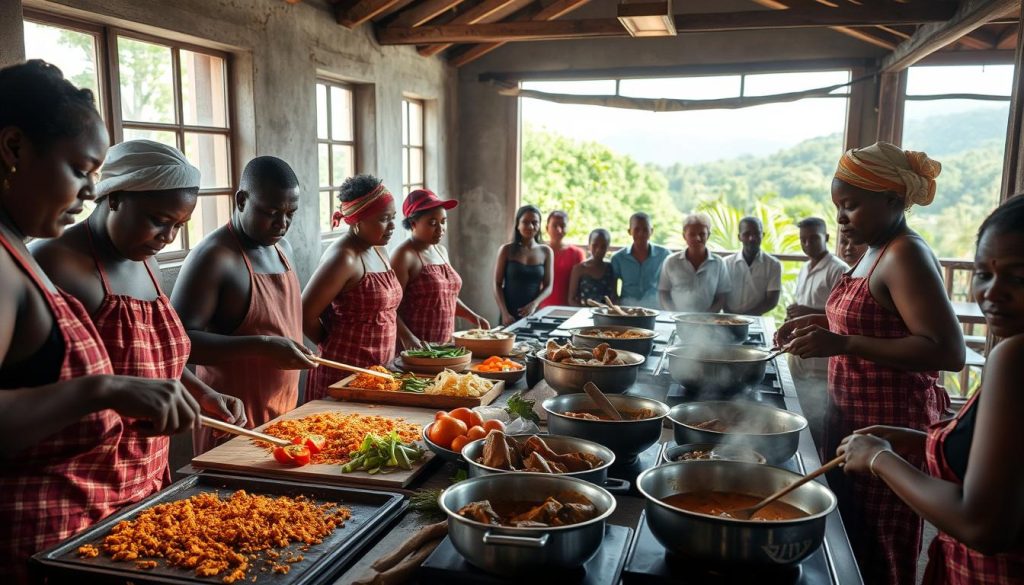
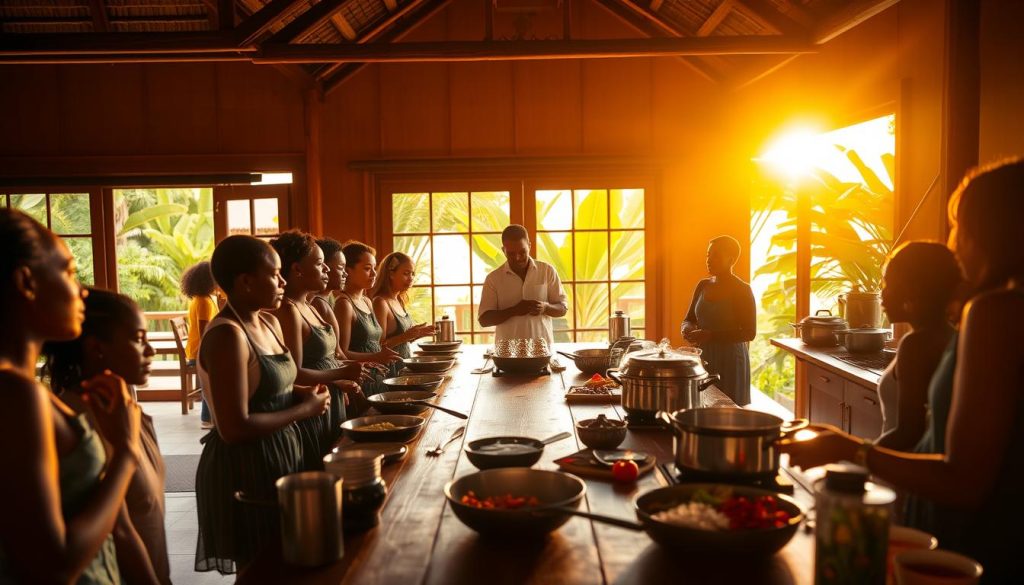
In a Creole cooking class, you start by picking fresh ingredients at local markets. Then, you head to the kitchen to learn how to make traditional Creole dishes. The classes are hands-on, so you get to cook and enjoy what you make.
Connecting with Local Markets for Fresh Ingredients
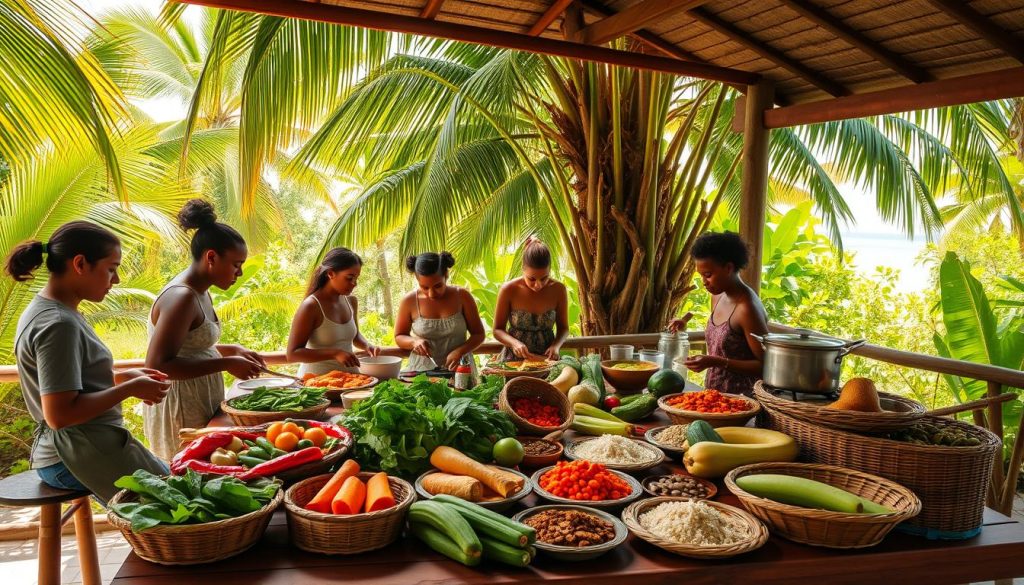
Visiting local markets is key in cooking classes on La Digue. These markets have everything from exotic fruits to fresh seafood. You learn the value of using fresh, seasonal produce in Creole cooking.
Costs and Value of Culinary Experiences
The cost of Creole cooking classes on La Digue varies. But most classes are worth it, offering a full experience from market visits to enjoying your meal.
By taking Creole cooking classes and exploring local markets, you learn new skills. You also gain a deeper appreciation for La Digue’s culture and traditions.
Top Cooking Class Experiences on La Digue
La Digue is a great place to dive into Creole cooking. You can find cooking classes in both family-run guesthouses and luxury resorts. Each class is designed to fit your learning style and preferences.
Family-Run Cooking Schools and Their Specialties
Family-run cooking schools on La Digue offer a real taste of Creole traditions. These schools are run by local families who share their recipes. You’ll learn how to make traditional Creole dishes, from start to finish.
Resort and Hotel Cooking Programs
Resorts and hotels on La Digue also have cooking classes. These classes often include activities like market visits or farm tours. They give you a full culinary experience.
Private Chef Experiences in Your Accommodation
For a unique experience, some places offer private chef classes. You can learn to make Creole dishes in your own villa or bungalow. It’s a personalized way to explore Creole cuisine.
Group vs. Individual Class Options
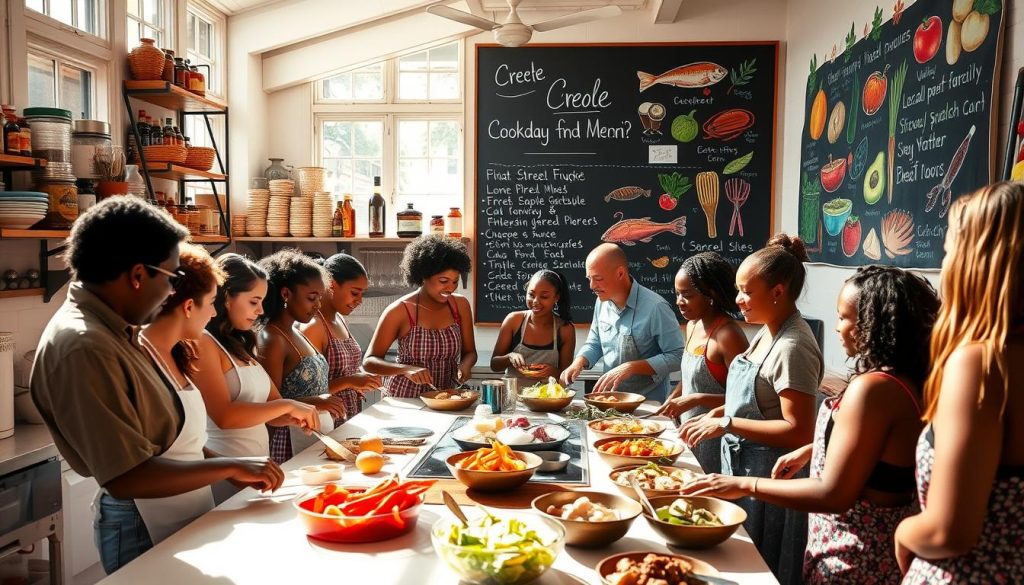
When picking a cooking class, you can choose between group or individual classes. Group classes are fun and let you meet others. Individual classes are more focused and tailored to you.
Exploring La Digue’s Vibrant Food Markets
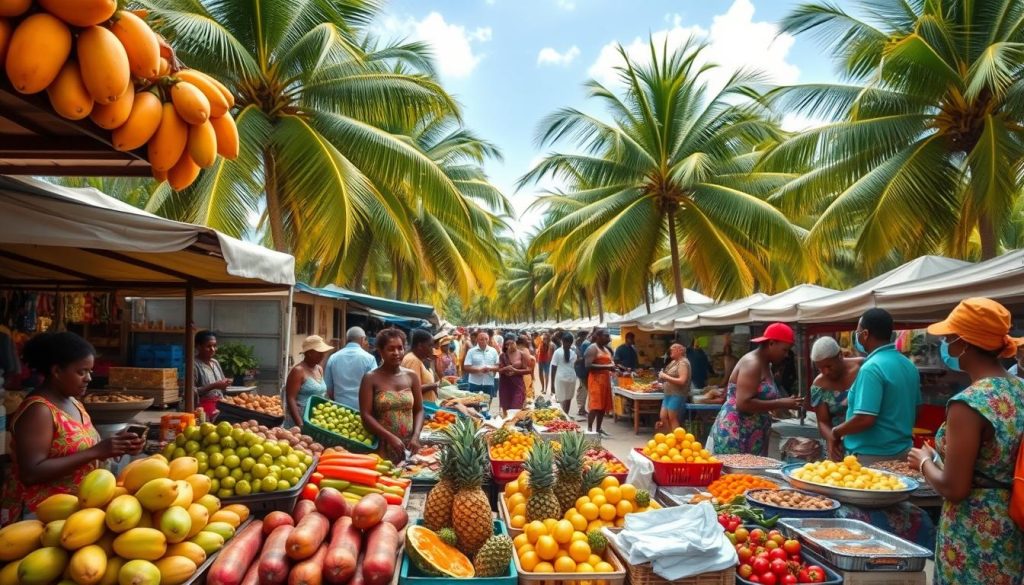
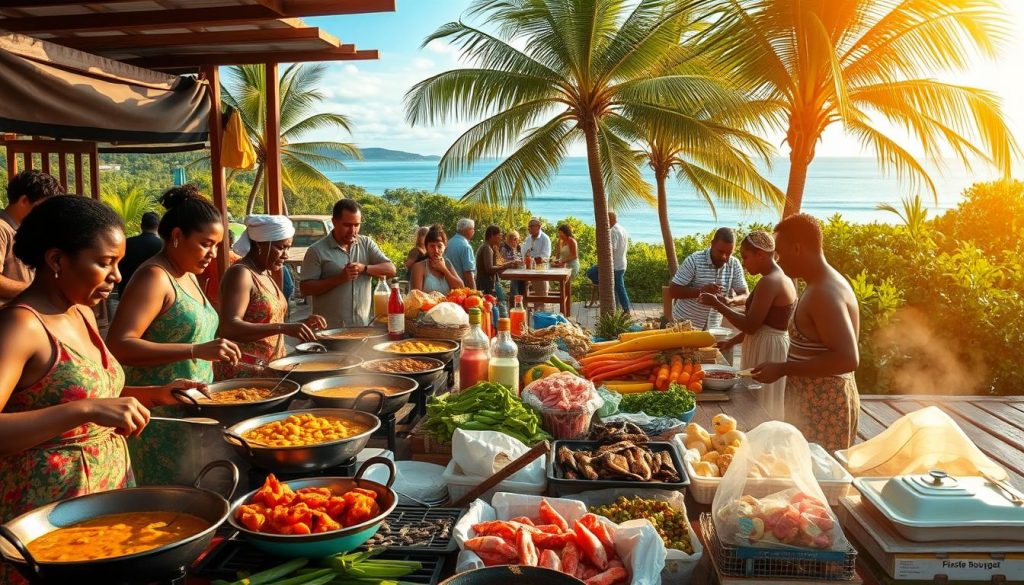
When you enter La Digue’s markets, you’re greeted by sights, sounds, and smells of Creole cuisine. These markets are filled with fresh produce, seafood, and local treats. They give you a peek into Seychellois life.
La Passe Market: The Island’s Main Food Hub
La Passe Market is the heart of La Digue’s food world. It’s alive with people buying fresh goods and experiencing the island’s food culture. You’ll find everything from fresh coconuts and spices to artisanal crafts. A local vendor said, “La Passe Market is where La Digue’s food culture beats strongest.”
Smaller Village Markets Around the Island
Smaller markets around La Digue offer a closer look at local life. They may be smaller, but they’re full of character. Here, you can talk to vendors and try real Creole treats.
Seasonal Availability of Local Produce
What’s available changes with the seasons. Each visit to the markets is a new adventure. Knowing what’s in season helps you find the freshest ingredients and learn about local farming.
Etiquette and Bargaining at Local Markets
When you’re at La Digue’s markets, remember to respect local customs. Bargaining is common, but do it with kindness. A local shared, “Bargaining is about more than price; it’s about connection.” Being open to this can make your visit more rewarding.
Exploring La Digue’s markets lets you taste Creole cuisine and understand the island’s culture and community better.
Essential Creole Dishes You’ll Learn to Prepare
In your culinary journey on La Digue, you’ll learn to prepare essential Creole dishes. These dishes show the island’s unique flavors. They reflect the island’s rich cultural heritage and its history of cultural exchange.
Seafood Specialties: Octopus Curry and Grilled Fish
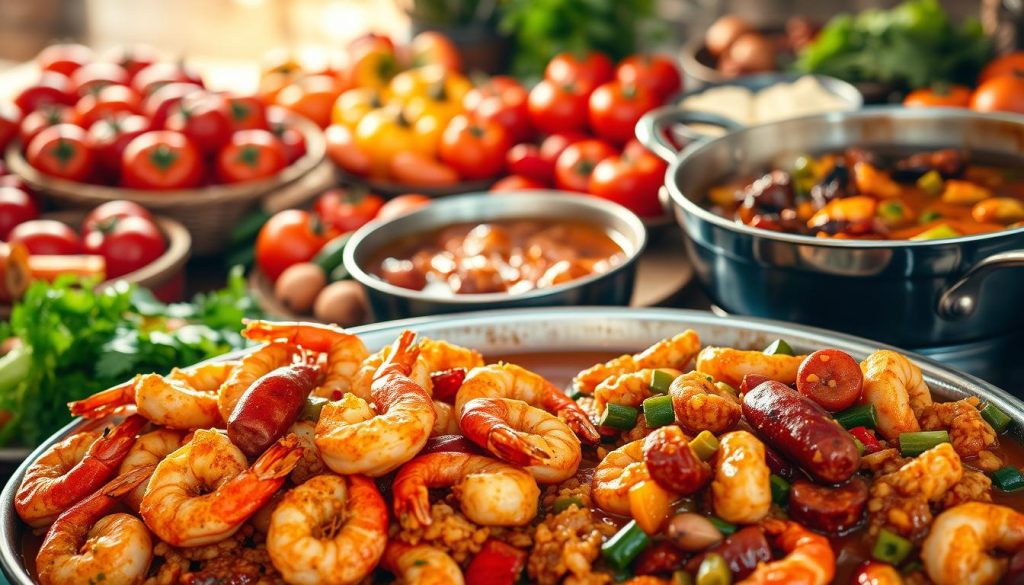
Seafood is key in Creole cuisine. Dishes like octopus curry and grilled fish are favorites. You’ll learn to make these seafood dishes with fresh catches and aromatic spices.
Coconut-Based Curries and Sauces
Coconut is a key ingredient in Creole cooking. It’s used to make rich, creamy curries and sauces. You’ll learn to mix coconut milk with spices to create authentic Creole dishes that are flavorful and aromatic.
Vegetable Dishes and Accompaniments
Vegetable dishes are a big part of Creole cuisine. They’re often served with main courses. You’ll learn to make various vegetable dishes with local ingredients and traditional methods.
Traditional Desserts and Sweet Treats
No Creole meal is complete without desserts and sweet treats. You’ll learn to make classic Creole desserts. These include coconut-based sweets and fruit preserves, perfect for satisfying your sweet tooth.
By mastering these essential Creole dishes, you’ll understand traditional Creole cuisine better. You’ll be able to recreate La Digue’s flavors in your own kitchen.
Market to Table: Guided Food Shopping Tours
Start a culinary adventure on La Digue with guided food shopping tours. You’ll find the island’s freshest ingredients and Creole cooking secrets. These tours mix cultural learning with cooking lessons.
Learning to Select the Freshest Ingredients
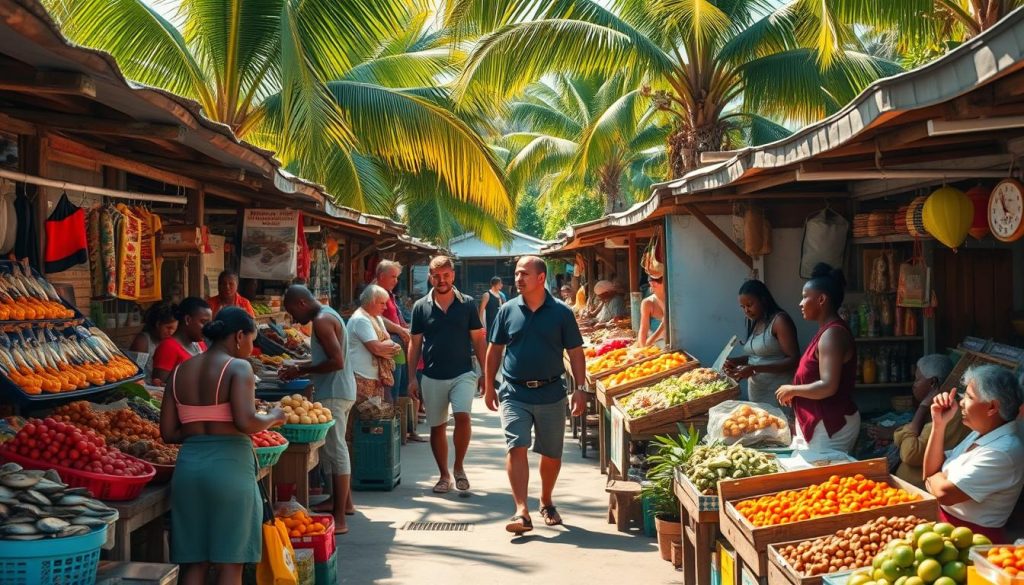
On these tours, you’ll learn to pick the best produce. You’ll understand the season and quality needed for Creole dishes. Local chefs and vendors will teach you, so you can make these dishes at home.
Interacting with Local Vendors and Fishermen
These tours let you meet local vendors and fishermen. You’ll learn about their lives and how they contribute to the community. You’ll see the hard work that brings fresh produce to markets.
Understanding Tropical Fruits and Spices
La Digue’s tropical fruits and spices are key to its Creole cuisine. On the tours, you’ll discover these ingredients, their uses, and how they add to Seychellois dishes.
From Market Purchase to Finished Dish
The tour doesn’t stop at the market. You’ll cook a meal with your chosen ingredients. This hands-on experience will deepen your understanding of Creole cooking and the dishes you’ve learned.
The Cultural Significance of Communal Cooking
Communal cooking on La Digue is very important. It brings together family traditions and social bonding. This practice shows the community’s values and history.
Family Traditions in Creole Kitchens
In Creole kitchens, family traditions are kept alive. Recipes and cooking methods are shared. This creates a sense of continuity and cultural identity.
The Social Aspect of Food Preparation
Cooking on La Digue is a social activity. It brings people together, whether it’s a family gathering or a community event. Cooking is at the heart of social interaction.
Preserving Culinary Heritage Through Education
Cooking classes and demonstrations are key to preserving La Digue’s culinary heritage. By learning traditional cooking methods, individuals help keep the island’s cultural traditions alive.
Stories and Folklore Shared During Cooking
Cooking sessions often involve sharing stories and folklore. These stories add a rich narrative layer to the culinary experience. They provide context and depth to the dishes being prepared.
| Aspect | Description | Significance |
|---|---|---|
| Family Traditions | Passed down through generations | Cultural identity and continuity |
| Social Bonding | Bringing people together | Community building |
| Culinary Heritage | Preserved through education | Keeping traditions alive |
By participating in communal cooking on La Digue, you become part of a larger cultural narrative. It celebrates the island’s rich heritage and the joy of cooking together.
Best Times to Experience La Digue’s Food Scene
To dive into La Digue’s food culture, timing is key. The island’s food calendar is filled with events and seasonal changes. These can make your Creole food discovery even better.
Seasonal Food Festivals and Events
La Digue has many food festivals all year. These events celebrate the island’s rich Creole heritage. They’re great for trying local foods and learning about cooking traditions.
Peak vs. Off-Season Culinary Experiences
Peak season brings a lively food scene with lots of visitors. Off-season, you’ll find a calmer vibe and maybe more personal food experiences.
Weather Considerations for Market Visits
The weather on La Digue affects your market visits. The dry season, from May to September, is best for outdoor markets. The wet season might make market hopping harder.
Special Holiday Cooking Classes
Local cooking schools offer special classes during holidays. These focus on traditional Creole dishes tied to celebrations. They give a unique look into the cultural meaning of these recipes.
| Season | Culinary Highlights | Weather |
|---|---|---|
| Peak Season (Dec-Apr) | Food festivals, full range of culinary activities | Warm, sunny |
| Off-Season (May-Nov) | Personalized experiences, potentially lower prices | Variable, with occasional rain |
Practical Tips for Your Culinary Adventure
Getting ready for your culinary journey on La Digue? Here are some tips to make your experience better. La Digue’s food scene is full of flavors and traditions. Being ready will help you dive into the island’s food delights.
What to Wear and Bring to Cooking Classes
Wear comfy clothes and bring an apron to cooking classes. Closed-toe shoes are recommended for kitchen safety. Also, bring a water bottle and a notebook for recipes.
Dietary Restrictions and Accommodations
If you have dietary needs, tell the cooking school or your chef early. Many classes on La Digue can handle vegetarian, vegan, and gluten-free diets. Talk about your needs when booking for a great experience.
Booking in Advance vs. Last-Minute Arrangements
Booking cooking classes early is best, even for last-minute spots. Book in advance to ensure your spot, and to pick dishes or ingredients.
Photography and Recipe Documentation
Feel free to take photos of your dishes, but ask before snapping your instructors or classmates. Bring a camera or smartphone with a good camera to capture your creations. Many schools provide recipe cards or digital copies.
Language Considerations and Translation Services
Many cooking instructors on La Digue speak English, but sometimes there might be a language gap. Bring a translation app or dictionary for better communication. Some schools offer translation services or bilingual instructors.
Conclusion: Bringing La Digue’s Flavors Home
As you finish your culinary adventure on La Digue, you’ve tasted the island’s rich flavors. You’ve learned about Creole cooking classes and food markets. The island’s Creole cuisine shows its cultural mix, blending African, European, and Asian tastes.
You can now make the dishes you learned in Creole cooking classes. Use fresh ingredients from local markets. This way, you can share La Digue’s culinary traditions with your loved ones.
La Digue’s Creole food truly shows the island’s warm welcome and rich culture. Enjoying the island’s flavors will leave a lasting impression. The experience will stay with you even after you leave.





