

Conquer Fear in Adventure Activities – Overcome Anxiety
Do you feel overwhelmed by fear and anxiety when participating in adventure sports? Are you looking for ways to overcome common fears during outdoor adventures such as rock climbing, white-water rafting, or bungee jumping? Look no further! In this section, we will provide you with expert tips and techniques for conquering your fears and anxieties, allowing you to enjoy exciting outdoor activities with confidence and ease.
Understanding Fear and Anxiety in Adventure Activities
Participating in adventure activities can be a thrilling and rewarding experience. However, it is common for individuals to experience fear and anxiety before and during these activities. It is crucial to understand the significance of these emotions for your overall adventure experience.
Fear and anxiety can arise from a variety of sources, such as the fear of heights, the fear of failure, or the fear of the unknown. These emotions can have both psychological and physiological effects on your body and mind. Physiologically, fear and anxiety can cause your heart rate and breathing to increase, which can lead to feelings of panic. Psychologically, they can cause you to doubt your abilities and lose focus, impacting your overall performance.
To manage fear and anxiety while participating in adventure activities, it is essential to have a solid plan in place. By preparing appropriately, you can build confidence and overcome your fears. One way to manage these emotions is to break down the activity into smaller, more manageable tasks. This can help you feel less overwhelmed and increase your sense of control.
Tip: Visualizing a positive outcome or performing breathing exercises can also help calm your mind and reduce anxiety.
Remember, fear and anxiety are normal emotions, and it is natural to experience them during adventure activities. By taking a proactive approach to managing these emotions, you can fully embrace the adventure and push past your limits.
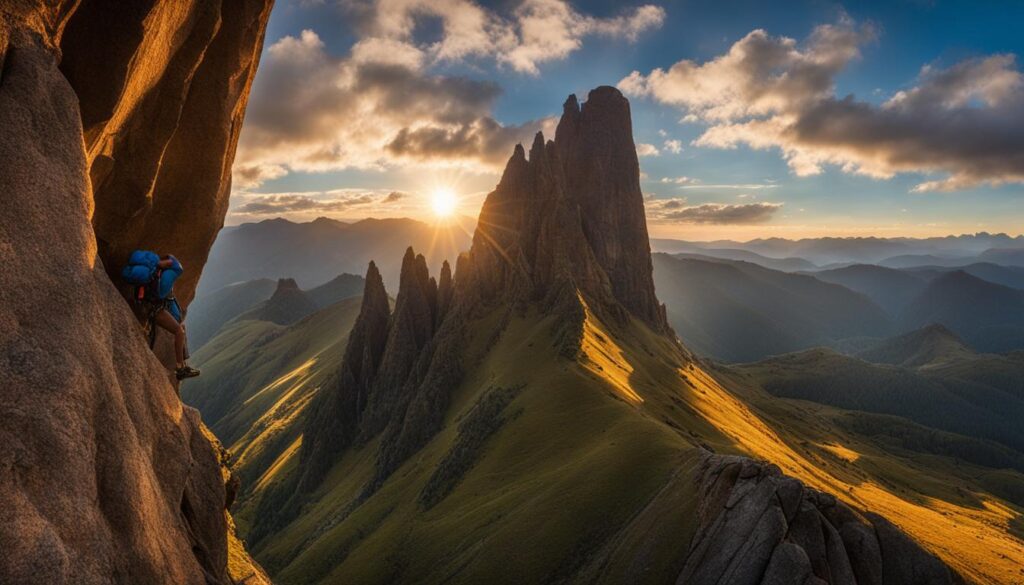
The Impact of Fear and Anxiety on Your Adventure Experience
Fear and anxiety can have a significant impact on your overall adventure experience. If left unchecked, they can limit your ability to fully immerse yourself in the activity and enjoy all it has to offer. Acknowledging your fears rather than trying to ignore them can be a helpful way to address the issue. By developing effective coping mechanisms, such as preparation and visualization, you can conquer your fears and achieve a sense of accomplishment.
| Fear/Anxiety | Impact |
|---|---|
| Fear of Heights | Can cause dizziness, panic, and a reluctance to engage in activities where heights are involved |
| Fear of Failure | Can cause self-doubt, anxiety, and hesitation when attempting new activities or challenges |
| Fear of the Unknown | Can cause uncertainty, anxiety, and a feeling of loss of control |
By understanding the specific fears and anxieties that impact your adventure experience, you can develop strategies to overcome them. Whether it’s through gradual exposure or utilizing breathing techniques, there are various techniques available to help you manage fear and anxiety and fully enjoy the adventure.
Identifying Common Fears and Anxieties in Adventure Activities
When it comes to adventure activities, fear and anxiety may be unavoidable, but they don’t have to hold you back. By identifying the most common fears and anxieties that you may encounter, you can take proactive steps to manage and overcome them.
Some of the most common fears that individuals may experience during outdoor adventures include:
| Fear | Techniques to Overcome |
|---|---|
| Fear of Heights | Visualization techniques can help reduce anxiety and boost confidence. Start with low heights and gradually work your way up. Practice deep breathing and focus on the present moment. |
| Fear of Water | One of the most effective ways to conquer the fear of water is to learn to swim under the guidance of a trained instructor. Gradual exposure to water activities, such as gentle paddle boarding, can also help to desensitize you to the sensation of being in water. |
| Fear of Wildlife | Learning about the behavior of wildlife in a particular area can provide reassurance and help to reduce fear. Education and awareness can help to dispel common myths and misconceptions, as well as equip you with practical strategies for staying safe. |
| Fear of the Unknown | Preparation and planning can help to ease anxiety related to the unknown. Research the activity, location and group you’ll be with. Familiarize yourself with the equipment and techniques involved to minimize uncertainties and uncertainties. |
These are just a few examples of common fears that adventure enthusiasts may face. Remember, everyone’s fears and anxieties are unique, so it’s important to identify your own personal fears and determine effective techniques to overcome them.

Developing Mental Resilience for Adventure Activities
Mental fortitude is crucial when it comes to overcoming fear and anxiety in adventure sports. Instead of being prey to the uncertainty of outdoor activities, developing mental resilience can help you face challenges with confidence.
To build mental strength, there are a few techniques you can try.
Practice Mindfulness
One of the most effective ways to build mental resilience is practicing mindfulness meditation. Mindfulness involves being aware of and accepting your thoughts and feelings, without judgment. Focusing on your breath and grounding yourself in the present moment can help you manage anxiety and regulate stress.
Try adding 10 minutes of mindfulness practice to your daily routine using a guided app like Headspace or Calm.
Breathe Through It
When faced with fear or anxiety, it’s common to experience physical symptoms such as rapid breathing or a racing heartbeat. However, taking deep breaths can regulate your body’s natural stress response, calming your nerves.
Try the following breathing exercise when you feel anxious:
- Inhale gently through your nose for a count of five.
- Hold your breath for a count of three.
- Exhale slowly through your mouth for a count of five.
- Repeat the cycle for five minutes.
Visualize Success
Visualizing yourself succeeding in a daunting situation can help reduce anxiety and build mental resilience. Imagining yourself performing well and reaping the rewards of overcoming your fears can help build confidence and bolster your resilience.
Sit somewhere quiet, close your eyes, and visualize a successful adventure experience. Imagine the sights, sounds, and sensations, and feel the emotions of pride and accomplishment.

Practice Gratitude
Developing an attitude of gratitude can help you reframe negative thinking and reduce anxiety. Focusing on what you are grateful for in your life can help shift your mindset to one of positivity.
Try listing three things you are grateful for each day, no matter how small. Focus on the people, experiences, and opportunities that bring joy to your life.
Preparing Physically and Mentally for Adventure Activities
Embarking on an adventure activity requires both physical and mental preparedness. Physical conditioning includes proper training, building endurance, and strengthening important muscles group needed for the activity. Mental preparedness, on the other hand, involves cultivating the right mindset to help you overcome any fears and anxieties associated with the activity. Here are some tips for preparing mentally for adventure activities and overcoming fears and anxieties:
- Visualize Success: Visualizing yourself performing well during the activity can help boost your confidence and lower your anxiety. Before embarking on the adventure, take some time to visualize yourself successfully completing the activity and enjoying the experience.
- Positive Self-Talk: Engage in positive self-talk and focus on your strengths instead of your weaknesses. Remind yourself of your ability to overcome challenges and difficulties.
- Practice Mindfulness: Mindfulness practice can help you manage stress and anxiety. Focus on the present moment and avoid dwelling on negative thoughts.
- Set Realistic Goals: Set realistic goals for yourself and take small steps towards achieving them. Avoid comparing yourself with others and focus on your personal progress.
Remember, being mentally prepared for adventure activities can help minimize fears and anxieties, allowing you to fully enjoy the experience.
Seeking Professional Guidance and Instruction
If you’re dealing with persistent fears and anxieties during your outdoor adventures, seeking professional guidance and instruction can be tremendously helpful. Experienced adventure guides and instructors can offer invaluable support, guidance, and specialized techniques for managing fear and anxiety during outdoor activities.
Working with a qualified professional can help you identify the root causes of your fears and anxiety, as well as develop effective coping mechanisms that enable you to push past your comfort zone and embrace new challenges. In addition, joining adventure groups or communities can offer encouragement and shared experiences that can help you overcome your fears and anxieties.
Benefits of Professional Guidance and Instruction
There are numerous benefits to seeking professional guidance and instruction when dealing with fear and anxiety during outdoor adventures. For one, a qualified guide or instructor can provide personalized attention and feedback, helping you overcome specific challenges and achieve your goals. They can also help you develop a deeper understanding of the mental and physical aspects of adventure activities, enabling you to perform optimally and stay safe.
Moreover, working with a professional can offer you a sense of structure and routine, which can be especially beneficial when dealing with anxiety and fear. By having a schedule for each activity, you can better manage your emotions and prepare yourself mentally and physically. This can help alleviate stress and anxiety, enabling you to enjoy your outdoor adventures to the fullest.
Choosing the Right Guide or Instructor
When seeking professional guidance and instruction for managing fear and anxiety during outdoor activities, it’s essential to choose the right guide or instructor. Look for someone who has extensive experience in your specific activity, and be sure to check their credentials and certifications. You should also choose someone who has a supportive and encouraging demeanor, as this can help you build trust and confidence.
Finally, don’t be afraid to ask questions and let your guide or instructor know about any fears or anxieties you may be experiencing. They can help tailor their instruction to best meet your needs, ensuring that you feel confident and capable during your outdoor adventures.
Gradual Exposure and Desensitization Techniques
Common fears and anxieties can significantly hinder your ability to fully enjoy and engage in outdoor adventures. Fortunately, gradual exposure and desensitization techniques can be highly effective strategies for overcoming these challenges.
The principle behind these techniques involves slowly exposing yourself to the source of your fear or anxiety, in a controlled and supportive environment, while developing coping mechanisms to manage any associated distress. Gradual exposure helps to build confidence and adaptability, enabling you to face increasingly challenging scenarios with ease.
Desensitization, on the other hand, involves repeated and sustained exposure to the source of your fear or anxiety. As you become increasingly accustomed to the situation, you will experience progressively reduced feelings of distress, ultimately leading to successful habituation.
By incorporating gradual exposure and desensitization techniques into your adventure journey, you will significantly expand your boundaries and overcome previously limiting fears and anxieties. Below are some practical steps you can take to incorporate these techniques:
| Technique | Description |
|---|---|
| Visualize the scenario | Mentally rehearse the adventure, while focusing on relaxation and calm breathing. Gradually increase the exposure or difficulty level of the visualization as you progress. |
| Controlled exposure | Begin by exposing yourself to the stimulus in a controlled, supportive environment, such as a simulated adventure scenario with an experienced instructor or guide. |
| Progressive exposure | Gradually increase the level of intensity, duration, or variety of the adventure activity, while closely monitoring and managing any feelings of discomfort or distress. |
| Reinforce positive thinking | Celebrate minor successes and give yourself credit for the progress you’ve made. Reframe negative thoughts and focus on positive self-talk to build resilience and confidence. |
Remember, adapting to new experiences is a process that requires patience and persistence. By implementing gradual exposure and desensitization techniques, you can build the mental fortitude necessary to conquer your fears and anxieties, ultimately unlocking your potential for thrilling outdoor adventures.

Utilizing Breathing and Visualization Techniques
When it comes to managing fear and anxiety during adventure activities, breathing and visualization techniques can be powerful tools. By incorporating these techniques into your adventure routine, you can maintain a sense of control and focus, even in challenging situations. Here are some techniques to try:
Breathing Exercises
Deep breathing is a simple and effective way to calm your mind and reduce anxiety. Practice slow, deliberate breaths by inhaling deeply through your nose, holding the breath for a few seconds, and exhaling slowly through your mouth.
Another technique is to try box breathing, which involves inhaling for four seconds, holding the breath for four seconds, exhaling for four seconds, and holding the breath for four seconds before repeating.
Visualization Strategies
Visualization involves imagining yourself successfully completing a challenging activity, which can help build confidence and reduce anxiety. To try this technique, close your eyes and envision yourself navigating a difficult trail or successfully completing a challenging climb.
Another visualization technique is to focus on the present moment by mentally describing your surroundings in detail, including colors, sounds, and textures.
“Breathing and visualization techniques can be powerful tools for managing fear and anxiety during adventure activities.”
Building a Support Network and Encouraging Self-Reflection
It can be challenging to face fears and anxieties alone, which is why building a support network is crucial for overcoming them. Surrounding yourself with supportive individuals who understand your struggles can provide invaluable encouragement, motivation, and accountability. Seek out friends, family, or like-minded individuals who share your passion for adventure activities and can offer guidance and empathy.
Additionally, engaging in self-reflection can help you identify the root causes of your fears and anxieties. By understanding what triggers these emotions, you can develop effective coping mechanisms and manage your responses more positively. Take time to reflect on your experiences, feelings, and perceptions, and examine your thoughts and behaviors. Look for patterns or commonalities that might reveal underlying fears or anxieties.
Benefits of Building a Support Network and Engaging in Self-Reflection
By building a strong support network and engaging in self-reflection, you can overcome fears and anxieties in adventure activities more effectively:
- Encouragement and motivation: Your support system can provide the encouragement and motivation you need to face challenging situations and overcome anxieties.
- Accountability: Holding yourself accountable to others can help you stay focused on your goals and maintain a positive attitude.
- Identifying triggers: By engaging in self-reflection, you can identify the specific triggers that cause your fears and anxieties. This awareness can help you develop targeted coping strategies.
- Cultivating resilience: Building a support system and engaging in self-reflection can help you develop the mental and emotional resilience needed to conquer your fears and anxieties.
Remember, overcoming fears and anxieties in adventure activities is not about eliminating these emotions completely but rather learning to manage and cope with them effectively. By building a support network and engaging in self-reflection, you can develop the skills and mindset needed to conquer your fears and enjoy exhilarating outdoor adventures.
Conclusion
Conquering fear and anxiety while participating in adventure activities is a challenging but rewarding endeavor. By managing your emotions with the help of the tips and techniques we’ve discussed, you can enjoy your adventures to the fullest extent possible. Remember, mental preparation is just as important as physical preparation in conquering your fears. You should also consider joining adventure communities to find support and encouragement.
By gradually exposing yourself to the source of your fear and incorporating breathing and visualization techniques, you can stay calm and focused during your adventure activities. Additionally, building a support network and engaging in self-reflection will help you identify the root cause of your fears and anxieties, allowing for personal growth and the development of effective coping mechanisms.
Managing fear and anxiety while participating in adventure activities may be challenging at first, but it is a skill that can be learned and developed over time. Remember to be patient with yourself, and to continuously challenge yourself to overcome your fears. By doing so, you will not only enjoy your adventures more, but also realize your full potential for personal growth and transformation.


