Choquequirao’s Cloud-Kissed Ruins: A Trek Beyond Machu Picchu
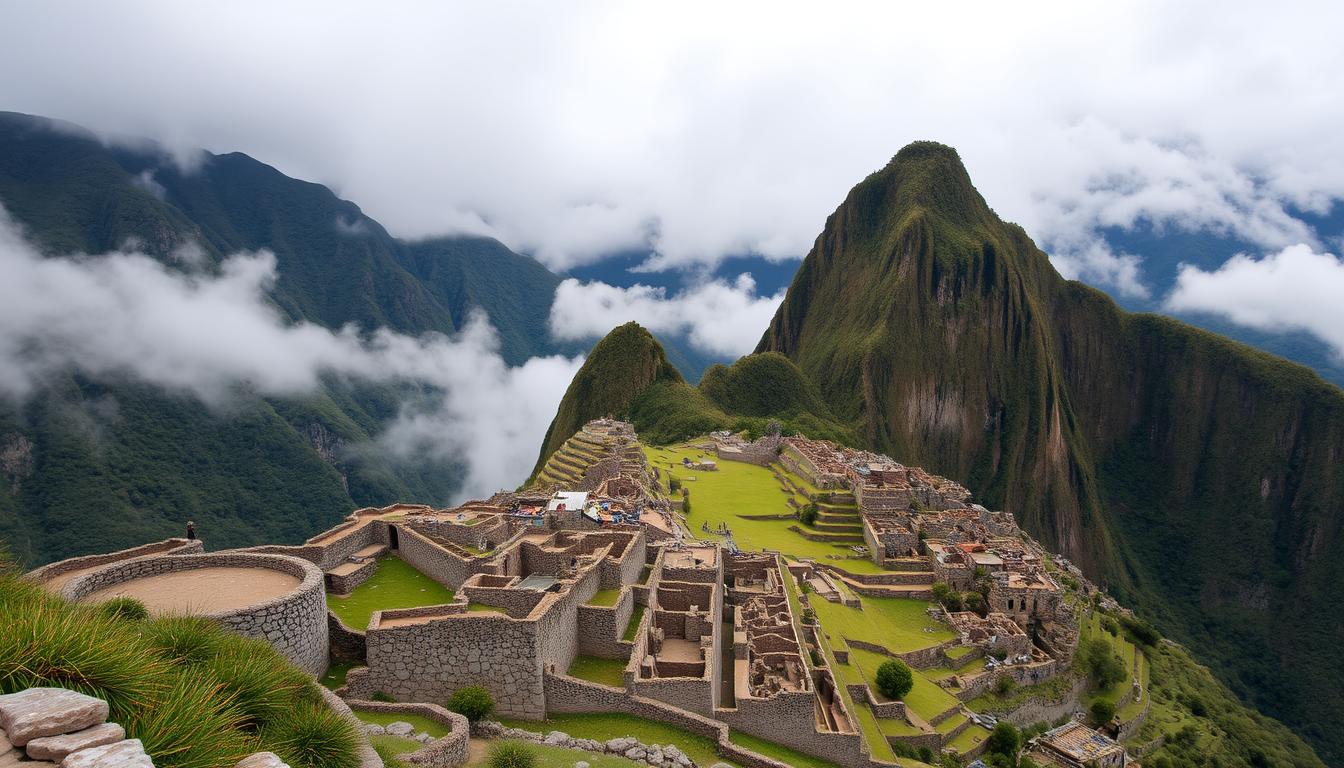
Ever thought about a place as grand as Machu Picchu but more hidden? Meet Choquequirao, a stunning site high in Peru’s Andes. It’s often called the “sister city” of Machu Picchu.
For adventurers, Choquequirao is the ultimate hike. Covering a tough 65 km, the journey challenges you. With elevations up to 4,650 meters, it offers amazing views of the Sacred Valley and Apurimac Canyon.
Choquequirao is quieter than Machu Picchu, perfect for solitude and connecting with both nature and history. Standing 1,600 meters above the Apurimac River, you can explore 30% restored Inca ruins. The stone llama inlays are a highlight, telling stories of ancient times.
Despite being tough, less than 50 people visit Choquequirao each day, unlike Machu Picchu’s crowds. The hike includes steep climbs and descents through varied terrains. The journey is a rewarding experience into the Inca lifestyle and untouched beauty.
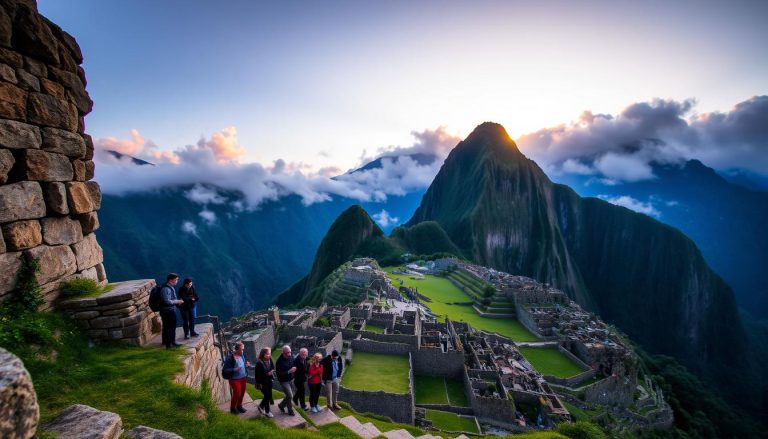
Reaching the top of the Abra San Juan pass at 4,150 meters is a high point, offering breathtaking views. The path leads to Machu Picchu, where the first sunrise over the ruins is unforgettable. It shows that the journey is the real treasure.
Introduction to Choquequirao: The Sister City of Machu Picchu
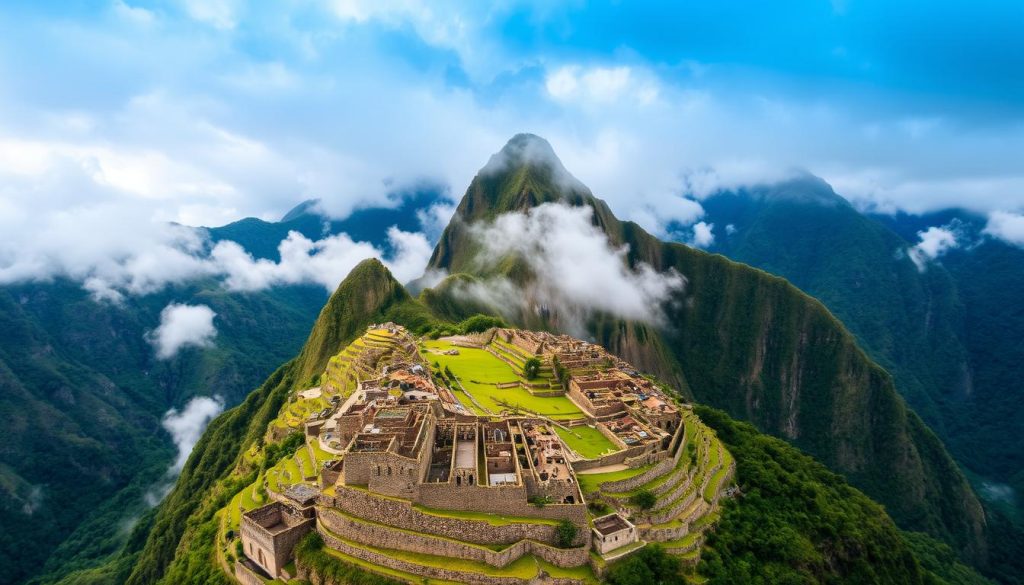
High above the Apurimac Canyon in Peru, Choquequirao waits to be discovered. It’s known as Machu Picchu’s sister city. Even though it shares many qualities with Machu Picchu, it offers peace away from tourist crowds.
Historical Significance
Choquequirao was essential in Inca times. It served as a center for religion, politics, and trade. With less than half of it uncovered, its ruins showcase incredible Inca work and spiritual significance.
Comparison with Machu Picchu
Machu Picchu is famous for its beauty and easy access. However, Choquequirao attracts those seeking adventure withdense trek. The journey to Choquequirao is tough but rewarding, offering unique Inca sites in tranquility.
| Aspect | Choquequirao | Machu Picchu |
|---|---|---|
| Altitude | 3,040 m (9,974 ft) | 2,430 m (7,972 ft) |
| Average Temperature | 14°C (57.2°F) | 16°C (60.8°F) |
| Trek Length | 64 km (39.8 mi) | 9 km (5.6 mi) |
| Route Complexity | Most challenging trek | Moderate |
| Annual Visitors | 5,000 | 1,500,000 |
Whether it’s the deep history or the thrilling hikes that draw you, Choquequirao is a unique adventure. It’s a journey into Peru’s Andean past without the crowds of Machu Picchu.
Getting to Choquequirao: Travel Logistics
Planning your trip to Choquequirao takes careful thought, especially with its hidden spot in the Andes. Choquequirao is harder to get to than Machu Picchu, but it offers a unique adventure. You’ll enjoy quiet moments of history away from the crowds.

Starting Point: Cusco
Your adventure starts in Cusco, Peru. This city was once the center of the Inca Empire. Spending 2-3 days in Cusco to get used to the high altitude is a smart move. The usual way to Choquequirao involves a trip towards Abancay and a stop at km 154. Here, you head to San Pedro de Cachora, the beginning of your hike.
Transportation Options
Getting to Cusco can be cheap with buses and local transport. From San Pedro de Cachora, you start a tough 40-kilometer hike. This journey usually takes 4 days, with half the time spent reaching Choquequirao and the other half returning.
- Bus or van from Cusco to Abancay
- Stop at km 154, detour to San Pedro de Cachora
- Begin hiking: 2 hours to Capuliyoc viewpoint, then descent to Apurímac River
- Ascent to Marampata, where it’s only an hour’s walk to Choquequirao
It’s a good plan to reach Santa Rosa camp on the first night. This helps you stay away from mosquitoes near the river. Marampata is a great place to stay overnight. There, you prepare for the last part of your hike to Choquequirao. On the way back, staying at Chiquisca camp makes for an easier walk. It also gives you time to think about the incredible Andean views.
Don’t forget essentials like trekking poles, sturdy shoes, light day clothes and warm night clothes. Also pack nuts, candy, water purifiers, sunscreen, bug spray, and hats. If you choose a tour agency, they handle the details. That way, you can concentrate on enjoying the stunning mountains and historic sites.
The Choquequirao Trek: A Challenging Adventure
If you’re looking for an adventure travel thrill, the Choquequirao hike is a great pick. Known as the “Sister of Machu Picchu,” it’s perfect for those who love exploring places less traveled. This challenging trek is a test of endurance and love for adventure.
The hidden city of Choquequirao sits over 2,900 meters high and can only be reached on foot. There, you’ll find untouched ancient ruins and might even see majestic condors flying overhead. The journey involves several days of hiking, camping near historical sites, and discovering an incredible lost city.
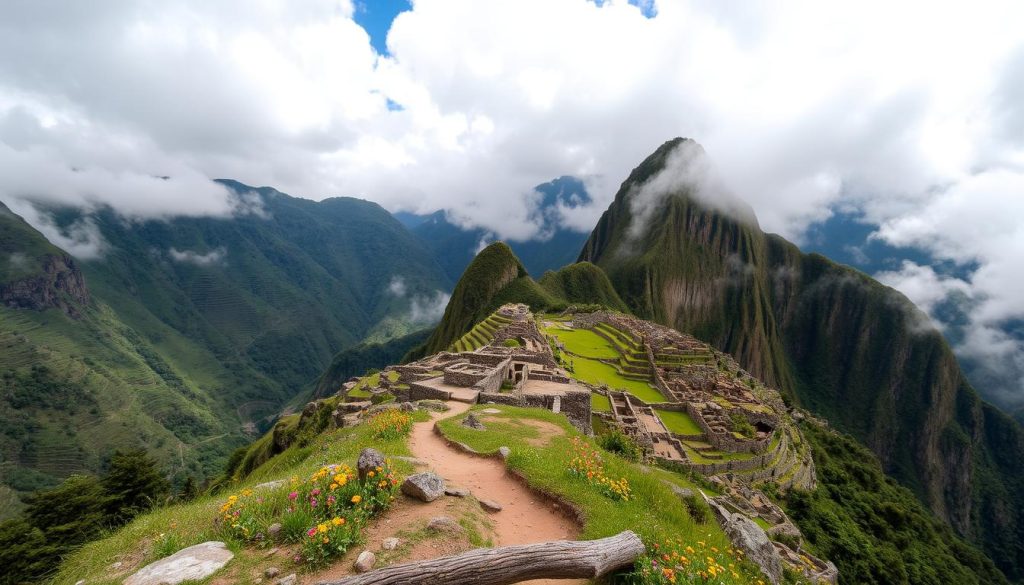
The Choquequirao hike includes tough climbs and descents in the stunning Apurimac Canyon. You’ll see diverse scenery, from snowy mountains and cacti-covered cliffs to vibrant rainforests. Prepare for steep slopes, going down over 1,500 meters before lunch and then climbing back up after.
| Feature | Details |
|---|---|
| Duration | 4 days |
| Starting Point | Cusco (5:00 am departure) |
| Day 1 | Hike from Cachora to Capuliyoc: 2 hours |
| Day 2 | Playa Rosalinas to Santa Rosa: steep climb |
| Day 3 | Santa Rosa to Marampata: continued upward |
| Day 4 | Final hike back to Cachora village: entire day, 4 hours of hiking |
| Return | Drive back to Cusco: 4 hours |
| Additional Activities | Hot springs in Santa Theresa, ziplining activities |
On this challenging trek, a professional team will support you. You’ll have a fluent English/Spanish guide, a cook for tasty meals, and horses to carry your gear. Spending each night camping by the ruins lets you dive deep into the area’s history.
Getting ready for this adventure travel means securing travel/medical insurance and planning tips for your guides and cooks. Keep in mind, the trek might change due to weather, strikes, or unforeseen events.
By tackling the Choquequirao hike, you’ll get to see incredible ruins with few other visitors around. It’s a unique adventure that takes you beyond the common tourist paths.
Natural Beauty Along the Choquequirao Trail
The trek to Choquequirao takes you through stunning natural landscapes in Peru. You’ll see diverse terrains and breathtaking views. Here are the top sights:
Apurimac Canyon
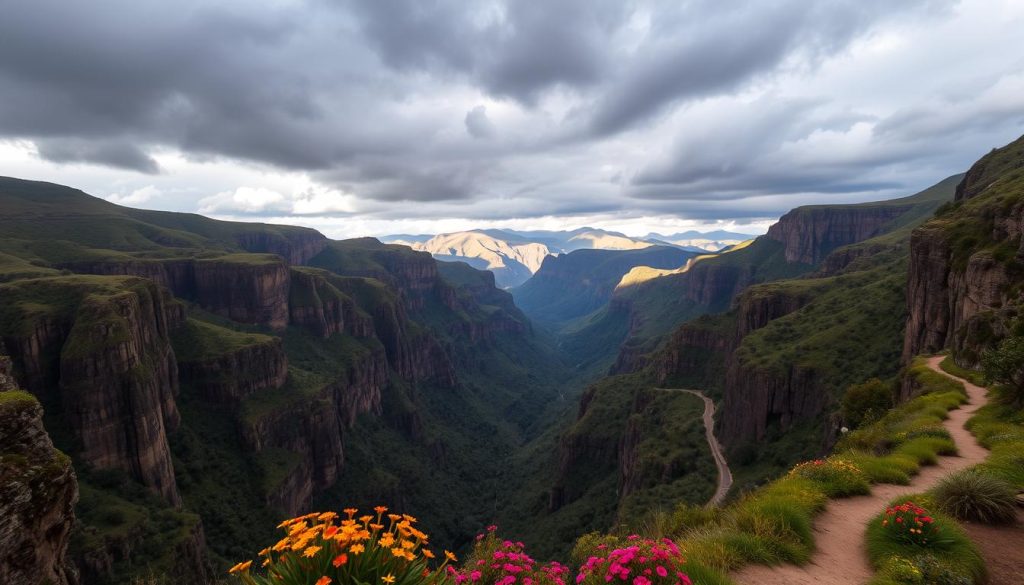
The Apurimac Canyon is known for its dramatic views. The sheer cliffs and rugged beauty contrast with lush greenery. It’s a powerful example of nature’s force, a must-see on the trail.
Rio Blanco
At the Rio Blanco, hikers can take a break. This river is like a natural oasis. Its cool, clear waters are perfect for cooling off. Its calm environment and flowing water sounds are soothing.
Abra San Juan Pass
Getting to the Abra San Juan Pass is tough but rewarding. It tests your endurance and offers stunning views. From the pass, you see valleys and peaks showcasing Peru’s pristine nature.
Key Ruins at Choquequirao: What to See
Choquequirao is like a hidden gem next to the famous Machu Picchu. It offers a magical journey with its amazing ruins. This part talks about the must-see spots at this archaeological wonder.
Main Plaza
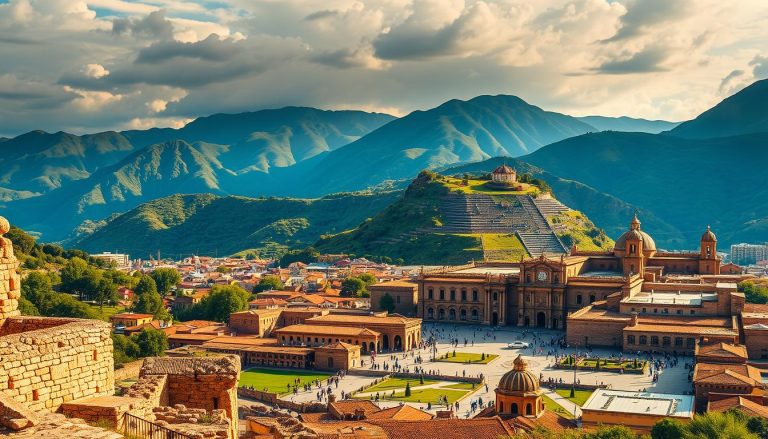
The main plaza at Choquequirao is huge and surrounded by terraced hills. It was the center of ancient life, showing us how the Incas lived. The wide-open space is great for enjoying the views and thinking about the past.
Ritual Baths
The Incan ritual baths at Choquequirao show the Incas’ skill in engineering. They used these baths for cleaning and rituals. The system managed water well, showing how the Incas valued nature and water.
Stone Llama Inlays
Choquequirao is known for its stone llama inlays on the terraces. These carvings look like llamas guarding the place. The llamas were very important to the Incas, used for carrying loads and for their wool.

Visiting Choquequirao means you get to see these key sites, making the tough hike worth it. From the main plaza to the Incan ritual baths, and the stone llama inlays, each spot shares a piece of this amazing civilization’s story from atop the Apurimac Canyon.
Choquequirao, Peru: A Hidden Gem in the Andes
Choquequirao, in Peru, is known as a hidden gem in the Andes. As you start this amazing adventure, you’ll see the wonders of Choquequirao, away from crowded tourist spots. This trek is a unique chance to see untouched Inca ruins without the crowds.
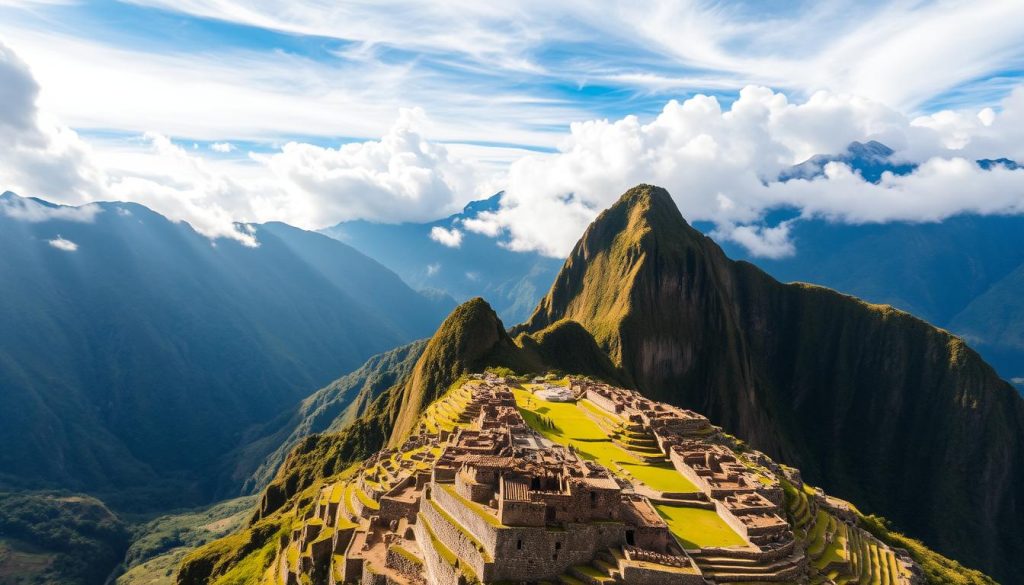
The trail to Choquequirao takes several days, providing a special experience in this remote region. It lasts six days and covers about 56 kilometers. The trek is tough, with big changes in elevation, going over 3,000 meters (9,842 feet) high. Here’s what you can expect each day:
| Day | Distance |
|---|---|
| 1 | 10km |
| 2 | 16km |
| 3 | 6km |
| 4 | 18km |
| 5 | 6km |
Choquequirao is remote, making it an untouched Inca ruin. It shows the beauty of ancient Andean culture. The site is well-preserved, displaying Inca architecture at its best. You’ll see the Main Plaza, ritual baths, and stone llama carvings, each telling a story from the past.
The hike to Choquequirao is hard, with days of up to eight hours of hiking. Yet, the rewards are unmatched. This trip connects you with Peru’s nature and history in a deep way. It’s an experience unlike any other. For those short on time, a four-day hike is also possible. It includes a trip down into the Apurimac Canyon and a guided tour of the ruins.
The best time for this trek is during the dry season, from May to October. This season provides clear skies and good hiking conditions. Trekking from December to March, the rainy season, is not advised because of difficult trail conditions and landslides risk.
For a longer adventure, consider the seven-day trek to Choquequirao and Machu Picchu, or even the nine-day option. These treks offer a fuller exploration and unforgettable sunrises over Machu Picchu. Whether you choose a short or long trek, it promises to be both challenging and inspiring. It showcases the best of Choquequirao and its surroundings.
Cultural Encounters on the Choquequirao Hike
Embarking on the trek to Choquequirao brings stunning natural views and rich cultural moments. You’ll walk through lush cloud forests and high alpine areas. This journey offers encounters with local communities living in these rugged terrains.
Local Communities
During the 64-kilometer journey, you’ll visit small Andean villages. These communities, often speaking Quechua, show a centuries-old lifestyle. You’re urged to work with local guides. This helps you connect deeply with their customs and everyday life.
Joining in local festivals or learning about ancient farming is special. It links you closer to the land and its people.
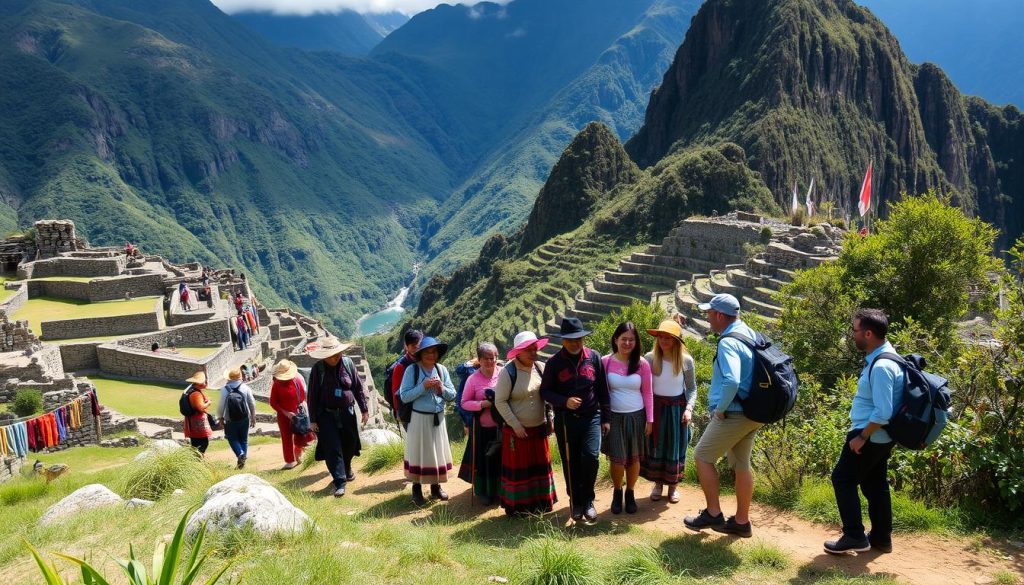
Indigenous Languages
Quechua languages add to the region’s cultural wealth on the way to Choquequirao. Speaking even simple Quechua phrases can build respect and understanding. Learning basic greetings in Quechua makes your trip more immersive and respectful.
| Aspect | Details |
|---|---|
| Round Trip Duration | 4-5 days |
| Trek Distance | 64 kilometers |
| Key Cultural Highlights | Interaction with local communities, practice of indigenous languages |
| Safety Considerations | Steep terrain, high altitude, remote camping |
| Physical Requirements | Fitness and endurance |
| Optimal Trek Time | Dry season (April to October) |
Trekking to Choquequirao tests your endurance and enriches your cultural understanding. Engaging with locals and respecting languages enriches your journey. It turns the hike into a connection with ancient traditions that are alive today.
Comparing Choquequirao with Other Incan Sites
Choquequirao is less known than Machu Picchu but equally captivating. It’s rugged and not as crowded, providing a serene adventure. With about 20 visitors a day, compared to Machu Picchu’s 2,500, it offers peace. This trek is a mix of stunning landscapes and ancient ruins.
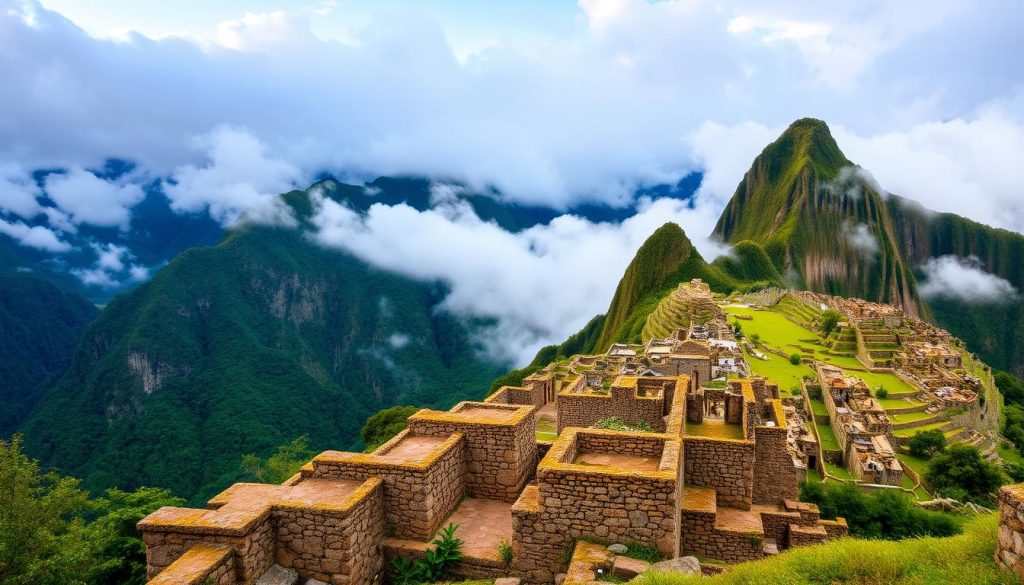
Choquequirao vs. Machu Picchu
Choquequirao sits higher at 3,050 meters and is three times bigger than Machu Picchu. It’s still a hidden gem for many travelers. This makes Choquequirao quieter and more peaceful. Both sites were important in the Inca Empire, serving as major urban centers.
| Feature | Choquequirao | Machu Picchu |
|---|---|---|
| Daily Visitors | 20 | 2,500 |
| Size | 3 times larger | Smaller |
| Elevation | 3,050 meters | 2,430 meters |
| Tranquility | High | Low |
Ancient Roads and Trade Routes
The Inca empire was famous for its vast network of roads and routes. These linked different parts of their empire. Both Machu Picchu and Choquequirao were part of this system, aiding in trade and communication. The Inca’s roads showcase their skill in engineering and organization.
These ancient routes lead through breathtaking scenery, from high passes to deep valleys. They offer a window to the Inca’s world. Whether on the Inca Trail or the Choquequirao trek, travelers will find history and natural beauty.
Practical Tips for Hiking Choquequirao
Getting ready for the Choquequirao trek requires careful planning. You need to be fit and have the right equipment. This section offers helpful tips and info about the best times to hike for a great adventure.
Required Gear
Choosing the right gear is key for a successful hike. Here are some items you should bring on the Choquequirao trek:
- Sturdy hiking boots: They are vital for the rough paths.
- Layered clothing: The temperature changes a lot, from hot valleys to cool mountains.
- Plenty of water: It’s important to drink a lot, especially at high elevations.
- Waterproof jacket: Protects you from rain, even when it’s supposed to be dry.
- Snacks and energy bars: They keep your energy up during the walk.
- First aid kit: Useful for small injuries or blisters.
A guide is a great idea for the trek. They manage mules to carry bags and set up your camp. This makes your hike more comfortable and enjoyable. Tikka Trekking offers good services and experienced guides.
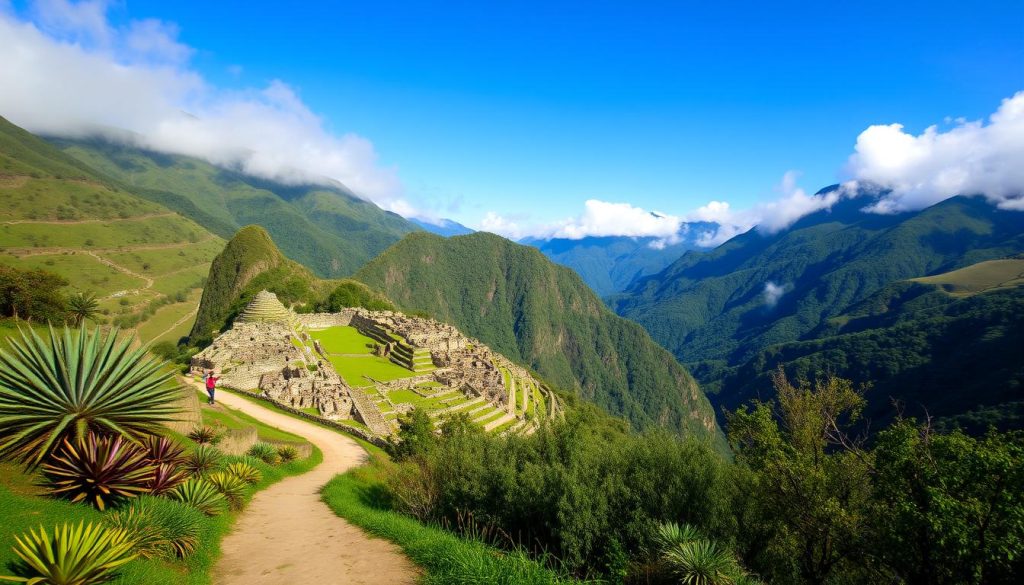
Best Seasons to Trek
The dry season, from May to September, is the best time to hike Choquequirao. You avoid the heavy rains and muddy paths. This makes your walk safer and more enjoyable.
Here’s a guide to the best hiking seasons:
| Season | Months | Weather Conditions | Hiking Tips |
|---|---|---|---|
| Dry Season | May – September | Sunny weather, occasional rain showers | Plan ahead and pack layers for changing weather |
| Rainy Season | November – April | Heavy rain, muddy trails | Try to avoid hiking in these conditions |
The high altitude of the Choquequirao trek can make breathing difficult. It goes up to 9,950 feet, so getting used to the elevation is essential.
Being well-prepared with the right gear and picking the best time for the hike will make your Choquequirao experience both rewarding and unforgettable.
Conclusion
The Choquequirao trek is a unique adventure that offers more than just a walk. It covers about 132 km, with a steep climb of 9,210 meters and almost the same distance going down. This trek shows the amazing work of the Incas and the toughness of those who travel it. You go from 1,500 to 4,600 meters above sea level, discovering lost ruins and stunning views.
Your trip starts in Cusco and takes nine days, with seven for walking and two to explore Choquequirao and Machu Picchu. You’ll see llamas, cross the Apurimac Canyon, and admire the Andes’ snowy tops. The best months for this trip are from May to October, when the weather is clear and sunny.
You’ll walk through ancient squares, baths, and temples, learning about this mostly hidden site. You can trek alone for about $250, or get a travel agency’s help starting at $500. Advice from our local expert makes the trip even more special. This trek lets you step back in time to see the Andean culture. It’s not just a hike; it’s an adventure that stays with you forever.