Caribbean Culinary Tours & Cooking Classes
The best Caribbean culinary tours and cooking classes are available across Barbados, St. Lucia, Jamaica, Grenada, and Trinidad, with hands-on cooking experiences ranging from $50 to $150 per person and multi-island culinary tour packages available through operators like Caribbean Culinary Tours and Vacations. These classes teach guests to prepare the national dishes of each island, from Barbados flying fish and cou-cou to St. Lucia Creole stew and Grenada nutmeg-spiced specialties.
Caribbean culinary tours: island-by-island overview
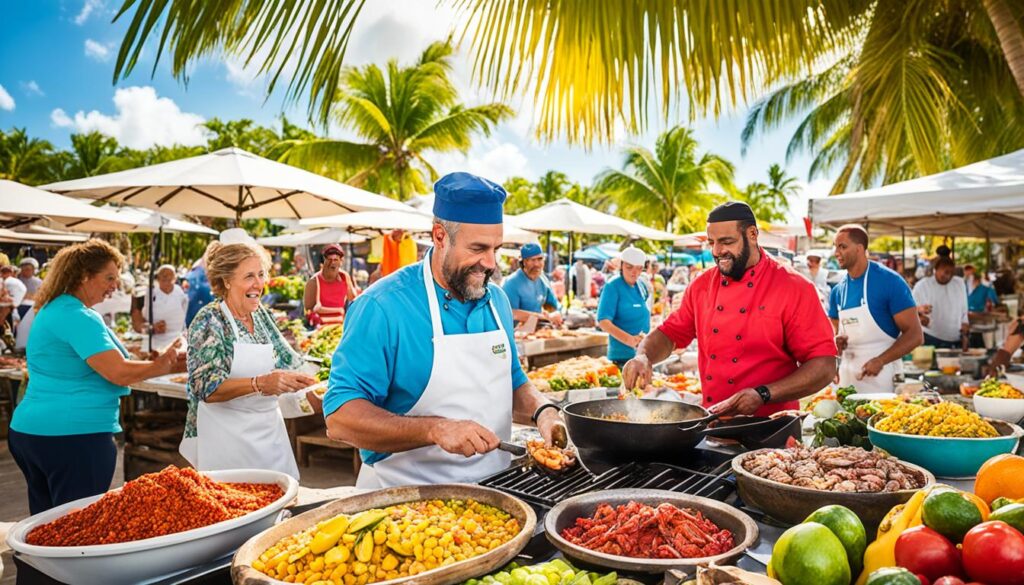
Caribbean culinary tourism centers on hands-on cooking classes rather than passive dining experiences. Most island cooking classes run two to four hours, start with a market visit or herb garden tour, and end with a meal of the dishes prepared. Viator and GetYourGuide both list Caribbean cooking experiences with verified reviews, and most experiences operate with groups of six to twelve people for an intimate class environment. Prices across the region range from around $50 to $150 per person for a half-day cooking class as of 2026.
Barbados: Bajan cooking classes and rum experiences
Barbados is one of the strongest Caribbean destinations for culinary tourism, built around the island’s national dish of flying fish and cou-cou (steamed cornmeal and okra) and the world’s oldest rum distillery, Mount Gay Rum, established in 1703. Cooking classes in Barbados typically cover Bajan flying fish preparation, pepperpot stew, and macaroni pie alongside rum pairing, with half-day classes running $70 to $120 per person.
Harrison’s Cave Eco-Adventure Park, a major natural attraction in the island’s central parish of Saint Thomas, hosts the Tastes and Tales experience, which combines an island cooking demonstration with rum tasting and heritage storytelling. The experience runs approximately three hours and includes preparation of Bajan dishes using flying fish, breadfruit, and local spices alongside a guided rum punch tasting. Harrison’s Cave is at Welchman Hall Gully Road, and the cooking experiences are bookable through the park’s website and Viator.
Mount Gay Rum in Bridgetown also offers rum blending masterclasses that pair closely with Bajan food culture, with classes starting around $40 per person for the standard rum tour and up to $100 per person for the master blender experience. Barbados Rum is a Protected Designation of Origin (PDO) product, meaning only rum produced on the island using traditional methods can carry the Barbados Rum name.

St. Lucia: Creole cooking classes and chocolate making
St. Lucia’s culinary identity is shaped by its French colonial history, producing a Creole cuisine that combines West African cooking techniques with French preparation methods and fresh local ingredients including dasheen (taro), breadfruit, plantain, and saltfish. Cooking classes in St. Lucia typically run three hours and include a tour of a kitchen herb garden followed by preparation of a Creole meal, with classes priced at $70 to $130 per person through Viator and local operators.
Hotel Chocolat operates a cacao plantation and hotel at the Boucan property near Soufriere in St. Lucia, offering chocolate-making experiences that trace the journey from cacao pod to finished chocolate on a working plantation. The experience includes a plantation walk, cacao pulp tasting, and chocolate-making workshop, running approximately two hours. Boucan is on the Rabot Estate at Soufriere, on the southern end of the island near the Piton mountains UNESCO World Heritage Site, and experiences start at around $50 per person.
St. Lucia’s fish markets in Castries and Soufriere also offer informal guided visits where local fishers demonstrate the catch and preparation of mahi-mahi, wahoo, and flying fish, often bookable as part of a half-day culinary tour. Explore more of what St. Lucia offers in our guide to the top Caribbean destinations.
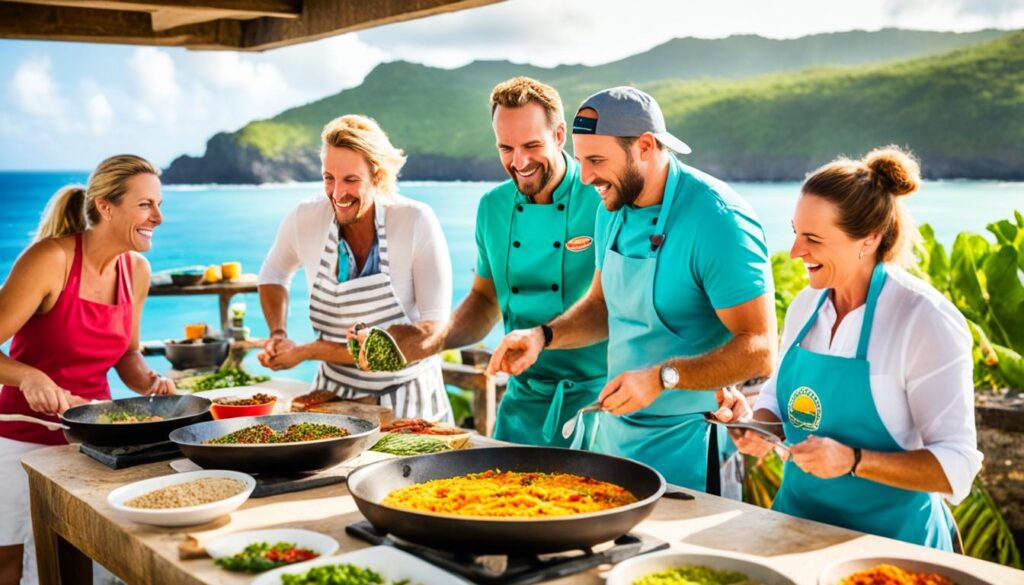
Jamaica: jerk cooking classes and market tours
Jamaica’s culinary identity is dominated by jerk seasoning, a dry-rub and marinade combination of scotch bonnet peppers, allspice, thyme, ginger, and garlic that originated with the Maroon communities of the Blue Mountains in the 17th century. Cooking classes in Jamaica focus heavily on jerk chicken and pork preparation, alongside ackee and saltfish (the national dish), curry goat, and festival (a sweet fried dumpling). Half-day cooking classes in Kingston and Montego Bay run $50 to $100 per person.
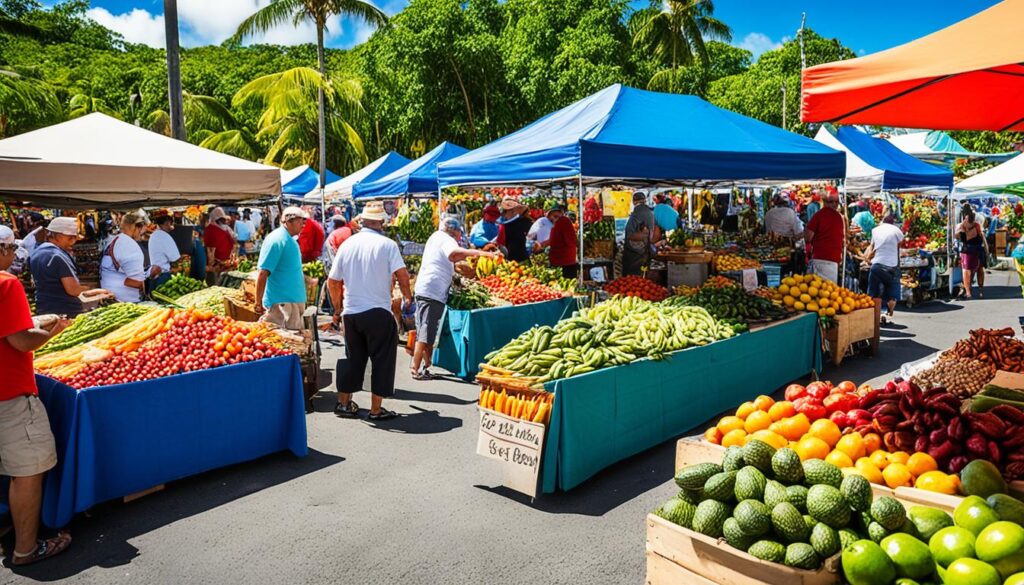
Kingston’s Coronation Market is the largest produce market in the English-speaking Caribbean, covering several city blocks near Spanish Town Road and operating daily from early morning. Guided culinary tours of Coronation Market typically cost $30 to $60 per person and cover scotch bonnet pepper sourcing, ackee identification, and the breadfruit, yam, and callaloo stalls that supply the majority of the island’s restaurants. Most market tour operators combine the visit with a cooking class or street food lunch at a local jerk yard.
Grenada: spice estate tours and island cooking
Grenada is known as the Spice Island and produces approximately 20 percent of the world’s nutmeg, along with significant quantities of cinnamon, cloves, ginger, and bay leaves. The island’s cooking classes combine spice estate visits with demonstration of dishes that use these spices at their freshest, including nutmeg-spiced callaloo soup, oil-down (Grenada’s national dish, a braised breadfruit and meat stew with coconut milk), and cinnamon rum punch.
Belmont Estate in the parish of St. Patrick is a working cocoa and spice plantation that offers guided agricultural tours followed by cooking demonstrations using estate-grown ingredients. The experience includes cocoa pod processing, nutmeg cracking, and preparation of traditional Grenadian dishes. Belmont Estate charges $25 to $40 per person for the agricultural tour with cooking demonstration. The estate is 45 minutes from St. George’s, Grenada’s capital, by car.
Trinidad and Tobago: street food tours and roti making
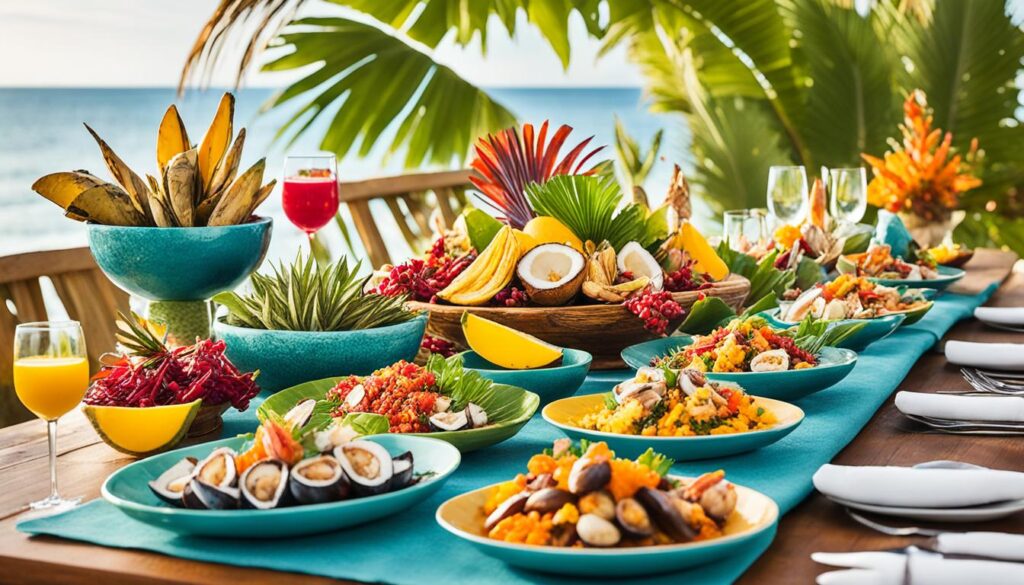
Trinidad has one of the most diverse culinary cultures in the Caribbean, reflecting its history of African, Indian, Chinese, and European immigration. The island’s street food scene is anchored by doubles (two bara flatbreads filled with curried chickpeas and topped with chutneys), which sell at doubles stalls across Port of Spain for approximately $1 to $2 USD each. Culinary walking tours of Port of Spain’s Queen’s Park Savannah food stalls and St. James night market run $45 to $90 per person and include tastings of doubles, roti, bake and shark, and fresh coconut water.
Roti-making classes in Trinidad are widely available through local cooking schools and private chefs, covering the preparation of dhalpouri roti (filled with split peas), paratha roti (layered flatbread), and the curried fillings of chicken, shrimp, or channa (chickpeas) served inside. Full roti-making classes run approximately three hours and are priced at $50 to $80 per person.
Comparison: Caribbean culinary tours by island
| Island | Signature dishes to learn | Class price range | Notable experience | Best booking platform |
|---|---|---|---|---|
| Barbados | Flying fish and cou-cou, macaroni pie, rum punch | $70-$120/person | Tastes and Tales at Harrison’s Cave | Viator, Harrison’s Cave website |
| St. Lucia | Creole stew, saltfish, breadfruit gratin | $70-$130/person | Hotel Chocolat chocolate making, Boucan Estate | Viator, GetYourGuide |
| Jamaica | Jerk chicken, ackee and saltfish, festival | $50-$100/person | Coronation Market tour + jerk yard lunch | Viator, local operators |
| Grenada | Oil-down, callaloo soup, nutmeg ice cream | $25-$80/person | Belmont Estate spice and cocoa tour | Belmont Estate direct |
| Trinidad | Doubles, dhalpouri roti, bake and shark | $45-$90/person | Queen’s Park Savannah street food tour | Viator, local tour operators |
Caribbean regional specialties and signature dishes
Understanding the signature dishes of each island makes a Caribbean culinary tour significantly more rewarding. The Caribbean’s culinary diversity reflects layers of African, European, Indian, and Indigenous history, with each island developing distinct dishes from shared base ingredients.
Flying fish and cou-cou (Barbados)
Flying fish is the national symbol of Barbados and the primary fish in Bajan cuisine. The fish is typically seasoned with thyme, garlic, and lime, then pan-fried or steamed. Cou-cou, the traditional accompaniment, is made by slowly cooking yellow cornmeal with sliced okra in salted water until the mixture forms a smooth, polenta-like consistency. The combination is the official national dish of Barbados and is featured in most Bajan cooking classes.
Jerk chicken and pork (Jamaica)
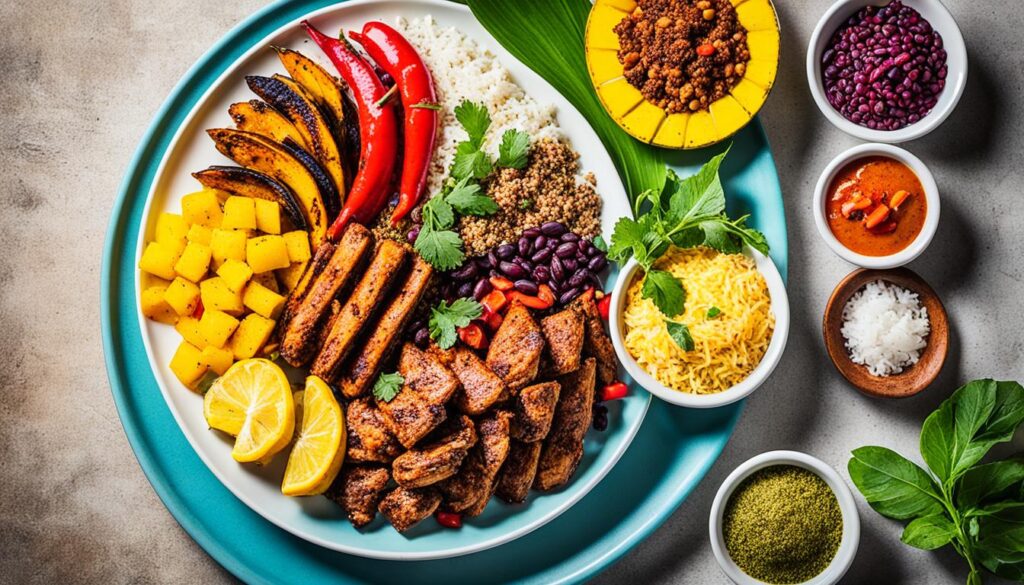
Jamaican jerk seasoning is a combination of scotch bonnet peppers, allspice (pimento), thyme, ginger, garlic, green onions, cinnamon, and nutmeg that is applied as a dry rub or wet marinade before smoking over pimento wood. Authentic jerk is smoked slowly over wood rather than grilled, which gives the meat a distinct flavor that cannot be replicated on a standard gas grill. Boston Bay in Portland parish is considered the origin point of jerk cooking.
Oil-down (Grenada)
Oil-down is Grenada’s national dish: a one-pot stew of breadfruit, salted meat, callaloo leaves, dumplings, and coconut milk simmered together until the coconut milk is fully absorbed and the dish has a rich, oil-sheen surface. The name refers to the moment the coconut oil separates and sinks to the bottom of the pot. Oil-down is traditionally prepared outdoors in large pots for communal gatherings and Sunday family meals.
Caribbean rum experiences to pair with culinary tours
Rum is the signature spirit of the Caribbean and a central component of the region’s food culture. Multi-day culinary tour packages from operators like Caribbean Culinary Tours and Vacations typically include at least one rum experience alongside cooking classes. The strongest rum tourism experiences are in Barbados (Mount Gay, St. Nicholas Abbey), St. Lucia (Chairman’s Reserve), Jamaica (Appleton Estate), and Grenada (Rivers Rum, the oldest water-powered distillery in the Western Hemisphere, dating to 1785).
Rivers Rum Distillery in Grenada’s St. Patrick’s parish operates water-powered copper pot stills that have been in continuous use since 1785, making it one of the most historically significant rum operations in the Caribbean. Distillery tours run $15 to $25 per person and include a tasting of the single batch, unaged Rivers Royale rum, which is bottled at 69 percent ABV.

Bringing Caribbean flavors home: spices and techniques
Caribbean cooking classes consistently cover a core set of techniques that translate well to home kitchens: browning meat in sugar for stewed chicken, building a sofrito-style base of onion, garlic, and peppers, and using allspice and scotch bonnet to build depth without excessive heat. Most cooking class participants can recreate the dishes they learn within a week of returning home using ingredients available in most grocery stores or Caribbean specialty food markets.
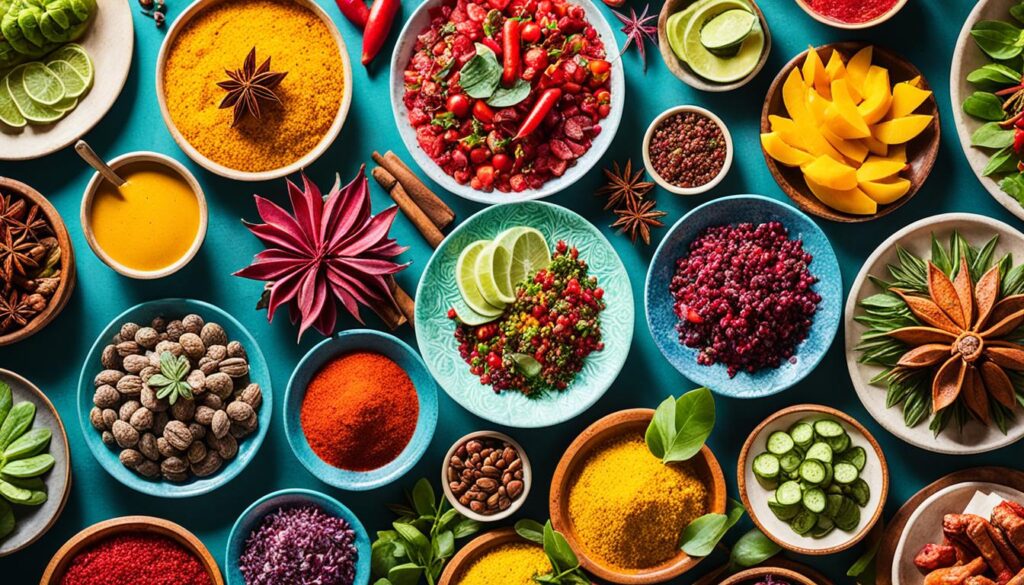
Allspice, the dried berry of the Pimenta dioica tree native to Jamaica, is the single most important spice to bring home from a Caribbean culinary trip. It is the dominant flavor in jerk seasoning, Jamaican stew peas, and many holiday dishes across the English-speaking Caribbean. It is sold dried and whole at Jamaican and Grenadian markets, and fresh green allspice leaves are occasionally available in specialist shops.
Frequently asked questions about Caribbean culinary tours
What is the best island for a Caribbean cooking class?
Barbados and Jamaica offer the most developed culinary tourism infrastructure of any Caribbean islands, with the widest selection of cooking class operators, market tours, and rum experiences. Barbados is the stronger choice for travelers interested in a refined, heritage-focused cooking experience, with flying fish preparation and rum tasting central to the island’s culinary identity. Jamaica is better for travelers drawn to bold, spicy flavors and a more informal, market-driven cooking culture.
How much do Caribbean cooking classes cost?
Caribbean cooking classes typically cost $50 to $150 per person for a two-to-four-hour session as of 2026. Grenada’s Belmont Estate experiences are at the lower end at $25 to $40 per person. Barbados and St. Lucia classes with established operators on Viator or GetYourGuide run $70 to $130 per person and usually include all ingredients, a meal, and a beverage. Multi-day Caribbean culinary tour packages from operators like Caribbean Culinary Tours and Vacations run $1,500 to $3,500 per person for five-to-seven-day programs.
What dishes do you learn in a Caribbean cooking class?
The dishes taught vary by island: Barbados classes focus on flying fish and cou-cou, macaroni pie, and rum cake. Jamaica classes cover jerk chicken, ackee and saltfish, and rice and peas. St. Lucia classes teach Creole preparations using dasheen, breadfruit, and local fish. Grenada classes center on oil-down and nutmeg-spiced dishes. Trinidad classes specialize in roti-making and doubles preparation. Most classes include at least three to four dishes plus a beverage pairing.
Do Caribbean culinary tours visit markets?
Yes. Most reputable Caribbean cooking classes begin with a market visit to source ingredients, which provides context for the cooking class that follows. In Jamaica, Coronation Market in Kingston is the largest and most commonly used market for culinary tour visits. In Barbados, Cheapside Market in Bridgetown is a central hub for produce. In Trinidad, the Eastern Main Road markets and St. James night market are popular inclusions in food tour itineraries.
Can beginners join Caribbean cooking classes?
Yes. All of the Caribbean cooking class experiences listed in this guide are explicitly designed for non-professional cooks, including absolute beginners. Caribbean cooking techniques, built around a small number of core spice combinations and straightforward cooking methods like braising, frying, and slow-cooking, are accessible to anyone who can follow a recipe. Most class operators on Viator and GetYourGuide specifically note in their listings that no prior cooking experience is required.
What is the best time of year for Caribbean culinary tours?
The dry season from December to April is the most popular time for Caribbean travel and culinary tours, with low humidity, clear weather, and the full range of market produce available. However, prices are highest in this period, particularly in January and February. The shoulder months of November and May offer a practical balance: low hurricane risk, slightly lower prices than peak season, and full culinary tour availability across all islands.