Bumthang vs. Paro: Authentic Bhutan Travel Guide
Ever thought about which place in Bhutan is more authentic? Is it the calm valleys of Bumthang or the beautiful gateways of Paro? This article is your guide to Bhutan’s heart, comparing Bumthang and Paro. You’ll discover the unique cultural treasures each place offers.
Get ready to explore Bhutan’s true beauty. You’ll learn about Bumthang’s festivals and traditions. And Paro’s stunning landscapes and historic sites. Knowing what makes each place special helps you choose the best for your trip. This way, you’ll have a more meaningful and authentic Bhutan experience.
Introduction to Bhutan’s Travel Landscape
Traveling to Bhutan is a serene and culturally rich experience. The country’s tourism policy focuses on sustainability. It welcomes adventurers while protecting its heritage and environment.
The valleys are quaint, the mountains are tall, and the people are friendly. Every visit feels like stepping into a vibrant, untouched land.
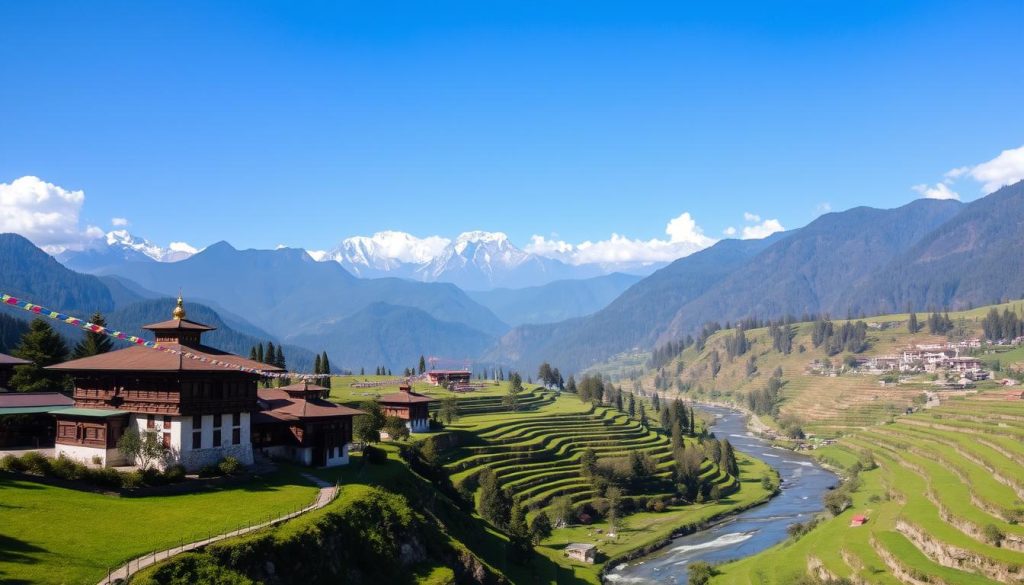
Paro Valley is captivating with its lush fields and essential crops. Bumthang, with its four valleys, is a hidden treasure. It’s a place where Buddhist traditions thrive.
Exploring Bhutan’s travel landscape is key to enjoying each destination. You can visit bustling Thimphu or the tranquil Phobjikha Valley. Or, you might find the remote Haa Valley.
Your journey will mix adventure with cultural immersion. Bhutan’s majestic mountains and traditions invite travelers to connect deeply.
Reasons to Visit Bhutan
Bhutan is a place of cultural richness, untouched landscapes, and a strong commitment to preserving its heritage. It’s the world’s first carbon-negative country, with lots of forests and amazing biodiversity. With only 30,000 tourists each year, you’ll find peace and quiet.
This low number of visitors means you can see sacred monasteries and vibrant festivals without the crowds. It’s a chance to truly experience Bhutan’s beauty.
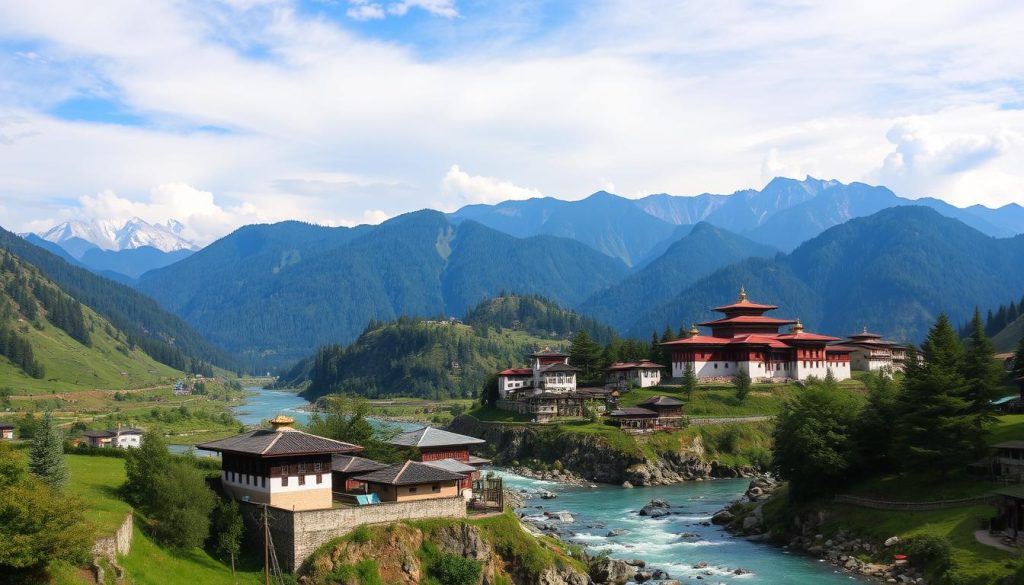
Bhutan hosts over 160 festivals every year, offering a chance for an authentic experience in local traditions. The buildings here are special, with slanted roofs, colorful doors, and small windows. This shows a deep respect for culture.
The connection between nature and culture in Bhutan is uplifting. The country is home to some of the highest unclimbed mountains in the world.
For those who love adventure, Bhutan has trekking routes for all levels. From short 2-day trails to 30-day journeys, there’s something for everyone. You can also try Bhutanese cuisine, with dishes like Ema Datshi and local delicacies.
Bhutan focuses on Gross National Happiness, not just GDP. This makes the people friendly and welcoming. Your visit will be personal and unforgettable.
| Feature | Details |
|---|---|
| Tourism Approach | High Value, Less Impact policy |
| Annual Visitors | Around 30,000 visitors |
| Cultural Festivals | Over 160 annually |
| Diversity of Flora and Fauna | 60% of Himalayan plant species and unique wildlife |
| Traditional Cuisine | Dishes like Ema Datshi and red rice |
| Architecture | Strict traditional building styles |
Bumthang: Hidden Gems and Cultural Richness
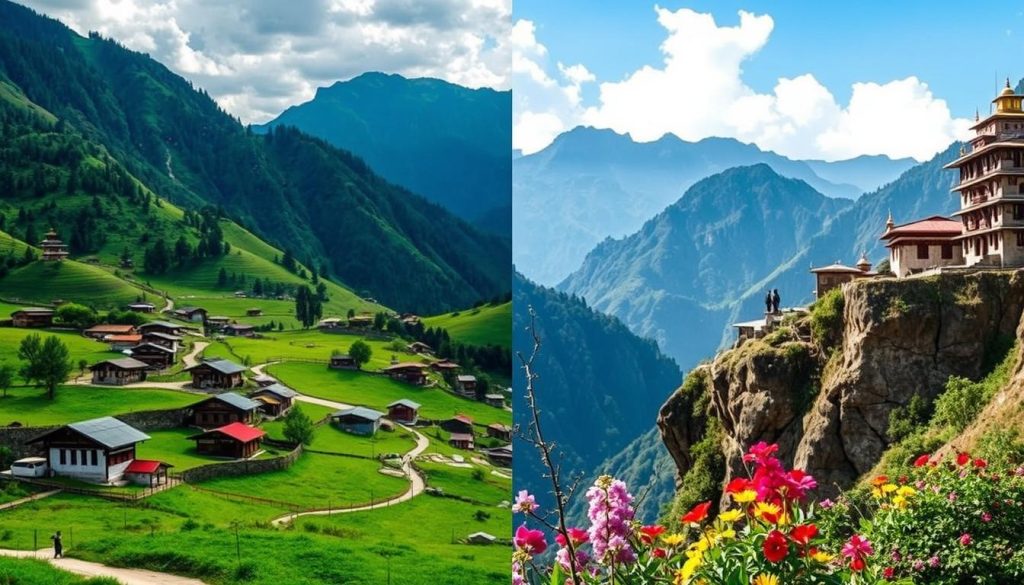
Bumthang is a true haven for travelers looking for hidden gems and cultural richness in Bhutan. It’s in the heart of the country, with four stunning valleys: Ura, Chumey, Tang, and Choekhor. Each valley shows a unique side of Bhutan’s spiritual heritage and beauty, away from the usual tourist spots.
Exploring the Four Valleys of Bumthang
Explore the valleys of Bumthang to see its stunning beauty. The Ura Valley offers a peek into traditional Bhutanese life, with its rolling hills and farmhouses. Chumey is famous for its textile weaving, showing off local craftspeople’s talent. Tang has the peaceful Tang Rimochen Lhakhang, and Choekhor Valley is home to important temples like Jambay Lhakhang, built in the 7th century. Visiting these places helps you understand Bhutan’s rich culture.
Significance of Festivals in Bumthang
Festivals in Bumthang, or tsechus, are key to the community. They show off local traditions and rituals. Festivals like Ura Yakehoe and Jambay Lhakhang feature colorful dances and ceremonies. They bring locals and visitors together, offering a close look at traditional attire and community life. This makes your journey through Bumthang’s hidden gems even more special.
Paro: Gateway to Bhutan’s Natural Beauty
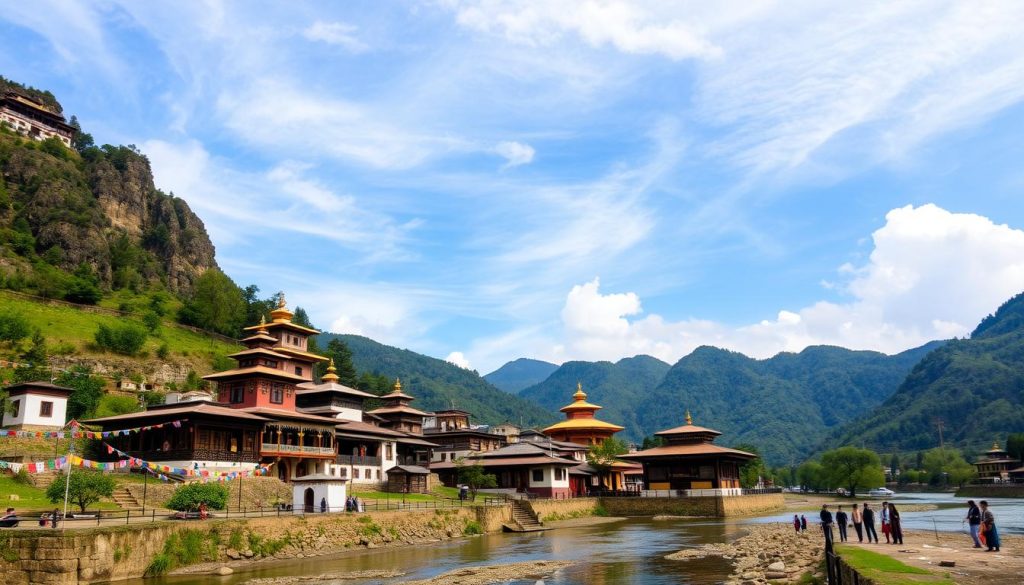
Paro, a beautiful town in Bhutan, is seen as the gateway to the country’s stunning landscapes and rich culture. It’s located in the Paro Valley, blending ancient history with breathtaking views. This makes it a top spot for travelers. The town’s culture comes alive during local festivals, celebrating Bhutanese traditions.
The Iconic Tiger’s Nest Monastery
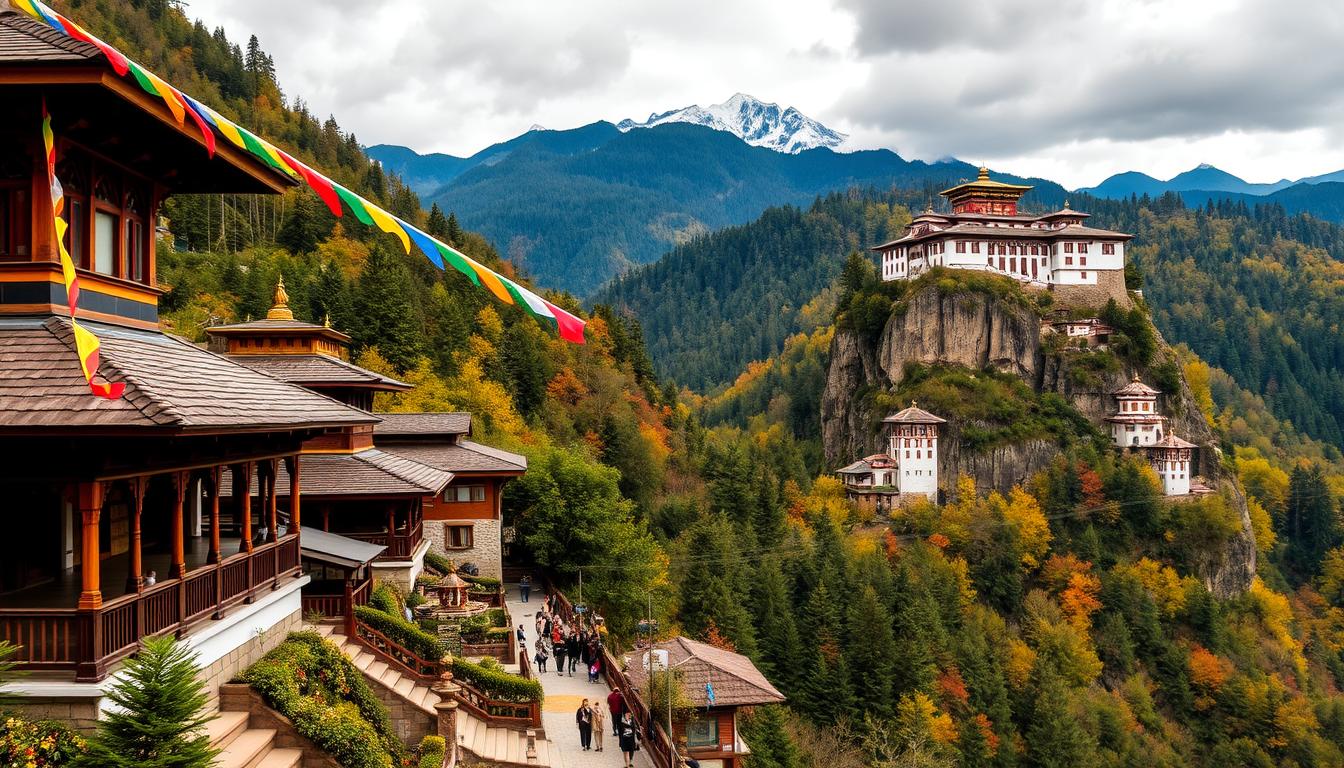
The Tiger’s Nest Monastery, or Taktsang, is a highlight in Paro. It sits dramatically on a cliff at 3,120 meters (10,240 feet). This monastery is not just spiritually significant but also offers amazing views of the natural beauty around it.
The hike to the monastery is exciting, with chances to see the area’s plants and animals. As you climb, you’ll see stunning views of the valleys below. These views show the beauty of Bhutan’s rugged landscape.
Key Festivals in Paro
Visiting Paro isn’t complete without experiencing the Paro Tshechu festival. It’s celebrated over five days in March. The festival brings the streets to life with local performances, traditional dances, and colorful costumes.
These festivals offer a unique look into Bhutanese culture. They make your trip unforgettable. By joining in these events, you can see the traditions that have been kept alive for generations. This makes Paro a must-visit in Bhutan.
Bumthang vs. Paro: Which offers a more authentic experience?
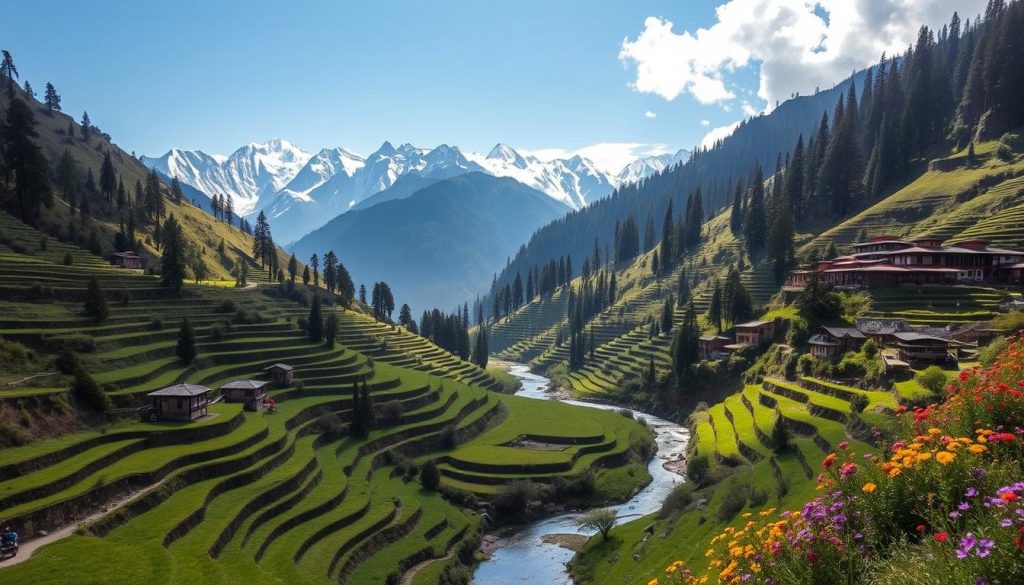
Traveling in Bhutan brings a choice between Bumthang and Paro. Bumthang offers a unique, off-the-beaten-path journey. It’s filled with cultural festivals, historic sites, and peaceful trails. Visitors can stay in homestays and connect with the local community.
These homestays provide basic comforts. They help visitors have real interactions with families. You can even join in local agriculture or crafts. Homemade meals add to the authentic Bhutanese experience.
On the other hand, Paro is a more popular spot. It’s known for landmarks like Tiger’s Nest Monastery and Olathang Hotel. But, its commercial vibe might take away from the real experience.
Luxury hotels in Paro offer modern comforts. Yet, they often miss the personal touch of Bumthang’s homestays.
The Bumthang vs. Paro debate makes travelers think about what they want. Bumthang is great for those who want to dive into local culture. Paro is better for those who prefer famous sights and easy tourism access.
Experiencing Local Traditions in Bumthang
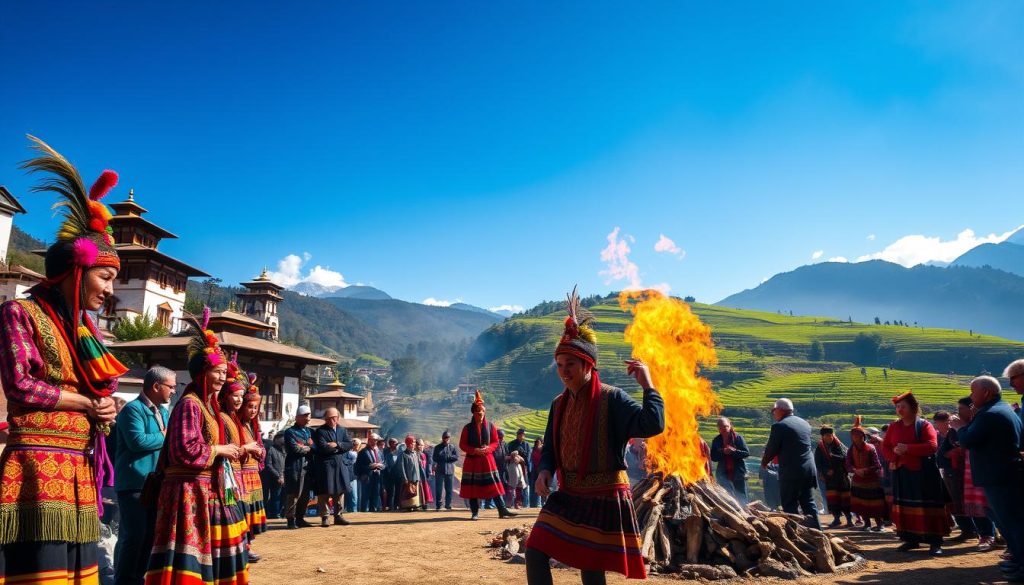
Bumthang is a treasure trove of local traditions that reveal the true heart of Bhutanese culture. By joining in on the vibrant community during festivals, you get a peek into Bhutanese life. Here, customs and celebrations are a blend of old and new, offering a genuine taste of this beautiful region.
Insights into Bhutanese Life at Local Festivals
Festivals like the Ura Tsechu are a great way to see local traditions in action. This five-day event is filled with masked dances, traditional music, and people coming together. It’s a chance to see how community and culture are woven together in Bumthang. You can also talk to locals and learn more about their lives.
Culinary Delights: What to Eat in Bumthang
Visiting Bumthang means trying its unique flavors. Bhutanese food often includes chili and red rice, which locals love. Be sure to try the cheese made from Swiss methods but with Bhutanese ingredients. These dishes are not just tasty but also share stories of the region’s history and farming.
| Local Delights | Description |
|---|---|
| Datshi | A spicy cheese dish made with green chilies. |
| Red Rice | A unique variety of rice known for its nutty flavor. |
| Fried Potato | Crispy potatoes often served as a side dish. |
| Traditional Cheese | Matured cheese prepared using traditional methods, influenced by Swiss techniques. |
Must-Visit Destinations in Paro
Paro is a mix of history and natural beauty. It’s full of iconic buildings, traditional culture, and adventure activities. You can explore historic sites and stunning landscapes, ideal for nature walks.
Exploring Paro Dzong and Other Historic Sites
Rinpung Dzong is a key example of Bhutanese architecture. It’s central to the community’s culture. Inside, you’ll find fourteen shrines and offices for the monastic body.
Drukgyal Dzong tells stories of Bhutan’s past. It’s famous for defending against Tibetan invasions.
Other historic sites include:
- Kyichu Lhakhang: One of Bhutan’s oldest temples.
- Tamchoe Monastery: From the 15th century, known for its architecture.
- Jangtsa Dumtseg Lhakhang Temple: A three-story temple from the 16th century.
- Zuri Dzong Fort: An ancient fort with views of the Paro Valley.
Adventure Activities: Hiking and Nature Walks
Paro offers exciting adventures in nature. Hiking to Paro Taktsang, or Tiger’s Nest Monastery, gives you stunning views. You’ll feel accomplished after reaching this iconic site at 2,950 meters.
Nature walks in the hills offer peace. You can see diverse plants and animals and enjoy the mountain air. Places like Chele La Pass and Drukgyal Dzong show the area’s calm beauty.
Travel Logistics: How to Reach Bumthang and Paro
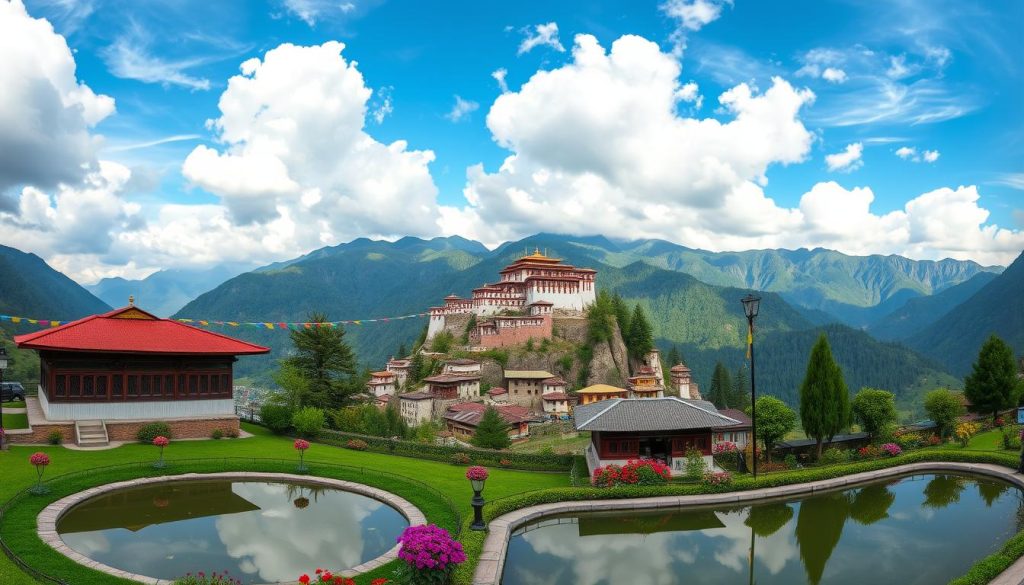
Traveling to Bhutan offers several ways to get to Bumthang and Paro. The country’s main airport is in Paro, served by Druk Air and Bhutan Airlines. These airlines link major cities in Bhutan, making it easy for tourists.
For a scenic trip, driving is a great option. You can enter Bhutan at four points from India: Phuentsholing, Samtse, Gelephu, and Samdruk Jongkhar. Remember, driving speeds are about 35 km per hour, so plan your trip well.
Spring (March to May) and autumn (September to November) are peak seasons. Expect higher accommodation prices due to more tourists. The Sustainable Development Fee (SDF) is USD 100 per night, affecting your budget. Indian tourists pay INR 1200 per night per person.
Costs for your trip include accommodation, transport, meals, and guide fees. Budget for these expenses, as the daily fee for touring Bhutan doesn’t cover everything.
Conclusion
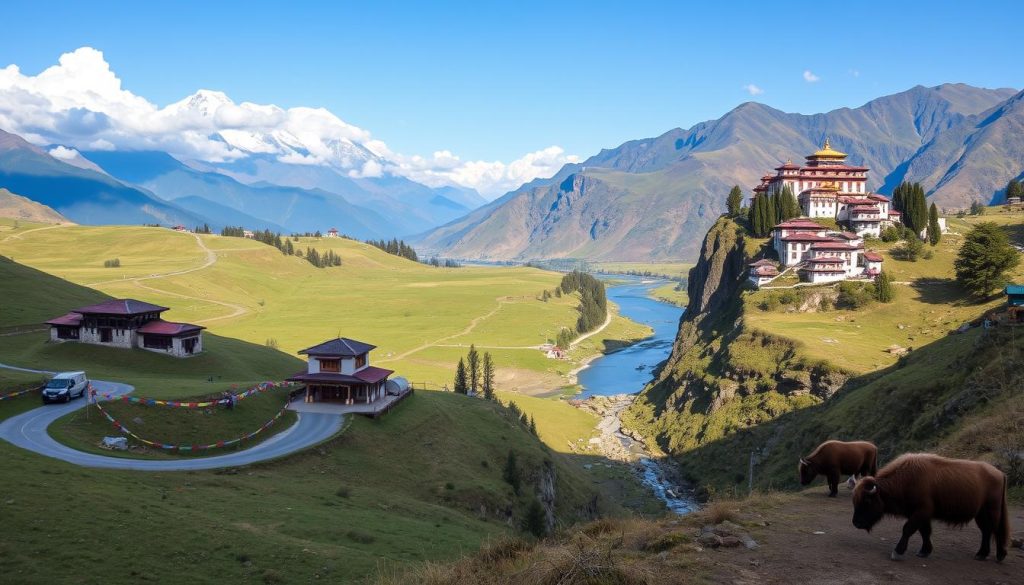
When deciding between Bumthang and Paro for your next trip, think about what you want from your travel experience. Bumthang lets you dive deep into Bhutan’s culture, with its hidden spots and local customs. On the other hand, Paro is a gateway to iconic sights, like the Tiger’s Nest Monastery.
Both places show off Bhutan’s rich heritage. They are key stops on your Bhutan travel guide. Bhutan’s landscapes and friendly people create a special story. But, the experiences in Bumthang and Paro are different.
In Bumthang, you can enjoy vibrant festivals. In Paro, you’ll see amazing architecture. You’ll learn a lot about the Bhutanese way of life. Your visit will be fun, respectful, and meaningful to the locals.
So, it’s up to you. Do you want the cultural experiences of Bumthang or Paro’s natural beauty? Your choice will make your trip unforgettable and connect you to Bhutan’s magic.