

Boracay’s Guide to Sustainable Tourism Practices
Travelers now focus on sustainable tourism in Boracay. They wonder if their trips help or harm the places they visit. This guide will show how to travel eco-friendly in Boracay. It’s about protecting the island’s beauty for the future.
You’ll get insights on tourism’s environmental impact. Learn how everyone, from resorts to visitors, can practice responsible tourism. You can make a difference. Whether by joining beach clean-ups or choosing green accommodations. Let’s explore how Boracay is changing tourism for the better. And how you can help!
Introduction to Sustainable Tourism in Boracay
Sustainable tourism in Boracay is vital for protecting its unique environment. It lets visitors enjoy its stunning beaches and lively culture. In 2018, Boracay was closed for cleanup, showing the need for responsible tourism. This was due to waste and pollution issues. These problems showed why it’s critical to protect this beautiful place.
Sustainable tourism balances tourist visits with preserving Boracay’s ecosystem. Working with local people and tourists on responsible travel is key. It helps keep Boracay’s natural charm. A study with 400 Boracay stakeholders shared the importance of being ready for unexpected challenges. They found an average level of emergency preparedness. It also showed that adapting to environmental changes is necessary.
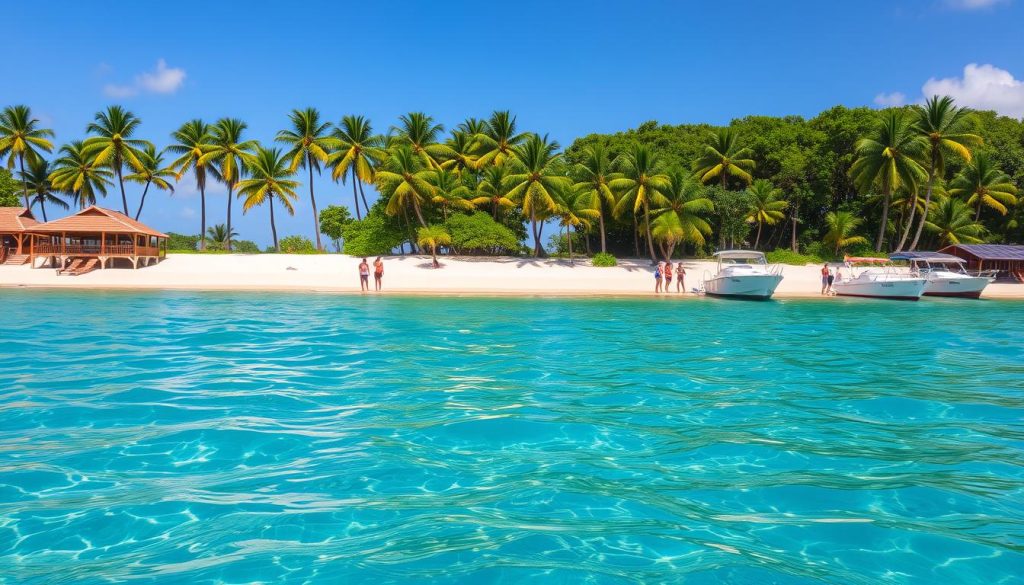
To support sustainable tourism, businesses in Boracay must focus on being eco-friendly. This includes places to stay and transportation. By doing so, visitors help the local community while enjoying their visit.
| Aspect | Details |
|---|---|
| Study Participants | 400 respondents from various tourism-related establishments |
| Average Organizational Resilience | Average response to emergencies; low readiness for environmental changes |
| Enterprise Sustainability | High levels reported among tourism enterprises |
| Management Levels | 43.5% top management, 39% lower management, 17.5% middle management |
| Enterprise Profile | 34% tourist transport, 28.25% accommodation, remaining in various sectors |
| Enterprise Type | 40.5% cooperatives, 21% corporations, 21% partnerships, 15.5% sole proprietorships |
| Operational Tenure | 53.25% in operation for 2-5 years, 21.75% for 6-10 years |
By choosing sustainable tourism in Boracay, you help protect its ecosystem. It ensures a balance between welcoming tourists and keeping the island beautiful. This approach secures Boracay’s attractiveness for future visitors and locals alike.
The Environmental Impact of Tourism in Boracay
Tourism in Boracay has led to big environmental problems. An alarming 85% of places to live and work don’t have the right sewage arrangements. This causes a huge amount of trash, between 90 to 115 tonnes every day. But, the island can only deal with around 30 tonnes. In 2017, more than 2 million visitors came, creating more trash than the island can manage.
The situation is made worse because untreated waste ends up in the sea. This harms people’s health and the ocean’s life. Dangerous E. coli levels have been found in the water. Also, too many nutrients and pollutants cause harmful algae to grow. This puts the unique sea creatures of Boracay in danger.
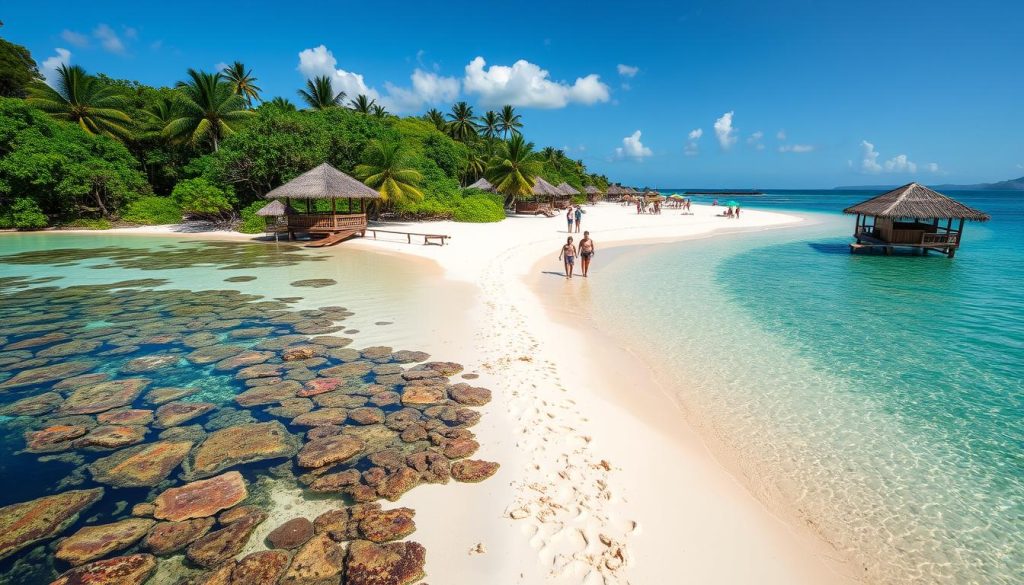
It’s clear that Boracay needs help to save its environment. Even with the pollution, tourists keep coming. The local leaders and the Philippine government know this cannot go on. President Duterte has even talked about closing Boracay if solutions aren’t found soon.
We must act fast to start using sustainable methods. Getting locals and visitors involved is key to making Boracay better. This will help save the island’s important natural beauty.
Understanding Sustainable Tourism in Boracay
Sustainable tourism in Boracay is more than just keeping the place beautiful. It blends economic growth, social fairness, and protecting nature. It helps the local economy and respects cultural values and the environment.
After Boracay closed in April 2018 for fixes, big changes were made. Now, only 19,250 visitors can be on the island at once. This limit helps protect the local resources.
Many people see the need for more eco-friendly actions. Programs like ‘Juan Effect’ from Cebu Pacific promote caring for Boracay’s environment. They urge travelers to be mindful and reduce harm to the island.
Surveys reveal concerns about too much development and waste issues in Boracay. A high percentage of folks worry about these problems. They stress the impact of poor management and lack of strong rules.
There’s a push for better rules on activities and building work. Most people want to enjoy the island without harming it. They also call for better handling of trash.
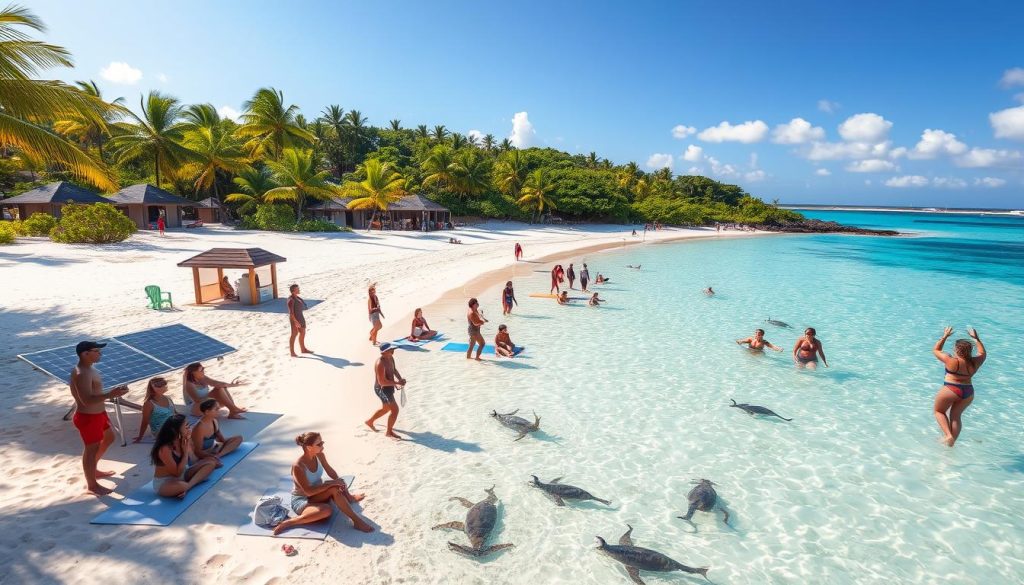
It’s key that the community has a say in Boracay’s future. Many believe in protecting the reefs and using clean energy. This shows a commitment to keeping Boracay beautiful.
As locals focus on green living and sustainable habits, hope for Boracay grows. This joint effort proves that careful travel and caring for the land and people can make Boracay thrive for all soon.
Green Initiatives in Boracay’s Hospitality Sector
The hospitality industry in Boracay is key to promoting green initiatives. These support sustainable tourism on the island. By adopting eco-friendly practices, local resorts work to lower their carbon footprint. This enhances the experience for visitors.
Solar Power Usage by Local Resorts
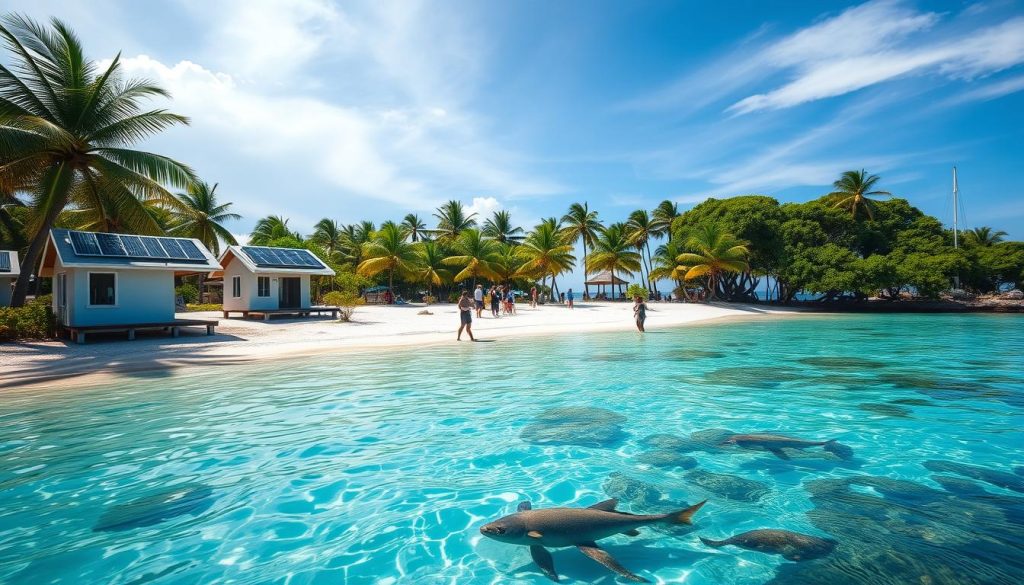
Resorts like The District Boracay are moving towards using solar power. This reduces their impact on the environment. Using solar power marks a big step towards a greener future for Boracay. It allows resorts to positively impact the environment.
Adoption of Eco-Friendly Cleaning Solutions
Many resorts are switching to eco-friendly cleaning products. This reduces harmful chemicals and protects the island’s ecosystems. It leads to a cleaner environment for guests, staff, and wildlife. It is a major step for sustainable tourism in Boracay.
Efforts to Reduce Plastic Waste
Plastic waste is a major problem in Boracay. To tackle this, hotels and resorts are taking action to reduce it. They offer refillable water bottles and encourage using reusable bags. These initiatives show the hospitality industry’s dedication to a sustainable Boracay. They aim to protect the island’s beauty for future visitors.
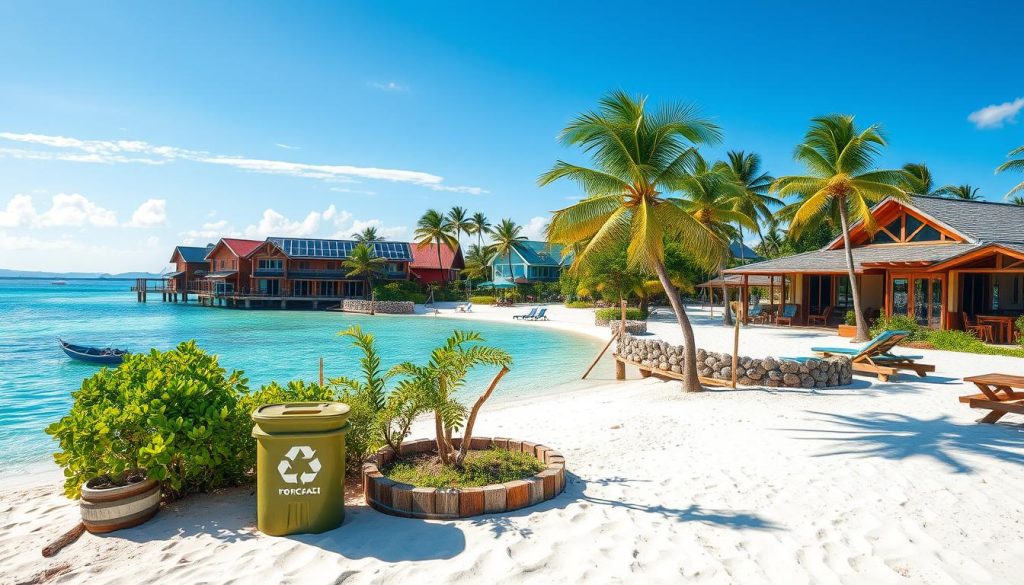
Sustainable Accommodation Options
When visiting Boracay, there are many sustainable places to stay. These spots focus on being kind to the environment. They offer great experiences without harming our planet. You can pick from fancy resorts to places with a local feel. All are aimed at travelers wanting to help make a difference.
Eco-Conscious Hotels and Resorts
In Boracay, many hotels and resorts are all about being green. They use clean energy to lessen their impact on nature. To cut down waste, they do things like:
- Recycling and composting programs
- Using eco-friendly products
- Reducing water consumption through efficient technologies
Station 1 has high-end hotels that mix luxury with caring for the earth. Choosing these places helps the environment while you have a great time.
Community-Driven Lodging Initiatives
Places run by the community are key to Boracay’s growth. They make sure locals benefit from tourism. This includes creating jobs and keeping the culture alive. Among these options are:
- Locally-owned bed and breakfasts
- Guesthouses that involve homeowners
- Collaborative ventures with local artisans and farmers
Staying in community-focused spots supports Boracay’s eco-system. This way, you get a meaningful visit. Plus, you help local businesses and culture for the future.

| Accommodation Type | Location | Sustainable Practices |
|---|---|---|
| Eco-resort | Station 1 | Renewable energy, waste reduction, eco-tours |
| Guesthouse | Station 2 | Locally sourced materials, community project involvement |
| Bed and Breakfast | Station 3 | Support for local farmers, cultural exchange activities |
Responsible Tourism Practices for Visitors
Visitors to Boracay can really shape the future of tourism on the island. By choosing responsible tourism habits, you can limit negative effects on the environment and make your trip better. It means more than just enjoying the views. It’s about helping keep Boracay’s natural beauty and cultural heritage alive.
Embracing Eco-Friendly Travel Habits
Adopting eco-friendly habits is a big step towards responsible tourism. You can:
- Reduce water and energy use by being aware of how much you use in hotels.
- Show respect for local customs and communities. Make sure your interactions are kind and culturally sensitive.
- Skip single-use plastics by bringing along reusable items like bags, bottles, and utensils.
Taking these steps helps the environment and supports sustainable tourism. This benefits everyone on the island.
Participating in Local Clean-Up Activities
Joining local clean-up efforts is another great way to travel responsibly. Many resorts organize beach clean-ups. They encourage tourists to help protect Boracay’s beautiful shores. This lets you directly help in keeping the island pristine.
Being part of these events connects you with the community and the local environment. Not only does it lead to cleaner beaches, but it also enriches your trip. You get to meet other travelers and locals. It makes your experience more memorable.
| Eco-Friendly Habits | Benefits |
|---|---|
| Limit water and energy usage | Conserves resources, reduces waste |
| Avoid single-use plastics | Minimizes ocean pollution, protects wildlife |
| Participate in clean-up activities | Enhances local environment, builds community |
| Respect local customs | Strengthens cultural awareness, fosters goodwill |
Adding these responsible practices into your visit helps ensure Boracay’s future is bright. It also makes your holiday richer. You create memories that mean a lot to you and the island’s communities.
Sustainable Activities in Boracay
Exploring sustainable activities in Boracay improves your travel and helps the environment. The island offers eco-friendly options for connecting with nature. These emphasize conservation and engaging with the community.
Nature Trails and Eco-Tours
Nature trails and eco-tours in Boracay immerse you in the island’s beauty. You’ll learn about native plants and animals through guided tours. They make your ecotourism journey both informative and fun.
Activities like kitesurfing and ziplining are designed to protect nature. They provide exciting experiences. Freediving and local cooking classes also connect you with Boracay’s rich culture.
Beach Cleanup Events and Community Engagement
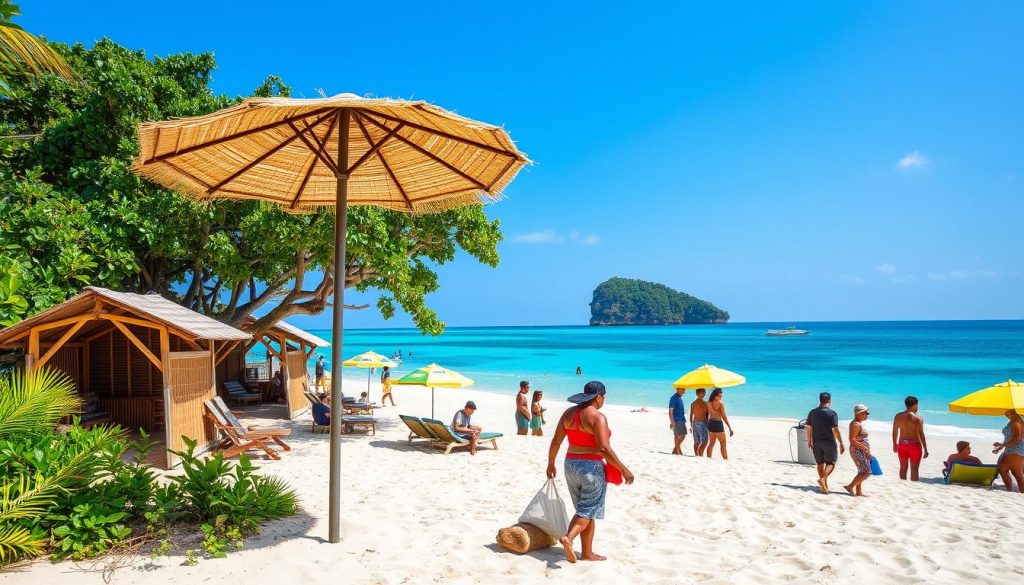
Beach cleanups encourage teamwork between visitors and locals. They tackle waste from tourism, supporting sustainable practices in Boracay. By joining local groups, you help keep the beaches clean.
This cooperation shows a commitment to keeping Boracay beautiful for everyone. It builds lasting bonds with the community. And it ensures the island stays welcoming for future visitors.
| Activity | Description | Environmental Impact |
|---|---|---|
| Kitesurfing | A thrilling water sport suitable for various skill levels. | Low impact on marine life due to its surface activity. |
| Ziplining | Experience scenic views via a zero-impact zipline adventure. | Minimal disturbance to wildlife and nature habitats. |
| Freediving | Explore underwater ecosystems responsibly. | Encourages awareness of marine conservation. |
| Nature Tours | Guided explorations aimed at educating travelers about biodiversity. | Promotes preservation efforts through responsible tourism. |
| Cooking Classes | Learn to prepare local dishes using sustainable ingredients. | Supports local agriculture and reduces food waste. |
Community-Based Tourism Initiatives
Community-based tourism in Boracay marks a key shift in tourism’s relationship with local areas. These efforts empower people, letting you meet their culture and contribute to their economy. Through supporting local artists and immersive tours, tourism development with community involvement betters the visitor experience while keeping culture intact.
In 2023, the Philippines became a top spot for international tourists, with over 5.4 million visiting. The rise of community-based tourism is tied to this spike in interest for real travel experiences. Tourists now look for genuine connections with local cultures, and responsible tourism is key to making these connections happen.
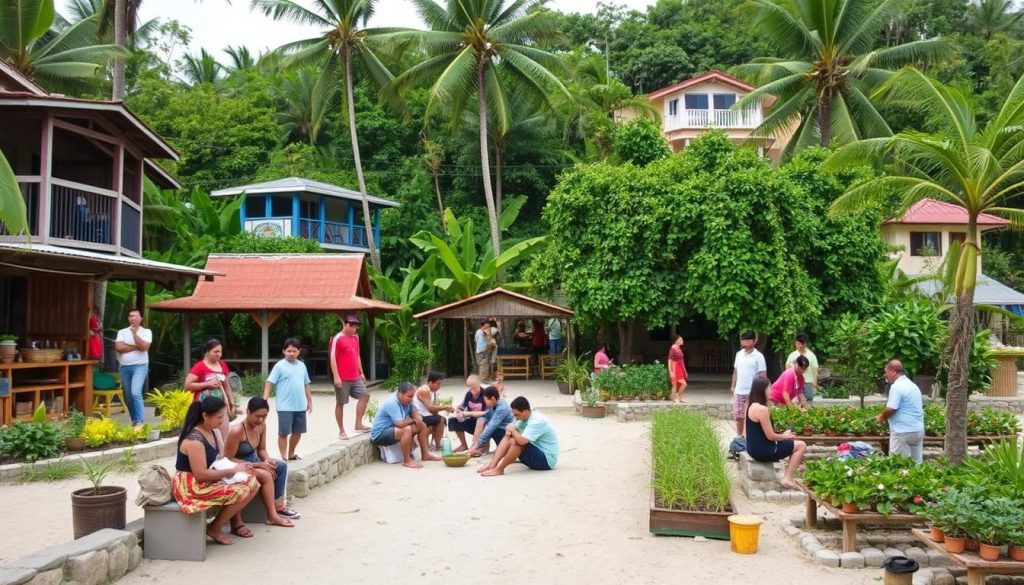
Local businesses grow with the support from tourists. Through workshops or farm-to-table experiences, visitors add to their travel stories while helping locals. This approach has created many jobs, from hotel roles to tour guides, lowering unemployment.
Investing in local services links to higher tourism revenue. Better transportation and facilities improve life for the community and make visits more enjoyable. This shows how tourism can focus on local needs while being successfully responsible.
| Initiative | Description | Impact |
|---|---|---|
| Local Artisans Program | Showcases handmade crafts by Boracay’s artisans | Supports local economy and enriches visitor experiences |
| Cultural Tours | Guided tours that highlight local traditions and lifestyles | Fosters respect and understanding of local culture |
| Small Business Support | Encourages entrepreneurship through tourism | Promotes innovation and economic growth |
| Community Meetings | Residents participate in tourism decision-making | Ensures that developments meet local needs and values |
Community-based tourism initiatives show Boracay’s commitment to responsible tourism, making it a standout destination. By involving local people, Boracay’s tourism grows in a way that respects and boosts its cultural and economic scene.
Challenges Facing Sustainable Tourism in Boracay
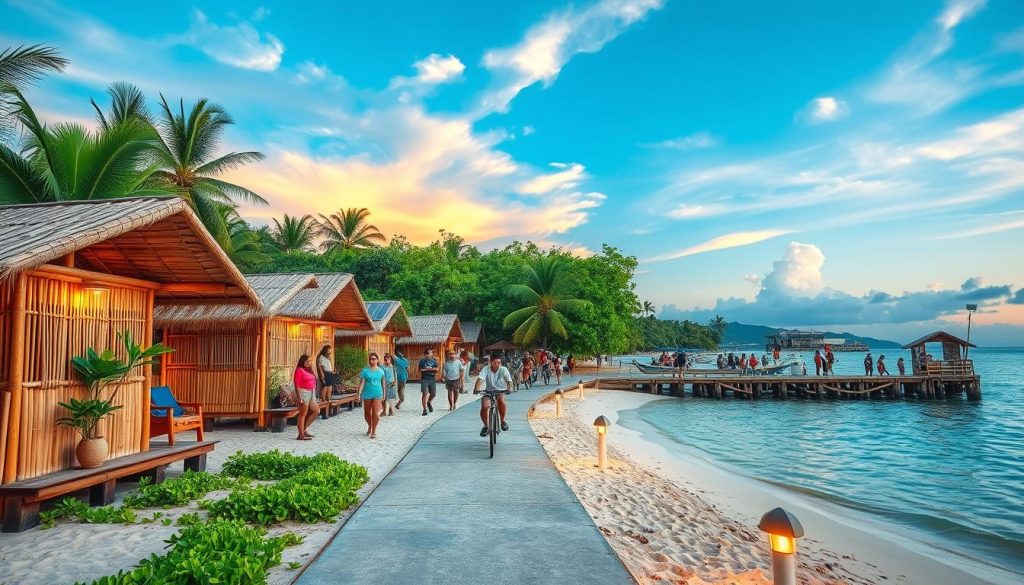
Sustainable tourism in Boracay is at risk. The island, a top travel spot, draws millions. In 2017, about 2 million international tourists visited. This puts pressure on Boracay’s resources, raising environmental conservation worries.
Local businesses face tough rules. Recently, about 800 environmental violations were found. This led to the closure of 300 businesses by the Department of Natural Resources and Environment. These issues reveal gaps in management and harm Boracay’s natural areas.
Too many tourists come to Boracay. The tourist-to-local ratio is 1 to 66. Waste has surged, with people producing three times more trash than in Manila. Water use is also a concern, with tourists using a lot more water than locals.
The tourism sector adds 5% to global carbon emissions. Travel makes up 4% and accommodations 1%. As visits increase, the harm to the environment grows. In Boracay, 34% of tourism businesses are in transport, and 28.25% in housing. So, it’s important to make these industries sustainable.
For Boracay to sustain tourism, it must tackle regulatory, environmental, and capacity issues. Without quick action and teamwork, the damage to nature and the tourism sector will worsen.
| Challenge | Description | Impact on Tourism |
|---|---|---|
| Regulatory Compliance | Issues in enforcing environmental laws | Contributes to pollution and biodiversity loss |
| Overcapacity | High tourist-to-resident ratio | Strains local resources and infrastructure |
| Waste Generation | Increased waste output compared to Manila | Environmental degradation and increased clean-up costs |
| Water Consumption | High water usage per tourist | Depletes local water supply |
| Carbon Emissions | Tourism contributes to global emissions | Impacts climate change and local weather patterns |
Conclusion
Reflecting on this guide shows how crucial sustainable tourism is for Boracay. It’s not just important but necessary to preserve its beauty and support local communities. This destination, famous for over 2 million annual tourists, faces key challenges. We need responsible action from everyone.
By choosing eco-friendly travel in Boracay, you become a key player in protecting this special place. With 66 tourists to every resident, the need for mindful tourism is clear. Issues like water quality and coral damage highlight this. Your choice to travel sustainably helps both the environment and local communities.
When governments, businesses, locals, and travelers work together, Boracay can remain loved and protected. Its future is in our hands. Choosing to travel with awareness is how we keep Boracay a paradise for all who follow.





