Backpacking Trails near Denali National Park Guide
Ever wondered what’s hidden beyond Denali National Park’s main paths? This park has six million acres of untouched wilderness, perfect for those who love outdoor adventures. The backpacking trails near Denali National Park are a dream for hikers. This guide will cover everything you need to know to explore these trails. You’ll learn about planning your trip and the park’s stunning landscapes. Get ready to discover one of America’s most beautiful natural spots.
Introduction to Backpacking in Denali
Denali offers an unmatched experience for those into Denali backpacking. Its vast landscape invites adventurers to dive deep into the wild. Unlike other parks, Denali doesn’t have maintained trails. Instead, it offers unmarked wilderness hiking paths. This lets hikers create their own hiking routes and connect deeply with the stunning nature around them.
Getting ready is crucial for a successful trip. Choosing the right gear, getting in shape, and knowing the environment are key. These steps will make your trip both fun and safe. The adventure here is about discovery and pushing your limits in a remote area.
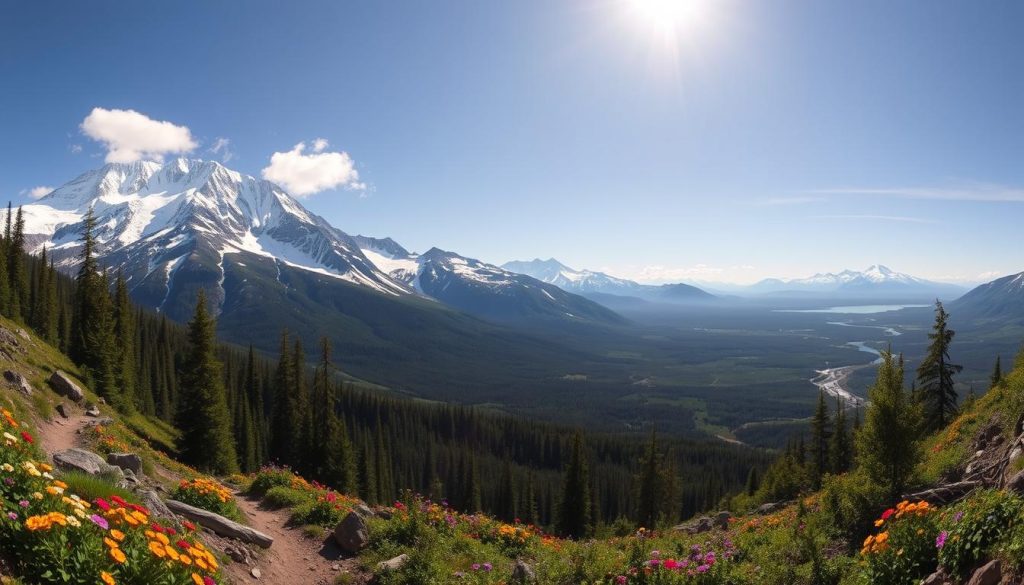
Starting your backcountry trip, remember to soak in Denali’s spirit. It’s not just about hiking. It’s about connecting with nature in one of America’s wildest spots. Get ready to explore a world where every step reveals stunning views and endless adventure.
Understanding the Denali National Park Landscape
Exploring Denali National Park lets you dive into its stunning geography and diverse ecosystems. This makes your adventure more meaningful and enjoyable.
Geography and Size of the Park
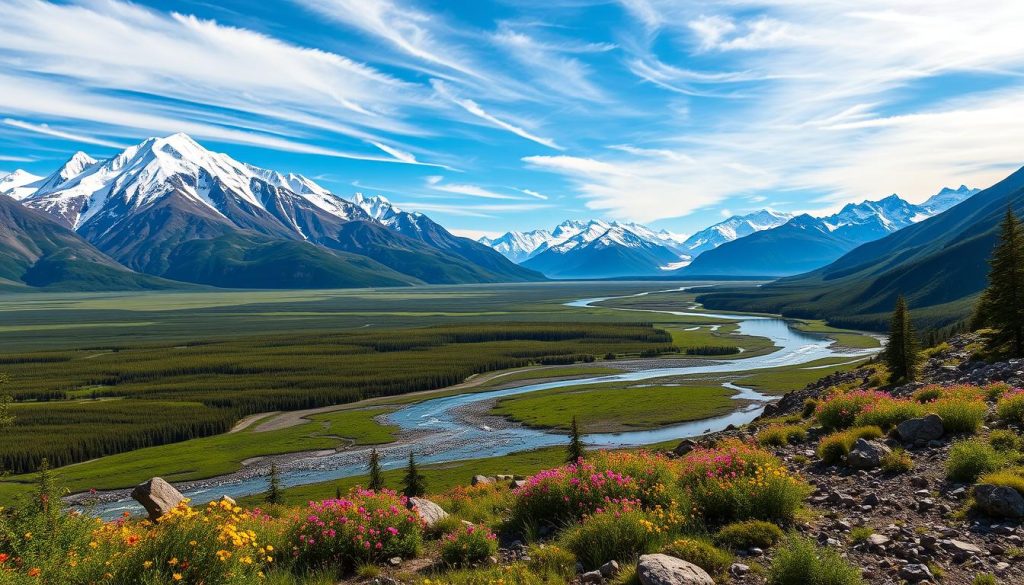
Denali National Park is huge, almost as big as Vermont. It’s filled with mountains, tundra, and glaciers. These features offer beautiful views that will amaze you.
When you walk the trails near the park’s entrance, you’ll see sights that are truly breathtaking. It’s an experience you won’t forget.
Unique Ecosystems Within Denali
The park is home to many different ecosystems, each full of life. You’ll find everything from forests to wetlands. These places support a wide variety of wildlife.
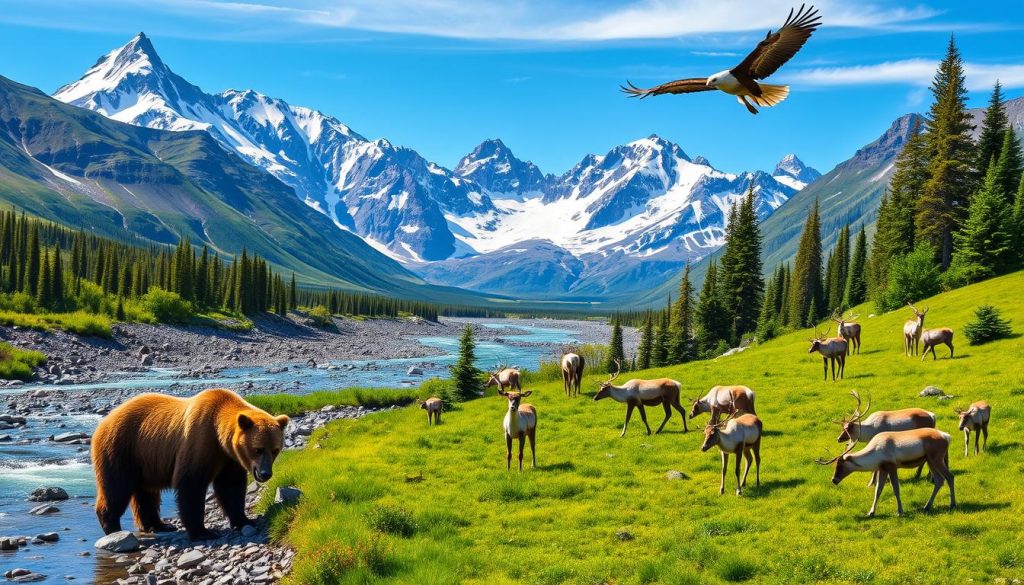
You might see moose, grizzly bears, and wolves on the trails. Learning about these ecosystems makes your hike more special. It helps you connect with nature on a deeper level.
Backcountry Permits: Your Gateway to Adventure
Getting a Denali backcountry permit is key for exploring the park’s stunning wilderness. This permit is free but needed for overnight stays. Visit the Backcountry Information Center in person a day before your trip. From mid-May to late September, you can get permits for the day or the next. Even in winter, you can get permits at the visitor center.
Knowing about the permit system helps with planning. This is important because there are limits on visitors in some areas.
Obtaining a Backcountry Permit
Make sure all in your group are there to get the Denali backcountry permit. This process stresses the importance of planning and knowing the rules. It makes sure your trip follows park guidelines. Following these rules protects the environment and makes your trip better.
Orientation and Regulations
Going to a backcountry orientation is a must before getting your permit. It’s important to know the park’s rules and what you need to do. You’ll learn about:
- Navigating the tough terrain of Denali
- Following Leave No Trace principles
- Using bear-resistant food containers
The backcountry orientation focuses on safety and responsibility. It sets the stage for a great adventure. Being informed helps you have a safe and unforgettable time in the wilderness.
Seasonal Considerations for Backpacking
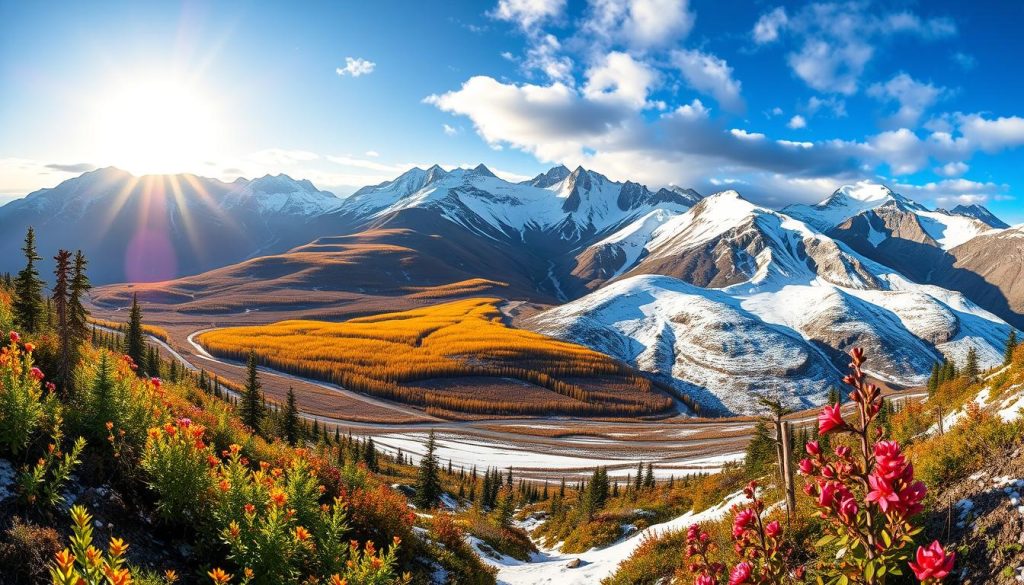
Planning your Denali National Park adventure means knowing when to go. The best months for backpacking are from mid-June to mid-August. This period offers easier hiking due to better weather. But, remember, the weather can change anytime.
Best Months to Visit
Picking the right time makes a big difference. The peak season brings warmer weather and longer days. Backpackers can look forward to:
- Mid-June: Wildflowers bloom, and trails open up.
- July: The warmest month with long days, perfect for hiking.
- Mid-August: Temperatures drop, but hiking is still good.
Weather Factors to Consider
Denali’s weather is hard to predict. Knowing about the weather helps you adapt. You might see:
- Weather changes fast, from sun to storms.
- Snow in high places early in the season.
- Temperatures go up and down, so dress in layers.
Packing right gets you ready for any condition. A good plan makes your trip safe and unforgettable in this beautiful place.
Planning Your Backpacking Itinerary
Planning your hiking route in Denali is key to a great adventure. It’s important to know your skill level to pick the right trails. Each trail in the backcountry has its own challenges and rewards.
Choosing Your Route Based on Skill Level
Denali has trails for everyone, from easy walks to tough backcountry hikes. Knowing your hiking skills helps you pick the best route. Think about these things:
- Experience: Are you a beginner or an advanced backpacker?
- Physical Condition: Can you carry a heavy pack over long distances?
- Navigation Skills: How good are you with maps and compasses?
Understanding these will help you pick a route that fits your skills and makes the trip fun.
Estimating Travel Distance in Rugged Terrain
It’s important to estimate travel distance in Denali’s tough terrain. The landscape can change how far seems to be. For example, a 10-mile trail might feel like 1-2 miles when you’re off the beaten path. Consider these factors:
- Elevation Changes: Going up steep hills can slow you down.
- Weather Conditions: Weather can change quickly, affecting visibility and access.
- Trail Conditions: Trails can be rocky or wet, making them harder to walk.
Thinking about these things helps you plan your day and stay safe. Knowing the distance lets you enjoy the views and the beauty of Denali.
Backpacking Trails near Denali National Park
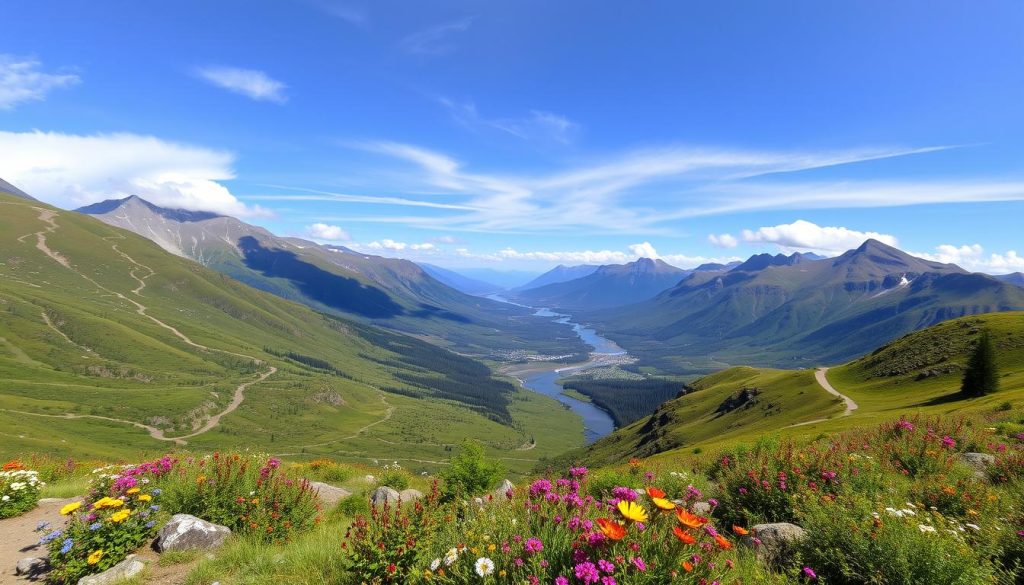
Exploring the Denali trails is an unforgettable adventure for those who love the outdoors. These trails offer a variety of paths for all skill levels. Each trail takes you through stunning scenery, lets you see wildlife, and shows off the park’s unique geology. Choosing the right trail is key to a great backpacking trip.
Overview of Trails Available
The trails at Denali vary in difficulty, so there’s something for everyone. Near the park entrance, you’ll find popular trails like:
- Mount Healy Overlook Trail
- Savage River Loop Trail
- Talkeetna Lakes State Park Trails
These trails are well-kept and offer amazing views of Denali’s wild beauty. They’re perfect for your hiking adventures.
Access Points and Trail Head Information
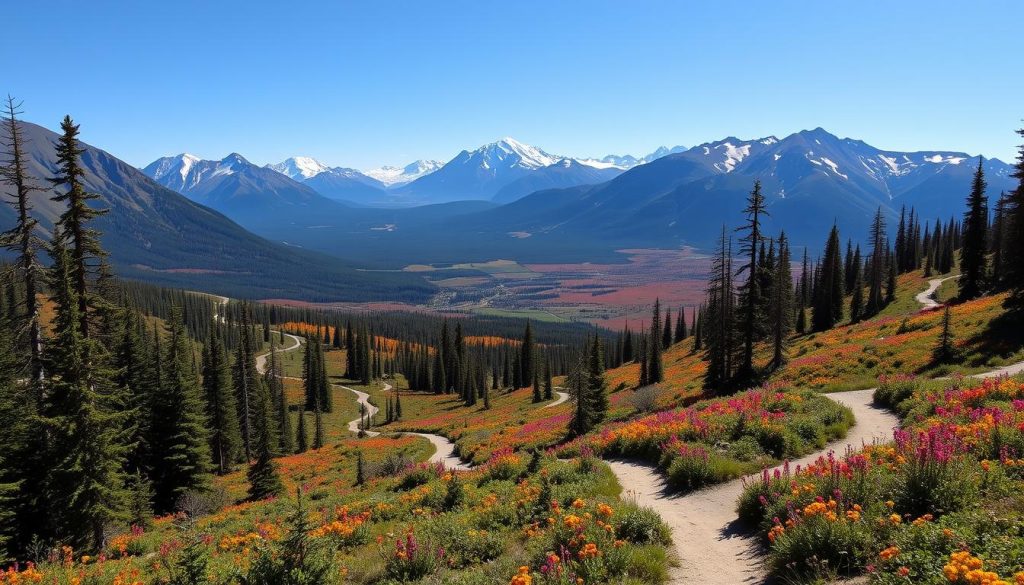
It’s important to know where to start your hike at Denali. Most trails start along the park road, with shuttle stops for easy access. The trail heads are clearly marked, making it easy to find your way. Getting familiar with the map will make your trip smoother and more fun.
| Trail Name | Difficulty Level | Access Point | Distance |
|---|---|---|---|
| Mount Healy Overlook Trail | Moderate | Healy Overlook Trailhead | 5 miles round trip |
| Savage River Loop Trail | Easy | Savage River Campground | 2 miles loop |
| Talkeetna Lakes State Park Trails | Easy to Moderate | Talkeetna Lakes State Park Entrance | Varied, up to 10 miles |
Guided vs. Self-Guided Backpacking Trips
Choosing between guided and self-guided backpacking trips is a big decision. It affects your experience, especially in places like Denali. Each option has its own pros and cons.
Pros and Cons of Guided Adventures
Guided trips offer many benefits. Guides share their local knowledge, ensuring you stay safe and have fun. Here are some main points to consider:
- Pros:
- Access to local knowledge and trail tips
- Enhanced safety with professional support
- Structured itineraries for a straightforward experience
- Cons:
- Generally higher costs compared to self-guided options
- Less flexibility in altering your plans
- Group dynamics may not suit everyone
Self-Guided Tips for Safety and Success
Self-guided trips offer freedom and adventure. But, they require careful planning. Here are some tips for success:
- Research and familiarize yourself with the routes and terrain.
- Equip yourself with reliable maps and GPS devices.
- Pack a first aid kit and ensure your gear is suitable for varying weather conditions.
- Consider sharing your itinerary with someone for added safety.
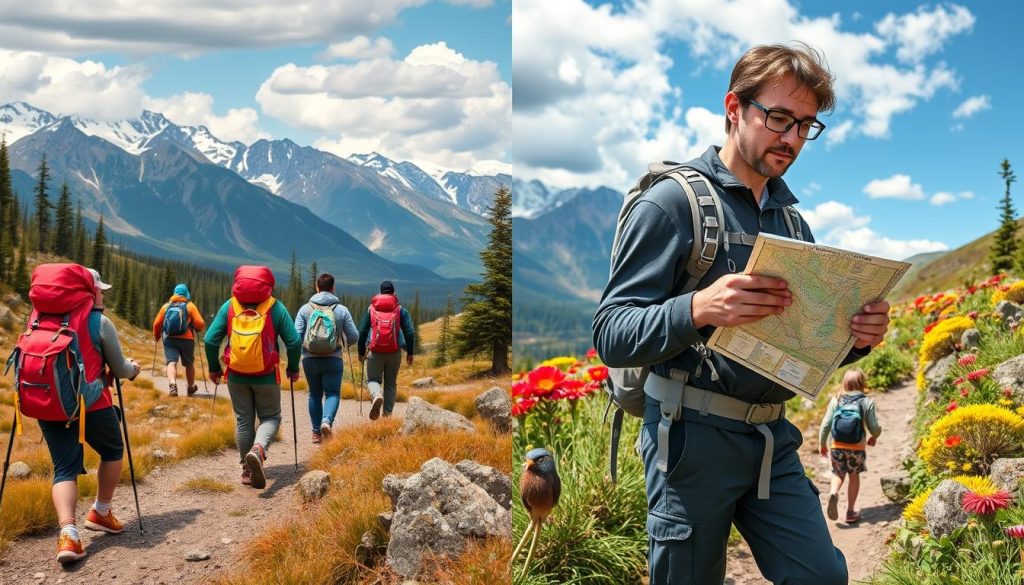
Following these tips will make your backpacking in Denali rewarding and safe. It doesn’t matter if you choose guided or self-guided.
Essential Gear for Backpacking in Alaska
Success in the Alaskan wilderness depends on the right gear. Choosing top-notch hiking equipment is key for comfort and safety. You’ll need a strong tent, a good sleeping system, cooking gear, and waterproof clothes for the unpredictable weather. Knowing what gear to bring can make your trip better as you tackle Alaska’s tough terrain.
Must-Have Equipment and Clothing
Choosing the right gear is crucial for your adventure. Here’s a list of must-haves:
- Durable tent that withstands wind and rain
- Sleeping bag rated for cold weather
- Insulated sleeping pad for added comfort
- Sturdy hiking boots designed for rugged trails
- Waterproof jacket and pants for rain protection
- Cookware, including portable stove and utensils
- First-aid kit for emergencies
- Navigation tools like a map and compass
Planning for Food and Supplies
Planning your food is key for an overnight trip. Keep these points in mind:
- Cache supplies when permitted, ensuring a reliable food source
- Use bear-resistant containers to protect your supplies
- Pack nutritious, lightweight food options such as dehydrated meals and energy bars
- Stay hydrated by carrying a water filter or purification tablets
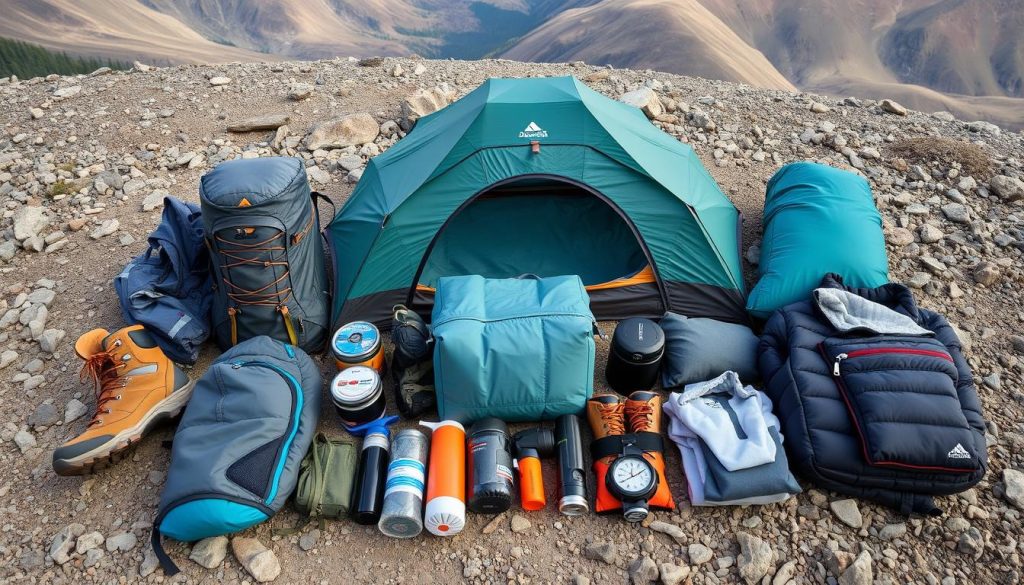
With the right gear and careful planning for food and supplies, your time in Alaska’s wilderness can be both fun and safe.
| Item | Purpose | Recommended Brands |
|---|---|---|
| Tent | Protection from elements | Big Agnes, REI |
| Sleeping Bag | Warmth during the night | Kelty, Marmot |
| Cooking Supplies | Meal preparation | MSR, GSI Outdoors |
| Water Filtration | Safe drinking water | Sawyer, Katadyn |
Unique Wildlife and Wilderness Safety
Denali National Park is a special place where you can see amazing wildlife on your hikes. You’ll find animals like grizzly bears, moose, and many bird species. It’s important to know about Denali wildlife to stay safe and protect the animals. Watching wildlife from far away helps keep their natural behavior and homes safe, which is good for nature.
Understanding and Respecting the Wildlife
Knowing about wildlife helps make your visit better and keeps you safe. Always keep a good distance from the animals. Learn how to stay safe around bears. It’s key to use bear spray and keep your food away from animals.
Safety Tips for Backpackers in Denali
Keeping safe is key to having a great time in the wild. Here are some tips for staying safe:
- Carry a first aid kit with important items for treating injuries.
- Know about local dangers, like crossing rivers and meeting wildlife.
- Watch out for sudden weather changes that could affect your hike.
- Have a plan for communicating with your hiking friends.
- Walk with a buddy or group for extra safety.
Transportation Options to Access Denali
Getting to Denali National Park starts before you step foot on the trails. Knowing how to get there is key for a great trip. You can choose from driving or public transport to Denali, each with its own benefits.
Driving to the Park
Driving is a popular way to get to Denali. You can start from Anchorage or Fairbanks, using two main highways. This way, you can stop whenever you want to see more of Alaska’s beauty. Just be ready for changing conditions and plan your route well.
Public Transport and Other Alternatives
If driving isn’t for you, there are other ways to get to Denali. Buses like the Alaska Railroad and local shuttles offer easy rides. These options save you the trouble of driving and let you enjoy the park more. Planning ahead with your transport will enhance your Denali trip.