Alexandria vs Luxor: Best City for History Buffs
Planning a trip to Egypt for history lovers means picking between Alexandria and Luxor. Each city has a deep history and lots of sites to explore. But, which one offers the best dive into Egypt’s ancient stories?
Many think Luxor is Egypt’s top spot for history. But Alexandria has hidden wonders that might surprise you. This article will show you why Alexandria could rival Luxor’s fame for its past.
We’re about to uncover ancient wonders, famous landmarks, and architectural marvels. Let’s find out which city is best for history fans. Get ready for an unforgettable journey through time as we pit Alexandria against Luxor.
Exploring Ancient Wonders
Alexandria and Luxor are full of ancient sites. These places catch the eye of visitors worldwide. They show Egypt’s rich history and draw in those wanting a cultural trip.
In Alexandria, the Citadel of Qaitbay from the 15th century shows the city’s connection to the sea. Another key site is the Catacombs of Kom El Shoqafa. This underground site mixes Greco-Roman and Egyptian designs. These spots in Alexandria let you peek into the past and attract tourists.
Luxor is like an open-air museum with its breath-taking landmarks. The Karnak Temple Complex is famous for its grand pillars. The Valley of the Kings is where pharaohs like Tutankhamun are buried. These must-see places in Luxor give you a closer look at Egypt’s ancient glory.
“The wealth of ancient sites in both Alexandria and Luxor is truly remarkable. From fortress-citadels to burial grounds of pharaohs, these destinations offer an extraordinary journey through time.” – Egypt Travel Magazine
Exploring these wonders, you’ll be amazed by the architecture and historical importance. You’ll learn more about Egypt’s cultural heritage. Whether walking through Alexandria or Luxor, these sites will make you marvel at the past’s achievements.
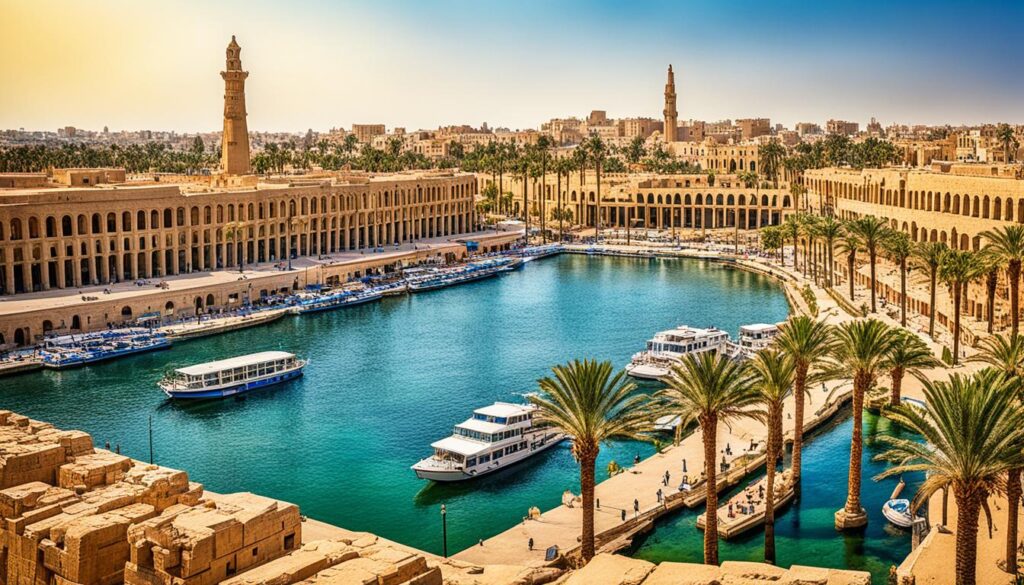
| Alexandria | Luxor |
|---|---|
| Citadel of Qaitbay | Karnak Temple Complex |
| Catacombs of Kom El Shoqafa | Valley of the Kings |
Alexandria: Gateway to Egypt’s Past
Alexandria is a key to unlocking Egypt’s rich history. It sits on the Mediterranean coast and is filled with landmarks. These sites show its historical importance. They draw in people who love history.
The Qaitbay Citadel
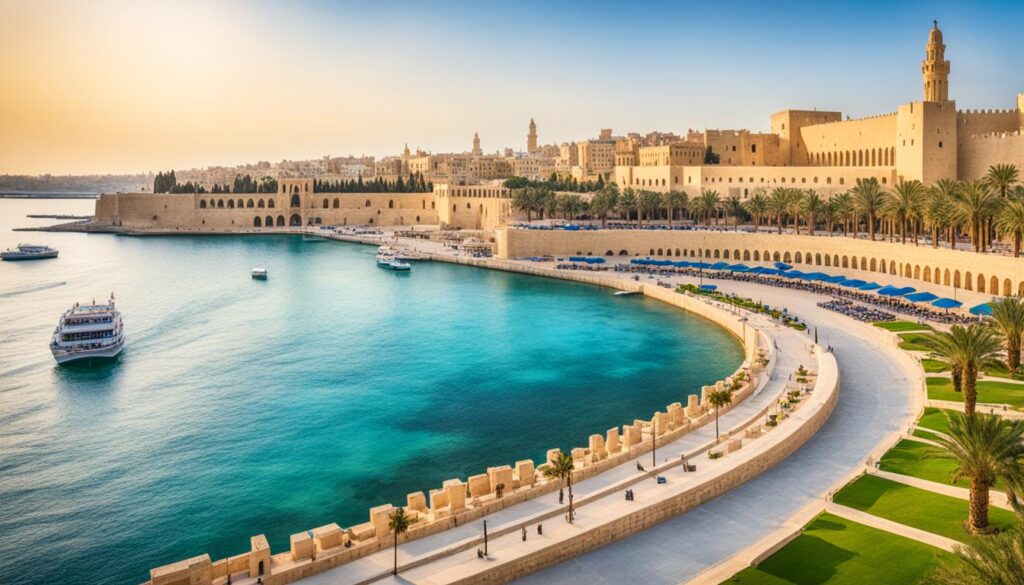
The Qaitbay Citadel is a famous spot in Alexandria. Built in the 15th century, this fortress shows the city’s sea history. It’s on Pharos Island’s eastern tip. Here, visitors can see the Mediterranean Sea in all its glory.
The Catacombs of Kom El Shoqafa
These catacombs date back to the 2nd century AD. They show how Egyptian, Greek, and Roman cultures blended. Going down, you’ll see art that highlights Alexandria’s diverse past.
Cleopatra’s Palace
Visiting Cleopatra’s Palace is a must in Alexandria. It’s in the city’s center and shows ancient Egypt’s luxury. Even though it’s underwater, the palace still fascinates those who explore it. It offers a peek into Cleopatra’s life.
Ancient Alexandria Library
The Ancient Alexandria Library, also known as the Bibliotheca Alexandrina, is amazing. It celebrates Alexandria’s role in history as a center of learning. This building occupies the same spot as the ancient world’s great library.
The landmarks of Alexandria are key to Egypt’s history. Visiting them lets you look back in time. You’ll learn about Alexandria’s past and its cultural mix.
Luxor: The Ancient Egyptian Capital
Our journey through Egypt’s historical sites brings us to Luxor, once the ancient Egyptian capital. It’s full of tourist spots allowing visitors to uncover its rich past.
The Karnak Temple Complex is a highlight in Luxor, boasting temples and shrines for various gods. Its magnificent structures display ancient Egyptian artistry. Walking among the giant pillars and detailed engravings, one feels as though they’ve stepped into the pharaohs’ era.
Exploring the Valley of the Kings is essential when in Luxor. This burial site hosts pharaohs and nobles from the New Kingdom era. The tombs, with beautiful paintings and hieroglyphs, offer a peek into ancient Egyptian death customs.
“Luxor is a living testament to the glory and grandeur of ancient Egypt. Its temples and tombs offer a glimpse into the rich history and cultural heritage of this remarkable civilization.” – Egyptologist Dr. Amina Khalil
The Luxor Temple is another site you shouldn’t miss. It’s known for its huge statues and obelisks. These elements highlight Luxor’s importance in ancient times.
For a unique experience, walk along the Avenue of Sphinxes, linking Luxor Temple with Karnak. The path is lined with sphinx statues, creating a mystical feel.

Visiting the Luxor Museum will deepen your appreciation for the city’s history. It features a rich collection of ancient artifacts, such as statues, jewelry, and mummies.
Luxor is a showcase of ancient Egypt’s lasting legacy, with its temples, tombs, and museums. Embarking on this historical adventure offers a deep dive into the lives of pharaohs and deities.
Architectural Marvels in Alexandria
Alexandria is famous for its rich history and lively culture. It is a top spot for those who love history. The city is full of stunning buildings that take you back in time and show its grand past.
The Qaitbay Citadel is a famous fortress built in the 15th century. It provides amazing views of the Mediterranean Sea and shows Alexandria’s history of sea exploration. Its perfect location and detailed architecture make it a hit with history buffs.
The Montaza Palace is another gem in Alexandria. It is a royal home surrounded by beautiful gardens and faces the Mediterranean. Built in the early 20th century, it mixes Ottoman and Florentine styles. It’s not just a building, but a peek into the life of Egypt’s royals.
You should also see Pompey’s Pillar. It’s a big granite column from old Alexandria, standing 27 meters tall. It was likely made to honor Emperor Diocletian. Its grand look and detailed carvings impress all who see it.
No visit to Alexandria is complete without seeing the Bibliotheca Alexandrina. This new marvel honors the ancient Library of Alexandria. It has tons of books, scripts, and online stuff. It shines as a light of knowledge and shows Alexandria’s love for learning.
Alexandria’s buildings highlight its deep history and culture. From old forts and palaces to big columns and new libraries, each place has its own tale. Take a trip back in time and enjoy the beauty of Alexandria’s buildings.

Alexandria Architectural Marvels
| Architectural Marvel | Description |
|---|---|
| Qaitbay Citadel | An impressive fortress built in the 15th century, offering panoramic views of the Mediterranean Sea. |
| Montaza Palace | A royal residence with a unique blend of Ottoman and Florentine architectural styles. |
| Pompey’s Pillar | A towering granite column that stands as a solitary monument from the ancient city of Alexandria. |
| Bibliotheca Alexandrina | A modern architectural wonder housing a vast collection of books and digital resources. |
Temples and Tombs of Luxor
Luxor was the ancient Egyptian capital. It is filled with temples and tombs that history lovers will adore on a historical trip. These structures show the architectural genius of ancient Egypt. They also offer a look into the culture and beliefs of that time.
The Karnak Temple Complex is a famous temple in Luxor. It shows the power and dreams of the pharaohs. Walking through its ancient halls and tall columns, you feel like you’ve stepped back in time.

The Valley of the Kings is perfect for those fascinated by royal tombs. It’s where pharaohs like Tutankhamun and Ramses II were buried. The tombs’ carvings and murals show ancient Egyptian beliefs about the afterlife.
Visiting Luxor’s temples and tombs is like a trip through time. It uncovers the secrets of a civilization that still intrigues the world.
The Luxor Temple is another great site. It was made for kingship celebration and god worship. Its grand pylons, giant statues, and detailed inscriptions show ancient Egyptian beauty.
The Temple of Hatshepsut is an architectural wonder. It was built for the female pharaoh Hatshepsut. Its terraced layout and reliefs about Hatshepsut’s achievements are breathtaking.
In Luxor, each temple and tomb helps you understand ancient Egypt’s history and culture better. These buildings link us to a civilization that has impacted our world greatly.
Alexandria vs Luxor: Museums and Cultural Institutions
Both Alexandria and Luxor are packed with museums that dive deep into Egypt’s history. These cities offer a chance to explore vast collections. Here, history fans and curious souls can find fascinating exhibits and rare artifacts.
Alexandria: A Cultural Haven
Alexandria is famed for its mix of Hellenistic and Roman history. It’s home to the Alexandria National Museum, set in an old palace. This museum has artifacts from ancient Egyptian to Islamic times. It offers a deep dive into Alexandria’s history through well-planned exhibits.
The Bibliotheca Alexandrina is another gem in Alexandria. It’s a nod to the ancient Library of Alexandria. You can see ancient texts, attend lectures, and enjoy performances in modern theaters here.
“Alexandria’s museums and cultural institutions are gateways to the city’s captivating history, offering visitors a chance to walk in the footsteps of ancient civilizations.” – Local Alexandria Historian
Luxor: The Jewel of Ancient Egypt
Luxor is often called the greatest open-air museum. The Luxor Museum is filled with ancient artifacts and statues. Must-sees include Amenhotep III’s statues and Rameses I’s mummy.
The Mummification Museum is unique. It offers an insight into the mummification process. You’ll see mummified remains and the tools used for embalming.
Alexandria vs Luxor: A Cultural Showdown
Alexandria and Luxor both offer rich, unique experiences. Alexandria has a blend of influences, including ancient Egyptian, Hellenistic, and Roman. Luxor focuses on ancient Egyptian civilization’s grandeur.
Let’s compare some key aspects of each city:
| Alexandria | Luxor |
|---|---|
| The Alexandria National Museum presents artifacts from different times, showing the city’s history. | The Luxor Museum showcases specific treasures found near Luxor, offering a focused experience. |
| The Bibliotheca Alexandrina promotes learning and cultural exchange with its vast library and events. | The Mummification Museum in Luxor explains ancient Egyptian funeral rituals and mummification. |
| Alexandria’s Greco-Roman Museum displays Egyptian and Greek culture mixing during the Hellenistic period. | Near Luxor, the Karnak Temples Complex is an open-air museum with temples, statues, and obelisks. |
Choosing between Alexandria and Luxor for a historical trip means immersing in Egypt’s storied past. Both cities’ museums and cultural spots promise captivating experiences.
The Maritime Heritage of Alexandria
Alexandria’s history is deeply linked to the sea. This ancient city on Egypt’s coast boasts a rich maritime heritage. By exploring Alexandria, you dive into stories of its sea connections.
The Alexandria Lighthouse is famous. Known as the Pharos of Alexandria, it was built in the 3rd century BC. It was a marvel, one of the Seven Wonders of the Ancient World. Though it’s gone, the site reminds us of Alexandria’s ancient maritime importance.
The Catacombs of Kom El Shoqafa offer another glimpse into the past. These 2nd-century AD tombs mix Egyptian, Greek, and Roman designs. They highlight Alexandria’s diverse influences and its role as a Mediterranean trade center.
“Alexandria’s maritime heritage is crucial to its story and identity. Visiting its maritime sites helps understand its ancient significance as a sea power.”
The Alexandria National Museum is filled with maritime history. It has artifacts showing Alexandria’s seafaring traditions, shipbuilding skills, and nautical tools.
A walk along Alexandria’s Corniche offers beautiful Mediterranean views. This popular promenade is a constant reminder of the city’s love for the sea.
Discovering Alexandria’s maritime heritage gives a new perspective on its history. The legacy of the Lighthouse, the catacombs, and the Corniche today, all paint a complete picture of Alexandria’s historical bond with the sea.
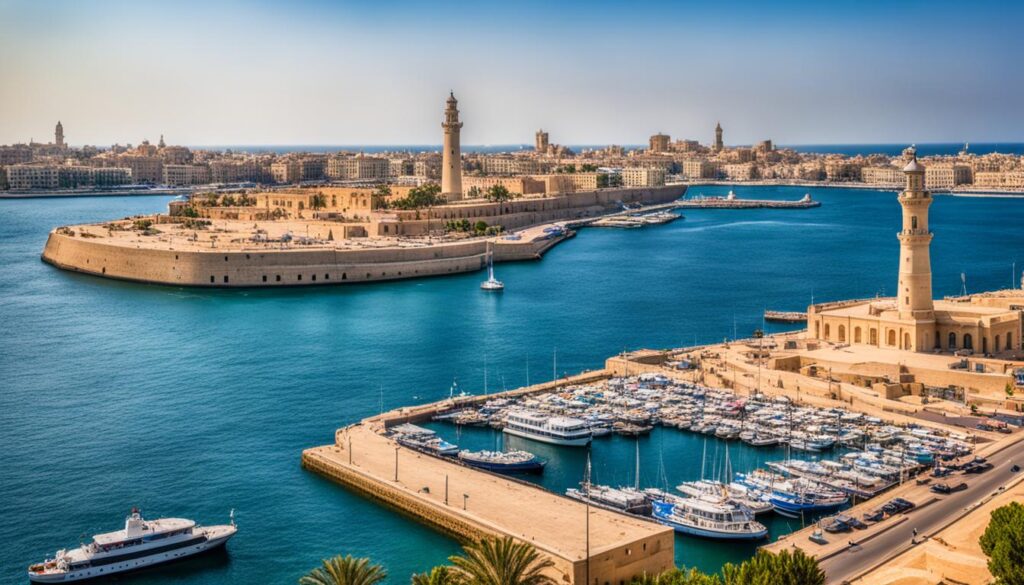
Alexandria, with its sea charm and rich history, is a top spot for history buffs and anyone wanting to explore Egypt’s fascinating past.
Luxor: A Journey Along the Nile
Take a captivating journey in Luxor, a city of great history in Egypt. The Nile, called the “lifeblood of Egypt,” was a key source of life. It was also a symbol of deep spiritual meaning in ancient Egypt.
Traveling on the Nile’s serene waters, you’ll find many historic sites. These landmarks tell Luxor’s proud history. From great temples to fascinating tombs, each place on the river has its own story to share.
“The Nile, a river that runs through both time and civilization, has shaped the history of Luxor and continues to captivate visitors with its awe-inspiring beauty.”
Uncovering Ancient Treasures
The Karnak Temple Complex is a landmark you must see. Built over centuries, this complex was for the mightiest Egyptian gods. With its tall columns and the Avenue of Sphinxes, it shows the architectural wonders awaiting you.
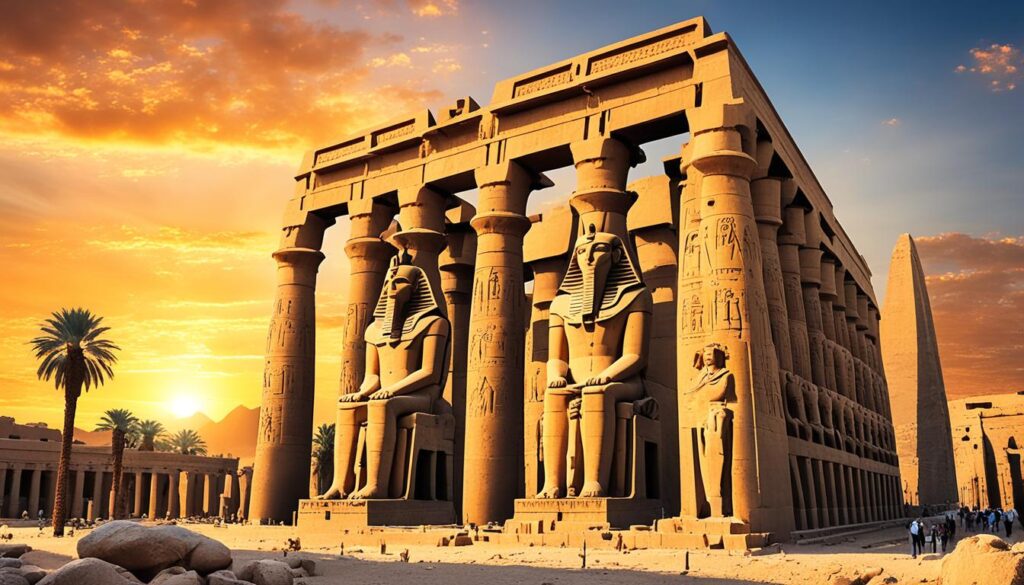
Further down the Nile, you’ll find the Luxor Temple. It merges ancient Egyptian and Greek styles. The giant statues of Ramses II and detailed pylons show the era’s skill.
An Unforgettable Cultural Experience
Don’t skip the Valley of the Queens on your Nile voyage. Here, queens and royal children were buried. Inside, beautiful paintings and hieroglyphs reveal their prestigious lives. Visit the Mortuary Temple of Hatshepsut too, highlighting powerful women in ancient Egypt.
End your Nile journey in Luxor at the Colossi of Memnon. These giant statues guard a vanished temple, reminding us of the city’s grand history.
Exploring Luxor’s historic sites along the Nile deepens your appreciation for Egypt’s history. Each place’s beauty and meaning will leave a lastimg impression on your journey.
Alexandria’s Royal Past
Alexandria’s royal history offers a deep glimpse into ancient Egyptian heritage. It’s a city full of tourist spots tied to ancient Egyptian royalty. These spots offer a unique and immersive historical adventure.
The Montaza Palace is a key landmark in Alexandria, once a summer home for the royal family. Nestled among stunning gardens by the Mediterranean, the palace shows off splendid architecture and lush interiors. They mirror the luxury of Alexandria’s royal past.
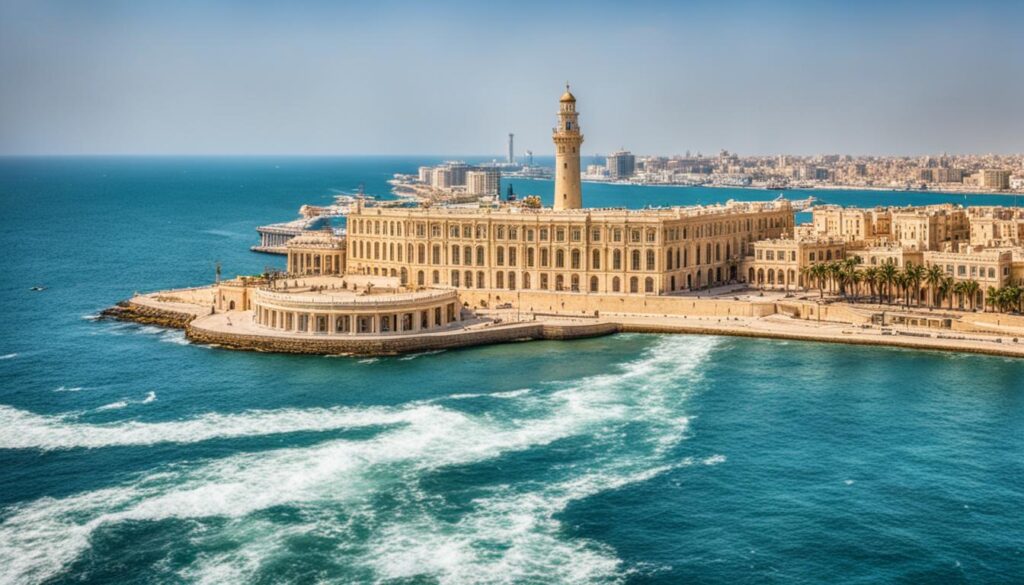
The Citadel of Qaitbay is another important site, built in the 15th century by Sultan Al-Ashraf Qaitbay. It stands where the legendary Pharos Lighthouse once did. This lighthouse was one of the Ancient World’s Seven Wonders, highlighting Alexandria’s sea power in the Hellenistic period.
“Exploring the Citadel of Qaitbay is truly awe-inspiring. It sits where the grand Pharos Lighthouse was. You feel surrounded by ancient royalty and imagine the splendor of this once bustling city.” – Local tour guide
The Catacombs of Kom El Shoqafa are a site you can’t miss in Alexandria. This ancient burial spot displays a mix of Egyptian, Greek, and Roman designs. It’s a testament to the varied cultures that influenced Alexandria. Go underground to see amazing carvings and ancient Egyptian burial customs.
Historical Sites in Alexandria
| Historical Site | Description |
|---|---|
| Montaza Palace | A former royal residence with stunning architecture and picturesque gardens. |
| Citadel of Qaitbay | A fortress built on the site of the legendary Pharos Lighthouse, offering panoramic views of the city. |
| Catacombs of Kom El Shoqafa | Underground burial chambers showcasing a blend of Egyptian, Greek, and Roman architectural styles. |
Exploring Alexandria’s historical sites is crucial for understanding its royal past. Magnificent palaces and ancient burial sites offer a glimpse into its rich history, culture, and architecture. They make Alexandria a city that captivates all who visit it.
Luxor: The Valley of the Kings
Luxor is a top spot for history lovers. It is known for the Valley of the Kings, which attracts people from all over. This place lets you dive deep into history.
The Valley of the Kings lies on the River Nile’s west bank, opposite modern-day Luxor. It was where many pharaohs, like Tutankhamun, were buried. It’s a significant historical site.
Over 60 tombs are found here, filled with ancient art and writings. These tombs offer a peek into the beliefs and customs of ancient Egypt. They show the civilization’s splendor and power.
“The Valley of the Kings is a treasure trove of ancient Egyptian history. Exploring the tombs and witnessing the intricate designs is a truly awe-inspiring experience.” – Traveler Review
Tutankhamun’s tomb is among the famous sites here. Howard Carter found it in 1922, unveiling many ancient treasures. This includes Tutankhamun’s famous golden mask. Visiting feels like tracing the steps of past archaeologists.
You will also see tombs for Ramses II and Seti I. Each tomb has its own story. They show the incredible skill of ancient Egyptian crafters.
Walking through the Valley of the Kings is like traveling back in time. You’ll be amazed by the ancient Egyptians’ artworks, colors, and the tombs’ grandeur. It’s a journey into the heart of old Egypt.
Royal Connections and an Enthralling Experience
The Valley of the Kings shows Luxor’s royal heritage. It offers a unique historical adventure. This place highlights the pharaohs’ riches and helps us learn about ancient Egyptian culture.
For those passionate about history or intrigued by past wonders, visiting the Valley of the Kings is unforgettable. It’s a trip that will always be remembered.
Conclusion
After looking at the history of Alexandria and Luxor, we see both cities have special offerings for a history-themed trip.
Alexandria lets you dive into its rich architectural wonders and its sea-based heritage. Famous spots and museums here show off its kingly history, pulling in those who love learning about the past.
In contrast, Luxor, once Egypt’s capital, presents a path along the Nile. This path shows temples, tombs, and the famous Valley of the Kings. Luxor connects you more deeply with Egypt’s history and gives a unique view into ancient times.
Choosing between Alexandria and Luxor comes down to what you like and what you want to see. Each city has its own special sights and historical value. They are both key places for anyone wanting to explore Egypt’s rich history.