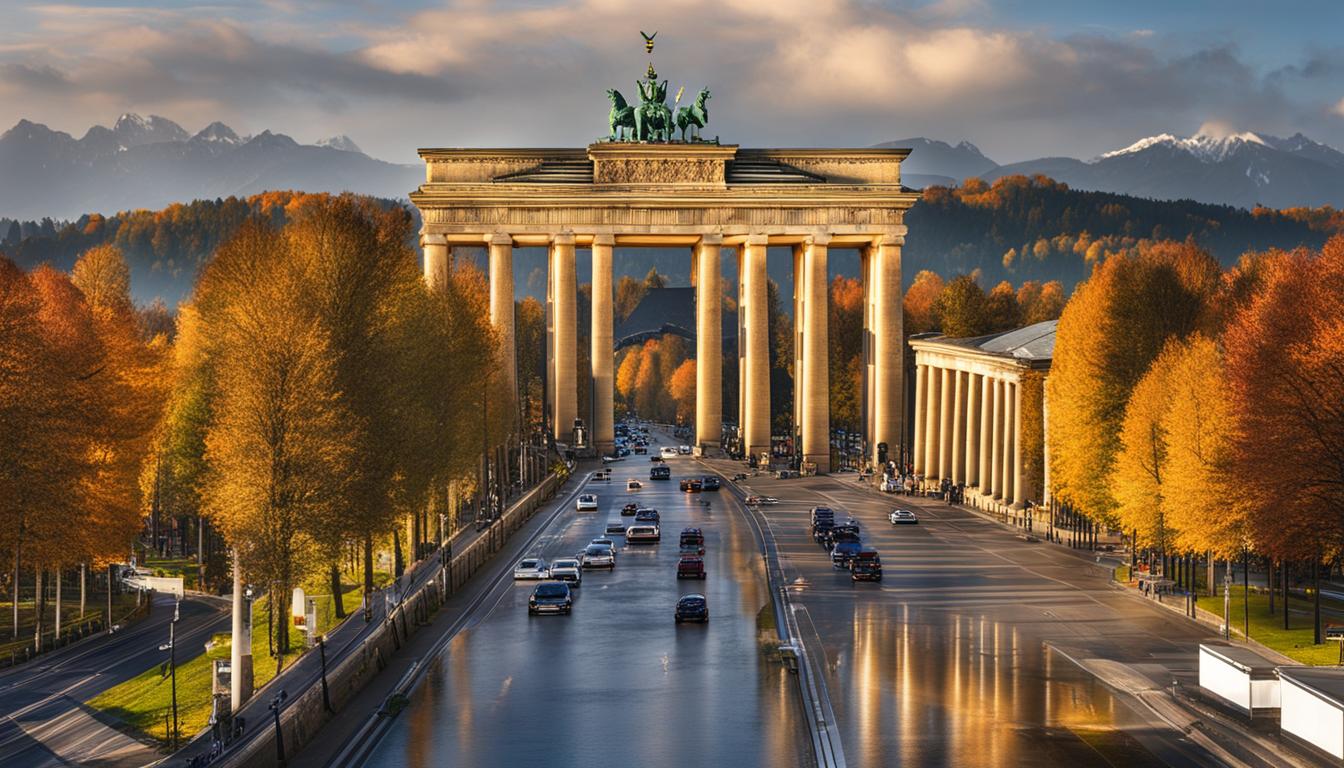
Discovering What is the Best Time of Year to Visit Germany?
Germany is a stunning country that offers a diverse range of experiences throughout the year. But what is the best time of year to visit Germany? That’s a question that requires careful consideration of several factors, including Germany weather, tourist seasons, and personal preferences. To help you plan your ideal German vacation, we’ve put together this guide with Germany travel tips and insights on the best time to visit based on your interests.
Whether you’re interested in exploring historical sites, attending cultural festivals, experiencing outdoor adventures or enjoying the colorful foliage, there’s a perfect time to visit Germany for you. The right time to visit also depends on your budget, as prices vary depending on the season. So, keep reading to learn more about Germany’s climate, tourist seasons, and hidden gems that can be uncovered in the off-peak seasons.
With this guide, you’ll be well-equipped to plan a memorable and fulfilling trip to Germany that aligns with your interests and travel preferences! So, let’s dive in and discover the best time to visit Germany.
Understanding Germany’s Climate and Weather Patterns
Germany’s climate and weather patterns vary greatly throughout the year, so it’s essential to understand the different seasons to choose the best time for your visit.
Summers in Germany are generally warm, with temperatures ranging from 70-80°F (21-27°C) in most regions. This makes it a great time to enjoy outdoor activities and sightseeing. However, keep in mind that summer is also the peak tourist season, so expect larger crowds and higher prices during this time.
Winter in Germany is cold, with temperatures ranging from 30-45°F (-1-7°C) in most regions. While the winter months can be a great time for indoor cultural activities, such as visiting museums or attending concerts, it’s also the season when many popular outdoor attractions are closed. The exception, of course, is the famous German Christmas markets, which draw millions of visitors each year.
Spring and autumn bring mild temperatures and beautiful scenery, making them great times to visit for those who prefer cooler weather and smaller crowds. Keep in mind that spring can be rainy, so be sure to pack accordingly. If you’re planning to visit Germany primarily for outdoor activities, the best time to go is likely from late spring to early autumn.
No matter when you plan your visit, it’s important to stay informed about Germany’s weather patterns so you can pack appropriately and make the most of your trip. You can check current weather conditions and forecasts online or through local news sources.
Best Time to Visit Germany for Sightseeing
If you’re planning to visit Germany for sightseeing, the best time to go is likely in the late spring or early autumn. During this time, the weather is generally mild, and the crowds are smaller than during the peak tourist season.
Additionally, visiting during the off-peak season often means lower prices for flights and accommodations, which can help you save money on your trip. Keep in mind that some seasonal attractions, such as Christmas markets or summer festivals, may be closed during these times. However, there are still plenty of museums, historical sites, and other cultural attractions to explore.
No matter when you visit, be sure to research and plan ahead to make the most of your time in Germany. With its rich history, vibrant culture, and stunning natural scenery, there’s always something new to discover.

Exploring Germany’s Tourist Seasons
Germany has a diverse set of tourist seasons with each season presenting its unique attractions and experiences. The decision of the best season to visit Germany largely rests on one’s preferences and interests. In this section, we will take a deeper dive into each season, highlighting what makes it special and help you decide the best time to visit based on your preferences.
Spring Season
Spring is a fantastic season to visit Germany, with milder temperatures and blooming flowers complementing the charm of magnificent landscapes. One of the highlights of spring is the country’s many festivals, including the world-famous Frühlingsfest (Spring Festival) in Munich, the Berlinale film festival, and the Tulip Festival held in Keukenhof, Netherlands.
If you love gardens and parks, this is the time to visit as they are in full bloom. You can also take a stroll through the countryside and enjoy the tranquil beauty of the spring.
Summer Season
The summer season in Germany is characterized by long days and warm weather, making it an ideal time for outdoor activities. Hiking, cycling, and swimming are highly popular activities during this season. The country’s many beaches, especially along the coast of the Baltic Sea, are filled with both locals and tourists swimming, sunbathing, and enjoying the refreshing sea breeze.
The summer season is also marked by music, sports, and cultural festivals such as the Munich Opera Festival and the Wagner Festival in Bayreuth. These festivals attract local and international visitors, providing insight into the country’s rich cultural heritage and traditions.
Winter Season
The winter season in Germany has its charm and is dominated by the festive atmosphere of Christmas markets. With glittering lights and a warm ambience, these markets offer an ideal opportunity to experience the country’s traditions, foods, and drinks. Most towns and cities have their Christmas markets, but some of the more famous ones include the Nuremberg Christmas market and the Striezelmarkt in Dresden.
Winter is also known for winter sports in Germany, with activities such as skiing and snowboarding available in the Alps, Harz Mountains, and other regions with snow-covered peaks.
Fall Season
The fall season in Germany is spectacular, with its lush and colorful foliage. It is the ideal season for cultural events, including the iconic Oktoberfest, which attracts millions of visitors annually. The season also offers a prime opportunity to sample some of the country’s world-renowned beers and wines, as well as the harvest of fresh fruits such as apples and grapes.
For those who love outdoor activities, the season offers excellent hiking opportunities through the countryside, as well as cycling in the cities. The weather is still warm enough to enjoy these activities before the onset of winter.
Whichever season you choose to plan your visit, Germany is a beautiful and exciting country with so much to offer.
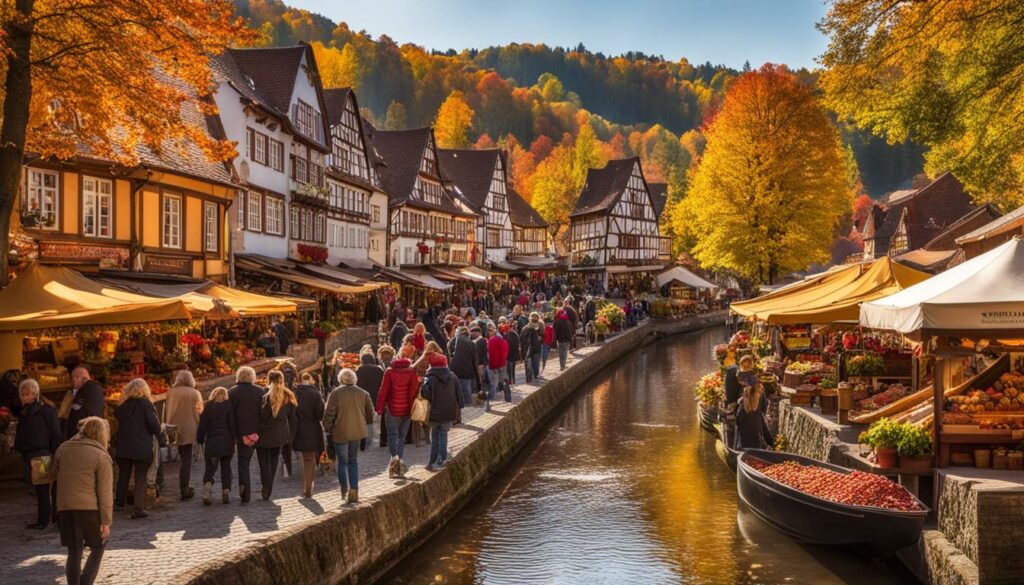
Springtime Charm in Germany
Spring in Germany is a magical time of year, with blooming flowers and mild temperatures making it an ideal season for sightseeing and outdoor activities. If you’re wondering when to go to Germany for a pleasant weather experience, spring is definitely worth considering.
One of the top destinations to visit during spring is the charming city of Heidelberg. Surrounded by mountains, forests, and vineyards, the city is home to the beautiful Heidelberg Castle, which is a must-see attraction. Take a relaxing stroll through the Old Town and enjoy the picturesque streets filled with colorful buildings and quaint shops.
Another great destination to experience the springtime charm of Germany is the enchanting Black Forest region. Home to stunning natural vistas and quaint villages, it is a perfect location for hikers and nature lovers. Don’t forget to taste the delicious traditional Black Forest ham and cake while you’re there!
| Pros | Cons |
|---|---|
| Blooming flowers and mild temperatures | Higher tourist traffic |
| Outdoor activities and sightseeing opportunities | Slightly increased accommodation prices |
| Enchanting festivals and events |
As temperatures rise, so does the number of visitors to Germany. Accommodation prices and crowds tend to increase, so planning ahead is crucial. Keep in mind that many popular spring festivals usually occur during Easter, including the famous Berlin Easter Parade and the Osterreiten horse parade in Sorbian.
So, if you’re looking for a pleasant season to explore Germany, spring is an excellent option. With a range of festivals and events, blooming foliage, and milder temperatures, you’ll be sure to enjoy a memorable vacation. Be sure to consult a Germany travel guide for more information on planning your trip.
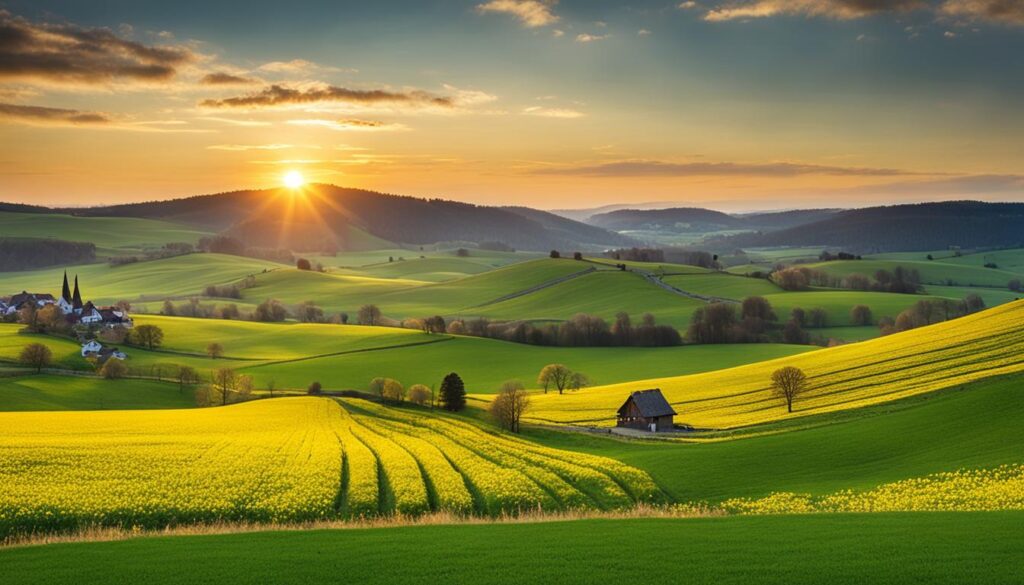
Summer Delights for Outdoor Enthusiasts
Summer in Germany is a popular time for tourists, with long sunny days, warm temperatures, and a wide range of outdoor activities. If you are an outdoor enthusiast, then this season is the best time to visit Germany for sightseeing and adventure.
The peaks of the Bavarian Alps and the Black Forest are perfect for hiking and admiring the stunning panoramic views. Cycling is also a great way to explore the countryside, with over 200 long-distance cycling routes to choose from.
Germany’s many rivers, lakes, and beaches offer plenty of water sports opportunities, including swimming, sailing, windsurfing, and kayaking. If you prefer the quieter waters, a river cruise along the Rhine is highly recommended for sightseeing and relaxation.
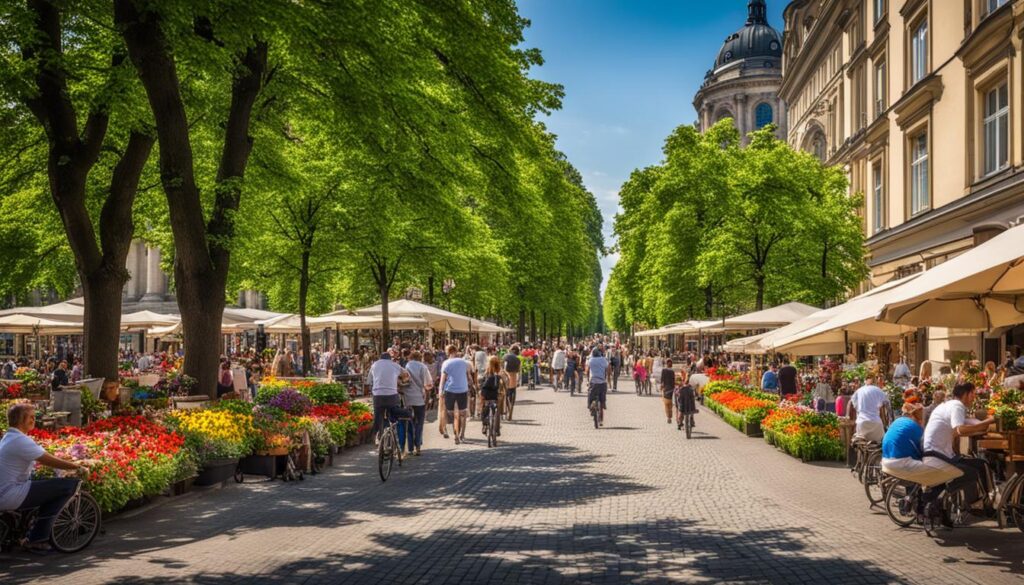
For something more tranquil, visit the gardens and parks which are in full bloom during summer, such as the Sanssouci Palace Gardens in Potsdam or the English Garden in Munich.
Summer Events and Festivals
Summer in Germany is also a great time for cultural events and festivals.
| Event | Location | Date |
|---|---|---|
| Christopher Street Day (Pride) | Berlin | June/July |
| Bayreuth Festival (classical music) | Bayreuth | July-August |
| International Berlin Beer Festival | Berlin | August |
Attending a summer festival is a great way to experience Germany’s unique traditions and customs, and meet new people from all over the world. Also, be sure to try the delicious summer food and drinks, such as ice cream, refreshing beers, and fruity wines.
With so much to offer, summer is the best time to visit Germany for outdoor fun, cultural events, and unforgettable experiences. Consult a Germany travel guide to plan your itinerary and make the most of your trip!
Festive Winter Wonderland in Germany
Winter in Germany is a magical time, where the country transforms into a winter wonderland, complete with twinkling lights, festive markets, and warm cups of Glühwein. If you are planning a winter getaway, Germany is an excellent choice to experience the festive season.
Germany’s peak tourist season during winter is from mid-November to mid-January, when the Christmas markets are in full swing. However, if you want to avoid the crowds and snag a good deal, plan your visit during early November or late January.
Christmas Markets
Germany is renowned for its Christmas markets, where traditional wooden stalls sell crafts, decorations, and delicious food and drinks. The markets are held in various cities across the country, but the most famous ones are in Munich, Nuremberg, Dresden, and Berlin.
The markets offer a unique experience to immerse yourself in German culture, sip on warm beverages, and indulge in festive treats like gingerbread, roasted nuts, and hearty sausages. The markets also often feature live music, carol singing, and even ice-skating rinks.
Winter Sports
Germany boasts several winter sports destinations, including the Bavarian Alps and the Black Forest. You can enjoy skiing, snowboarding, and sledding in picturesque surroundings, with cozy cabins to warm up in after a day on the slopes.
If you prefer a more leisurely winter activity, you can take a stroll through the snow-covered countryside or visit a thermal spa to relax in the warm waters.
New Year’s Eve
If you are in Germany for New Year’s Eve, you are in for a treat. The country celebrates the occasion with fireworks, parties, and traditions like Bleigießen (lead-pouring), where molten lead is poured into water, and the shape it takes is believed to predict the future. Berlin is known for hosting one of the biggest New Year’s Eve parties in the world, with a fireworks display at the Brandenburg Gate to ring in the new year.
No matter what your interests are, Germany has something to offer during the winter season. Plan your visit in advance, and consult a Germany travel guide to make the most of your vacation.
Fall Foliage and Cultural Delights
Autumn in Germany offers a magical experience with the stunning foliage and a variety of cultural events. The best season to visit Germany for fall foliage is from mid-September to early November. During this time, you can explore the picturesque countryside and witness the golden-yellow foliage.
If you’re interested in wine festivals, October is the time to visit. Rheingau Wine Festival is a notable event that showcases local wine and cuisine. Additionally, Oktoberfest, Germany’s famous festival, is celebrated in Munich from the end of September to the first week of October.
Visiting Germany during the fall season requires careful planning, and Germany vacation planning is key to ensuring a memorable trip. Pack comfortable walking shoes and dress in layers to prepare for the fluctuating temperatures.
Top Places to Visit during Fall Season
| Destination | Reason to Visit |
|---|---|
| Berlin | The city has a vibrant art scene, and the Berlin International Film Festival takes place in November. |
| The Romantic Road | Autumn colors create a picturesque backdrop for this scenic driving route. |
| The Black Forest | The region is famous for its fall colors and is ideal for hiking and scenic drives. |
| The Moselle Valley | The valley is renowned for its vineyards, and wine festivals take place throughout October. |
Exploring Germany during fall season offers breathtaking scenery and cultural delights to make your trip memorable. Make sure to plan your trip in advance so that you can enjoy every bit of Germany’s autumn charm.
Lesser-known Gems in Off-peak Seasons
If you prefer to avoid the crowds and enjoy lower prices, consider visiting Germany during the off-peak seasons. Late spring and early autumn offer a more peaceful and relaxed atmosphere, with fewer tourists and milder weather. Here are some travel tips to help you make the most out of your off-peak visit to Germany:
Explore the Countryside
Take advantage of off-peak seasons to explore Germany’s beautiful countryside. Rent a car and drive along the Romantic Road, a scenic route that passes through charming towns and picturesque landscapes. Visit the wine regions of Franconia and the Moselle Valley, where you can sample local wines and enjoy the autumn foliage.
Enjoy Indoor Activities
If the off-peak weather turns out to be less than ideal, there are still plenty of indoor activities to enjoy. Visit the world-renowned museums in Berlin, Munich, or Frankfurt, or take a guided tour of the medieval castles and fortresses in the Rhine Valley. Attend a concert or theater performance and experience Germany’s cultural scene up close.
Sample Local Delicacies
Off-peak seasons are an excellent opportunity to sample Germany’s local cuisine without the crowds. Enjoy traditional German dishes such as schnitzel, sauerbraten, and spaetzle at local restaurants. Visit the local markets and taste the regional specialties such as Black Forest ham, Bavarian cheese, and Franconian wine.
| Off-Peak Season | Advantages |
|---|---|
| Late Spring | Warmer weather, blooming flowers, fewer crowds, lower prices |
| Early Autumn | Mild weather, autumn foliage, wine festivals, lower prices |
“Traveling off-season gives you the unique opportunity to discover the hidden gems of Germany without the crowds. You can enjoy the peaceful atmosphere, explore at your own pace, and discover the true essence of German culture and hospitality.”
Remember to pack accordingly for the off-peak seasons, with comfortable layers and rain gear, just in case. With these travel tips, you can discover the lesser-known gems of Germany during the quieter seasons and create unforgettable memories on a budget.
Considering Personal Preferences and Interests
When deciding the best time to visit Germany, it’s essential to consider your personal preferences and interests. Keep in mind the type of activities you enjoy and the experiences you want to have during your trip. Do you prefer warm weather and outdoor activities, or are you drawn to winter festivities and the charm of a snow-covered landscape? Identifying your travel priorities will help you make informed decisions when planning your itinerary.
Another factor to consider is the peak tourist season. While summer may be an ideal time for outdoor enthusiasts, it can also mean larger crowds and higher prices. Alternatively, traveling during the off-peak season, such as late spring or early fall, can offer a less crowded and more budget-friendly experience.
If you’re interested in cultural events, Germany has an array of festivals and celebrations throughout the year. From Oktoberfest in the fall to Christmas markets in the winter, there’s always something happening in Germany. Keep in mind that these events can also mean bigger crowds and higher prices, so plan accordingly.
For those interested in history, Germany is home to numerous museums, castles, and historical sites. Spring and fall may be the best times for this type of travel, as the weather is milder, and crowds are typically smaller.
Regardless of your interests, Germany offers something for everyone. Whether you’re a foodie, history buff, or outdoor enthusiast, there’s an experience waiting for you in Germany. Be sure to plan ahead and consider your preferences to make the most of your trip.
Conclusion
Now that you have explored the various factors to consider when planning your trip to Germany, you can confidently choose the best time of year to visit based on your preferences and interests. Remember to take into account Germany’s climate and weather patterns, the three main tourist seasons, and the unique experiences each season offers.
If you are looking for enchanting springtime charm, visit Germany in the months of March to May when flowers are in bloom, and the weather is mild. Summer is perfect for outdoor enthusiasts, with warm weather and an array of activities, from castle exploring to hiking. If you want to experience Germany’s magical winter wonderlands, visit during the festive season from November to January. Fall foliage, wine festivals, and cultural events make autumn a fantastic time to visit. And don’t forget to consider off-peak seasons, where you can discover lesser-known gems and hidden treasures.
With these valuable tips and insights, you can plan your German adventure with confidence. Start researching and booking your trip now for an unforgettable vacation filled with history, culture, food, and fun.