
Your Guide to Ecotourism and Conservation on La Digue
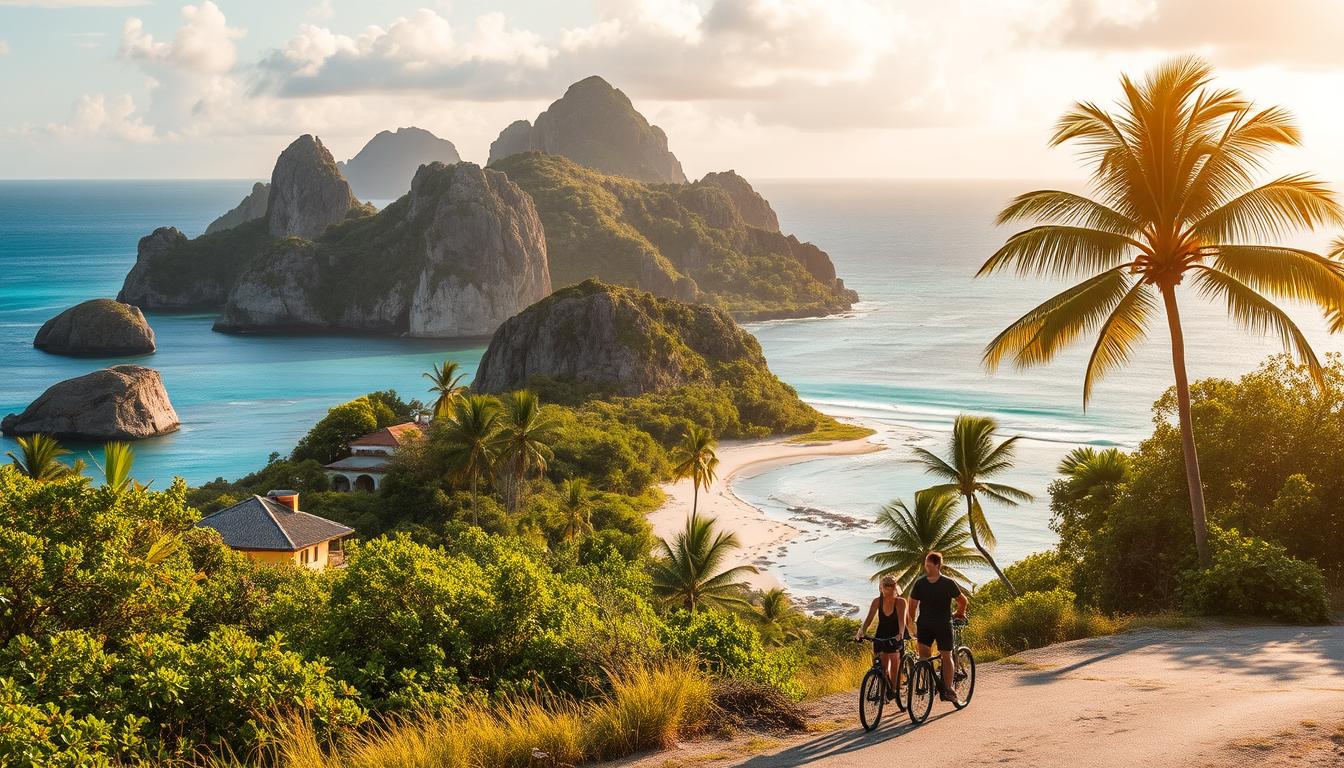
Do you know how your travels affect the environment? When planning your next trip, think about La Digue. It’s an island in the Seychelles known for its unique wildlife.
La Digue shows how sustainable tourism practices help with conservation. The island has lush forests, stunning beaches, and a wide variety of animals. It’s perfect for those who love nature.
Exploring La Digue teaches you about the value of responsible tourism. It helps keep the island beautiful for the future.
Discovering La Digue: The Seychelles’ Eco-Paradise
La Digue is a treasure in the Seychelles archipelago, perfect for eco-friendly travel. As you explore, you’ll see its unique geography and ecosystem.
The Unique Geography and Ecosystem of La Digue
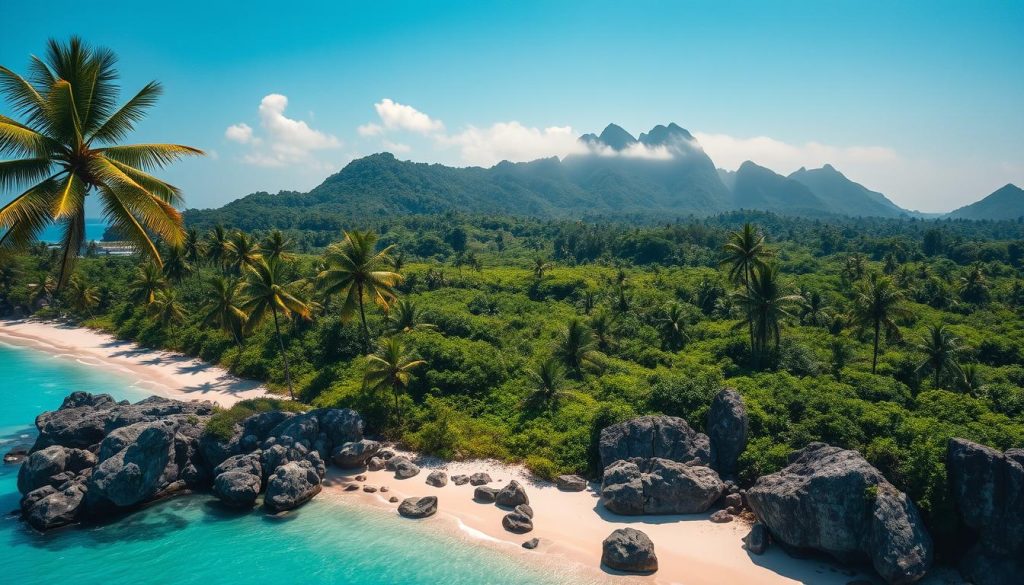
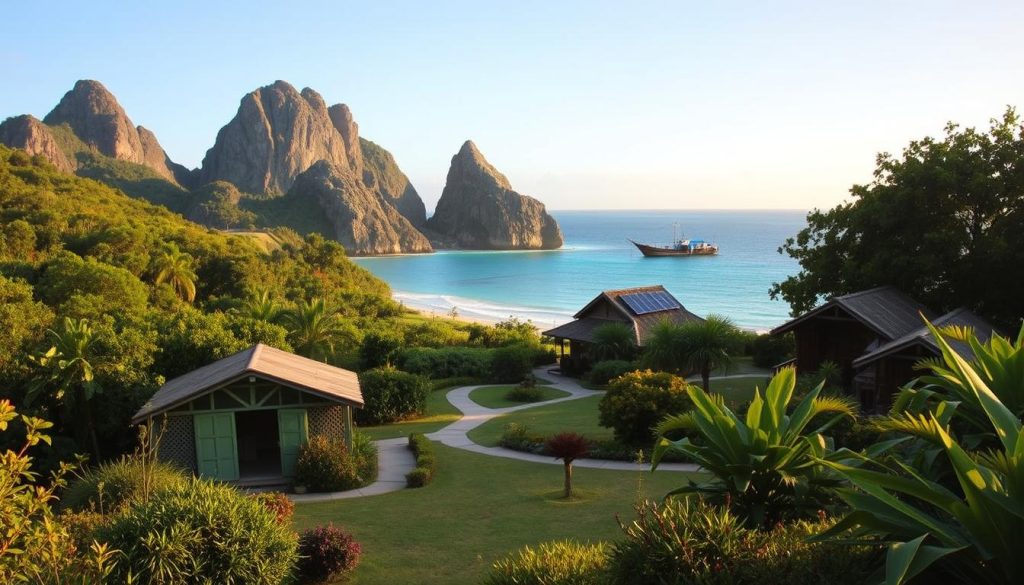
La Digue’s ecosystem boasts lush forests, granite mountains, and pristine beaches. This mix supports a wide range of plants and animals. It’s great for biodiversity preservation initiatives.
The island’s beauty is not just for looking at. It’s a complex ecosystem that needs careful care.
| Ecosystem Feature | Description | Conservation Importance |
|---|---|---|
| Lush Forests | Dense, tropical forests covering much of the island | Habitat for diverse wildlife, including endemic species |
| Granite Mountains | Ancient, rugged mountains forming the island’s backbone | Unique landscapes and micro-ecosystems |
| Pristine Beaches | Unspoiled, beautiful beaches with crystal-clear waters | Nesting grounds for sea turtles and other marine life |
Why La Digue Stands Out as an Ecotourism Destination
La Digue is known for its eco-friendly travel experiences and conservation. You can hike through forests or snorkel in marine protected areas. The island aims to keep its beauty for the future.
Choosing La Digue for your next trip supports local conservation. It’s a top choice for eco-tourism.
Understanding Ecotourism and Conservation Efforts on La Digue
Traveling to La Digue means you’re part of its conservation story. It’s key to understand the balance between tourism and nature here.
The Importance of Conservation on the Island
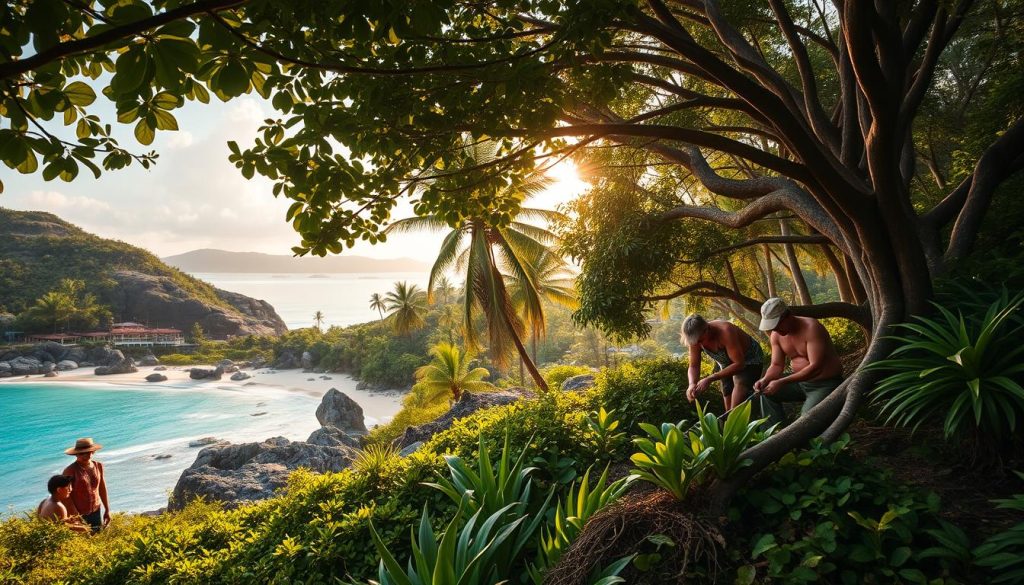
La Digue’s natural habitats and wildlife, like the Paradise Flycatcher, need our protection. Environmental protection strategies are in place to keep the island’s biodiversity safe. You can help by following local rules and supporting conservation efforts.
Current Challenges Facing La Digue’s Ecosystem
La Digue’s ecosystem is threatened by habitat destruction and invasive species. Responsible tourism in Seychelles is crucial in addressing these issues. By choosing eco-friendly options, you help lessen the island’s environmental impact.
The Balance Between Tourism and Conservation
Finding a balance between tourism and conservation is vital for La Digue’s future. This means adopting sustainable tourism practices and backing local conservation projects. As a visitor, you can make a positive impact by being mindful of your actions and supporting conservation.
Being aware of La Digue’s conservation needs and challenges makes your visit more meaningful. Your actions help preserve this beautiful place for generations to come.
Best Times to Visit for Eco-Conscious Travelers
Exploring La Digue sustainably means knowing when to go. This island is a gem for those who love nature and want to help protect it. The right time to visit can make all the difference.
Visiting La Digue when it’s not busy helps the environment and supports local conservation. The island has a dry season from May to September and a wet season from October to April. The dry season is great for tourists, but the shoulder seasons (April-May or September-October) are quieter and more peaceful.
Seasonal Wildlife Highlights
La Digue is a paradise for wildlife lovers, with many unique species. Birdwatchers flock here to see birds like the Paradise Flycatcher. Seasonal changes highlight different wildlife, like sea turtles nesting from August to December.
- May to September: Perfect for birdwatching and enjoying the weather.
- August to December: See sea turtles nesting.
- October to April: Enjoy the lush greenery and occasional rain.
Avoiding Peak Tourist Seasons for a Lower Impact Visit
Visiting when it’s not crowded makes your trip better and helps the environment. By choosing off-peak times, you spread out tourism income. This supports local businesses when they need it most.
Less people also mean less pressure on the island’s resources. This keeps La Digue beautiful for everyone in the future.
La Digue’s Protected Areas and Nature Reserves
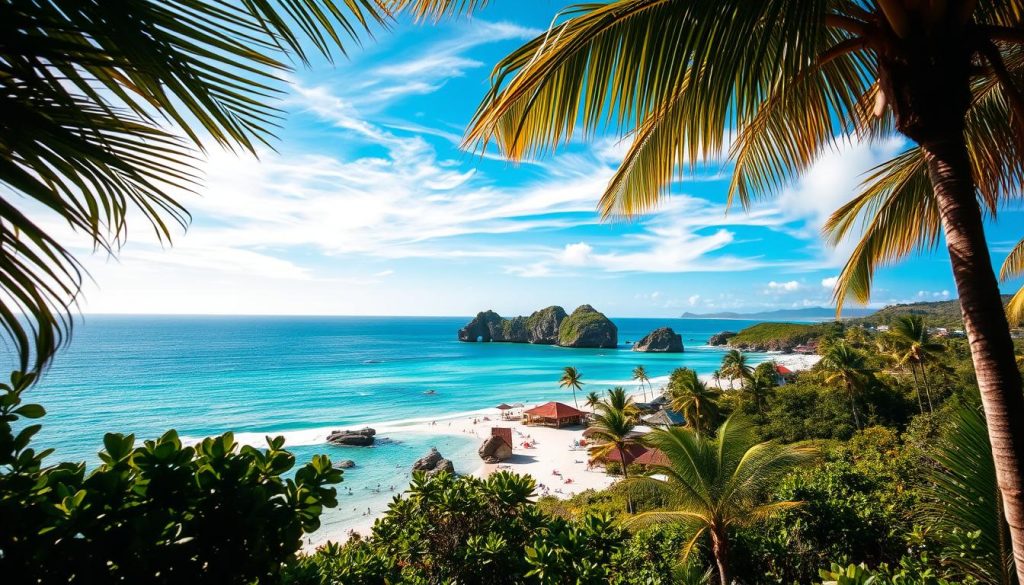
Exploring La Digue, you’ll see the island’s dedication to saving nature. It has many protected areas and nature reserves. These spots are key for keeping the island’s unique life forms alive and supporting eco-friendly travel experiences.
Veuve Nature Reserve: Home to the Paradise Flycatcher
The Veuve Nature Reserve is a safe place for the endangered Paradise Flycatcher. It shows La Digue’s effort to protect its wildlife. Visitors can walk the trails and see the island’s beauty up close.
Marine Protected Areas Around the Island
La Digue is surrounded by marine protected areas. These spots are vital for keeping the ocean’s life healthy. By visiting, you help green initiatives in the tourism industry and protect the marine life.
The Veuve Nature Reserve and the marine areas around La Digue are crucial. They protect the island’s nature and make the eco-tourism experience better for everyone.
Biodiversity of La Digue: What to Look For
Exploring La Digue reveals a world of biodiversity. This island is a true gem for ecotourism. It’s famous for unique and endemic species found only here.
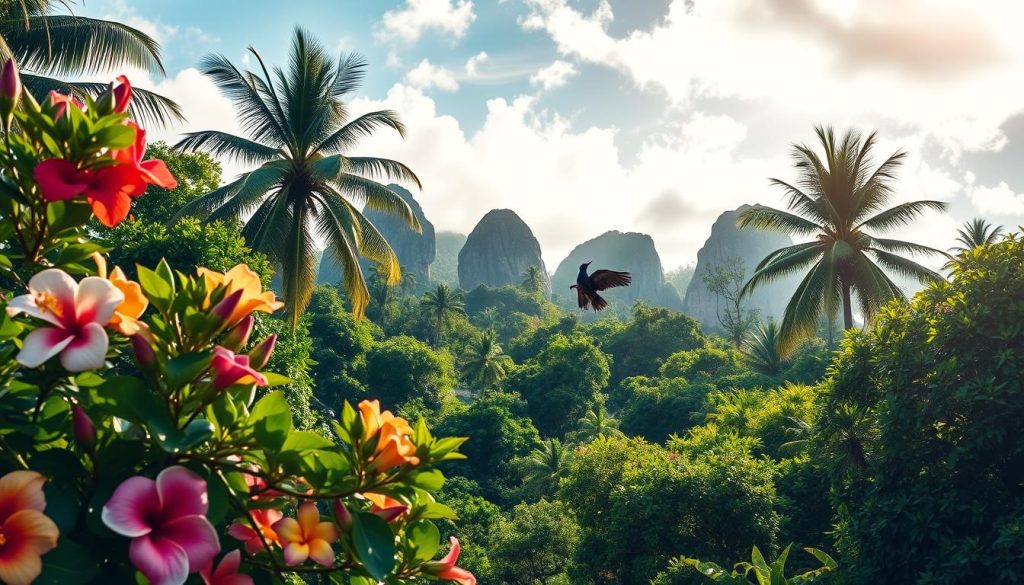
Endemic Flora Species
La Digue boasts a variety of endemic flora. The iconic coco de mer palm is a symbol of Seychelles. It’s a highlight of the island’s lush landscapes.
Rare and Protected Wildlife
The island is a sanctuary for rare and protected species. The Seychelles warbler, for example, is a critically endangered bird. Conservation efforts for this species are part of biodiversity preservation initiatives on the island.
Marine Life in the Surrounding Waters
The waters around La Digue are full of marine life. It’s a paradise for snorkelers and divers. Coral reefs support a diverse array of species, adding to the area’s biodiversity. Practicing responsible tourism in Seychelles means respecting these marine ecosystems.
| Species | Status | Location |
|---|---|---|
| Coco de Mer | Protected | Veuve Nature Reserve |
| Seychelles Warbler | Critically Endangered | La Digue |
| Marine Turtles | Protected | Surrounding Waters |
By enjoying La Digue’s natural beauty, you support conservation. You also experience the best of responsible tourism in Seychelles.
Sustainable Accommodation and Transportation Options
La Digue leads in sustainable tourism, offering many eco-friendly places to stay. When you visit, you’ll find options that are both comfortable and help protect the island’s beauty.
Eco-Friendly Hotels and Lodges
La Digue boasts eco-friendly hotels and lodges that follow sustainable practices. They use local materials, cut down on waste, and help with conservation. For example, some hotels collect rainwater and use solar energy to lower their carbon footprint.
| Eco-Friendly Hotel/Lodge | Sustainable Practices |
|---|---|
| Hotel La Digue | Uses solar power, rainwater harvesting |
| Lodge La Belle Tortue | Locally sourced materials, waste reduction |
Green Certifications to Look For
When picking your place to stay, look for green certifications. Eco-Tourism Seychelles labels show a place’s commitment to the environment. These labels mean the place has made big efforts to be eco-friendly.
Low-Impact Transportation: Bicycles and Ox-Carts
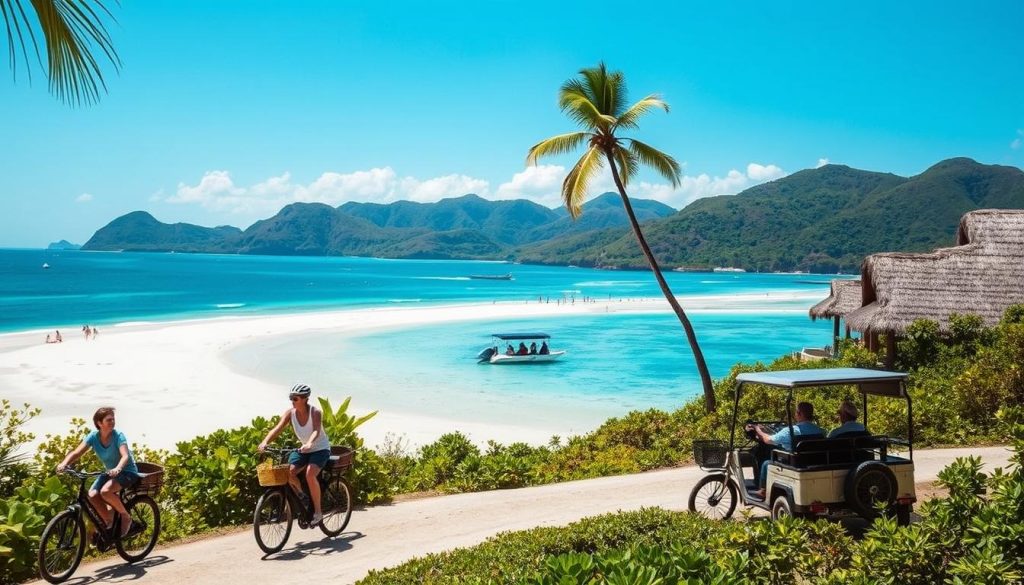
La Digue is special because you can still ride in an ox-cart. It’s a green way to see the island. Also, bicycles are a favorite for visitors. They let you see the views while being kind to the planet.
Eco-Friendly Activities and Experiences
Exploring La Digue reveals many eco-friendly activities and experiences. The island focuses on conservation, inviting visitors to join in through sustainable tourism. This way, everyone can help protect the environment.
Sustainable Hiking Trails and Nature Walks
La Digue has hiking trails with stunning views of lush interiors and coastlines. These trails aim to reduce environmental harm while showcasing the island’s biodiversity. You can visit the Veuve Nature Reserve on guided walks, seeing rare birds like the Paradise Flycatcher.
Responsible Snorkeling and Diving Practices
The waters around La Digue are full of marine life, perfect for snorkeling and diving. It’s crucial to snorkel and dive responsibly to protect this marine world. This means not touching coral, not feeding fish, and avoiding sensitive areas. Local tour operators offer guided tours that help with conservation.
Guided Eco-Tours and Educational Experiences
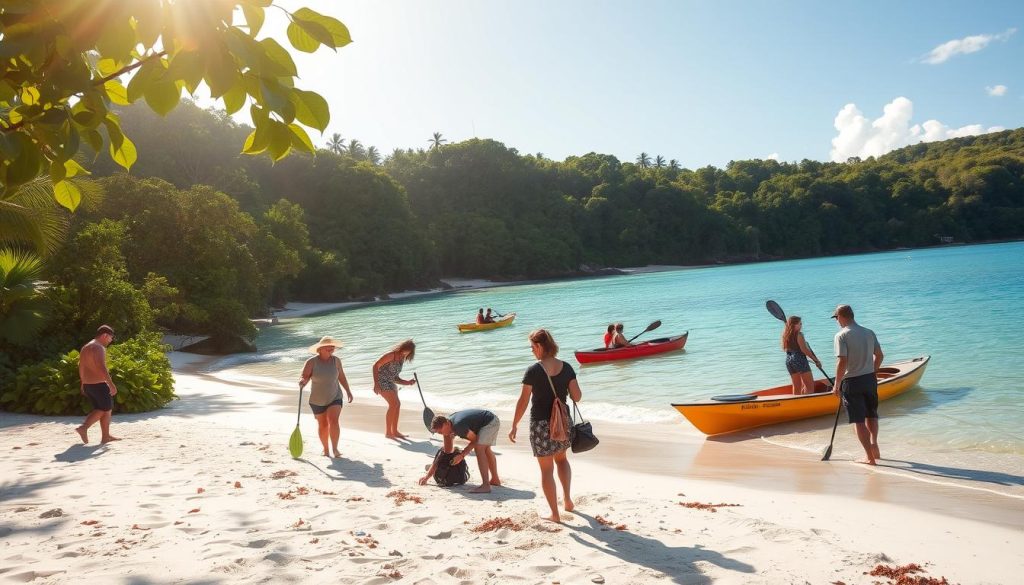
Guided eco-tours are a great way to see La Digue while supporting local conservation. These tours are led by experts who share knowledge about the island’s ecosystem and conservation. You can also join workshops on sustainable practices and conservation projects to learn more.
| Activity | Environmental Impact | Conservation Benefit |
|---|---|---|
| Hiking | Low | Promotes appreciation for nature |
| Snorkeling/Diving | Moderate | Supports marine conservation when done responsibly |
| Guided Eco-Tours | Low | Educates visitors on conservation |
Supporting Local Conservation Initiatives
By joining local conservation efforts, you can help La Digue’s environment. The island is home to many unique plants and animals. It’s important to protect this biodiversity.
Volunteer Opportunities for Visitors
Visitors can help out in many ways. You might work on restoring habitats, monitor wildlife, or teach about the environment. Volunteering lets you help the island and learn about its ecosystem.
Local Organizations Working on Conservation
Many local groups focus on saving La Digue’s nature. They work hard to keep the island’s resources safe and promote green practices. You can help them by donating, sharing their work, or joining their activities.
Here’s a quick look at some local conservation efforts and groups you can support:
| Organization | Initiative | How to Support |
|---|---|---|
| Nature Conservancy | Habitat Restoration | Volunteer or Donate |
| La Digue Environmental Association | Wildlife Conservation | Participate in Programs |
| Seychelles National Parks Authority | Marine Conservation | Spread Awareness |
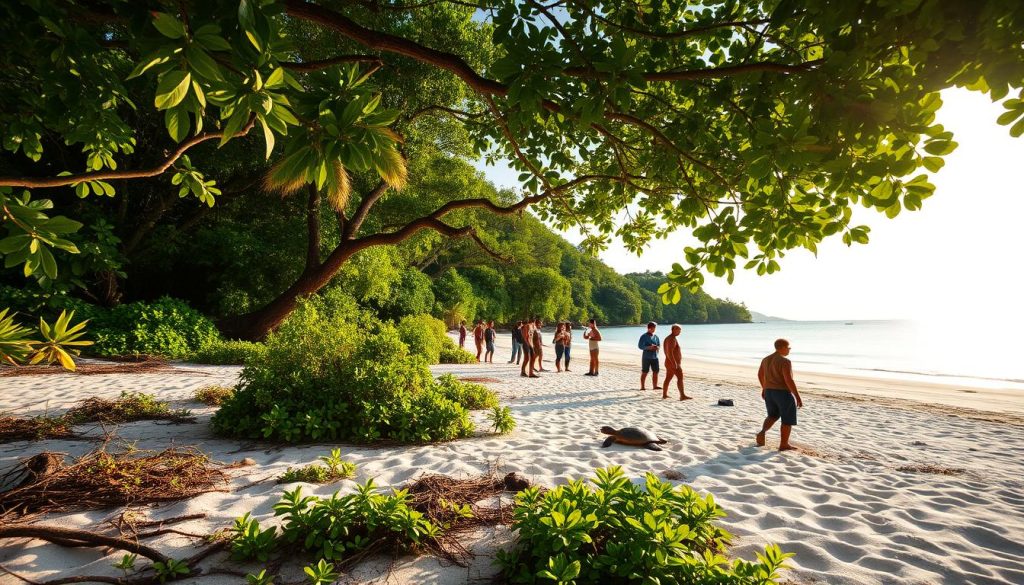
Supporting local conservation is a great way to make your trip more meaningful. Every small action helps keep La Digue beautiful and diverse. By choosing to help, you’re making a big difference.
Cultural Aspects of Conservation on La Digue
Exploring La Digue reveals a story of conservation tied to its people and wildlife. The island’s cultural heritage is key to its environmental efforts.
Traditional Seychellois Environmental Practices
For a long time, Seychellois traditions have focused on caring for the environment. The community has used sustainable fishing and farming. These methods keep the island’s nature in balance and protect Seychellois culture.
How Local Communities Participate in Conservation Efforts
La Digue’s locals are big supporters of conservation. They work on projects that boost eco-tourism and safeguard nature. By choosing responsible tourism, visitors help protect the island’s culture and environment.
| Conservation Initiatives | Community Involvement | Benefits |
|---|---|---|
| Sustainable Fishing Practices | Local fishermen adhere to catch limits | Preserves marine biodiversity |
| Eco-Tourism Projects | Community-led tours and activities | Promotes cultural exchange and conservation |
| Reforestation Efforts | Community members participate in planting trees | Restores habitats for endemic species |
Practical Tips for Minimizing Your Environmental Impact
Traveling to places like La Digue means we can help protect the environment. As visitors, we can make a big difference in conservation efforts.
We’ve got some easy tips to help you travel green. Learn how to reduce waste, save water, and respect wildlife.
Waste Reduction Strategies
Reducing waste is key to lessening our environmental footprint. Here’s how you can start:
- Carry a reusable water bottle and coffee cup
- Avoid single-use plastics
- Stay in places that recycle
These simple steps can greatly reduce waste during your trip.
Water Conservation Practices
Water is precious, and we must conserve it, even more so in island settings. Here’s how you can help:
- Take shorter showers
- Tell your place about any water leaks
- Reuse towels and linens
Every little bit helps, and together, we can make a big difference.
Ethical Wildlife Viewing Guidelines
When we see wildlife in La Digue, we must do so responsibly. This means:
- Keep a safe distance from animals
- Don’t feed or touch wildlife
- Join guided tours with experts
By respecting wildlife, we help protect La Digue’s biodiversity for the future.

| Practice | Impact | Tips |
|---|---|---|
| Waste Reduction | Reduces landfill waste and conserves resources | Use reusable bags and water bottles |
| Water Conservation | Preserves water for local communities and wildlife | Take shorter showers and report leaks |
| Ethical Wildlife Viewing | Protects wildlife habitats and promotes conservation | Maintain a safe distance and follow guides |
Conclusion: Embracing Responsible Tourism on La Digue
Planning a trip to La Digue gives you a chance to help protect this special island. By choosing responsible tourism, you support local people and keep the island beautiful.
Ecotourism and conservation are key to La Digue’s future. You can help by picking eco-friendly places to stay, using green transport, and respecting nature spots.
Your choices can make sure La Digue stays beautiful for others to see. You’ll help the local economy and protect the island’s wildlife. Always remember, sustainable tourism is vital for La Digue’s environment.
Being aware of your impact and trying to reduce it makes your visit better. It also helps the island and its people. This way, your trip is not just fun but also helps the environment.





