Immerse Yourself in Mombasa’s Cultural Heritage
Ever wondered what’s hidden beneath a city’s surface? Kenya’s second-largest town, steeped in 2000 years of rich heritage, invites you to explore its secrets.
Walking through the bustling bazaars and narrow alleys of the old Arab town, you’ll see its vibrant side. Authentic experiences await you at every turn. Here, tradition and modernity mix perfectly.
Take a guided tour to enter a world of quaint antique stores and rich cultural influences. Discover the city’s hidden treasures and make memories that last a lifetime.
The Rich Cultural Tapestry of Mombasa
When you arrive in Mombasa, you dive into a world of rich culture. This city, Kenya’s second-largest, is a mix of cultures, history, and traditions. It sits by the Indian Ocean, blending African, Arabic, Indian, and European styles.
A Melting Pot of African, Arab, and European Influences
Mombasa’s culture is a mix of many influences. Its location made it a key spot for traders and travelers from around the world.
Swahili Culture and Its Unique Characteristics
The Swahili culture is a big part of Mombasa. It’s known for its language, food, and traditions. Swahili cuisine is a mix, with dishes like biryani and mandazi.
The Arab and Portuguese Legacy
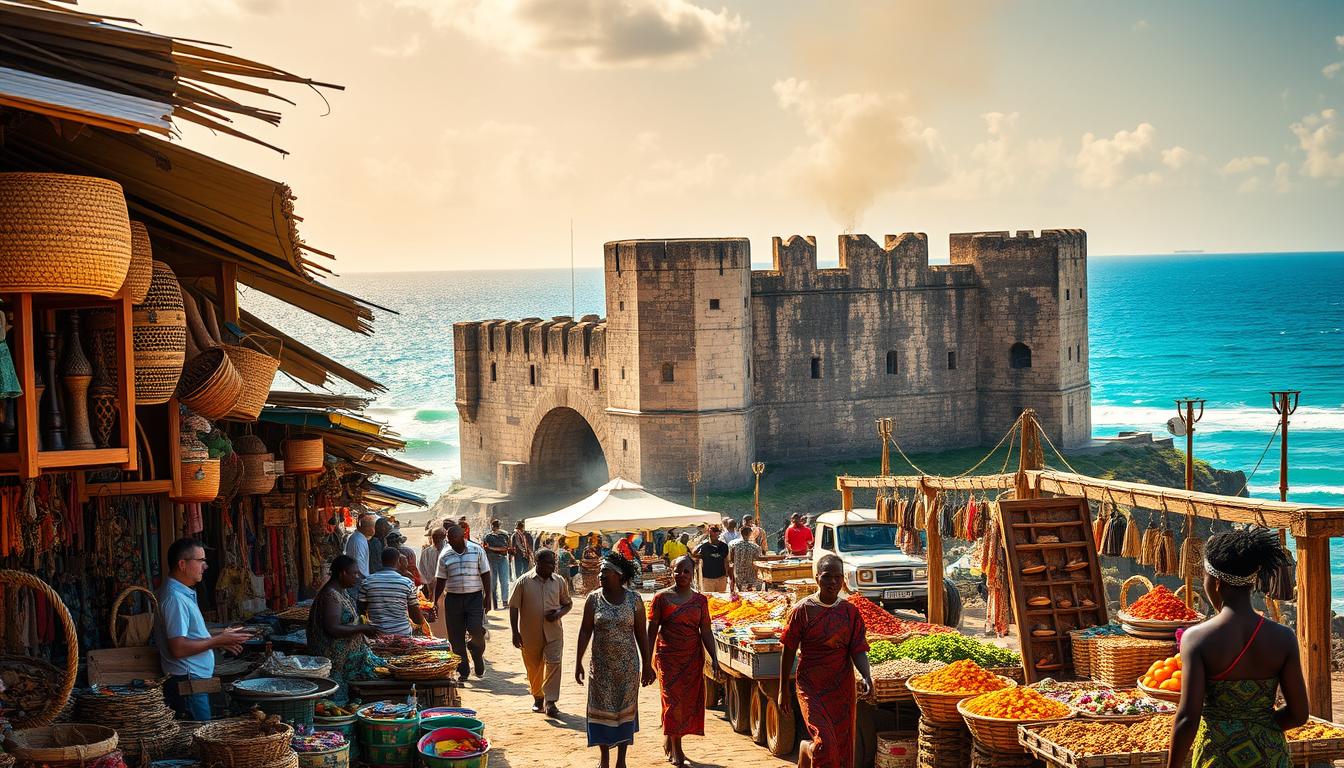
Mombasa was shaped by Arabs and Portuguese. The Arab legacy shows in the city’s buildings, with detailed designs and Arabic calligraphy. The Portuguese left their mark on the fortifications and churches.
The Significance of Mombasa in East African History
Mombasa is key in East African history, being a major trading center. Its location made it perfect for exchanging goods and ideas.
Mombasa as a Trading Crossroads
For ages, Mombasa was a key spot for trade. Merchants from all over came to trade goods. The city’s markets and bazaars show its rich trading past. You can learn more by taking guided cultural tours Mombasa or local cultural tours Mombasa.
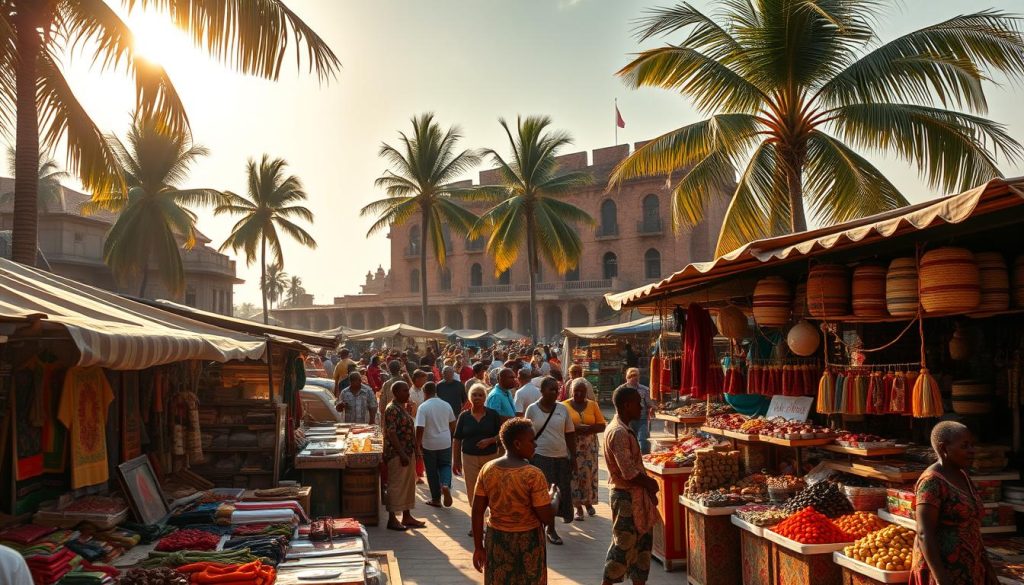
Going on a Mombasa heritage tour helps you understand the city’s culture. These tours let you see historical sites, cultural landmarks, and traditional practices.
“Mombasa is a city that wears its history on its sleeve, and its cultural heritage is a treasure trove waiting to be discovered.”
Historical Evolution of Mombasa: From Trading Port to Cultural Hub
Exploring Mombasa’s history shows how it grew from a trading port to a cultural center. You’ll learn about key events and influences that made this city unique.
Pre-Colonial Mombasa and Indigenous Cultures
Mombasa was a bustling trading center before European colonizers arrived. The Swahili culture, shaped by African, Arab, and Persian traders, defined the city. Today, you can still see this heritage in Mombasa’s old town and on best cultural tours in Mombasa.
Colonial Influences and Their Cultural Impact
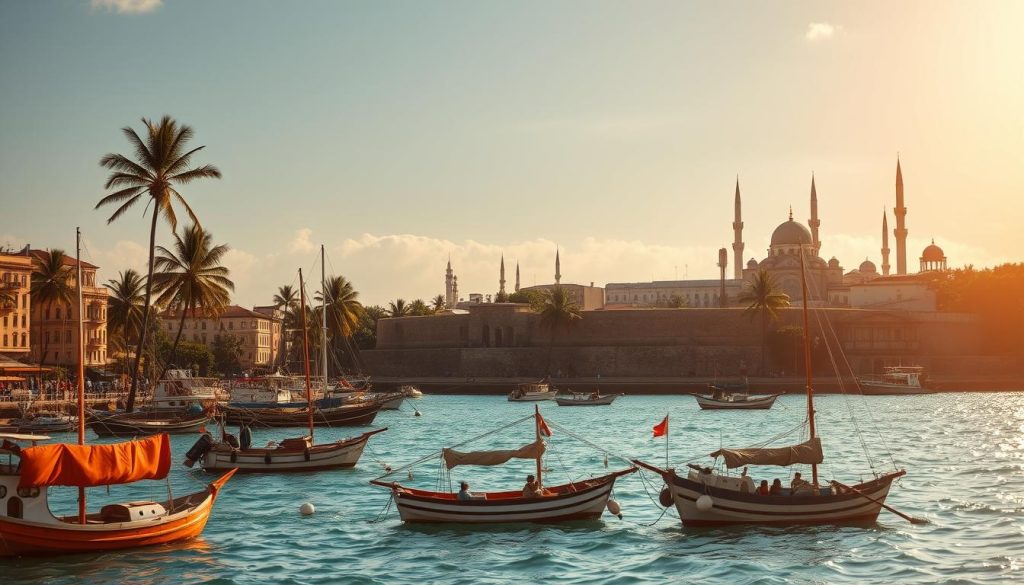
The colonial era changed Mombasa a lot. European powers, like the Portuguese, built Fort Jesus, a UNESCO World Heritage Site. They also introduced new architectural styles, languages, and cultural practices that mixed with the Swahili culture.
Post-Independence Cultural Renaissance
After gaining independence, Mombasa celebrated its heritage with a cultural renaissance. This time saw a focus on traditional music, dance, and art. Today, Mombasa cultural sightseeing tours showcase the city’s rich cultural heritage.
Modern Preservation Efforts
Today, efforts to keep Mombasa’s culture alive continue. Modern projects include restoring historical buildings and promoting traditional arts. These efforts help ensure Mombasa’s cultural identity is preserved for the future.
| Era | Cultural Influences | Key Features |
|---|---|---|
| Pre-Colonial | African, Arab, Persian | Swahili culture, trading center |
| Colonial | European (Portuguese, British) | Fort Jesus, new architectural styles |
| Post-Independence | Revival of traditional arts | Cultural renaissance, preservation efforts |
Mombasa Cultural Tours: Options for Every Traveler
Mombasa offers a wide range of cultural tours for all. You can explore its rich heritage through historic walks or community experiences.
Walking Tours Through Historic Districts
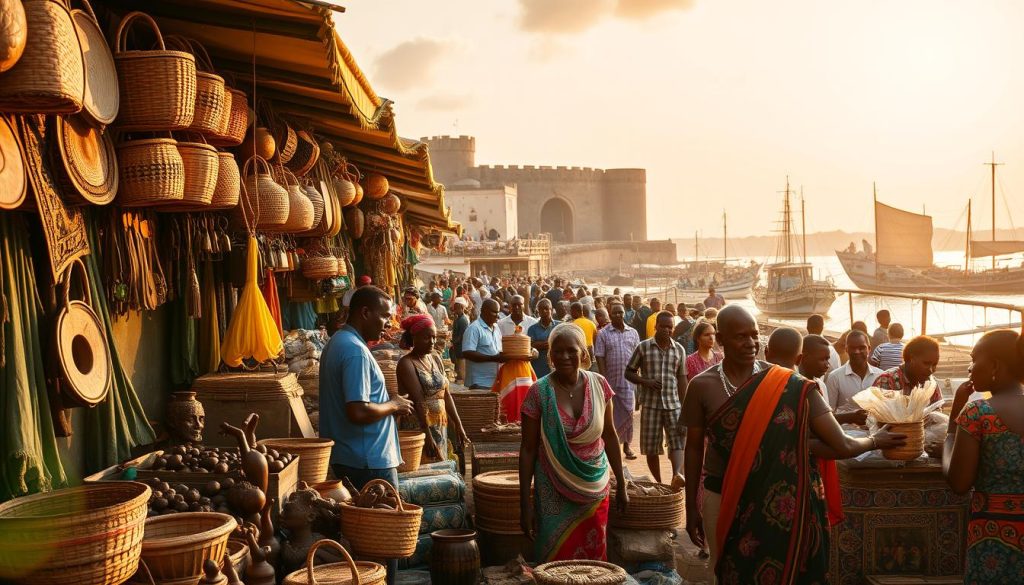
Walk through Mombasa’s Old Town. Here, Swahili, Arabic, and European styles blend beautifully. You can choose from self-guided or expert-led tours.
Self-Guided vs. Expert-Led Experiences
Self-guided tours give you freedom to explore. Expert-led tours offer deeper insights into the history and culture of the places you visit. Think about what you prefer when planning your trip.
- Self-Guided Tours: Let you set your own pace.
- Expert-Led Tours: Give detailed historical and cultural context.
Guided Museum and Heritage Site Visits
Mombasa has many museums and heritage sites. Guided tours can help you understand their cultural significance.
Some key sites include:
- Fort Jesus, a UNESCO World Heritage Site.
- The Old Town, with its historic buildings and lively markets.
- Museums that display the region’s history and culture.
Immersive Community-Based Cultural Experiences
For a deeper dive, try community-based tours. They let you connect with local families and artisans.
Meeting Local Families and Artisans
These tours offer a chance to learn about traditional crafts and daily life. You can join in activities like:
- Traditional cooking classes.
- Craft workshops.
- Homestays with local families.
By participating in these tours, you’ll appreciate Mombasa’s culture more. You’ll also make memories that last a lifetime.
Old Town Mombasa: A Journey Through Time
Walking through Old Town Mombasa, you feel the rich history all around. This area is full of amazing buildings and cultural experiences waiting for you.
Architectural Marvels and Historical Buildings
Old Town Mombasa is famous for its stunning Swahili architecture. It mixes Arab, Portuguese, and African styles. The buildings here tell stories of the past with their detailed designs.
Intricately Carved Doors and Their Symbolism
The doors in Old Town are truly special. They’re not just pretty; they also show the family’s status and beliefs. Each door has its own story.
Narrow Streets and Hidden Cultural Gems
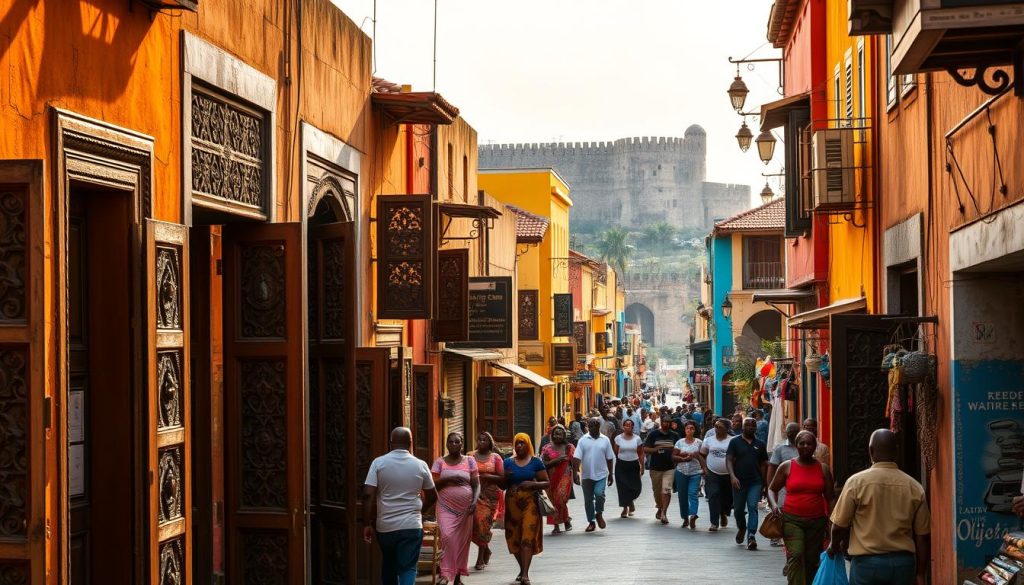
Exploring Old Town’s narrow streets, you’ll find hidden treasures. You’ll see small shops and quiet courtyards that show local life.
Local Artisans and Craftspeople
Old Town is full of talented artisans. You can watch them make beautiful crafts using old techniques.
Traditional Craftsmanship Demonstrations
Watching these demonstrations is a special way to learn about local culture. You can see woodcarving, weaving, and more. These crafts are key to Mombasa’s heritage.
| Craft | Description | Significance |
|---|---|---|
| Woodcarving | Intricate carvings on doors and furniture | Symbolizes status and wealth |
| Weaving | Traditional textiles made from local fibers | Represents cultural heritage |
| Pottery | Handmade ceramics for daily use | Essential for local cuisine |
Going on local cultural tours or Mombasa heritage tours lets you dive deep into explore Mombasa traditions. It’s a journey that broadens your understanding of the culture and leaves lasting memories.
Fort Jesus and Other Historical Monuments
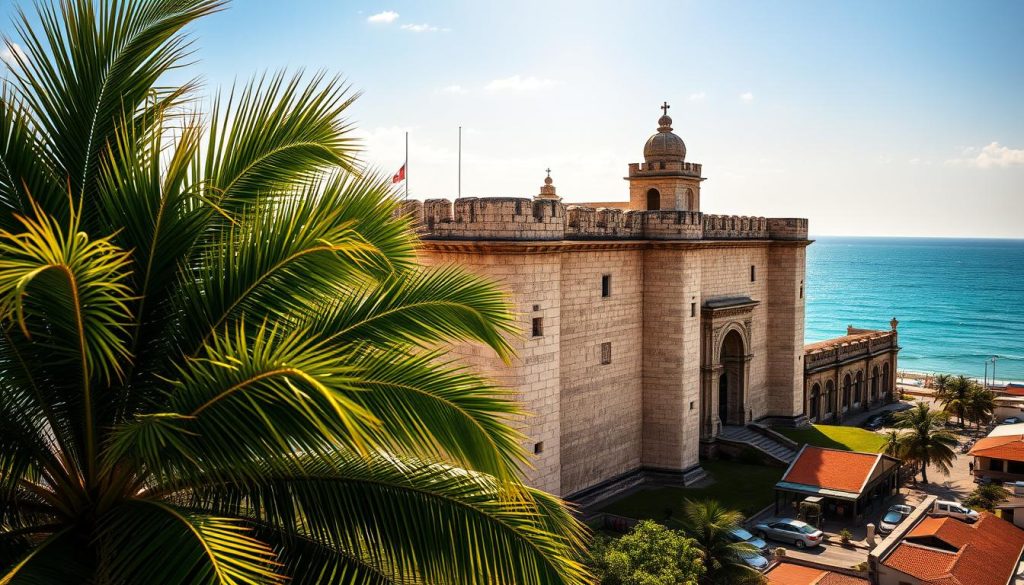
Exploring Mombasa’s cultural heritage means seeing Fort Jesus and other historical sites. Fort Jesus, a UNESCO World Heritage Site, shows Mombasa’s strategic role and its complex history.
The Portuguese Legacy and Military Architecture
Fort Jesus showcases Portuguese military design in East Africa. Built in the 16th century, it has seen many cultural exchanges, conflicts, and changes. Its strong build and key location made it a vital Portuguese stronghold, shaping the city’s history.
Museum Collections and Cultural Artifacts
The fort now has a museum with many cultural artifacts and historical displays. Visitors can see items that show Mombasa’s diverse culture, from before colonial times to today.
Evening Light and Sound Shows
For a special look at Fort Jesus, go to an evening light and sound show. These shows use multimedia to bring the fort’s history alive, offering a fascinating look at Mombasa’s past.
Experiencing History Through Multimedia
The evening light and sound shows are a great way to dive into Mombasa’s history. They mix visuals and sounds to give a full view of the city’s cultural heritage. Your visit to Fort Jesus will be unforgettable.
Traditional Music, Dance, and Performances in Mombasa
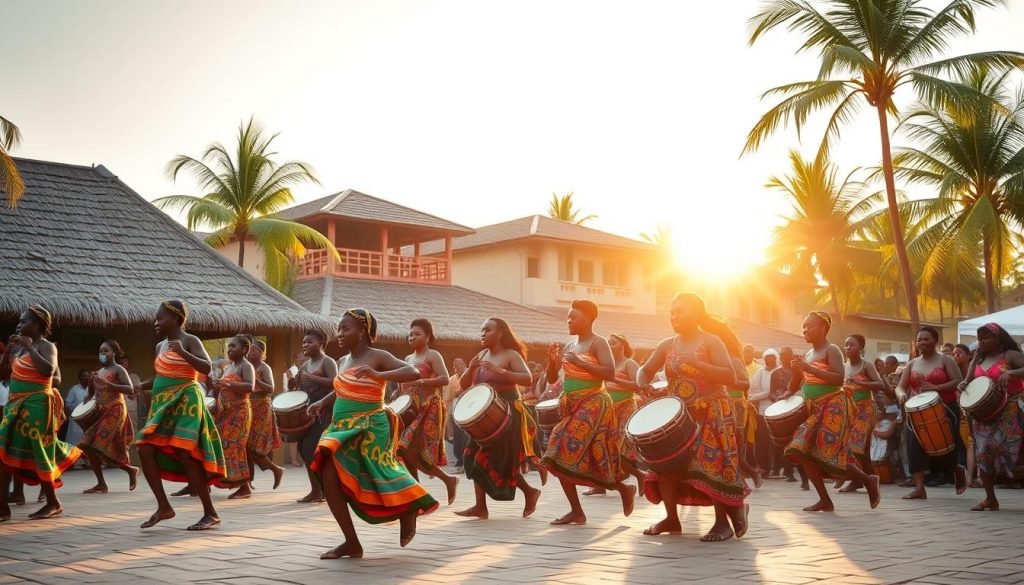
In Mombasa, you’ll find a world of traditional music and dance. It shows the city’s diverse cultural influences. You’ll see performances that are both fun and educational.
Swahili Taarab Music Experiences
Swahili Taarab music comes from East Africa’s coastal areas, including Mombasa. It’s known for its soulful tunes and poetic words. You can hear it live at Moon Shine, part of the Reef Hotel, under the stars.
Historical Development of Taarab
Taarab music has a long history. It was shaped by African, Arab, and European music. It tells stories and comments on society, making it a big part of Mombasa’s culture.
Traditional Dance Performances and Their Cultural Significance
Traditional dances in Mombasa are beautiful and meaningful. They tell stories from local tales, history, and myths. They show the community’s values and traditions.
Participating in Cultural Festivals and Events
Mombasa has many cultural festivals and events all year. You can join street parades or cultural meetings. These are great ways to see the city’s lively culture.
Annual Cultural Celebrations Calendar
Mombasa’s cultural calendar is packed with festivals. You can plan your visit to catch these events. You’ll see the city’s music, dance, and art in a real and exciting way.
Culinary Journeys: Tasting Mombasa’s Cultural Heritage
Start a food adventure in Mombasa, where you’ll taste the city’s history. African, Arabian, and Indian flavors blend here. You’ll see how the city’s past as a trading hub is reflected in its food.
Swahili Coastal Cuisine and Its Influences
Swahili food is a mix of cultures. It uses local ingredients and spices from around the world. Coconut milk, spices, and fresh seafood are key to its taste.
Spice Trade Impact on Local Flavors
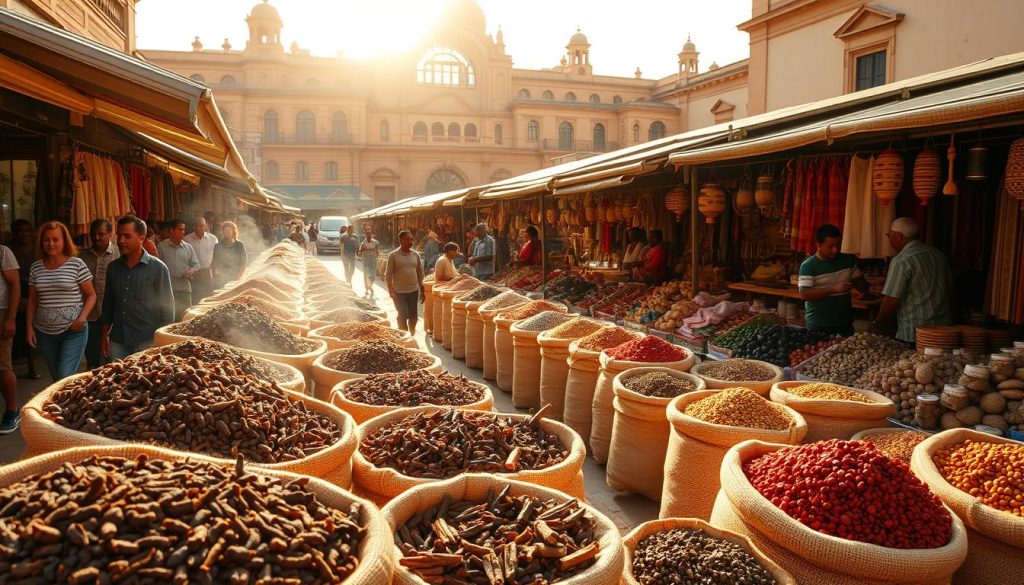
The spice trade has changed Mombasa’s food. Cinnamon, cardamom, and cloves are now part of local dishes. They add depth and warmth.
Food Tours and Cooking Classes
Food tours and cooking classes are great ways to learn about Mombasa’s food. You’ll discover local ingredients and cooking methods. You’ll also understand the cultural value of different dishes.
Learning to Prepare Traditional Dishes
Cooking classes let you make Swahili dishes like biryani, pilau, and mandazi. Experienced cooks will guide you.
Iconic Dishes and Where to Find Them
Mombasa has many famous dishes. You can try them at local restaurants and street stalls. Some dishes to try include:
- Biryani: A flavorful rice dish with spices, meat or vegetables, and sometimes eggs.
- Pilau: A spiced rice dish with meat, vegetables, or seafood.
- Grilled seafood: Fresh seafood grilled to perfection, served with tangy sauces.
Exploring Mombasa’s food scene is like a journey through its culture. Whether on a Mombasa cultural tour or just trying local food, you’ll taste the city’s vibrant culture and traditions.
Markets and Bazaars: Shopping for Cultural Treasures
Exploring Mombasa’s markets and bazaars is like stepping into a world of colors, sounds, and smells. These lively places are more than just shops. They are doors to the city’s rich cultural heritage.
Mombasa’s Historic Markets and Their Stories
Mombasa has many historic markets that have been vital for centuries. The Kongowea Market, one of the biggest, sells everything from fresh food to crafts. Visiting these markets lets you dive into local culture and hear the stories behind the goods.
Spice Markets and Their Historical Significance
The spice markets in Mombasa show the city’s past as a major trading center. Spices like cardamom, cinnamon, and cloves are key in local cooking and trade. The smell of these spices takes you back to when Mombasa was a global spice leader.
Traditional Crafts and Souvenirs
In Mombasa’s markets, you’ll find traditional crafts and souvenirs that show the city’s diverse culture. From detailed kanga textiles to handmade jewelry, each piece tells a story of the artisan’s talent and creativity.
Kanga Textiles and Their Cultural Meanings
Kanga textiles are more than pretty fabrics; they hold deep cultural meanings. They are used to send messages or show feelings, being key in Swahili culture. Buying a kanga means getting a unique item and a piece of Mombasa’s heritage.
Ethical Shopping and Supporting Local Artisans
When you shop in Mombasa’s markets, choose to support local artisans. This helps keep traditional crafts alive and supports the community. Look for items made with sustainable and fair trade methods.
Shopping ethically helps the local economy and keeps traditional crafts alive. It makes your trip more meaningful and benefits the community you visit.
Religious Diversity and Sacred Sites
Exploring Mombasa reveals a rich tapestry of religious diversity. The city’s cultural heritage is seen in its many sacred sites. Each site has its own story of faith and tradition.
Ancient Mosques and Islamic Heritage
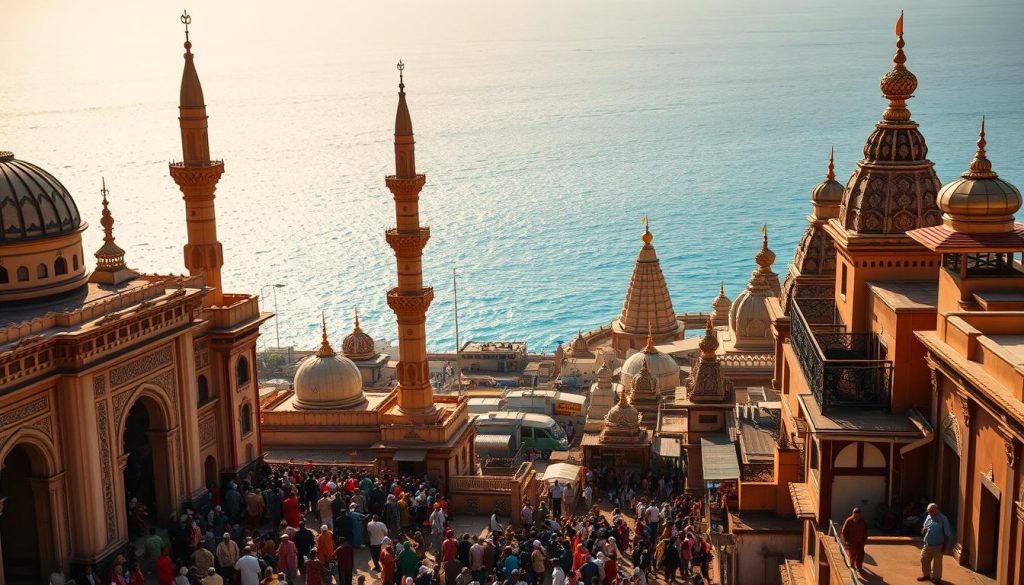
Mombasa boasts some of East Africa’s oldest and most important mosques. These structures are not just places of worship. They also highlight the city’s Islamic heritage.
The Mandhry Mosque and Its Significance
The Mandhry Mosque is a prime example. It showcases architecture that combines Islamic and local styles. Its historical importance makes it a key stop on authentic Mombasa tours.
Hindu Temples and Their Cultural Influence
The Lord Shiva Hindu Temple is a major attraction in Mombasa. It represents the city’s religious diversity. Its architecture and cultural importance make it a must-see for those exploring Mombasa traditions.
Christian Churches and Colonial Religious History
Mombasa’s Christian churches are also crucial in the city’s religious scene. They reflect the colonial era’s influence on local faiths.
Respectful Visitation Practices
Visiting these sacred sites requires respect. Dress modestly, remove shoes when asked, and respect local customs. This ensures a good experience for everyone.
Embracing Mombasa’s religious diversity enhances your Mombasa cultural experiences. It gives you a deeper understanding of the city’s rich heritage.
Planning Your Mombasa Cultural Experience: Practical Tips
Getting ready for your Mombasa trip? Knowing how to dive into the culture is essential. Mombasa mixes old traditions with new vibes, making it special.
Best Times to Visit for Cultural Experiences
The Mombasa Cultural Festival is a highlight. It’s when you can see traditional music, dance, and crafts. This is the perfect time to see Mombasa’s rich culture.
Recommended Tour Operators and Guides
For a deep dive, choose guided cultural tours Mombasa with Touch Wild Tours & Travel LTD. They offer local cultural tours Mombasa that reveal the city’s history and customs.
Choosing Authentic and Ethical Tour Providers
Look for tour operators that focus on ethical tourism and help local communities. This way, your visit helps the local economy.
Cultural Etiquette and Respectful Tourism
It’s important to respect local customs. Dress modestly at sacred places and be aware of traditions. This shows respect and makes your visit better.
Dress Codes and Behavioral Expectations
Know the dress codes and what’s expected when you meet locals. For example, removing your shoes at mosques or temples shows respect.
Safety Considerations for Cultural Explorers
Mombasa is mostly safe, but be careful. Stay updated on local news and listen to your guides.
Conclusion: Embracing the Spirit of Mombasa Through Cultural Immersion
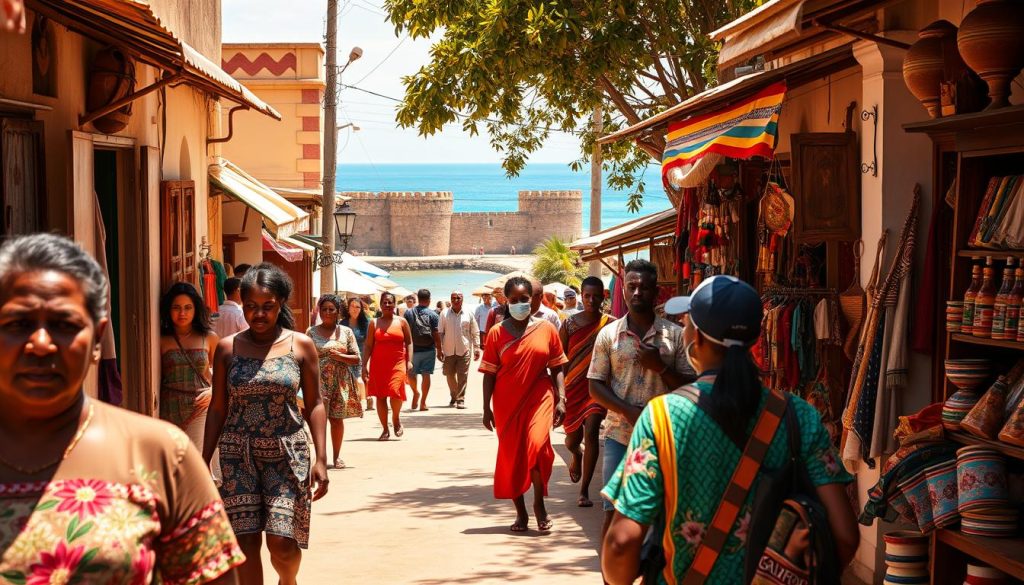
Exploring Mombasa shows you that culture is its lifeblood. By joining in Mombasa cultural tours and Mombasa cultural experiences, you make real connections with the people here.
The city’s history and traditions shine in its old districts, music, and food. Mombasa heritage tours let you dive deep into the city’s past and its cultural importance.
Getting to know the culture makes you feel like you belong. Walking through Old Town, visiting mosques, or joining festivals lets you feel Mombasa’s true spirit.
Embracing Mombasa’s culture makes your trip richer and helps keep its heritage alive. So, dive into Mombasa’s warmth and let its rich culture touch your heart forever.