Explore the Mausoleum of Habib Bourguiba, Tunisia’s Founding Father
Ever wondered why a nation’s founding father’s resting place is a must-see? For history and architecture buffs, the Mausoleum of Habib Bourguiba is a must-visit. It offers a peek into Tunisia’s rich history.
Habib Bourguiba, Tunisia’s founder, is celebrated at this mausoleum. It’s a symbol of his fight for independence and a work of architectural art. By visiting, you can learn about Bourguiba’s life and Tunisia’s history and culture.
The Legacy of Habib Bourguiba in Modern Tunisia
Habib Bourguiba’s story is deeply connected to Tunisia’s fight for freedom and modernization. He was a key figure in the country’s battle against colonial rule. His impact goes beyond his presidency, shaping Tunisian society.
From Colonial Rule to Independence
Habib Bourguiba was crucial in Tunisia’s path to freedom. He led the Neo-Destour party, fighting for Tunisian self-rule against France. His efforts led to Tunisia’s independence in 1956, with Bourguiba as its first president.
Under his leadership, Tunisia moved from a French colony to an independent nation. This set the stage for modernization and reform.
Bourguiba’s Vision for a Modern Nation
Bourguiba dreamed of a modern Tunisia, with secularism, education, and women’s rights. He worked to modernize the country’s infrastructure, economy, and social structures. His vision included promoting education and gender equality.
“Bourguiba’s policies were revolutionary for his time, and his commitment to education and women’s rights was noteworthy.”
The Father of Tunisian Democracy
Bourguiba is seen as the father of Tunisian democracy. His leadership shaped the country’s political landscape. Though his presidency had authoritarian sides, it paved the way for Tunisia’s democratic transition.
| Legacy Aspect | Description |
|---|---|
| Independence Leadership | Led Tunisia to independence from French colonial rule |
| Modernization Efforts | Implemented reforms in education, women’s rights, and infrastructure |
| Democratic Foundations | Laid groundwork for Tunisia’s transition to democracy |
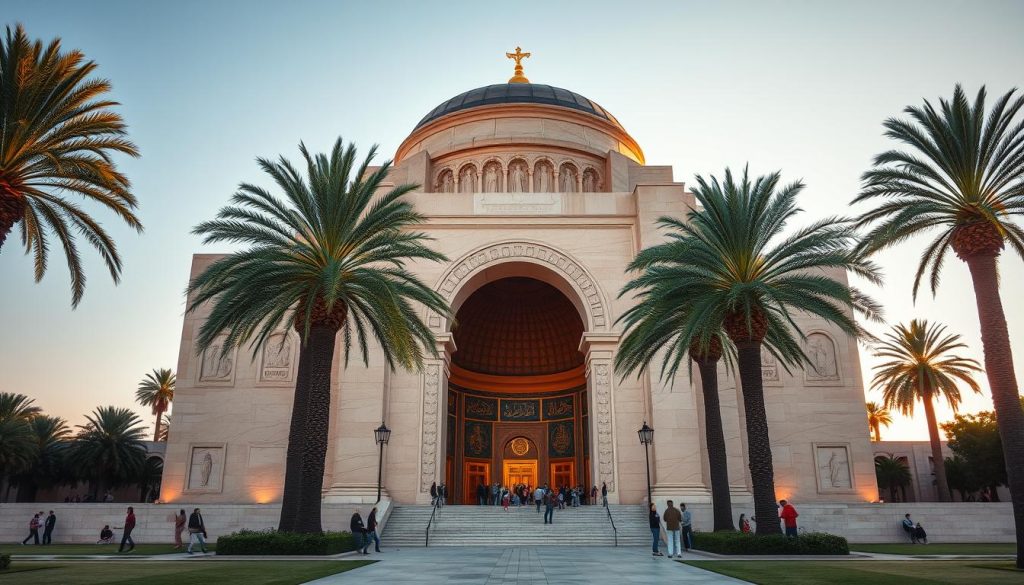
Visit the Mausoleum of Habib Bourguiba, Founder of Modern Tunisia
The Mausoleum of Habib Bourguiba is a key spot in Monastir, Tunisia. It’s a place to see for those who love history. Knowing where it is, how to get there, and when to visit is important.
Location and Accessibility
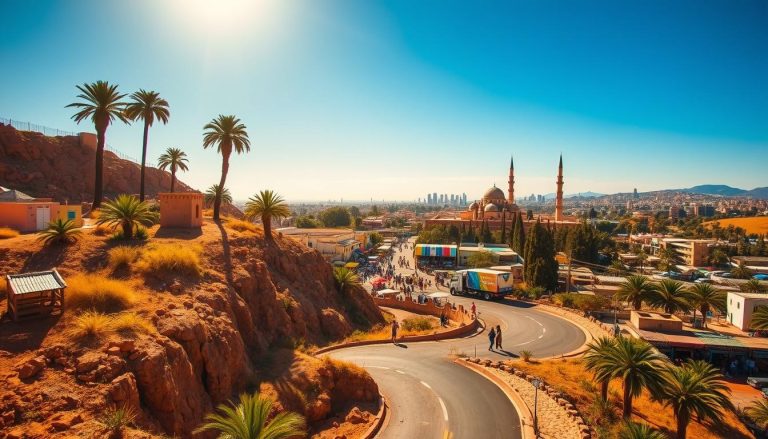
The Mausoleum of Habib Bourguiba is in Monastir, Tunisia’s central coast. It’s easy to reach by car or public transport. The views of the Mediterranean Sea are stunning as you get there.
Opening Hours and Entry Information
The mausoleum welcomes visitors all week. Check the hours before you go, as they change with the seasons. Getting in is simple, with signs to help you.
Best Time to Visit
The best time to see the Mausoleum of Habib Bourguiba is from October to April. The weather is cooler, perfect for walking. Stay away in the summer if you don’t like the heat.
What to Expect Upon Arrival
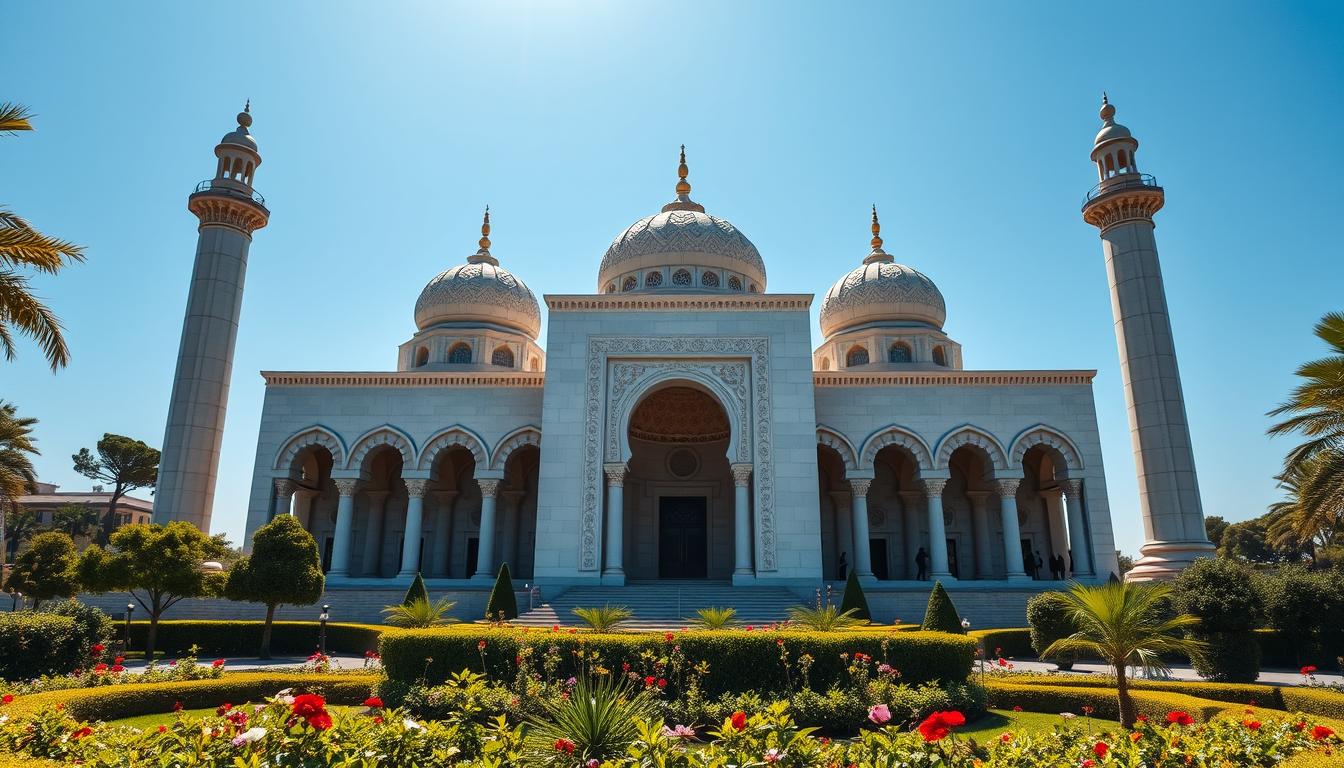
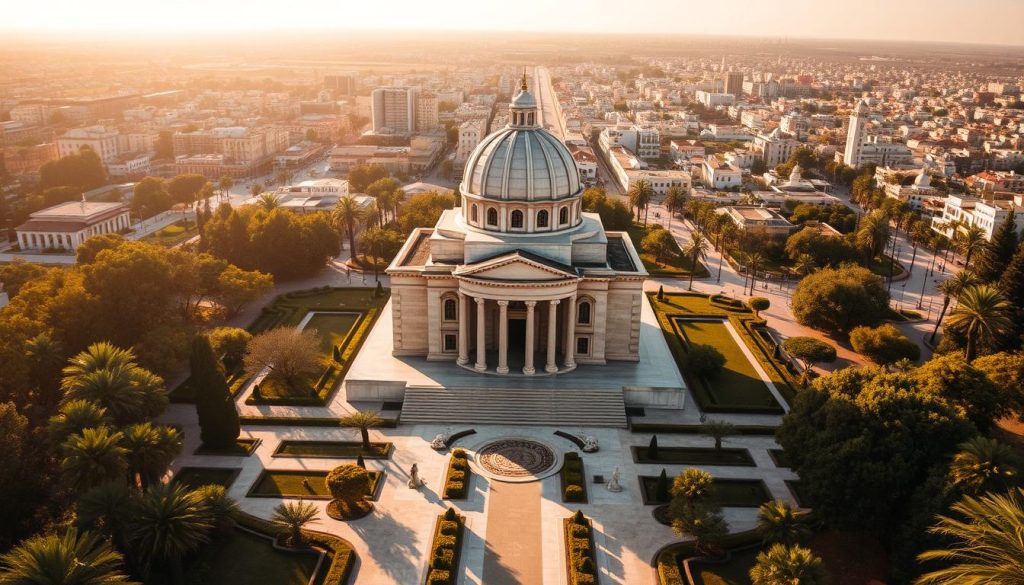
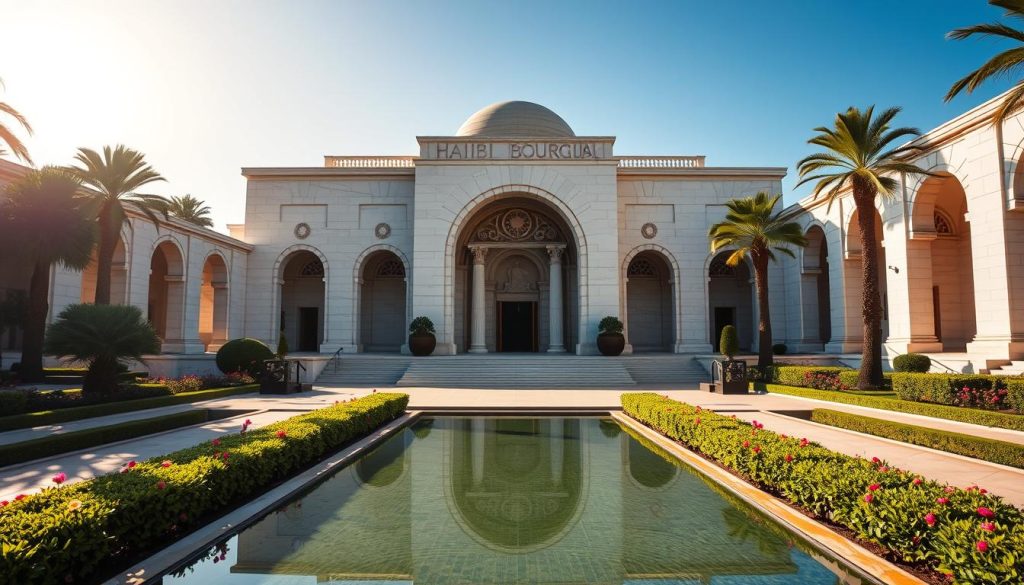
When you arrive, you’ll be amazed by its beauty and history. The complex has Habib Bourguiba’s tomb and majestic domes and minarets. Take your time to wander and think about Tunisia’s past.
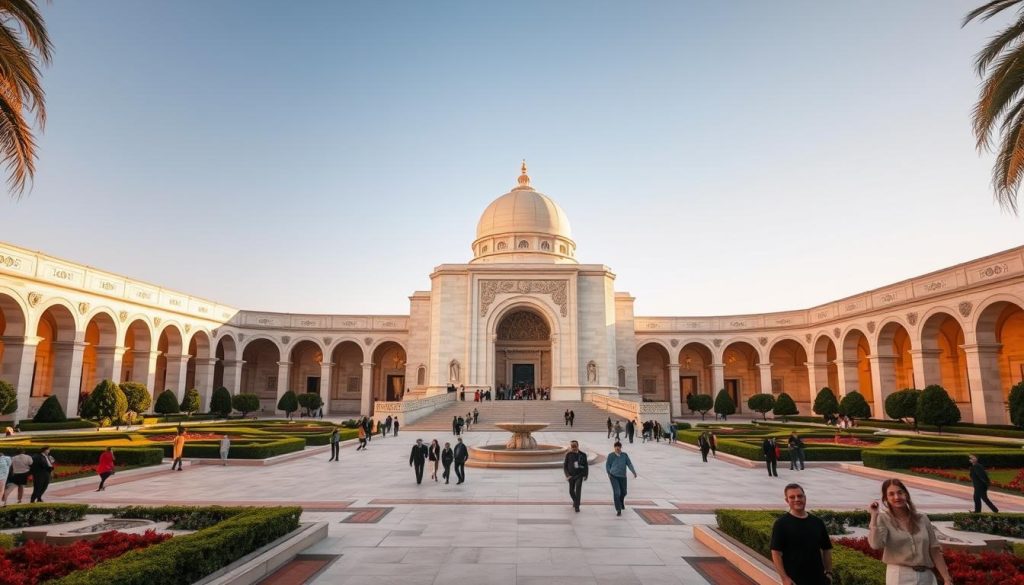
- The grand entrance to the mausoleum complex
- The beautifully decorated tomb chamber
- The surrounding gardens and courtyards
Visiting the Mausoleum of Habib Bourguiba helps you understand Tunisia’s history. It shows how its first president helped shape the country.
Architectural Magnificence of the Bourguiba Mausoleum
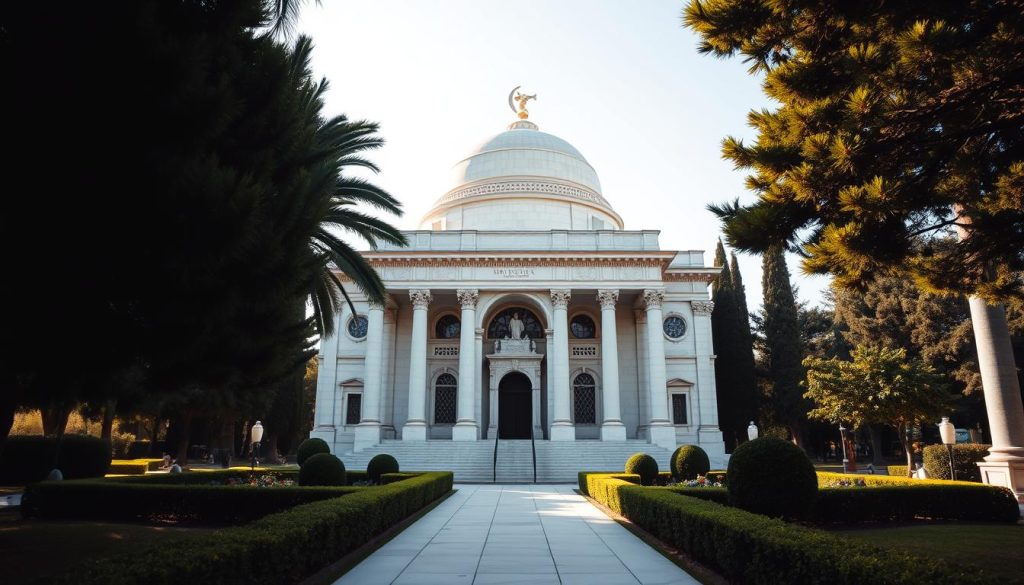
As you get closer to the Habib Bourguiba mausoleum, its stunning design hits you right away. It’s a perfect mix of old and new, making it a standout monument.
Design Elements and Symbolism
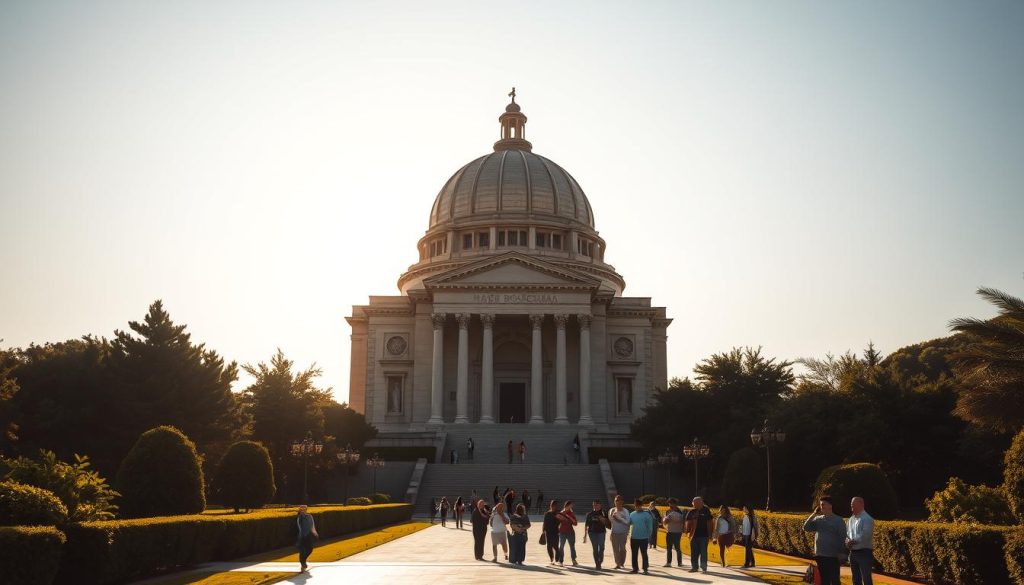
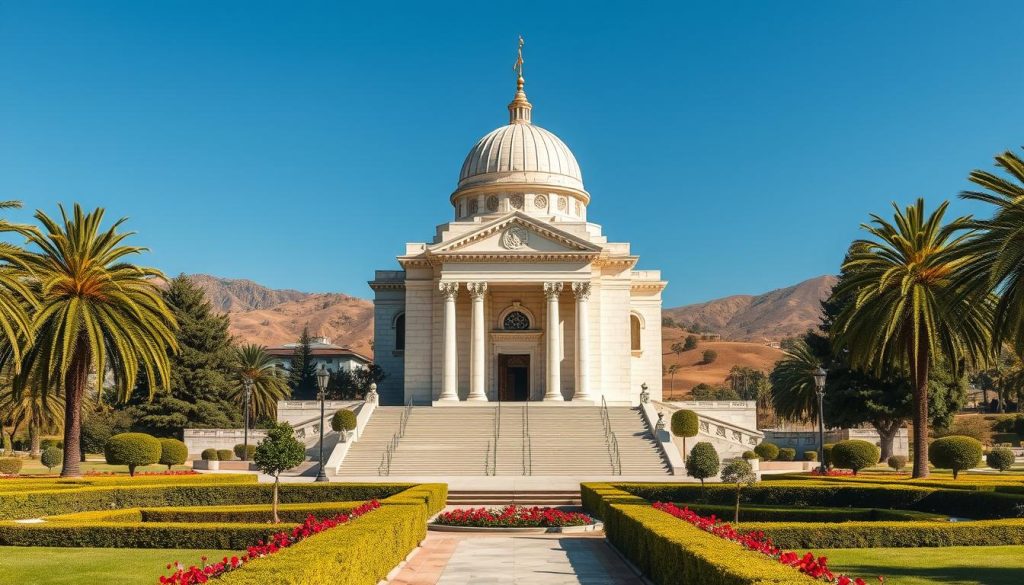
The Bourguiba Mausoleum looks like a mosque, with a golden dome and two green ones. It’s surrounded by two minarets. These features make it beautiful and show Bourguiba’s big role in Tunisian history.
The design honors Islamic architecture but also brings in modern touches.
The Dome and Minarets
The golden dome is a key feature, showing Bourguiba’s role in Tunisia’s modern start. The two minarets add to the beauty, linking the old and new. Together, they make a stunning tribute to Bourguiba’s legacy.
Marble Work and Decorative Features
Inside, you’ll see amazing marble work and decorations that show Tunisia’s rich culture. The marble and decorations make the space calm and respectful. They also show the skill and care put into building the mausoleum.
Inside the Memorial: What You’ll See
Inside the mausoleum, you’ll find the tomb chamber. It’s a tribute to Bourguiba’s lasting impact. Here, you’ll learn more about his life and how he shaped Tunisia’s history.
The Tomb Chamber
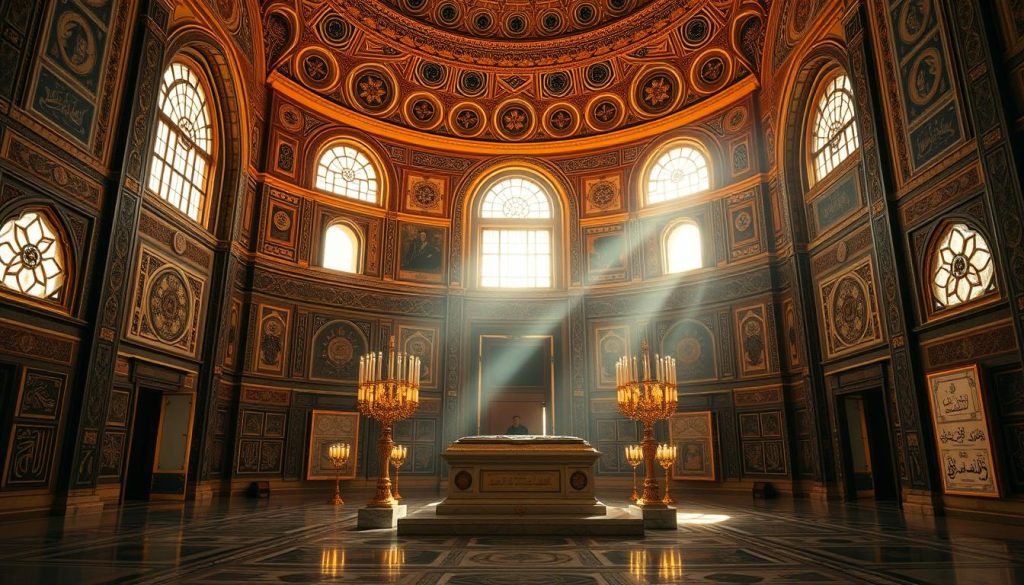
The tomb chamber is the heart of the mausoleum. It holds Bourguiba’s sarcophagus. It’s a place for quiet reflection, honoring the man who changed modern Tunisia.
The Sarcophagus and Its Significance
Bourguiba’s sarcophagus is a work of art. It shows Tunisia’s respect for its leader. The sarcophagus is the main focus in the tomb chamber, highlighting Bourguiba’s legacy.
Surrounding Decorative Elements
The tomb chamber is filled with beautiful decorative elements. You’ll see detailed tile work and calligraphy. These add to the beauty of the space and show Tunisia’s culture and heritage.
Artifacts and Personal Items
As you look around, you’ll see artifacts and personal items of Bourguiba. These include his belongings, documents, and memorabilia. They give a glimpse into his life and achievements.
Historical Exhibits and Photographs
The mausoleum also has exhibits and photos of Bourguiba’s life. These show his journey from the start to his presidency. They help you understand his role in Tunisia’s history and his lasting influence.
Visiting the Habib Bourguiba memorial site is a moving experience. It connects you with Tunisia’s history and its founding father. The Bourguiba mausoleum visit is essential for anyone wanting to learn about Tunisia’s rich heritage.
The City of Monastir: Bourguiba’s Birthplace
Monastir is a city filled with history. It’s where Habib Bourguiba, Tunisia’s founding father, was born. Visiting the mausoleum dedicated to Bourguiba lets you explore the heart of a city crucial to modern Tunisia.
Historical Significance of Monastir
Monastir is more than just Bourguiba’s birthplace. It has seen many eras of Tunisian history, from ancient times to the fight for freedom. The city’s rich past is seen in its architecture, culture, and the people’s strength.
Other Attractions Near the Mausoleum
In Monastir, you’ll find attractions near the Bourguiba mausoleum. Two key sites are:
Ribat of Monastir
The Ribat of Monastir is an ancient fortress. It was a military base and a place of worship. Its location made it key for defense and watching over the area in old times.
Bourguiba Family Cemetery
Next to the mausoleum, the Bourguiba Family Cemetery lies. It’s where many of Bourguiba’s family members rest. It offers a look into the personal life of the man who changed Tunisia’s path.
Local Culture and Cuisine
Monastir is not just about history; it’s also a place to dive into local culture and food. The city offers traditional Tunisian dishes, showing off Mediterranean and Arab flavors. Make sure to try some local foods while you’re there.
| Local Dish | Description |
|---|---|
| Couscous | A traditional North African dish made from semolina flour, often served with vegetables and meat. |
| Brik | A Tunisian pastry filled with egg, tuna, and capers, typically served as an appetizer. |
| Harissa | A chili pepper paste that adds flavor to many Tunisian dishes. |
Habib Bourguiba’s Political Journey and Achievements
Habib Bourguiba’s political career changed Tunisia for the better. His vision for a modern nation is still remembered today. You’ll learn about the key moments that shaped his path.
The Fight for Independence
Bourguiba fought hard for Tunisia’s freedom from France. He co-founded the Neo Destour party, a key player in the fight for independence. His efforts paid off in 1956, when Tunisia became free.
Presidency and Modernization Reforms
As Tunisia’s first president, Bourguiba worked to modernize the country. He focused on the economy, education, and society. His reforms helped Tunisia grow into the modern nation it is today.
Women’s Rights and Education
Bourguiba’s government made big changes for women’s rights. The Code of Personal Status gave women more equality. He also worked to make education more accessible, promoting literacy.
Economic and Social Policies
Bourguiba’s economic plans aimed to boost Tunisia’s growth. He encouraged tourism and foreign investment. His social policies improved healthcare, housing, and welfare, making society more fair.
Controversies and Later Years
Bourguiba’s later years were filled with controversy. He faced criticism for his authoritarian ways and health issues. He was eventually removed from power in 1987, ending his presidency.
 mausoleum, you see the complex legacy of Habib Bourguiba. He was a leader who greatly influenced modern Tunisia through his actions and achievements.
Cultural Impact and National Identity
Habib Bourguiba’s impact on Tunisia is still seen today. His legacy shapes the nation’s identity. Exploring the mausoleum and its area helps understand Bourguiba’s lasting influence on Tunisian society.
Bourguiba’s Influence on Tunisian Society
Habib Bourguiba’s vision for a modern Tunisia has left a mark. His push for education, women’s rights, and secularism helped the nation grow. At the Habib Bourguiba memorial site, you see how his legacy is honored.
“Bourguiba’s reforms were key to Tunisia’s future,” a historian says. “His focus on education and women’s empowerment made society more progressive.”
The Mausoleum as a Symbol of National Pride
The Bourguiba mausoleum is more than a historical site; it’s a symbol of national pride. Visiting the Bourguiba mausoleum is a way to honor Tunisia’s founder. Its beauty shows the importance of Bourguiba’s contributions to Tunisia’s history.
Bourguiba’s Legacy in Modern Tunisia
Bourguiba’s ideas still shape modern Tunisia. His views on democracy, equality, and education are still relevant today. Thinking about your visit to the mausoleum, consider how Bourguiba’s vision inspires Tunisians.
A Tunisian citizen once said, “Bourguiba’s legacy reminds us of our country’s potential and progress.”
Practical Tips for Your Visit
Planning your visit to the Mausoleum of Habib Bourguiba? Here are some tips to make your trip smooth and enjoyable.
Etiquette and Dress Code
Dress modestly as a sign of respect when you visit. Men and women should cover their shoulders and knees. It’s also customary to remove your shoes before entering the tomb chamber.
Photography Guidelines
Photography is okay inside the mausoleum. But, be respectful of others and the site’s sacred nature. Don’t use flash or take pictures inside the tomb chamber.
Guided Tours and Information Resources
Guided tours offer insights into Habib Bourguiba’s life and legacy. You can also find brochures and interactive displays to learn more.
Transportation Options
The mausoleum is in Monastir. You can take taxis, public transport, or rent a car for more freedom.
| Transportation Method | Availability | Cost |
|---|---|---|
| Taxis | Available at the airport and city center | Moderate |
| Public Transport | Regular bus services | Low |
| Car Rental | Available at the airport | High |
Conclusion: Reflecting on Tunisia’s Founding Father
Visiting the Mausoleum of Habib Bourguiba is more than just paying respects. It’s a chance to learn about Tunisia’s history. The mausoleum shows Bourguiba’s lasting impact on Tunisia’s freedom and modern life.
In Monastir, the mausoleum is a key site for history lovers worldwide. It lets you see Bourguiba’s life and his dream for a modern Tunisia. You’ll understand his big influence on the nation.
The mausoleum’s beauty and the items it holds remind us of Bourguiba’s role. It shows the importance of keeping cultural heritage alive. It also teaches us to value history to fully enjoy today.