Djerba Heritage Museum Visits: Uncover the Island’s History
Ever wondered about the secrets of traditional crafts and historical artifacts on a Mediterranean island? A visit to a cultural institution on Djerba Island is a rewarding experience.
The Djerba Traditional Heritage Museum is a treasure trove. It showcases the island’s unique traditions and artisanal crafts. This gives you a fascinating glimpse into its past.
Exploring this museum, you’ll understand the island’s cultural heritage better. You’ll see how history has shaped it.
This journey through the museum’s collections and exhibits is an immersive experience. It’s a must-visit for anyone interested in history or cultural exploration.
The Cultural Significance of Djerba Island
When you arrive on Djerba Island, you dive into a world where cultures blend. Berber, Arab, Jewish, and Ottoman traditions come together here. This mix is thanks to Djerba’s role as a crossroads in the Mediterranean.
Djerba’s culture is rich and complex, shaped by its history. The island’s past is told through its historical exhibits. These exhibits offer a glimpse into Djerba’s heritage.
Djerba’s Strategic Position in Mediterranean History
Djerba has always been important in the Mediterranean. It was a key stop for traders and travelers. Empires like the Romans, Arabs, and Ottomans fought over it because of its strategic location.
| Period | Significant Events | Cultural Impact |
|---|---|---|
| Roman Era | Conquest and establishment of trade routes | Introduction of Roman architecture and governance |
| Arab Conquest | Introduction of Islam and Arabic language | Spread of Islamic culture and Arabic script |
| Ottoman Rule | Administrative and architectural developments | Influence on local cuisine, clothing, and art |
The Melting Pot of Cultures: Berber, Arab, Jewish and Ottoman Influences
Djerba’s culture is a vibrant mix of Berber, Arab, Jewish, and Ottoman traditions. Each culture has shaped the island, from language and food to architecture and customs.
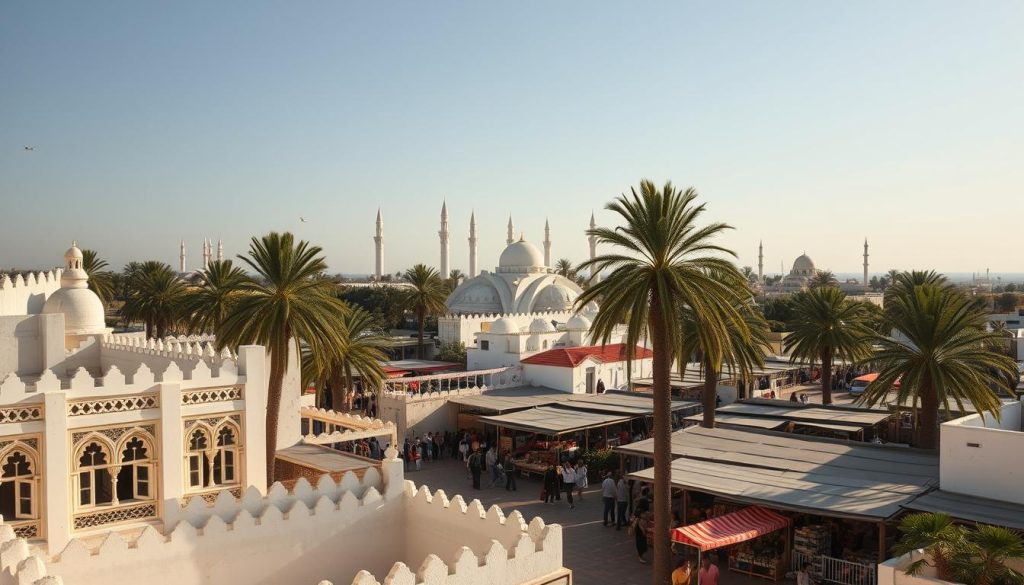
The Djerba Heritage Museum shows the island’s cultural diversity. It displays artifacts and stories that reveal Djerba’s rich heritage. Exploring these exhibits helps you understand Djerba’s unique identity.
Exploring the Djerba Heritage Museum: An Overview
Your journey through Djerba’s past starts at the Djerba Heritage Museum. It’s a special place built to show off the island’s heritage. Located near the Zaouia of Sidi Zitouni, it’s just 200m from the town centre. This museum is a big tourist attraction that gives you a peek into Djerba’s rich culture.
The Museum’s Foundation and Mission
The Djerba Heritage Museum was made to keep and share the island’s history and traditions. It’s a cultural center that helps visitors understand Djerba’s heritage through its exhibits.
Architecture and Layout of the Museum
The museum’s design is shaped like the island, showing off its unique culture. As you walk through, you’ll see a plan that takes you through Djerba’s history. It’s a fun museum itinerary that keeps you interested.
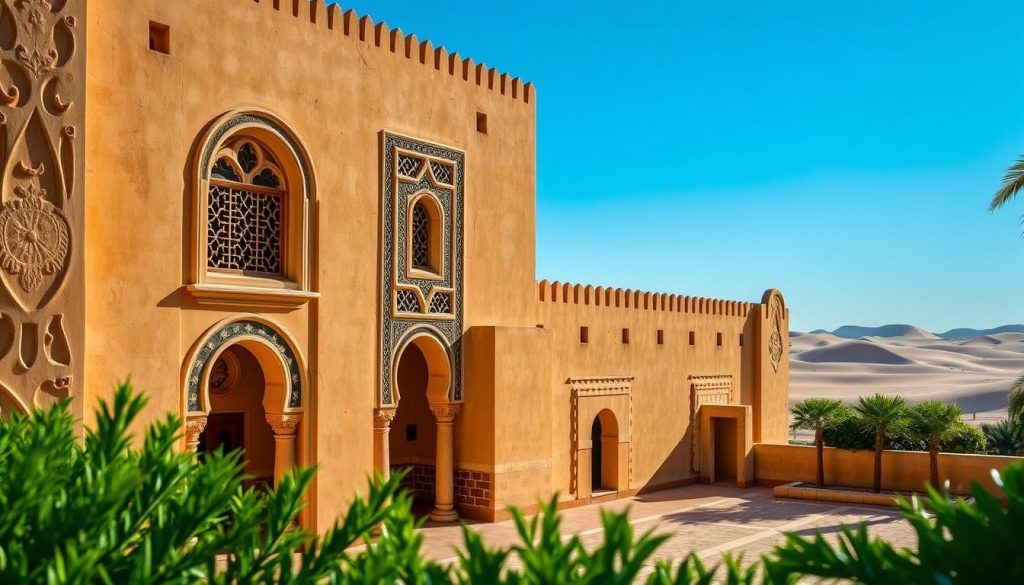
What Makes This Museum Unique in Tunisia
The Djerba Heritage Museum stands out with its interactive displays and well-chosen collections. It mixes old and new exhibits to show Djerba’s culture in a special way. This makes it a top cultural spot in Tunisia.
Key Historical Exhibits You Shouldn’t Miss
Exploring the Djerba Heritage Museum is like finding a treasure trove of history. You’ll see the island’s rich cultural heritage up close. The museum’s wide range of exhibits helps you understand Djerba’s history and importance.
Ancient Artifacts and Archaeological Treasures
The museum has an amazing collection of ancient artifacts and treasures. These pieces give you a peek into Djerba’s past, from ancient times to the Roman era.
Prehistoric and Roman Era Findings
Marvel at prehistoric tools and Roman relics like coins, pottery, and sculptures. These items tell us about the lives of Djerba’s early people.
Maritime History Artifacts
See artifacts that show Djerba’s key role in the Mediterranean. Learn about ancient navigation, shipbuilding, and trade.
Traditional Crafts and Artisanal Displays
The museum also showcases traditional crafts and artisanal work. Watch local artisans at work, from weaving to woodcarving.
Religious and Cultural Heritage Collections
The museum’s religious and cultural collections are a highlight. They feature artifacts that show Djerba’s diverse cultural influences. Learn about local customs, weddings, and traditional costumes.
| Exhibit | Description | Significance |
|---|---|---|
| Prehistoric Tools | Ancient tools used by early inhabitants | Provides insights into early human life |
| Roman Era Relics | Coins, pottery, and sculptures from the Roman era | Highlights the island’s cultural exchange during the Roman period |
| Maritime Artifacts | Exhibits on ancient navigation and shipbuilding | Showcases Djerba’s maritime history and trade significance |
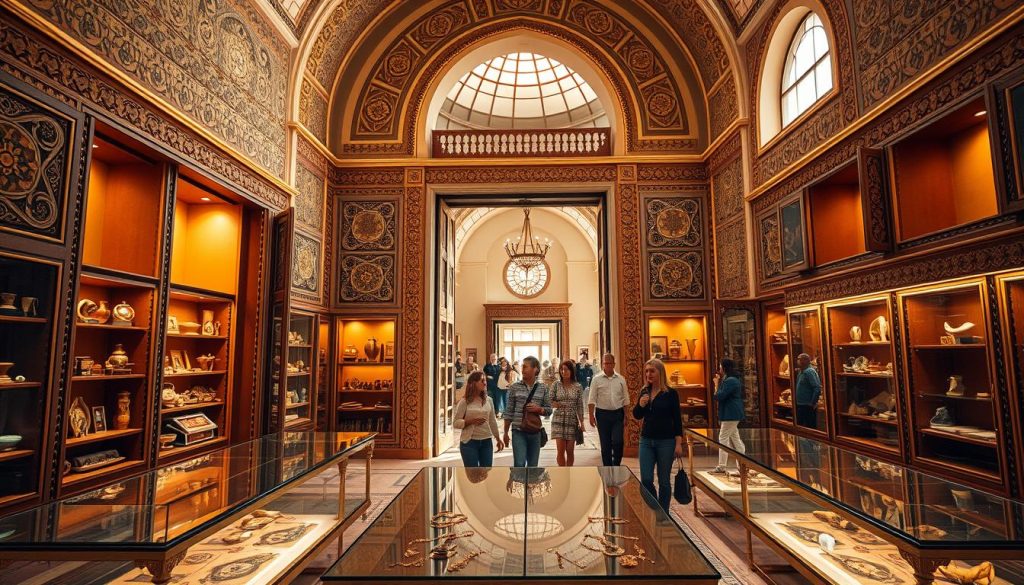
For a deeper understanding, consider a guided tour. It adds context and stories to the artifacts, making your visit more meaningful.
Understanding Djerba’s Traditional Lifestyle Through Museum Displays
Exploring the Djerba Heritage Museum lets you dive deep into the island’s traditional lifestyle. The museum showcases various aspects of life, from costumes to food. You’ll see how the island’s culture evolved over time.
Daily Life Recreations and Household Items
The museum brings daily life to life with its scenes and household items. You’ll get a peek into how people lived and worked. It’s a window into their daily routines and traditions.
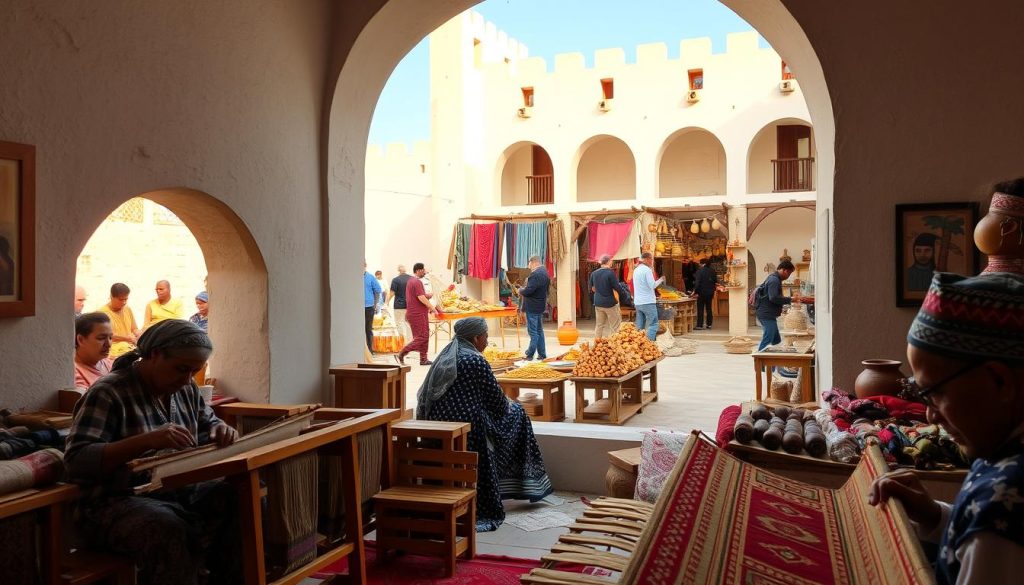
Agricultural and Fishing Traditions
Djerba’s agricultural and fishing traditions are key to its history. The museum shows the tools and methods used by locals. You’ll learn how these skills were passed down through generations.
Traditional Clothing and Textiles
Traditional clothing and textiles are a big part of Djerba’s culture. The museum displays a variety of outfits, from wedding dresses to everyday clothes. You’ll see the beauty in the designs and craftsmanship.
Wedding Garments and Ceremonial Attire
The museum has stunning wedding garments and ceremonial attire. These pieces show off the intricate embroidery and craftsmanship. You’ll understand their importance in traditional ceremonies.
Everyday Wear Through the Centuries
The museum also shows everyday clothes from different eras. This gives you a glimpse into the daily lives of Djerba’s people. You’ll see how fashion changed over time, reflecting cultural shifts.
| Exhibit | Description |
|---|---|
| Daily Life Recreations | Recreations of traditional household scenes |
| Agricultural Tools | Traditional tools used by local farmers |
| Wedding Garments | Intricately embroidered clothing for special occasions |
Essential Guide to Djerba Heritage Museum Visits
Planning a visit to the Djerba Heritage Museum? Here are some tips to make your trip better. This museum is a key cultural spot on the island. It dives deep into Djerba’s history and heritage.
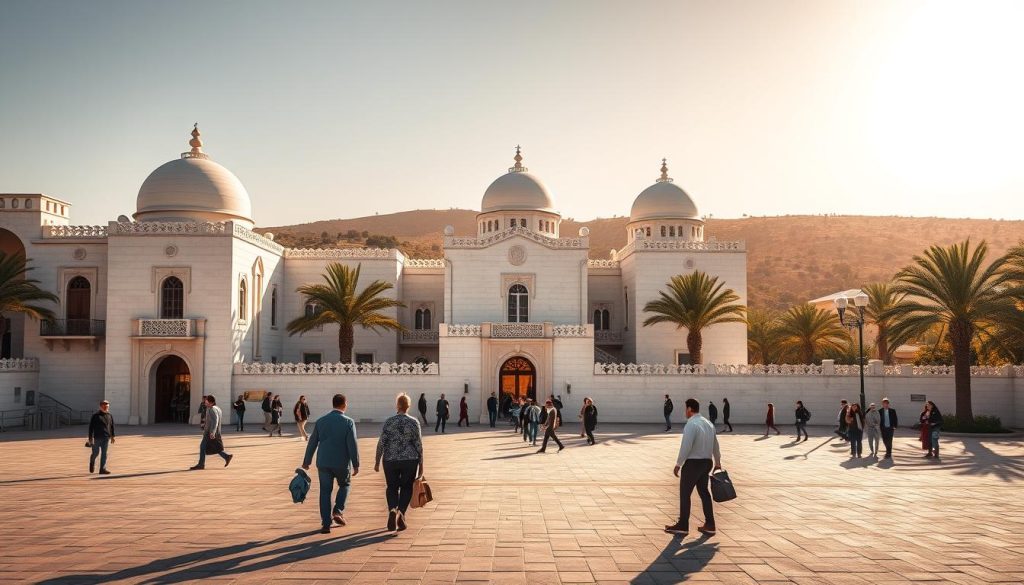
Best Times to Visit and Seasonal Considerations
Visit the Djerba Heritage Museum early in the day to avoid crowds. The museum is open all year. But, spring and autumn are the best times to visit Djerba. The weather is mild and pleasant then.
- Spring (March to May) is great for outdoor activities before the museum.
- Autumn (September to November) has a comfortable climate for walking and cultural visits.
Ticket Information and Opening Hours
Knowing the museum’s hours and ticket info is key. The Djerba Heritage Museum is open from 9 AM to 5 PM, Tuesday through Sunday. Always check the official website or call the museum for any changes.
Ticket prices: Adults – 10 TND, Students and seniors – 5 TND, Children under 6 – Free
Accessibility and Facilities for International Visitors
The Djerba Heritage Museum welcomes all visitors. It’s wheelchair accessible with ramps and elevators. Guided tours are available in English, French, and Arabic for international guests.
“The Djerba Heritage Museum is not just a repository of artifacts; it’s a gateway to understanding the island’s rich cultural tapestry.” – Museum Curator
By considering these tips, your visit to the Djerba Heritage Museum will be enjoyable. You’ll make the most of your time on the island.
Guided Tours and Educational Programs
The Djerba Heritage Museum offers guided tours and educational programs. They help you understand the island’s rich cultural heritage. These programs are designed for different interests and preferences.
Types of Tours Available
The museum has various tours to meet your needs. You can pick from English-language tour options for detailed insights. Or, choose self-guided tour resources for a flexible exploration.
English-Language Tour Options
These tours are led by experts who share in-depth knowledge. You’ll get hotel pickup, entrance fees, and a pottery workshop. Plus, a knowledgeable driver and guide will be with you.
Self-Guided Tour Resources
For a more independent visit, the museum offers self-guided resources. You’ll find detailed exhibit descriptions and interactive guides. This ensures a rich and engaging experience.
Special Programs for American Visitors
The museum has special programs for American visitors. They aim to offer a personalized and culturally relevant experience. These may include tailored tours and cultural events.
Educational Workshops and Cultural Events
The Djerba Heritage Museum also hosts educational workshops and cultural events. You can learn traditional crafts and local customs. These events are a great way to engage with the local community.
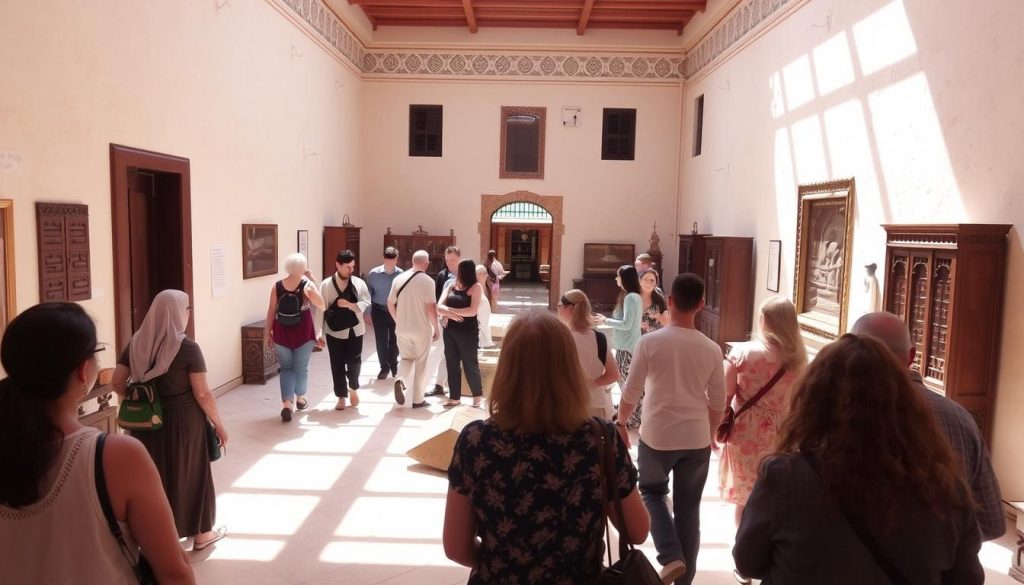
By joining these tours and programs, you learn more about Djerba’s history and culture. You also help preserve the museum’s efforts. As a guide once said, “Preserving our heritage is a collective effort; every visitor plays a role in supporting our mission.” This shows the importance of supporting cultural institutions like the Djerba Heritage Museum.
Combining Your Museum Visit with Other Djerba Attractions
Djerba has more to offer than just the Djerba Heritage Museum. You can find historical sites, tasty local food, and unique shops. Planning your museum itinerary to include these spots will make your trip unforgettable.
Nearby Historical Sites and Cultural Landmarks
After seeing the Djerba Heritage Museum, check out the island’s other historical spots. Don’t miss the Pottery Village to learn about Djerba’s craft traditions. Also, visit the El Ghriba Synagogue to see the island’s rich history.
The Pottery Village and Heritage Museum Tour is a 4-hour journey. It dives deep into the island’s artistic traditions.
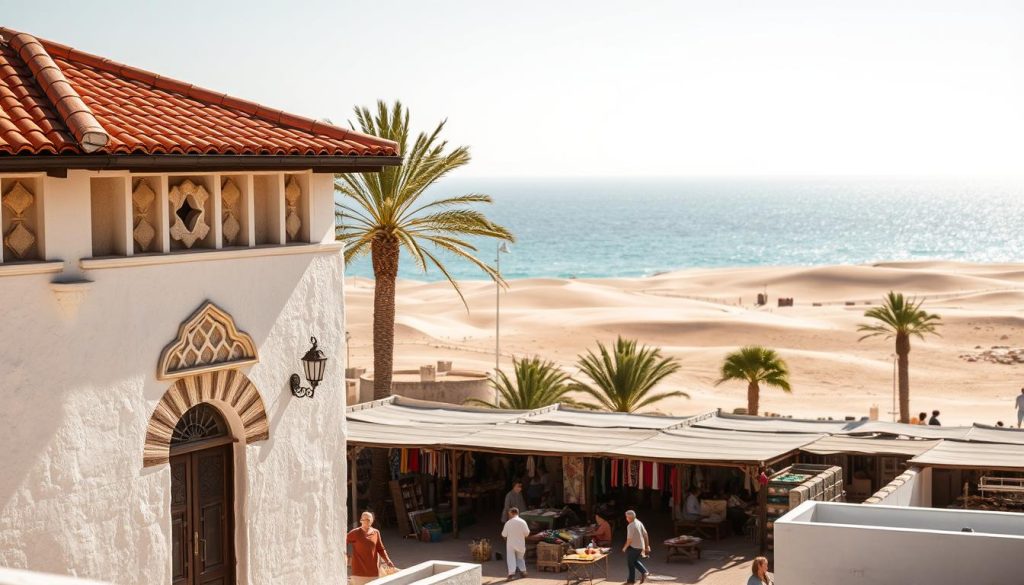
Local Restaurants and Authentic Tunisian Cuisine
Trying local food is essential in Djerba. You should taste dishes like brik and couscous at local restaurants. Dining at places that use local ingredients lets you enjoy the island’s true flavors.
Enjoying local restaurants is a great way to experience Djerba’s cultural heritage.
Shopping for Traditional Crafts and Souvenirs
Djerba is famous for its traditional crafts, like pottery, textiles, and jewelry. When shopping for souvenirs, look for items made locally. This way, you can bring a piece of Djerba’s cultural heritage home with you.
Preservation Efforts and Future Developments
The Djerba Heritage Museum focuses on preserving the island’s history. By visiting, you help support the museum’s work. This includes conservation projects and community efforts to save heritage.
Current Conservation Projects
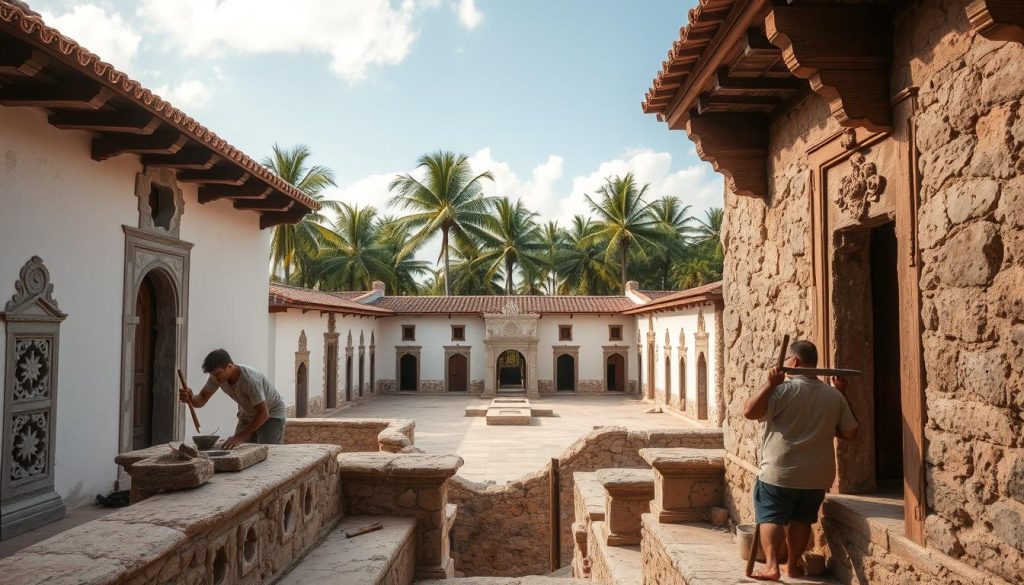
The museum is working on several projects to save Djerba’s culture. They restore artifacts, digitize records, and preserve traditional crafts. Your support helps keep these historical treasures safe for the future.
Community Involvement in Heritage Preservation
Local people play a big role in the museum’s work. They help through workshops, donate artifacts, and share their knowledge. This teamwork makes the museum’s collections richer and builds community pride.
Upcoming Exhibits and Museum Expansions
The museum is planning exciting new things for visitors. There will be interactive displays, more exhibits, and a bigger collection of crafts. These updates will make your visit even more engaging and informative.
Conclusion: The Enduring Value of Djerba’s Cultural Heritage
As you finish your visit to the Djerba Heritage Museum in Djerba, Tunisia, you see the island’s cultural heritage is truly valuable. The museum opens a window into Djerba’s history, traditions, and cultural practices. It gives you important visitor information that makes your visit better.
You now have a deeper respect for Djerba’s unique identity and its cultural heritage. The Djerba Heritage Museum shows the island’s rich cultural history and its importance in the region. By visiting the museum, you learn more about the island’s history and cultural practices. This makes your trip to Djerba, Tunisia, even more special.
Your time at the museum is not just educational. It also reminds you of the need to protect cultural heritage. When planning your trip to Djerba, Tunisia, make sure to visit the Djerba Heritage Museum. It will help you understand this fascinating island and its people better.