Your Guide to the Ribat of Sousse: Exploring Tunisia’s Historic Site
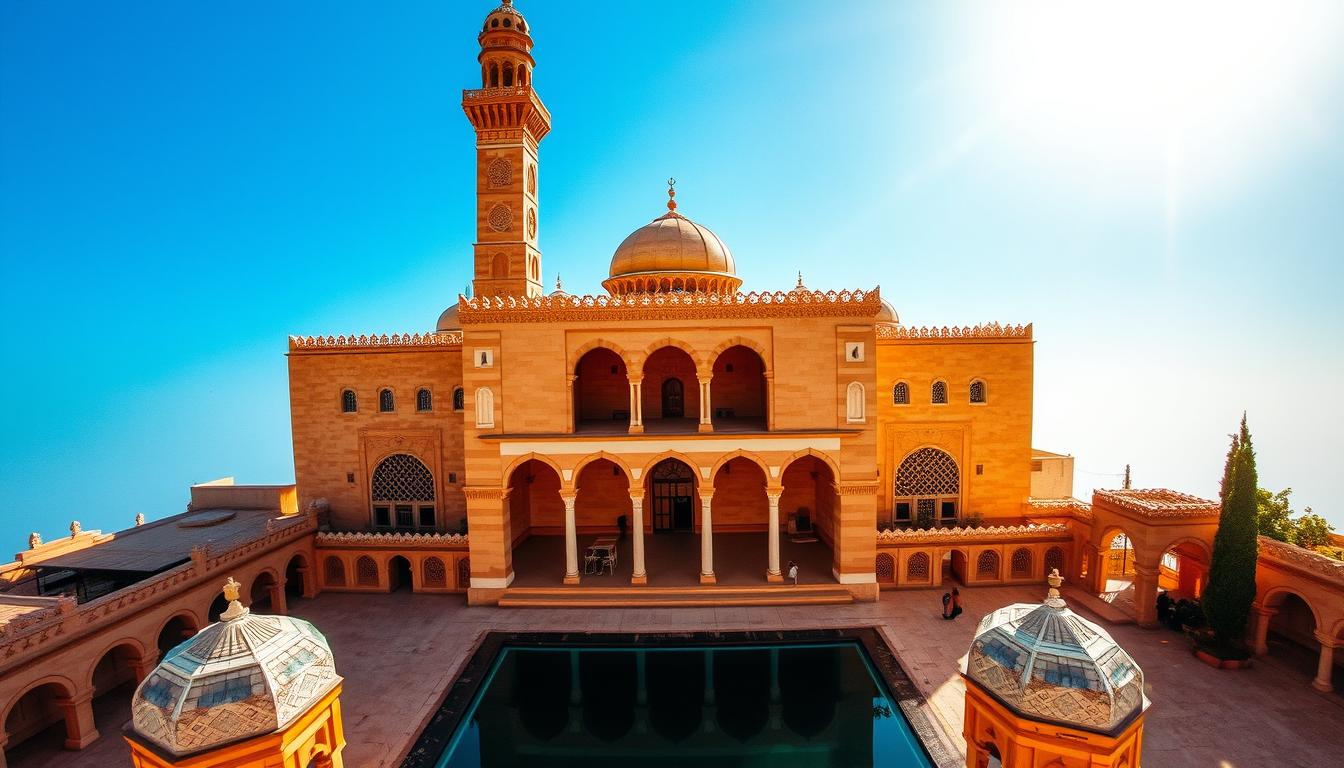
Ever wondered what secrets Tunisia’s ancient walls hold? The Ribat of Sousse, built in the 8th century, showcases the country’s rich history and Islamic architecture. When you visit this historical site in Sousse, Tunisia, you’re diving into history.
This guide will show you the Ribat’s importance, its stunning architecture, and what to see when you visit. It’s a key tourist attraction in Tunisia, giving you a peek into the country’s cultural past.
The Historical Significance of the Ribat of Sousse
Exploring the Ribat of Sousse reveals its deep historical value. This ancient fortress, built in the 8th century, has been crucial in Tunisia’s history.
Origins and Purpose in the 8th Century
The Ribat of Sousse was built as a fortified monastery. It served both religious and military needs. Its location helped defend against invaders.
The Ribat’s design shows its dual use. It offers a glimpse into early Islamic times in the area.
Role in Islamic Military Architecture
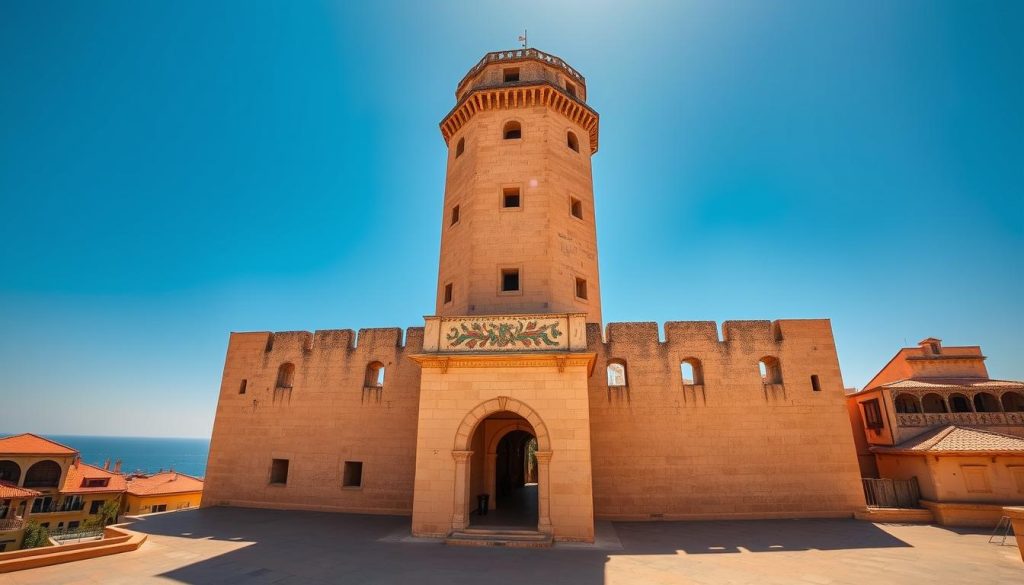
The Ribat of Sousse showcases Islamic military architecture. Its design inspired other fortifications worldwide. Its walls and towers were made to resist attacks.
Visitors can see its importance in Islamic architecture.
Historical Timeline and Key Events
The Ribat of Sousse has seen many important moments. It defended against the Crusades and played a part in the Ottoman era. Knowing its history makes visiting it more meaningful.
Visiting the Ribat of Sousse is more than seeing a site. It’s diving into a part of history that still fascinates people today.
Understanding the Architecture of the Ribat
The Ribat of Sousse shows the skill of its builders. It mixes practical use with spiritual importance. As you walk through, you’ll see the detailed work that makes it a key example of Islamic architecture.
Defensive Features and Design Elements
The Ribat of Sousse has strong thick walls and a solid design. These features helped it stand strong over time. It was a fortress, keeping people safe from invaders.
The design, with narrow entrances and watchtowers, shows its importance in Islamic military architecture.
- Thick walls for enhanced protection
- Narrow entrances to control access
- Watchtowers for surveillance
The Watchtower and Panoramic Views
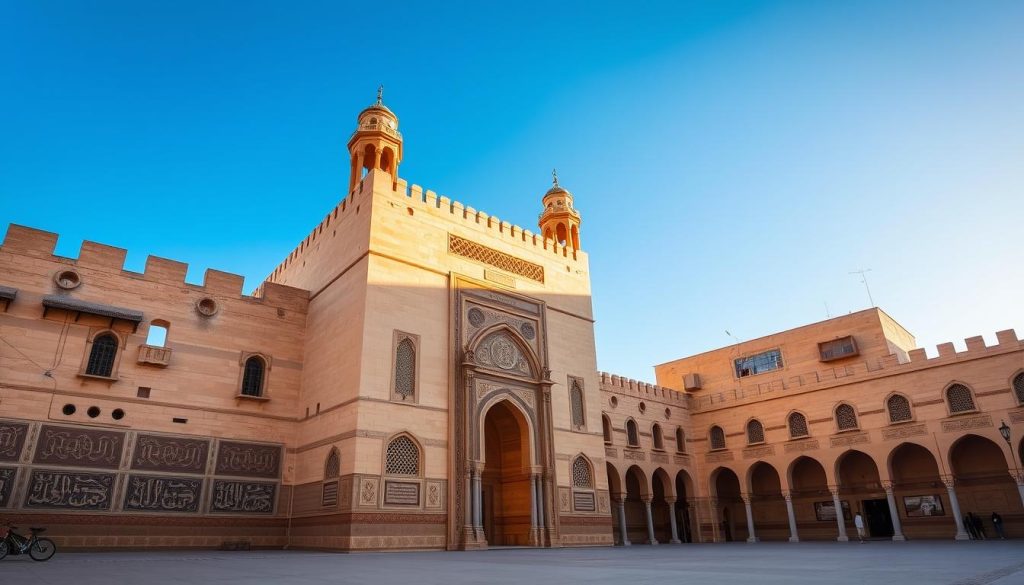
Visiting the Ribat of Sousse is special because of its watchtower. It gives breathtaking panoramic views of the area. From there, you can see the Medina of Sousse and the coast, showing its strategic value.
Prayer Rooms and Religious Significance
The Ribat of Sousse is more than a fortress; it’s a place of worship. Its prayer rooms show its role in the community’s spiritual life. It’s a place for quiet reflection and prayer, blending the sacred with the defensive.
Learning about the Ribat of Sousse’s architecture helps us understand its history and culture. Whether you’re into Islamic architecture, history, or just exploring Sousse landmarks, the Ribat is a must-see.
Planning Your Ribat of Sousse Visit
To get the most out of your trip to the Ribat of Sousse, planning is key. The Ribat welcomes visitors all year round. But, there are a few things to think about to make your visit better.
Opening Hours and Admission Fees
The Ribat of Sousse’s opening hours and admission fees change with the seasons. It’s smart to check the latest info before you go. This way, you won’t run into any surprises.
Historical sites in Tunisia charge different prices for adults, kids, and students. So, it’s wise to know what to expect.
| Season | Opening Hours | Admission Fee |
|---|---|---|
| Peak Season | 8:00 AM – 6:00 PM | $5 Adults, $2 Children |
| Off-Season | 9:00 AM – 5:00 PM | $3 Adults, $1 Children |
Best Times to Visit
It’s best to visit when it’s cooler. Early morning or late afternoon is perfect. You’ll avoid the heat and crowds, and get great photos.
Accessibility Information
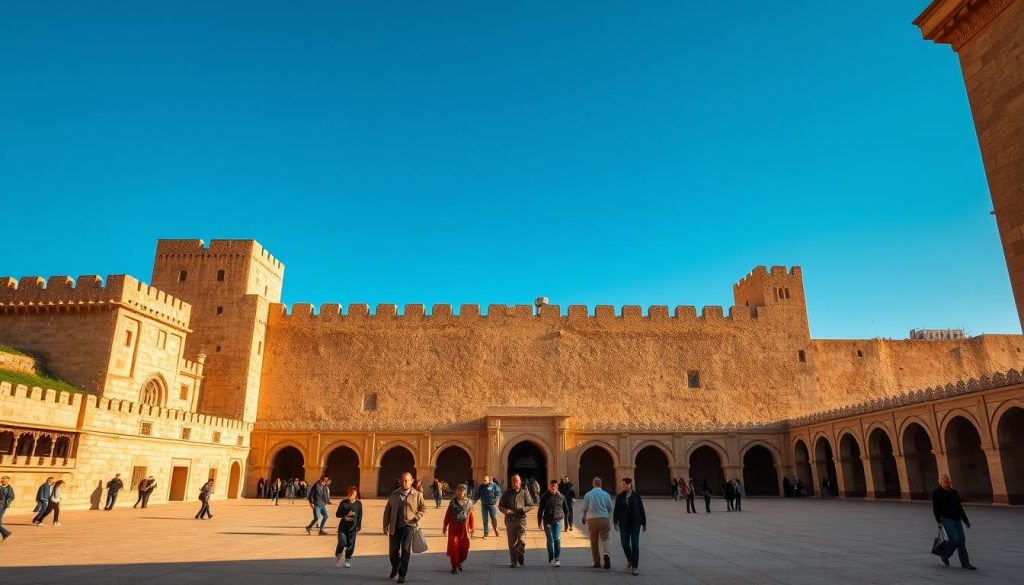
The Ribat of Sousse is accessible to many visitors. The paths are mostly flat, and there are ramps. But, some areas might be off-limits for preservation reasons. It’s a good idea to check ahead of time.
By following these tips, you can have a great time at the Ribat of Sousse.
What to See Inside the Ribat
Stepping into the Ribat of Sousse reveals a world of history and architecture. This complex offers a peek into Tunisia’s past. It’s filled with attractions you won’t want to miss.
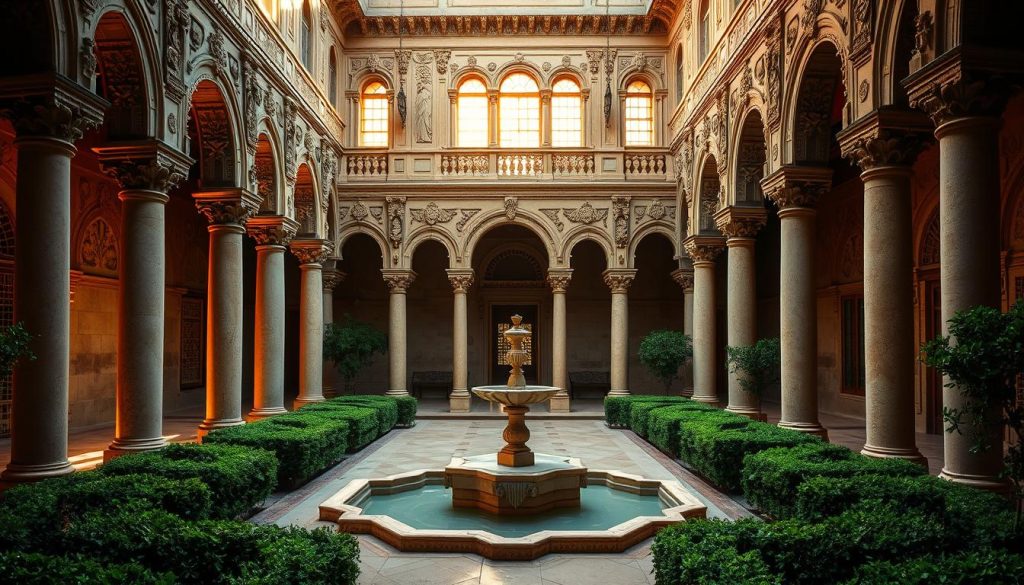
The Central Courtyard
The central courtyard is a peaceful spot in the fortress. It’s surrounded by strong walls that have lasted for centuries. This area is perfect for quiet reflection and gives a glimpse into the lives of those who lived here.
The Minaret and Observation Tower
Climbing the minaret is a must-see at the Ribat of Sousse. It offers panoramic views of the area. The minaret is a key part of Islamic architecture, used for both prayer and defense. From the top, you can see Sousse and the Mediterranean coast.
The Small Museum Collection
The Ribat has a small museum with artifacts from excavations. You can see everything from ancient pottery to historical documents. It’s a great way to learn more about this important site.
| Attraction | Description | Highlights |
|---|---|---|
| Central Courtyard | A serene open space within the fortress | Imposing walls, tranquil atmosphere |
| Minaret and Observation Tower | A characteristic feature of Islamic architecture | Panoramic views, historical significance |
| Small Museum Collection | A collection of artifacts from the site | Ancient pottery, historical documents |
Exploring the Surrounding Medina of Sousse
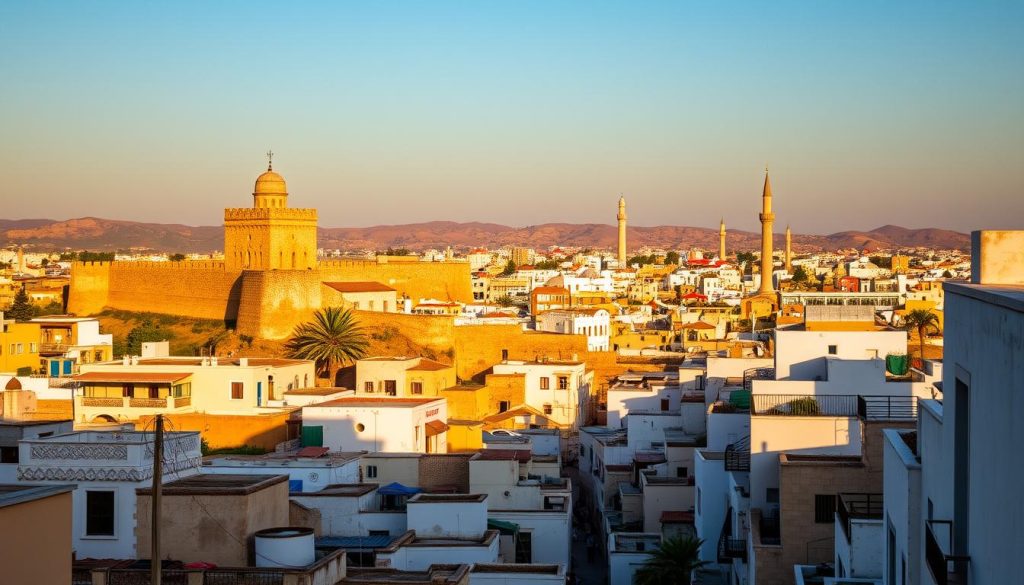
Your trip to the Ribat of Sousse isn’t complete without exploring the Medina. As you leave, you’re thrown into the lively Medina of Sousse. It’s a UNESCO World Heritage site filled with history and culture.
UNESCO World Heritage Connection
The Medina of Sousse is famous for its ancient buildings and history. It’s a key tourist attraction in Tunisia. Being a UNESCO World Heritage site means it’s protected for the future.
Other Notable Sites Near the Ribat
In the Medina, you’ll find other Sousse landmarks like old mosques and souks. These places show the area’s rich culture. You can see amazing buildings and feel the market’s energy.
| Landmark | Description |
|---|---|
| Historic Mosques | Ancient places of worship showcasing Islamic architecture |
| Traditional Souks | Vibrant markets offering local goods and cuisine |
Local Dining Options
After seeing sights, try local food. Sousse travel tips include eating at places that serve real Tunisian dishes. You’ll love the flavors, from spicy to sweet. There are many restaurants in the Medina to choose from.
Visiting the Medina of Sousse is more than seeing a site. It’s diving into local culture and history. Don’t miss this part of your Sousse travel tips for a memorable trip.
Practical Tips for American Travelers
To enjoy your visit to the Ribat of Sousse, knowing a few key tips is important. Understanding the local currency, language, safety, and staying connected can make your trip better.
Currency and Payment Information
The Tunisian Dinar (TND) is the local currency in Tunisia. While some places accept Euros or US Dollars, using the local currency is best. Credit cards are common in hotels and shops, but cash is better for small buys and markets.
You can exchange money at airports, banks, or currency offices.
Language Considerations
Arabic is the official language, but French is common in tourist spots. Many service workers, like hotel staff and guides, speak English. Still, knowing some Arabic can be a nice gesture.
Safety Tips for Tourists
Tunisia is safe for tourists, but it’s smart to be careful. Watch your belongings, avoid big cash, and stay updated on local news.
Connectivity and Mobile Access
Mobile phones work well in Tunisia, with many roaming options. You can also get a local SIM for data and calls. Being connected helps you explore and stay in touch.
Knowing these practical tips can make your trip to the Ribat of Sousse better. Whether you’re seeing the historic site, the medina, or enjoying the culture, being ready is key.
Cultural Etiquette When Visiting Religious Sites in Tunisia
Exploring the Ribat of Sousse, a key Sousse landmark, is more enjoyable with local etiquette in mind. Tunisia boasts rich Islamic architecture. It has many religious sites that are both tourist attractions and sacred to locals.
Dress Code Recommendations
When visiting the Ribat of Sousse and other religious sites in Tunisia, follow a modest dress code. Wear clothes that cover your shoulders and knees to show respect. Both men and women should avoid revealing outfits to respect local customs.
Respectful Behavior Guidelines
Being considerate of your actions is key at religious sites. Keep your voice down and don’t take photos that disturb others. Following these rules helps ensure a positive visit for everyone.
By following these cultural norms, you make your visit to the Ribat of Sousse more meaningful. You also help preserve this historic site.
Guided Tours vs. Self-Guided Exploration of the Ribat of Sousse
You can see the Ribat of Sousse in two ways: with a guide or on your own. Each method has its own benefits, fitting different tastes and learning ways.
Think about what you want from your visit. If you want to learn more about the Ribat’s history, a guided tour is better.
Benefits of Hiring a Local Guide
A local guide can make your Ribat of Sousse visit better. They know a lot about the site’s history, design, and cultural value. Their knowledge helps you understand the Ribat’s military past and its place in Tunisia’s history.
Guides also share interesting stories and facts. This makes your visit more fun and memorable.
Self-Guided Tour Resources
If you like to explore alone, there are resources for you. The Ribat has signs with important info about its parts. You can also use guidebooks or apps for more Sousse travel tips. These help you learn about the site’s history and design as you go.
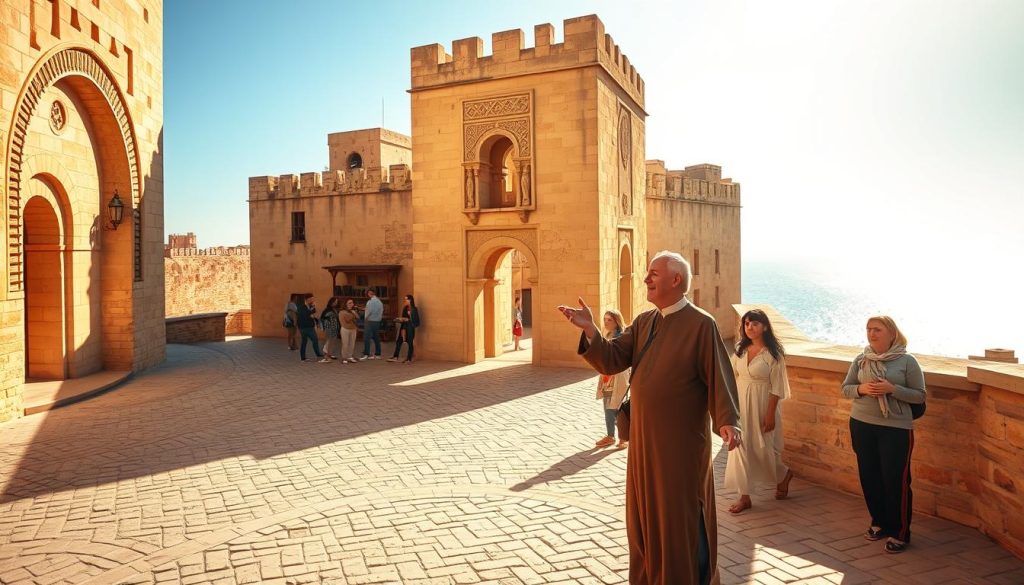
Group Tour Options
For a mix of guidance and freedom, try group tours. These tours have a guide who shows you around and answers your questions. It’s a good way to meet others and learn from a local expert, making your Ribat of Sousse visit both fun and educational.
Whether you go with a guide or on your own, the Ribat of Sousse is worth seeing. Think about what you like and how you learn best to get the most out of your visit. You’ll find it’s full of history and culture.
Conclusion: Making the Most of Your Visit to the Ribat of Sousse
As you finish your visit to the Ribat of Sousse, think about all you’ve learned. This 8th-century fortress shows Tunisia’s deep history and culture. It’s a reminder of the need to keep these places safe for the future.
To enjoy your visit, plan well. Look for the best times to go and respect local customs. This way, you’ll dive deep into the history and culture this site offers.
Your trip to the Ribat of Sousse will be unforgettable. It lets you see how important this site is to Tunisia’s culture.