Discover the Enchanting Old Town Architecture in Tunis
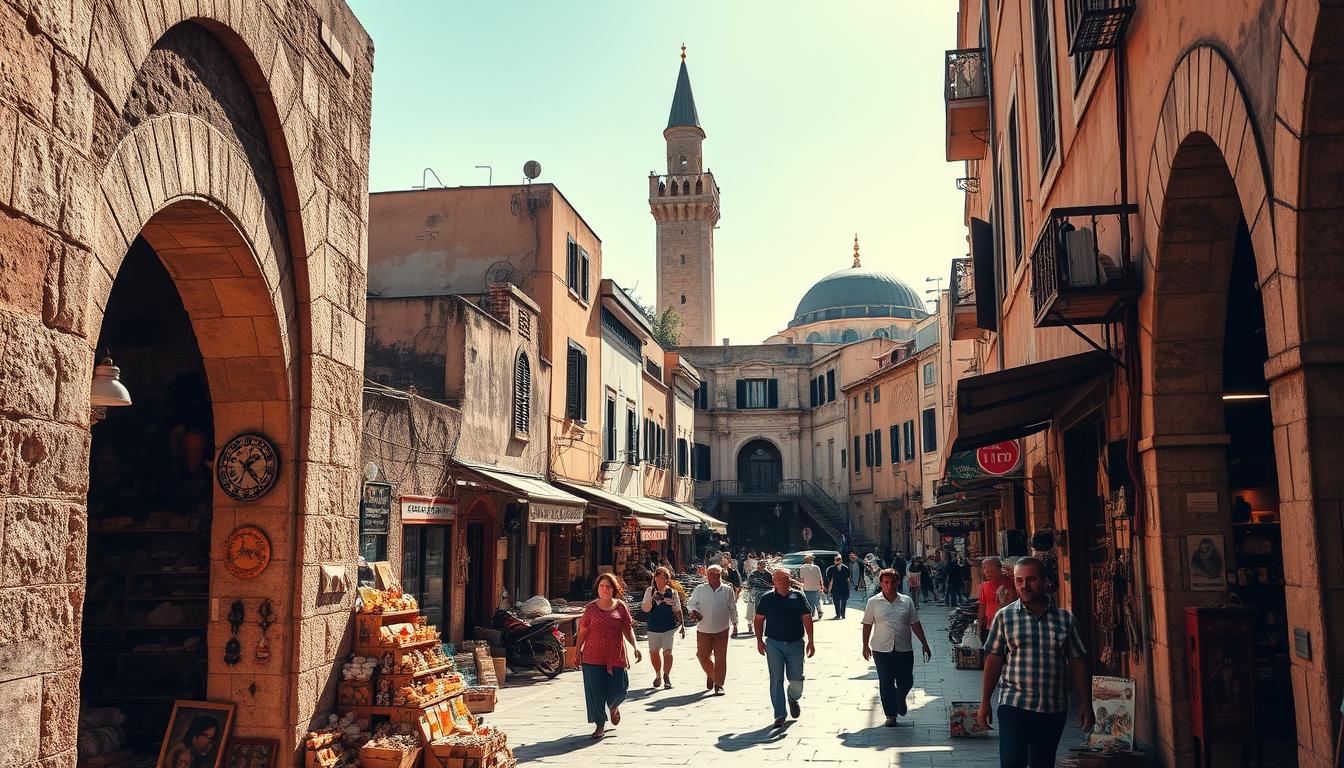
Have you ever walked through a city that feels like a museum? The Medina in Tunis is a UNESCO World Heritage Site since 1979. It’s filled with narrow alleys and lively markets, showing the mix of Arab, Andalusian, and Ottoman styles.
Walking through the Medina, you feel the historic significance all around. The architecture and culture of Tunis are truly unique.
Exploring further, you’ll find the city’s hidden treasures. From beautiful mosques to bustling souks, the people’s warmth is unforgettable.
The Rich Historical Background of Tunis’s Medina
When you enter the Medina of Tunis, you’re surrounded by centuries of history. This old city, dating back to the 7th century, is filled with narrow streets and traditional shops. Its historic buildings tell the story of the city’s growth over time.
The Founding and Evolution of the Old Town
The Medina of Tunis started as a Berber settlement. Over the years, it changed a lot, thanks to different cultures and rulers. By the 13th century, it became a key center of Arab culture.
From Berber Settlement to Arab Capital
Tunis’s transformation from a Berber village to an Arab capital was slow. The Arab conquest in the 7th century marked the beginning of its growth. Its location made it a key spot for trade and culture.
Key Historical Periods Shaping the Medina
Many historical periods have shaped the Medina. The Arab conquest introduced Islam and Arabic culture. The Hafsid dynasty brought growth, making Tunis a cultural and economic center. The Ottoman period added new architectural styles and ways of governing.
| Historical Period | Key Events | Impact on Medina |
|---|---|---|
| 7th Century – Arab Conquest | Introduction of Islam and Arabic culture | Establishment of Medina as a significant urban center |
| 13th Century – Hafsid Dynasty | Significant growth and cultural development | Medina becomes a major cultural and economic hub |
| 16th Century – Ottoman Period | Introduction of new architectural styles and administrative practices | Further development of Medina’s architecture and governance |
Understanding Tunis Old Town Architecture: Styles and Elements
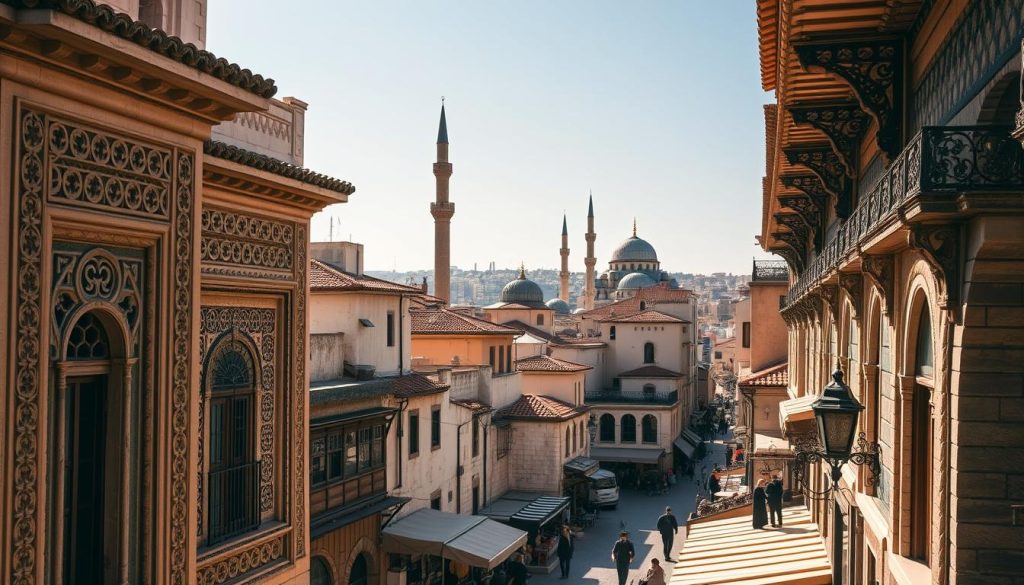
Exploring the historic Medina of Tunis reveals a rich mix of architectural styles. These styles show the city’s diverse cultural heritage. The Medina’s architecture highlights the city’s strategic location and its role in cultural exchange.
Distinctive Features of Tunisian Architecture
Tunisian architecture stands out with its geometric patterns, decorative elements, and unique structures. These features are seen in the Medina’s buildings, from grand mosques to small homes.
Geometric Patterns and Decorative Elements
Geometric patterns are a key feature of Tunisian architecture. Look for intricate tile work, known as zellij, on walls and floors. These patterns use complex shapes like stars and polygons to create stunning designs.
Structural Characteristics of Medina Buildings
The buildings in Tunis’s Medina are built to handle the hot climate. They have thick walls, narrow windows, and internal courtyards to stay cool. The use of local materials like stone and brick makes the Medina’s architecture unique.
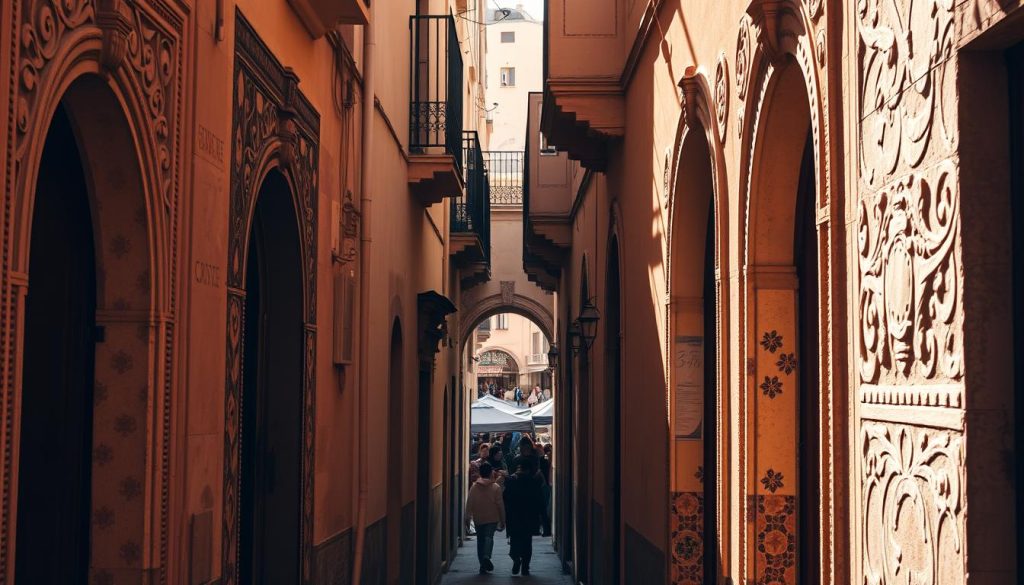
The blend of these elements creates a special architectural style in Tunis. As you wander the Medina, you’ll see the care and skill in these beautiful buildings.
- Geometric patterns and decorative elements are used extensively in Tunisian architecture.
- The structural characteristics of Medina buildings are designed to provide a comfortable living space.
- The use of local materials adds to the distinctive character of the Medina’s architecture.
The UNESCO World Heritage Status of Tunis Medina
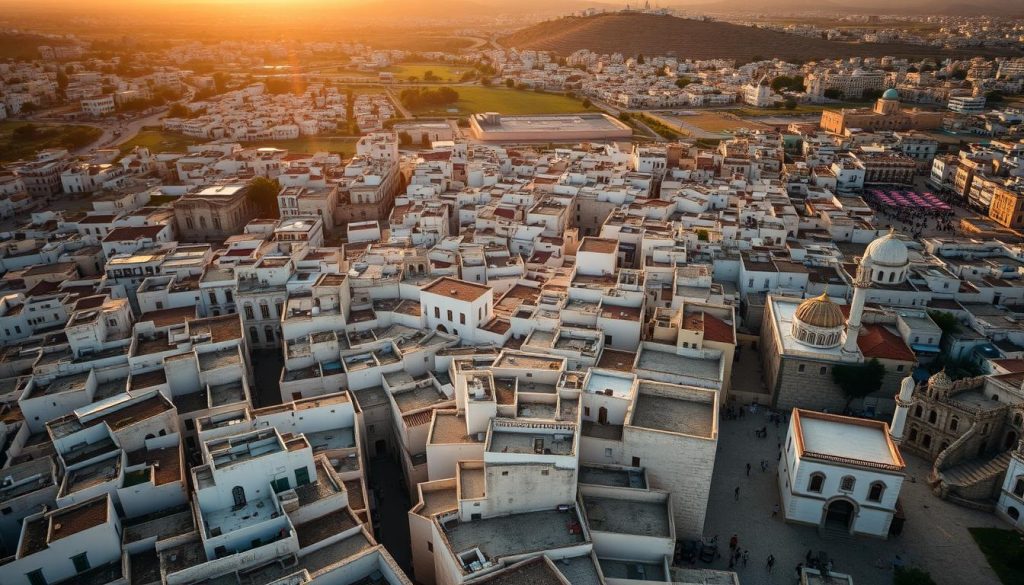
In 1979, the Medina of Tunis was recognized as a UNESCO World Heritage site. This honor highlights its rich history and culture. It shows how the city has changed over time, keeping its architectural and cultural essence alive.
The Significance of the 1979 UNESCO Designation
The UNESCO World Heritage status is more than just a nod of approval. It’s a promise to keep the site safe for those who come after us. The Medina of Tunis stands out with its mix of architectural styles and historical depth, making it a treasure trove of culture.
Criteria for Selection and Outstanding Universal Value
The Medina was chosen for its role in cultural exchange and architectural innovation. Its outstanding universal value comes from its ability to tell the story of Tunis’s history and diversity.
What UNESCO Protection Means for the Old Town
UNESCO’s protection shields the Medina of Tunis from dangers like urban sprawl and neglect. This status boosts conservation work and brings global attention to its cultural importance.
| Year | Event | Significance |
|---|---|---|
| 1979 | UNESCO World Heritage Designation | Recognition of cultural and historical significance |
| 13th Century | Construction of key landmarks | Architectural heritage |
| Present Day | Ongoing conservation efforts | Preservation for future generations |
Understanding the UNESCO World Heritage status helps us see the efforts to save the ancient city’s structures and cultural sites in Tunis.
Exploring the Magnificent Gates of the Medina
The gates of the Medina in Tunis are architectural wonders. They show the city’s rich history and Arab design. These gates are more than just entrances; they open a window to Tunis’s cultural past.
Bab el Bhar (Sea Gate): The Gateway to the Old Town
Bab El Bhar, or the Sea Gate, is a key landmark. It marks the entrance to the Medina. It’s a symbol of the city’s old and new parts.
Architectural Features and Historical Significance
The design of Bab El Bhar is a mix of traditional Arab styles. It has detailed carvings and a strong structure. Its historical importance comes from being a main entry into the Medina, aiding trade and cultural exchange.
The Gate’s Role in Connecting Old and New Tunis
Bab El Bhar connects the old Medina with modern Tunis. It shows the ongoing culture of Tunis. It’s a bridge between the past and present, making it a vital part of the city.
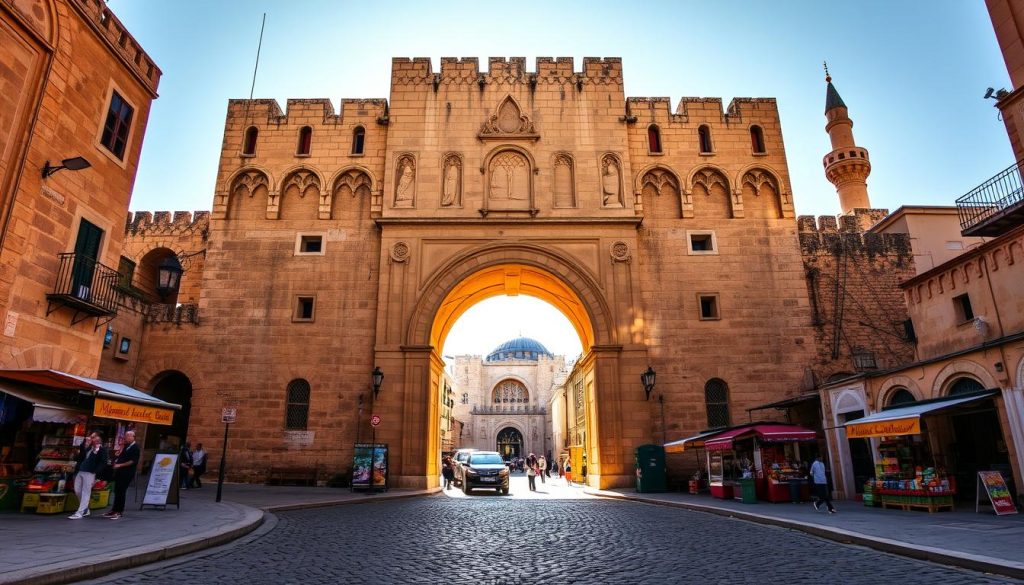
Exploring the Medina’s gates, like Bab El Bhar, deepens your understanding of Tunis. These gates showcase the city’s rich history and its ability to mix old and new.
“The gates of the Medina are silent witnesses to the history of Tunis, standing proudly as guardians of the city’s cultural heritage.”
The Great Mosque of Ez-Zitouna: A Masterpiece of Islamic Architecture
When you enter the historic Medina of Tunis, the Great Mosque of Ez-Zitouna catches your eye. It’s not just a place of prayer but also a stunning example of Islamic architecture. It shows the deep cultural roots of Tunis.
The Great Mosque of Ez-Zitouna is a showcase of ancient Islamic builders’ skill. Its design mixes different styles, influenced by various cultures that have shaped Tunis over time.
This mosque is a key historic building in Tunis, drawing visitors from all over. Its architecture is a perfect example of Medina architecture in Tunisia. It features arches, domes, and detailed tile work.
Architectural Features and Design Elements
The mosque’s design is full of elements that show the builders’ skill. The use of light and shadow, detailed carvings, and calligraphic inscriptions all add to its beauty.
The Minaret, Courtyard, and Prayer Hall
The minaret stands tall, representing the call to prayer. The courtyard offers a calm space for worshippers. The prayer hall, with its beautiful arches and columns, creates a sense of reverence.
Decorative Arts and Craftsmanship
The mosque’s decorative arts show the talent of Tunisian craftsmen. From the detailed tile work to the carved wooden panels, every detail shows exceptional craftsmanship.
“The Great Mosque of Ez-Zitouna is a masterpiece that embodies the spirit of Islamic architecture, with its harmony of proportions and intricate decorative elements.”
| Design Element | Description | Significance |
|---|---|---|
| Minaret | Tall, slender tower | Symbolizes the call to prayer |
| Courtyard | Serene, open space | Provides a peaceful area for worshippers |
| Prayer Hall | Adorned with arches and columns | Creates an atmosphere of reverence |
Palaces and Mansions: The Opulent Side of Tunis
As you explore Tunis’s historic streets, you’ll find grand palaces and mansions. These buildings show off the city’s rich history and architectural beauty. They give us a glimpse into the lives of those who lived there before.
Dar Hussein Palace: A Showcase of Tunisian Craftsmanship
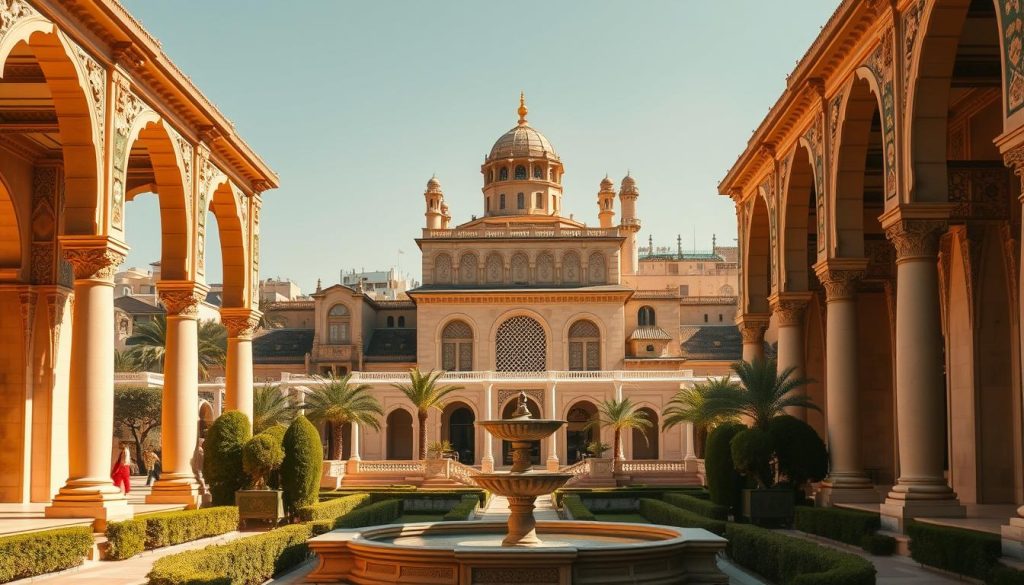
Dar Hussein Palace is a masterpiece of Tunisian craftsmanship and architecture. Its detailed designs and ornate features make it a must-see for history buffs in Tunis.
Interior Design Elements and Courtyard Architecture
The palace’s interior is breathtaking, with stunning courtyard architecture. You’ll see intricate tile work, carved wood, and beautiful fountains. The design mixes traditional Tunisian and Islamic styles.
Current Use as the National Institute of Heritage
Now, Dar Hussein Palace is the National Institute of Heritage. It works to keep Tunisia’s cultural heritage alive. Visitors can explore and learn about its history and importance.
The palaces and mansions in Tunis, like Dar Hussein Palace, are more than just landmarks. They are cultural treasures that help preserve Tunisian heritage.
| Palace/Mansion | Architectural Style | Current Use |
|---|---|---|
| Dar Hussein Palace | Traditional Tunisian/Islamic | National Institute of Heritage |
| Other Mansions | Moorish/ Andalusian | Museums, Cultural Centers |
The Souks: Architectural Marvels of Commerce
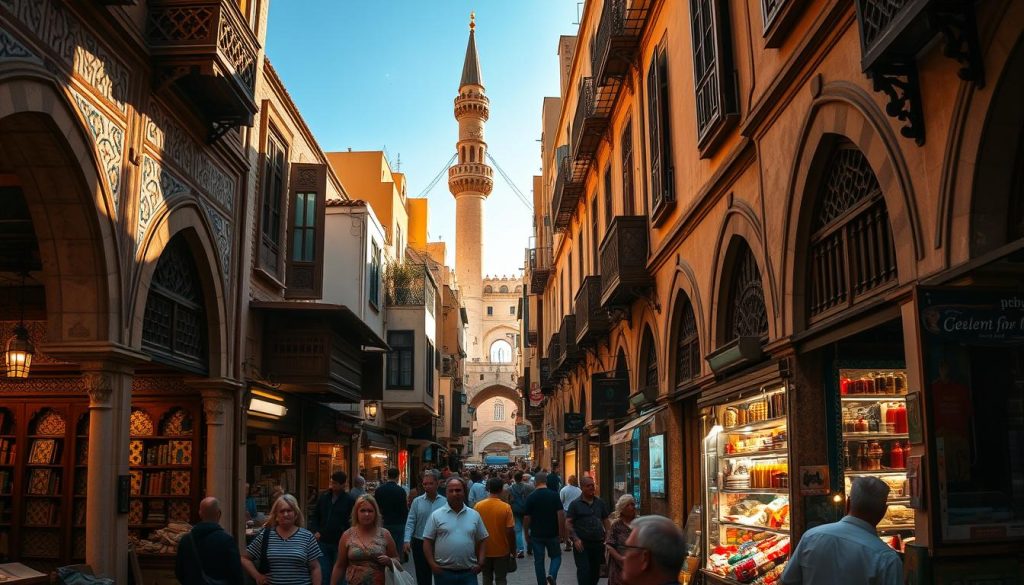
As you explore the historic Medina of Tunis, you’ll find the lively souks. These traditional marketplaces have been the heart of commerce for centuries. They show the commercial and cultural spirit of Tunis.
Traditional Marketplace Design
The souks’ layout and design are amazing. They are organized by trade and craft. Their covered passages and smart light use show the genius of Medina architecture.
Spatial Organization by Trade and Craft
The souks group similar trades and crafts together. This makes shopping here unique. You can find everything from traditional crafts to local spices.
Covered Passages and Light Management
The covered passages in the souks protect from the weather. They also create a special lighting effect. This adds to the souks’ charm, making them a must-see.
Hammams and Public Buildings in the Medina
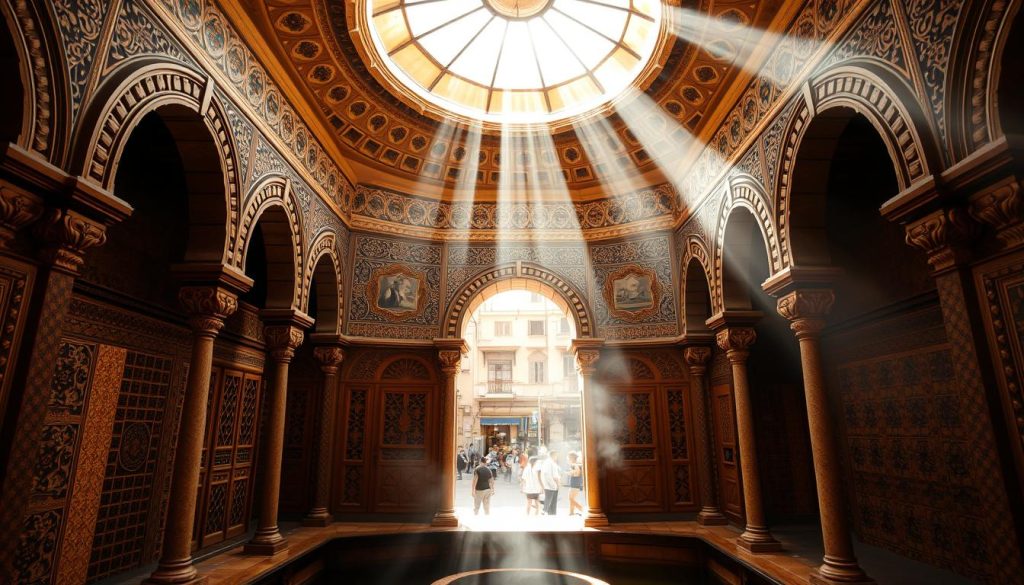
Hammams, or traditional bathhouses, are key cultural sites in Tunis’s Medina. They show off unique architectural features. These places are not just amazing to look at but also important for the community’s social and cultural life. As you wander through the Medina, you’ll see the detailed designs and useful parts that make these hammams special.
The architecture of hammams mixes beauty with function, showing the values of the society. You’ll see marble, intricate tile work, and smart heating systems. These show the skill of Tunisian builders.
The Architecture of Traditional Bathhouses
Traditional bathhouses in Tunis have their own unique styles. They use arches, domes, and fancy decorations. The design aims to make a cozy and calming place for bathers.
Functional Design Elements for Heat and Water Management
Hammams have clever systems for managing heat and water. They use hypocaust heating, where hot air warms the floor. This shows the cleverness of Tunisian architecture.
Decorative Features and Social Spaces
Hammams also have beautiful decorations like tile work, marble, and plaster. These not only make the place look good but also bring people together. Hammams are places where people come to unwind and chat.
| Feature | Description | Significance |
|---|---|---|
| Hypocaust Heating | Hot air circulates under the floor | Efficient heating system |
| Intricate Tile Work | Ornate decorations on walls and floors | Aesthetic appeal and cultural significance |
| Carved Marble | Decorative elements in hammams | Reflects craftsmanship and luxury |
“The hammams of Tunis are not just places for personal hygiene; they are institutions that embody the social and cultural fabric of the city.”
The Influence of Colonial Architecture on the Old Town’s Periphery
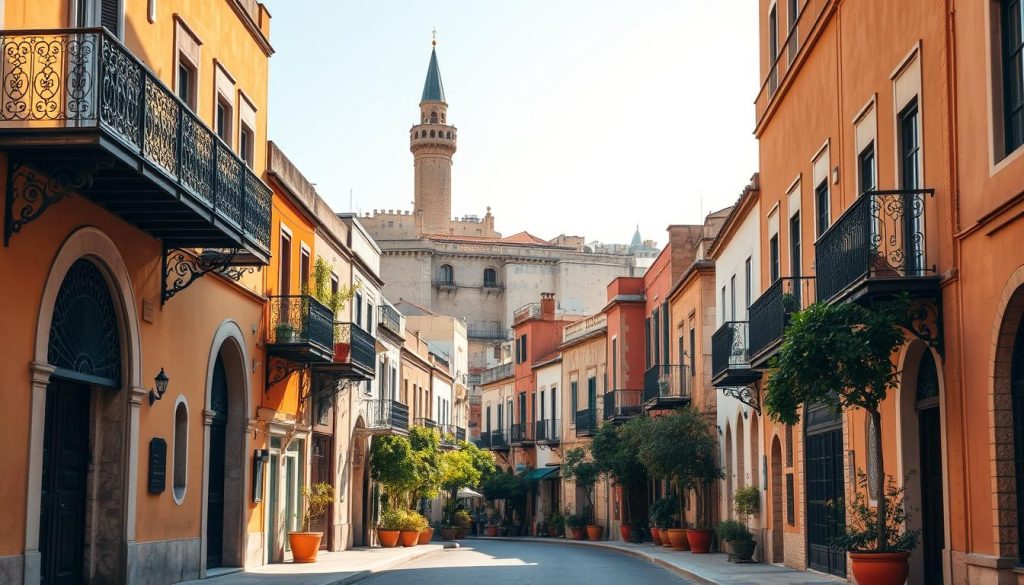
Exploring Tunis’s old town periphery reveals the impact of colonial architecture. French colonial buildings blend with traditional Tunisian structures. This mix creates a distinct architectural identity.
French Colonial Buildings and Their Relationship to Traditional Structures
The French colonial era brought a new architectural style to Tunis. It featured grand boulevards, monumental buildings, and a mix of Art Nouveau and classical elements. These structures contrast with the traditional Tunisian architecture found in the Medina.
Architectural Contrasts and Similarities
The mix of colonial and traditional architecture shows both contrasts and similarities. Colonial buildings are known for their grand scale and ornate details. Traditional Tunisian structures, on the other hand, are simple and use local materials.
The Creation of the Ville Nouvelle
The Ville Nouvelle, or new city, emerged during the colonial era. It was designed for the growing European population. This area boasts modern infrastructure, wide streets, and buildings that reflect French architectural styles.
Some key features of the Ville Nouvelle include:
- Wide, tree-lined boulevards
- Buildings with Art Nouveau and classical influences
- Modern infrastructure, including sewage and water systems
The influence of colonial architecture on Tunis’s old town periphery showcases the city’s complex history and cultural exchange. Exploring this area reveals a unique blend of architectural styles that reflect the city’s evolution over time.
Preservation and Restoration of Tunis’s Architectural Heritage
Efforts to save and restore Tunis’s buildings are growing. The city’s rich culture is tied to its old architecture. So, saving these buildings is very important.
Current Conservation Projects
Many projects are working to keep the Medina’s traditional architecture safe. These efforts are key to keeping the old town as it is.
Major Restoration Initiatives and Their Impact
Big restoration projects are happening, focusing on important landmarks and buildings. These projects have saved the buildings and made Tunis’s culture even richer.
Community Involvement in Preservation
It’s important for the community to help save these sites. Local people and groups are working together. They make sure the cultural sites in Tunis are safe for the future.
| Project | Location | Impact |
|---|---|---|
| Restoration of Ez-Zitouna Mosque | Medina of Tunis | Enhanced structural integrity and historical significance |
| Dar Hussein Palace Renovation | Old Town | Preserved Tunisian craftsmanship and architectural heritage |
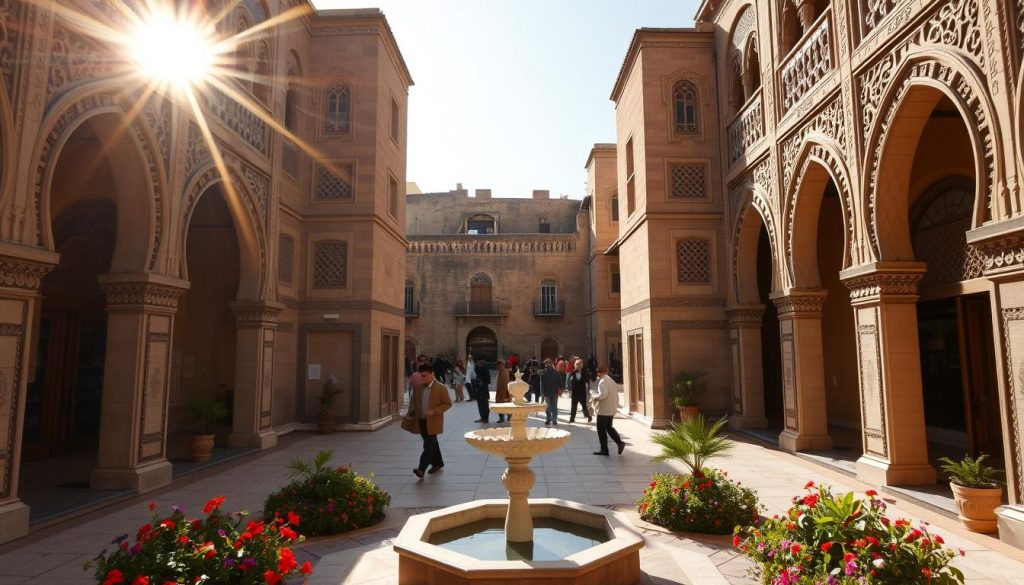
As these efforts keep going, Tunis’s buildings show the city’s deep history and culture.
Experiencing the Old Town: A Visitor’s Guide to Architectural Highlights
As you explore Tunis’s historic streets, you’ll find many architectural wonders. The Medina is full of historical landmarks Tunis and Medina architecture Tunisia. It shows the city’s rich history and cultural mix.
For a better visit, try a walking route made for architecture fans. These paths take you through the Medina’s narrow streets. They highlight important buildings and hidden spots.
Recommended Walking Routes for Architecture Enthusiasts
The Medina has many walking routes for different interests and schedules. You can see grand mosques, palaces, or traditional souks. There’s a route for everyone.
Self-Guided Tours of Key Architectural Sites
Self-guided tours let you explore at your own pace. Visit places like the Great Mosque of Ez-Zitouna, Dar Hussein Palace, and Bab el Bhar. These sites are key to understanding the Medina’s history.
Hidden Gems Off the Main Tourist Path
Exploring off the main path reveals hidden treasures. You might find small hammams, quiet alleys, and local crafts. These spots add depth to your Medina experience.
By following these routes and tours, you’ll appreciate Tunis’s architecture more. Take your time to enjoy the history, architecture, and lively culture of the Old Town.
Conclusion: The Enduring Legacy of Tunis’s Architectural Treasures
Exploring the Medina of Tunis, you’re surrounded by rich history and culture. The old town’s architecture shows the city’s importance as a UNESCO World Heritage Site. It mixes Islamic and French colonial styles, making it a unique cultural landscape.
The architectural wonders of Tunis still amaze and inspire people. Keeping these sites preserved is key to keeping the city’s cultural identity alive. Visitors can enjoy Tunis’s architecture by walking the Medina, seeing landmarks like the Great Mosque of Ez-Zitouna, and exploring the traditional souks.
The UNESCO World Heritage Tunis designation highlights the city’s cultural value. Efforts to protect this heritage mean future generations can enjoy Tunis’s old town architecture’s beauty and historical significance.