
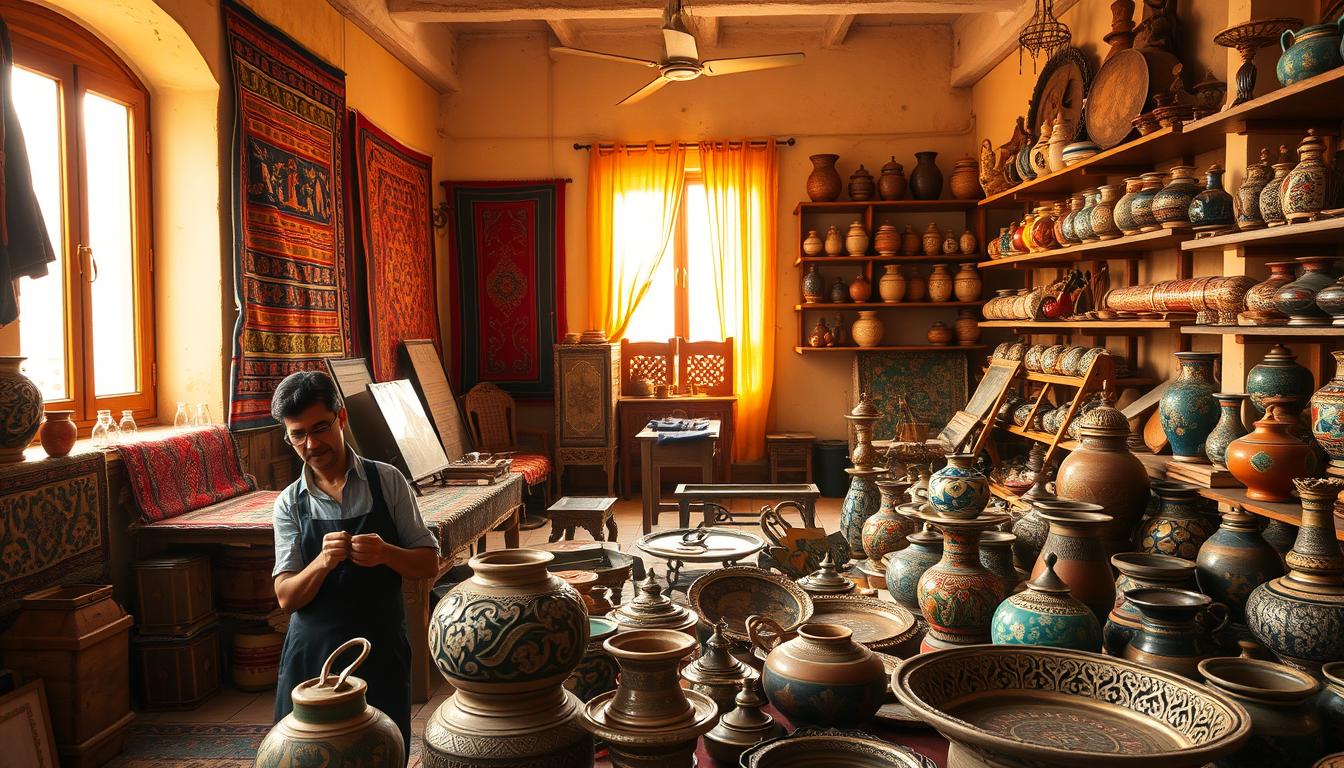
Discover Local Artisan Workshops in Tunis
As the sun shines over the Mediterranean, Tunisia reveals its artistic treasures. Have you ever wondered what makes Tunisian handicrafts so vibrant and detailed?
Tunisian handicrafts show the country’s deep cultural roots. They mix tradition, innovation, and the nation’s lively spirit. You can see this by visiting the many artisan workshops around.
In Tunis’s busy streets and quiet countryside, artisans work hard. They keep traditional crafts alive while adding a modern twist. Come see the beauty and skill that makes Tunisian handicrafts special.
The Rich Artisan Heritage of Tunis
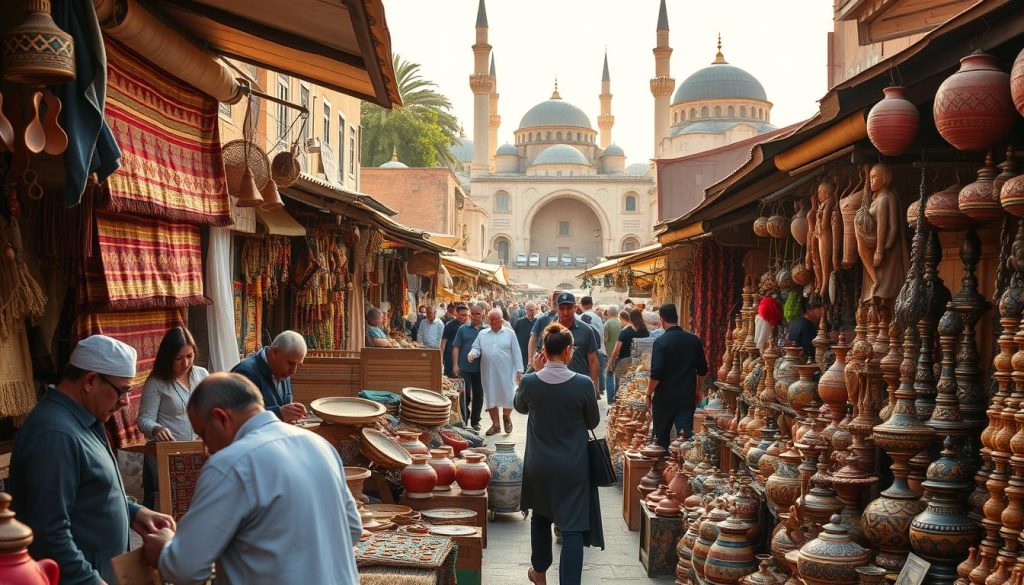
As you explore the historic medinas of Tunis, you’re surrounded by vibrant colors and intricate patterns. The air is filled with jasmine’s scent and the sound of hammers. This shows the thriving artisan community in Tunis.
Historical Significance of Tunisian Craftsmanship
Tunisian craftsmanship has a long history, dating back to ancient times. Tunisia’s location in the Mediterranean made it a meeting point for cultures. Each culture left its mark on Tunisia’s traditional crafts.
Key historical influences include:
- The ancient Carthaginians and Romans, who introduced new techniques in ceramics and metalwork.
- The Arab conquest, which brought Islamic art and calligraphy to the forefront.
- The Ottoman Empire, whose legacy can be seen in the intricate textiles and jewelry.
Evolution of Traditional Crafts in Modern Tunis
While rooted in tradition, Tunisian craftsmanship is evolving. Modern artisans in Tunis are mixing old techniques with new designs. This attracts a global audience.
Influences from Berber, Arab, and Mediterranean Cultures
The artisan heritage of Tunis is a mix of cultures. Berber influence is seen in textiles and jewelry. Arab and Mediterranean cultures have enriched crafts like ceramics and metalwork.
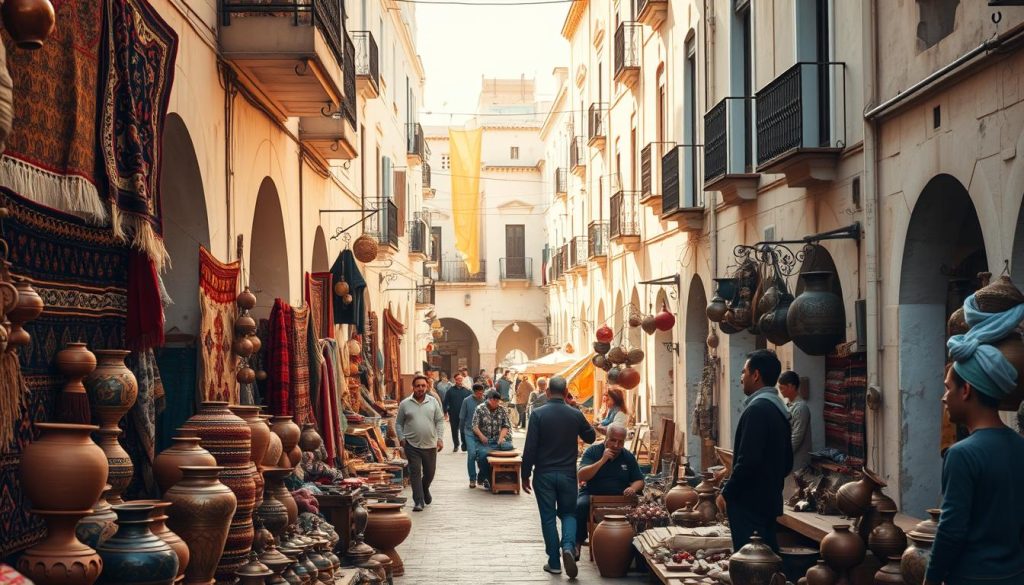
The blend of these influences has resulted in a unique artisan identity that is distinctly Tunisian, yet universally appealing.
“Tunisian artisans are the guardians of a rich cultural heritage, and their work is a testament to the country’s history and diversity.”
Local Artisan Workshops in Tunis: A Cultural Treasure
In the heart of Tunis, local artisan workshops are thriving. They show the city’s deep craftsmanship and cultural importance. These workshops are not just places of production. They are also keepers of Tunisian heritage, keeping techniques alive for generations.
The Role of Artisans in Tunisian Society
Artisans in Tunis are key to the local economy and culture. They make a variety of handmade products, like ceramics and textiles. These items are loved both at home and abroad. The Local artisans association Tunis helps these craftsmen by offering resources and promoting their work.

Preserving Ancient Techniques Through Generations
Traditional crafts are kept alive through apprenticeships. Experienced artisans teach younger ones, keeping ancient techniques going.
Apprenticeship Systems and Knowledge Transfer
Apprenticeships are vital for keeping traditional crafts alive. Young artisans learn by working with skilled craftsmen. They learn the skills needed to make detailed handmade products.
| Craft | Traditional Technique | Modern Application |
|---|---|---|
| Ceramics | Hand-painting and glazing | Decorative pieces and functional ware |
| Textiles | Weaving on traditional looms | Clothing, home decor, and accessories |
“Tunisian ceramics are a testament to the country’s rich artistic heritage, with regions like Sejnane and Djerba renowned for their distinctive styles.”
Supporting local artisan workshops helps keep Tunisian culture alive. It also boosts the local economy. The Local artisans association Tunis is key in promoting these artisans and their crafts.
Traditional Crafts You Can Experience in Tunis
Visitors to Tunis can dive into the city’s lively traditional crafts scene. Artisan workshops in the city offer many activities. They let you explore Tunisia’s rich cultural heritage.
Ceramics and Pottery
Tunisian ceramics and pottery are famous for their bright colors and detailed designs. Workshops let you see artisans making pieces with old techniques. You can see everything from useful items to decorative pieces, showing Tunisia’s skill in crafts.
Carpet Weaving and Textiles
Carpet weaving in Tunisia is an ancient art with stories in every pattern and color. Textile workshops show artisans weaving carpets and making other products. Touching these handmade items and seeing the craftsmanship is very rewarding.
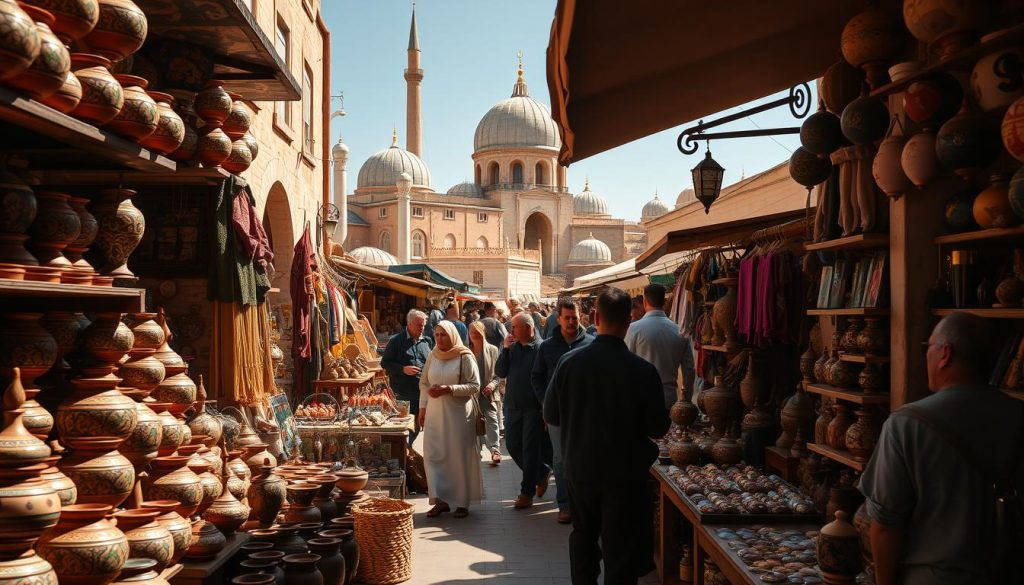
Leather Working and Shoemaking
Tunisian leatherwork is a mix of art and function, from bags to shoes. Leather workshops let you see artisans turn raw hides into lasting products. The skill and detail in Tunisian leather goods are unmatched.
Metalwork and Jewelry Design
Tunisian metalwork and jewelry are known for their detailed patterns and use of precious metals. Workshops let you see artisans making beautiful jewelry that shows Tunisia’s rich culture.
Perfume and Essential Oil Production
Tunisia is known for its perfume and essential oils, made from local herbs and flowers. Perfume workshops teach you about traditional methods of making fragrances.
Trying these traditional crafts helps you appreciate Tunisian craftsmen’s skill and artistry. Each craft offers a special look into Tunisia’s culture and history.
Navigating the Medina: Where to Find the Best Workshops
Exploring the Medina’s narrow streets is an exciting journey. It leads you to Tunis’s most talented artisans. The Medina is split into different souks, each focused on a unique craft.
Souk El Attarine: The Perfume Makers’ Quarter
Souk El Attarine is famous for its perfumeries. Here, traditional scents are turned into beautiful fragrances. You can visit the shops and see artisans making unique blends passed down through generations.
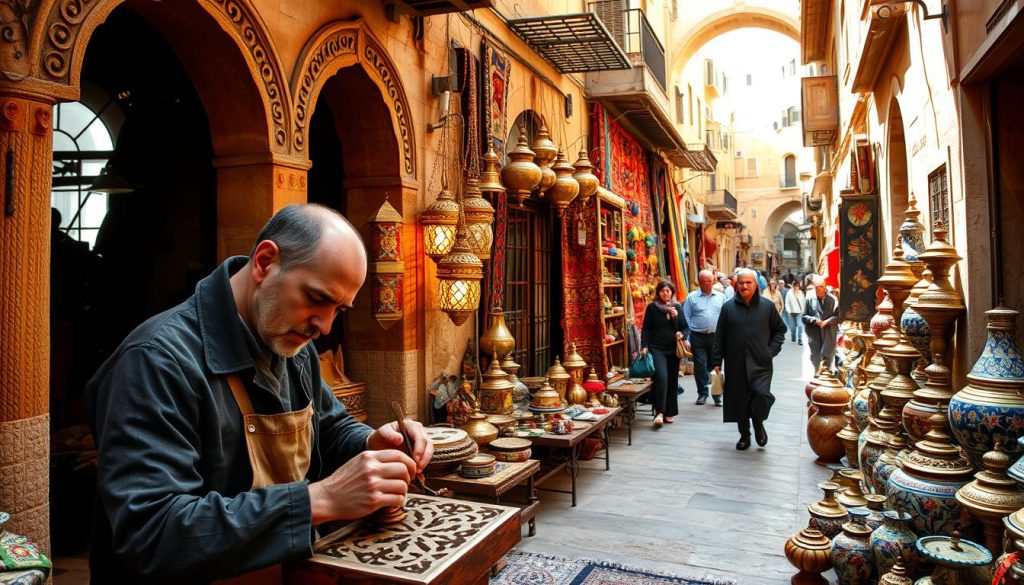
Souk El Trouk: The Tailors’ Market
In Souk El Trouk, expert tailors create stunning, handmade clothes and textiles. This souk showcases the detailed craftsmanship Tunisian artisans are famous for.
Souk El Berka: The Jewelry Quarter
Souk El Berka is known for its jewelry shops. They offer both traditional and modern pieces. The artisans here are skilled in metalwork and setting precious stones.
Navigating the Labyrinthine Streets Safely
To safely explore the Medina, remember to:
- Wear comfortable shoes for walking.
- Keep an eye on your belongings, as in any crowded place.
- Don’t worry if you get lost; the Medina’s layout can be tricky.
- Talk to local artisans and shopkeepers; they can give you great tips and suggestions.
By following these tips, you can dive deep into the artisan culture in Tunisia. You’ll find the local artisan workshops in Tunis that make this city special.
Hands-On Workshop Experiences for Visitors
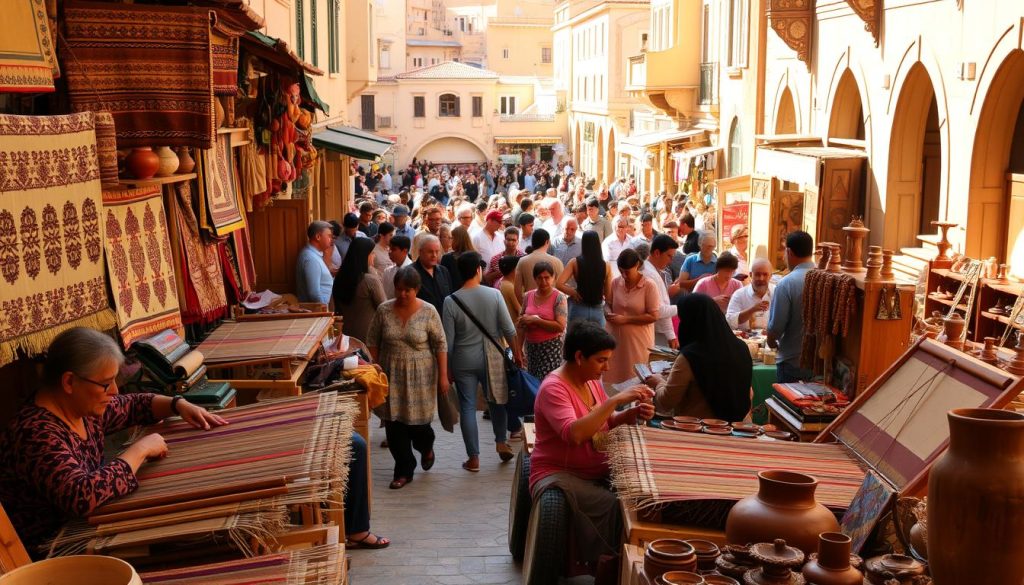
As you explore the historic medinas of Tunis, you can dive into hands-on workshops. Here, traditional Tunisian crafts come alive. You can watch artisans hand-paint designs on plates, bowls, and tiles, or learn to weave traditional textiles.
Pottery Classes for Beginners
Beginners can start with pottery classes. You’ll learn the basics of shaping and decorating ceramics. A local artisan says, “Pottery is a journey, not a destination.” It requires patience and skill.
Textile Workshops: Learn Traditional Weaving
In textile workshops, you’ll learn traditional weaving. You’ll use ancient looms and techniques passed down through generations. Skilled artisans will guide you, sharing stories about these textiles in Tunisian culture.
Perfume Making Experiences
Perfume making is another craft to explore. You’ll blend essential oils to create unique fragrances. This experience lets you take home your own fragrance, a memorable souvenir from Tunis.
Mosaic and Tile Crafting Lessons
Mosaic and tile crafting lessons let you create vibrant designs. You’ll be amazed at how small tiles form stunning art. These pieces reflect the beauty of Tunisian handicrafts.
By joining these workshops, you’ll learn about Tunisia’s traditional crafts. You’ll also help preserve these ancient skills. Engaging with local artisans and their crafts deepens your appreciation for Tunis’s cultural heritage.
Meet the Master Artisans of Tunis
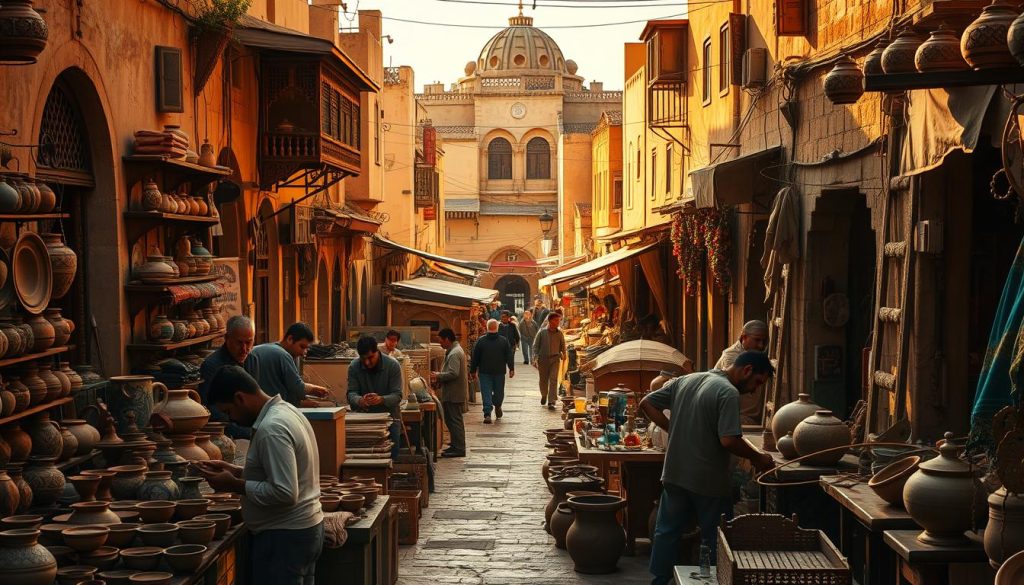
The artisan community in Tunis is full of skilled craftspeople. Each has their own story to share. As you explore the city’s traditional workshops, you’ll see the passion and dedication in handmade products Tunis is famous for.
Profiles of Renowned Craftspeople
Meet the olive wood craftsmen from Qartaj. They’re proud of their high-quality, handcrafted items. Their skill in turning raw wood into beautiful kitchen utensils and decorations is impressive.
Stories Behind Generational Workshops
Many workshops in Tunis have been family-owned for generations. Their stories are as captivating as the crafts they make. For example, some families have been weaving carpets for decades, sharing techniques and designs through generations.
Modern Innovators Reimagining Traditional Crafts
Modern innovators in Tunis are mixing old and new in their crafts. They blend contemporary designs with ancient techniques. This creates a new range of handmade products that attract both locals and visitors.
Visiting these workshops, you’ll see the artisan community in Tunis thriving and growing.
Shopping for Authentic Handcrafted Souvenirs
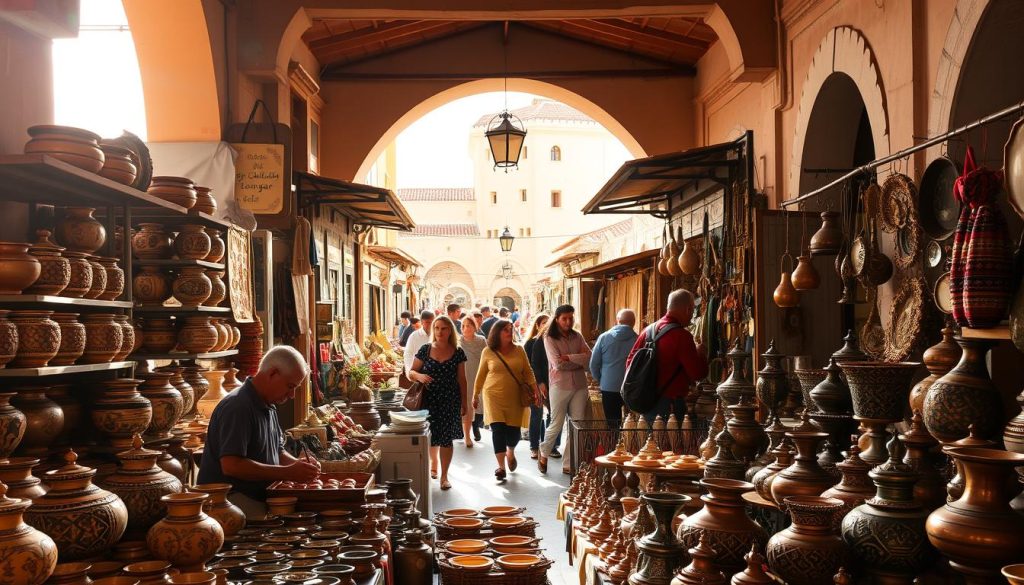
Shopping for authentic Tunisian crafts is an exciting journey. You’ll see vibrant colors and rich textures. In Tunis’s markets, you can find unique souvenirs that show the country’s rich culture.
How to Identify Genuine Tunisian Crafts
To buy real Tunisian crafts, look for items made from local materials. These include ceramics, textiles, and metals. Look for the Local artisans association Tunis stamp to know it’s genuine. Take your time to check the craftsmanship and ask about how it was made.
Negotiating Tips and Cultural Etiquette
Negotiating prices is common in Tunisian markets. Start with a smile and a respectful tone. It’s okay to make a counteroffer. Building a good relationship with vendors can lead to better deals.
If the price isn’t right, it’s okay to walk away. This is a common tactic in the Tunisian artisan market.
Shipping Your Treasures Home: Customs and Regulations
When shipping your items, know the customs rules. Some items, like antiquities or certain textiles, might be restricted for export.
What Items Are Restricted for Export
| Item | Restriction |
|---|---|
| Antiquities | Requires special permit |
| Certain textiles | Limited quantity allowed |
| Handmade jewelry | No restrictions |
Supporting sustainable tourism is great. Look for workshops and cooperatives that focus on ethical production. This way, you’ll bring home a piece of Tunisian culture and help the local economy.
Seasonal Artisan Festivals and Events in Tunis
Exploring Tunis reveals a city alive with artisan culture. Seasonal festivals and events showcase the city’s rich heritage and artisans’ passion. These events highlight the city’s vibrant culture.
Annual Craft Exhibitions and Markets
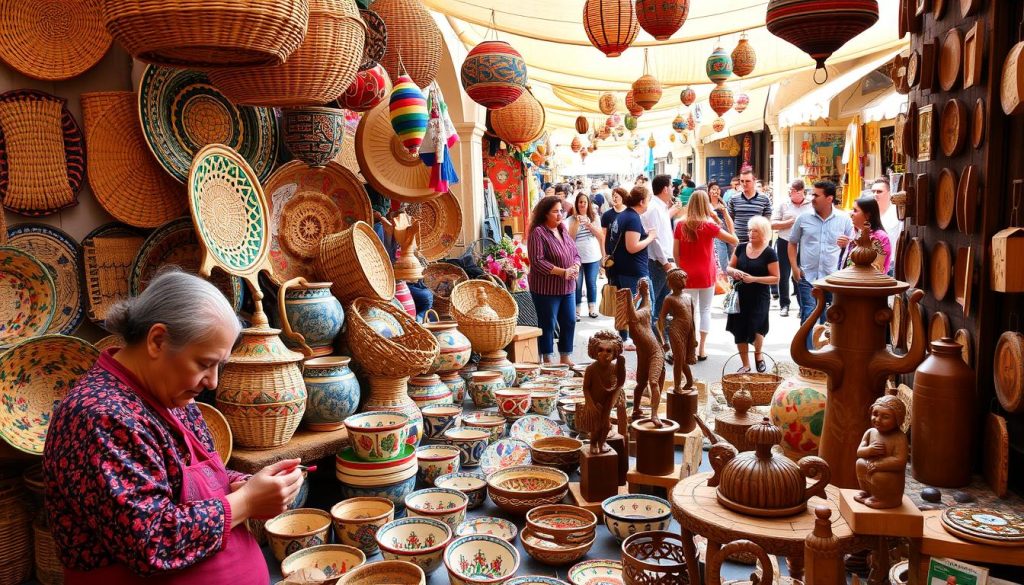
Tunis is home to many craft exhibitions and markets. Here, local artisans display their work. You can see everything from carpets to jewelry, with a focus on Tunisian basketry and weaving.
The use of palm fronds and straw in these crafts is unique. It shows the skill and creativity of Tunisian artisans.
Cultural Celebrations Featuring Local Artisans
Cultural events in Tunis often highlight local artisans. These events are fun and educational. They offer a glimpse into the techniques and traditions of Tunisian craftsmanship.
Workshop Demonstration Schedules
Seasonal festivals include workshop schedules. Visitors can try their hand at crafts like pottery and weaving. It’s a chance to learn about traditional crafts.
Attending these festivals deepens your appreciation for Tunisian artisan culture. You can also take home unique, handcrafted souvenirs.
Supporting Sustainable Artisan Communities
Sustainable artisan communities are key to Tunisian handicrafts. They keep traditional skills alive and support eco-friendly practices. When you visit local artisan workshops in Tunis, you help a local economy grow.
Fair Trade Initiatives in Tunis
In Tunis, fair trade makes sure artisans get paid right. Groups help artisans with training, tools, and ways to sell their work. This helps everyone get a fair deal.
Women’s Cooperatives and Their Economic Impact
Women’s cooperatives are big in Tunisian crafts. They help women earn money and gain respect. Women learn new skills and grow in their craft careers.
Youth Training Programs Preserving Traditional Skills
Training young people is crucial for Tunisian crafts. These programs teach the next generation. They keep family traditions alive in crafts.
| Initiative | Impact | Beneficiaries |
|---|---|---|
| Fair Trade | Economic empowerment | Local artisans |
| Women’s Cooperatives | Social and economic empowerment | Women artisans |
| Youth Training | Preservation of traditional skills | Young artisans |
Planning Your Artisan Workshop Tour: Practical Tips
To get the most out of your artisan workshop tour in Tunis, follow these tips. Tunis is famous for its lively artisan community. It offers a great experience for those interested in traditional crafts.
Best Times to Visit Different Workshops
The best time to visit varies. Morning hours are usually less busy. This lets you have a closer look at the craftspeople’s work. Some workshops have set times for visitors, so check ahead.
Language Considerations and Translation Services
Even though many artisans speak some French or English, there might still be a language gap. Think about getting a local guide or using translation services. This will help you understand the crafts and talk to the artisans better.
Transportation Options Between Artisan Districts
Tunis is small, and many artisan areas are walkable. But for longer trips or to save time, use local taxis or a private driver.
Accessibility Information for Travelers with Disabilities
Older parts of Tunis can be tough for those with disabilities. Streets are narrow, and the terrain is uneven. Research the accessibility of workshops before you go.
Recommended Multi-Day Itineraries
For a full experience, plan a multi-day trip. This lets you see different artisan areas without rushing. Here’s a sample plan:
| Day | Morning | Afternoon |
|---|---|---|
| 1 | Visit Souk El Attarine (Perfume Makers’ Quarter) | Explore Souk El Trouk (Tailors’ Market) |
| 2 | Discover metalwork and jewelry in Souk El Berka | Experience pottery classes in a local workshop |
By planning well, you’ll enjoy a richer experience exploring Tunisia’s traditional crafts.
Conclusion: Bringing the Spirit of Tunisian Craftsmanship Home
Exploring Tunisian handicrafts shows us that these items are more than just objects. They are a living part of a cultural legacy that has lasted for ages. The detailed patterns, bright colors, and skilled work in Tunisian workshops show the country’s deep heritage.
When you work with local artisans and support their work, you help keep traditional skills alive. You also help the economy of these talented craftspeople. Buying handmade goods or joining a workshop means you’re bringing a piece of Tunisian craftsmanship into your life.
Using these unique items in your daily routine reminds you of Tunisian culture’s beauty and importance. The memories and ideas you get from Tunis will keep inspiring you. They connect you to the artisans and communities you’ve met.





