Your Guide to the Best Season for Djerba Travel
Are you planning a trip to Djerba, the enchanting island off Tunisia’s southeastern coast? It boasts golden beaches, historic towns, and a vibrant culture. But, when is the ideal time to soak up the sun, explore ancient landmarks, and immerse yourself in the local culture?
Djerba’s Mediterranean climate makes it a year-round destination. Yet, the optimal time to visit can greatly improve your experience. Knowing the island’s seasonal rhythms is crucial for a great trip.
When planning your trip, consider what will make your Djerba adventure special. Let’s look at the Djerba travel seasons to find the best time to visit Djerba.
Discovering Djerba: An Overview of Tunisia’s Island Paradise
Djerba is an island paradise off Tunisia’s coast. When you arrive, you’re welcomed by a mix of history, culture, and stunning views.
Geographic Location and Cultural Significance
Djerba lies in the Gulf of Gabès, near Tunisia. Its location has made it a key cultural and trade center. The island’s cultural significance shows in its architecture, food, and traditions, blending Arab, Berber, and Mediterranean styles.
Unique Attractions and Experiences in Djerba
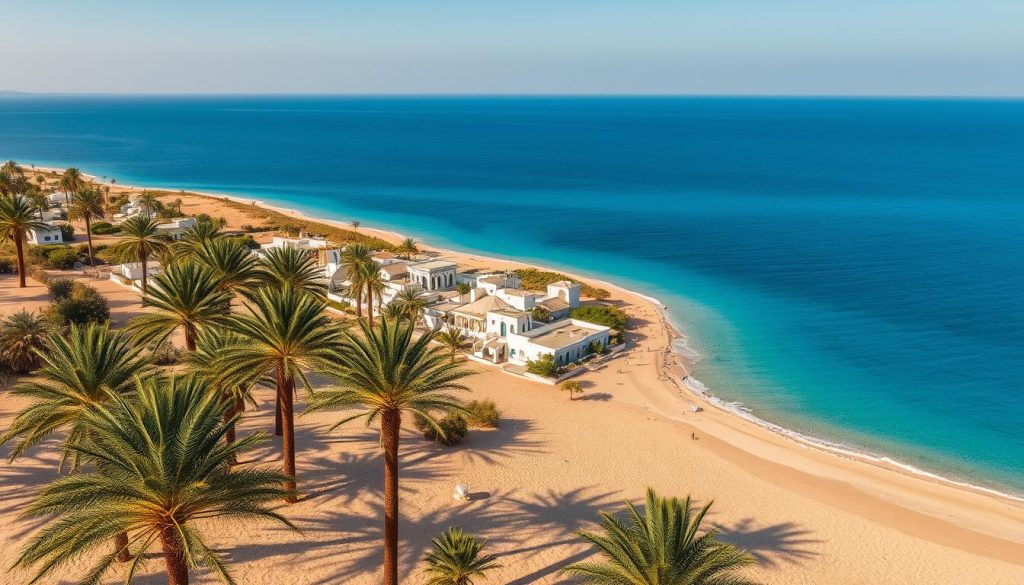
Djerba is known for its stunning beaches, old medinas, and traditional markets. You can visit the El Ghriba Synagogue, a major Jewish pilgrimage site, and see local pottery villages. The island offers many experiences, from relaxing on its beaches to diving into its rich culture.
| Attraction | Description | Experience |
|---|---|---|
| El Ghriba Synagogue | A historic Jewish pilgrimage site | Cultural and religious significance |
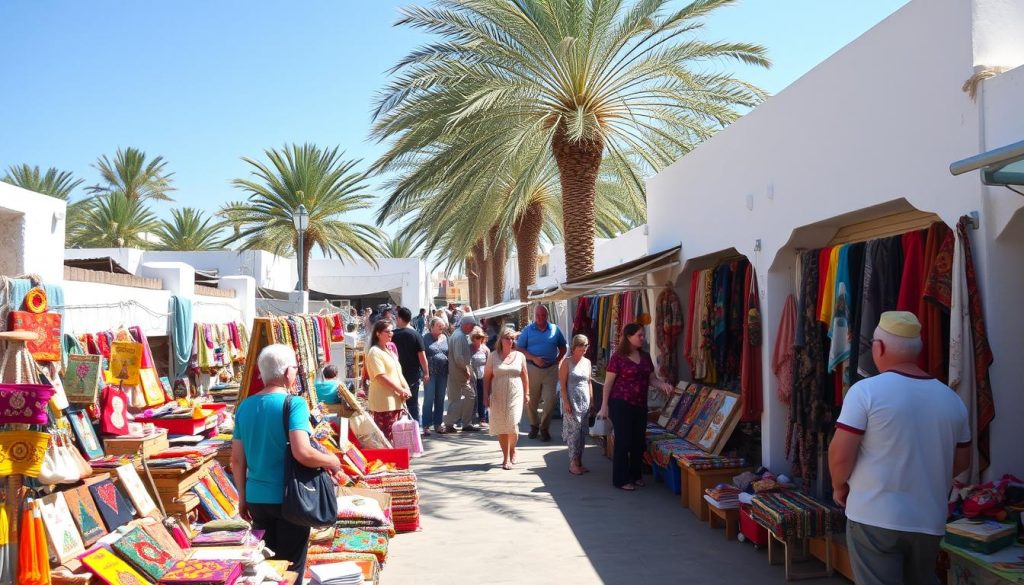
| Traditional Markets | Local handicrafts and souvenirs | Shopping and cultural immersion |
| Pristine Beaches | Beautiful and serene coastlines | Relaxation and water activities |
What is the Best Time of Year to Visit Djerba?
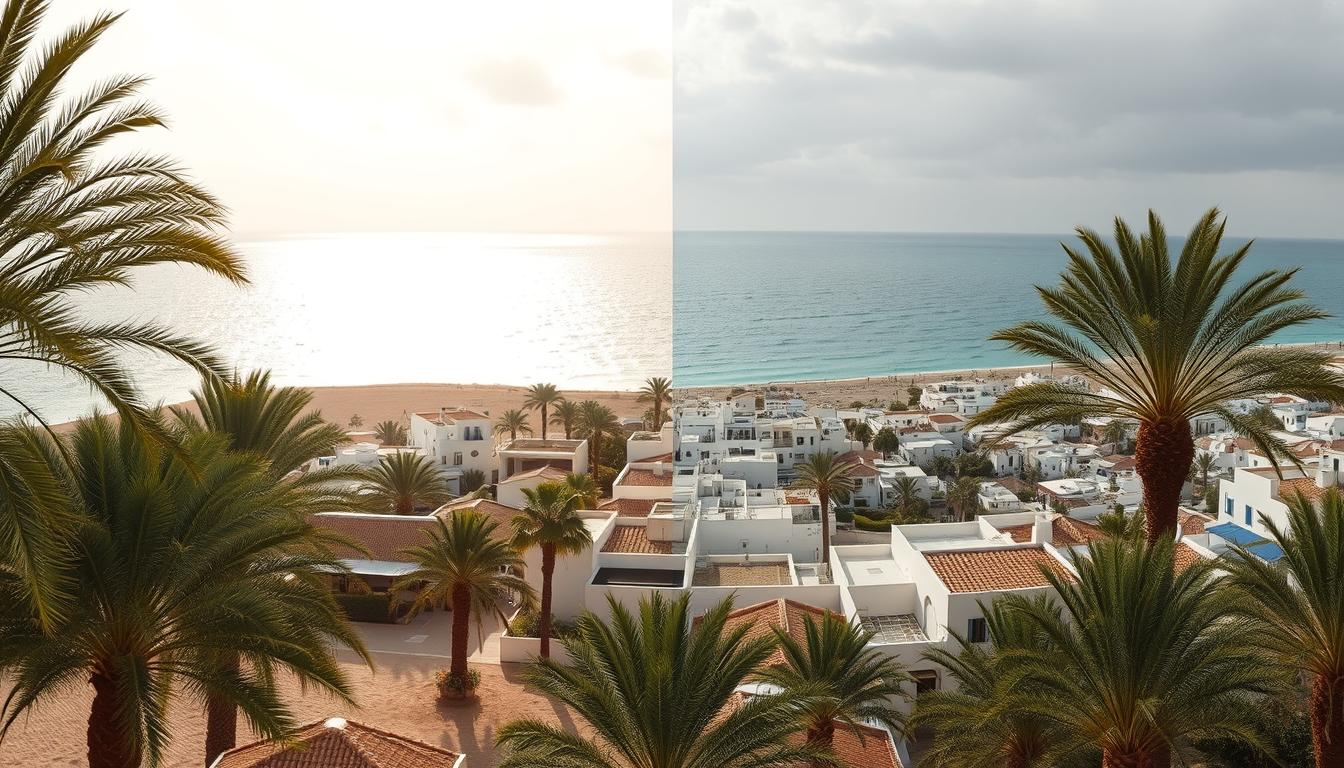
To enjoy your trip to Djerba, knowing the best times to go is key. The island’s weather and activities change with the seasons. Some times are better than others.
The Optimal Seasons: Spring and Fall
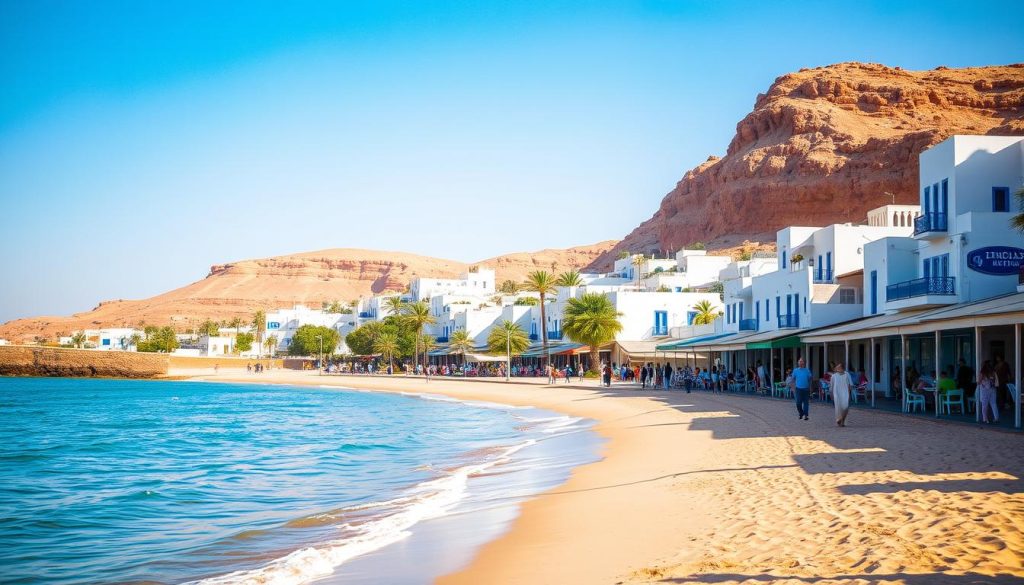
The best times to visit Djerba are spring (March to June) and fall (September to November). These seasons have mild, nice weather. It’s perfect for exploring, beach fun, and water sports.
Spring brings beautiful landscapes. Fall is calm after the summer rush.
Key Factors That Influence Your Travel Timing
Several things can help decide when to visit Djerba. Weather conditions are a big deal, with hot summers and cool winters. Summer is also the peak tourist season. This can make hotels pricier and places busier.
Knowing these points helps plan a trip that’s both fun and affordable. You can pick the season that suits you best, making your Djerba visit unforgettable.
Understanding Djerba’s Climate Year-Round
Knowing Djerba’s climate is key for planning your trip to this Tunisian island. It has a Mediterranean climate with hot, dry summers and mild, wet winters. This makes it a favorite for those looking for sunny beaches and nice weather.
Temperature Patterns and Seasonal Variations
Djerba’s temperatures change a lot throughout the year. Summer temperatures often soar above 30°C (86°F). Winters are mild, between 10°C to 15°C (50°F to 59°F). Spring and autumn have pleasant temperatures, great for exploring the island.
Rainfall, Humidity, and Wind Conditions
Rain in Djerba mostly falls in winter. Summer is very dry. Humidity stays low all year, making summer heat easier to handle. Wind conditions are usually calm, with gentle breezes that help keep the temperature comfortable.
Mediterranean Sea Temperatures by Season
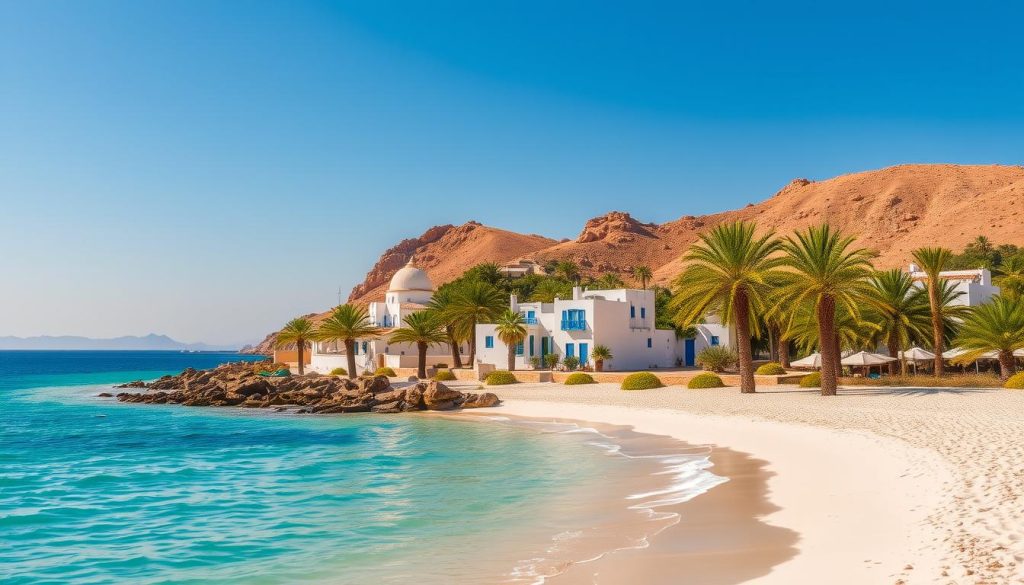
The Mediterranean Sea temperatures around Djerba change with the seasons. Summer sea temperatures average around 22–27°C (72–81°F), perfect for swimming. Winter sea temperatures drop to 14°C to 16°C (57°F to 61°F), still pleasant for some water activities.
| Season | Average Temperature | Sea Temperature |
|---|---|---|
| Summer | 30°C+ (86°F+) | 22–27°C (72–81°F) |
| Winter | 10–15°C (50–59°F) | 14–16°C (57–61°F) |
| Spring | 18–22°C (64–72°F) | 16–18°C (61–64°F) |
| Autumn | 20–25°C (68–77°F) | 20–22°C (68–72°F) |
Spring in Djerba (March-May): Blossoming Beauty
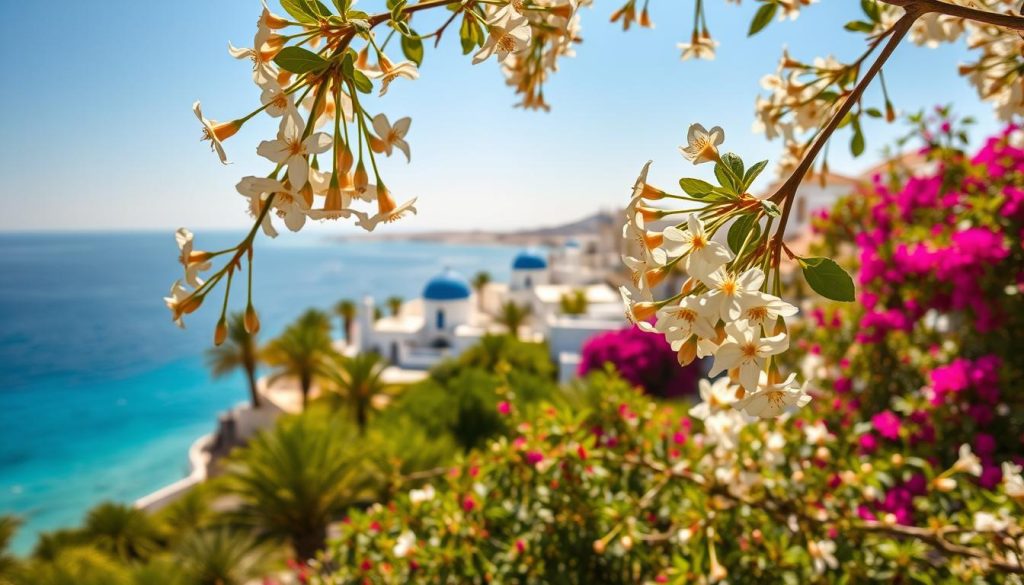
Spring is a great time to see Djerba’s beauty. The weather is nice, and there are fewer people around. The island comes alive with mild weather and blooming flowers, perfect for a peaceful trip.
Weather Patterns and Comfortable Temperatures
In spring, Djerba’s weather is mild, between 18°C and 25°C. This makes it great for exploring, trying local food, and relaxing on the beach.
Spring-Specific Activities and Attractions
Spring in Djerba has lots to do. You can see places like the El Ghriba Synagogue and the Fortress of Kairouan. Or, visit markets to see the local culture. The weather is perfect for hiking, bird watching, or just walking on the beach.
It’s also a good time for water sports like snorkeling or kayaking. The sea is warming up. Plus, there are cultural events and festivals, showing off local traditions.
Advantages and Considerations for Spring Travelers
Visiting Djerba in spring means nice weather and fewer people. It’s easier to see the sights without the crowds. But, some places might be closed or open less because of the off-season.
Spring is a great time to see Djerba. You get culture, outdoor fun, and relaxation in a beautiful place.
Summer in Djerba (June-August): Sun-Soaked Island Life
Planning a summer trip? Djerba is perfect for relaxation, culture, and adventure. It’s hot and lively, attracting visitors worldwide.
Hot Weather Conditions and Beach Season
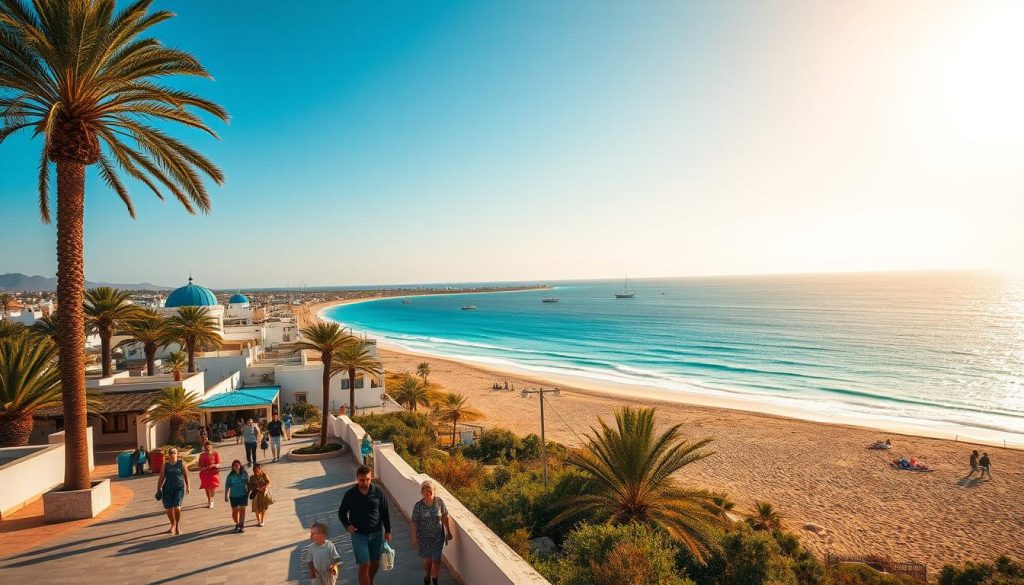
Djerba gets very hot in summer, with highs over 32°C (90°F). It’s great for beach lovers and water sports fans. The beaches are lively, and hotels offer many amenities.
Summer Festivals and Water-Based Activities
Summer in Djerba isn’t just about beaches. It’s also for cultural festivals and events. Enjoy local music, dance, and food. Try snorkeling, diving, and sailing in the clear Mediterranean waters.
Managing Crowds and Heat During Peak Season
Summer is busy in Djerba, with lots of people and heat. Visit early morning or evening for a cooler experience. Stay hydrated and rest in the shade to beat the heat.
Knowing what summer in Djerba is like helps plan your trip. Enjoy all this beautiful island has to offer.
Fall in Djerba (September-November): The Savvy Traveler’s Choice
Djerba’s autumn is mild and peaceful, perfect for those looking to relax. The island’s beauty is enhanced by a rich cultural calendar. This offers a mix of calm and exploration.
Mild Temperatures and Post-Summer Tranquility
Fall in Djerba brings pleasant weather, from 20°C to 25°C (68°F to 77°F). It’s great for outdoor fun like visiting historic sites or enjoying water sports. The calm after summer means fewer people, making your visit more real.
Unique Fall Experiences and Cultural Immersion
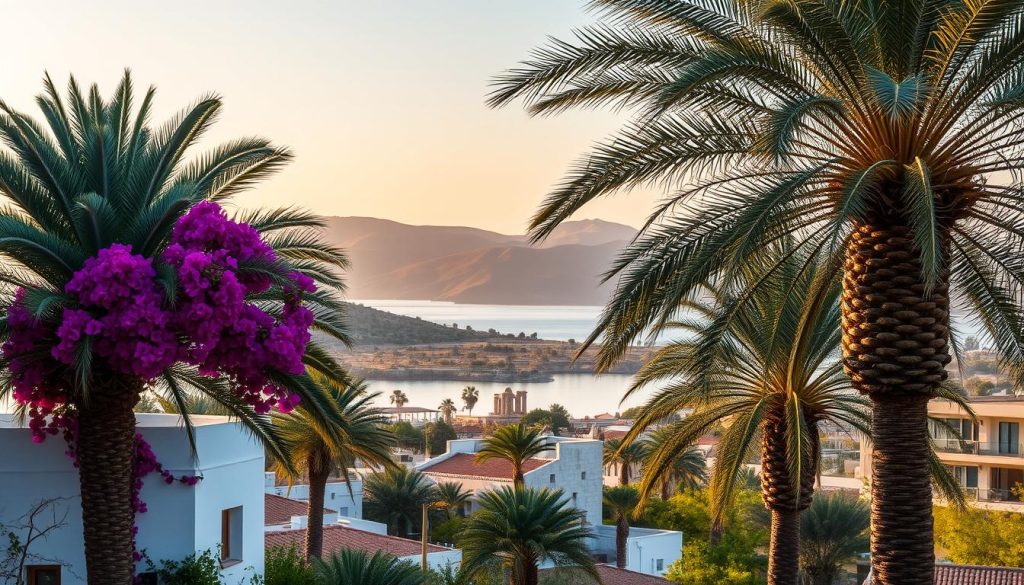
Fall is a prime time to dive into Djerba’s culture. The island hosts festivals and events, celebrating its heritage. You can try traditional Tunisian food, make local crafts, and meet the islanders. Cultural immersion is key as you visit markets, mosques, and landmarks.
Value Benefits and Authentic Experiences
Visiting Djerba in fall has its perks. With fewer tourists, prices for hotels and services drop. Here’s a look at what you can save:
| Service | Peak Season (June-August) | Fall Season (September-November) |
|---|---|---|
| Average Hotel Price per Night | $150 | $100 |
| Meal at a Mid-range Restaurant | $20 | $15 |
| Water Sports Activities | $50 | $40 |
Choosing fall for your Djerba visit means a more relaxed vibe and savings. It’s a smart choice for travelers.
Winter in Djerba (December-February): Mediterranean Off-Season
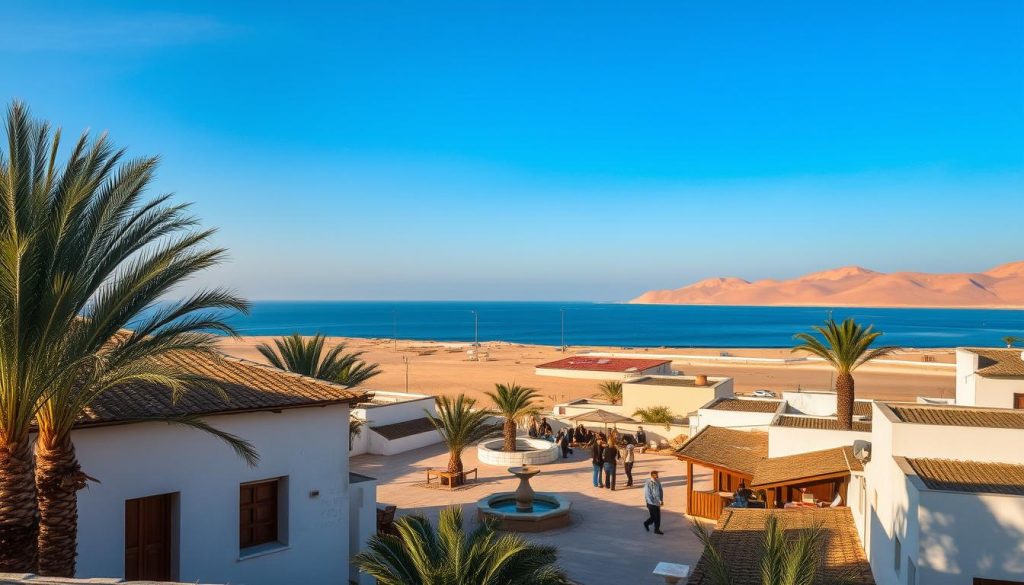
Winter in Djerba is special, with mild weather and fewer people around. This time, from December to February, is the off-season. It offers a unique experience for those who visit.
Mild Winter Climate and Occasional Rainfall
Djerba’s winter is mild, with temperatures between 12°C and 16°C (54°F to 61°F). It’s perfect for those wanting to escape cold weather. There might be some rain, but the weather is still nice for exploring.
Indoor Cultural Experiences and Desert Excursions
Winter is great for diving into Djerba’s culture. You can visit places like the Ghriba Synagogue and museums. The weather is also perfect for desert adventures, like camel rides and trips to the Douz Desert.
Desert Excursion Highlights:
- Camel rides through the Sahara dunes
- Visiting traditional Berber villages
- Enjoying a desert sunset
Budget Advantages and Peaceful Exploration
Visiting Djerba in the off-season saves money. You’ll find lower prices for places to stay and fewer people at popular spots. It’s a great time for those on a budget who want to see the island without the crowds.
| Season | Average Temperature | Tourist Crowds | Accommodation Rates |
|---|---|---|---|
| Winter (Dec-Feb) | 12-16°C (54-61°F) | Low | Low |
| Spring (Mar-May) | 18-22°C (64-72°F) | Moderate | Moderate |
| Summer (Jun-Aug) | 28-32°C (82-90°F) | High | High |
Choosing winter for your Djerba trip means a calm atmosphere, cultural fun, and savings. It’s a great choice for a unique Mediterranean adventure.
Budget Considerations: How Seasons Affect Your Travel Costs
When planning your trip to Djerba, knowing how seasons impact costs is key. The island’s tourism changes with the seasons, affecting your trip in many ways.
Accommodation Price Variations by Season
Accommodation prices in Djerba change a lot with the seasons. In summer, hotels and resorts cost more because many people visit. But, prices go down in winter, making it cheaper to travel.
| Season | Average Accommodation Price |
|---|---|
| Spring | $100-$150 per night |
| Summer | $150-$250 per night |
| Fall | $100-$180 per night |
| Winter | $80-$120 per night |
Flight Costs and Transportation Expenses
Flights to Djerba also change with the seasons. Prices are higher in peak season and lower in off-season. Car rentals and taxis might cost more in busy times too.
Activity Pricing and Overall Value by Season
Prices for activities in Djerba change with the seasons. Some attractions and sports cost more in summer but less in winter. Planning can help you save money.
Understanding season impacts on costs helps you plan better. Whether you want a fancy summer trip or a cheap winter getaway, planning is crucial for value.
Cultural Calendar: Festivals and Events Worth Planning Around
Djerba’s cultural calendar is packed with exciting festivals and events. These celebrations showcase the island’s rich heritage. They include traditional celebrations, religious festivals, and modern events that draw tourists from everywhere.
Traditional Celebrations and Religious Festivals
Djerba’s vibrant cultural scene is deeply rooted in its history and traditions. The El Ghriba Pilgrimage is a major event, attracting visitors from all over. It highlights Djerba’s cultural diversity.
Other traditional celebrations include:
- Religious festivals like Eid al-Fitr and Eid al-Adha, celebrated with great fervor
- Cultural events like the Djerba Festival, featuring local music, dance, and crafts
Modern Events and Tourist-Oriented Activities
Djerba also hosts modern events for tourists. The Djerba Ulysses Festival is a highlight, with cultural and artistic performances. Visitors can enjoy:
- Water sports and activities in the summer
- Desert excursions and camel rides, showing off the region’s natural beauty
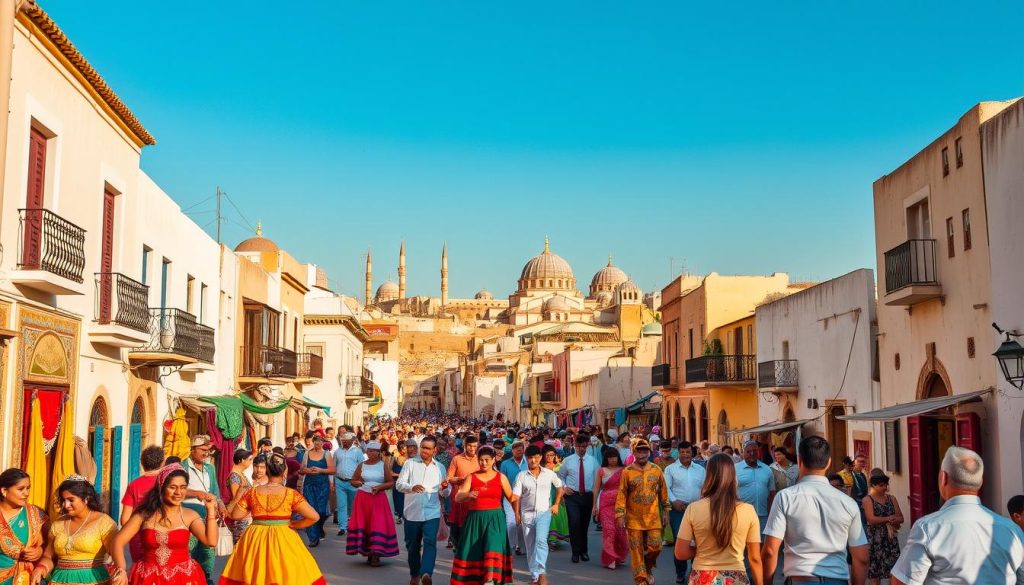
Planning your trip around these events lets you experience Djerba’s culture and hospitality at its best.
Conclusion: Tailoring Your Perfect Djerba Experience
Now you know how to plan a trip to Djerba that fits your style and budget. Think about when to go to enjoy the best weather and activities. Spring and fall are great for nice weather, while summer is perfect for beach lovers.
Looking for a budget-friendly trip? Visit in the off-season for cheaper prices. No matter when you go, the tips in this guide will help you have a great time.
Djerba offers something for everyone with its culture, landscapes, and friendly vibe. Use these tips to make your trip to this Tunisian island unforgettable.