Explore the Volubilis Roman Ruins on Your Day Trip
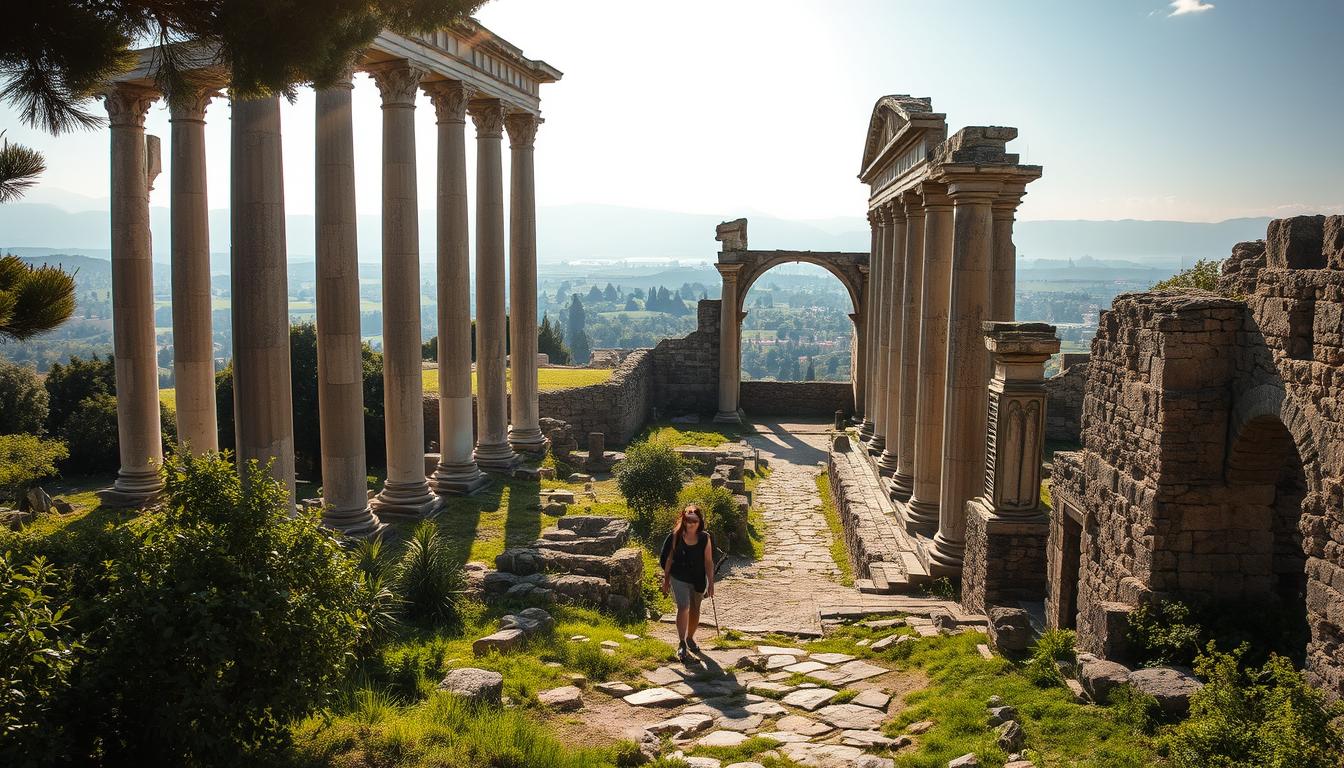
Ever imagined walking through an ancient city? Surrounded by old ruins, it’s like stepping back in time. When you visit Volubilis, you’re not just going on a trip. You’re diving into history that goes back to the 3rd century BC.
Founded by the Berbers, Volubilis became a key spot under Roman rule in the 1st century AD. This mix of cultures makes it a special place to see. You’ll explore ruins that show how the city changed over time.
The Historical Significance of Volubilis Roman Ruins
Volubilis Roman Ruins tell a story of change. It started as a Carthaginian settlement and grew into a Roman provincial capital. Today, it’s a UNESCO World Heritage site. It shows the Roman Empire’s architectural, cultural, and administrative greatness.
Origins and Development of the Ancient Roman City
Volubilis’s story began before the Romans came. It was a Carthaginian settlement. But, it really flourished under Roman rule.
From Carthaginian Settlement to Roman Province
Changing from a Carthaginian settlement to a Roman province was a big step. Its location made it perfect for trade and administration.
Volubilis as the Administrative Center of Mauretania Tingitana
Volubilis was key in Mauretania Tingitana under the Romans. It was a center for trade and goods like olive oil and wheat. It also sent wild animals for gladiatorial games in Rome.
| Period | Significance | Notable Features |
|---|---|---|
| Carthaginian Era | Initial Settlement | Early trade networks |
| Roman Rule | Flourishing as a provincial capital | Construction of public buildings, roads, and aqueducts |
| Post-Roman | Decline and Abandonment | Rediscovery in the 20th century |
Volubilis Through the Ages: Rise and Decline
Volubilis’s history shows its rise and fall. It was a major city under the Romans and then declined.
The Golden Age Under Roman Rule
Under the Romans, Volubilis shone. It saw great architectural and cultural growth. It became a historic Roman site of great importance.
Abandonment and Rediscovery
After the Romans left, Volubilis declined and was abandoned. Its rediscovery in the 20th century led to efforts to save this UNESCO World Heritage site.
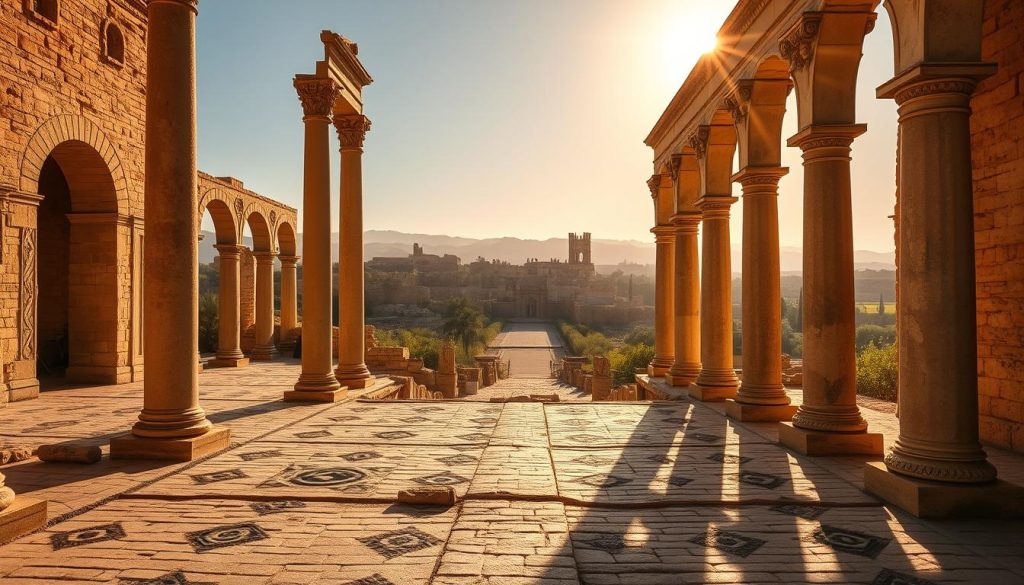
Learning about Volubilis Roman Ruins helps us appreciate this ancient city. Walking through the ruins, you see the Roman Empire’s achievements. You also see the lasting legacy of a city that was once a major capital.
Planning Your Day Trip to Volubilis Roman Ruins
Planning your visit to Volubilis is key to a great experience. Knowing the best time to go, how to get there, and the site’s hours is important. This will make your trip smooth and fun.
Best Time to Visit Volubilis
The spring (March to May) and autumn (September to November) are the best times. The weather is mild and pleasant. Summer is hot, and winter is cool with some rain.
Seasonal Considerations and Weather Patterns
Spring is perfect for visiting with comfortable weather and green surroundings. Autumn offers warm weather and fewer crowds than summer.
How to Get to Volubilis from Major Moroccan Cities
Getting to Volubilis is easy, even without a car. The closest big city is Meknes. You can get there by train from Fez, Rabat, and other cities.
Transportation Options from Fez
From Fez, take a train to Meknes. Then, a petit taxi to Moulay Idriss Zerhoun, and a short drive to Volubilis. Or, book a day tour from Fez to Volubilis for an easy trip.
Routes from Meknes and Rabat
From Meknes, take a petit taxi to Moulay Idriss Zerhoun, then to Volubilis. From Rabat, take a train to Meknes and follow the same path. For a personal touch, look into guided tours to Volubilis that offer transport.
| City | Transportation to Meknes | Transportation to Volubilis |
|---|---|---|
| Fez | Train | Petit taxi to Moulay Idriss, then drive |
| Rabat | Train | Petit taxi to Moulay Idriss, then drive |
| Meknes | – | Petit taxi to Moulay Idriss, then drive |
Entrance Fees and Opening Hours
Volubilis is open daily from 8:00 AM to 6:00 PM. The entrance fee is about 70 MAD (around $7 USD). Always check the current fees and hours before you go, as they can change.
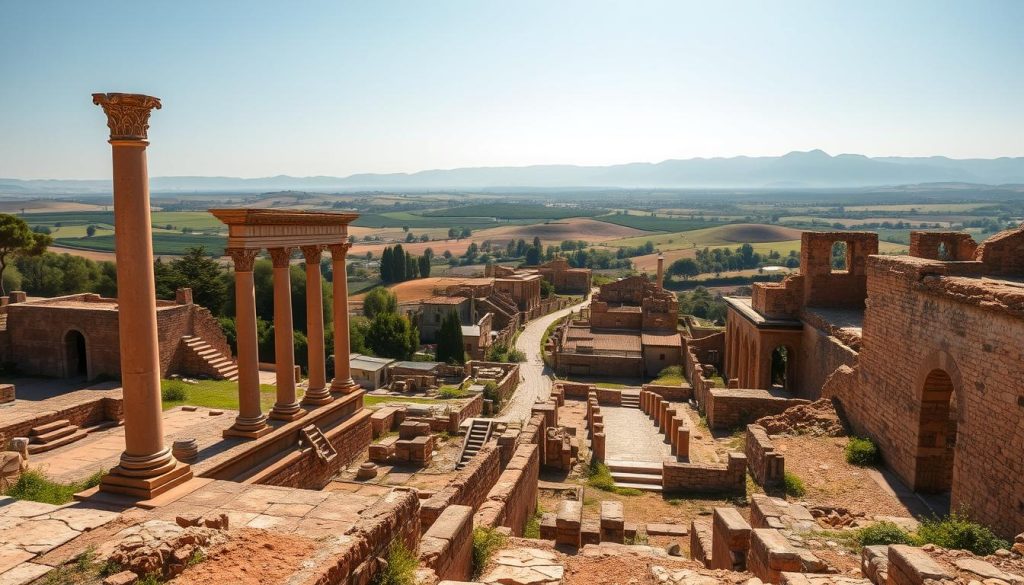
By planning well, your visit to Volubilis Roman Ruins will be memorable and stress-free. Whether you travel alone or join a guided tour, the ancient history and stunning mosaics of Volubilis are waiting for you.
Must-See Highlights of Volubilis Archaeological Site
The Volubilis Archaeological Site is filled with Roman ruins. It has many highlights that show its rich history. As you walk through this ancient city, you’ll see many impressive structures that have lasted for centuries.
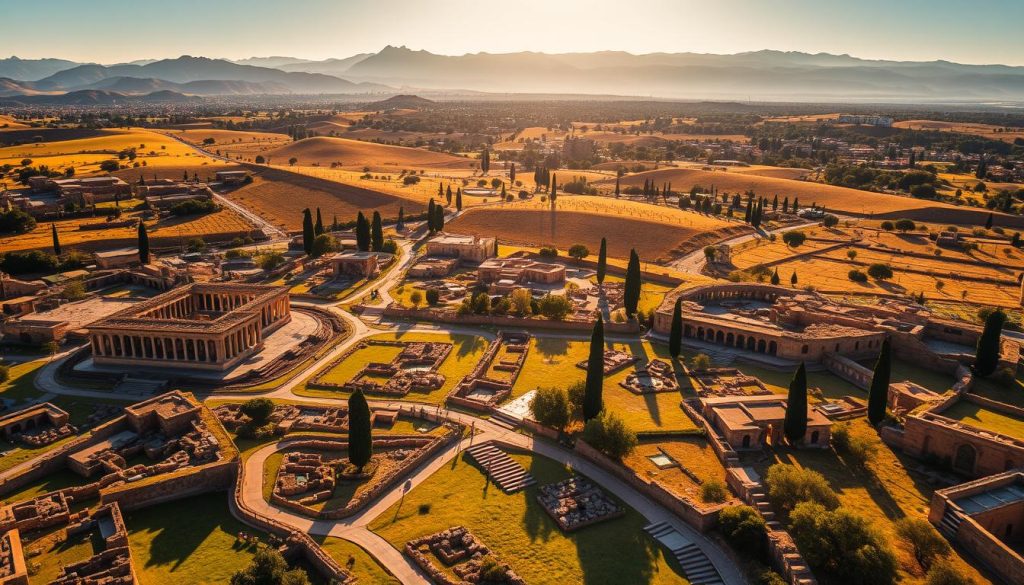
The Triumphal Arch of Caracalla
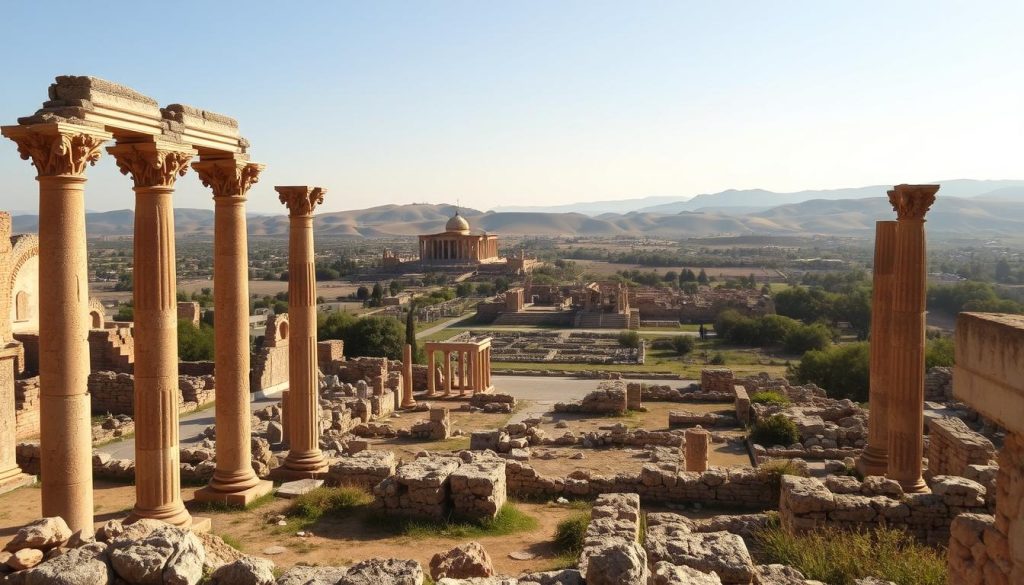
The Triumphal Arch of Caracalla is a famous landmark in Volubilis. It was built in 217 AD to honor Roman Emperor Caracalla. This arch is a symbol of the city’s Roman roots and is a must-see. It’s well-preserved, showing the ancient Romans’ skill in building.
The Capitoline Temple
The Capitoline Temple is another key highlight. It was dedicated to the Capitoline Triad (Jupiter, Juno, and Minerva). This temple was a major place of worship in Volubilis. Its remains give us a look into the religious life of the ancient people.
The House of Orpheus and Its Mosaics
The House of Orpheus is famous for its stunning mosaics. These mosaics are some of the best examples of Roman art in North Africa. The house is named after a mosaic of Orpheus, a Greek myth figure known for his music. The mosaics here are not just beautiful but also show the ancient Romans’ artistic talent.
The Basilica and Forum
The Basilica and Forum were the heart of Volubilis’s public life. They were where people went for legal, commercial, and social activities. The basilica’s impressive design was a key part of the forum. Here, citizens would gather to talk about important matters and do business. Visiting these areas gives you a unique look into the daily lives of the city’s ancient people.
These highlights, among others, make Volubilis a fascinating place for history lovers and travelers. By exploring these sites, you’ll learn more about the city’s history and cultural importance.
Exploring the Remarkable Mosaics of Volubilis
Volubilis is a standout among Morocco’s Roman ruins for its well-preserved mosaics. These mosaics show the city’s rich history. As you walk through the site, you’ll see some of the most impressive mosaics from the Roman era.
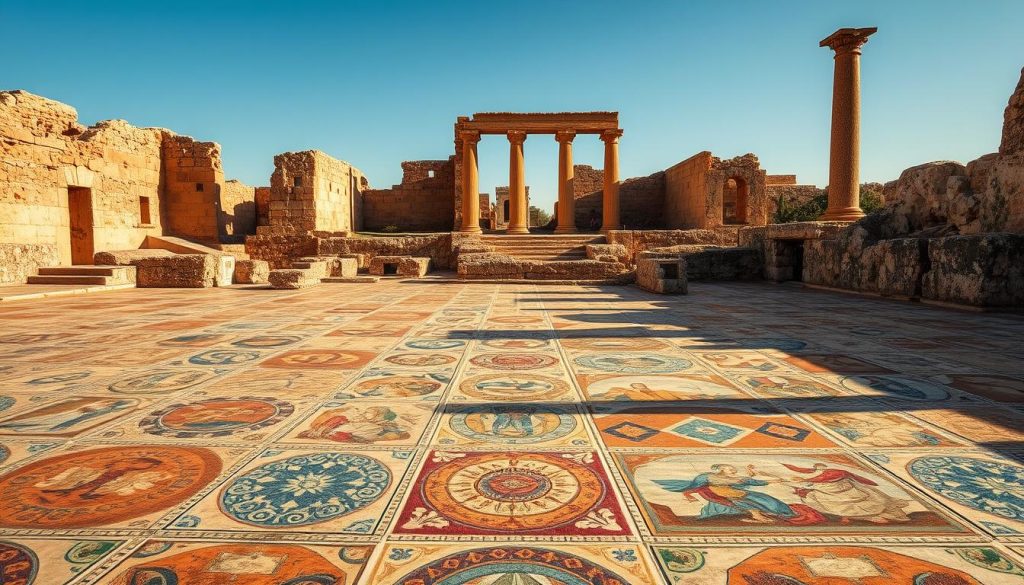
The Labors of Hercules Mosaic
The Labors of Hercules Mosaic is truly striking. It shows Hercules’ twelve tasks in vivid detail. This mosaic highlights the Roman artists’ skill and dedication. It’s not just art but also tells us about the myths important to Volubilis’ people.
The Dolphin Mosaic and Nymphs
The Dolphin Mosaic, with its Nymphs, is another gem. It’s known for its color and marine life scenes. This mosaic shows the sea’s importance to the Romans. Its design and execution show the Romans’ advanced artistic skills.
The Dionysus Mosaic and Other Notable Works
The Dionysus Mosaic is a highlight, showing the god of wine and fertility. It’s full of joy and celebration. Other mosaics on the site show mythological and everyday scenes. Each mosaic gives us a glimpse into ancient Volubilis’ culture and daily life.
Techniques and Preservation of Ancient Roman Art
Making these mosaics required great craftsmanship. They used limestone, marble, and glass. Thanks to their quality and conservation efforts, these artworks have been preserved. Learning about their creation and preservation deepens our appreciation of Volubilis.
| Mosaic | Description | Significance |
|---|---|---|
| Labors of Hercules | Depicts the twelve tasks of Hercules | Showcases Roman artistic skill and mythological themes |
| Dolphin Mosaic | Features dolphins and Nymphs, highlighting marine life | Demonstrates advanced artistic techniques and the importance of the sea |
| Dionysus Mosaic | Depicts the god Dionysus in a celebratory scene | Reflects the cultural and religious practices of ancient Volubilis |
Guided Tours vs. Self-Guided Exploration
Volubilis offers both guided tours and self-guided exploration. It’s a place filled with ancient Roman ruins and mosaics. You can discover many structures and mosaics here.
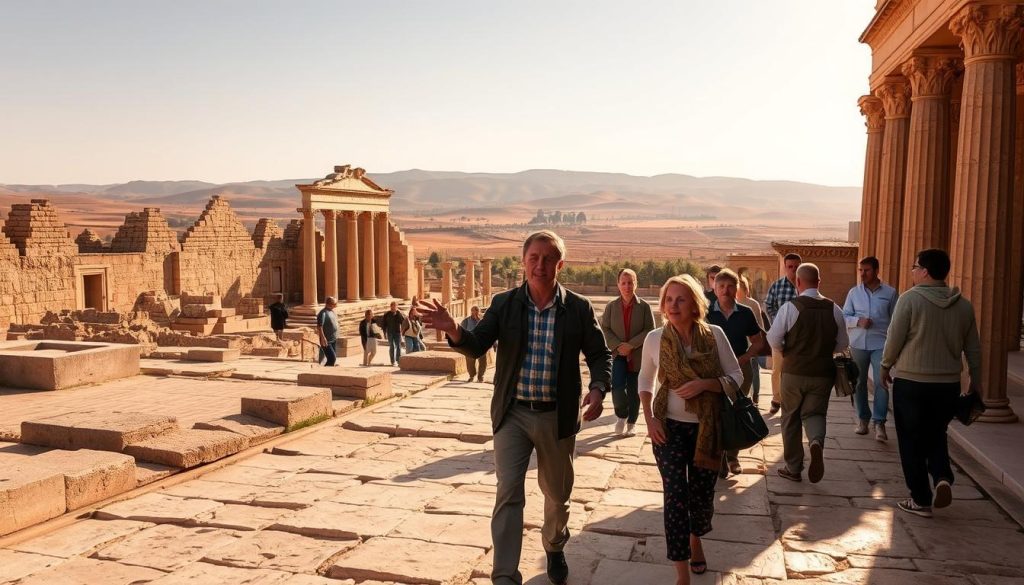
Benefits of Hiring a Local Guide
A local guide can make your visit to Volubilis better. They know a lot about the history of the ruins. They can make the ancient city come alive with their stories.
Popular Guided Tour Options from Fez and Meknes
Many guided tours start from Fez and Meknes. They cater to different interests and schedules. Here are some options:
Half-Day Tours
Half-day tours are short but informative. They focus on the top sights in Volubilis.
Full-Day Combination Tours
Full-day tours take you to Volubilis and other historical sites. They give a deeper look into the region’s history.
| Tour Type | Duration | Highlights |
|---|---|---|
| Half-Day | 4 hours | Triumphal Arch, Capitoline Temple |
| Full-Day | 8 hours | Volubilis, Moulay Idriss Zerhoun, Meknes |
Tips for Self-Guided Visits
Exploring Volubilis on your own can be rewarding. Here are some tips:
Recommended Routes Through the Site
Begin at the Triumphal Arch and visit the Capitoline Temple. Don’t miss the House of Orpheus and its stunning mosaics. Spend at least 2-3 hours here.
Whether you choose a guided tour or go solo, Volubilis promises a memorable day trip. You’ll uncover its rich history.
Combining Volubilis with Other Nearby Attractions
Make your day trip to Volubilis even better by adding other great spots. The area around Volubilis is full of history and culture. You can visit several places in just one day.
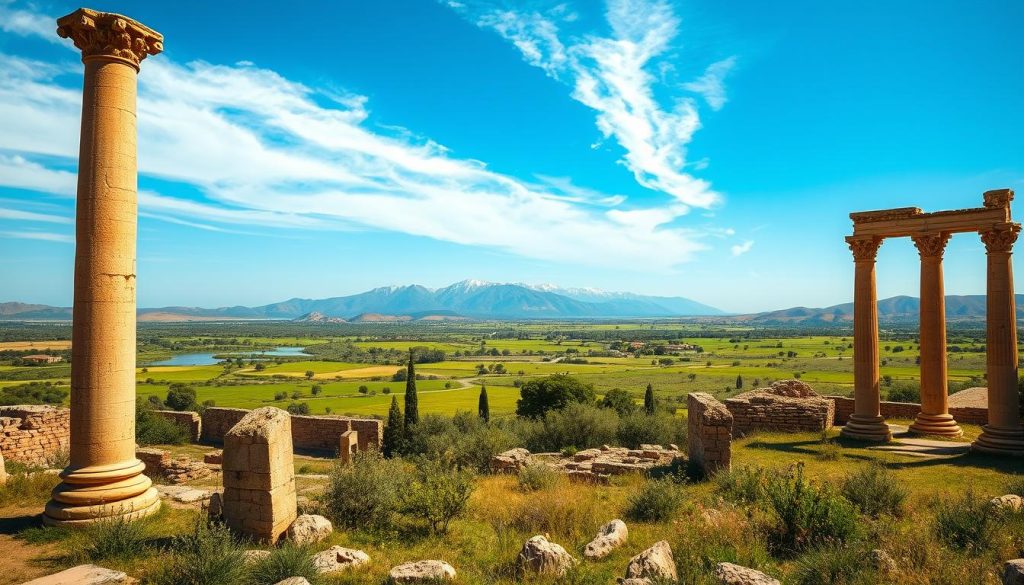
The Holy City of Moulay Idriss Zerhoun
Moulay Idriss Zerhoun is Morocco’s holiest city, after Mecca and Medina. It’s a sacred place that draws pilgrims from all over.
Historical Significance and Visitor Highlights
The town honors Moulay Idriss I, the founder of Morocco’s first Islamic dynasty. Visitors can see his mausoleum. It’s a key site that shows the city’s role in Moroccan history and culture.
The Imperial City of Meknes
Meknes is another must-see spot near Volubilis. Its grand buildings show its past as Morocco’s capital in the 17th century.
Key Attractions in Meknes
Don’t miss these top sights in Meknes:
- The grand gates of Bab Mansour and Bab el-Khemis
- The Mausoleum of Moulay Ismail
- The Royal Stables
- The historic medina
| Attraction | Location | Historical Significance |
|---|---|---|
| Moulay Idriss Zerhoun | Near Volubilis | Morocco’s holiest city, mausoleum of Moulay Idriss I |
| Meknes | Approximately 30 km from Volubilis | Imperial city, grand architecture, historical capital |
| Volubilis | Near Meknes | Historic Roman site, UNESCO World Heritage Site |
Creating the Perfect Day Trip Itinerary
Plan your day trip well to enjoy everything. Think about the travel time between Volubilis, Moulay Idriss Zerhoun, and Meknes. Make sure you have enough time to see each place.
By visiting these spots, you’ll get a deep look into the region’s history and culture. Your day trip to Volubilis Roman ruins will be unforgettable.
Practical Tips for Visiting Morocco’s Best Roman Ruins
Volubilis is a top spot for history lovers and architecture fans. It’s a UNESCO World Heritage site that needs some planning to enjoy fully. Here are some tips to make your visit smooth and fun.
What to Wear and Bring
Wear comfy clothes and the right shoes for Volubilis. It’s big and you’ll walk a lot.
Sun Protection and Appropriate Footwear
Choose shoes for uneven paths. Bring a hat, sunglasses, and sunscreen to protect against the sun.
Photography Tips at Volubilis
Photography at Volubilis is rewarding. Knowing the best times and angles can make your photos stand out.
Best Times and Angles for Capturing the Ruins
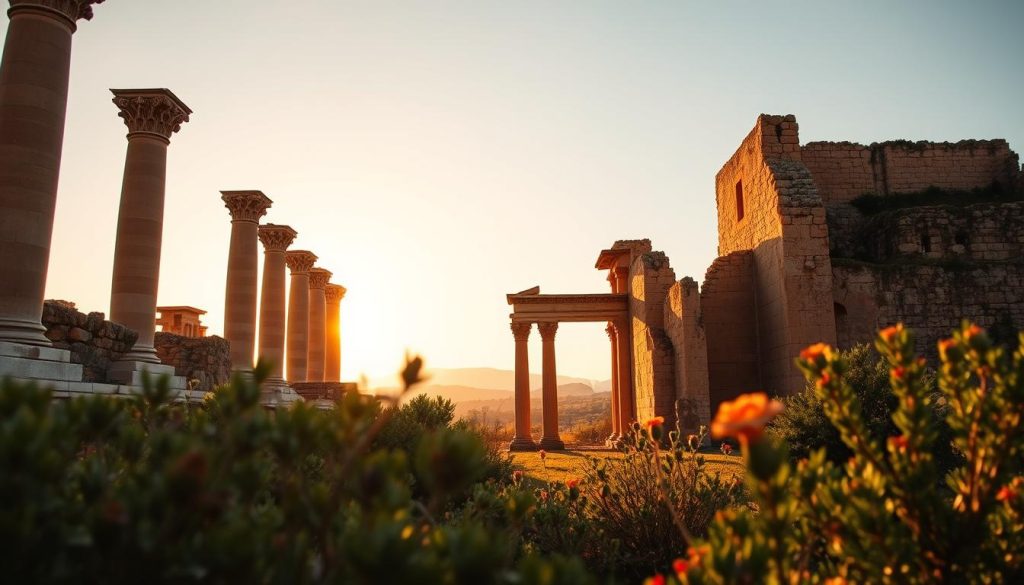
Photograph in the early morning or late afternoon. The light is soft and brings out the ruins’ colors. Try different angles for interesting shots.
Navigating Cultural Considerations
Respecting local customs and the site is key at Volubilis. Talking to locals can also make your visit better.
Interacting with Locals and Respecting the Site
Be polite and respectful to locals. Volubilis is more than a tourist spot; it’s a historical and cultural treasure. Follow your guide’s rules to respect the site and its history.
Volubilis as a UNESCO World Heritage Site
Volubilis was named a UNESCO World Heritage Site in 1997. This honor shows its cultural and historical importance. It makes Volubilis one of the best Roman ruins in Morocco. This recognition helps in preserving Volubilis and learning about Roman history and culture.
Conservation Efforts and Challenges
Keeping Volubilis safe is a big job. It faces problems like environmental damage and too many tourists. But, there are efforts to protect it.
Current Preservation Projects
There are projects to save Volubilis. They aim to fix damaged buildings, stop erosion, and manage tourists well. By supporting these, visitors help keep this historical place safe and its Volubilis highlights intact.
The Importance of Sustainable Tourism
Sustainable tourism is key to saving Volubilis. Visitors can help by being careful. This means not damaging the site, not littering, and respecting the ancient buildings.
How Visitors Can Help Protect the Site
Visitors can help by being mindful. Stay on paths, don’t touch the mosaics, and support local guides. These actions help keep Volubilis as one of the best-preserved Roman sites in the area.
Conclusion: Why Volubilis Deserves a Spot on Your Moroccan Itinerary
When planning your trip to Morocco, think about adding a day tour from Fez to Volubilis. This ancient Roman city is a mix of history, culture, and archaeology. It’s a great way to make your trip more memorable.
By visiting Volubilis, you get to see the remains of a city that was alive long ago. You can imagine what life was like back then. It’s a chance to step back in time.
Volubilis is not just a place to see; it’s a journey through history. Seeing ancient history up close will stay with you. Whether you love archaeology, history, or just want something unique, Volubilis will amaze you. So, add this amazing place to your list of places to see in Morocco.