
Your Guide to Algoa Bay Whale Watching
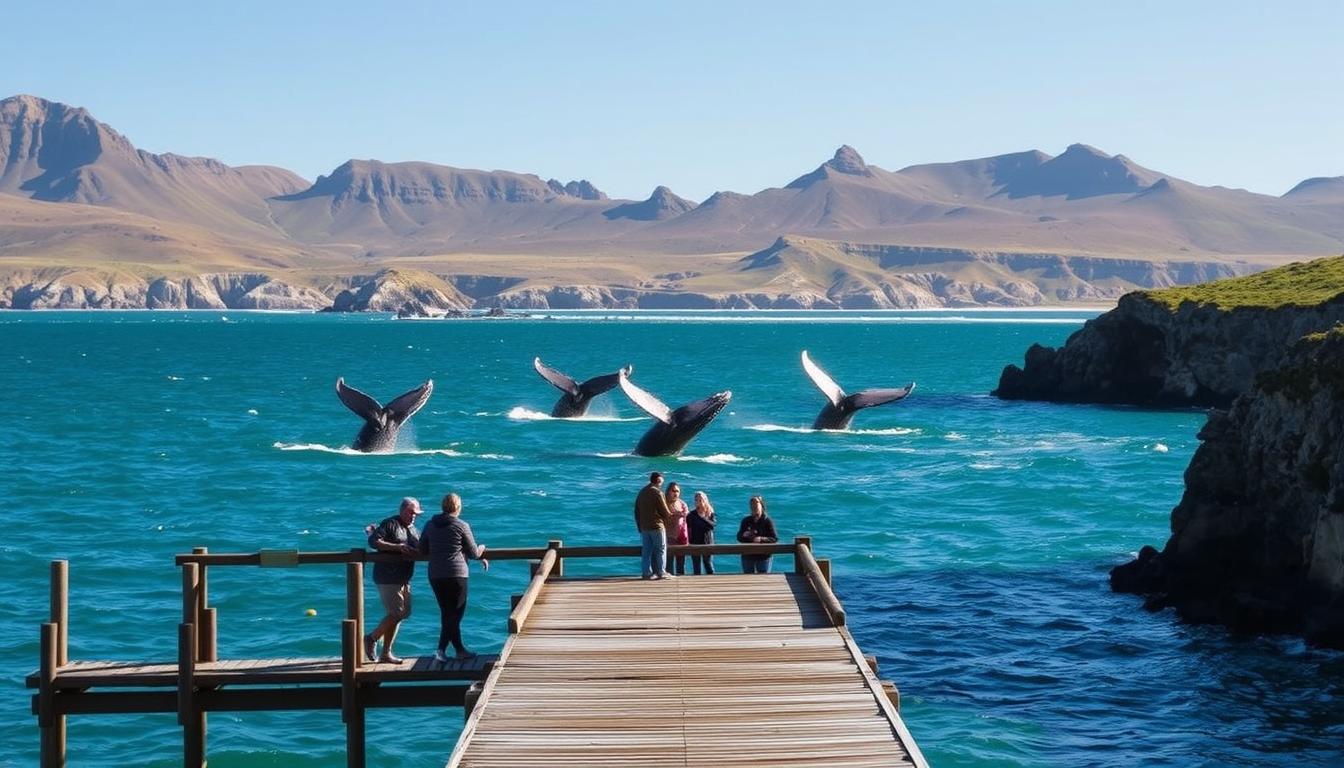
Are you ready to see the beauty of humpback whales in their home? Algoa Bay in the Eastern Cape of South Africa is perfect for this. It’s a great place for a memorable whale watching trip.
This whale watching guide will show you the best times and places to see these whales. Algoa Bay is full of marine life, giving you a chance to see different whale species. Whether you love wildlife or just want an adventure, our guide will help you enjoy your Algoa Bay tourism trip.
The Magic of Algoa Bay’s Marine Ecosystem
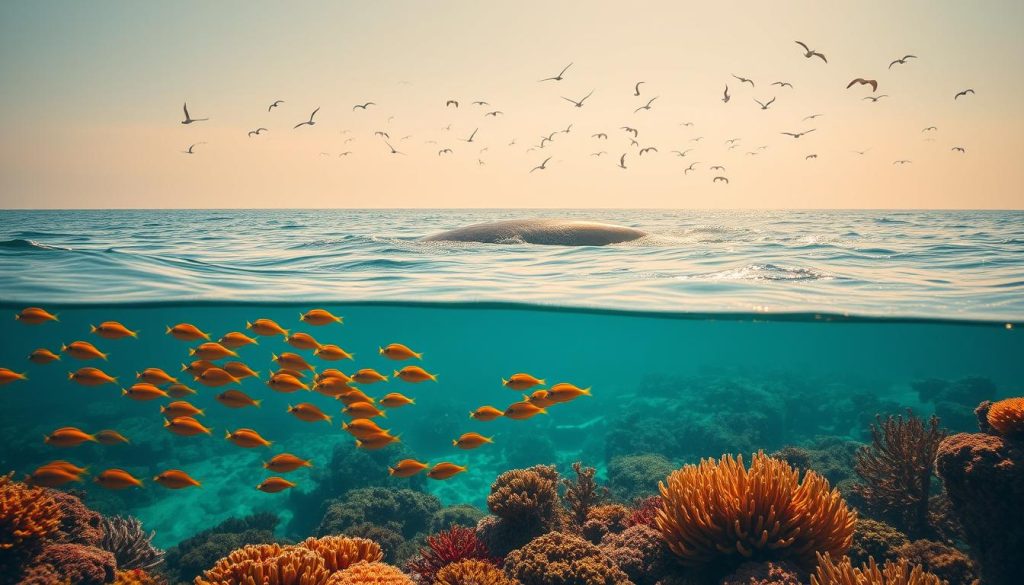
Algoa Bay’s unique shape and the Indian Ocean’s influence create a rich marine habitat. This environment has a mix of warm and cool ocean currents. This mix supports an incredible array of marine life.
South Africa’s Hidden Gem for Marine Wildlife
Algoa Bay is a hidden gem for those who love marine wildlife. Its sheltered waters are a safe place for whales, dolphins, and seals. Visitors can see the amazing diversity of marine life in Algoa Bay.
The Rich Biodiversity That Attracts Whales
The rich biodiversity of Algoa Bay attracts whales. The bay’s waters are full of nutrients, supporting a thriving ecosystem. This ecosystem has plenty of food for whales and other marine animals. Here’s a table showing some key species found in Algoa Bay:
| Species | Type | Frequency of Sightings |
|---|---|---|
| Southern Right Whales | Mammal | Common |
| Humpback Whales | Mammal | Frequent |
| Bryde’s Whales | Mammal | Occasional |
| Dolphins | Mammal | Common |
The Best Time for Algoa Bay Whale Watching
To see whales in Algoa Bay, knowing the best times is key. The bay is home to many whale species all year round. This makes it a special place for whale watching.
Peak Season: June to November
The best time for Algoa Bay whale watching is from June to November. August to December is when you see the most whales. Southern Right and Humpback whales are common then.
The calm waters and mild weather are perfect for whales and visitors alike.
What to Expect During Off-Peak Months
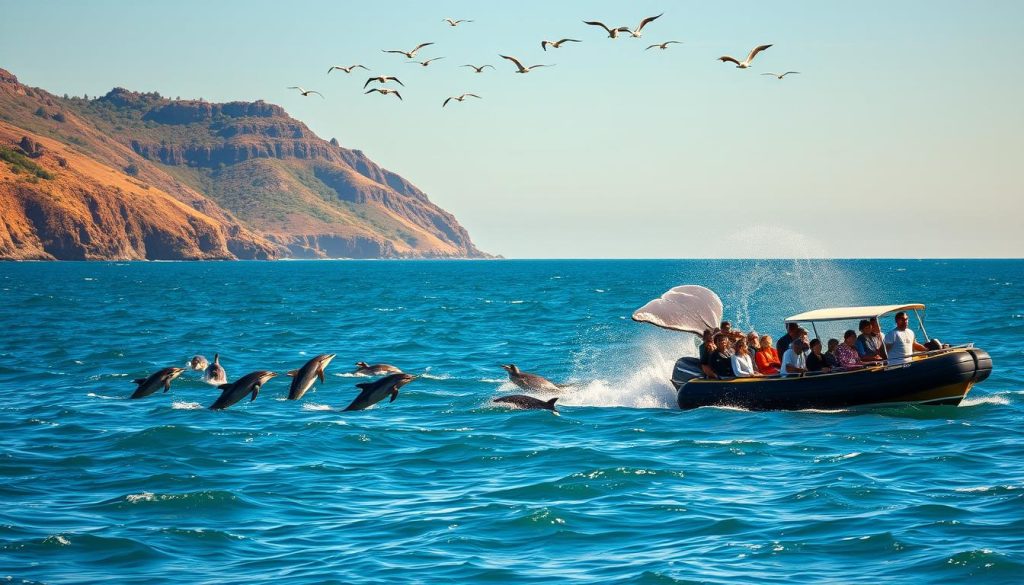
Even in off-peak months, Algoa Bay is still great for whale watching. You might see dolphins and seals too. Plus, fewer tourists mean a quieter, more personal experience.
Knowing when to visit Algoa Bay for whales makes your trip better. Whether it’s peak or off-peak, the bay’s marine life will amaze you.
Magnificent Whale Species of Algoa Bay
Exploring Algoa Bay lets you see incredible whales up close. The bay’s unique waters support many whale species. It’s a paradise for those who love watching whales.
Southern Right Whales: The Bay’s Famous Visitors
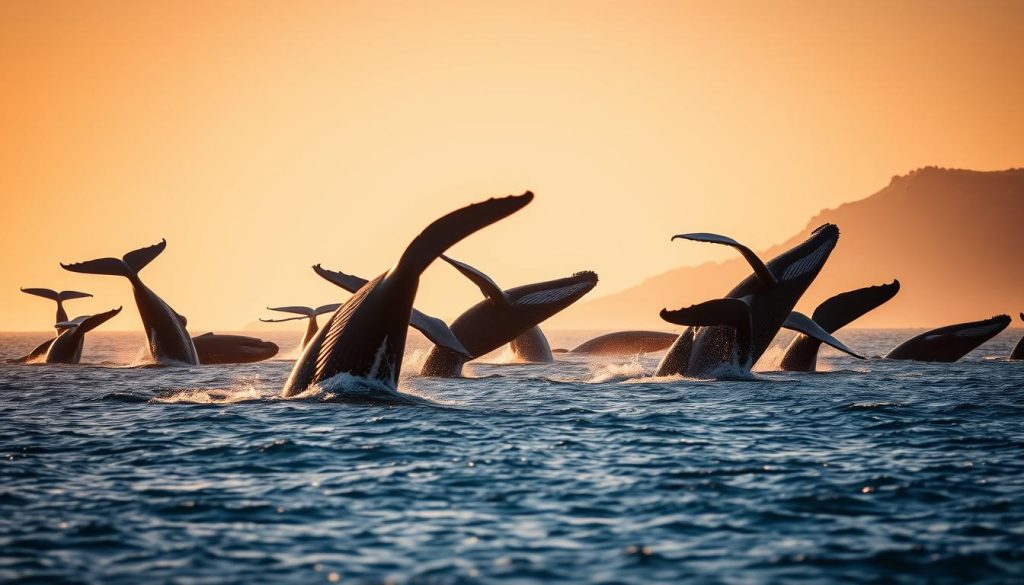
Southern Right whales are famous in Algoa Bay. They come to the bay’s warm waters in winter to mate and have their babies. Seeing them is a highlight for many.
“The annual migration of Southern Right whales to Algoa Bay is a spectacle that draws visitors from far and wide, eager to witness these majestic animals up close.”
Humpback Whales and Their Acrobatic Displays
Humpback whales are known for their amazing tricks. They jump out of the water and slap their tails. In Algoa Bay, you can see these energetic shows, making them a favorite among whale watchers.
Bryde’s Whales and Other Marine Mammals
Bryde’s whales live in Algoa Bay too. They are sleek and feed in the bay’s rich waters. The bay is also home to dolphins and seals, adding to its rich life.
| Whale Species | Peak Season | Notable Behaviors |
|---|---|---|
| Southern Right Whales | June to November | Mating, giving birth |
| Humpback Whales | June to November | Breaching, tail slapping |
| Bryde’s Whales | Year-round | Feeding |
Algoa Bay is known for its diverse whales. Seeing Southern Right whales or Humpback whales is unforgettable. It’s a top spot for whale watching.
Top Algoa Bay Whale Watching Spots
Algoa Bay is a paradise for whale watching. Its coastline has many spots for amazing views of whales in their home.
Cape Recife Lighthouse and Nature Reserve
The Cape Recife Lighthouse is a top spot for whale watching. It’s in the Cape Recife Nature Reserve, mixing history with wildlife. You can see southern right whales, humpback whales, and more while enjoying the coast.
Sardinia Bay’s Elevated Viewpoints
Sardinia Bay is famous for its beautiful beaches and high views. Its shape gives clear views of the sea. It’s perfect for both new and experienced whale watchers.
Bird Island Marine Protected Area
The Bird Island Marine Protected Area is known for its marine life, including whales. It’s a key place for many species. Here, you can see whales up close and help protect them.
| Location | Key Features | Best Time to Visit |
|---|---|---|
| Cape Recife Lighthouse | Historic lighthouse, diverse marine life | June to November |
| Sardinia Bay | Elevated viewpoints, scenic beaches | Year-round, peak June to November |
| Bird Island Marine Protected Area | Rich marine biodiversity, protected habitat | June to November |
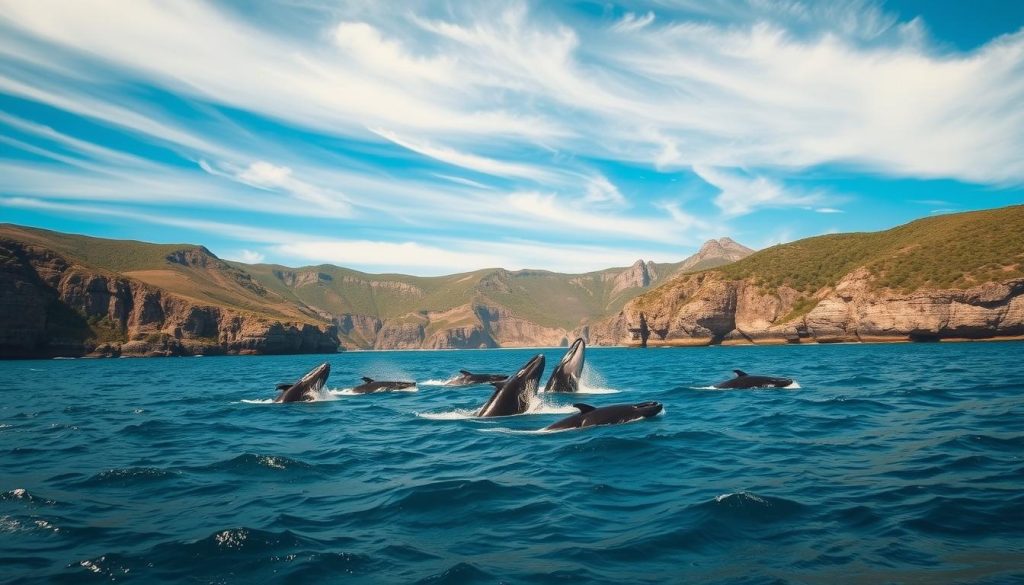
Comprehensive Guide to Algoa Bay Whale Watching Tours
Start an unforgettable journey with a guided Algoa Bay whale watching tour. Choose one that matches your interests and preferences.
Algoa Bay has many tour options. You can see whales up close or enjoy a relaxing view. There’s a tour for everyone.
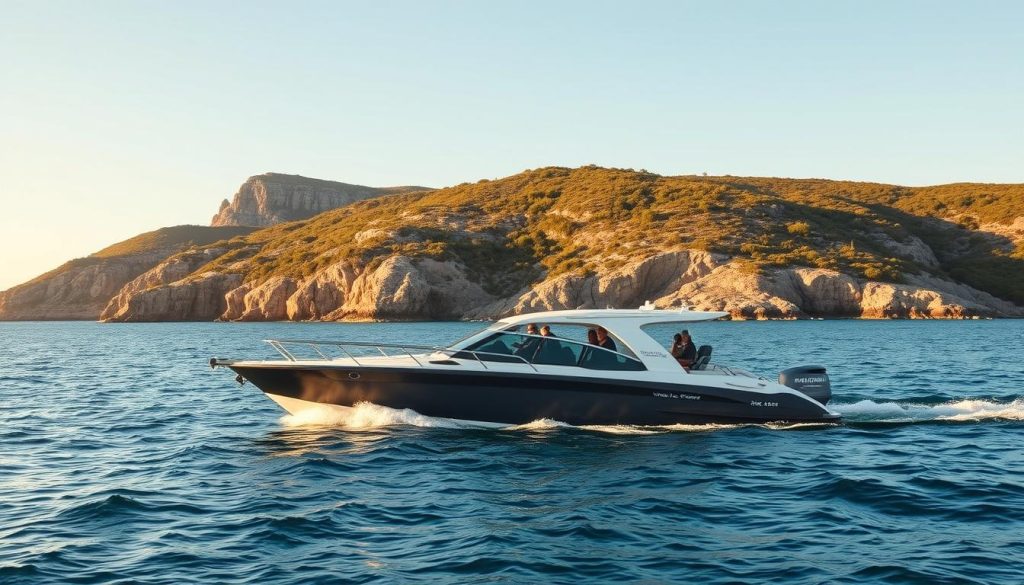
Boat-Based Tour Options and Prices
Boat tours give you a close look at Algoa Bay’s whales. Companies like Raggy Charters offer thrilling tours that help conservation. Prices range from $50 to $100 per person, depending on the tour.
Land-Based Viewing Opportunities
Stay on land and watch whales at elevated spots and nature reserves. Cape Recife Lighthouse and Nature Reserve is a great place. It offers amazing views of the bay and its marine life.
Specialized Photography Tours
Photography lovers can join tours focused on capturing great shots. These tours teach you about photography and whale behavior. You’ll get the most out of your time in Algoa Bay.
Choosing a guided tour improves your whale watching experience. It also supports local conservation. Whether by boat or land, Algoa Bay’s whales will impress you.
What to Expect During Your Whale Watching Adventure
Embarking on your Algoa Bay whale watching adventure is an unforgettable experience. You’ll get close to majestic whales in the heart of Algoa Bay’s marine ecosystem.
Typical Tour Experience and Duration
A typical Algoa Bay whale watching tour lasts 3-4 hours. This gives you plenty of time to see whales up close. You’ll look for Southern Right, Humpback, and Bryde’s whales in their natural home.
Common Whale Behaviors You’ll Witness
On your tour, you’ll see many interesting whale behaviors. Some common ones include:
Breaching and Tail Slapping
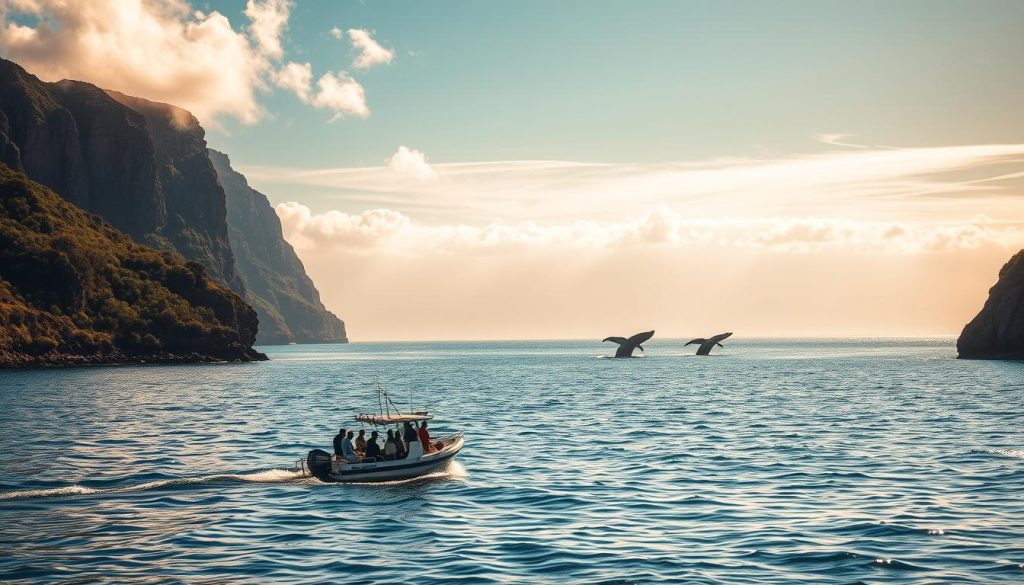
Watch as whales breach the surface, doing acrobatic stunts. Tail slapping is also common, where whales slap their tails, making a loud sound.
Spy-Hopping and Blowing
Spy-hopping lets you see whales’ massive bodies as they poke their heads out. When they surface to breathe, you’ll see them blow air out of their blowholes, creating mist.
Essential Tips for a Successful Whale Watching Trip
Before you head out on your Algoa Bay whale watching adventure, keep these tips in mind. Being well-prepared can make your trip memorable and fun.
What to Wear and Bring
It’s important to dress right for a comfy whale watching trip. Think about the weather and wear layers.
Clothing Recommendations
Choose comfortable, waterproof clothes and sturdy shoes that can handle water. Also, bring a hat and sunglasses to protect from the sun.
Essential Gear Checklist
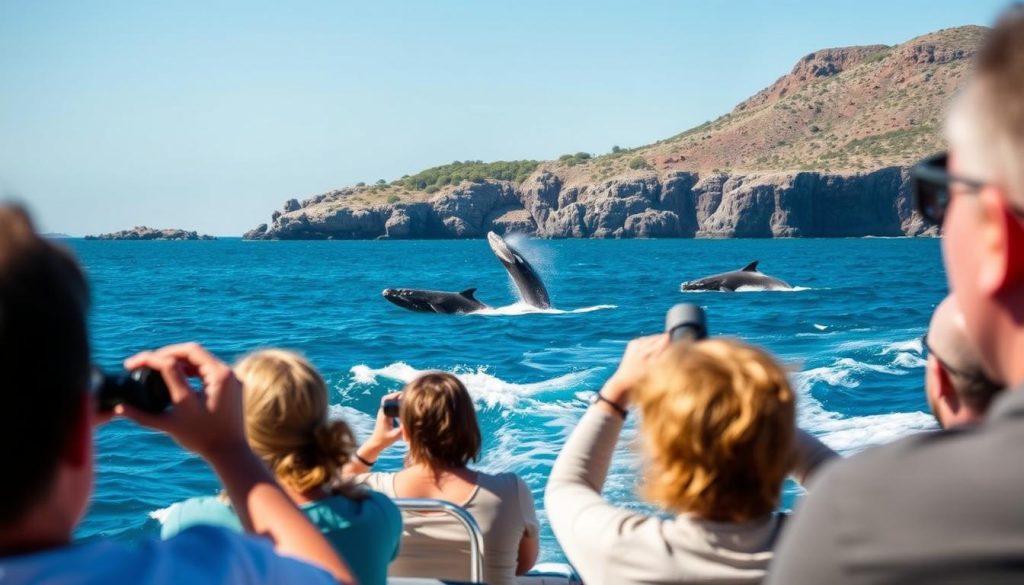
- Binoculars for a closer look
- Camera with extra batteries and memory cards
- Sunscreen and sun hat
- Waterproof jacket or poncho
Preventing and Managing Seasickness
Seasickness can be a worry for some. To lessen the chance, take seasickness prevention medication before you go. Or, use acupressure bands. Sitting in the middle of the boat might also help avoid seasickness.
Capturing Perfect Whale Watching Moments
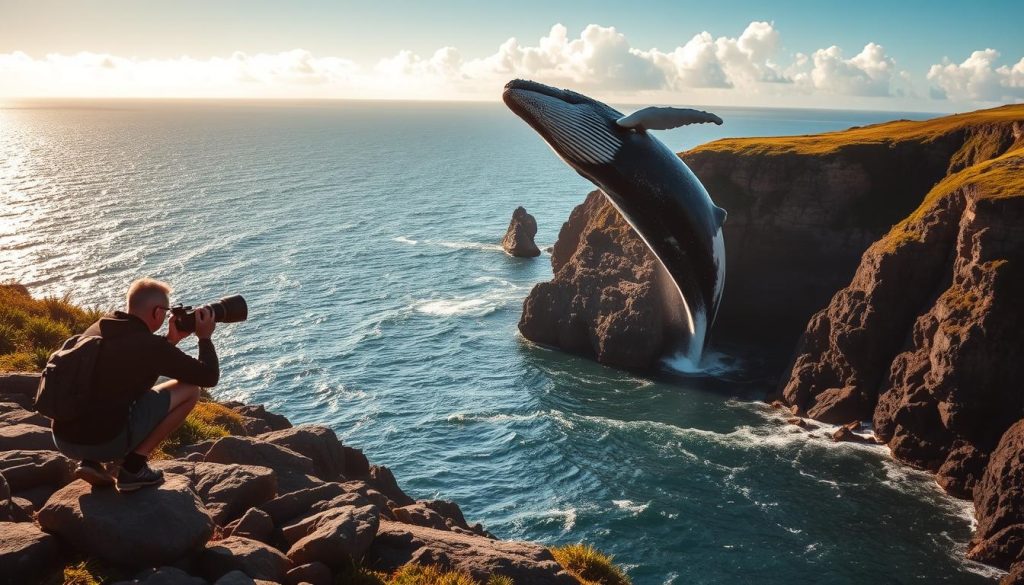
With the right camera gear and knowledge of ethical photography, you can take amazing whale watching photos. The secret to great whale watching photos is being ready with the right tools and knowing how to use them well.
Camera Equipment Recommendations
For whale watching photography, a good camera with a telephoto lens is key. Make sure your camera is waterproof or has a protective case to keep it safe in the sea. A lens with at least 200mm focal length is best for taking photos from far away without bothering the whales.
Think about bringing a monopod or a gimbal to keep your camera steady. This is helpful when you’re on a moving boat.
Ethical Wildlife Photography Practices
When you’re practicing ethical photography practices, it’s important to respect the whales’ space and actions. Keep a safe distance to not disturb them, and never use bait or try to get a reaction from them. Be patient and wait for them to move naturally to get great photos.
Also, follow local rules and guidelines for wildlife photography. This helps protect the whales and their habitat.
Conservation Efforts Protecting Algoa Bay’s Whales
Protecting Algoa Bay’s whales needs everyone’s help. Local communities, researchers, and tourists must work together. This teamwork is key to keeping the marine ecosystem healthy and ensuring whale watching can continue.
Current Research and Protection Initiatives
Many efforts are underway to safeguard Algoa Bay’s whales. The Baywatch Project, for example, watches over marine life and lessens human harm to the sea. Studies aim to learn more about whales, their travels, and the sea’s health.
| Initiative | Focus | Impact |
|---|---|---|
| Baywatch Project | Marine Life Monitoring | Reduces human impact on marine life |
| Whale Research | Understanding Whale Behavior | Informs conservation strategies |
How Tourists Can Support Conservation
Tourists are crucial in helping protect Algoa Bay’s whales. By picking tours that support local projects like the Baywatch Project, visitors help whales and their homes. Also, sharing the need for marine conservation and being respectful of wildlife on tours can make a big difference.
Visitor Experiences: Algoa Bay Whale Watching Reviews
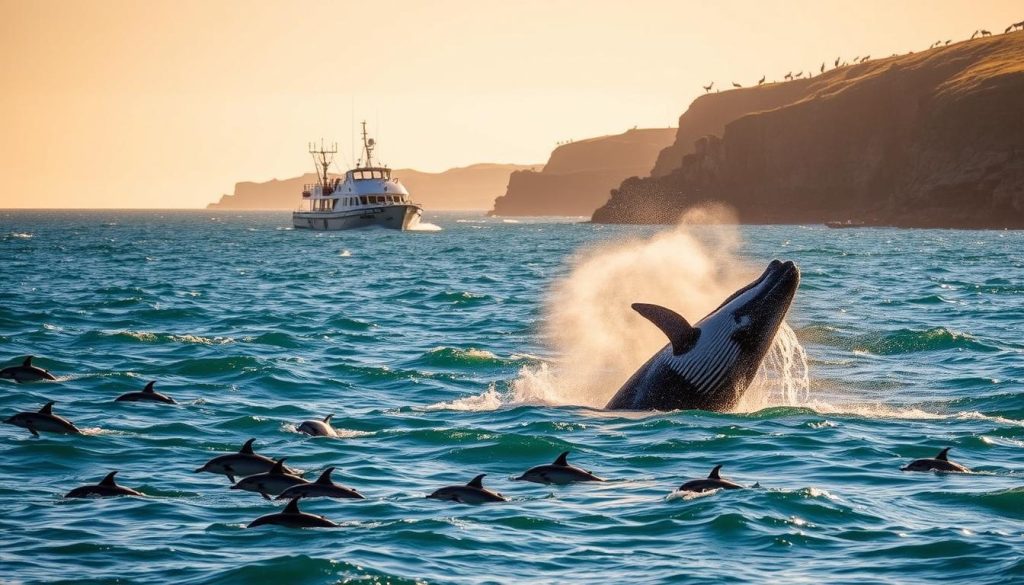
Real experiences from real visitors can help you plan your Algoa Bay whale watching trip with confidence. People from all over the world have shared their exciting whale encounters in Algoa Bay. They offer valuable insights for those planning to go.
What Tourists Say About Their Encounters
Many tourists have praised the Algoa Bay whale watching tours. They say the guides are exceptional and the experiences unforgettable. One visitor said,
“The moment we spotted the whales was breathtaking. The guides were knowledgeable and made the experience even more special.”
This feedback shows the high quality of tours in the area.
Tips from Experienced Whale Watchers
Experienced whale watchers have some tips to share. They recommend being ready for early morning tours and bringing binoculars for a closer look. Some key tips include:
- Arrive early to secure a good spot on the tour.
- Bring layers for changing weather conditions.
- Don’t forget your camera to capture those special moments.
Planning Your Trip to Algoa Bay
Getting ready for your whale watching adventure in Algoa Bay? It’s key to plan well. You’ll need to figure out how to get there and where to stay.
Getting to Algoa Bay from Major Cities
Algoa Bay is near Port Elizabeth, South Africa. It’s easy to get to from big cities in South Africa and some abroad. You can fly into Port Elizabeth International Airport (PLZ) from places like Johannesburg and Cape Town.
After landing, you can rent a car or take a shuttle or taxi to your place. Driving? Algoa Bay is connected by road, making it simple to reach from other parts of South Africa.
Accommodation Options for Every Budget
Algoa Bay has many places to stay, no matter your budget. You can pick from fancy hotels and resorts, cozy guesthouses, self-catering apartments, or hostels. Many spots offer great views of the bay or are near whale watching tours.
It’s wise to book early, mainly during peak season. This way, you can choose your favorite place to stay.
Conclusion: Your Unforgettable Algoa Bay Whale Watching Adventure Awaits
As you finish reading our guide, you’re now ready for an Algoa Bay whale watching adventure. This adventure will leave you with memories you’ll never forget. Algoa Bay is known for its rich marine life, guided tours, and conservation efforts.
You’ll see amazing whales like Southern Right, Humpback, and Bryde’s whales in their home. The bay’s special ecosystem and the knowledge of local guides make this experience unforgettable.
Whether you love nature or just want a unique adventure, Algoa Bay is perfect. So, pack your bags, grab your camera, and get ready for an Algoa Bay whale watching adventure you’ll always remember.





