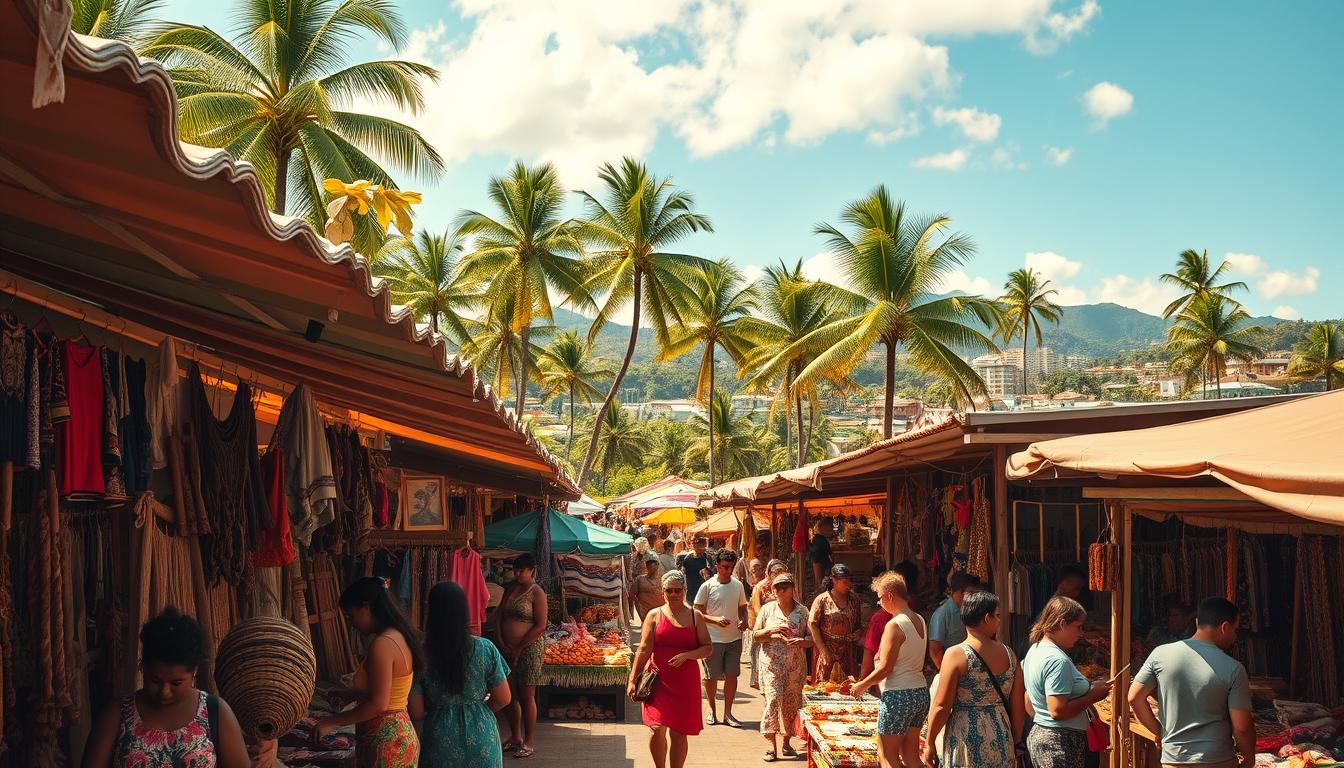
Your Guide to Suva’s Best Handicraft Markets & Souvenirs
Are you looking for a truly authentic Fijian experience? Imagine walking through vibrant stalls, surrounded by the sights and sounds of local artisans at work. Suva’s handicraft scene is a treasure trove of unique souvenirs that tell the story of Fiji’s rich cultural heritage.
As you explore these bustling markets, you’ll discover an array of colorful textiles, intricately carved woodwork, and handmade jewelry. The local craftsmanship on display is a testament to the skill and creativity of Fijian artisans. Whether you’re searching for the perfect memento or simply want to immerse yourself in the local culture, Suva’s souvenir shops have something for everyone.
Discovering Fiji’s Artistic Heritage in Suva
Dive into Suva’s lively markets and learn about Fiji’s stunning handicrafts. Suva, Fiji’s capital, is known for its vibrant culture. Here, traditional crafts are celebrated and kept alive.
The Cultural Significance of Fijian Handicrafts
Fijian handicrafts are more than just souvenirs. They show Fiji’s deep history and culture. Traditional Fijian handicrafts like tapa cloth, tanoa, and carved wood hold spiritual value. They are key in Fijian ceremonies and everyday life.
These crafts share stories of Fiji’s past and its people. They are essential to Fiji’s cultural identity.
What Makes Suva a Handicraft Hub
Suva is a hub for handicrafts thanks to its lively markets and skilled local artisans. Places like the Suva Municipal Handicraft Centre showcase authentic Suva crafts. Visitors can talk to artisans and learn about their work and its cultural importance.
| Handicraft Type | Cultural Significance | Notable Features |
|---|---|---|
| Tapa Cloth (Masi) | Used in ceremonies and as a symbol of respect | Intricate designs, made from bark |
| Tanoa (Kava Bowls) | Central to kava ceremonies, symbolizing unity and respect | Carved from wood, often decorated with intricate patterns |
| Carved Wooden Items | Reflects Fijian mythology and daily life | Variety of designs, from war clubs to decorative items |
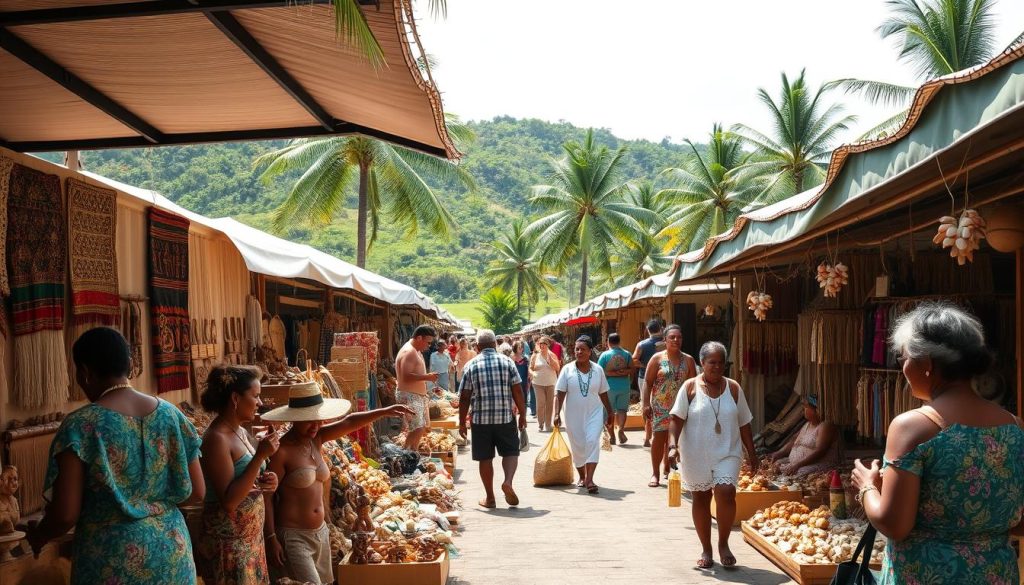
Suva Municipal Handicraft Centre: The Ultimate Souvenir Destination
If you’re looking for real Fijian souvenirs, the Suva Municipal Handicraft Centre is the place to go. It’s a spot where local artists sell their unique, handcrafted items. You’ll find a wide variety of Fijian-made products here.
Location and Opening Hours
The Suva Municipal Handicraft Centre is right in Suva’s heart. It’s easy for both tourists and locals to get to. It’s open all week, so you have plenty of time to check out the stalls and shops. Plan your visit to fit the centre’s hours for the best shopping experience.
What to Expect at the Centre
When you walk in, you’ll see lots of handicrafts. There’s jewelry, pottery, and traditional Fijian clothes. The centre has many vendors, each with their own special items. You’ll find unique Suva souvenirs that are great for gifts or memories of your trip.
Best Times to Visit and Vendor Highlights
Weekdays are best to visit to avoid the crowds. Don’t miss the vendors who make traditional Fijian crafts like Tapa cloth and carved wooden items. They have must-buy Suva souvenirs that are both authentic and unforgettable.
Exploring Suva Handicraft Markets and Souvenirs
As you explore Suva’s lively markets, you’ll find a wealth of handicrafts and souvenirs. These items showcase the city’s rich cultural heritage. You’ll enjoy a unique shopping experience with traditional Fijian crafts, modern pieces, and local artifacts.
The Main Market Experience
The main market in Suva is a key spot for anyone wanting to dive into local culture. You’ll see handmade jewelry, traditional Fijian clothing, and carved wooden items. It’s also a great place to taste local foods and drinks, offering a full cultural experience.
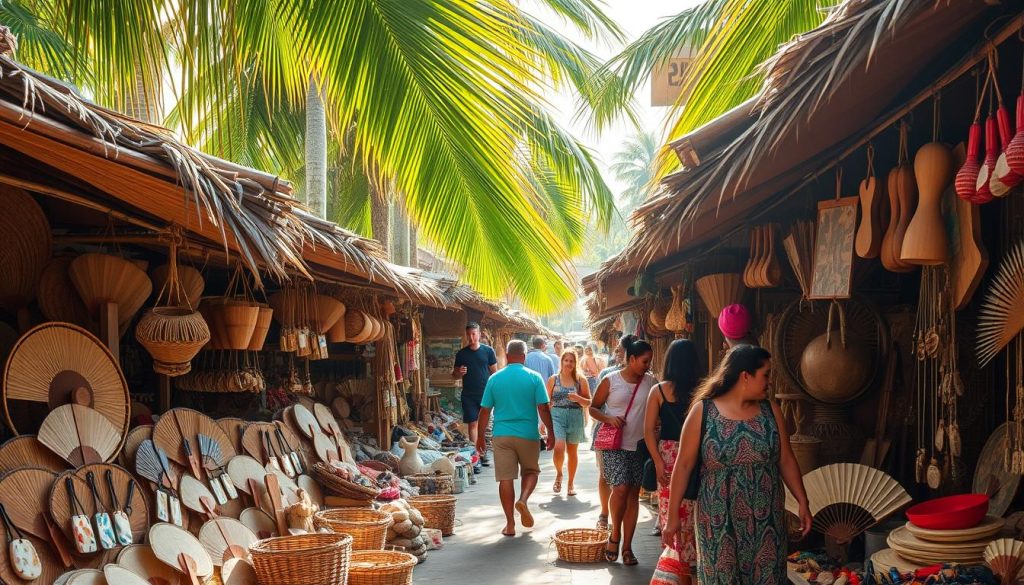
Curio and Handicraft Shop Highlights
Suva boasts many curio and handicraft shops with unique, high-quality items. These shops are perfect for finding souvenirs. Some focus on specific crafts like tapa cloth or wooden carvings, while others have a wide variety.
Hidden Gems Off the Tourist Path
Exploring Suva’s local neighborhoods reveals hidden shopping treasures. These areas have small, family-run shops and stalls. They sell authentic, affordable handmade crafts, often more genuine than tourist area finds.
| Market Type | Products | Price Range |
|---|---|---|
| Main Market | Handmade jewelry, traditional clothing, wooden carvings | $5-$50 |
| Curio Shops | High-quality handicrafts, tapa cloth, wooden items | $10-$100 |
| Local Neighborhoods | Authentic, handmade crafts, family heirlooms | $5-$20 |
Beyond the Main Markets: Local Artisan Hotspots
Suva’s main markets are full of handicrafts, but there’s more to explore. You can find unique souvenirs and see the local craftsmanship that makes Suva special. These hidden gems are worth a visit.
Suva Flea Market: Weekend Treasures
The Suva Flea Market is a weekend highlight for everyone. It’s open on Saturdays and Sundays. You’ll find unique Suva souvenirs like carved wooden decorations, handmade jewelry, and traditional Fijian clothes.
Tappoo and MHCC Shopping Centers
For a modern shopping vibe, check out Tappoo and MHCC Shopping Centers. These malls have stores selling local handicrafts, like authentic Suva crafts. They offer Tapa cloth products and wood carvings in a comfortable, air-conditioned setting.
Village Craft Shops on the Outskirts
Visit the outskirts of Suva for village craft shops. They show off traditional Fijian craftsmanship. You can buy handmade items directly from local artisans, supporting the community. Find Suva souvenir shops with products like woven baskets and carved wooden figurines.
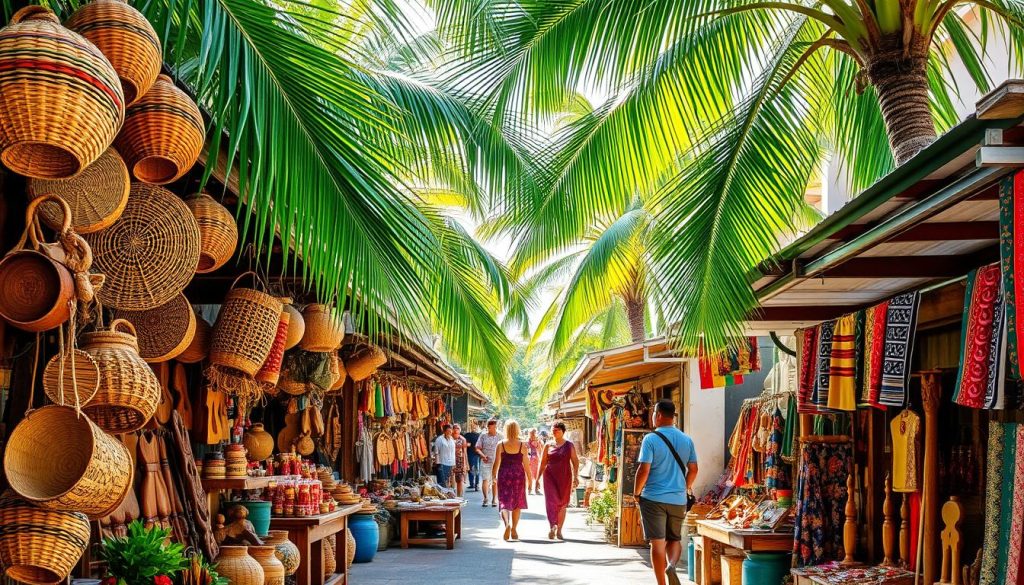
Exploring these local artisan hotspots makes shopping more rewarding. It gives you a deeper look into Fijian culture and craftsmanship. Whether you’re after unique souvenirs or want to dive into the local art scene, Suva has plenty to offer.
Traditional Fijian Handicrafts You Shouldn’t Miss
Exploring Suva’s markets reveals a world of traditional Fijian handicrafts. These items are not just beautiful. They also hold deep cultural meaning, making them perfect souvenirs to take home.
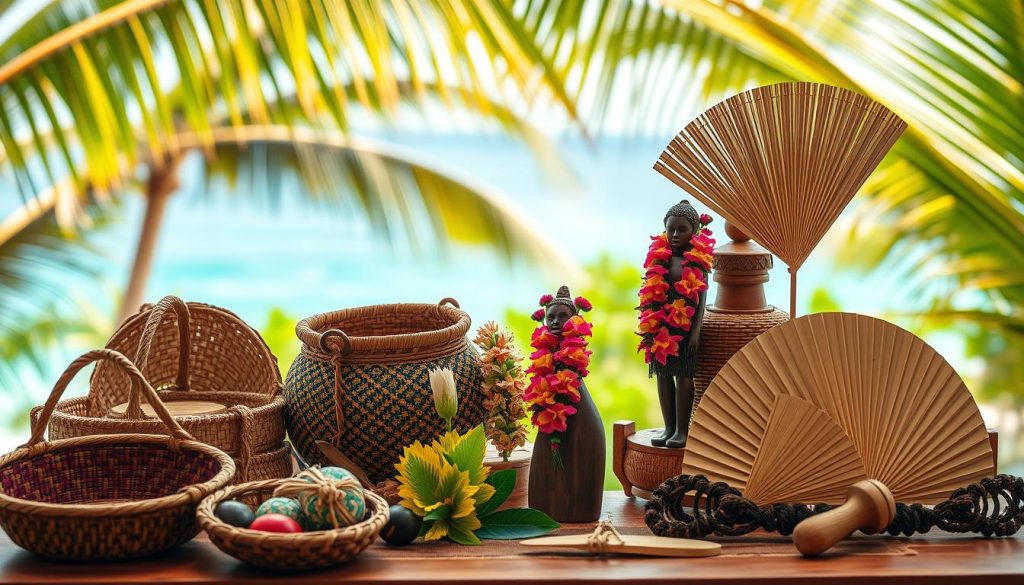
Tapa Cloth (Masi): Fiji’s Iconic Textile Art
Tapa cloth, or masi, is made from paper mulberry tree bark. It’s a labor-intensive craft, soaked, pounded, and decorated. In Fiji, it’s a symbol of respect and status, used in ceremonies.
Tanoa (Kava Bowls): Ceremonial Masterpieces
Tanoa, or kava bowls, are used in Fijian ceremonies. They’re carved from wood and decorated with designs from Fijian myths. Having a tanoa brings a touch of Fijian tradition into your home.
Carved Wooden Items: From War Clubs to Homewares
Fijian woodwork is famous for its beauty and function. From war clubs to homewares, each piece tells a story. They’re crafted with techniques passed down through generations, blending tradition with modern use.
Contemporary Fijian Crafts and Modern Interpretations
Suva’s handicraft scene is changing, with local artists making new designs. They mix old techniques with modern looks. This creates unique souvenirs that show Fijian culture and appeal to today’s tastes.
When you visit local markets, you’ll find stylish and meaningful items. These are must-buy souvenirs from Suva.
Fusion Designs Blending Tradition with Modern Aesthetics
Today’s Fijian crafts mix old ways with new looks. For example, artists use modern materials in traditional crafts like Tapa cloth making and wood carving. This mix leads to items that are both meaningful and beautiful.
- Modern Tapa cloth designs with contemporary patterns
- Wooden homewares that blend traditional carving techniques with modern functionality
- Jewelry that combines traditional Fijian materials with modern designs
Eco-Friendly and Sustainable Craft Innovations
Many Suva artisans focus on eco-friendly and sustainable crafts. They use recycled materials, sustainable wood, and green production methods. Some examples include:
- Crafts made from recycled materials, such as plastic and fabric scraps
- Sustainable wood carvings that use locally sourced, renewable wood
- Eco-friendly textiles created using natural dyes and sustainable production methods
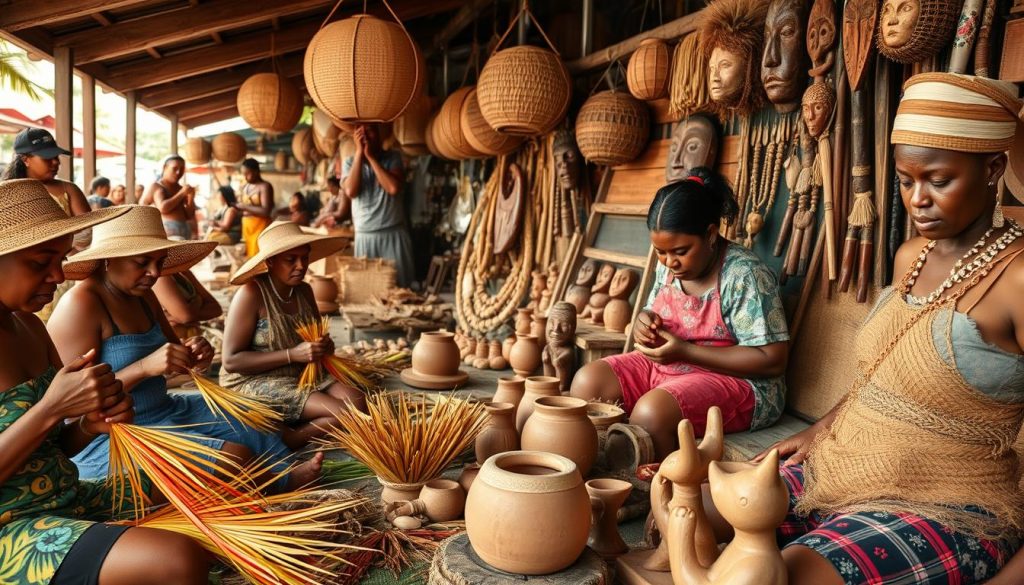
By supporting these artisans, you help preserve Fijian culture and the environment. You also get unique souvenirs.
Jewelry and Accessories: Wearable Fijian Art
Jewelry-making in Fiji has been around for centuries. It has evolved, offering unique pieces that show the island’s spirit. In Suva’s markets, you’ll find jewelry and accessories that are beautiful souvenirs and symbols of Fijian culture.
Traditional Materials and Designs
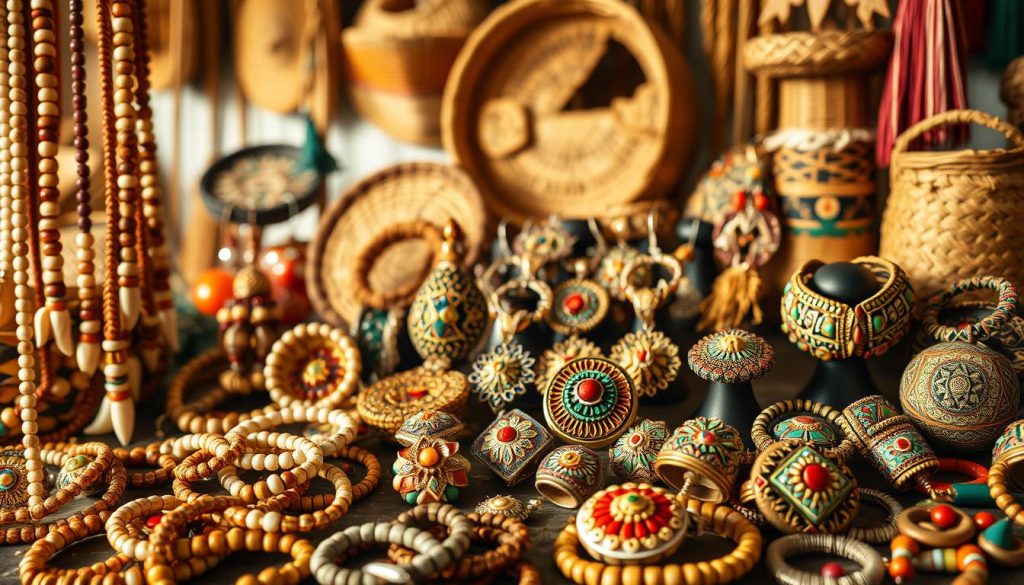
Fijian jewelry uses materials like shells, coconut husks, and wood. These reflect Fiji’s connection to nature. Intricate designs often come from Fijian myths and ceremonies. For example, bulous (whale’s tooth) jewelry shows status and respect.
Shell and Coconut Jewelry
Shell and coconut jewelry are key in Fijian crafts. Artisans turn these natural materials into beautiful, eco-friendly art. You’ll find everything from shell necklaces to coconut pendants.
Contemporary Fijian Jewelry Designers
Modern Fijian jewelry designers mix old techniques with new styles. This creates unique, innovative pieces that attract both locals and tourists. Local designers use modern materials and styles, making jewelry that’s both culturally rich and trendy.
| Type of Jewelry | Materials Used | Cultural Significance |
|---|---|---|
| Traditional Necklaces | Shells, Coconut | Represent Fijian heritage |
| Modern Pendants | Wood, Metal | Blend tradition with modern style |
| Ceremonial Bracelets | Whale’s Tooth, Tapa Cloth | Signify status and respect |
Navigating Prices and Bargaining Etiquette
To make the most of your time at Suva’s handicraft markets, knowing the local prices and bargaining rules is key. Understanding the cost of common souvenirs and knowing how to bargain with respect can make your shopping trip better.
Price Ranges for Common Souvenirs
Suva’s markets have souvenirs at various prices. Here’s a list of some items and their typical costs:
| Souvenir | Price Range (FJD) |
|---|---|
| Hand-carved wooden items | $20 – $100 |
| Tapa cloth (Masi) | $30 – $150 |
| Coconut shell jewelry | $10 – $50 |
Bargaining Tips and Cultural Considerations
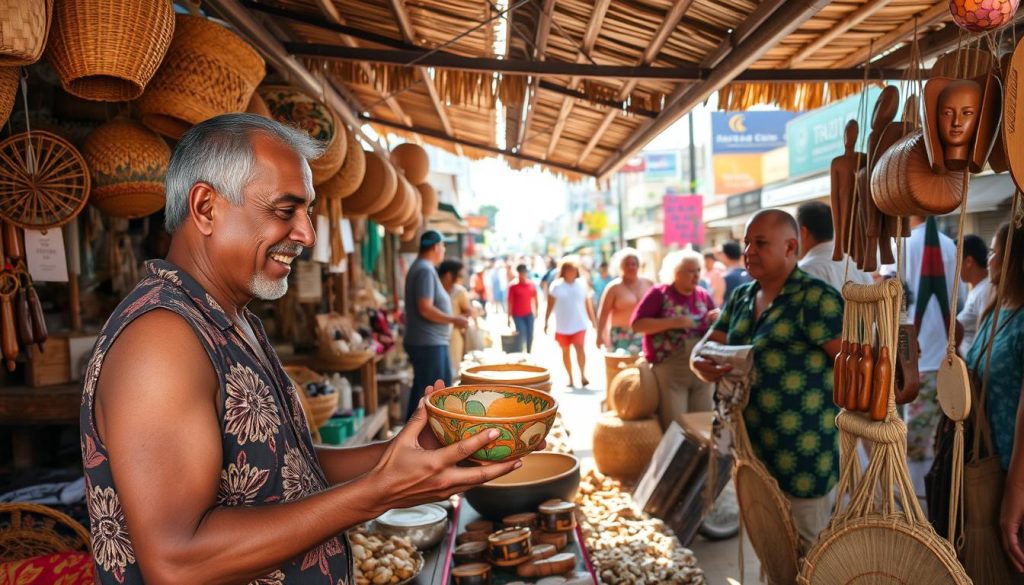
Bargaining is a big part of Suva’s markets. It’s not just about the price; it’s also a way to connect with the culture. Be polite, smile, and be ready to leave if the price isn’t good. Start with a lower offer than you want to pay to leave room for negotiation.
Recognizing Quality and Fair Pricing
To get a fair deal, check the quality of what you’re buying. Look for fine details, durability, and the materials. Vendors like it when you show interest in their work. This can make your purchase more enjoyable and your interaction with the vendor positive.
By being informed and respectful, you can have a great time shopping in Suva’s markets. You’ll find unique souvenirs that show off the local culture.
Shipping Your Treasures Home: Practical Considerations
After picking your favorite handicrafts in Suva, think about how to get them home. It’s key to ship your handcrafted souvenirs Suva safely. You’ll need to plan ahead.
Customs Regulations for Handicraft Items
Know the customs rules in Fiji and your home country before shipping. Some unique Suva souvenirs might face special rules or taxes. Talk to local officials or your shipping company to learn what’s needed.
Shipping Options and Services in Suva
Suva has many shipping services to send your souvenirs home. You can find everything from postal services to courier companies near Suva souvenir shops. Look at different options to find the best one for you. Think about delivery time, cost, and insurance.
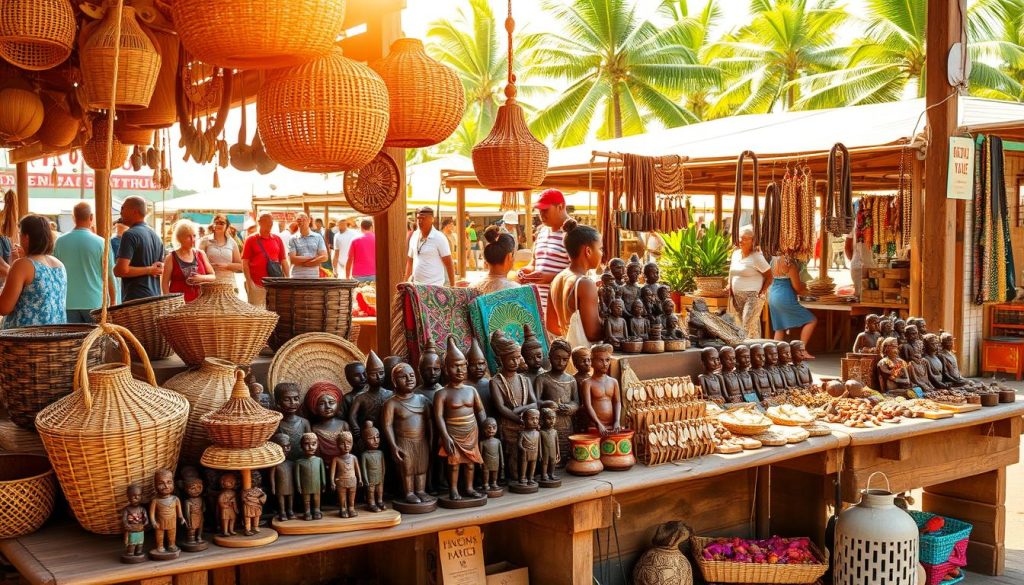
Learning about shipping and rules helps your handcrafted souvenirs Suva get home safely. This way, you can keep enjoying your Suva memories for years.
Seasonal Considerations and Special Craft Events
Suva is alive with cultural celebrations and craft events all year round. These events are perfect for visitors wanting to dive into Fijian culture. You can buy authentic handicrafts straight from the makers.
Hibiscus Festival and Other Cultural Celebrations
The Hibiscus Festival is a highlight in Suva, celebrating Fijian culture, music, and dance. You’ll see traditional craft demos, taste local food, and find unique handicrafts. Other celebrations throughout the year let you meet local artisans and learn about their crafts.
Craft Demonstrations and Workshops for Visitors
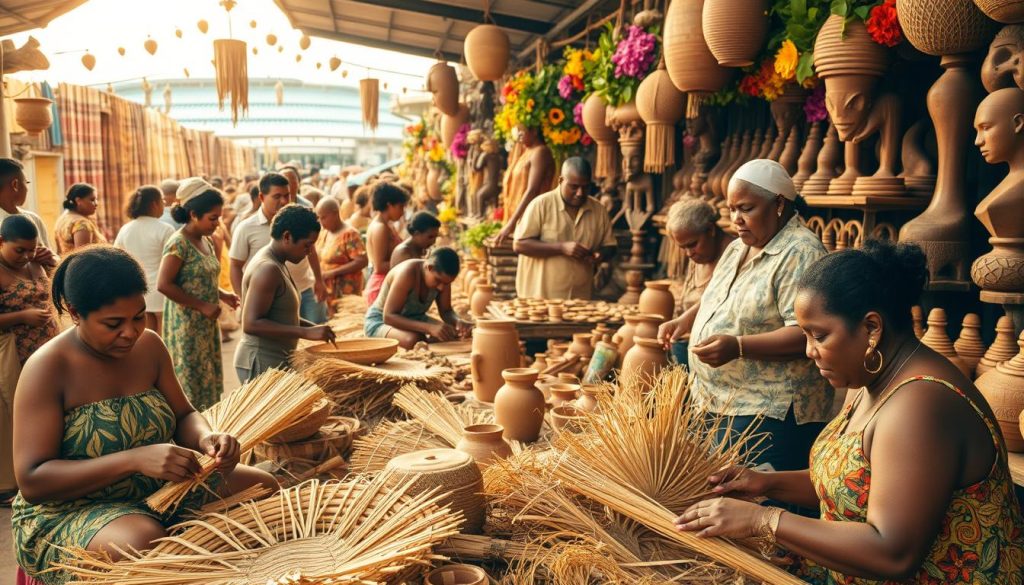
Suva’s craft events often include demos and workshops. Here, you can learn traditional Fijian crafts hands-on. You’ll see the skill and craftsmanship in authentic Suva crafts. Workshops cover everything from wood carving to weaving, giving you a deep dive into Fijian heritage.
| Event | Date | Highlights |
|---|---|---|
| Hibiscus Festival | July-August | Craft demonstrations, cultural performances, local cuisine |
| Craft Workshops | Throughout the year | Hands-on experience with local artisans, traditional craft techniques |
Authenticity Guide: Supporting Real Fijian Artisans
When you visit Suva’s handicraft markets, knowing what’s truly Fijian can make your shopping better. Authentic Fijian handicrafts are more than just pretty souvenirs. They show a rich cultural heritage that’s worth supporting.
How to Identify Genuine Fijian Handicrafts
To spot real Fijian handicrafts, look for designs and techniques that are traditional. Authentic Suva crafts often have detailed patterns. They’re made from local stuff like wood, coconut fibers, and woven fabrics.
- Check for the use of natural materials and traditional techniques.
- Look for unique, handmade items rather than mass-produced goods.
- Engage with the artisans or sellers to understand the story behind the craft.
Ethical Shopping and Sustainable Tourism Impact
Buying from Suva local artisans helps sustainable tourism. Choosing genuine handicrafts boosts the local economy. It also helps keep Fijian culture alive.
For ethical shopping, consider these:
- Make sure artisans get fair prices.
- Support eco-friendly and sustainable crafts.
- Respect local customs and traditions.
By keeping these tips in mind, you can enjoy traditional Fijian handicrafts Suva. You’ll also help the local community thrive.
Conclusion: Bringing a Piece of Fiji Home
Visiting Suva’s handicraft markets is like a journey through Fiji’s rich artistic heritage. You’re not just buying souvenirs; you’re bringing home a part of Fijian culture. The unique items you find here are filled with the history and traditions of the islands.
From detailed carvings to colorful textiles, each souvenir shows the talent of Fijian artisans. You might find a Tapa cloth, a Tanoa kava bowl, or a wooden item. Shopping here supports local artists and helps keep Fijian culture alive.
When you take your Suva souvenirs home, you’ll remember Fiji’s warmth and hospitality. These special items will connect you to your time in Fiji. They’ll let you share a piece of the islands with others.