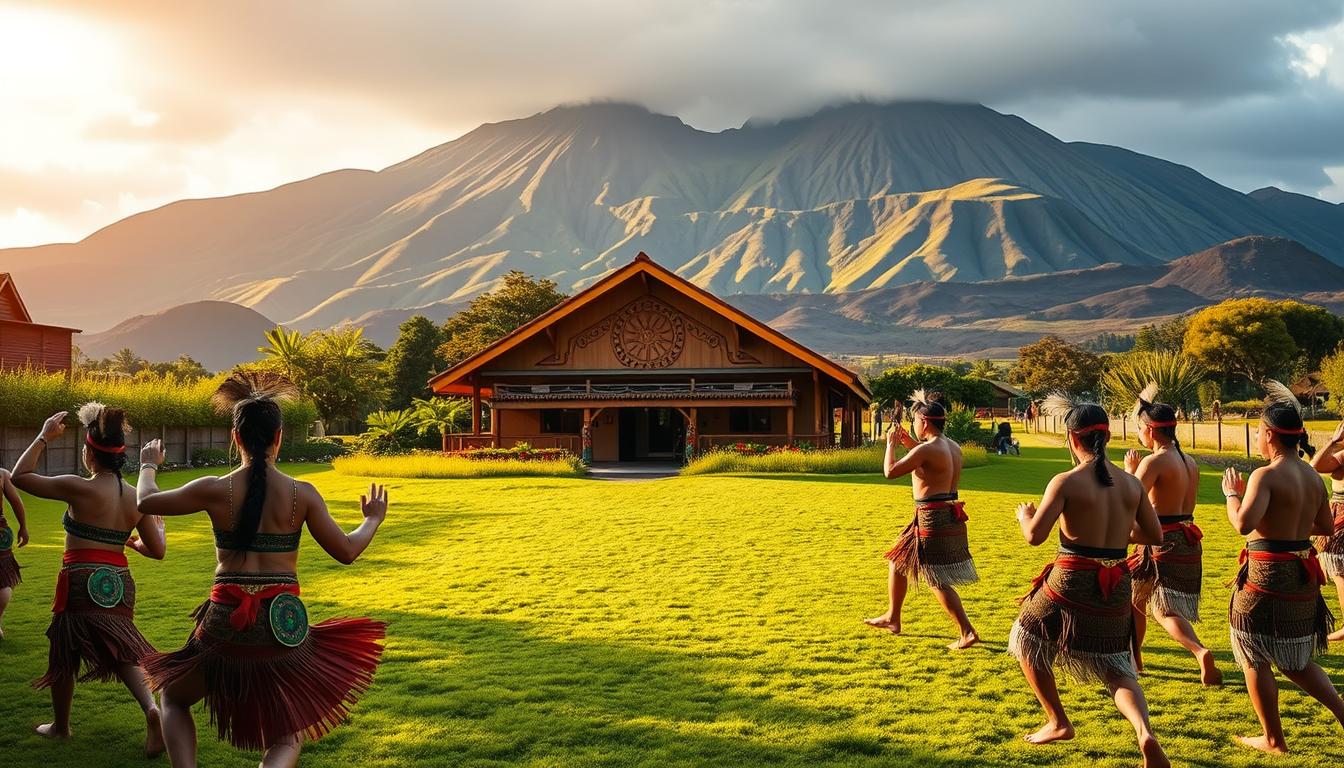
Discover the Rotorua Maori Village Tour
Ever wondered about diving into a culture that’s been alive for centuries? The Maori cultural experience lets you explore a living village. Here, you’ll learn about the history and traditions of New Zealand’s indigenous people.
When you visit, you’ll meet guides who are direct descendants of the early Māori guides. They’ll share their insights and legendary hospitality. This gives you a real taste of the Rotorua Maori village tour and its role in New Zealand’s culture.
The Rich Heritage of Maori Culture in Rotorua
For centuries, Rotorua has been the heart of Maori culture in New Zealand. Exploring the region, you’ll find a rich mix of history, tradition, and identity. This is all deeply connected to the Maori people. Rotorua is home to many Maori villages, each showing a unique side of the indigenous people’s lives and customs.
The Significance of Rotorua to Maori People
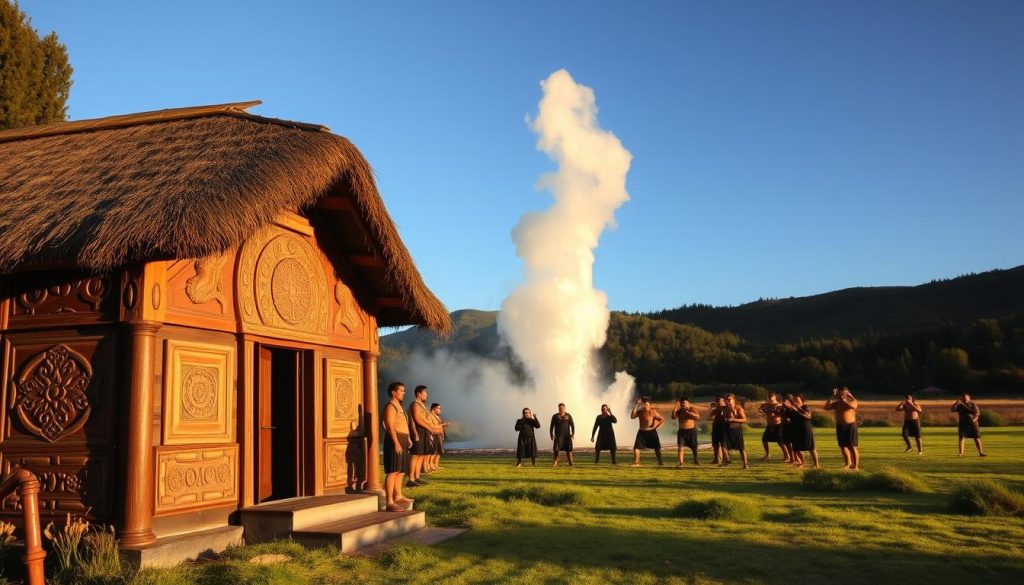
Rotorua is very special to the Maori people. It’s a place filled with history and spiritual importance. Many sacred sites and landmarks are still honored today. The city is a key spot for cultural immersion tours, where visitors can dive into the Maori heritage. You can join a guided tour in Rotorua to learn more about the local culture and traditions.
- Spiritual sites like the Pohutu Geyser and the Blue Lake are sacred to the Maori.
- The area has many marae (Maori meeting grounds), where ceremonies and rituals happen.
Historical Background of Maori Villages
Maori villages, or kāinga, have been part of Rotorua for centuries. These villages were built near natural resources like geothermal areas. These areas provided food, warmth, and spiritual connection.
Whakarewarewa is a living Maori village that has welcomed visitors for over 200 years. It offers a glimpse into the traditional Maori way of life.
The historical value of these villages goes beyond their buildings. It’s in the customs and traditions they represent. By visiting these villages, you can better understand the Maori way of life and the importance of preserving cultural heritage.
What to Expect on a Rotorua Maori Village Tour
A Rotorua Maori Village Tour gives you a peek into Maori life. You’ll see their customs, traditions, and way of life. It’s a chance to dive into New Zealand’s indigenous culture in a real setting.
Traditional Welcome Ceremony (Powhiri)
The tour starts with a traditional welcome, the Powhiri. It’s a sign of respect and a way to connect with the Maori. You’ll see chants and performances that are key to Maori culture.
The Meaning Behind the Challenge
The challenge, or “wero,” is a big part of the Powhiri. A Maori warrior tests the visitors’ intentions through a series of actions. It’s not just about strength; it’s a symbol of welcoming guests to Maori land.
Village Layout and Sacred Spaces
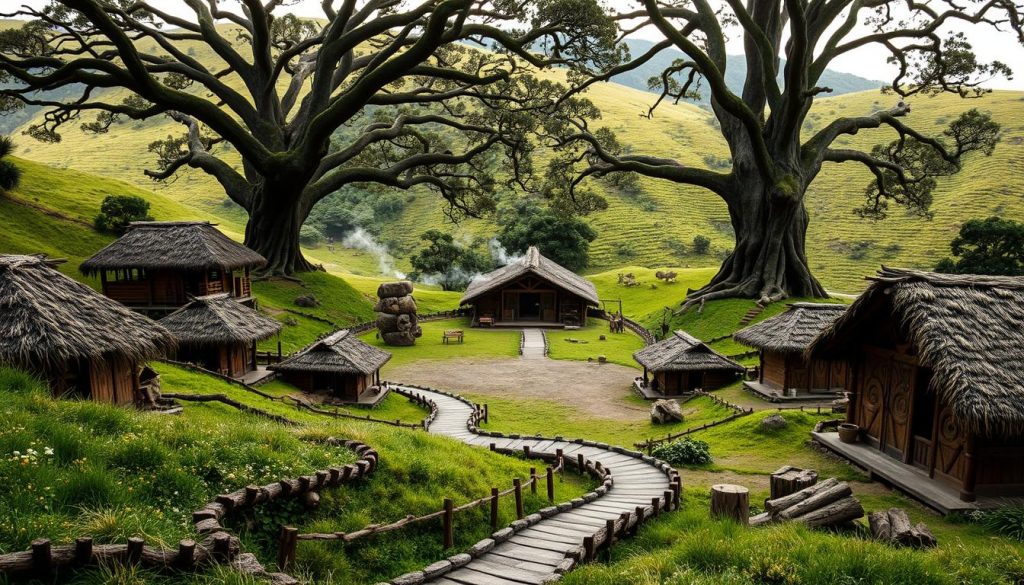
Exploring the village, you’ll see its layout and sacred spaces. The village shows Maori values and spiritual beliefs. You’ll learn about the importance of these spaces in daily life and special events.
| Aspect | Description | Significance |
|---|---|---|
| Powhiri | Traditional welcome ceremony | Establishes connection between visitors and Maori people |
| Wero | Ritual challenge by a Maori warrior | Tests intentions of visitors, symbolic welcoming |
| Village Layout | Careful design reflecting Maori values | Reflects spiritual beliefs and cultural practices |
Cultural Performances and Demonstrations
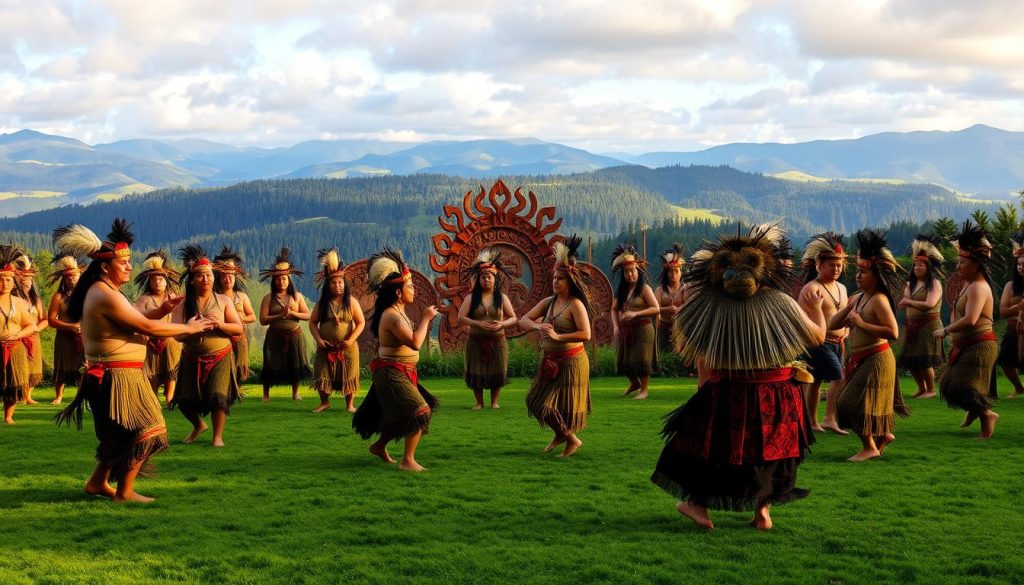
You’ll be amazed by the songs, dances, and games of the Maori during your guided walk in Maori village. This experience is unforgettable. The Rotorua Maori Village Tour features a powerful cultural concert. You’ll see the fiery “Haka” Maori war dance, which will leave you in awe.
The Powerful Haka War Dance
The Haka is a traditional Maori war dance. It’s performed during ceremonies and is known for its powerful chant. You’ll see this energetic performance during your visit. It’s a key part of Maori culture and a highlight of the best Maori tour in Rotorua.
Traditional Maori Music and Poi Dancing
Maori music and dance are central to the cultural performances at the Rotorua Maori Village. You’ll enjoy the rhythmic beats and graceful movements of the Poi dance. This traditional dance is both entertaining and a significant cultural expression.
Storytelling Through Performance
Storytelling is crucial in Maori culture. During the tour, you’ll see how stories are told through song, dance, and performance. These stories often cover Maori history, legends, and myths. They give you a deeper understanding of their cultural heritage.
| Cultural Performance | Description | Significance |
|---|---|---|
| Haka War Dance | Powerful and intimidating chant | Significant part of Maori culture |
| Poi Dancing | Rhythmic beats and graceful movements | Cultural expression and entertainment |
| Storytelling | Narratives through song, dance, and performance | Preserves Maori history and legends |
Traditional Maori Arts and Crafts
The Rotorua Maori Village Tour offers an immersive cultural experience. It showcases the traditional Maori arts and crafts. You’ll see the skill and craftsmanship passed down through generations.
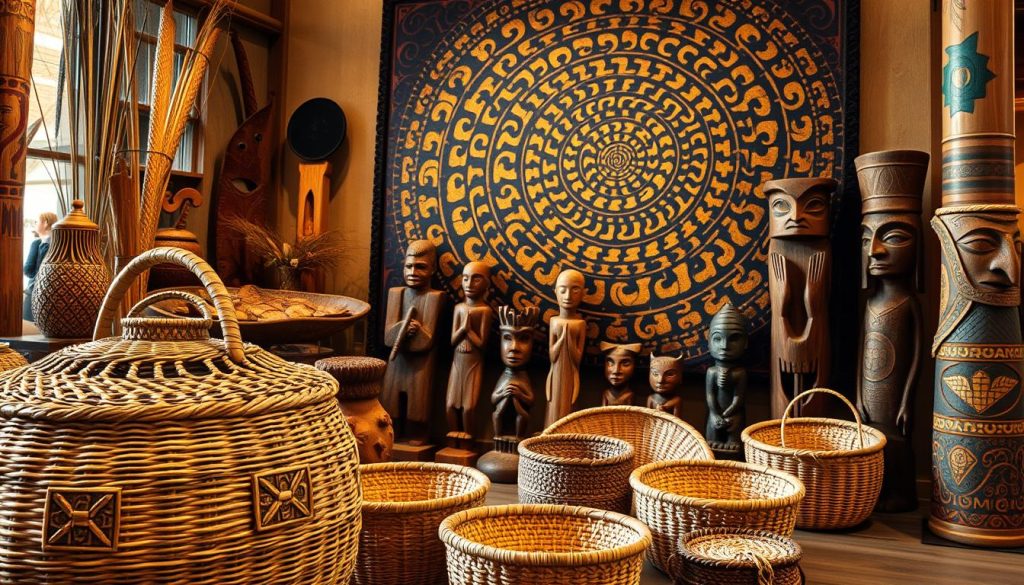
Wood Carving Techniques
Maori wood carving is famous for its detailed designs and stories. The carvings show ancestral figures, mythological creatures, and tribal histories. Making these carvings is hard work, using tools made from stone, bone, or shell.
Weaving and Flax Work
Weaving is a key part of Maori crafts, using flax as the main material. Weavers make beautiful kete (baskets), cloaks, and more. These items are not just useful but also carry spiritual meaning.
Greenstone (Pounamu) Carving and Symbolism
Greenstone, or Pounamu, is very important in Maori culture. It’s used to make carvings that mean protection, strength, and status. These carvings can be pendants, earrings, or ceremonial objects. Each one is special and holds spiritual value.
These traditional arts and crafts are more than just beautiful. They show the history, beliefs, and values of the Maori people. By seeing these crafts on your Rotorua Maori village tour, you learn more about the local culture and its rich heritage.
Experiencing the Hangi Feast
Immerse yourself in the Maori cultural experience and look forward to the traditional Hangi Feast. This authentic dinner is a key part of Maori hospitality. It highlights the rich culinary traditions of New Zealand’s indigenous people.
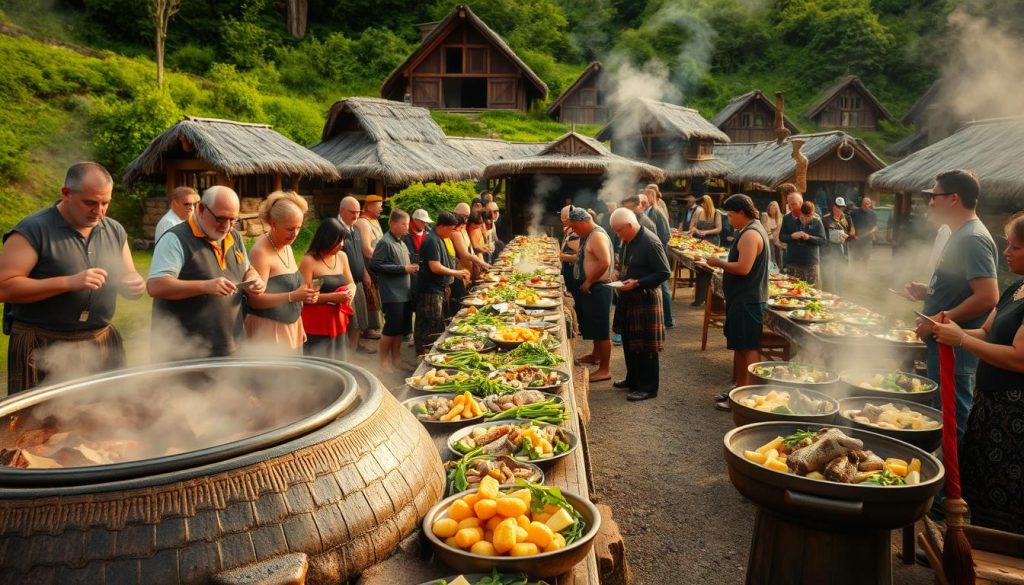
Traditional Earth Oven Cooking Methods
The Hangi Feast is cooked in a traditional earth oven. Food is slow-cooked to perfection. Succulent meats and vegetables are placed in a pit oven, covered with heated stones and wrapped in leaves.
This ancient technique allows flavors to meld together beautifully. Preparing a Hangi is labor-intensive and shows the importance of food in Maori culture. The earth oven cooking method gives dishes a unique flavor and connects us to the land and ancestors.
Popular Dishes and Their Cultural Significance
The authentic Hangi dinner features succulent New Zealand meats and poultry, delicious vegetables, and fresh salads. It’s topped with a tempting dessert buffet. Each dish has cultural significance, showing the sharing and communal spirit of Maori culture.
- Traditional Maori dishes like kumara (sweet potato) and pork symbolize abundance and hospitality.
- The variety of foods at the Hangi Feast shows the diversity and richness of Maori cuisine.
- Sharing a meal is key in Maori culture, strengthening bonds within the community and with visitors.
By joining the Hangi Feast, you’re not just enjoying a delicious meal. You’re also taking part in a meaningful cultural experience. It shows the warmth and generosity of the Maori people.
Best Rotorua Maori Village Tour Options
Rotorua is known for its Maori village tours. Each tour gives a special look into the area’s rich culture. You’ll want to pick a tour that matches your interests and offers a real Maori village visit.
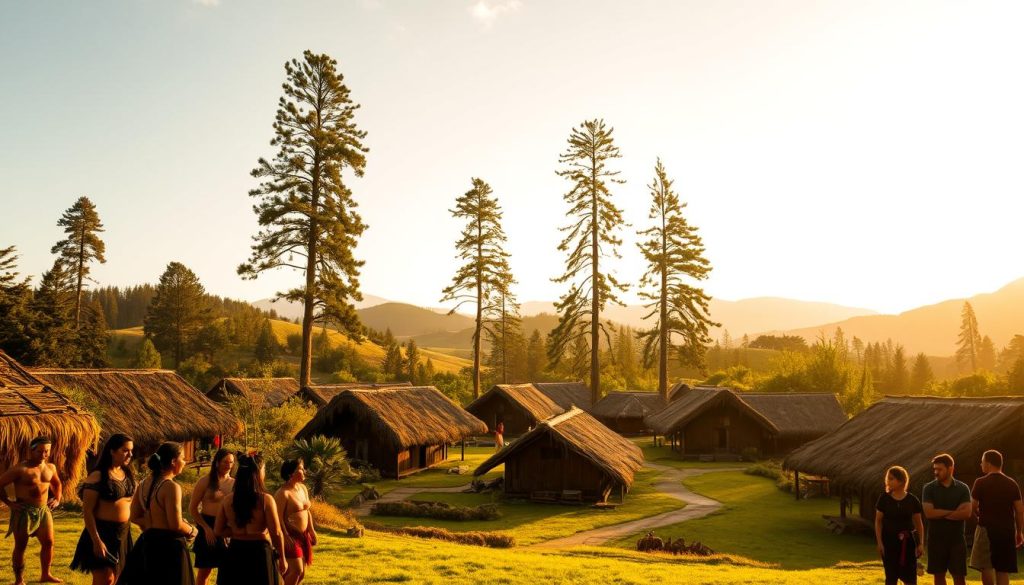
Te Puia Cultural Center
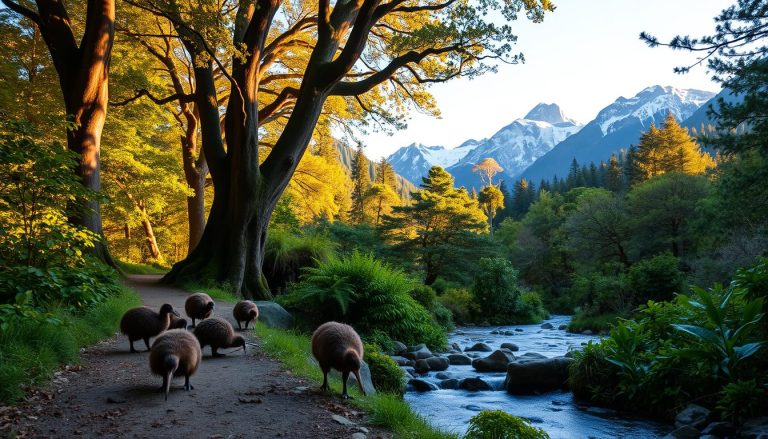
Te Puia Cultural Center is top for a full Maori cultural experience. It’s famous for its Maori carvings, weavings, and Kiwi spotting. You can take a guided tour and see the famous Haka performance.
Tamaki Maori Village Experience
The Tamaki Maori Village Experience is an in-depth cultural trip. You’ll get a traditional welcome, or Powhiri, and learn about Maori customs and history. The evening includes a Hangi feast and cultural shows.
Whakarewarewa Living Thermal Village
Whakarewarewa Living Thermal Village shows the traditional Maori life, surrounded by Rotorua’s geothermal wonders. The tour includes a visit to the famous Redwoods forest and traditional Maori homes.
Mitai Maori Village
Mitai Maori Village is great for a guided tour in Rotorua. The tour features a traditional welcome, cultural shows, and a Hangi feast. Mitai mixes traditional Maori culture with modern entertainment.
Each Maori village tour in Rotorua offers a unique experience. You can pick the one that suits your interests and preferences. Whether you want cultural immersion, historical insight, or a special experience, Rotorua’s Maori village tours have it all.
Practical Information for Your Visit
Getting ready for your traditional Maori cultural tour in Rotorua? It’s key to know the practical stuff. This will make your visit more fun and respectful.
Best Time to Visit and Seasonal Considerations
Rotorua welcomes visitors all year. But, the best time to go depends on what you like. Summer is warm, autumn and spring are mild, and winter is cool. Winter is also less crowded, perfect for experiencing Maori culture.
What to Wear and Bring
Wear comfy shoes for walking. New Zealand’s weather can surprise you. Bring a raincoat or umbrella, too. Your tour guide might tell you more about what to wear and bring.
Cultural Etiquette and Protocols
It’s important to respect Maori culture. This means being careful at sacred places and knowing about photography rules.
Respecting Sacred Sites
At sacred sites, listen to your guides. They might ask you to remove shoes or not touch certain things.
Photography Guidelines
Photography is usually okay, but some things are off-limits. Always ask before taking someone’s photo. And don’t take pictures where you’re not supposed to.
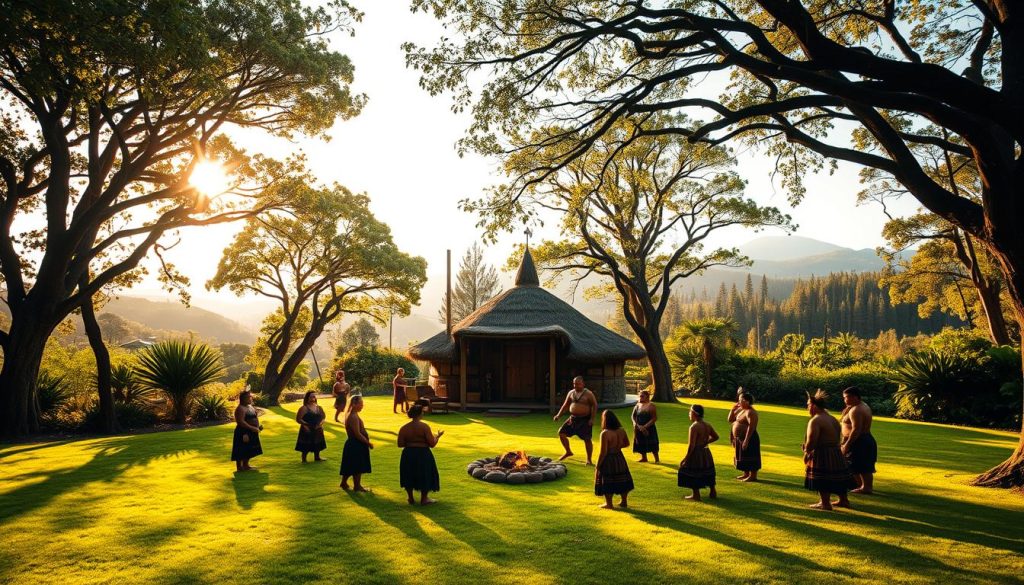
Combining Your Maori Village Tour with Other Rotorua Attractions
To get the most out of your Rotorua trip, think about mixing your Maori village tour with other cool spots. Rotorua has a mix of cultural sights, natural beauty, and fun activities. It’s perfect for a trip that’s both varied and meaningful.
Geothermal Wonders and Hot Springs
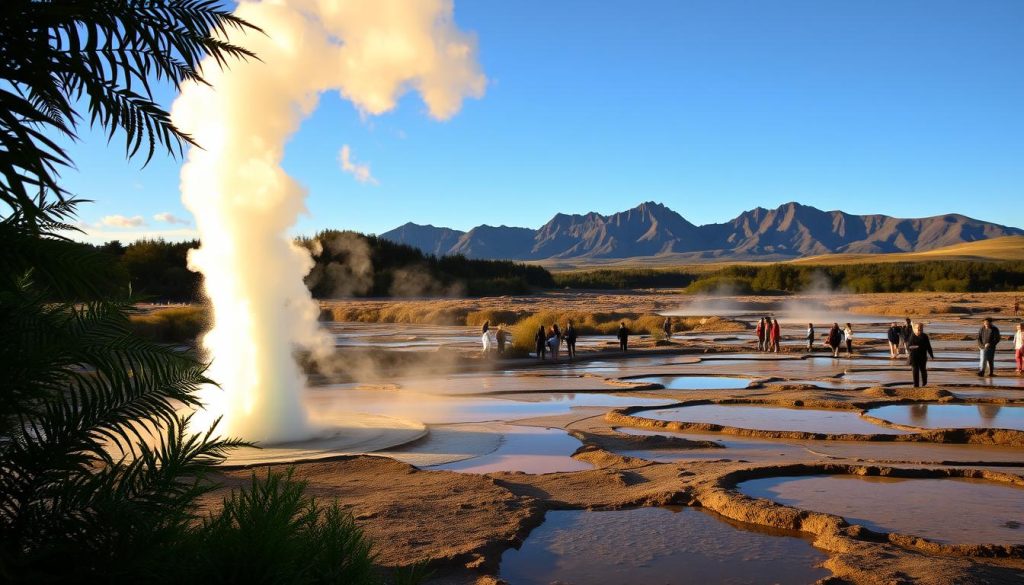
Rotorua is famous for its geothermal sights, like the Whakarewarewa Geothermal Valley. It’s home to the famous Pōhutu geyser and lots of boiling mud and steam. Seeing these places gives you a cool contrast to the Maori village tour.
Adventure Activities in the Region
For adventure lovers, Rotorua has lots to offer. You can try ziplining, white-water rafting, or hiking. These activities add excitement to your cultural visit. Many tours mix culture with adventure, making planning easy.
Natural Landscapes and Hiking Opportunities
Rotorua is surrounded by stunning nature, including forests, lakes, and mountains. You can explore these on guided hikes or easy walks. Adding a Maori village tour to a hike or walk shows off Rotorua’s best.
By mixing your Maori village tour with other Rotorua spots, you get a guided walk in Maori village and an immersive cultural experience. You’ll also enjoy the area’s natural and adventurous sides, making your trip unforgettable.
Conclusion: The Lasting Impact of a Rotorua Maori Cultural Experience
A visit to a Rotorua Maori village tour is a deep and enriching experience. It lets you dive into the traditions and customs of New Zealand’s indigenous people. By joining a Maori cultural experience, you learn more about the Māori’s history, values, and way of life.
You’re invited to share in the culture of our people and learn about who we are as Māori. This cultural immersion can change you, helping you grow and appreciate the rich heritage of the Māori.
Looking back on your Rotorua Maori village tour, you’ll find memories and insights that last. The cultural performances, traditional arts and crafts, and Hangi feast make for a memorable experience.