Your Guide to Acclimating in San Pedro de Atacama
Are you planning a trip to San Pedro de Atacama? You might be thinking about how to avoid altitude sickness. This desert town sits at 2,407 meters above sea level. It’s crucial to know how to acclimatize to enjoy your trip safely.
San Pedro de Atacama is known for its stunning landscapes and high altitude. To avoid altitude sickness, you need to plan carefully. We’ll share tips on acclimatizing and preventing altitude sickness. This way, you can fully enjoy the Atacama Desert’s beauty.
Understanding San Pedro de Atacama’s Altitude Challenge
When you plan to visit San Pedro de Atacama, knowing about its high altitude is key. The Atacama Desert is among the highest and driest spots on Earth. It sits over 2,400 meters (7,874 feet) above sea level. Adjusting to high altitude can be tough. It’s important to take San Pedro de Atacama health precautions for a safe and fun trip.
The high altitude can lead to various symptoms, from mild headaches to serious health issues. It’s wise to spend a couple of days at lower altitudes before going higher. When hiking, don’t climb more than 3,000 feet in one day. Watch out for symptoms like:
- Dizziness and nausea
- Headaches and fatigue
- Shortness of breath
Drink lots of water and eat well to help your body adjust to the high altitude. 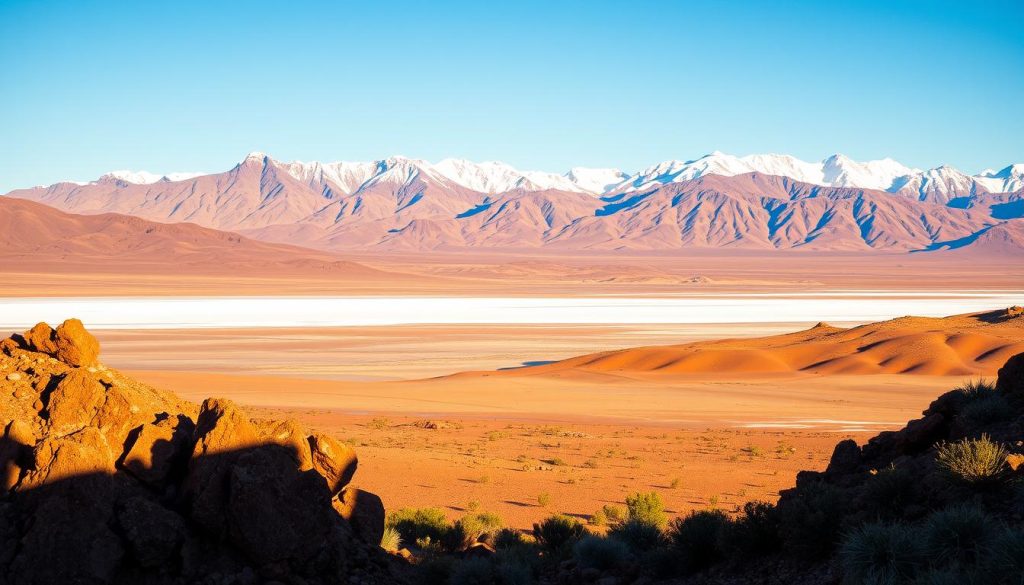
By knowing the challenges of San Pedro de Atacama’s high altitude and taking precautions, you can have a safe and enjoyable trip. Stay hydrated, eat right, and climb gradually to avoid altitude sickness.
What is the Best Way to Acclimatize in San Pedro de Atacama?
Traveling to high places like San Pedro de Atacama requires careful planning. You need to think about altitude acclimatization strategies for a safe trip. The acclimatization process in Chile means going up slowly, letting your body get used to the altitude. Start by spending a few days in lower places before going higher.
To acclimatize well, keep these tips in mind:
- Ascend gradually, allowing your body to adapt to the changing altitude
- Spend a few days in lower-altitude areas before ascending to higher elevations
- Stay hydrated by drinking plenty of water
- Avoid strenuous activities during the initial days of acclimatization
By using these altitude acclimatization strategies, you can lower the risk of altitude sickness. Enjoy your time in San Pedro de Atacama. Always listen to your body and rest when you need to. With the right planning, you’ll have a great time in this stunning area.
Essential Pre-Trip Preparation Steps
Before you head to San Pedro de Atacama, it’s key to prepare for a safe and healthy journey. High altitude requires careful planning. You should check your physical health and prepare your body for the altitude.
Visiting your doctor is a good idea to talk about any health issues. They might suggest acclimatization medication to help your body adjust. Don’t forget to pack the right clothes, sun protection, and any needed meds.

It’s also important to know the signs of altitude sickness, like headaches, nausea, and tiredness. By taking these steps, you can make your trip to San Pedro de Atacama enjoyable and safe.
Here are some important things to remember for your trip:
- Gradual ascent to high altitude
- Staying hydrated by drinking plenty of water
- Avoiding strenuous activities
- Getting enough rest
By following these tips and taking the right precautions, you can help your body adjust to the high altitude. This reduces the risk of altitude sickness.
First 24 Hours in San Pedro: Critical Adaptation Period
When you arrive in San Pedro de Atacama, it’s key to acclimatize to the high altitude in the first 24 hours. This time is vital to avoid altitude sickness and have a comfortable stay. To stay hydrated, drink lots of water and avoid hard activities.
Here are some acclimatization tips for your first day in San Pedro:
- Take it easy and avoid exerting yourself physically
- Stay hydrated by drinking at least 2-3 liters of water per day
- Avoid consuming heavy meals and opt for light, nutritious food instead
By following these simple altitude sickness prevention steps, you can lower the risk of altitude-related symptoms. Enjoy your time in San Pedro de Atacama. Remember to listen to your body and take breaks to rest and recharge.
As you get used to your new surroundings, watch how your body reacts to the high altitude. If you have severe symptoms like headaches or dizziness, get medical help right away. With the right acclimatization tips and precautions, you can have a safe and fun time in San Pedro de Atacama.
Hydration and Nutrition Strategies for High Altitude
When you’re at high altitude, drinking enough water and eating right is key. In San Pedro de Atacama, it’s important to follow a healthy diet and drink plan. Your body loses more water at high elevations because you breathe more. This can cause dehydration if you don’t drink enough.
To stay hydrated, drink at least 3-4 liters of water each day. You might also need more electrolytes to keep your body balanced. Eating a balanced diet with carbs, proteins, and fats helps keep your energy up. Eating small meals often helps keep your energy stable and helps your body absorb nutrients better.
- Complex carbohydrates: whole grains, fruits, and vegetables
- Lean proteins: lean meats, fish, and legumes
- Healthy fats: nuts, seeds, and avocados
But, some foods and drinks can make dehydration or altitude sickness worse. Avoid or limit:
- Caffeine and alcohol
- High-sugar and high-salt foods
- Foods high in saturated and trans fats
By focusing on hydration and nutrition, you can lower your risk of altitude sickness. This way, you can have a safe and fun time in San Pedro de Atacama.
Physical Activities and Exercise Recommendations
Physical activities and exercise are key in altitude acclimatization strategies. As you get used to the high altitude in San Pedro de Atacama, picking the right activities is crucial. This helps avoid overexertion and prevents altitude-related illnesses.
The acclimatization process in Chile means slowly getting used to higher elevations. Your body needs time to adjust to the thinner air. Start with low-to-moderate intensity activities like walking or yoga in the beginning.
Here are some good physical activities for high altitude:
- Light cardio exercises, such as jogging or cycling
- Strength training to maintain muscle mass and endurance
- Flexibility exercises, like stretching or Pilates, to improve range of motion
Always listen to your body and change your exercise plan if needed. If you feel symptoms of altitude sickness, like headaches or dizziness, stop and rest right away.
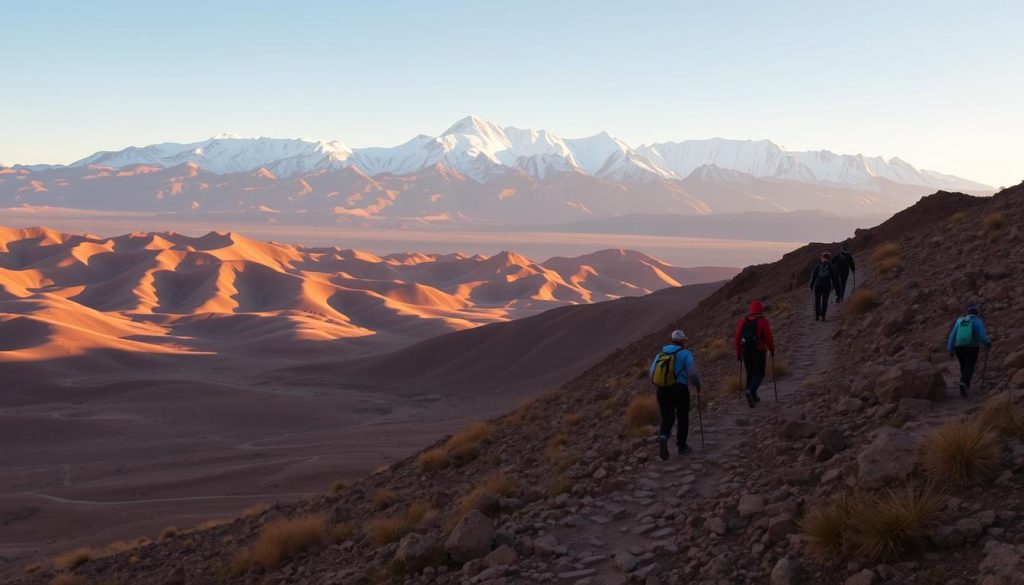
Medical Considerations and Support
Traveling to high-altitude places like San Pedro de Atacama requires careful thought about health. The body needs time to adjust to less oxygen. Ignoring this can cause serious health problems. Knowing the local medical options is key for a safe trip.
Look up the nearest medical centers and what they can do for altitude sickness before you go. It’s important to know when to get help. Sometimes, acclimatization medication recommendations are needed to help symptoms and avoid worse problems.
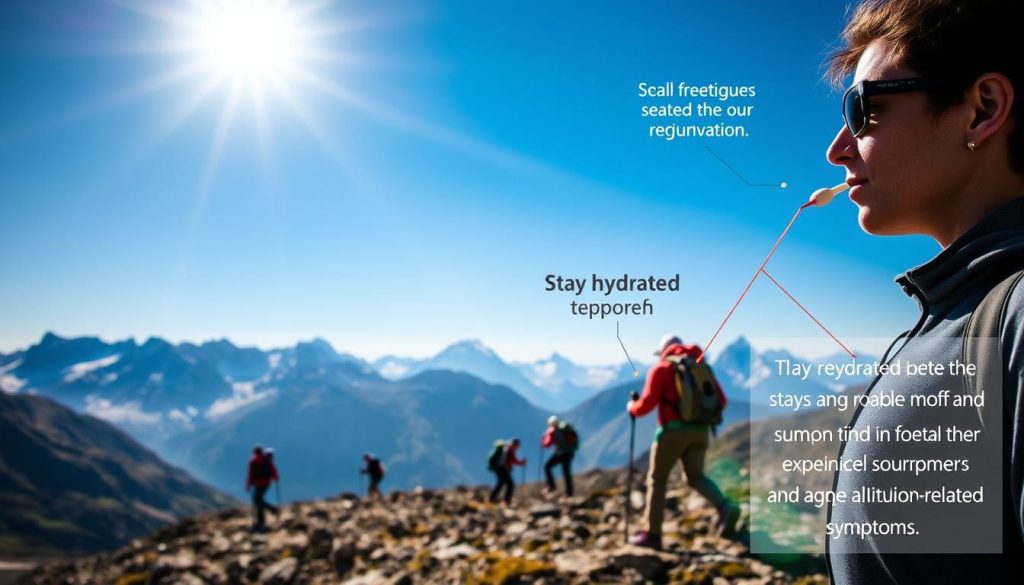
When checking medical support, think about oxygen therapy, emergency plans, and doctors who know about altitude sickness. Taking these steps can help avoid serious health issues. This way, you can enjoy your time in San Pedro de Atacama more.
Always put your health first when traveling to high places. With the right planning and medical help, you can have a great time in San Pedro de Atacama.
Managing Common Altitude-Related Issues
When you go up high in San Pedro de Atacama, knowing about altitude sickness is key. Acclimatization tips can help you feel better and have a good time. It’s important to get used to the height slowly and drink lots of water.
You might feel tired, have headaches, or feel dizzy. It’s important to listen to your body and rest often. 
Here are some ways to deal with altitude sickness:
- Drink lots of water and avoid caffeine and alcohol
- Don’t push yourself too hard, at least not in the first 24 hours
- Take breaks to rest and get used to the altitude
By following these acclimatization tips and being careful, you can avoid altitude sickness. Always put your health first and seek help if your symptoms get worse.
Altitude sickness can be unpredictable, but with the right planning and care, you can have a safe and fun time in San Pedro de Atacama.
Conclusion: Making Your Atacama Experience Safe and Enjoyable
To have a safe and memorable time in the Atacama Desert, you need to get used to the high altitude. This article has given you tips to help your body and mind adjust to the high terrain of San Pedro de Atacama.
Start by slowly getting used to the altitude. Drink plenty of water and eat well. Also, choose activities that are right for your body. Watch out for signs of altitude sickness and get help if you need it. With the right steps, you can enjoy the Atacama’s beauty and make lasting memories.
When you go to San Pedro de Atacama, remember these important tips. Face the challenge, listen to your body, and let the desert’s beauty amaze you.