Uncover How Much Does it Cost to Travel to Japan?
If you’re dreaming of traveling to Japan, one of the first questions that comes to mind is: How much does it cost? Japan is a popular travel destination that offers a unique blend of modernity and tradition, making it a must-visit for many globetrotters. However, without proper planning, the costs of traveling to Japan can add up quickly.
But don’t let that deter you – with careful budgeting and smart planning, you can experience the best of Japan without breaking the bank. In this article, we will help you understand the costs involved in traveling to Japan, including expenses for accommodation, transportation, meals, activities, and more. We will also provide you with valuable insights and tips to help you plan your travel budget and make the most of your trip.
So, buckle up and get ready to dive into the exciting world of Japan travel cost guide. Let’s get started on making your dream trip to Japan a reality!
Planning Your Travel Budget
Traveling to Japan can be an unforgettable experience, but it’s essential to start planning your travel budget before your journey. By doing so, you’ll have a better idea of how much you’ll need to spend and can avoid overspending or running out of money during your trip. Here are some factors to consider when budgeting for your Japan trip:
- Accommodation
- Transportation
- Meals
- Activities and sightseeing
- Additional expenses
By breaking down your expenses into these categories, you can create a budget that’s tailored to your needs and priorities. Let’s take a closer look at each category to help you plan your travel budget for Japan.
Note: The image is for reference purposes only and does not represent the actual costs of travel to Japan.
Accommodation Costs in Japan
Accommodation costs can be a significant part of your overall Japan travel expenses. Luckily, Japan offers various types of accommodation, ranging from budget-friendly options to more expensive ones.
Hotels are a popular option, with prices varying depending on location, amenities, and room size. On average, budget hotels can cost around $60-100 per night, mid-range hotels can be around $100-200 per night, and high-end hotels can be $200 or more per night.
Hostels are another affordable option, with prices ranging from $20-50 per night. Hostels are a great choice for solo travelers or those on a tight budget. They offer shared dormitory-style rooms or private rooms with shared bathrooms.
Ryokans are traditional Japanese inns, often featuring tatami-matted rooms, futon beds, and communal hot spring baths. Ryokans can be a bit pricier, ranging anywhere from $100-500 or more per night.
Airbnb is also an option in Japan, allowing you to rent apartments or houses for your stay. Prices vary depending on the location and size of the space, but it can be a cost-effective option for families or groups traveling together.
| Type of Accommodation | Average Nightly Cost |
|---|---|
| Budget Hotel | $60-100 |
| Mid-range Hotel | $100-200 |
| High-end Hotel | $200 or more |
| Hostel | $20-50 |
| Ryokan | $100-500 or more |
When booking accommodations, it’s essential to research and book in advance, especially during peak travel seasons. Some sites to consider for booking your stay in Japan include Agoda, Booking.com, and Hotels.com. These sites often offer competitive pricing and various options to fit your budget.
Don’t forget to factor in additional costs, such as taxes and fees. Some accommodations may also require a deposit or a cancellation fee, so be sure to read the fine print before booking your stay.
Ultimately, the type of accommodation you choose can greatly impact your overall travel expenses. With careful planning and consideration, you can find a comfortable and cost-effective place to stay during your Japan trip.
Transportation Expenses in Japan
With a well-developed and efficient transportation system, traveling around Japan can be an enjoyable and cost-effective experience. However, transportation costs can add up quickly, so it’s essential to plan ahead and find ways to save money.
JR Pass
If you plan to travel long distances across Japan, consider purchasing a Japan Rail (JR) Pass before your trip. This pass allows unlimited travel on JR trains, buses, and ferries for a set period, usually 7, 14, or 21 days. The cost of the pass varies depending on the length of validity and class of travel, but it can provide significant savings compared to purchasing individual tickets. Keep in mind that the JR Pass is only available to tourists entering Japan with a temporary visitor visa.
Local Transportation
When exploring cities and towns in Japan, using local transportation passes can be a cost-effective option. Most cities offer daily or multi-day passes for their subway, bus, and tram systems. For example, in Tokyo, a 24-hour subway pass costs only ¥600 (about $5.50), while a one-day pass for all Tokyo metro lines is ¥1,590 (about $14.50).
Domestic Flights
If you plan to travel long distances between regions in Japan, consider taking a domestic flight. During peak travel seasons, fares can be expensive, but there are ways to save money. Look for discount airlines such as Peach Aviation or Jetstar Japan, which offer lower fares compared to traditional airlines. Also, consider booking in advance or during off-peak travel periods for the best deals.
| Transportation Mode | Average Cost |
|---|---|
| Local Bus/Subway | ¥200-¥500 (about $1.80-$4.50) |
| Taxi (start tariff) | ¥430-¥730 (about $4-$7) |
| Shinkansen (bullet train) (Tokyo-Kyoto) | ¥13,080 (about $120) |
| Domestic Flight (Tokyo-Osaka) | ¥5,000-¥20,000 (about $45-$180) |
Walking and Biking
Walking and biking are excellent ways to explore Japan’s cities and towns while saving money on transportation costs. Most cities have bike rental services, and some hotels and guesthouses provide bikes for guests. Additionally, many attractions are located within close proximity, making walking a convenient and budget-friendly option.
Meal Costs in Japan
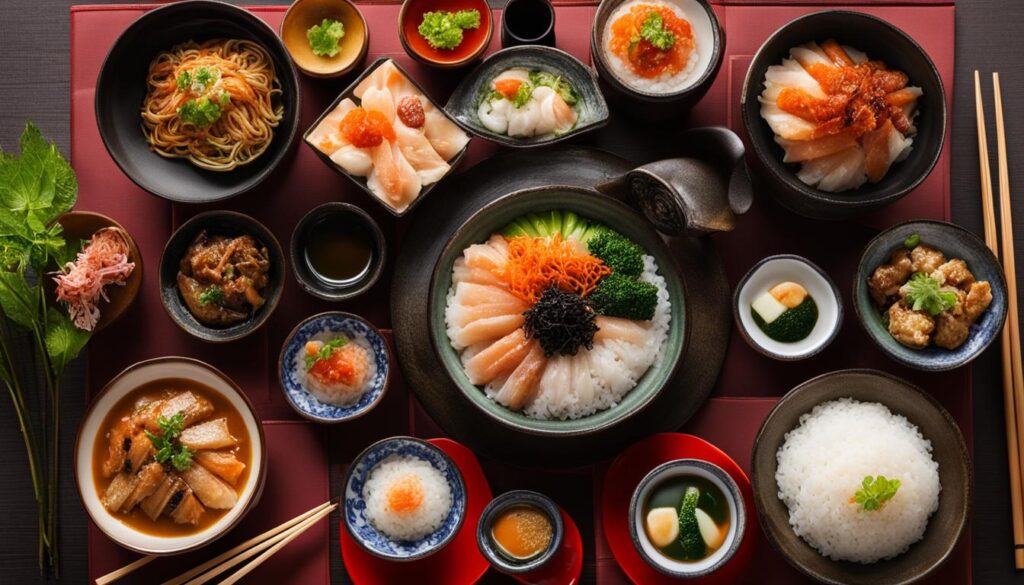
Japanese cuisine is renowned for its unique flavors and exquisite presentation. Dining out in Japan can be a delightful experience, but it can also add up to your travel expenses. It’s essential to plan your meals ahead of time and consider different dining options to balance your budget.
Depending on your preferences and itinerary, meal expenses can vary widely. On average, a bowl of ramen at a local eatery can range from 600 to 1000 yen (around $6 to $10 USD), while a sushi meal may cost around 2000 to 5000 yen (around $20 to $50 USD) per person. Fine dining at a Michelin-starred restaurant can cost between 10,000 to 30,000 yen (around $100 to $300 USD) per person.
To save money on meals while still savoring delicious Japanese dishes, consider exploring budget-friendly eateries such as izakayas, which offer small plates and drinks at reasonable prices. Convenience stores in Japan, such as 7-Eleven and Family Mart, also offer a range of affordable food options, including bento boxes, sandwiches, and snacks.
If you’re staying in accommodation with a kitchen, you may consider cooking your meals to save money. Local supermarkets and grocery stores offer a wide selection of fresh produce and ingredients at reasonable prices.
| Dining Option | Average Cost per Person |
|---|---|
| Ramen at a local eatery | 600-1000 yen (around $6-10 USD) |
| Sushi at a mid-range restaurant | 2000-5000 yen (around $20-50 USD) |
| Michelin-starred restaurant | 10,000-30,000 yen (around $100-300 USD) |
Remember, tipping is not customary in Japan, and most restaurants include a service charge in the bill. It’s important to be mindful of cultural practices when dining out in Japan, such as removing your shoes when entering some restaurants and using chopsticks properly.
Overall, exploring Japanese cuisine is an essential part of any trip to Japan. By planning ahead, considering different dining options, and being mindful of cultural practices, you can savor delicious meals without breaking your budget.
Activity and Sightseeing Expenses
Japan offers a plethora of activities and sightseeing opportunities for tourists. However, some may come with hefty entrance fees. It’s essential to plan your itinerary in advance and budget accordingly to avoid overspending. Here are some popular activities and attractions in Japan and their associated costs:
| Activity/Attraction | Cost (JPY) |
|---|---|
| Visit Tokyo Disneyland/DisneySea | 8200 (1-day pass) |
| Visit Universal Studios Japan (Osaka) | 8200 (1-day pass) |
| Visit Kyoto’s Kiyomizu-dera Temple | 400 |
| Visit Tokyo Tower | 1200 |
| Climb Mt. Fuji | 4000-5000 (during the official climbing season) |
However, there are also numerous free or low-cost alternatives to explore Japan’s culture and landmarks:
- Visit parks and gardens, such as Yoyogi Park in Tokyo or Shinjuku Gyoen
- Experience traditional Japanese culture at free events and festivals that take place throughout the year
- Stroll through historical neighborhoods such as Kyoto’s Gion or Tokyo’s Asakusa
- Admire beautiful architecture at landmarks such as Tokyo’s Imperial Palace or Osaka Castle
- Explore quirky neighborhoods such as Harajuku in Tokyo or Dotonbori in Osaka
By mixing free or low-cost activities with paid attractions, you can experience the best of Japan without breaking the bank.

Additional Travel Expenses
When planning your budget for traveling to Japan, it’s essential to consider additional expenses. These expenses can include visa fees, travel insurance, and mobile phone services.
If you’re visiting Japan as a tourist, you won’t need a visa for short stays up to 90 days. However, if you plan to stay longer, you’ll need to obtain a visa, which can cost up to $100, depending on your country of origin.
Travel insurance is also an important consideration. While it’s not mandatory for visiting Japan, having it can provide peace of mind and protect against unexpected medical expenses, trip cancellations, and other unforeseen circumstances. The cost of travel insurance will depend on the level of coverage you choose and the length of your trip.
If you plan to use your mobile phone in Japan, you’ll need to consider mobile phone services. While roaming charges can quickly add up, there are several affordable options available, including renting a mobile phone, purchasing a prepaid SIM card, or adding an international plan to your existing mobile phone service. The cost will depend on the option you choose, your usage, and the length of your stay.
When planning your travel budget for Japan, it’s important to factor in these additional expenses to ensure you’re well-prepared for your trip.
Currency Exchange and Payment Methods
When traveling to Japan, it’s important to understand the currency exchange rates and payment methods to effectively manage your travel budget. Here are some tips to help guide you on currency exchange options in Japan and convenient payment methods.
Currency Exchange
The currency used in Japan is the Japanese yen (¥). It’s recommended to exchange your currency before arriving in Japan, as the rates at exchange counters in the airport or popular tourist areas may be higher. You can exchange your currency at banks, post offices, or currency exchange offices.
Most banks and post offices offer competitive exchange rates with no additional fees. Currency exchange offices are also available in major tourist areas, such as Tokyo and Osaka. These offices may have longer operating hours and offer faster service, but they may charge higher commission fees.
Payment Methods
Cash is widely accepted in Japan, especially in local shops and eateries. However, carrying large amounts of cash can be risky. Thus, it’s best to keep the majority of your funds in a bank account and withdraw money as needed from ATMs.
ATMs are widely available in Japan, with many located in convenience stores and post offices. Most ATMs accept international debit and credit cards, such as Visa, Mastercard, and American Express. However, it’s recommended to check with your bank to ensure that your card will work in Japan and to confirm any fees or restrictions for overseas transactions.
Credit cards are also widely accepted in Japan, especially in major department stores, hotels, and restaurants. Visa, Mastercard, and American Express are the most commonly accepted credit cards. However, it’s important to note that some smaller businesses may not accept credit cards or may require a minimum spending amount.
Prepaid Travel Cards
Prepaid travel cards, such as the Suica or Pasmo card, are also a convenient payment option in Japan. These cards can be used for transportation, shopping, and dining at many locations, and they eliminate the need to carry cash or worry about exchange rates.
To use a prepaid travel card, simply charge it with the desired amount of funds, and then tap the card on the designated reader. The fare or amount will automatically be deducted from the card’s balance. These cards can be charged and recharged at most train stations, convenience stores, and vending machines.
Budget-Friendly Travel Tips in Japan
Traveling to Japan can be expensive, but there are plenty of ways to save money without missing out on the experience. Here are some budget-friendly travel tips to help you make the most of your trip:
Use Local Transportation Passes
Japan has an extensive transportation network that can be costly if you’re buying tickets individually. Instead, consider purchasing a transportation pass, such as the Japan Rail Pass or a regional pass, which can provide significant savings on train travel costs. You can also save money on local transportation by using prepaid travel cards like Suica or Pasmo.
Stay in Budget Accommodations
While Japan has plenty of luxury hotels, there are also many budget-friendly accommodations available. Hostels, capsule hotels, and Airbnb rentals are all great options for those looking to save on lodging costs. Additionally, consider staying in less touristy areas or outside of major cities to find cheaper accommodations.
Eat Like a Local
Japanese food is delicious, but dining out can quickly add up. To save money on meals, consider eating like a local. Try convenience store snacks, bento boxes from train stations, or visit local grocery stores to buy ingredients for a picnic or DIY meal. Alternatively, visit restaurants during lunch hours or look for restaurants that offer affordable set menus.
Visit Free Attractions
Japan has many free attractions, from temples and parks to museums and markets. Do a little research before your trip to find free attractions in your desired destination, and plan your itinerary accordingly. It’s also worth noting that many paid attractions offer discounts or free admission on certain days of the week or during specific times of the year.
Shop Smart
Shopping can be a fun part of any trip, but it’s easy to overspend. To stay on budget, look for bargains at discount stores like Don Quijote or Daiso, or visit flea markets or secondhand shops. Additionally, tax-free shopping is available for tourists, so be sure to bring your passport with you when shopping at larger stores.
By implementing these tips and strategies, you can experience the beauty and culture of Japan without breaking the bank. Remember to plan ahead, stay flexible, and enjoy your journey!
Seasonal Considerations and Cost Variations
When planning a trip to Japan, it’s crucial to consider the seasonal factors that can impact your travel budget. Peak travel seasons, such as cherry blossom season in the spring and fall foliage in the autumn, tend to be pricier due to increased demand. On the other hand, visiting during the low season can offer potential cost savings.
For example, airfare to Japan tends to be higher during the summer months, which is a popular time for tourists to visit. However, winter airfare can be more affordable, and the snowy landscapes of Japan can be a beautiful sight to behold.
It’s also essential to consider the location within Japan when planning a budget. Major cities like Tokyo and Kyoto tend to have higher costs of living, which can impact travel expenses. However, traveling to less populated areas or rural towns can offer cost savings and unique cultural experiences.
Tip: If you’re looking to save money on your trip to Japan, consider visiting during the shoulder season, which falls between peak and low season. This can offer a balance of favorable weather and fewer crowds while still providing cost savings.
| Season | Average Travel Costs |
|---|---|
| High (Cherry Blossom and Fall Foliage Season) | $$$ |
| Shoulder Season | $$ |
| Low Season | $ |
The table above provides a general overview of average travel costs based on seasonal periods. Keep in mind that actual costs may vary depending on your travel style, itinerary, and preferences.
By considering seasonal factors and cost variations, you can plan a budget-friendly trip to Japan that caters to your unique travel needs.
Conclusion
Now that you have a better understanding of how much it costs to travel to Japan, you can start planning your dream trip. Remember to consider factors such as accommodation, transportation, meals, activities, and additional expenses when setting your travel budget. With careful planning and budget-friendly travel tips, you can enjoy an unforgettable Japanese journey without breaking the bank.
When it comes to traveling to Japan, there is no one-size-fits-all approach. The cost of your trip may vary depending on the season and the region you plan to visit. By doing your research and taking advantage of cost-saving strategies, you can make the most of your budget and enjoy all that Japan has to offer.
So why wait? Start planning your dream trip to Japan today and experience the magic of this incredible destination. With everything from bustling cities to serene countryside, Japan is truly a destination that offers something for everyone.