Unveiling Secrets: What is the Best Time of Year to Visit Japan?
If you’re planning a trip to Japan, one of the most important questions to consider is, “What is the best time of year to visit Japan?” Understanding the country’s seasons is crucial in making the most of your visit, whether you’re looking to witness the stunning cherry blossoms, experience lively festivals, or explore the country’s rich cultural heritage.
In this comprehensive Japan travel guide, we will reveal the best seasons to visit Japan, Japan weather guide, and offer Japan tourism tips to help you plan the ideal time to travel to Japan. From the ideal season to visit Japan to recommended time to visit Japan, we’ve got you covered.
So why wait? Discover the best time to visit Japan for your interests and preferences and start planning your dream trip. Let’s dive into the different seasons and their unique attractions and festivals.
Spring: Cherry Blossoms and Festivals Galore
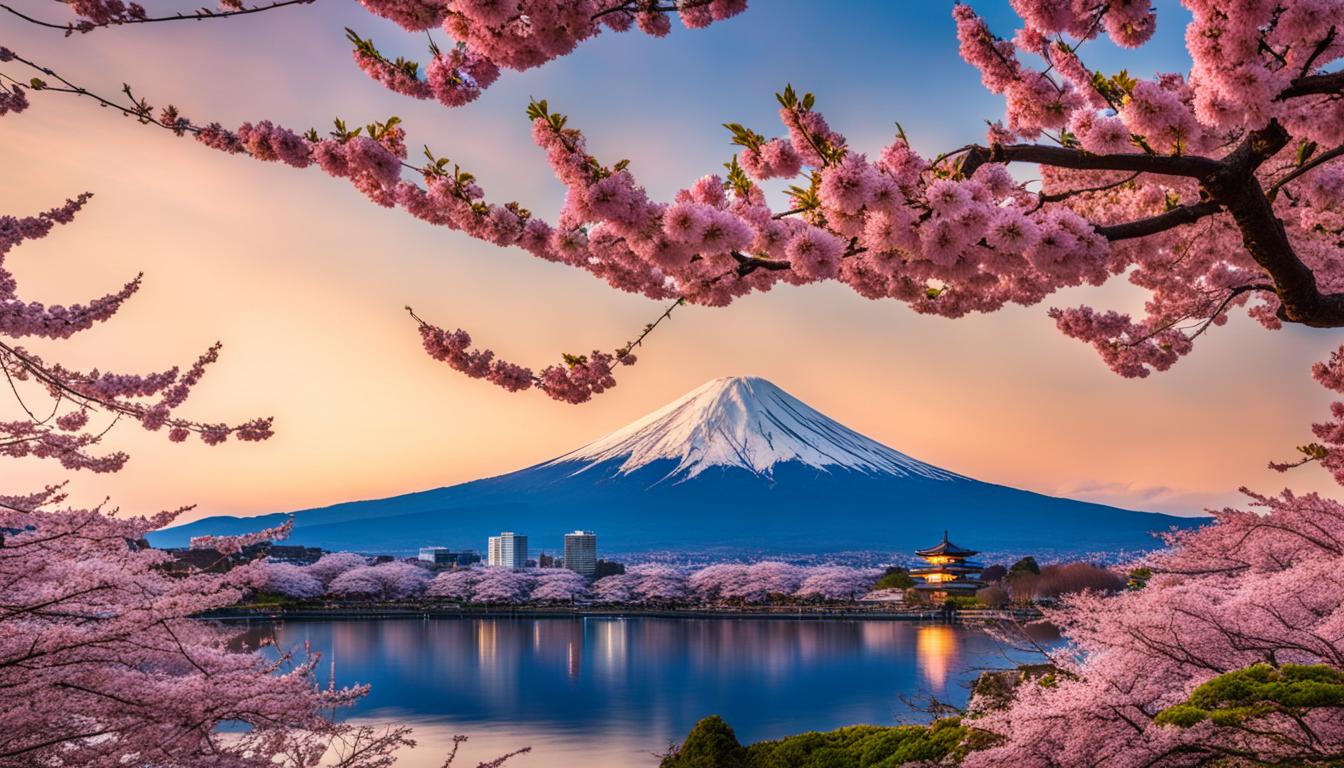
Spring in Japan is a season like no other. From late March to early May, the country undergoes an incredible transformation, as the iconic cherry blossoms or sakura bloom across the land. Witnessing this breathtaking phenomenon is a must-do activity for any traveler, as it is not only visually stunning but also holds profound cultural significance.
Cherry blossom season typically begins in late March in the southern regions of Japan and progresses northward until early May. The blooming period usually lasts only for a week or two, depending on the weather and location.
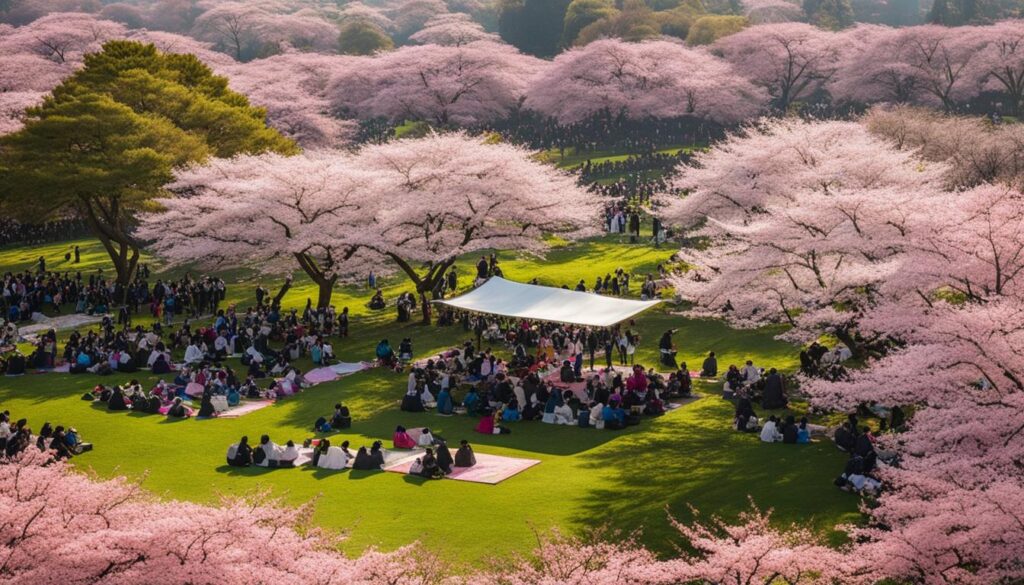
The cherry blossom viewing or hanami tradition is an essential part of Japanese culture. People gather in parks, gardens, and other outdoor areas to enjoy picnics beneath the sakura trees and admire their beauty. You can join in the fun and partake in this delightful pastime, immersing yourself in the festive atmosphere and connecting with the locals.
| Best Places to See Cherry Blossoms in Japan | Blooming Period |
|---|---|
| Chidorigafuchi Park, Tokyo | Late March to Early April |
| Hirosaki Castle Park, Aomori | Mid to Late April |
| Himeji Castle, Hyogo | Late March to Early April |
| Philosopher’s Path, Kyoto | Mid to Late April |
| Shinjuku Gyoen National Garden, Tokyo | Late March to Early April |
Aside from cherry blossoms, spring is also a season for various cultural festivals and events throughout Japan. The most popular is the Golden Week holiday, a series of national holidays that starts at the end of April and extends to the beginning of May. During this time, many Japanese people take time off work or school to travel or participate in leisure activities.
Another famous event is the Sanno Matsuri, one of Tokyo’s three major festivals, held in mid-June. This traditional celebration features elaborate processions of floats and portable shrines throughout the city, showcasing the beauty and grandeur of Japanese culture.
Experience the magic of spring in Japan and witness the country bloom into a vibrant wonderland of cherry blossoms and festive celebrations. Your Japan travel guide promises an unforgettable journey of discovery and wonder amidst the beauty of spring.
Summer: Festivals, Fireworks, and Stunning Beaches
Summer is a vibrant season in Japan, perfect for those seeking exciting festivals, mesmerizing fireworks displays, and beautiful beaches. From late June to early September, the weather is hot and humid, with occasional typhoons, but that doesn’t stop the Japanese from celebrating.
The summer season is synonymous with traditional matsuri, lively celebrations that take place in towns and cities across Japan. These festivals usually involve colorful processions of portable shrines, music, and street food. The most famous is the Gion Matsuri in Kyoto, which lasts for the entire month of July and attracts millions of visitors.
“The Gion Matsuri is a beautiful display of Japanese culture, with stunning floats and colorful costumes”
If you’re in Japan in August, don’t miss the hanabi (fireworks) displays, considered some of the best in the world. The biggest and most famous is the Sumida River Fireworks Festival in Tokyo, which draws over a million spectators. Other popular fireworks festivals include the Omagari Fireworks in Akita and the Nagaoka Fireworks in Niigata.
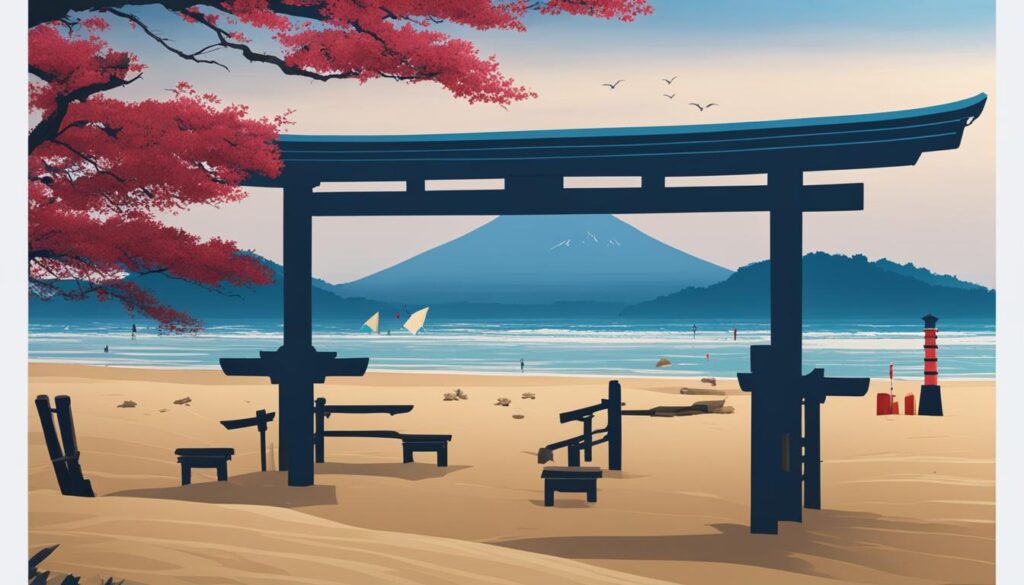
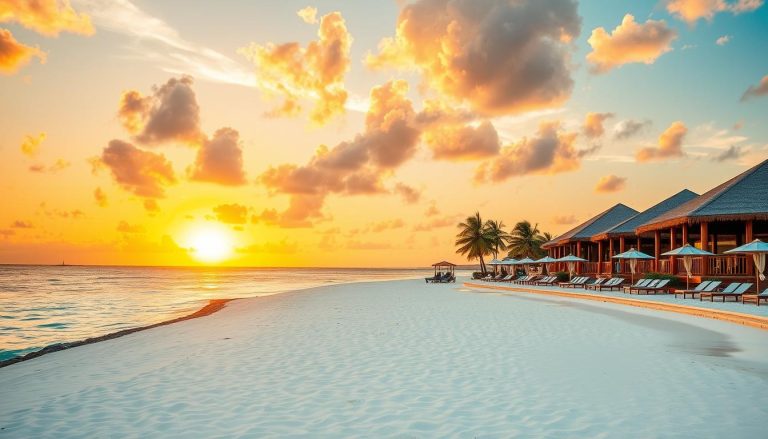
Japan is also home to some stunning beaches, perfect for soaking up the summer sun and enjoying water sports such as swimming, surfing, and snorkeling. The most popular beaches are located in Okinawa, a tropical paradise in the south. Ishigaki Island and Miyako Island are particularly worth checking out.
| Name | Location | Features |
|---|---|---|
| Kondoi Beach | Taketomi Island, Okinawa | Crystal-clear water, white sand, and coral reefs |
| Zanpa Beach | Yomitan, Okinawa | Gorgeous sunsets and excellent snorkeling |
| Maeda Beach | Onna, Okinawa | Top spot for diving and snorkeling, with underwater caves and colorful fish |
With so much to see and do, summer is undoubtedly one of the best seasons to visit Japan. Don’t miss out on the exciting cultural experiences, vibrant fireworks displays, and picturesque beaches that make Japan a summer paradise.
Autumn: A Kaleidoscope of Colors and Cultural Delights
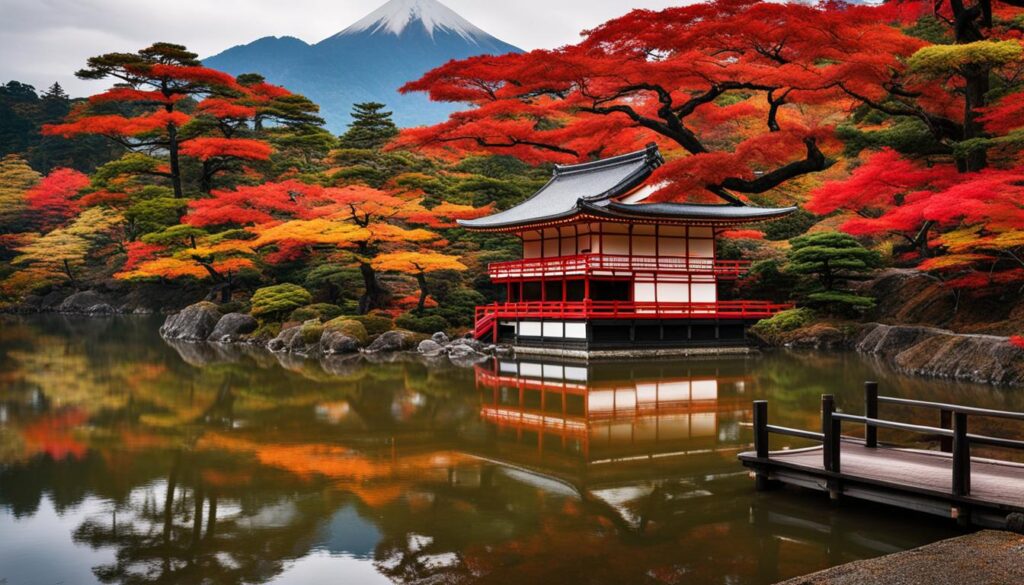
As the stifling summer heat fades away, Japan transforms into a breathtaking autumn wonderland that attracts visitors from around the world. The fall foliage in Japan is a magnificent sight that is almost magical and a must-see for nature enthusiasts. The country’s unique climate and varied topography create a kaleidoscope of colors, with leaves turning vivid shades of red, orange, and gold. The stunning landscapes are a true feast for the eyes and make autumn the best time to visit Japan if you enjoy nature.
The autumn season is also filled with cultural festivals in Japan, with traditional celebrations taking place throughout the country. One of the most popular events is the Jidai Matsuri, held annually in Kyoto on October 22nd. The festival is a colorful procession that showcases Japan’s rich history and culture, with hundreds of participants dressed in historical costumes from different eras. Another popular event is the Hakone Daimyo Gyoretsu, a parade that reenacts a feudal lord’s procession with samurai warriors, geishas, and musicians.
To fully immerse yourself in Japanese culture, visit the ancient temples and shrines that are particularly beautiful during autumn. The Tofukuji Temple in Kyoto is one of Japan’s most stunning temples and is renowned for its beautiful gardens. The temple’s distinct attributes and the visual landscape in autumn make it a favorite of Japanese and foreign tourists alike. The Shukkei-en Garden in Hiroshima is another must-visit location during autumn, with its picturesque landscapes featuring a stunning pond garden and an impressive collection of maple trees.
Fall Foliage in Japan
| Location | Best Time to Visit |
|---|---|
| Kyoto | Late November |
| Mount Fuji | Middle to late November |
| Tokyo | Mid-November to early December |
| Nikko | Mid-October to early November |
Japan’s autumn season provides an opportunity to indulge in unique culinary delights. Make sure to sample seasonal delicacies, such as chestnuts, sweet potato, persimmons, and gingko nuts. Japan’s delicious cuisine is a major draw for foodies, and autumn offers a chance to try dishes that are only available during this season.
Overall, autumn in Japan is a season filled with wonder, providing a unique blend of natural beauty and cultural experiences. This season is an ideal time to visit Japan and explore its many wonders. Make sure to plan your trip in advance, including accommodations and travel, as this peak season attracts many visitors.
Winter: Snowy Landscapes and Hot Springs Retreats
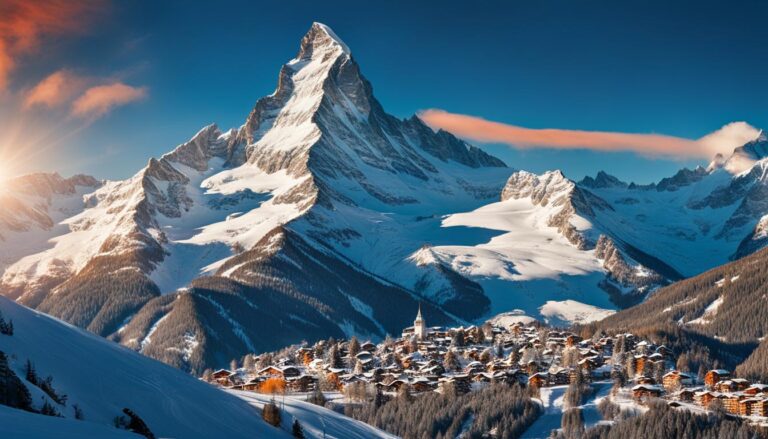
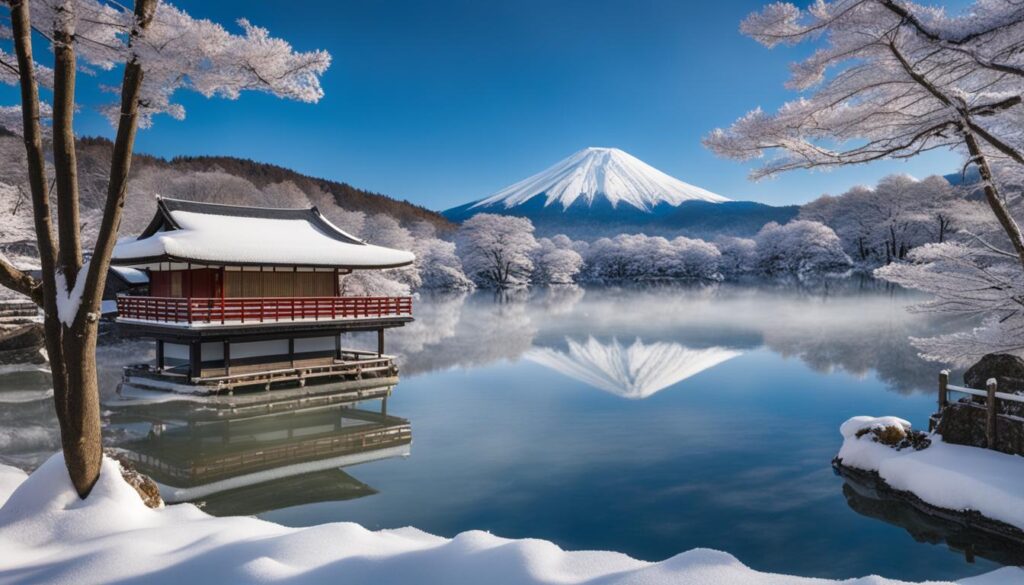
If you’re looking for a winter wonderland, Japan has you covered with its stunning snowy landscapes and relaxing hot springs. Winter in Japan offers an ideal escape for both outdoor enthusiasts and those seeking relaxation.
Snowy Landscapes in Japan
Japan is known for its quality ski resorts, which offer challenging slopes, powder snow, and breathtaking scenic views. Some of the most popular ski resorts include Niseko in Hokkaido, Hakuba in Nagano, and Nozawa Onsen in Niigata. Enjoy skiing, snowboarding, or try snowshoeing, sledding, or snowmobiling for a more unique experience.
Hot Springs in Japan
Winter is also an excellent time to soak in a hot spring or onsen, which has been a part of Japanese culture for centuries. Many hot springs offer outdoor baths, which allow you to enjoy the snowy landscapes while relaxing in warm water. Popular hot spring destinations include Kusatsu, Hakone, and Beppu.
Winter Illuminations
Winter illuminations are a must-see attraction in Japan during the holiday season. Cities, parks, and theme parks decorate their surroundings with millions of dazzling lights, creating a romantic and festive ambiance. Some of the most famous illuminations include Tokyo’s Midtown Christmas, Osaka’s Midosuji Illumination, and Sapporo’s White Illumination.
Winter Festivals
Japanese culture is renowned for its winter festivals, which celebrate the season with traditional games, food, and music. The Sapporo Snow Festival is one of the most popular, featuring massive snow sculptures that attract millions of visitors each year. Other notable festivals include the Kamakura Festival in Yokote, the Otaru Snow Light Path Festival in Hokkaido, and the Chichibu Night Festival in Saitama.
Winter in Japan offers a unique charm with snowy landscapes and relaxing hot springs. Experience powdery snow in popular ski resorts, soak in rejuvenating hot springs, and discover winter illuminations or festivals that bring cities to life.
Year-Round Attractions: Tokyo, Kyoto, and Beyond
While seasonal beauty is undoubtedly captivating, Japan’s prominent cities have year-round attractions that should not be missed. Regardless of the time of year, Tokyo, Kyoto, and other cities across Japan offer an array of must-see places and experiences.
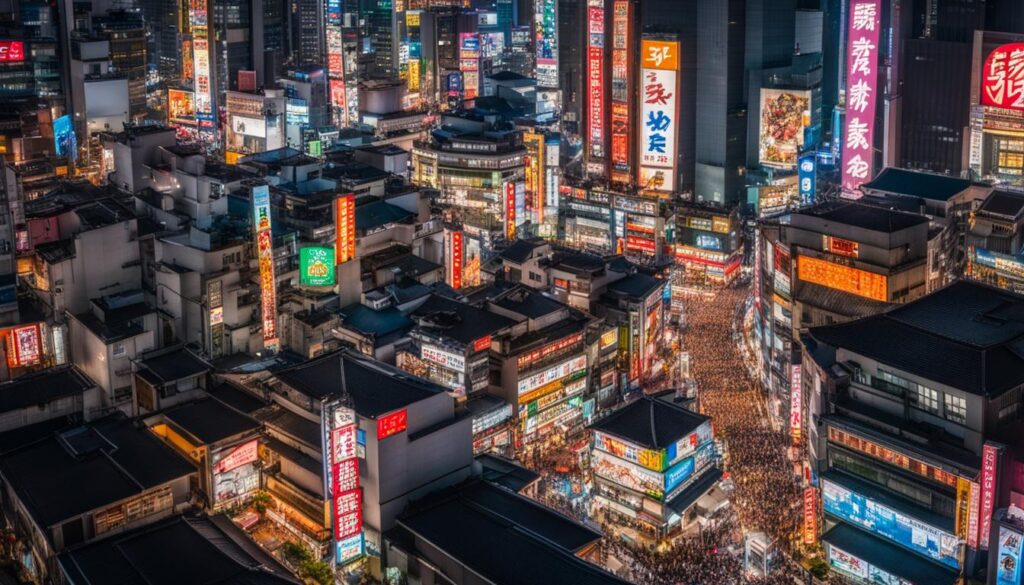
In Tokyo, immerse yourself in the vibrant streets of Shibuya and Shinjuku, explore the tranquil gardens of the Imperial Palace, and admire the towering Tokyo Skytree. For a glimpse into Japan’s traditional culture, visit the historic district of Asakusa and the iconic Senso-ji Temple. Don’t miss out on the fashion and culinary delights of Harajuku and Ginza.
In Kyoto, immerse yourself in the city’s rich cultural heritage by visiting UNESCO World Heritage sites such as Kinkaku-ji and Ginkaku-ji temples, the historic district of Gion, and the breathtaking Fushimi Inari-taisha Shrine. Kyoto’s vibrant food scene and traditional tea ceremonies are also not to be missed.
Outside of Tokyo and Kyoto, explore the natural beauty of Hokkaido’s stunning national parks, including Daisetsuzan National Park and Shiretoko National Park. Head to Hiroshima to learn about the city’s poignant history and visit the beautiful Itsukushima Shrine on Miyajima Island.
Must-See Places in Japan
| City | Attraction |
|---|---|
| Tokyo | Tokyo Skytree |
| Kyoto | Kinkaku-ji Temple |
| Hokkaido | Daisetsuzan National Park |
| Hiroshima | Itsukushima Shrine on Miyajima Island |
These are just a few of the countless must-see places in Japan. Plan your trip to include a mix of cultural experiences, natural wonders, and iconic landmarks to truly appreciate the country’s diverse offerings.
Whether you’re exploring the bustling streets of Tokyo, immersing yourself in the rich heritage of Kyoto, or venturing beyond to discover hidden gems, Japan’s year-round attractions provide endless opportunities for exploration and adventure.
Planning Your Visit: Weather and Crowd Considerations
When planning your trip to Japan, it’s essential to consider the weather and crowds to ensure the best possible experience.
Japan Weather Guide
Japan has a diverse climate, with varying temperatures and precipitation patterns across the country. The best time to visit depends on your preferred activities and climate preferences.
| Season | Weather | Recommended Activities |
|---|---|---|
| Spring | Mild, with occasional rain and cherry blossom season | Hanami (cherry blossom viewing), cultural festivals |
| Summer | Hot and humid, with occasional typhoons | Beach trips, outdoor festivals, hiking in mountainous areas |
| Autumn | Cool and comfortable with colorful fall foliage | Fall foliage viewing, cultural festivals, hiking |
| Winter | Cold with snow in some regions | Skiing, winter illuminations, hot springs |
It’s important to note that weather patterns can vary significantly from year to year, so be sure to check the forecast before your trip.
Best Time to Visit Japan
The best time to visit Japan depends on your travel preferences. If you’re interested in cultural festivals and cherry blossom viewing, spring is ideal. For summer beach trips and outdoor festivals, visit between June and August. Autumn is perfect for fall foliage viewing and cultural festivals. Finally, winter is perfect for skiing and relaxing in hot springs.
Crowd Considerations in Japan
Japan is a popular tourist destination year-round, but some seasons are busier than others. Spring and autumn, when the cherry blossoms and fall foliage are in full bloom, are the busiest seasons. Summer can also be crowded due to school vacations, while winter is generally less crowded except during the New Year holiday period.
If you prefer to avoid crowds, consider traveling during the shoulder seasons, which are April-May and September-November.
By considering the weather patterns and crowd patterns when planning your trip, you’ll be able to make the most out of your visit to Japan. Plan ahead and enjoy all that this fascinating country has to offer.
Off-Peak Seasons: Hidden Gems and Cost Savings
Exploring Japan during off-peak seasons is an excellent way to discover the country’s hidden gems while saving money on accommodations and attractions. Peak tourist periods in Japan usually coincide with major holidays, school breaks, and the cherry blossom season in spring. However, visiting during shoulder seasons can provide you with unique experiences and cost savings.
Off-Peak Travel Benefits
- Quieter attractions and destinations
- Lower hotel rates and airfare
- Less crowded transportation systems
- More personalized service and attention
- Opportunities to experience local culture and festivals
If you’re seeking a peaceful and authentic travel experience, consider visiting Japan during the autumn or winter seasons.
Autumn in Japan
Autumn is a shoulder season in Japan, which means fewer crowds and lower prices. This season is renowned for its stunning fall foliage, traditional cultural festivals, and delicious seasonal cuisine. Some of the best autumn destinations in Japan include Kyoto, Nikko, and Hokkaido.
Visiting Kyoto during autumn provides an opportunity to witness the breathtaking beauty of fall colors while exploring the city’s UNESCO World Heritage Sites. Hokkaido, Japan’s northernmost island, is also a popular autumn destination that offers picturesque landscapes, hot springs, and delicious seafood.
Winter in Japan
Winter in Japan is a magical season characterized by snowy landscapes, outdoor activities, and relaxing hot springs. Visiting during the winter season can provide you with unique experiences, such as snowboarding, skiing, and snowshoeing. Hokkaido and Nagano are some of the top winter destinations in Japan.
If you’re looking for a winter wonderland experience, make sure to visit Sapporo during its annual Snow Festival. This event showcases stunning ice sculptures, snow slides, and winter sports competitions.
Hidden Gems in Japan
Japan has many hidden gems outside of the major tourist destinations. Visiting during off-peak seasons provides an opportunity to discover unique places that are not overcrowded by tourists. Some of the hidden gems in Japan include:
| Destination | Season |
|---|---|
| Kiso Valley | Spring and autumn |
| Matsue | Winter |
| Kyushu | Spring and autumn |
Kiso Valley, for example, is a scenic area that offers excellent hiking opportunities and the chance to experience the traditional Japanese lifestyle. Matsue is a charming castle town that remains untainted by mass tourism. Kyushu is a beautiful island that offers hot springs, volcanoes, and stunning landscapes.
Exploring these hidden gems can provide you with a unique perspective of Japan that goes beyond the typical tourist trail.
By visiting Japan during off-peak seasons, you can save money, avoid crowds, and discover hidden gems that make your trip truly memorable.
Special Events and Festivals: Cultural Highlights Throughout the Year
Japan is a country rich in culture and heritage, and nowhere is this more evident than in its special events and festivals. From traditional festivals dating back centuries to modern art exhibitions and music festivals, there is always something happening in Japan.
Cherry Blossom Festivals
The cherry blossom, or sakura, is an iconic symbol of Japan, and its blooming is celebrated with festivals across the country. Some of the most popular festivals include the Hirosaki Cherry Blossom Festival, the Takato Castle Ruins Cherry Blossom Festival, and the National Cherry Blossom Festival in Washington D.C., which celebrates the friendship between Japan and the United States.
Summer Festivals
Summer in Japan is a time for lively festivals, known as matsuri, that celebrate the country’s rich cultural heritage. Some of the most famous festivals include the Gion Matsuri in Kyoto, the Tenjin Matsuri in Osaka, and the Nebuta Matsuri in Aomori. These festivals usually feature vibrant parades, traditional music and dance, and delicious street food.
Obon Festival
The Obon Festival is a Buddhist celebration that honours the spirits of ancestors and is held in mid-August throughout Japan. People light lanterns to guide their ancestors’ spirits back to the world of the living, and traditional dances called bon-odori are performed in many towns and cities.
Tokyo International Film Festival
The Tokyo International Film Festival is one of Asia’s premier film festivals and attracts filmmakers and movie lovers from around the world. Held in October, the festival showcases a range of films from Japan and abroad and features special events and seminars.
Winter Illuminations
During the winter months, many cities in Japan are decorated with stunning illuminations that create a magical atmosphere. Some of the most popular displays include the Kobe Luminarie, the Tokyo Tower Winter Fantasy, and the Sapporo Snow Festival, which features enormous ice sculptures.
New Year’s Celebrations
New Year’s is one of the most important holidays in Japan, and it is celebrated with a variety of traditions and customs. Many people visit shrines and temples to pray for good fortune in the coming year, while others watch the first sunrise of the year or eat traditional foods like mochi.
Whether you’re a lover of traditional festivals or modern cultural events, Japan has something to offer all year round. Plan your trip around one of the many special events and festivals for an unforgettable experience.
Outdoor Activities: Seasonal Adventures for Nature Enthusiasts
If you love nature, Japan offers a wide range of outdoor activities to enjoy in each season. From scenic hikes to skiing, here are some of the best nature adventures to experience during your trip:
Hiking in Japan
Japan boasts stunning natural landscapes and is home to several mountain ranges that offer breathtaking views. Hiking is a popular activity in Japan, and there are many trails to explore, from the famous Mount Fuji to the serene Kumano Kodo pilgrimage route. While spring and autumn are ideal for hiking due to the mild temperatures and beautiful scenery, summer can be challenging due to the heat and humidity. Make sure to plan your hiking trip accordingly and bring appropriate gear.
Skiing in Japan
Japan is a premier destination for skiing and snowboarding, thanks to its abundance of powdery snow and world-renowned ski resorts. The best time to hit the slopes is from December to March, when the snow is at its prime. Popular ski destinations include Hokkaido, Nagano, and Niigata, which offer slopes for all levels, from beginners to experts. Book a ski package with accommodations and lift tickets for a hassle-free trip.
Scuba Diving in Japan
Japan’s coastal waters are home to diverse marine life and stunning underwater scenery, making it a top destination for scuba diving enthusiasts. Okinawa, located in the south of Japan, is a popular diving spot with clear waters and colorful coral reefs. Summer is the best time to go diving, with water temperatures reaching a comfortable 28°C. Before diving, make sure to check the weather conditions and book a reputable dive operator.
- Plan ahead for seasonal activities and book in advance
- Research and join tour groups for efficient and safe travel
- Be prepared and wear appropriate gear for each activity
Japan’s natural beauty can be appreciated throughout the year, so plan your trip based on your preferences and interests. Whether you’re seeking adventure or relaxation, Japan has an abundance of outdoor activities to offer.
Cultural Etiquette and Tips for Traveling in Japan
Japan has a unique culture that dates back thousands of years, and it’s essential to understand and respect local customs when traveling in the country. Here are some tips to help you have a smooth and enjoyable trip:
Cultural Etiquette
Japanese people value respect, courtesy, and harmony, and visitors are expected to abide by these principles. Here are some key cultural etiquette tips:
- Bow when greeting someone, and be respectful in your language and tone of voice.
- Remove your shoes before entering someone’s home or a traditional Japanese inn (ryokan).
- Do not tip in restaurants or hotels, as it’s not customary in Japan.
- Be mindful of noise levels and avoid talking loudly on public transportation or in public places.
- Do not eat or drink while walking on the street, as it’s considered rude.
- Dispose of trash in the designated bins, and separate them by type.
Tips for Traveling in Japan
Here are some tips to help you make the most of your trip to Japan:
- Carry cash with you, as many small shops and restaurants do not accept credit cards.
- Buy a Japan Rail Pass if you plan to travel by train, as it can save you money and offers unlimited rides on most trains.
- Learn some basic Japanese phrases, such as “hello” (konnichiwa) and “thank you” (arigatou gozaimasu), to show respect and make communication easier.
- Be prepared for the weather, as Japan can experience extreme temperatures and sudden changes in climate.
- Respect others’ privacy and personal space, as Japanese people value privacy and may not feel comfortable with direct eye contact or physical contact.
Following these tips can help you have a more enjoyable and respectful trip to Japan. Remember to be open-minded and embrace the country’s unique customs and traditions, and you’ll create unforgettable memories in the Land of the Rising Sun.
Conclusion
Now that you have gained insight into the different seasons and attractions in Japan, it’s time to start planning your dream trip. Whether you are an outdoor enthusiast, a cultural explorer, or seeking relaxation, Japan has something to offer for every type of traveler.
The best time to visit Japan depends on your preferences, budget, and desired experiences. With its unique charm and beauty, Japan is an ideal destination to explore throughout the year.
Plan Ahead
Before embarking on your journey, it’s important to plan ahead and understand the weather and crowd patterns in Japan. Take into account the tips and considerations we’ve shared to make the most of your time. Pack accordingly and familiarize yourself with Japanese culture and customs to ensure a smooth and enjoyable trip.
Create Unforgettable Memories
From the stunning cherry blossoms of spring to the snowy landscapes of winter, Japan’s beauty is undeniable. Discover hidden gems and off-the-beaten-path destinations to make your experience even more unique.
Embark on outdoor adventures, indulge in seasonal delicacies, and immerse yourself in the rich cultural heritage. Whatever season and experiences you choose, Japan promises to create unforgettable memories that you will cherish for a lifetime.