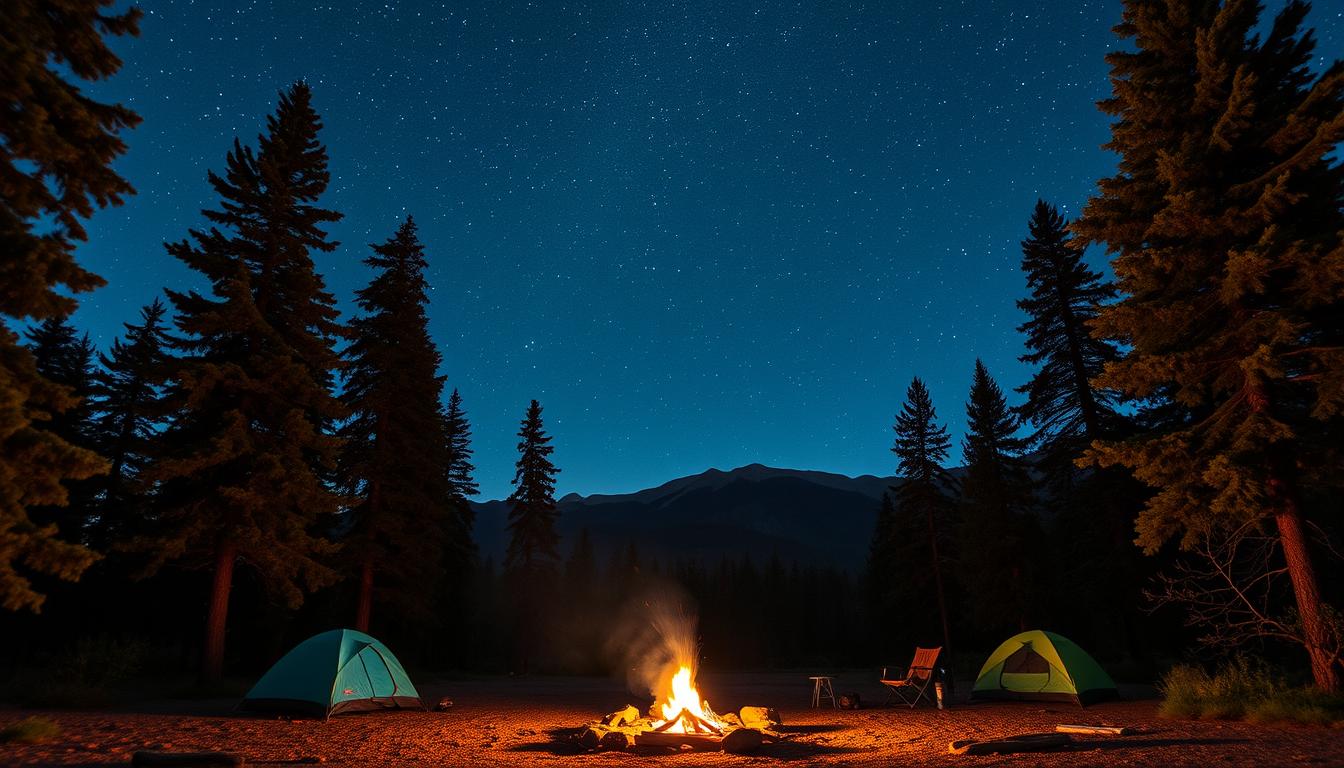
Camp Under the Stars: Best National Parks for Camping in August
Ever gazed at the night sky and wondered what lies beyond? Most Americans can’t see stars due to light pollution. National park camping offers a chance to escape into natural darkness.
August is ideal for outdoor adventures in national parks. Stargazing becomes a breathtaking experience here. National Park Camping immerses you in landscapes where most wildlife comes alive after sunset.
Your summer camping trip promises more than a typical vacation. You’ll find diverse camping options, from tents to RVs and hammocks. These connect you directly with nature’s stunning nocturnal environments.
Each park offers unique night sky experiences waiting to be explored. You’ll redefine your understanding of nighttime wilderness. Get ready to trade city lights for starlight this August.
Why Choose National Park Camping in August
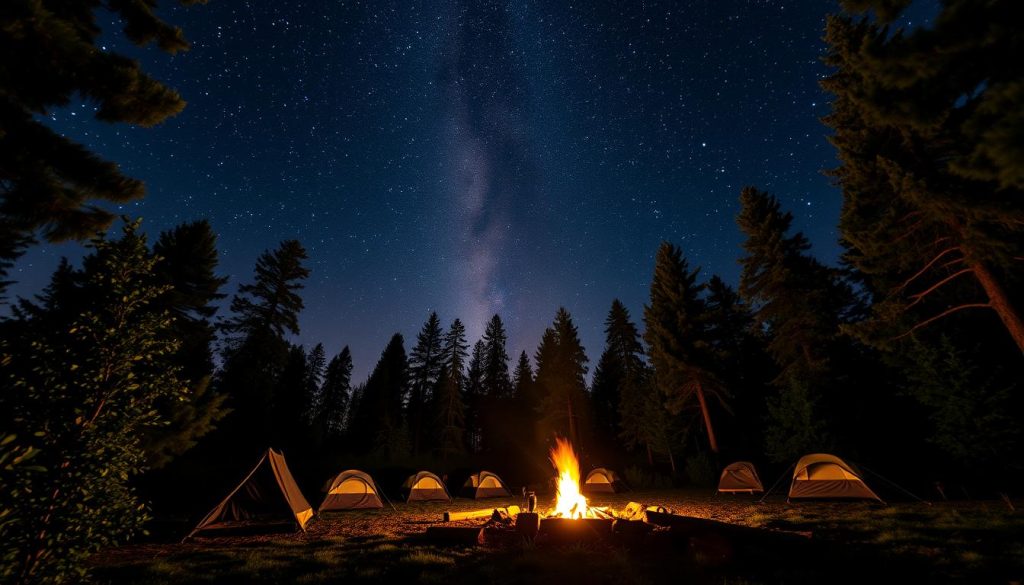
August is perfect for outdoor lovers to explore national parks through camping. Nearly 300 million people visit these parks each year. The peak season offers unique experiences for well-prepared campers.
Summer camping brings ideal conditions for hiking trails with longer days. National parks come alive in August, showcasing stunning landscapes and wildlife. Warm temperatures make it great for camping gear testing.
Weather Conditions and Peak Season Benefits
August offers longer daylight for outdoor fun. The parks are at their most vibrant during this time. Campers might even catch the Perseid meteor shower.
- Longer daylight periods for outdoor activities
- Warm temperatures ideal for camping gear exploration
- Peak ecosystem vibrancy
- Potential celestial events like the Perseid meteor shower
Avoiding Crowds and Making Reservations
Planning is key during peak camping season. Most parks need bookings up to six months ahead. For the best trip, try these tips:
- Book campsites early (ideally on the first day of reservation availability)
- Target less popular campgrounds within parks
- Check specific park reservation systems
- Plan flexible travel dates
“The early camper gets the best spot” – National Park Camping Wisdom
Essential Summer Camping Considerations
August camping needs smart gear choices. Prepare for possible thunderstorms and mosquitoes. Pack light, breathable clothes and plenty of water. Don’t forget sun protection for a comfy outdoor experience.
Best Dark Sky Parks for Stargazing Adventures
Picture a sky full of twinkling stars, free from city lights. Dark Sky Parks offer this magical sight. They provide stunning landscapes for star lovers and wildlife watchers.
The International Dark-Sky Association has recognized nearly 200 top stargazing spots worldwide. These parks excel at keeping natural darkness and reducing light pollution.
“The night sky is a window to the universe, and Dark Sky Parks are its most pristine frames.” – Anonymous Astronomer
Top Dark Sky Parks to Explore
- Utah: Home to Arches and Bryce Canyon National Parks
- Colorado: Black Canyon of the Gunnison National Park
- California: Death Valley and Joshua Tree National Parks
- Arizona: Grand Canyon National Park
- Idaho: Craters of the Moon National Monument
Each park offers unique stargazing chances. These scenic spots provide amazing night sky views. During the day, you can enjoy remarkable wildlife viewing too.
| State | Dark Sky Location | Notable Features |
|---|---|---|
| Utah | Bryce Canyon | Incredible rock formations and clear skies |
| Arizona | Grand Canyon | Vast open spaces with minimal light interference |
| Idaho | Craters of the Moon | Unique volcanic landscape with pristine night skies |
Pro tip: Visit during a new moon for the best stargazing. Bring warm clothes, a red-light flashlight, and your sense of wonder!
Yellowstone National Park: Prime Summer Camping Spots
Yellowstone National Park offers a unique camping experience with stunning landscapes and wildlife. The park boasts about 1,700 campsites for summer visitors. You’ll find many options to enjoy the park’s natural wonders.
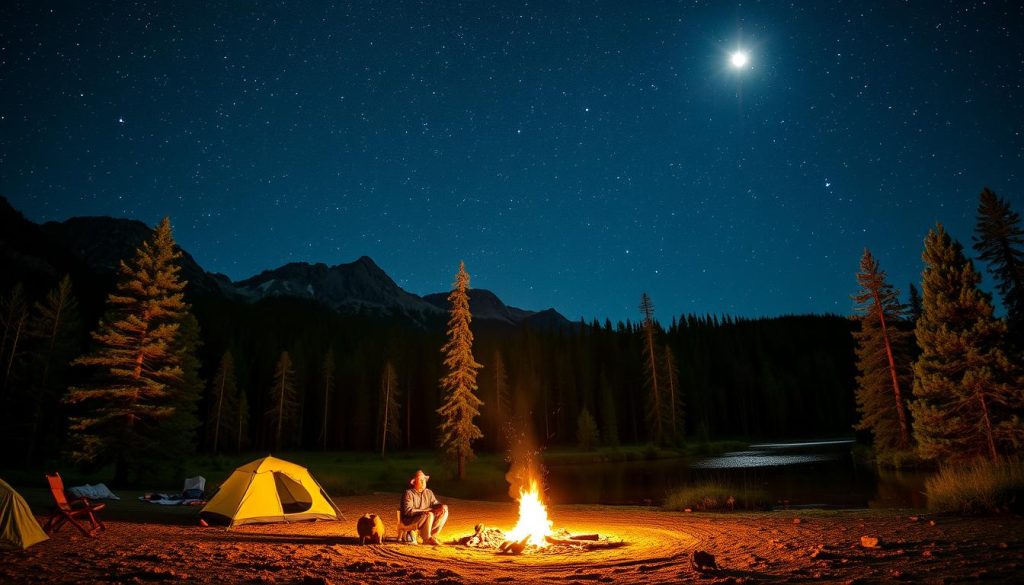
The park’s campgrounds provide diverse experiences for nature lovers. Knowing your options helps plan an unforgettable summer adventure. Each campground offers a chance to connect with nature differently.
Madison Campground Facilities and Features
Madison Campground is a top spot for national park camping. It’s open from May 2nd to October 19th. The campground offers easy access to Yellowstone’s most beautiful areas.
Madison provides essential amenities for comfortable outdoor living. It has about 278 campsites suitable for RVs and tents. You’ll be close to major park attractions and wildlife viewing areas.
- Total campsites: Approximately 278
- RV and tent-friendly accommodations
- Nearby access to major park attractions
- Proximity to wildlife viewing areas
Canyon Campground Experience
Canyon Campground offers a deep wilderness experience from May 30th to September 21st. It’s near the Grand Canyon of Yellowstone. You’ll enjoy stunning views and easy access to hiking trails.
Wildlife Viewing Opportunities
Yellowstone is a paradise for wildlife lovers. Your camping trip may include seeing amazing animals. You might spot:
- Bison herds in Lamar Valley
- Elk grazing near campgrounds
- Potential bear and wolf sightings
“Yellowstone offers one of the most diverse wildlife ecosystems in North America.” – National Park Service
| Campground | Total Sites | Max RV Length | Elevation |
|---|---|---|---|
| Madison | 278 | 40 feet | 6,806 feet |
| Canyon | 273 | 40 feet | 7,900 feet |
Stay safe by keeping your distance from wildlife. Keep 100 yards from bears and wolves, 25 yards from other animals. Store food properly to avoid wildlife interactions and ensure a safe camping trip.
Death Valley National Park: Desert Night Experiences
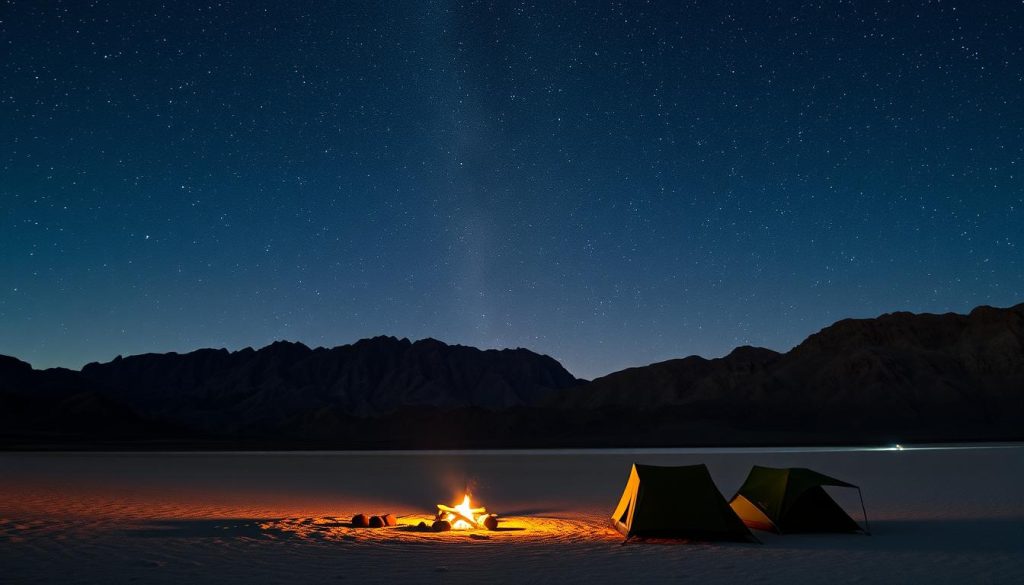
Get ready for an amazing outdoor adventure in Death Valley National Park. This extreme yet captivating landscape offers unique camping and stargazing opportunities. You’ll be challenged and rewarded in one of America’s most stunning places.
In August, the park becomes a celestial wonderland. It boasts Gold Tier International Dark-Sky Association certification. This means you’ll see some of North America’s darkest and clearest night skies.
“In Death Valley, the night sky isn’t just a view—it’s an immersive experience that connects you with the universe.” – National Park Astronomy Guide
- Best stargazing locations:
- Badwater Basin
- Mesquite Flat Sand Dunes
- Furnace Creek area
Plan your camping with extreme temperatures in mind. Days can be over 100°F, but nights cool down for great stargazing. Be ready with plenty of water and light gear.
Schedule your activities after sunset when it’s cooler. Give your eyes 30 minutes to adjust to the darkness.
- Bring ample water (at least 1 gallon per person per day)
- Use lightweight, breathable camping gear
- Plan night activities after sunset when temperatures drop
- Allow 30 minutes for your eyes to adjust to darkness
You can camp at Furnace Creek Campground or primitive sites. Prices range from $14-$36 per night for tents and RVs. There’s a 14-day yearly camping limit and generator rules.
Death Valley offers unforgettable adventures under a starry sky. It’s a must-visit for star lovers and outdoor fans alike.
Essential Camping Gear for Summer Stargazing
Choosing the right camping gear can make your stargazing adventure truly amazing. The proper equipment turns a simple camping trip into a magical night sky journey. This guide helps both new and experienced stargazers prepare for their outdoor expedition.
Astronomy Equipment for Night Sky Explorers
Your stargazing toolkit should include some key items to maximize celestial observations:
- Portable telescope or high-quality binoculars
- Star charts or smartphone astronomy apps
- Red-light headlamp to preserve night vision
- Lightweight tripod for stable viewing
Comfort and Safety Gear Recommendations
Comfort is key for nighttime outdoor adventures. Here are some essential camping gear items to consider:
| Category | Recommended Items | Purpose |
|---|---|---|
| Sleeping | Insulated sleeping bag | Temperature regulation |
| Clothing | Layered warm clothing | Night temperature protection |
| Health | First aid kit | Emergency preparedness |
| Comfort | Portable camping chair | Extended stargazing comfort |
Photography Equipment for Capturing Night Skies
Capture stunning celestial moments with these photography tips:
- Bring a sturdy tripod for long-exposure shots
- Use a camera with manual settings
- Pack extra batteries and memory cards
- Consider a wide-angle lens for expansive sky views
*”The night sky is a canvas, and your camera is the brush.”* – Anonymous Astrophotographer
Most campers focus on essential gear like tents and sleeping bags. Smart packing ensures you’re ready for amazing stargazing experiences. Plan ahead to fully enjoy your outdoor adventures under the stars.
Acadia National Park: Coastal Camping and Aurora Views
Acadia National Park offers magical coastal camping and stargazing. This Maine gem blends oceanic beauty with astronomical wonders. Campers can enjoy breathtaking landscapes and extraordinary night skies.
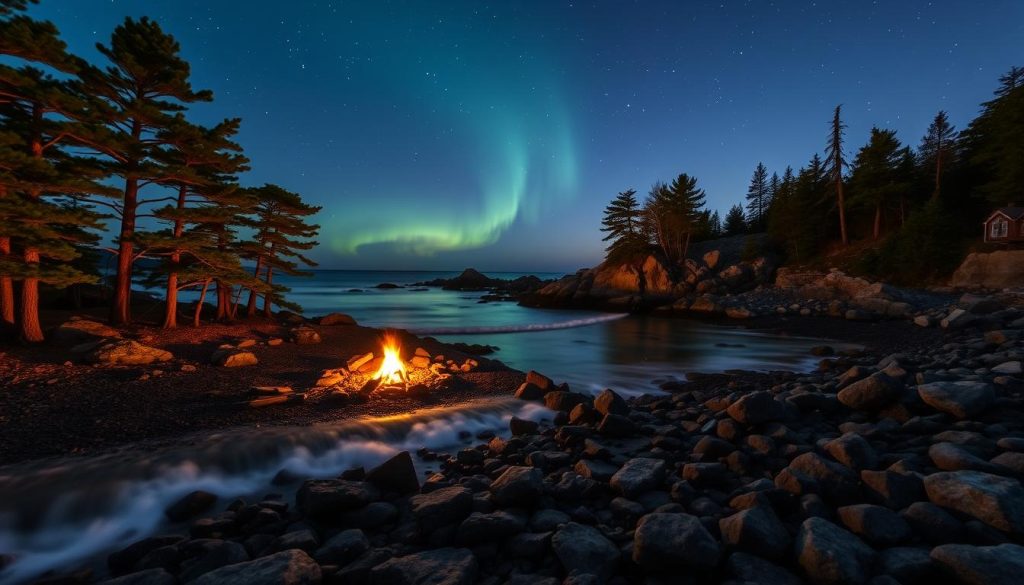
Acadia’s 49,000 acres of wilderness promise unforgettable summer adventures. The park offers stellar camping options for visitors.
- Schoodic Woods Campground: Premier stargazing location
- Blackwoods Campground: Convenient access to park attractions
- Seawall Campground: Scenic ocean views
Night sky enthusiasts can witness the Aurora Borealis at Acadia. The park’s dark sky preservation makes it ideal for astronomical exploration.
“Acadia is where the mountains meet the sea, creating a landscape unlike any other in the United States.” – National Park Service
Camping highlights for August include:
| Campground | Features | Nightly Rate |
|---|---|---|
| Schoodic Woods | Dark sky viewing, coastal access | $22-$30 |
| Blackwoods | Near hiking trails, forest setting | $30-$35 |
| Seawall | Ocean views, quiet atmosphere | $25-$32 |
Book your campsite early to secure your ideal spot. Acadia receives about 3.5 million visitors yearly. Peak visitation is from June to August.
Acadia boasts over 130 miles of hiking trails. Stunning locations like Cadillac Mountain await. Your camping adventure here will create lasting memories.
Nighttime Photography Tips in National Parks
National parks offer amazing chances for night photography. You can turn ordinary scenes into extraordinary memories. Mastering this skill can elevate your outdoor adventures.
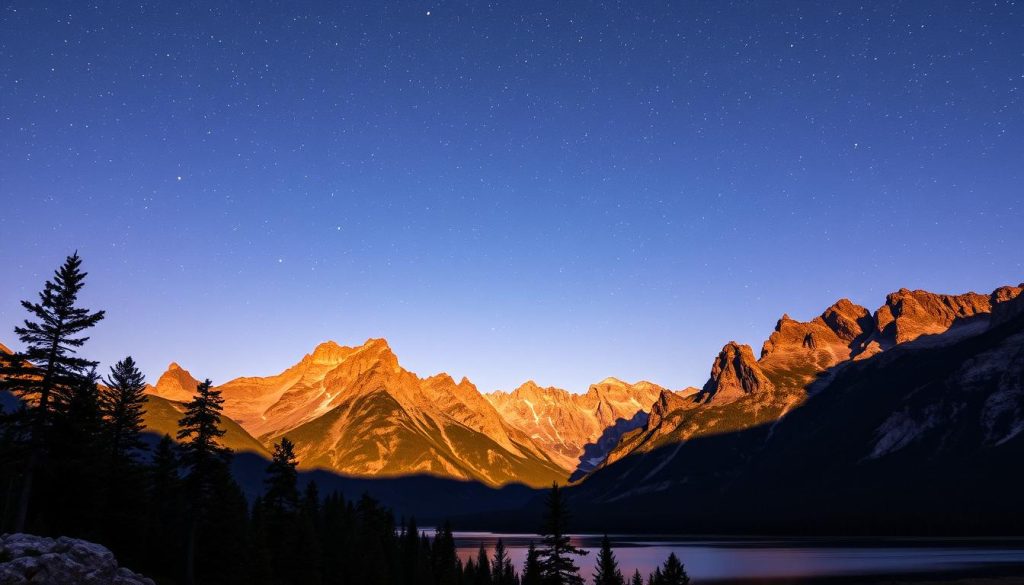
Night photography requires special know-how and precise skills. Learning to capture dark skies can enhance your wilderness photo experience.
Camera Settings for Star Photography
To master star photography, understand these key camera settings:
- Use manual mode for complete control
- Set wide aperture (f/2.8 or wider)
- Select high ISO (1600-6400)
- Choose long exposure times (15-30 seconds)
Best Locations for Night Shots
Pick spots with little light pollution for stunning results. Here are some top national park areas:
| Park | Dark Sky Rating | Best Shooting Locations |
|---|---|---|
| Capitol Reef | Gold Tier International Dark Sky | Panorama Point |
| Death Valley | Exceptional Dark Skies | Remote Desert Areas |
| Zion | Excellent Night Photography | Canyon Overlooks |
Time-Lapse Photography Techniques
Create amazing star movement sequences with these steps:
- Use sturdy tripod for stability
- Set consistent interval between shots
- Employ intervalometer or camera timer
- Shoot multiple exposures (20-100 frames)
“Patience and preparation transform ordinary landscapes into extraordinary visual stories.” – Professional Landscape Photographer
Respect nature during your outdoor adventures. Practice Leave No Trace principles while capturing scenic landscapes.
Leave No Trace Principles for Night Camping
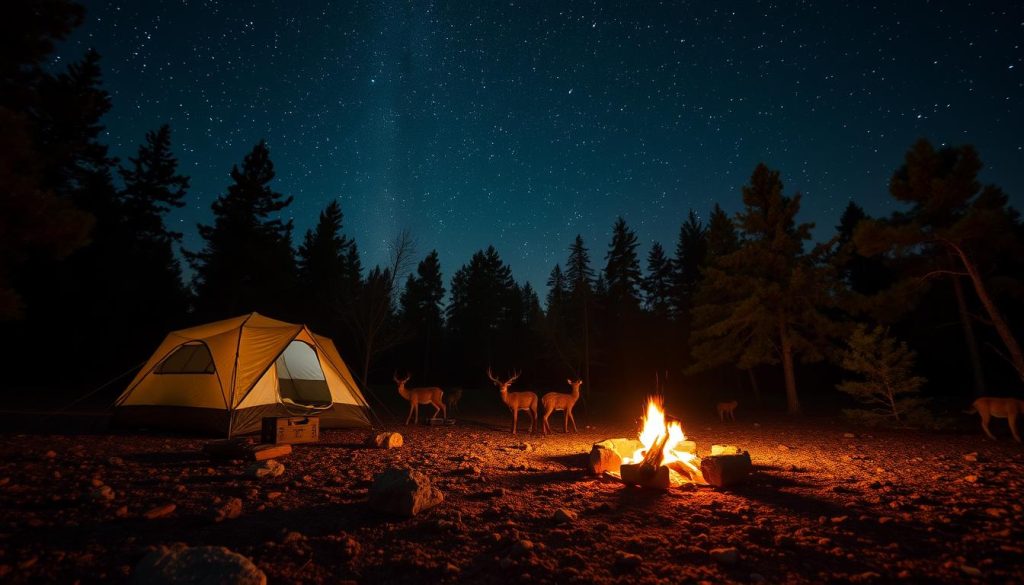
Leave No Trace principles are vital for National Park Camping. They protect natural landscapes and ensure sustainable outdoor experiences. These guidelines help preserve wilderness for future generations.
Responsible night camping requires careful consideration of environmental impact. Leave No Trace principles provide a framework for minimizing disruption to natural habitats.
“Wilderness is not a luxury but a necessity of the human spirit.” – Edward Abbey
- Plan ahead and prepare thoroughly for your camping trip
- Travel and camp on durable surfaces
- Dispose of waste properly
- Leave what you find in nature
- Minimize campfire impacts
- Respect wildlife
- Be considerate of other visitors
Nighttime camping demands special attention to these principles. When stargazing or setting up camp after dark, remember to:
- Choose established campsites at least 200 feet from water sources
- Use red-filtered lights to minimize wildlife disturbance
- Pack out all trash, including microscopic waste
- Avoid creating new fire rings or expanding campsite boundaries
National Park Camping balances enjoying nature and protecting it. By following Leave No Trace principles, you become a steward of these incredible spaces.
| Principle | Night Camping Specific Recommendation |
|---|---|
| Waste Disposal | Use designated bathroom areas, bury human waste 6 inches deep, 100 feet from water sources |
| Campfire Management | Use only fallen wood, ensure complete extinguishment with water |
| Wildlife Respect | Maintain quiet, use red lights, store food securely |
Your commitment to these principles keeps national parks pristine. It ensures wilderness experiences for future generations to enjoy.
Glacier National Park: Mountain Camping Under Stars
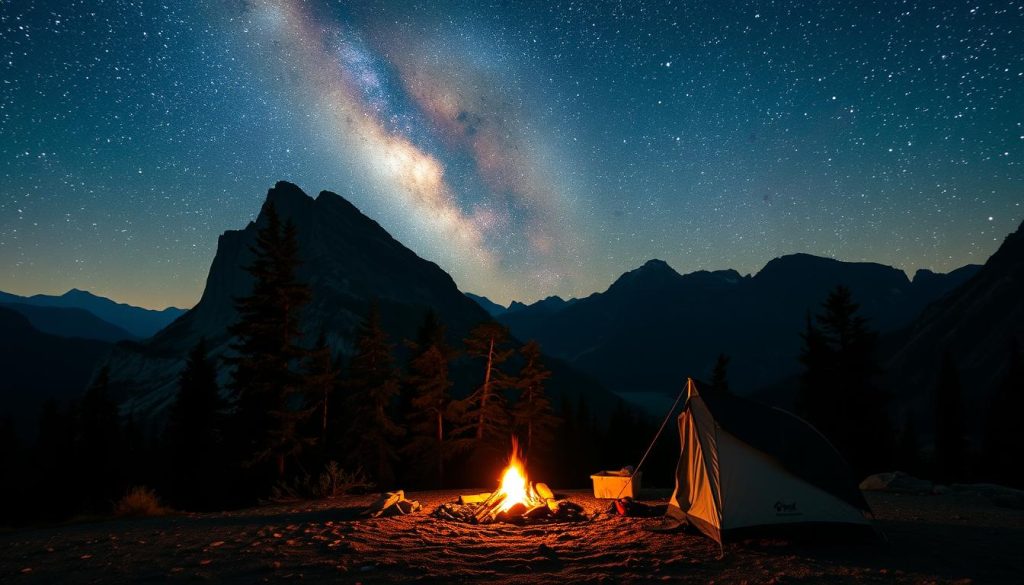
Glacier National Park in Montana offers an amazing stargazing experience. It boasts 700 miles of hiking trails through stunning landscapes. This park is perfect for mountain camping adventures.
The park’s location is ideal for nighttime exploration. Summer camping from late June to mid-September provides the best outdoor experiences.
Best Campground Locations for Stargazing
Consider these remarkable camping spots:
- Apgar Campground: Close to West Entrance
- Many Glacier Campground: Stunning mountain views
- Fish Creek Campground: Secluded and serene setting
| Campground | Elevation | Dark Sky Rating |
|---|---|---|
| Apgar | 3,190 feet | Excellent |
| Many Glacier | 4,500 feet | Superior |
| Fish Creek | 3,215 feet | Very Good |
Ranger-Led Astronomy Programs
The park offers exciting ranger-led astronomy programs. These sessions let you explore celestial wonders with expert guidance. You’ll learn about the night sky from knowledgeable rangers.
“The night sky in Glacier National Park is like a living canvas of cosmic art.” – Park Ranger
Remember to pack warm layers for cool summer nights. Bring binoculars to enhance your stargazing experience. Under Canvas Glacier is just 7 miles from the park’s west entrance.
Safety Tips for Night Camping in National Parks
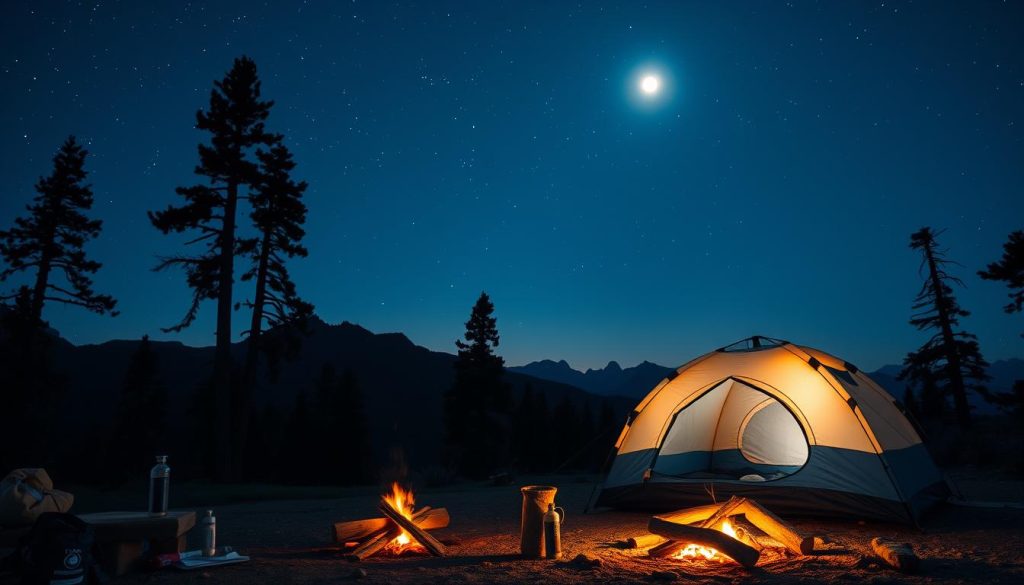
Night camping in national parks requires careful planning and safety awareness. Your safety depends on understanding risks and taking proactive measures. Protect yourself and the environment during your outdoor adventures.
Wildlife awareness is crucial during nighttime camping. Nearly 70% of animals are active after dark. Follow specific safety protocols to stay safe.
- Store food in designated bear-proof containers
- Keep campsites clean and free of food debris
- Maintain a safe distance from wildlife
- Carry bear spray and know how to use it
Proper camping gear can greatly improve your nighttime safety. Consider these essential items for your outdoor adventures:
| Safety Item | Purpose | Recommended Action |
|---|---|---|
| Headlamp | Hands-free lighting | Carry extra batteries |
| First Aid Kit | Emergency medical needs | Check contents before trip |
| Emergency Communication Device | Quick assistance | Ensure satellite connectivity |
“Preparation is the key to a safe and enjoyable camping experience.” – National Park Service
Navigation and terrain management are vital for safety. Studies show that 70% of camping-related injuries happen from falls or accidents. Take steps to minimize risks.
- Carry detailed maps and compass
- Use GPS devices with backup power
- Inform someone about your camping route
- Stay on marked trails after dark
Be ready for temperature changes during your nighttime camping. Bring layers to stay comfortable. Stay hydrated and monitor weather conditions to prevent heat-related illnesses.
Weather Patterns and Star Visibility in August
August offers amazing stargazing chances in national parks. Learn about weather and stars to enhance your nighttime adventures. Scenic landscapes await your exploration.
Prepare for a unique celestial experience. Your adventure depends on crucial factors affecting night sky visibility.
Moon Phases and Viewing Calendar
The moon’s cycle affects star visibility. August has two important lunar phases:
- New Moon on August 4th: Perfect for stargazing
- Full Moon on August 19th: Reduced star visibility
“The darker the sky, the brighter the stars” – Stargazing Wisdom
Best Times for Constellation Spotting
August offers prime conditions for astronomy fans. The Perseid Meteor Shower peaks on August 11-12. This event provides an amazing celestial display.
| Constellation | Visibility Time | Best Viewing Location |
|---|---|---|
| Milky Way Core | 10 PM – 3 AM | Dark Sky Parks |
| Perseids | August 11-12 | Open Dark Areas |
| Canis Major | Late Night | Low Light Pollution Areas |
Pro tip: Give your eyes 20-30 minutes to adjust to darkness. Choose spots with minimal light pollution for the best stargazing experience.
Conclusion
National Park Camping lets you dive into America’s stunning wilderness. In 2017, over 330 million people visited national parks. This shows how much Americans love outdoor adventures.
Plan your August camping trip early. Most campsites fill up six months ahead. Many trips last two nights and are within 500 miles of home. Knowing this helps you book the perfect spot.
Camping responsibly keeps our parks healthy. Your actions can protect these natural spaces. Follow Leave No Trace rules and choose campsites carefully.
Each park offers unique summer night experiences. You might photograph stars in Glacier National Park or explore Death Valley’s dark skies. Your August trip will create lasting memories of nature’s beauty.