Trail to Spring: Top Hiking Trails in March to Explore
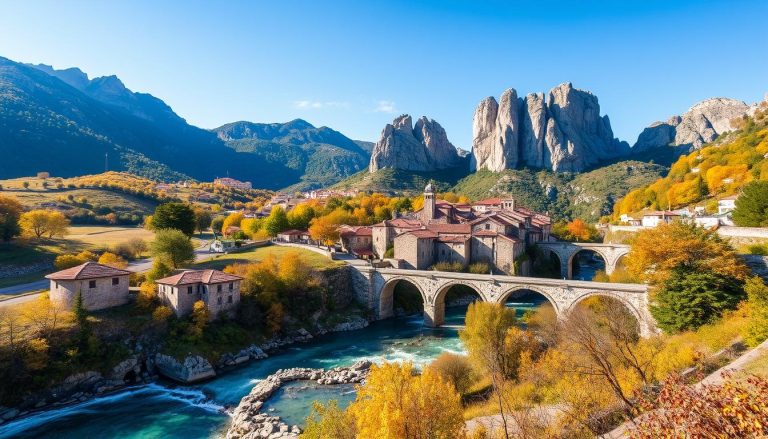
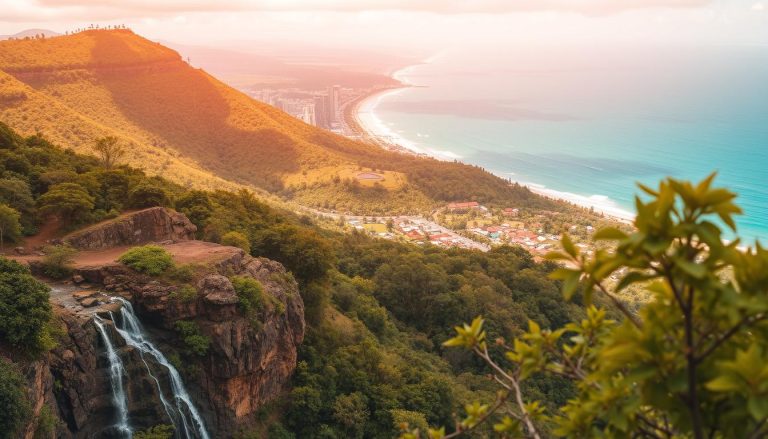
March offers unique hiking opportunities as winter fades and spring emerges. This transitional month unveils nature’s awakening across diverse landscapes. Hikers can witness blooming wildflowers and migrating wildlife on various trails.
Early spring hikes reveal hidden gems in national parks and wilderness areas. March hiking destinations cater to all adventurers. You can explore desert canyons, coastal paths, or mountain routes.
The North Country Trail spans over 4,800 miles across seven states. Michigan’s Upper Peninsula alone has 550 miles of this trail. Tahquamenon Falls State Park offers 35 miles of trails, including a 16-mile trek.
Pictured Rocks National Lakeshore boasts 100 miles of trails. Porcupine Mountains State Park features a 90-mile network. These areas allow hikers to explore diverse terrains and ecosystems.
For international adventures, Portugal’s Algarve region is ideal. Temperatures range from late teens to early twenties Celsius. This creates perfect conditions for walking and hiking.
March marks the start of nature’s spectacle in many places. Nepal’s rhododendron forests bloom against mountain backdrops. In Japan, cherry blossom season peaks from late March to mid-April.
These natural wonders provide stunning backdrops for hiking and photography. Plan your March hiking excursions to witness these unforgettable experiences.
Why March is Perfect for Hiking Adventures
March kicks off the spring hiking season. It offers a unique blend of conditions for hitting the trails. As winter fades, nature awakens, creating a perfect backdrop for outdoor enthusiasts.
Optimal Weather Conditions
March brings milder temperatures, ideal for exploring moderate difficulty hikes. Hikers can enjoy comfortable weather without summer’s heat or winter’s chill. Rocky Mountain National Park sees visitor numbers more than double compared to February.

Less Crowded Trails
Trails in March are generally less crowded than during peak summer months. This offers a more peaceful hiking experience. Starting an Appalachian Trail hike on March 1st helps avoid the April 1st rush.
Unique Natural Phenomena
March hiking reveals nature’s transition from winter to spring. You might see early wildflower blooms or animal migrations. Rocky Mountain National Park offers diverse activities in March:
- Ice climbing in world-class locations
- Cross-country skiing with stunning Continental Divide views
- Snowshoeing on scenic trails like Bear Lake or Dream Lake
These experiences showcase nature’s awakening beauty. March excites outdoor enthusiasts with its changing landscape. It’s a prime time to explore moderate hikes and witness nature’s transformation.
Spring Hiking Trails in March
March unveils scenic nature trails across the United States. Hikers can witness spring’s first signs in various landscapes. From deserts to lush forests, trails offer panoramic views and blooming wildflowers.

The Great Smoky Mountains’ Porters Creek Trail is a 4-mile round trip through awakening woodlands. Little River Trail’s 5-mile path features rushing streams and emerging flora. Middle Prong Trail offers an 8.3-mile journey with cascading waterfalls and diverse plant life.
Utah’s landscape shines in spring. Mount Olympus Pipeline Trail near Salt Lake City offers breathtaking valley views. In Arches National Park, Delicate Arch Hike showcases iconic sandstone against snow-capped mountains.
| Trail Name | Location | Round Trip Distance | Best Time for Wildflowers |
|---|---|---|---|
| Porters Creek Trail | Great Smoky Mountains | 4 miles | Mid to late March |
| Little River Trail | Great Smoky Mountains | 5 miles | Late March to early April |
| Cove Hardwood Self-Guided Nature Trail | Great Smoky Mountains | 0.75 miles | Late April |
The southwest offers warm hiking options. Palo Duro Canyon State Park’s Lighthouse Trail provides a unique desert experience. In Arizona, the Grand Canyon’s South Rim Trail offers unmatched natural wonder views.
Spring weather can be unpredictable. Always check trail conditions before your March hiking adventure. Pack appropriate gear to ensure a safe and enjoyable experience.
Essential Gear and Preparation for March Hiking
March hiking needs careful planning and the right gear. This month offers unique opportunities for family-friendly and beginner trails. Let’s explore what you need for a safe spring adventure.
Weather-Appropriate Clothing
Spring weather can be unpredictable, so layering is key. Start with a moisture-wicking base layer and add a fleece mid-layer for warmth. Top it off with a waterproof outer layer.
Choose comfortable hiking boots and wool socks. These will keep your feet dry and blister-free during your hike.
Safety Equipment
Pack essential safety items in your backpack. Include a first-aid kit, emergency shelter, and a communication device. Bear spray is crucial, especially on family-friendly routes where wildlife encounters may occur.
Navigation Tools
Proper navigation is vital, even on beginner trails. Carry a map, compass, and GPS device. Learn how to use these tools before hitting the trail.
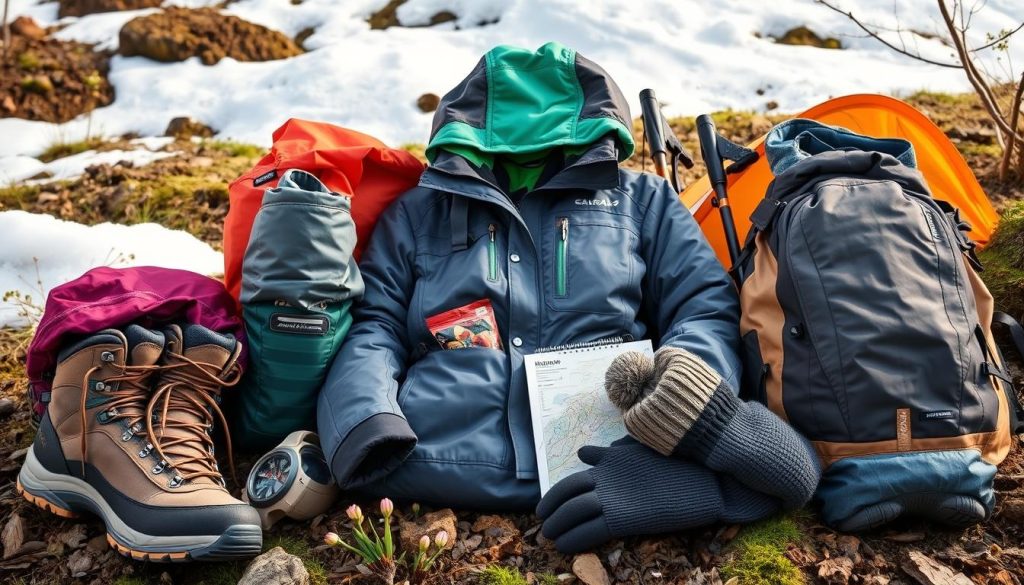
| Item | Recommendation | Purpose |
|---|---|---|
| Hiking Boots | Oboz Bridger | Comfort and grip |
| Backpack | REI Co-op Trail 25 Pack | Carrying essentials |
| Rain Jacket | Rainier Rain Jacket | Protection from showers |
| Insulated Jacket | Patagonia Nano Puff | Warmth at high elevations |
Pack plenty of water and sun protection, especially for desert hikes. With the right gear, you’ll be ready to explore beautiful spring trails. Enjoy family-friendly routes or tackle more challenging beginner trails with confidence.
Desert and Canyon Trails to Explore
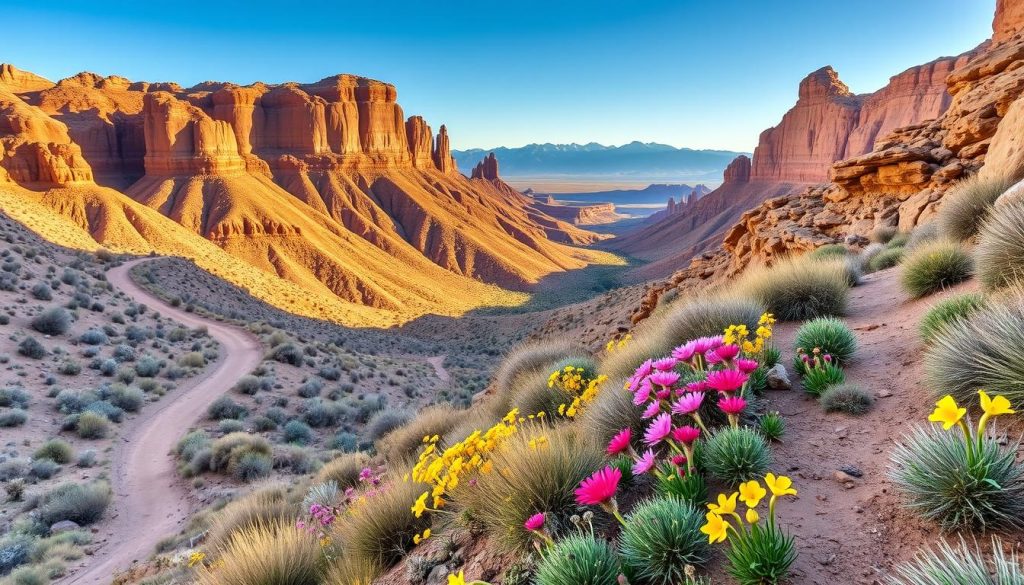
Spring hiking trails in desert and canyon areas are perfect in March. Temperatures are rising, but crowds are still manageable. Let’s discover top spots for your March hiking adventures.
Arches National Park Highlights
Arches National Park is stunning in March with temperatures between 34-60°F. The Delicate Arch trail offers breathtaking views of the park’s iconic formation. Hike early to avoid midday heat and capture beautiful photos in soft morning light.
Death Valley’s Scenic Routes
Death Valley National Park is ideal for March hikes before summer heat arrives. Temperatures range from 55-82°F, perfect for exploring key attractions. Visit Zabriskie Point and Artist’s Drive for unforgettable views.
Don’t miss Dante’s View for a panoramic vista of the park’s vast landscape.
Big Bend National Park Experiences
March is peak season at Big Bend National Park, with temperatures between 50-70°F. It’s bluebonnet bloom season, painting the landscape in vibrant colors. The park offers diverse hikes, from desert trails to mountain paths.
| Park | Temperature Range (°F) | Key Attractions |
|---|---|---|
| Arches National Park | 34-60 | Delicate Arch Trail |
| Death Valley National Park | 55-82 | Zabriskie Point, Artist’s Drive |
| Big Bend National Park | 50-70 | Bluebonnet blooms, diverse trails |
Start your hikes early to avoid crowds. March sees a 40% increase in early morning trail activity. Pack plenty of water and sun protection for these desert adventures.
With good planning, you’ll see these parks in their prime spring glory.
Coastal and Tropical March Destinations
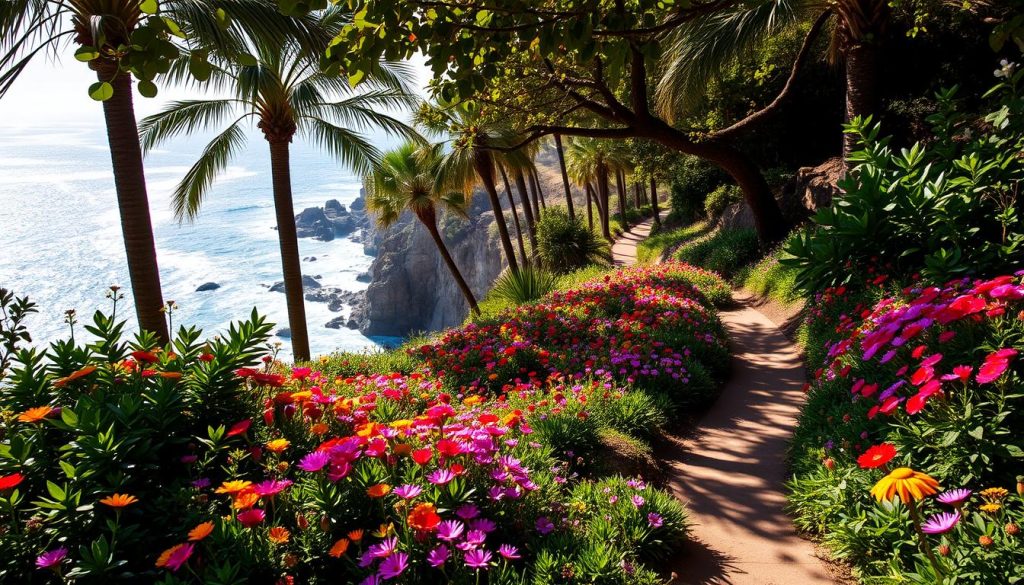
March is perfect for coastal and tropical getaways. The weather is pleasant, and crowds are sparse. You can enjoy nature trails and breathtaking views comfortably.
Biscayne National Park in Florida is a top pick. Temperatures range from 67-78°F, perfect for outdoor fun. Enjoy boat tours, kayaking through mangroves, or snorkeling in clear waters.
The park’s trails showcase diverse marine life and lush plants. You’ll see stunning natural beauty at every turn.
Dry Tortugas National Park is another Florida treasure. March brings calm seas and dry weather. Explore Fort Jefferson, a massive 19th-century fortress.
Swim in turquoise waters and take in Gulf of Mexico views. The park offers unforgettable panoramic vistas.
| Destination | March Temperature Range (°F) | Key Activities |
|---|---|---|
| Biscayne National Park | 67-78 | Boat tours, kayaking, snorkeling |
| Dry Tortugas National Park | 67-78 | Fort exploration, swimming, snorkeling |
| US Virgin Islands | 75-82 | Beach relaxation, hiking, water sports |
The US Virgin Islands offer a tropical paradise in March. Temperatures range from 75-82°F with little rain. Hike through lush forests or relax on pristine beaches.
Explore colorful coral reefs teeming with marine life. The islands boast scenic trails and viewpoints for nature lovers and photographers.
Mountain and Forest Spring Trails
Spring breathes new life into mountain and forest trails across the US. Melting snow and blooming wildflowers transform diverse landscapes. Hikers can explore alpine routes and lush woodlands on moderate difficulty trails.
Early Spring Alpine Routes
Rocky Mountain National Park is a hiker’s paradise. Its trails wind through alpine lakes and sweeping meadows. The park offers paths for various skill levels, including family-friendly routes.

Snowshoeing Opportunities
The Sierra Nevada range offers breathtaking snowy landscapes. Snowshoeing becomes popular as winter loosens its grip. It’s a unique way to experience mountains before the spring thaw.
Forest Trail Navigation
The Appalachian Trail comes alive in spring. It stretches over 3,524 kilometers from Georgia to Maine. The Great Smoky Mountains section is inviting with less snow and abundant blooming flora.
Consider these trail statistics for your spring hike:
- Average trail length: 3.6 miles
- 37.5% of trails are rated Very Easy
- 25% are classified as Easy or Intermediate
- Only 12.5% fall into the Advanced/Expert category
Check trail conditions before your hike. High-elevation paths may still have snow or mud. Carry proper gear and stay informed about weather changes. This ensures a safe and fun spring hiking adventure.
Wildlife and Wildflower Viewing Opportunities
Nature trails burst into life in March. Vibrant wildflowers bloom and wildlife stirs as winter fades. This season excites nature lovers with its colorful displays.
Peak Blooming Periods
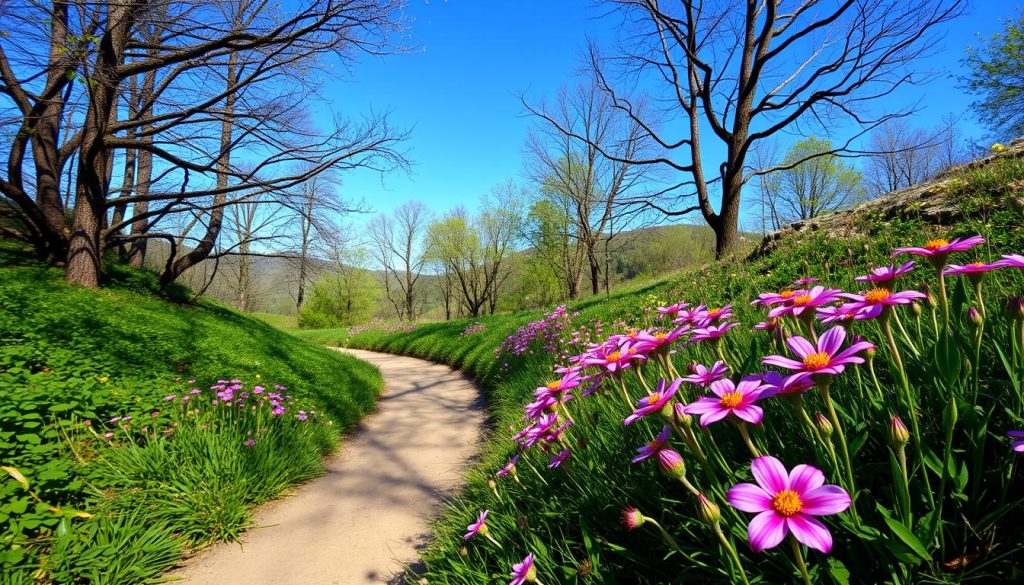
Spring paints trails with a rainbow of flowers. The Great Smoky Mountains National Park hosts over 1,500 flowering plant species. Mid-March through April marks peak wildflower blooms on these trails.
The Cove Hardwood Nature Trail, a short 3/4-mile loop, showcases stunning spring beauties and trilliums. It’s a must-see for flower enthusiasts.
Animal Migration Patterns
Wildlife becomes more active as temperatures rise. Many animals start their spring migrations, offering unique viewing chances. Look for returning birds and mammals waking from hibernation.
Photography Tips
Capture spring’s beauty with these photography tips:
- Use a macro lens for close-up shots of wildflowers
- Shoot during golden hour for soft, warm lighting
- Respect wildlife by using a zoom lens and maintaining distance
- Consider using a tripod for stability in low-light conditions
| Trail Name | Location | Notable Features |
|---|---|---|
| Deep Creek Trail | Great Smoky Mountains NP | Two waterfalls, crested dwarf iris |
| Little River Trail | Great Smoky Mountains NP | Spring beauties, trailing arbutus |
| Middle Prong Trail | Great Smoky Mountains NP | Foamflower, toothwort, 3 waterfalls |
Check park rules and get permits before your visit. Enjoy exploring these beautiful trails!
Best Time of Day for March Hiking
March kicks off the spring hiking season with unique opportunities. Choosing the right time can make your adventure more enjoyable. Let’s explore the best times for March trails.
Early mornings are perfect for March hikes. From 7 to 10 a.m., you’ll have high energy and cooler temperatures. This timing works well for desert trails, helping you avoid midday heat.
Mountain and forest paths warm up by midday. This makes them more comfortable for afternoon treks. For coastal hikes, consider tidal patterns when planning your outing.
Check local sunrise and sunset times. This ensures you finish your hike before dark. Weather can change quickly in mountains, so stay alert during your journey.
| Time of Day | Benefits | Considerations |
|---|---|---|
| Early Morning (7-10 AM) | Peak energy, cooler temps, fewer bugs | Best for desert trails |
| Midday | Warmer temperatures | Ideal for mountain/forest trails |
| Late Afternoon | Less crowded trails | Check sunset times |
For quieter trails, plan mid-week hikes. Tuesdays, Wednesdays, and Thursdays are usually less crowded. Saturday group hikes on popular trails might appeal to social hikers.
Always put safety first. Check weather forecasts, carry proper gear, and tell someone your plans. This ensures a safe and enjoyable hiking experience.
“The early bird catches the worm, and the early hiker catches the best trail conditions.”
Plan your March hikes thoughtfully. You’ll make the most of spring hiking and create lasting memories on the trails.
Conclusion
March hiking offers a mix of winter’s end and spring’s start. This month brings both challenges and rewards for hikers. Waterfalls like Multnomah Falls in Oregon and Yosemite Falls in California are spectacular now.
Some trails may still have snow, but lower paths are ready to explore. Ruby Falls in Tennessee and Bridal Veil Falls in Utah are great options. These spots show nature’s beauty as spring begins.
March weather can change quickly, so pack smart and check trail conditions. Snowshoe in Yosemite or visit Amicalola Falls, Georgia’s tallest waterfall. Enjoy the fresh air and first flowers with fewer crowds around.