The History of Soufrière, Saint Lucia Revealed
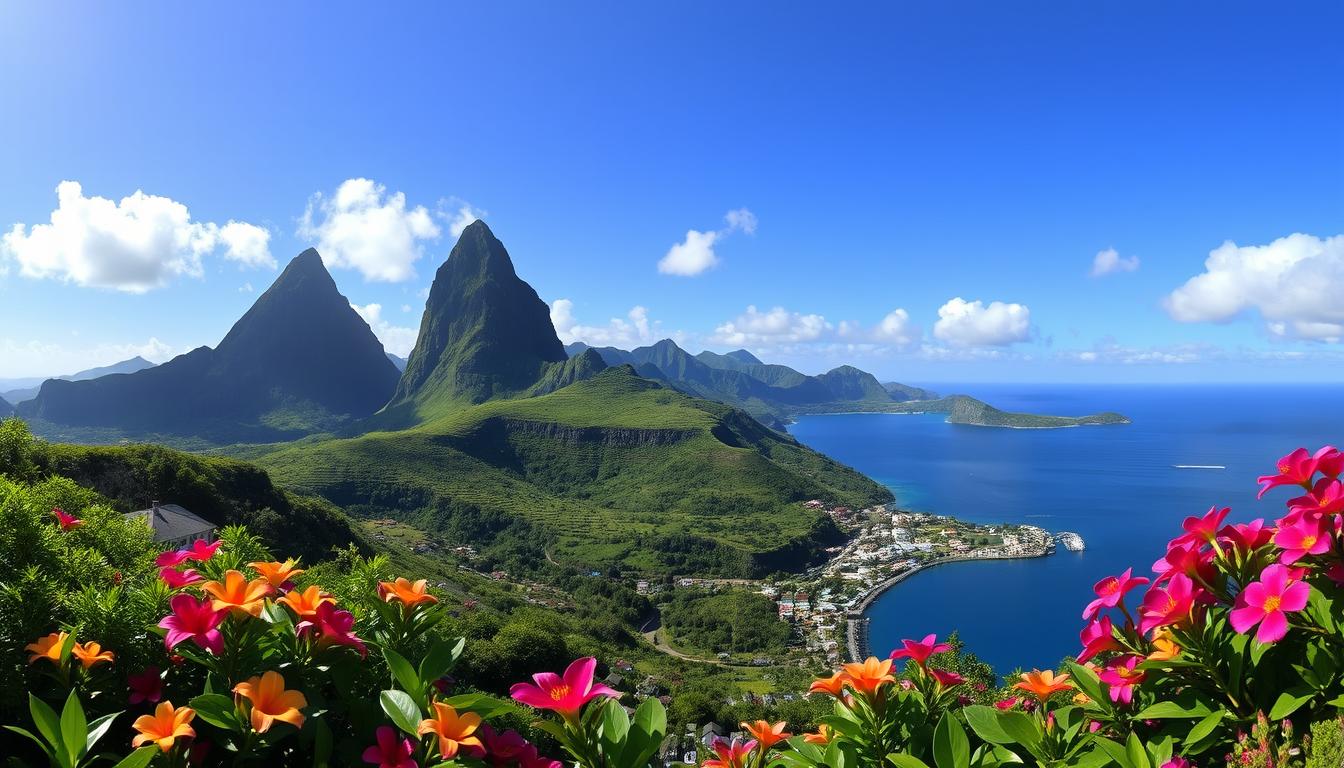
As you explore Soufrière, Saint Lucia, you might wonder about its history. This town is known for its rich culture and natural beauty. It’s a favorite spot for tourists and history buffs.
Soufrière is on the West Coast of Saint Lucia, in the eastern Caribbean Sea. It has a population of 7,935 and a history that goes back centuries. You can dive into the town’s significance, from its early days to its role in Saint Lucia’s history today.
Knowing Soufrière’s history is key to understanding its role in Saint Lucia. It has a mix of cultural influences and historical events. As you learn about its past, you’ll find out what makes Soufrière special in Saint Lucia’s history.
Early Origins of Soufrière and Its Indigenous Roots
Soufrière town’s history is filled with stories of the Arawak and Carib Indians. They were the first to call this place home. The Arawaks came around 2000 BC, and the Caribs took over in the 9th century.
The name “Soufrière” comes from the French word for “sulfur.” This shows the French influence that started in the 17th century. Sites like the Soufrière Estate, founded in 1713, highlight the town’s rich past.
Some important moments in Soufrière’s early days include:
- The Arawaks settling on the island around 2000 BC
- The Caribs displacing the Arawaks around the 9th century
- The French establishing a colony on the island in the 17th century
- The British sending 1,000 men to regain control of the island in the 17th century
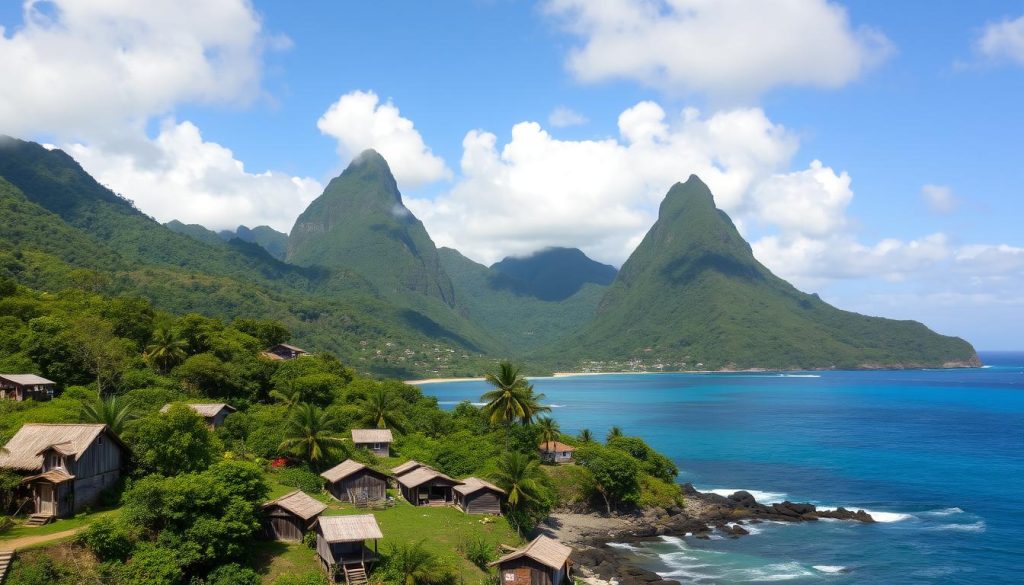
The history of Soufrière Saint Lucia is both complex and captivating. It’s shaped by many cultures. By visiting historical sites and learning about its past, visitors can truly appreciate the island’s cultural richness.
What is the History of Soufrière Saint Lucia? A Complete Timeline
Exploring Soufrière Saint Lucia’s history reveals a rich story spanning centuries. Its location on Saint Lucia’s west coast made it key for trade, culture, and tourism. To grasp Soufrière’s history, we must look at major events, cultural impacts, and key figures.
The town’s story is linked to the island’s indigenous people and European colonization. Soufrière Saint Lucia played a big role in the island’s economy, culture, and politics. Its history is also tied to Saint Lucia history, influenced by indigenous, European, and African interactions.
Key events in Soufrière’s history include:
- The French colonization and the town’s role as Saint Lucia’s first capital.
- The growth of the town’s economy, driven by sugar and agriculture.
- The effects of hurricanes on the town’s development and infrastructure.
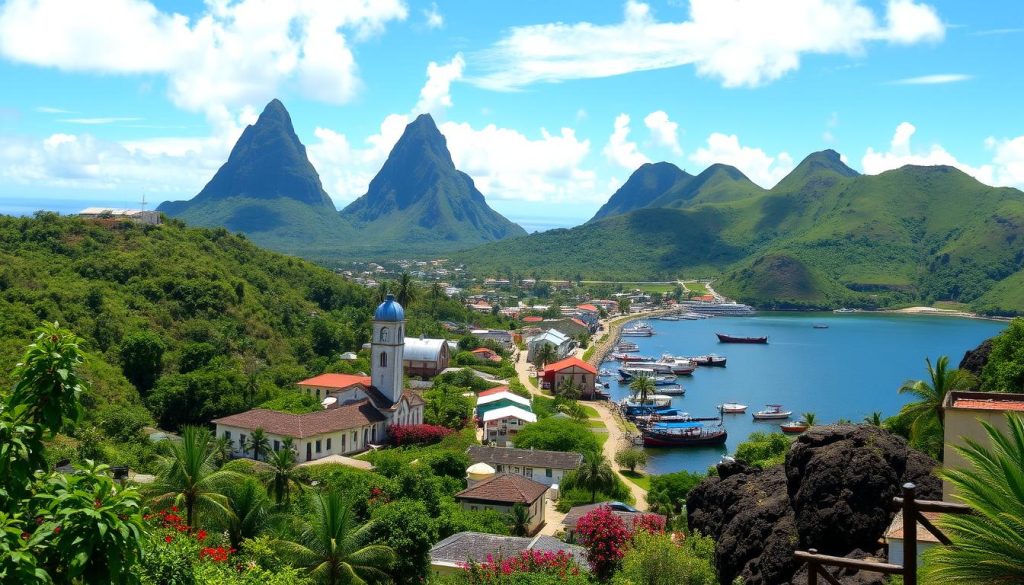
Now, Soufrière Saint Lucia is a top tourist spot, known for its beauty, history, and culture. Visitors can see historic sites like the Soufrière Estate and its famous mineral baths and Botanical Gardens. The town celebrates its history and culture through festivals and events, showing the mix of African, European, and indigenous influences.
| Year | Event | Significance |
|---|---|---|
| 1784 | Mineral baths commissioned by King Louis XVI | Establishment of the mineral baths as a tourist attraction |
| 1983 | Joan du Boulay takes over management of Soufrière Estate | Enhancement of the estate’s appeal as a tourism destination |
| 2004 | Soufrière designated as a UNESCO World Heritage Site | Recognition of the town’s cultural and historical significance |
French Colonial Period and Settlement Development
The French colonial period greatly influenced Soufrière town history. The first European settlers arrived in 1746. Their descendants still live there today. The French built large estates, like the Soufrière Estate, in 1713.
The French culture is evident in Soufrière’s architecture, food, and traditions. Soufrière historical sites, like the Soufrière Estate, show the town’s rich history. This mix of French and Caribbean culture makes Soufrière’s culture unique.
Key features of Soufrière’s French colonial period include:
- Establishment of large estates and plantations
- Influence of French culture on the town’s architecture, cuisine, and customs
- Development of the town’s infrastructure, including roads and buildings
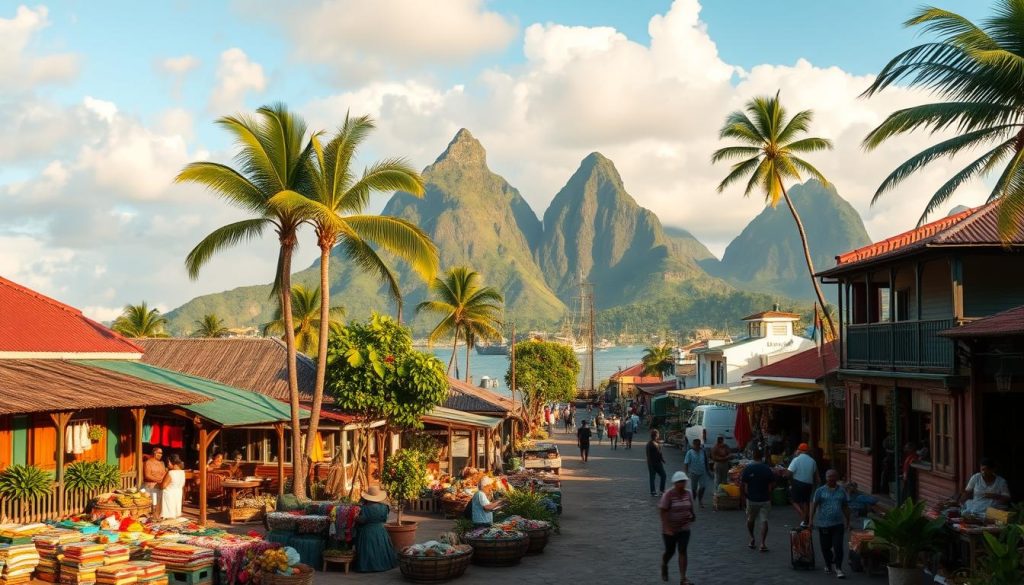
The French colonial period deeply shaped Soufrière. It influenced the town’s history, culture, and architecture. Today, visitors can explore Soufrière historical sites and experience the town’s unique Soufrière culture.
| Year | Event |
|---|---|
| 1713 | Establishment of the Soufrière Estate |
| 1746 | Founding of the first European settlements in Soufrière |
British Rule and Its Impact on Soufrière
The British invasion in 1803 was a big change for Soufrière Saint Lucia. British rule greatly influenced the town’s culture, economy, and politics. It also introduced new architectural styles, mixing with French ones to create a unique look.
The Church of the Assumption is a great example of this mix. You can see the distinctive styles in the town center. This blend is a key part of Soufrière’s identity. The British also brought new systems for government, education, and economy, leaving a lasting mark.
Some key aspects of British rule in Soufrière include:
- Introduction of English as a primary language
- Establishment of a new system of government
- Development of infrastructure, such as roads and buildings
- Promotion of trade and commerce
Today, visiting Soufrière historical sites shows the British rule’s impact. The town’s rich history, including its Saint Lucia history, tells a complex and fascinating story.
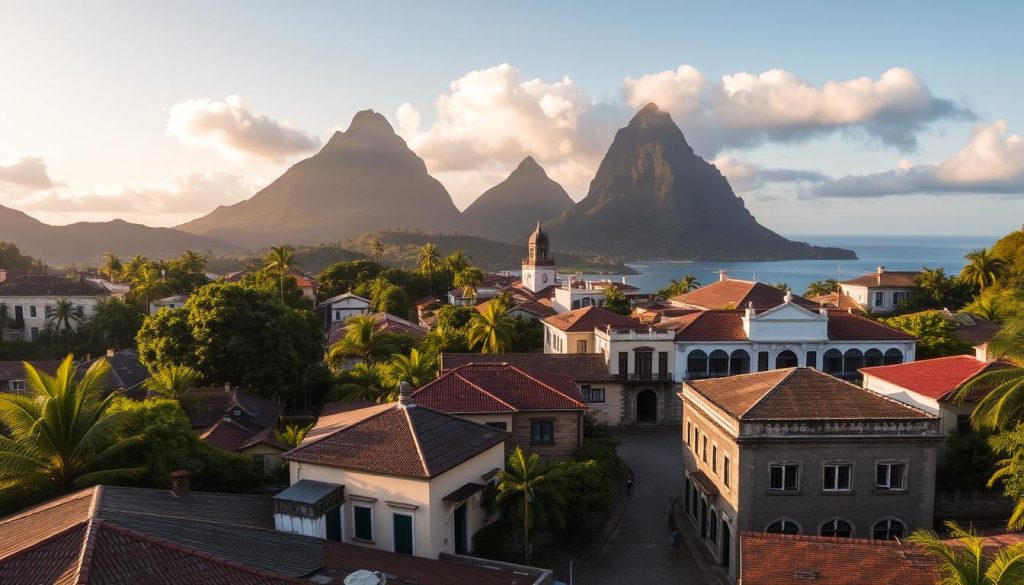
The British rule may have ended, but its legacy lives on in Soufrière. By exploring Soufrière’s history, you can understand its cultural heritage and its role in Saint Lucia’s history.
| Historical Site | Year Built | Architectural Style |
|---|---|---|
| Church of the Assumption | 18th century | French and British influences |
| Fond Doux Estate | 19th century | British colonial style |
| Diamond Estate | 18th century | French and British influences |
The Volcanic Heritage of Soufrière
Soufrière boasts some of the most stunning landmarks, like the iconic Pitons. These twin volcanic peaks, Gros Piton and Petit Piton, are about 200,000 to 300,000 years old. They are a key part of Soufrière’s attractions and a UNESCO World Heritage Site.
The Pitons are not just beautiful; they are also home to many plants. Gros Piton has 148 plant species, and Petit Piton has 97. The Pitons Management Area covers over 1,900 hectares. It protects ecosystems and rare bird species, impacting local development positively.
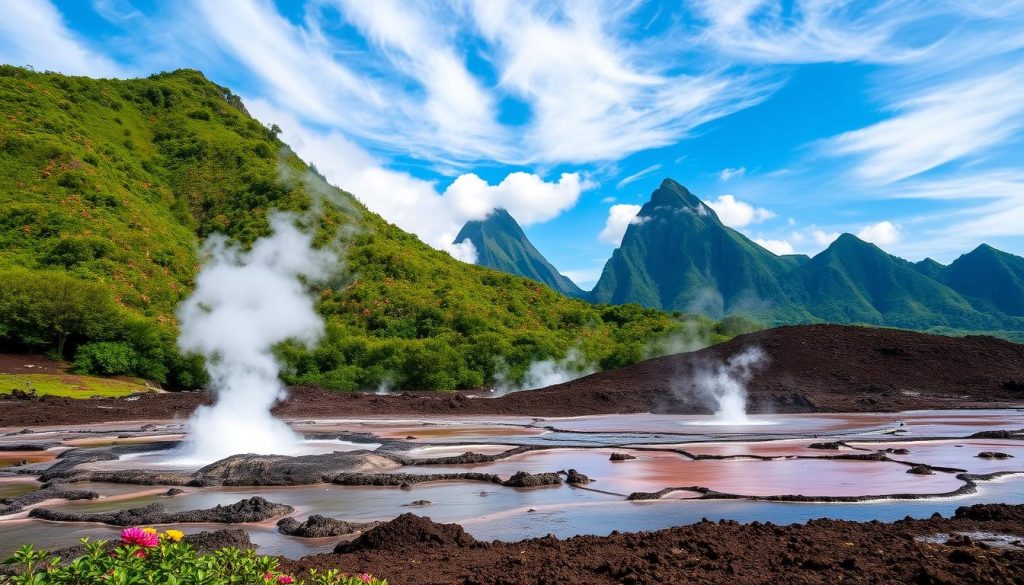
Exploring Soufrière reveals how its volcanic heritage has influenced its economy and culture. The area’s natural beauty, vibrant culture, and history make it a must-see. Whether you love hiking, birdwatching, or just enjoying the views, Soufrière is perfect for all travelers.
Cultural Evolution and Heritage Sites
Exploring Soufrière reveals a mix of Soufrière culture, influenced by French, British, and African traditions. The town’s Soufrière historical sites show its rich past. Places like the Sulphur Springs and the Pitons, a UNESCO World Heritage Site, draw visitors worldwide.
The culture of Soufrière is seen in its buildings, food, and customs. Visit sites like St. Mark’s Church and the Diamond Estate to see the town’s history. Soufrière’s hotels and resorts also show its dedication to nature.
Key parts of Soufrière’s culture include:
- Colonial architecture and historical landmarks
- Traditional cuisine, with a mix of local and international tastes
- Eco-tourism and conservation, showing off the town’s unique wildlife
- Cultural events and festivals, celebrating the town’s history and heritage
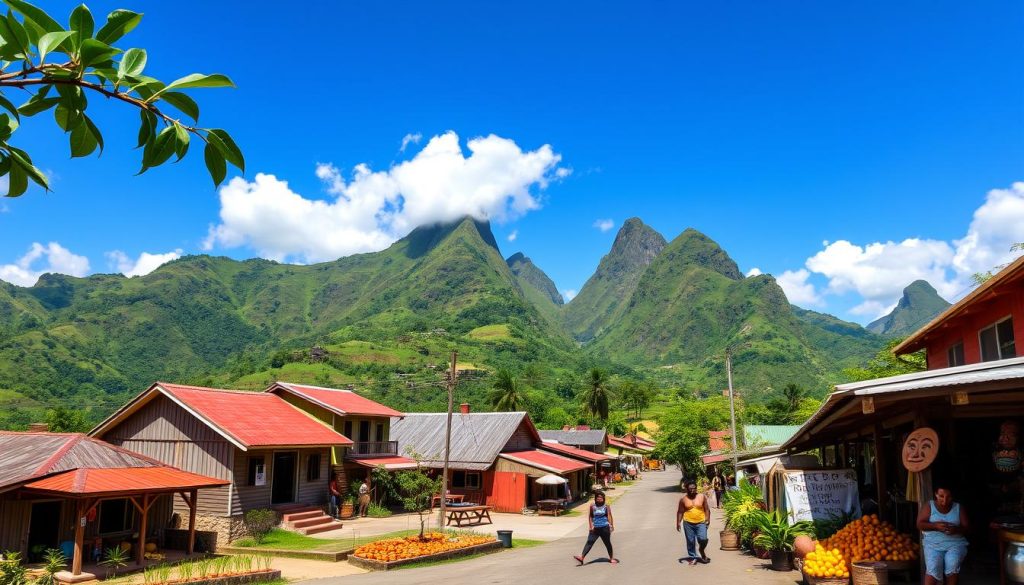
The table below shows some important facts about Soufrière’s culture and heritage sites:
| Heritage Site | Year Established | Significance |
|---|---|---|
| Sulphur Springs | 18th century | Natural wonder and tourist attraction |
| Pitons | UNESCO World Heritage Site | Unique biodiversity and ecological significance |
| St. Mark’s Church | Colonial era | Historical landmark and cultural significance |
By exploring Soufrière’s culture and heritage sites, you’ll learn more about its history. This knowledge is key to understanding Soufrière tourism and Soufrière historical sites.
Plantation Era and Economic Development
Exploring Soufrière town history reveals the plantation era’s big role in the local economy. The sugar industry greatly influenced the town’s growth. Many Soufrière historical sites remain today, showing this era’s impact.
The Soufrière economy thrived mainly from sugar production. This led to the rise of trade and commerce. These sectors helped the town’s economy grow.
Some key facts about the plantation era and its impact on the Soufrière economy include:
- The sugar industry was the main driver of the town’s economy during the 18th and 19th centuries.
- The town’s strategic location made it an ideal hub for trade and commerce.
- The plantation era led to the growth of other industries, such as manufacturing and services.
Today, the Soufrière economy is more varied. It focuses on tourism, agriculture, and services. Yet, the plantation era’s legacy is still visible in the town’s architecture, culture, and customs. This makes Soufrière a unique and captivating place to visit.
| Industry | Contribution to Economy |
|---|---|
| Sugar | Major driver of economy during 18th and 19th centuries |
| Tourism | Significant contributor to economy today |
| Agriculture | Important sector, with focus on crops such as bananas and coconuts |
Architectural Legacy and Historic Landmarks
Exploring Soufrière reveals a wealth of historic landmarks. The Soufrière Estate and Diamond Botanical Gardens are among the Soufrière landmarks that draw visitors worldwide. These sites offer a peek into the town’s history and blend natural beauty with historical significance.
The Sulphur Springs, Toraille Waterfall, and Morne Coubaril Estate are key Soufrière attractions. They are filled with history and give insight into the town’s colonial past. The Soufrière historical sites highlight the town’s role in colonial battles between the French and British.
Here are some top Soufrière landmarks to see:
- Soufrière Estate
- Diamond Botanical Gardens
- Sulphur Springs
- Toraille Waterfall
- Morne Coubaril Estate
These Soufrière attractions are essential for history, culture, and nature lovers. Their rich history and breathtaking views make them key parts of Soufrière’s identity. Whether you’re into history or just want to see the area’s beauty, Soufrière has something for everyone.
| Landmark | Description |
|---|---|
| Soufrière Estate | A historic estate that showcases the town’s colonial past |
| Diamond Botanical Gardens | A beautiful garden featuring a stunning array of flora and fauna |
| Sulphur Springs | A natural wonder that showcases the town’s unique geology |
Modern Soufrière and Tourism Development
Soufrière, a town on the island of Saint Lucia, has seen big changes lately. It’s all about Soufrière tourism now. The town’s special culture and nature make it a hit with visitors.
The Pitons, a UNESCO World Heritage Site, pull in tourists. The town’s Soufrière attractions also include Sulphur Springs and Diamond Falls. The local Soufrière culture is a mix of African, European, and Caribbean influences.
Modern Soufrière has a lot to offer:
- UNESCO World Heritage status, showing the town’s cultural and natural value
- Contemporary culture, with a lively arts and music scene
- Tourist attractions, like Sulphur Springs and Diamond Falls
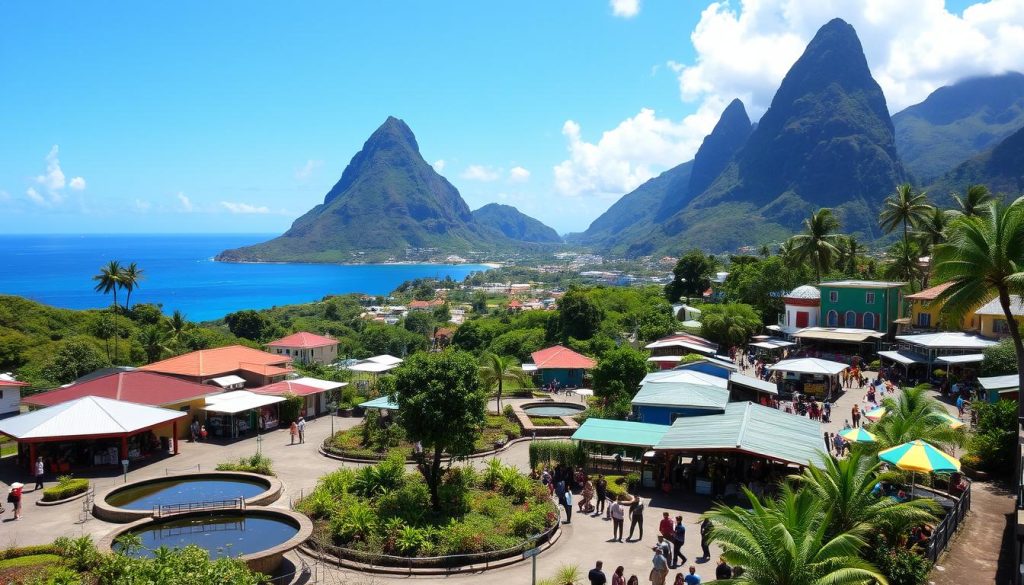
Today, Soufrière is a mix of natural beauty, cultural richness, and tourist spots. It’s a great place for those into Soufrière tourism and wanting to see the local Soufrière culture.
| Attraction | Description |
|---|---|
| Sulphur Springs | A geothermal attraction and one of the town’s most popular tourist spots |
| Diamond Falls | A beautiful waterfall and a popular spot for hiking and nature walks |
Natural Disasters and Community Resilience
Exploring Soufrière Saint Lucia’s history shows how natural disasters have shaped the town. Hurricanes and earthquakes have made the community strong. This is a big part of Saint Lucia history.
The town’s infrastructure and economy show the effects of these disasters. For example, the 2021 La Soufrière volcano eruption was very damaging. It displaced thousands and caused over $234 million in damage.
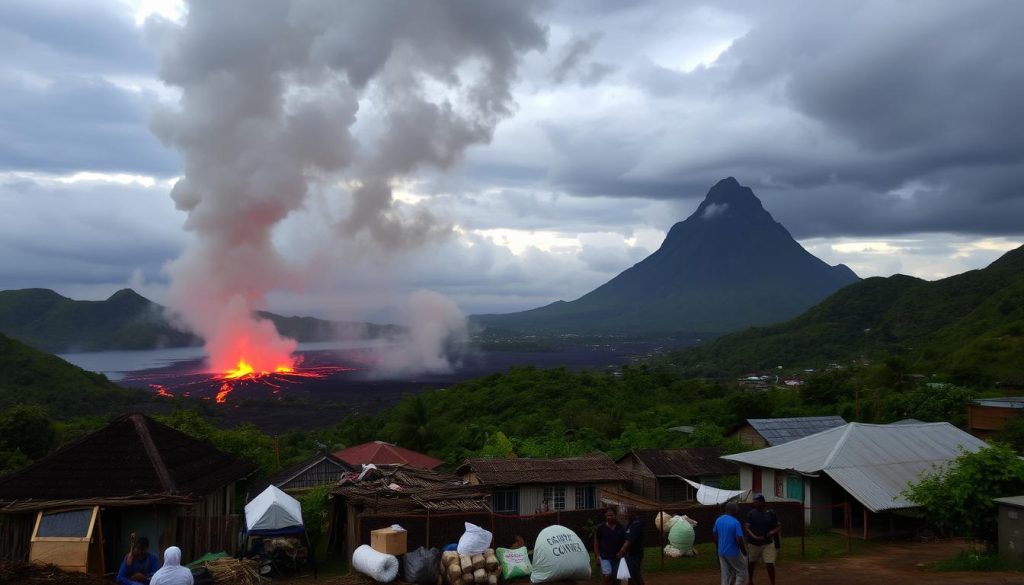
Despite these challenges, the community is very resilient. People have come together to support each other. The government has also taken steps to help.
One example is Saint Lucia’s National Adaptation Plan (NAP). It’s a ten-year plan to make the country less vulnerable to disasters. It focuses on eight key areas, including Water, Agriculture, and Tourism.
Some key parts of the NAP include:
- Prioritizing adaptation measures in key sectors
- Developing sectoral adaptation strategy plans for Water, Agriculture, and Fisheries
- Providing technical and financial support to communities affected by natural disasters
The people of Soufrière Saint Lucia are incredibly strong. As you learn more about Soufrière town history and Saint Lucia history, you’ll see how they adapt and thrive.
Conclusion: Preserving Soufrière’s Rich Historical Legacy
The history of Soufrière, Saint Lucia, is a mix of different cultures and amazing landscapes. This small town is full of historical sites that show its long past. From the French colonial buildings to the Soufrière culture based on the island’s original people, keeping this history alive is key for its future.
By working together on conservation and tourism, Soufrière’s story can stay alive for all to see. It can attract more visitors, make the community proud, and make Soufrière a top spot for history lovers.