
10 Hidden Fees to Watch Out for When Booking Flights and Hotels
Hidden fees can really add to your travel costs. When you find what seems like a deal on flights and hotels, be cautious.
There are many hidden charges that can turn an affordable trip pricey. These costs, popping up during booking, surprise many and can spoil your budget plans.
Airline and hotel fees can change and might not be clearly shown upfront. The real cost of travel is more than the initial price.
Airlines and hotels make a lot of money from extra charges. It’s important for smart travelers to know about these hidden fees.
Did you know hotels make over $1 billion a year from them? Or that cleaning fees for places to stay can cost more than the stay itself?
Don’t let hidden fees surprise you and hurt your wallet. Explore our guide to learn what to look out for. This way, you can avoid those extra costs.
Introduction: Don’t Let Sneaky Fees Drain Your Travel Budget
Traveling is fun, but hidden fees can ruin it. Knowing these costs saves your budget and makes trips worry-free. We’ll explore how to become a smart traveler.
The True Cost of Travel: Beyond the Sticker Price
When we book flights and hotels, we often miss hidden travel fees. Consumer Reports found that Americans lose about $946 every year to these. It’s a big issue, with over $100 billion lost annually to unexpected charges.
Airline Fees: Low-cost carriers charge extra for bags, seats, and meals. In 2022, they earned about $102.8 billion from these fees.
Becoming a Savvy Traveler: Awareness is Key
To dodge extra costs and be smart, look at the full price of bookings. Start by spotting hidden fees. This way, you can choose wisely and keep your travel budgeting in check.
| Common Hidden Fees | Strategies to Avoid |
|---|---|
| Airline Baggage Fees | Check airline rules and pack light to save money. |
| Resort Fees | Find out hotel fees before booking and ask about hidden costs. |
| Wi-Fi Charges | Choose places with free Wi-Fi or get a portable hotspot. |
By focusing on total costs, you can safeguard your budget and enjoy your travels. These savvy traveler tips aid in escaping hidden fees. They let you travel smarter and save more money.
1. Baggage Fees: The Ever-Changing Landscape of Luggage Costs
Airline baggage fees have seen a lot of changes, turning into a big part of travel costs. Airlines have changed their price models to make more money from these fees. This has changed how baggage costs affect travelers.
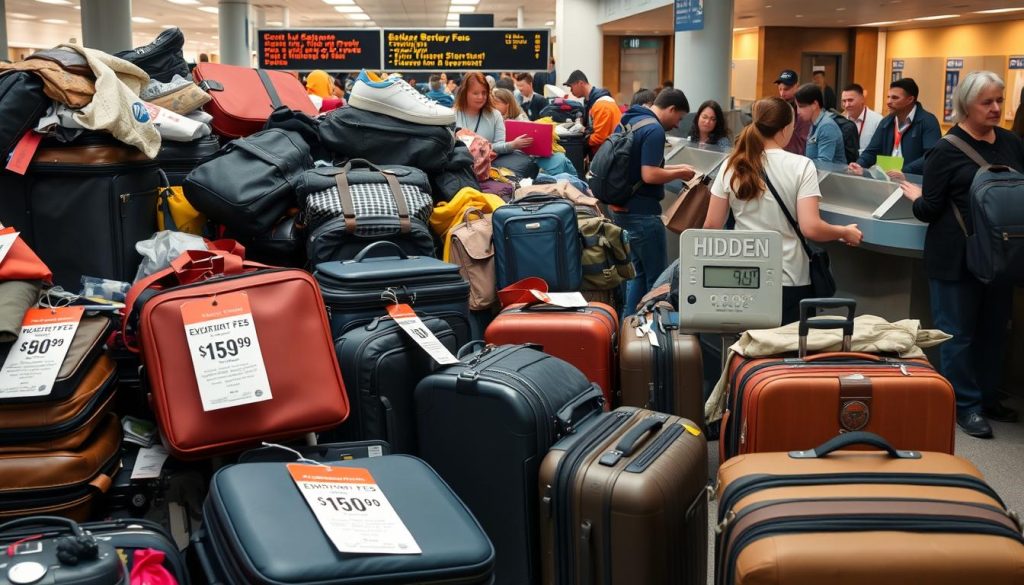
Understanding Airline Baggage Policies (Weight Limits, Dimensions, Number of Bags)
In 2008, major U.S. airlines started charging for checked bags. The fee has gone up from $15 to about $30-$35 per bag. This has made passengers pay $6.8 billion in baggage fees in 2022. This is a 17% increase since 2019. Southwest Airlines still offers two free checked bags. Most international airlines, like Qatar Airways and Emirates, also offer free baggage allowances.
Traveling with just a personal item or carry-on can help save money. But, it’s important to know the airline’s limits on weight and size to avoid extra charges.
Strategies for Avoiding or Minimizing Baggage Fees
There are ways to save on baggage fees:
- Combine suitcases: For a family of four, putting luggage together can cut costs in half.
- Traveling light: Use personal items and carry-ons to dodge checked baggage fees.
- Upgrade tickets: Higher-level tickets often come with baggage allowances and perks.
- Add bags early: Adding checked bags when booking can be cheaper than adding them later.
- Use a luggage scale: This ensures bags don’t go over weight limits, avoiding extra fees.
- Use credit cards: Some, especially those from airlines, give free checked bags as a benefit.
- Join frequent flyer programs: They often have baggage benefits that lower costs.
The costs for overweight bags and extra bags have jumped a lot. For example, there’s a 500% increase in fees for bags over 51 pounds. The cost of a second bag has also gone up by 114.29% since April 2023.
| Airline | First Checked Bag | Second Checked Bag | Overweight Bag Fee |
|---|---|---|---|
| American Airlines | $30 | $40 | $150 |
| Delta Airlines | $30 | $40 | $150 |
| Southwest Airlines | Free | Free | $75 |
| United Airlines | $35 | $45 | $150 |
To avoid high baggage fees, plan carefully. Knowing the rules and taking steps early will make travel smoother without surprises.
2. Resort Fees: The “Unwelcome Surprise” at Hotels
Hotel resort fees are often a hidden surprise. They can be a few dollars or more than $50 per night. These fees cover things like Wi-Fi, pool, and gym. But, they’re added late in the booking process, surprising many guests.
What Resort Fees Typically Cover (and Why They’re Often Controversial)
Resort fees pay for various amenities. Sometimes, you might not use these services during your stay. A few examples include:
- Wi-Fi access: As seen with hotels like Kimpton’s Surfcomber, which charges $10 plus tax per night.
- Pool access: Providing entry to pools and cabanas.
- Fitness center access: Use of the hotel gym facilities.
- Shuttle services: Transportation to nearby attractions.
- Daily newspaper: Typically provided even if you don’t read it.
These fees are controversial because they surprise guests. A hotel in Las Vegas might show a room rate of $26 then add a $34 resort fee. Adding fees at the last moment can seem deceptive. This practice has upset many travelers and caught the attention of regulators. The District of Columbia Attorney General Karl Racine and 47 states’ attorneys general are pushing for clearer fee disclosures.
How to Identify and Potentially Avoid Resort Fees
Here are some tips to avoid hidden hotel charges:
- Research Before Booking: Check your booking for hidden fees.
- Use Hotel Points: Some hotels don’t charge resort fees if you use loyalty points.
- Ask for Waivers: At check-in, ask the desk to remove resort fees if you won’t use the amenities.
- Book Directly: Hotels’ websites may have clearer pricing than third-party sites.
- Comparison Shop: Look at total costs before booking, not just room rates.
Becoming a savvy traveler helps avoid hidden fees. With hotel extra charges rising by 26% yearly, being alert can prevent surprises. Knowing these tips makes for a better booking experience.
3. Seat Selection Fees: Paying Extra for Your Preferred Spot on the Plane
Flying can be expensive because of hidden fees. One surprise fee is for choosing a seat. Knowing airline seat policies and managing travel expenses well helps choose better, saving money.
Airline Seat Selection Policies: What You Need to Know
Seat selection fees are not the same for all airlines. NerdWallet found that Alaska and Hawaiian Airlines have low fees. Frontier and Spirit charge a lot.
Alaska, Hawaiian, JetBlue, and United keep fees low, under $10. But Delta, American, Spirit, and Frontier ask for more, over $15. Southwest Airlines is unique. They don’t even allow picking seats, avoiding seat selection fees completely.

Checking in 24 hours before your flight works well for sitting with buddies. Without selecting a seat, you might get upgraded for free. It’s exciting when you land great seats at no extra cost.
Is It Worth Paying for Seat Selection?
Deciding to pay for seat selection is personal. It makes sense if sitting with loved ones or getting a specific seat matters to you. Yet, smart travelers often skip the fee. They use early check-in or swap seats with others on the plane.
Seat selection usually costs between $10 and $30 for each part of your trip. This is how airlines make more money. To some, it’s just a way for the airline to earn more. Others see it as a chance to manage travel costs smarter.
Not choosing a seat could mean a better seat without extra fees. People often enjoy good seats without paying on many flights. They check in early or talk to others on the flight.
Recommendation: Look at a detailed table of seat fees by airline. It helps choose based on what you like and can afford.
| Airline | Seat Selection Fee |
|---|---|
| Alaska Airlines | Less than $10 per leg |
| Hawaiian Airlines | Less than $10 per leg |
| JetBlue | Less than $10 per leg |
| United Airlines | Less than $10 per leg |
| Delta Airlines | $15+ per leg |
| American Airlines | $15+ per leg |
| Spirit Airlines | $15+ per leg |
| Frontier Airlines | $15+ per leg |
| Southwest Airlines | No Seat Selection Fee |
4. Wi-Fi Charges: The High Cost of Staying Connected
Staying connected at hotels can come with surprising costs. Many travelers are upset by Wi-Fi fees. These fees can make staying somewhere more expensive. Knowing about these charges can help you plan your travel budget better.
Hotel Wi-Fi Fees: A Common Gripe
It’s becoming more common for hotels to charge for Wi-Fi. These fees can quickly increase, especially for long stays. The average home internet cost is about $63 per month. But, daily charges at hotels can be just as high.
Thankfully, there are ways to cut down on Wi-Fi costs when traveling. Joining hotel loyalty programs can get you free Wi-Fi. For example, Hilton Honors and Marriott Bonvoy offer free internet to members. Looking into different hotel chains’ loyalty programs can help you reduce these fees.
Strategies for Finding Free or Affordable Wi-Fi While Traveling
Another way to avoid Wi-Fi charges is to choose hotels that include free Wi-Fi. Budget hotels often do this to attract guests, which can save you money. Also, local cafes and public places often have free internet. These can be great alternatives.
If you travel a lot, consider getting a portable Wi-Fi device or an international SIM card. These options are reliable and can be less expensive than hotel internet fees.
High Wi-Fi fees don’t have to spoil your trips. By planning ahead and using discounts, you can stay connected without spending too much.
5. Early Check-In/Late Check-Out Fees: Penalties for Time Flexibility
Flexibility with your travel schedule might lead to extra costs. These come from early check-in fees or late check-out charges. Knowing hotel policies well and learning to negotiate can save you both headaches and money.

Hotel Policies on Early Check-In and Late Check-Out
Hotels usually let you check in around 3:00 p.m. If you get there early, you may have to pay extra. Leaving after the normal check-out time, often 11:00 a.m., can result in fees too. Big hotels with all-day front desks tend to handle late check-ins better. Smaller places might be stricter due to fewer staff.
How to Negotiate (or Avoid) These Fees
Talking openly with your hotel can help dodge fees. If early and your room isn’t ready, see if they’ll hold your bags at no cost. If you need more time before leaving, ask nicely. Sometimes they say yes, depending on their schedule and room availability. You might even skip extra charges if the hotel isn’t fully booked.
- Request early check-in or late check-out when you book
- Inquire about free luggage storage options if arriving early
- Ask about the hotel’s policy during off-peak times
- Be aware that some boutique hotels may charge nearly the cost of one night’s lodging for late check-ins
- Larger hotels generally have more flexibility with time, so consider booking with them
- Discuss openly with your host to know if flexibility can be offered
Being informed about potential fees and how to handle them makes for easier check-ins and check-outs. This lets you enjoy your trip without extra costs.
| Hotel Type | Early Check-In Flexibility | Late Check-Out Flexibility |
|---|---|---|
| Large Chain Hotels | Often available, sometimes with a fee | Available, with potential for a fee |
| Boutique Hotels | Limited due to staff logistics | Usually very limited, often expensive |
| Inns & Bed and Breakfasts | Highly variable based on individual policies | Limited and often a significant charge |
6. Booking Fees: The Hidden Cost of Using Third-Party Sites
When planning your trip, choosing between booking directly or through Online Travel Agencies (OTAs) is key. Hidden costs in online booking, especially third-party fees, can really affect your budget. These fees may not be obvious from the start.

Comparing Prices: Direct Booking vs. Online Travel Agencies (OTAs)
Booking directly with airlines and hotels can save you money by avoiding third-party fees. Studies indicate that booking flights directly can be up to 15% cheaper. This is because you avoid the hidden fees and extra charges that third-party sites add.
There are big perks to loyalty benefits too. Booking directly means you could earn 20% more loyalty points or miles. This makes it easier to reach elite status and enjoy special rewards. Also, if you need to cancel, you have a 40% better chance of a full refund with direct bookings. Third-party sites often have stricter rules, making refunds harder.
Let’s look at direct bookings versus OTAs:
| Aspect | Direct Booking | OTAs |
|---|---|---|
| Cost Savings | Up to 15% lower | Includes hidden fees |
| Loyalty Benefits | 20% more loyalty points | Fewer benefits |
| Refund Success | Up to 40% higher | More restrictive policies |
| Customer Service | 25% more likely for timely assistance | Higher likelihood of issues |
| Ancillary Fees | Bundled or discounted | $10-$50 higher on average |
When Booking Through a Third Party Might Still Make Sense
In some cases, it might be better to book through an OTA. These sites let you easily compare prices across different airlines and hotels. Also, they sometimes have special deals or packages you won’t find anywhere else. For last-minute travels or unique vacation bundles, OTAs can offer great savings and convenience.
7. Cancellation Fees: Understanding the Fine Print
It’s crucial to know about cancellation fees when planning your travel. Airlines and hotels have their own confusing policies. Not understanding these can lead to unexpected charges. We’ll go through the rules and offer advice to help you avoid these fees.
Airline and Hotel Cancellation Policies: A Wide Range of Rules
The cancellation policies of airlines and hotels can be very different. Some may charge big fees for changes or cancelling. Others might let you book more flexibly, but this often costs more. Here are some things to consider:
- Automatic renewal clauses: These can cause surprise charges by extending your booking unless you cancel in time.
- Early termination fees: Sometimes, ending a booking early can cost as much as the whole trip.
- Indemnity clauses: These require you to pay for any damages, which can get expensive if not capped.
Tips for Avoiding or Minimizing Cancellation Penalties
To dodge high cancellation fees, you need to plan carefully and make wise decisions. Here are some useful tips:
- Choose booking options with flexibility, even if it means paying a bit more. These often let you change or cancel without large fees.
- Always read the fine print before you book. Check for any conditions about cancelling, rescheduling, and hidden charges.
- Buying travel insurance for cancellations might be a good idea. It’s especially useful for costly trips or when plans are uncertain.
Knowing these policies and preparing can keep you from paying extra cancellation fees. By choosing flexible options and heeding these tips, your travel will be smoother and less expensive.
8. “Free” Breakfast Fees: When It’s Not Really Included
“Breakfast included” might not always mean free. Many travelers think it means a free morning meal. Yet, hidden fees for breakfast often catch guests by surprise at checkout. This issue mainly comes from hotels not being clear about their breakfast policies. To avoid unexpected charges, make sure you fully understand what the hotel offers.

Reading the Fine Print: What Does “Breakfast Included” Really Mean?
Looking closely at the fine print is key when a hotel says “breakfast included.” Certain brands like Best Western and Hampton by Hilton truly provide a free breakfast to everyone. But, some chains like Marriott and IHG only include breakfast for special members or with certain packages. Being aware of the details can help avoid extra costs and save on meals while traveling.
Alternatives to Overpriced Hotel Breakfasts
Hotel breakfasts can be pricey. For instance, Viceroy Santa Monica may charge $21-$23 for each breakfast item. Added taxes and tips can push the cost over $400 a week for two. Instead, looking into local cafes or markets can save you money. Places like Erewhon in Venice offer cheap and healthy choices. Choosing local spots not only saves money but also lets you enjoy local flavors.
| Hotel Brand | Complimentary Breakfast | Details |
|---|---|---|
| Best Western | Yes | Includes pre-packaged or homemade items like sandwiches and pastries |
| Marriott | Varies | Free for Residence, SpringHill, Fairfield, and TownePlace. Packages or elite status needed at other brands |
| Hilton | Yes | Complimentary breakfast at Embassy Suites, Hampton, Homewood, and Home2 Suites |
| Radisson | Yes | Hot breakfast at Country Inn & Suites; available for Platinum members at other brands |
| IHG | Varies | Free breakfast at Holiday Inn Express, Avid Hotels, and Staybridge Suites |
| Choice Hotels | Yes | Free hot breakfast for all guests at Comfort Suites, Quality Inn, and Comfort Inn |
| Hyatt | Varies | Complimentary at Hyatt House, Hyatt Place, Hyatt Zilara, and Hyatt Ziva |
| Wyndham | Yes | Free breakfast with most standard reservations, breakfast packages available |
9. Foreign Transaction Fees: The Hidden Cost of Using Your Credit Card Abroad
When you travel abroad, every purchase and withdrawal can cost a bit more because of foreign transaction fees. It’s important to understand these fees. Choosing travel credit cards without these fees can save a lot of money when you’re managing money overseas.
Understanding How Foreign Transaction Fees Work
These fees are common when you buy something in another country, take out money at foreign ATMs, or change money. They usually range from 2% to 3% on international purchases with credit cards. Visa, MasterCard, and Discover pass these fees to the consumer through the bank.
The cost of converting currency can change because of the market and economy. Big banks may offer better rates than airport or kiosk exchanges. Yet, some have daily limits on how much you can withdraw abroad. Using international ATMs might lead to extra fees. Plus, credit card withdrawals could have cash advance fees and interest.
Choosing a Credit Card with No Foreign Transaction Fees
Travel credit cards without foreign transaction fees are great for frequent travelers. Such cards let you manage money abroad without extra fees. Make sure to apply for these cards well before your trip to enjoy their benefits.
The SumUp Air Lite Card Reader is an option worth considering. It charges 3.25% + $0.15 for each transaction from foreign cards. EMV chip cards offer more security than magnetic stripe cards and are used in over 130 countries. Digital Wallets keep your travel cards, rewards, and tickets safe and easy to access. They use security like encryption and fingerprints or facial recognition.
10. Dynamic Pricing: How Prices Change Based on Demand
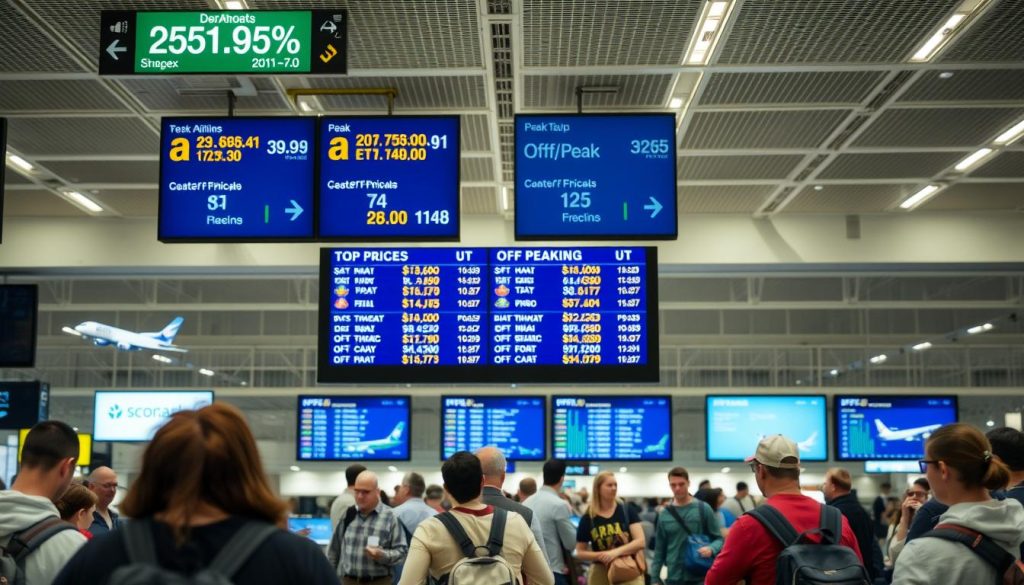
Dynamic pricing is when retailers and travel companies change prices based on demand. They do this to manage their stock better, make more money, and offer special deals. Let’s look at how dynamic pricing can change travel costs and how you can find better deals.
The Algorithms Behind Flight and Hotel Pricing
It’s key to know how travel prices work when you’re planning a trip. Airlines and hotels change their prices often. They use special formulas based on:
- Market demand
- Competitors’ pricing
- Inventory levels
- Time until you leave or check in
Websites like Expedia change flight prices to fill seats, and Amazon changes prices based on what shoppers do. By keeping an eye on these things, businesses can make more money.
Strategies for Finding the Best Deals Despite Dynamic Pricing
There are smart ways to handle dynamic pricing and get better travel prices:
- Sign up for price alerts: Get alerts about lower prices to find the best deals quickly.
- Travel during off-peak seasons: You can save money by traveling when fewer people are.
- Book well in advance: Early bookings can lead to big savings over last-minute plans.
Knowing how travel pricing works and using these tips can save you a lot on travel. Stay informed and take action early to beat dynamic pricing and enjoy cheaper trips.
Conclusion: Travel Smarter and Keep More Money in Your Pocket
Enjoying trips with less cost is easy with smart planning. By staying smart about hidden fees, you save a lot. Below, let’s review how to apply these money-saving tips.

Using These Tips to Avoid Hidden Fees on Your Next Trip
To cut costs, try to pack lightly and skip extra baggage fees. Use airport lounges to enjoy free snacks. Also, using hotel credit card rewards helps you save more.
Avoiding resort fees through hotel points and picking less busy travel times can lower costs too. For example, flying not during holidays can be way cheaper. TSA PreCheck also shows planning ahead makes airport waits shorter.
Get Your Travel Starter Kit and Plan Your Trip with Confidence!
Want a foolproof way to plan, budget, and track your travel expenses? Grab our Travel Starter Kit and travel smarter.
Bonus Tips
Traveling can get pricey, but smart booking tricks can cut those costs. Staying informed, using private browsing, and picking less busy times can stretch your budget. Here are some key tips for smarter flight and hotel bookings.
Sign up for price alerts to track flight and hotel prices
Getting the best deals is easier when you sign up for travel alerts. Tools like Google Flights and Hopper let you know when prices drop. This is especially helpful if your travel dates are flexible.
Clear your browser cookies or use incognito mode when searching for flights and hotels
Noticed flights getting pricier the more you search? Websites track you with cookies. To dodge this, clear cookies or go incognito when looking for tickets. This way, you won’t see hiked prices due to your search history.
Consider traveling during the off-season or shoulder season for lower prices
Choosing the off-season or shoulder season can slash travel costs. Expect fewer tourists and cheaper rates for flights and accommodations. You’ll get to explore without the high costs or crowds. It’s a smart way to save money and enjoy your trip more.
Book flights and hotels in advance, but be aware of cancellation policies
Booking early can secure lower rates. But, it’s key to know cancellation policies. Look for flexible options to avoid losses if plans change. Reading the fine print lets you enjoy early discounts and keep options open.


