Exploring Tbilisi Street Art: A Cultural Journey
Ever thought about how street murals show a city’s heart? In Tbilisi, street art has grown since the 2000s. It’s a big part of the city’s culture, telling local stories and feelings.
Walking the streets, you see artists turn old buildings and empty places into something new. They share messages about politics, identity, and community. It’s amazing to see.
The street art in Tbilisi is more than just art. It shows the city’s lively spirit. Events like the Mural Festival and places like Fabrika make it even more special. Let’s explore this world of Tbilisi street art together, where every stroke of paint has a story.
The Vibrant Tbilisi Street Art Scene
The street art in Tbilisi has grown into a vibrant display of culture and identity over eight years. As you walk through the city, you’ll see murals, graffiti, and art on walls across different neighborhoods. Tbilisi’s street art is special because it mixes politics, society, and art in a unique way.
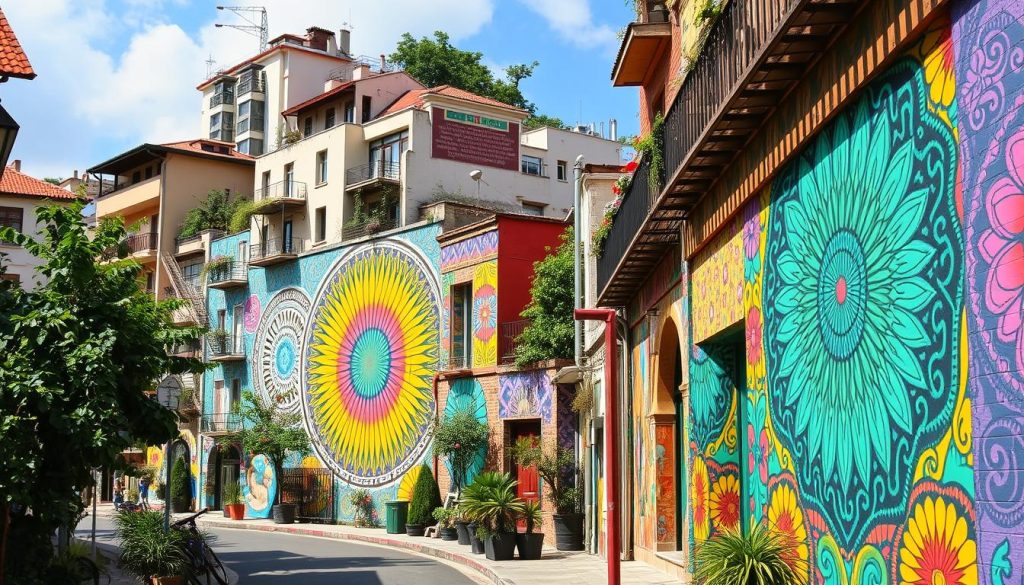
Visitors find detailed murals that talk about social justice and colorful pieces that support vegetarianism and veganism in Old Tbilisi. The street art in Tbilisi is getting more creative, showing off many styles from pop art to political works. Each piece has its own story, adding to the city’s cultural tapestry.
Fabrika is a key spot for Tbilisi’s street art, showing the city’s change. It was once a Soviet sewing factory but now hosts graffiti and art. You can see this lively scene on tours that show off the latest and best murals, led by guides who love to share the stories behind the art.
The Heroe’s Square Underpass is the heart of Tbilisi’s street art. Since 2017, it’s been a gallery with murals inspired by traditional and modern art. Visitors can even add their own touch, creating a sense of community.
Exploring Tbilisi, you’ll find street art everywhere, from Marjanishvili to hidden alleys. Each spot offers a unique view into the city’s street art scene. You’ll be amazed by the art that brings the city to life.
History of Tbilisi Street Art
The history of street art in Tbilisi started about 20 years ago. It began with a few artists using city walls to express themselves. Over time, Tbilisi graffiti artists added to the city’s vibrant urban scene, mixing art with social and political messages.
In 2016, student protests made the youth’s role in social movements clear. This was a turning point in how people expressed themselves. Artists then began to tackle big political issues, like the arrest of Birja Mafia and the 2019 riots at the Parliament.
Images of police and protesters became symbols of the youth’s fight against authority. The 2018 move to double fines for graffiti was meant to curb illegal art. Yet, Tbilisi’s artists saw it as a challenge, not a stop.
Artist Gagosha was fined ₾1000 for a COVID-19 mural, showing the ongoing battle between art and rules. Mayor Kakha Kaladze promised artists would keep their designated spaces, showing the city’s effort to balance control and creativity.
Across Tbilisi, graffiti mixes local culture with playful and serious themes. You’ll see everything from Disney characters to khinkali, and powerful political statements. Local talents like Lamb and Sabknot show the city’s rich artistic diversity.
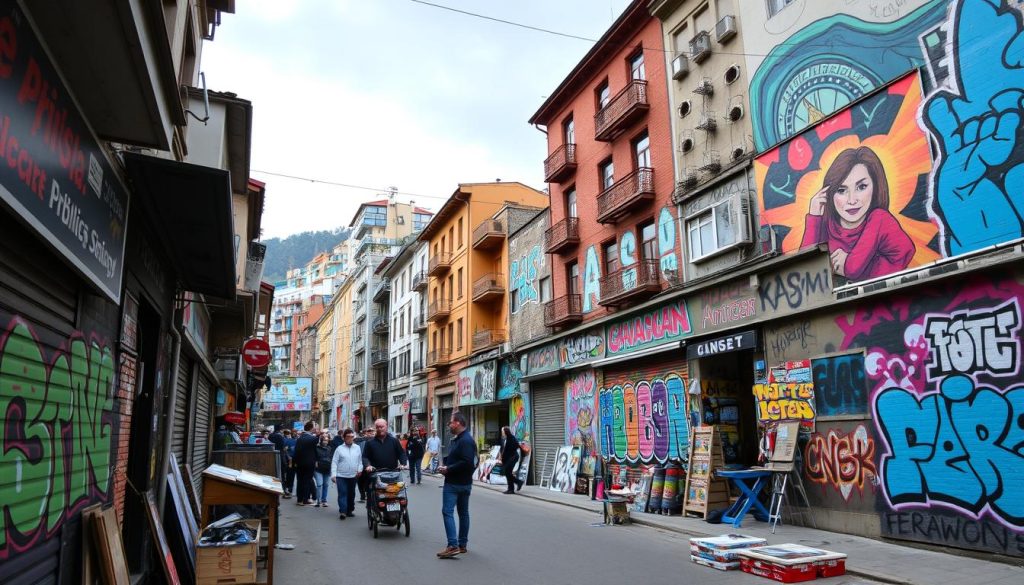
Many artists protest against the system, while others just love creating. Ksyu Brice, a Russian street artist, found Georgia’s curfew less restrictive than Russia’s. Despite the risk of their work being erased, Tbilisi’s artists keep creating with passion.
| Year | Event/Development | Impact on Street Art |
|---|---|---|
| 2016 | Student protests at Tbilisi State University | Increased youth engagement in social issues |
| 2018 | Fines for graffiti increased to ₾500-₾1000 | Heightened risks for artists but maintained space for creativity |
| 2019 | Riots at the Parliament building | Art as a response to political tension |
| 2020 | COVID-19 impact on urban expression | Challenging subjects for a changed world |
The Transformative Power of Street Art
Street art has a special power to change urban areas, like Tbilisi. It brings creativity and community together. By using street art, artists can make old places lively and full of culture.
They share social commentary in Tbilisi through their art. This sparks important talks about justice and taking care of our planet.
The Tbilisi Mural Fest is a big event that celebrates street art. It’s in its fifth year and draws thousands of people. They get to see amazing art and meet the artists.
This festival shows off Tbilisi’s urban art. It features big murals and small details that show off Georgian culture.
Artists like Tina Chertova and Vesod are famous for their work. Chertova’s “The Blue Sign” covers three walls in Kutaisi. Vesod’s “Amirani” tells stories from Georgian myths.
These artworks help people feel connected and share a common identity. They bring people together.
The festival has grown a lot, now reaching Kutaisi and Kurasisi in 2023. It offers workshops and talks, letting people join in the art conversation. Social media, like Instagram, helps spread the word, reaching people all over the world.
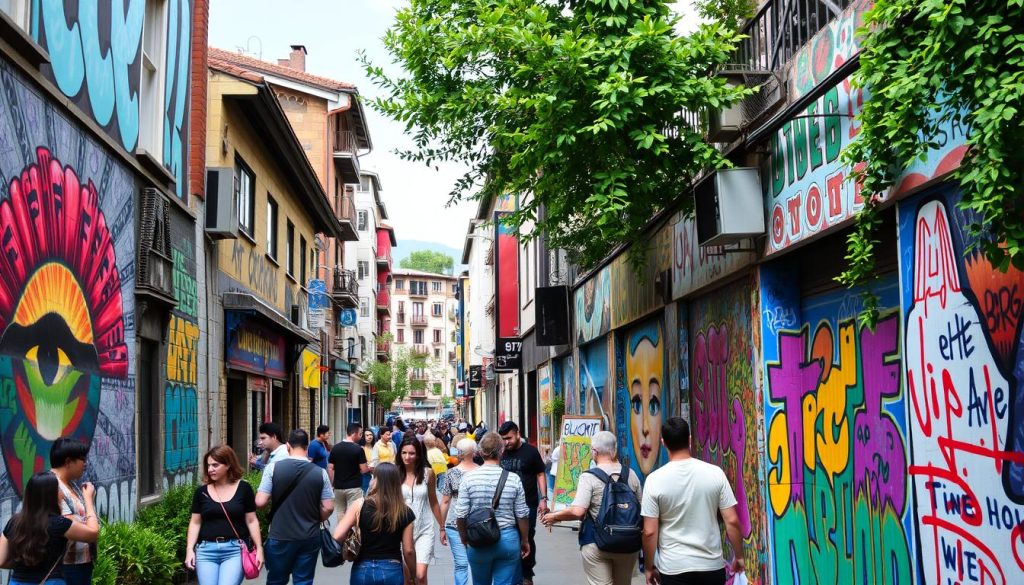
Tbilisi Street Art: Urban Exhibition
The urban exhibition in Tbilisi has grown fast, turning the city into a lively outdoor gallery. Festivals and events show off amazing artistic skills, making Tbilisi a place for both local and international artists. The street art festival Tbilisi is a big highlight, where creativity blooms and unique public art pieces appear.
The Tbilisi Mural Fest started in 2019 and brings artists from places like the Netherlands, Brazil, and Spain. They create a mix of styles and themes. Over 60 big murals in Tbilisi have been made, adding a lot to Georgia’s art scene. One famous mural, “Changing the Light Bulb,” is 45 meters tall and took 11 days to finish.
This festival not only shows off artistic skills but also brings artists together. It includes cool features like 3D videomapping by Stefan Ihmig from Berlin. Artists like Sasha Korban and Faith47 share messages that reach people all over the world. They see Tbilisi as a place for cultural expression.
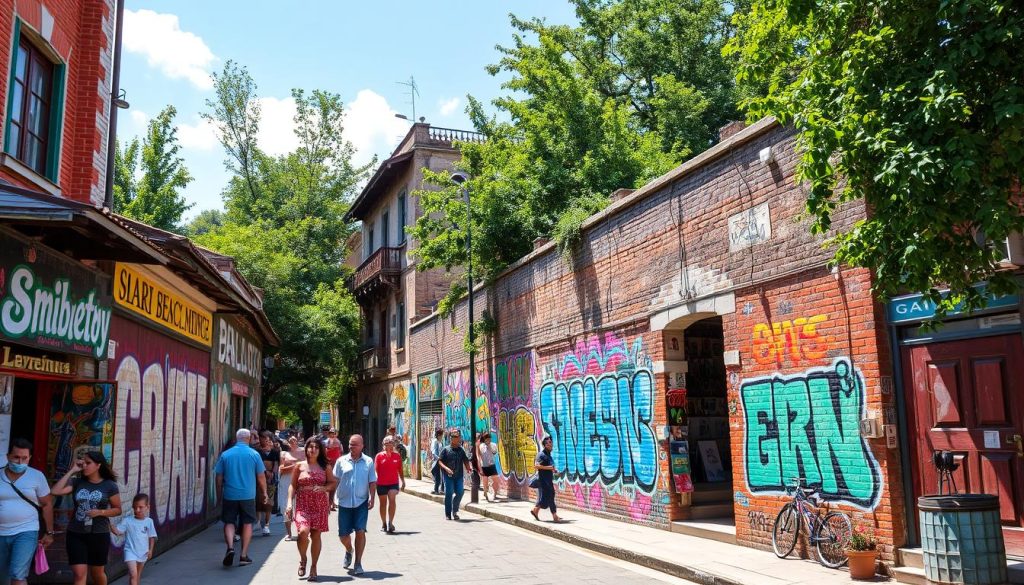
Events like the Tbilisi Mural Fest inspire young artists and turn ugly buildings into beautiful art. Workshops at schools help new talents learn about public art. This project changes how people see urban art and makes Tbilisi a great place for art lovers from everywhere.
Fabrika: A Hub for Creativity
Fabrika Tbilisi is a key part of the local art scene. It was once a Soviet-era sewing factory. Now, it’s a lively creative space in Tbilisi, drawing artists, travelers, and entrepreneurs.
Since opening in 2016, Fabrika has grown to cover 8,000 square meters. It offers various spaces for innovation and teamwork.
The Significance of Fabrika in Tbilisi Street Art
Fabrika is at the heart of Tbilisi’s street art transformation. Its walls are filled with colorful murals by both new and known artists. It has:
- A co-working space for creatives to work together.
- Artist studios with the tools needed for art projects.
- A lively hostel with 400 beds, a favorite for travelers.
Its spot on the left bank of the Mtkvari river attracts young and creative people worldwide. This area’s makeover has brought a booming arts scene.
The street art at Fabrika is more than just pretty pictures. It’s a place for artists to meet and exchange ideas. The Graffiti Dealers shop inside provides essential supplies for street artists in Tbilisi. This setting promotes teamwork, making Fabrika a crucial part of the local art world.
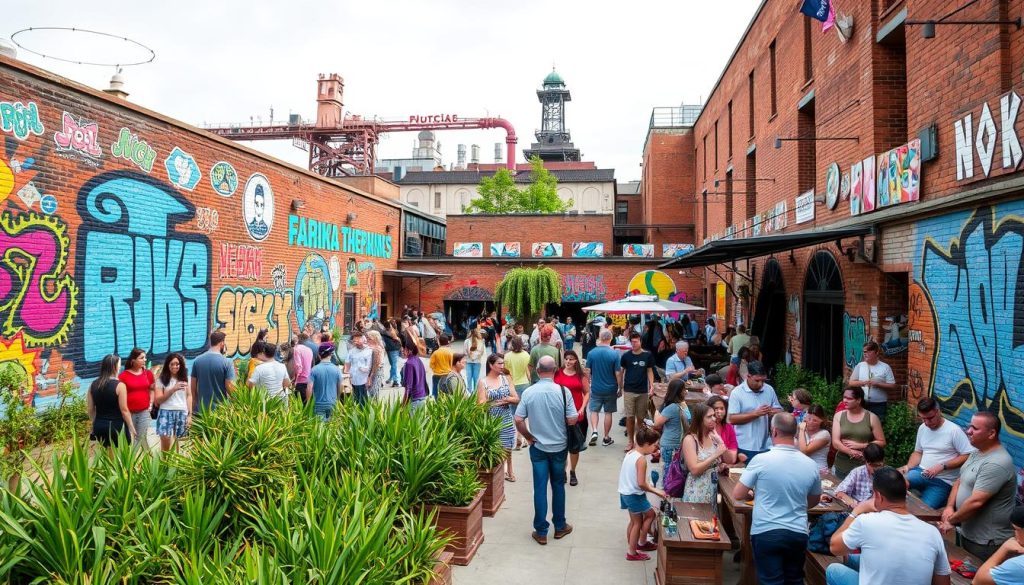
Exploring Tbilisi’s Most Iconic Murals
Walking through Tbilisi, you enter a world of vibrant street art. The city’s walls tell stories through iconic murals. These murals mix history, social issues, and art.
As you explore, you’ll find the best spots for street art. These places show the city’s ever-changing art scene.
Top Locations to Discover Street Art in Tbilisi
To see the best street art in Tbilisi, visit these neighborhoods:
- Dry Bridge Area: Known for its unique vibe, it has murals on politics and fun art.
- Fabrika: A former factory turned art center, it hosts artists from around the world each year.
- Saburtalo: This area is full of murals in different styles, from graffiti to fine art.
- Varketili: It has a mural for chess champion Nona Gaprindashvili, showing the area’s rich street art.
- Tbilisi State University (Maglivi): The university grounds have murals that speak to youth and education.
Iconic murals in Tbilisi share stories that touch both locals and visitors. You’ll see Frida Kahlo at Hotel Check Point and a chess game between Putin and Trump near Metekhi Church. Faith47’s Solar Logos mural at 4 Atoneli str. connects nature and community through art.

Every neighborhood in Tbilisi has its own creative story. Street art here is more than just decoration. It’s a powerful way to express ideas and bring people together.
Tbilisi Street Art: A Platform for Expression
Tbilisi’s street art is a key platform for expression in Tbilisi. Local artists share their stories and views with everyone. It’s more than just pretty pictures; it tackles big topics like society and politics.
Since the Soviet Union fell, street art in Tbilisi has grown a lot. It’s a space for talking about who we are and our cultural roots.
The city’s art projects bring people together. They make neighborhoods lively and full of culture. This way, street art turns places into something special.
Street art shows what Tbilisi is all about. It draws in tourists and art lovers. Walking around, you see different stories told by the artists. Each piece lets you peek into the artist’s world.
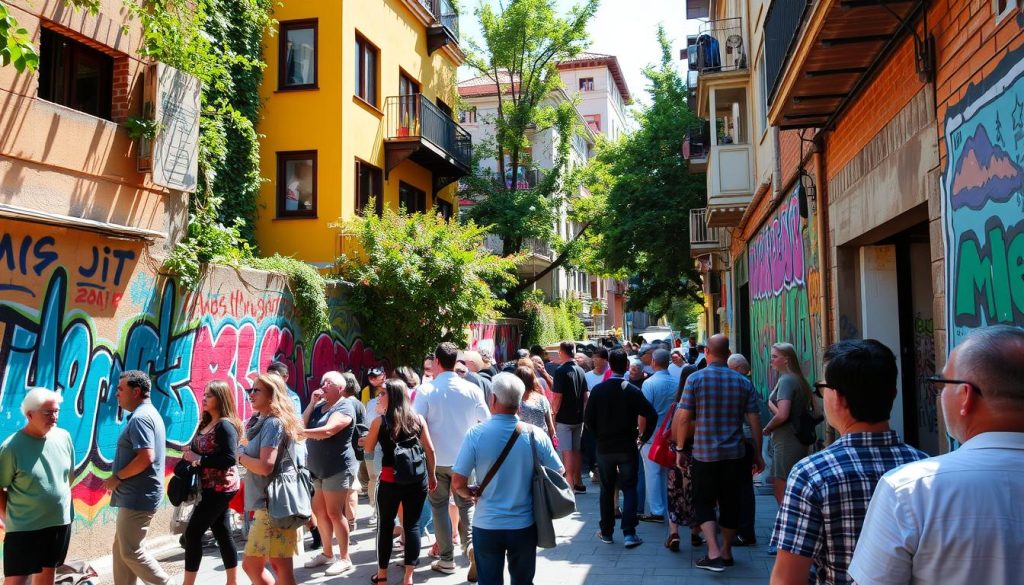
| Art Type | Description | Community Impact |
|---|---|---|
| Murals | Large-scale wall paintings that address social issues and celebrate local culture. | Encourages local pride and artists to showcase their work. |
| Graffiti | Often spontaneous and uncommissioned expressions reflecting urban life and contemporary concerns. | Stimulates conversation about creativity and ownership of public spaces. |
| Collaborative Projects | Community-driven murals that involve local residents and artists. | Builds relationships among participants and strengthens community ties. |
Tbilisi’s art scene is a mix of old and new. It talks to both locals and visitors about the city’s culture. Artists use their work to tell stories, making Tbilisi’s art scene lively and changing.
The Role of Tbilisi Graffiti Artists
Tbilisi graffiti artists are key figures in the city’s vibrant art scene. They mix different styles and draw from their varied backgrounds. These artists aim to share their views through their work.
Their art does more than just decorate walls. It sparks important conversations about issues like corruption and political problems.
Artists like Gagosh have made a big impact, creating over 200 pieces that highlight social issues. Sadly, 90% of Gagosh’s work is gone due to censorship and public disapproval. This shows how fragile street art can be in this area.
It’s important to see female graffiti artists in Tbilisi. They challenge the usual male dominance in the field. Their work helps make the art scene more diverse and inclusive.
Street artists aim to tell stories that connect with the community. Their work tackles big social issues, linking art and activism. Despite facing censorship, they keep creating, using their art to speak out and comment on society.
This dedication not only beautifies the city but also encourages people to explore Tbilisi’s growing cultural scene.

Conclusion
Exploring Tbilisi’s street art reveals a vibrant side of the city. It shows how urban culture thrives through these murals. They reflect local traditions and modern issues, making the city’s streets come alive.
Street art in Tbilisi tells unique stories that connect people. Each mural is a voice, sharing tales that touch the heart of the city. It highlights the role of public art in Tbilisi’s identity.
Experience Tbilisi’s art scene to truly understand its impact. The stories on these walls are about the city’s people and culture. Let Tbilisi’s walls tell you about its rich history and vibrant culture.