Exploring Multan Sufi Shrines: A Spiritual Guide
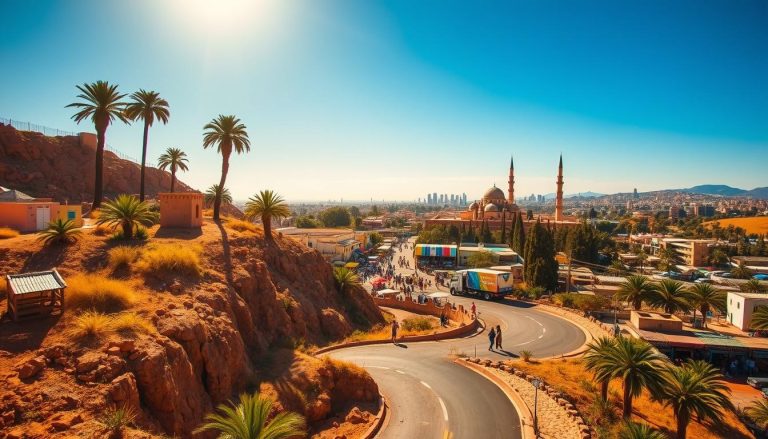
What secrets do the ancient walls of Multan’s Sufi shrines hold? Multan, known as “The City of Saints,” is a place filled with the legacies of revered Sufi saints. As you journey through this guide, you’ll explore profound Sufism in Multan. The city’s shrines echo the teachings of saints they honor.
Apart from their awe-inspiring architecture, the vibrant bazaars that surround them add life to Multan. It offers a dynamic mix of history and spirituality.
Multan’s 4,000 years of history unveils a city where mysticism is part of everyday life. We invite you to uncover the stories of Multan Sufi shrines. These stories connect us to something beyond our understanding.
On this journey, you will see architectural wonders and try local foods. You’ll also enjoy the soulful Qawwali music at sacred festivals. Let your curiosity lead you. Explore the history, spirituality, and cultural riches of Multan.
The Essence of Sufism in Multan
Sufism has deep roots in Multan, stretching through centuries of spiritual traditions. It centers on love, acceptance, and connecting deeply with the divine. The city is peppered with around 3000 to 4000 preserved shrines. These sites draw people from all walks of life, showing Sufi teachings’ wide appeal.
The shrine of Shah Rukn-e-Alam is a key Sufi site in Multan. It welcomes 2000 to 3000 visitors on busy days like Thursdays, Fridays, and Sundays. The heartfelt devotion seen here shows a deep respect for human dignity, a core Sufi value.
The annual Urs of Shah Rukn-e-Alam is celebrated vibrantly from the 5th to the 7th of Jamadi-ul-Awal. It shows the cultural importance of Sufi practices today.
In Multan, the tombs of Shah Dana Shaheed and Shah Yusuf Gardez attract many. Shah Dana was a follower of Bahauddin Zakariya. The tomb of Shah Yusuf Gardez goes back to 1150 AD. These places welcome those seeking peace. Sufism’s open spirit allows for communal prayer, fostering inclusion and unity.
Sufi saints like Sakhi Sarwar, Baba Farid, and Bulleh Shah have left a mark on Multan’s spirituality. The formation of groups like the Qadri Noshahi and the Sarwari Qadiri shows Sufism’s diverse impact. These traditions not only better personal lives but also connect the community, creating a shared spiritual experience in Multan.
Understanding the Spiritual Significance of Sufi Shrines
Sufi shrines in Multan are key to the area’s religious life. They are more than resting spots for saints. They’re busy hubs of worship and spiritual activity. Visitors find a special connection to the divine here. They offer blessings, peace, and advice.
Sufism plays a big role at these sites in Multan. Through rituals, devotees connect deeply with their faith. They also bond with Sufi masters’ teachings. These actions make for a spiritual atmosphere. It brings people together for both personal and shared spiritual growth.
Each shrine is welcoming to all, which is important. This openness leads to talks and understanding between different faiths. It shows Sufism’s main ideas of love and unity. When you visit, you’ll do more than watch. You’ll dive into the rich traditions that show what Sufism is all about.
Multan Sufi Shrines: A Journey Through Time
Exploring the Sufi shrines of Multan unravels a story rich with history and culture. This journey helps us see how Sufism has shaped the city’s identity. The influence of famous Sufi saints has made these places key centers of spirituality and cultural exchange, showcasing centuries of history.
Historical Background of Sufism in Multan
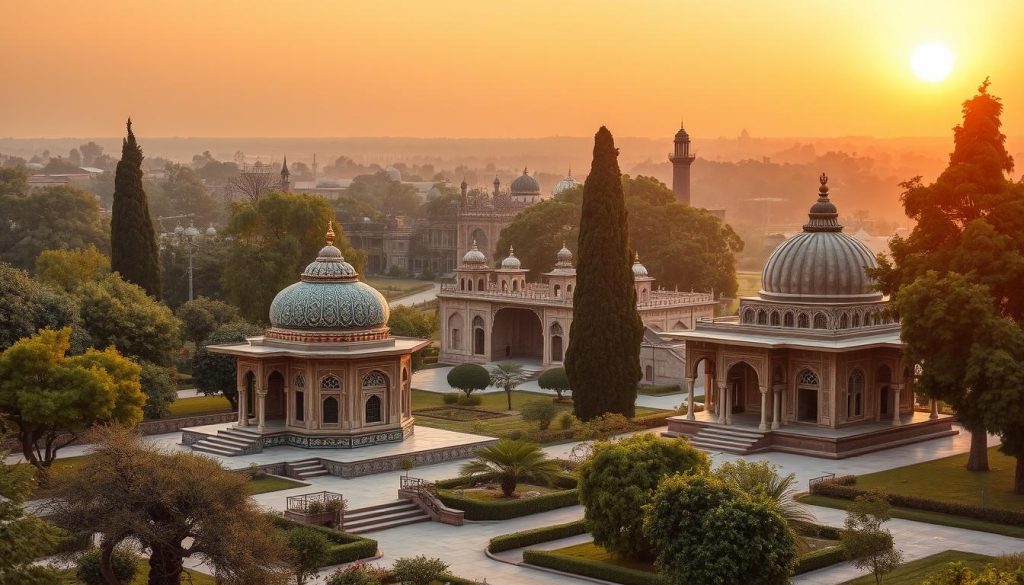
Sufism took root in Multan in the early Islamic era. By the 11th and 12th centuries, it became a center for Sufi mystics, known as the “City of Saints.” Important figures like Bahauddin Zakariya and Shah Rukn-e-Alam have left deep marks on these shrines, enhancing their historical value. The Mausoleum of Shah Rukn-e-Alam, drawing hundreds yearly, reflects the glorious past through its architecture while narrating stories of devotion and spiritual pursuit.
The Connection Between Sufism and Local Culture
When you visit the shrines, the strong link to local culture is evident. These spiritual sites are more than places of worship; they are a fusion of traditions cherished by the locals. The Urs festival for Bahauddin Zakariya turns the area into a vibrant celebration, showing the cultural identity shared among the people. Nearby, the Hussain Agahi Bazaar offers a look into local craftsmanship with unique blue ceramics and embroidered textiles.
The local foods, like sohan halwa and Multani pulao, showcase Multan’s rich heritage. This makes Multan a lively mix of spiritual and social life.
| Aspect | Description |
|---|---|
| Historical Significance | Established as a spiritual center for Sufi mystics in the 11th and 12th centuries. |
| Key Figures | Bahauddin Zakariya and Shah Rukn-e-Alam, renowned Sufi saints. |
| Annual Events | Urs festival celebrated in honor of Bahauddin Zakariya. |
| Cultural Highlights | Hussain Agahi Bazaar showcasing local crafts; traditional dishes like sohan halwa. |
| Major Sites | Mausoleum of Shah Rukn-e-Alam, Multan Fort as a historical insight. |
Key Sufi Shrines to Visit in Multan
Multan is known for its deep spiritual roots. It has many important Sufi shrines. These are perfect for those interested in the area’s culture and religion. These locations are more than just places to pray. They are also tourist spots that showcase the lessons of famous Sufi saints. Out of all the shrines, three are especially famous for their history and beauty.
Shrine of Bahauddin Zakariya
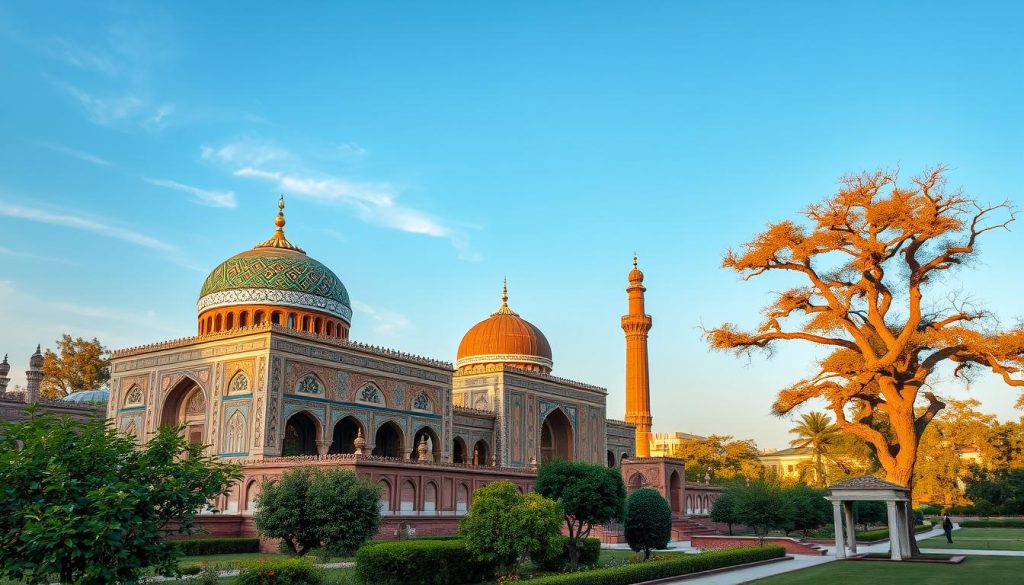
The Shrine of Bahauddin Zakariya is a key spot in Multan’s Sufi tradition. It was built in the 13th century. The shrine is known for its beautiful Islamic architectural styles. It features beautiful patterns and writings that show off the art skills of that time. Many people visit this shrine to feel closer to something greater and to receive blessings. It is one of the top spots for visitors in Multan.
Shah Rukn-e-Alam Shrine
The Shah Rukn-e-Alam Shrine was built in 1320 and is a masterpiece of Tughluq architecture. It stands tall over Multan and attracts many visitors. People come to honor the respected Sufi saint. This shrine shows the deep spirituality of the region. It proves the lasting impact of Sufism. It is definitely a must-see for anyone touring Multan.
Tomb of Shah Shams Tabrez
The Tomb of Shah Shams Tabrez is important for those interested in Sufism. Shah Shams Tabrez is known for his messages of kindness. His tomb is a place where many come to pray and think. The shrine offers a peaceful spot for visitors to dive into the spiritual vibe. It is an important Multan tourist attraction.
| Shrine Name | Established | Architectural Style | Notable Features |
|---|---|---|---|
| Shrine of Bahauddin Zakariya | 1268 | Islamic Styles | Geometric Patterns, Calligraphy |
| Shah Rukn-e-Alam Shrine | 1320 | Tughluq | Dominant Skyline, Grandeur |
| Tomb of Shah Shams Tabrez | Unknown | Islamic | Serene Atmosphere, Reflection |
Seeing these shrines lets you see how Sufism has shaped the area. It also gives you a taste of the lively culture at these spiritual sites.
Experiencing Sacred Rites and Traditions
Exploring Multan’s spiritual landscape is a journey deep into sacred rites and traditions. You get a closer look into how locals deeply value their Sufi beliefs by engaging in their religious practices. These vibrant occasions help you grasp the essence of Sufism more.
Qawwali Music and Its Role in Sufi Practices
Qawwali music is key in Sufi shrines, creating an emotional and spiritual connection. It transcends the ordinary, lifting you to a state of spiritual unity. The rhythms and lyrics invite you to reflect and devote yourself more deeply.
Performances at the Shrine of Bahauddin Zakariya are remarkable. They feature qawwali nights that attract people from everywhere.
The Importance of Urs Festivals
Urs festivals in Multan honor Sufi saints through vibrant gatherings. These include prayers, meals, and performances, showcasing community spirit. They commemorate the saints’ lives and teachings, promoting love and unity. Participating, you’ll feel the strong communal ties, experiencing joy and reflection.
Cultural Heritage and Architecture of Multan Shrines
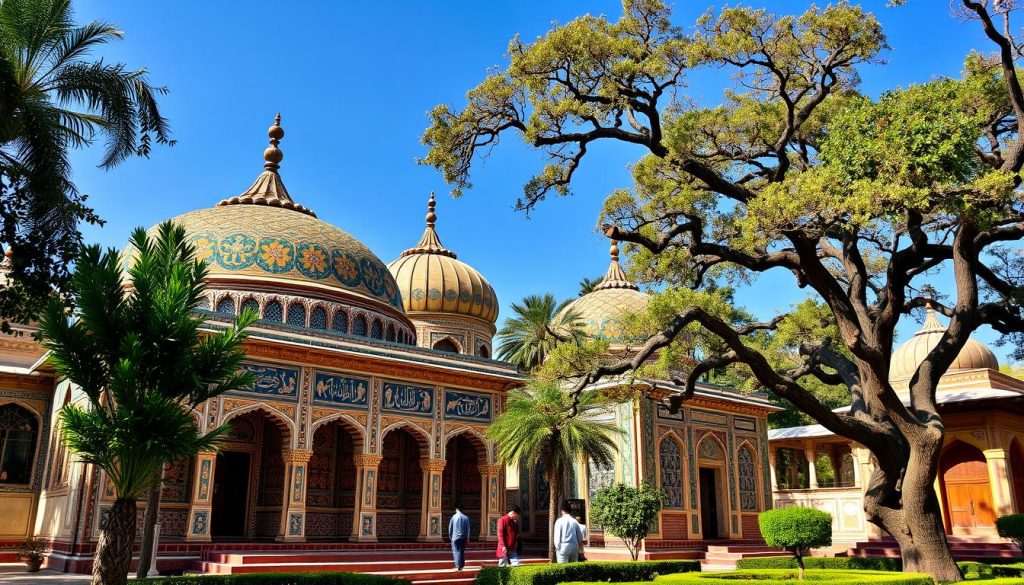
The Sufi shrines in Multan are not just places to pray. They are stunning examples of the city’s cultural history. These buildings have unique architectural styles, drawing from a range of influences over time. As you visit, you’ll see a mix of traditional Sufi designs, each adding their own beauty.
Architectural Styles of Sufi Shrines
The shrines in Multan show a mix of architectural styles, from simple graves to large mausoleums. Here are some key examples:
- The Mausoleum of Baha-ud-Din Zakaria is a square building, 51 feet 9 inches wide. It has an octagonal dome.
- Shah Rukn-e-Alam’s mausoleum is 150 feet tall. It has one of the biggest domes in the world, 58 feet across.
- The ornate tomb of Shamsuddin Sabzwari Multani is 30 feet high. It’s known for its beautiful tiled decorations.
- The Shrine of Hafiz Muhammad Jamal Multani sits in the peaceful Aam Khas garden. It is highlighted by a sleek marble platform.
Significance of Mosaics and Carvings in Multan’s Shrines
The beautiful mosaics and carvings in Multan’s shrines are very important. They show the skill and devotion of Sufi traditions. You’ll find:
- Amazing tile work that tells spiritual and historical tales.
- Fine stone carvings that show the beauty in religious expression.
- Symbolic designs that share messages of faith and togetherness.
Exploring Multan, the architectural beauty of these shrines stands out. They invite visitors to delve into the diverse world of Sufi architectural styles.
Exploring the Vibrant Bazaars Surrounding Sufi Shrines
When you visit Multan, the bazaars around Sufi shrines are a must-see. These markets are more than just shopping spots. They let you dive deep into the city’s cultural heart. Hussain Agahi Bazaar is a prime example, brimming with local crafts and textiles. These items beautifully reflect Multan’s rich artistic tradition.
Hussain Agahi Bazaar: A Cultural Hub
Hussain Agahi Bazaar, one of the oldest marketplaces in Multan, has been bustling for centuries. Walking through, you’re wrapped in the aroma of traditional foods and the sight of colorful textiles. The bazaar is famous for its handmade pottery and finely crafted jewelry. Meeting the artisans, you learn about their skills and traditions. This deepens your connection to Multan’s unique culture.
Unique Crafts and Local Souvenirs
Shopping in Multan’s bazaars helps you find special local crafts. This supports the community too. You can discover:
- Blue Pottery: Known for its beautiful blue and white designs, it’s iconic to Multani arts.
- Textiles: There are colorful fabrics and traditional attire in many patterns and hues.
- Handmade Jewelry: Every piece showcases the region’s culture and artisan skills.
Buying these items gives you unique souvenirs and a piece of Multan’s artistry. A trip to these vibrant markets is a chance to see the mix of trade and culture. It’s a vital part of experiencing this amazing city.

Multi-sensory Experiences: Food and Festivities
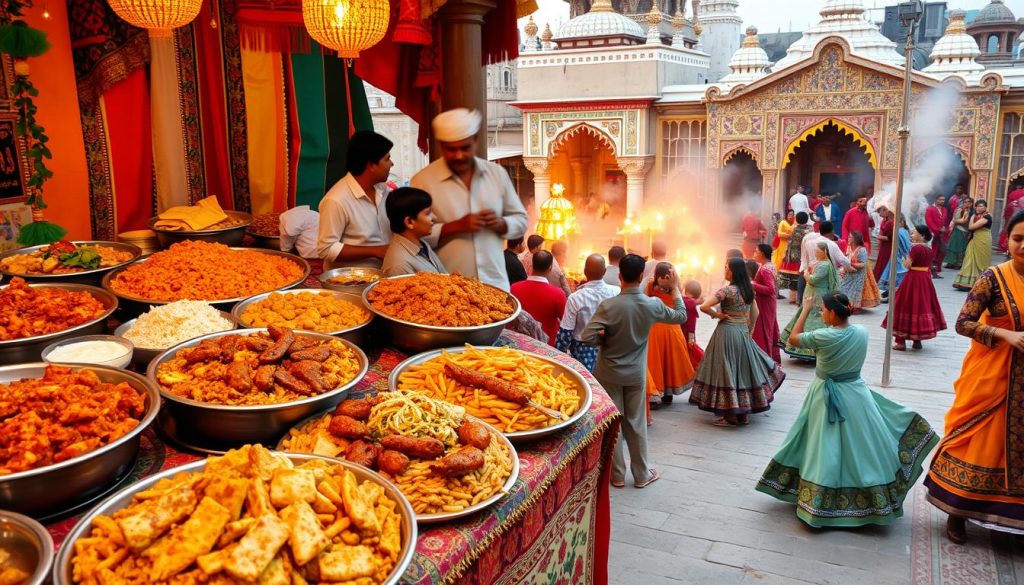
A trip to Multan won’t be complete without trying the amazing food there. Multani cuisine is known for its bold tastes. It includes a wide range of dishes that show the area’s culture. Favorites such as Sohan Halwa and Multani Puri showcase the area’s food variety. People go to spots like Shah Shams Park for its tasty street food.
Traditional Multani Cuisine You Must Try
In Multan, you’ll find food for both vegetarians and meat lovers. The traditional menu features:
- Daal Makhani
- Saag
- Biriyani
- Kebabs
When checking out local spots, don’t miss Ghanta Ghar Food Street. It’s a bustling place that offers many kinds of food. Everything is priced well, making it a great spot for food lovers.
Festivals Celebrating Sufi Saints in Multan
Sufi festivals in Multan are a mix of spirituality and food. These events, like the Urs and Mango Festival, are very joyful and promote cultural sharing. You’ll find food stalls with delicious treats that give you a taste of local culture.
Trying Multani food at these festivals is a deep experience. It connects you to the traditions of the region. For those interested, there are cooking classes on traditional Multani dishes. This adds an exciting part to exploring Multan.
Enjoying Multan’s flavors means also being careful about cleanliness and food safety. This is important especially at street food stalls. Doing this ensures you fully enjoy what this lively area has to offer.
The Pilgrimage Experience: What to Expect
Going on a pilgrimage to Multan’s Sufi shrines is a special way to dive deep into spirituality. You’ll walk through lively streets and see lots of local traditions. Luckily, it’s now easier for tourists to visit these shrines, with many helpful services available.
Accessibility and Tourist Services
Multan’s sacred sites welcome all visitors warmly. They make sure your visit is comfortable. You’ll find:
- Guided tours that offer deep knowledge about each shrine’s history and importance.
- Transportation options that link important Sufi shrines together, simplifying your exploration.
- Information desks at major pilgrimage spots to help answer your questions and guide you on local customs.
- Signage in both English and local languages, making it easier to find your way around.
Spiritual Guidance for Visitors
Spiritual guides at the shrines provide valuable insights. They share:
- The background of Sufi saints and how they shaped the region’s spiritual history.
- Local customs observed during visits, helping you respect and understand the culture.
- The significance of rituals at the shrines, connecting you more deeply with Sufi traditions.
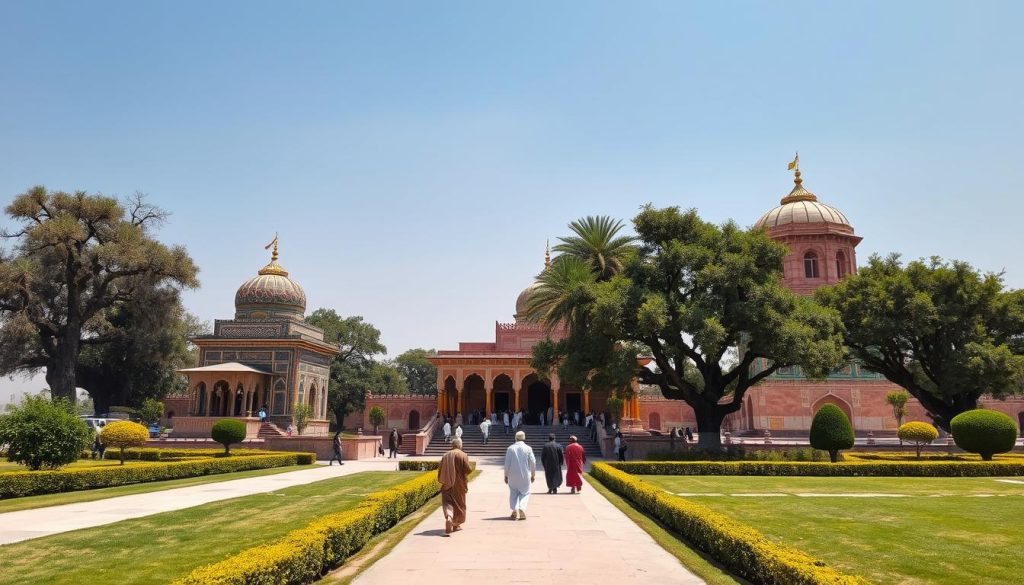
Taking part in activities with these guides enhances your trip. Immersing yourself in Multan’s culture deepens spiritual learning and leaves unforgettable memories.
Personal Reflections: The Impact of Sufism
Sufism offers many chances for personal growth. At Multan’s sacred sites, pilgrims share stories of their transformations. These stories show how Sufi teachings help them find clarity, heal emotionally, and reflect spiritually.
Transformational Stories from Pilgrims
In Multan, visitors speak of encounters with spirituality that change their lives. The shrine of Hazrat Bahauddin Zakariya is a key place for this. Here, people connect with Sufi teachings, finding guidance and enlightenment.
- Many talk about emotional healing through prayer or reflection.
- Inspiration comes from community rituals that bring people together.
- Discussions during festivals offer insights and a sense of belonging.
Your Journey Towards Inner Peace
A spiritual path led by Sufi teachings can bring you peace. It involves looking within and practicing mindfulness. Participating in shrine rituals leads to deeper spiritual reflections and understanding your life’s purpose.
- Quiet contemplation at shrines helps you connect with Sufi wisdom.
- Joining group events can improve your emotional health.
- Living by Sufi values of unity and compassion connects you with others.
Sufism also promotes spiritual tolerance and inclusivity. Diving into this tradition opens up personal growth opportunities and a way to peace.
Practical Tips for Visiting Multan
To really enjoy Multan, think about when to go and how to stay safe. The best time for exploring is between January to April and October to December. The weather during these months is nice and adds to the experience.
Best Times to Visit the Shrines
Keep the weather in mind when you plan your visit. Summer, from May to August, can get very hot. Visiting in the early morning or late afternoon is better then. Winter is milder, making it a great time to see spiritual events and local life.
Safety and Travel Information
Multan’s crime rate is moderate. It’s important to be careful, especially in busy places. Respecting local customs and traditions will make your trip better. For getting around, there are motorcycle taxis, cars, and rickshaws. The Multan Metrobus is a good choice too. It goes a long way and is reliable. The Multan International Airport makes getting to and from the city easy.
Learn about transport options to travel smoothly. Public buses are cheap, costing Rs10-25. Mini-vans and rickshaws are good for short trips. Their prices depend on how far you’re going.
| Aspect | Details |
|---|---|
| Best Months to Visit | January, February, March, April, October, November, December |
| Transportation Options | Motorcycle taxis, cars, public buses, mini-vans, rickshaws |
| Airport Information | Multan International Airport – 20 minutes from city center |
| Safety Considerations | Moderate crime rate; stay aware in crowded areas |
The Role of Sufism in Promoting Tolerance
Sufism promotes tolerance and understanding among people. It encourages acceptance and fosters interfaith dialogue. In Pakistan, about 60 percent of Muslims follow Sufism. This highlights Sufism’s role in promoting tolerance in the area.
Interfaith Dialogue and Sufi Teachings
Sufi teachings focus on compassion and respect for all beliefs. Sufi festivals, or “urs,” bring people together to share and celebrate. These events show Sufism’s power to unite different backgrounds.
By participating in these gatherings, people support inclusivity and community. These are key values in Sufi practices.
Lessons from Sufi Saints for Modern Society
The stories of Sufi saints teach us how to tackle today’s challenges. They bridged the gap between humans and the divine. They fought against social injustices and helped educate.
Their work inspires us to strive for acceptance and harmony. They show us how to live together in a diverse world.
The Future of Sufism in Multan
The future of Sufism in Multan is deeply linked with keeping its cultural roots alive amidst new challenges. As cities grow, we see fewer traditional Sufi practices. Many young people, influenced by urban life and new Islamic movements, now prefer connecting with God on their own. They steer clear of seeking saints’ help as in the past. This change makes us wonder about the future of Sufism and its role today.
Preserving Cultural Heritage
Keeping Sufi traditions alive is key to preserving the wisdom and identity passed down through the ages. Sufi shrines have long been places for learning about spirit and coming together as a community. Drawing in young people and using technology to share Sufi values could bring new life to these old ways. It’s crucial to keep Sufi wisdom alive and share it. That way, the special spiritual experiences that Multan’s rich Sufi history offers can still enlighten our lives.
Modern Challenges and Opportunities for Sufi Practices
Today, extreme views challenge Sufi beliefs, but this also opens a door to refresh these traditions. We need new, inspiring ways to practice faith that can touch the hearts of young people. The decline in political power of shrine families shows a major shift, urging them to find new ways to connect. By fostering open discussions and promoting kindness, Sufi leaders can find new significance in the community. This will make sure Sufism stays vibrant and strong, even as the world changes.
| Aspect | Traditional Focus | Modern Dynamics |
|---|---|---|
| Spiritual Engagement | Intercession by Saints | Direct Connection to Allah |
| Youth Involvement | Community Gathering | Technology-Driven Engagement |
| Political Influence | Lineage-Based Power | Record and Platform Evaluation |
| Cultural Identity | Traditional Practices | Adaptive Innovations |
Conclusion
Your journey through the Sufi shrines of Multan unveils a world filled with spirituality, culture, and history. Each shrine you visit opens up a new chapter of lessons and compassion from the Sufi saints. It’s not just about the shrines, but also discovering the city’s vibrant traditions and reflecting on your own life path.
The annual Urs festival is a vivid celebration that attracts many people from around the country. It shows the strong community spirit that exists here. The memories from participating in these traditions will stay with you forever. You will enjoy local foods and the stunning historic buildings. Each part of your experience captures the spirit of Sufism.
Leaving this holy city doesn’t mean leaving behind the wisdom of the Sufi saints. Their teachings will continue to help you as you seek personal growth and peace. The beauty of Multan’s shrines and the memories you’ve made will linger. They will always call you back to this spiritual haven.