Discover Cebu City’s Must-See Historical Sites
Cebu City, the Queen City of the South, holds captivating historical gems. This vibrant Philippine metropolis boasts a rich 500-year history. Its landmarks tell fascinating stories of the past, from Magellan’s Cross to the country’s oldest fort.
Introduction
Cebu City, the Queen City of the South, has a rich history dating back to pre-colonial times. Once called “Sibu,” it was a bustling trade center. Locals traded with Chinese, Malay, Japanese, and other visitors.
The Spaniards arrived in the 16th century, adding to Cebu’s cultural mix. They brought Christianity and Spanish traditions, further enriching the city’s heritage.
Immerse Yourself in Cebu’s Vibrant Past
Cebu’s past lives on through its famous historical landmarks and sites. 80% of Cebu’s rich history is sustained through these landmarks and sites. They offer glimpses into the city’s fascinating growth over time.
These historic treasures let you step back in time. You can see how Cebuano culture has changed and adapted. From Magellan’s Cross to Fort San Pedro, each site tells a unique story.
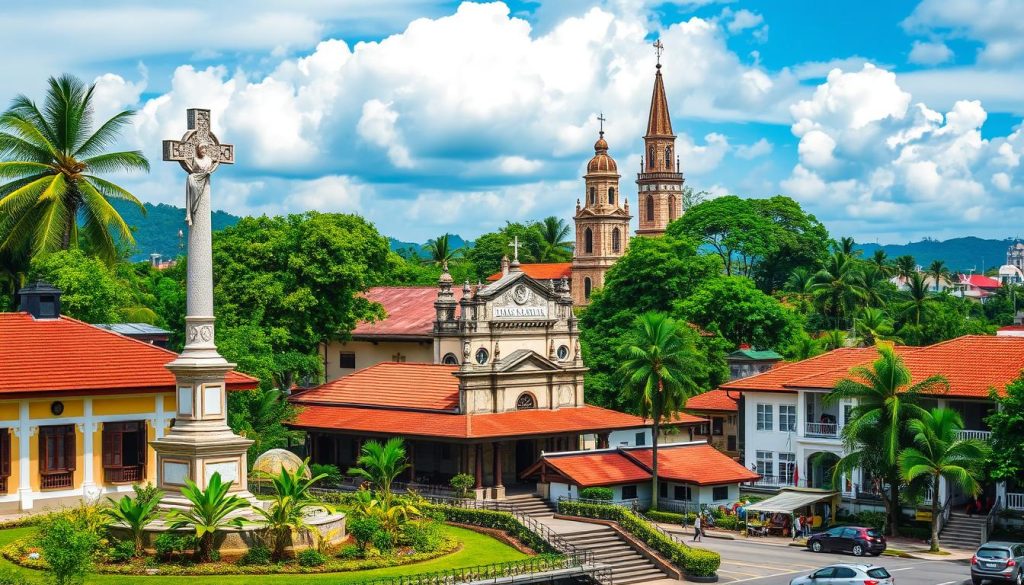
Cebu’s historical spots cover many aspects of its past. You can learn about its religious roots and Spanish influence. The city’s pre-colonial trading history is also on display.
“Cebu’s historical sites are not just passive reminders of the past; they are living, breathing testaments to the resilience and adaptability of the Cebuano culture.”
Cebu blends its rich past with modern energy. Exploring these historical wonders is easy and affordable. Entrance fees range from Php 20 for students to Php 75 for foreigners.
Magellan’s Cross
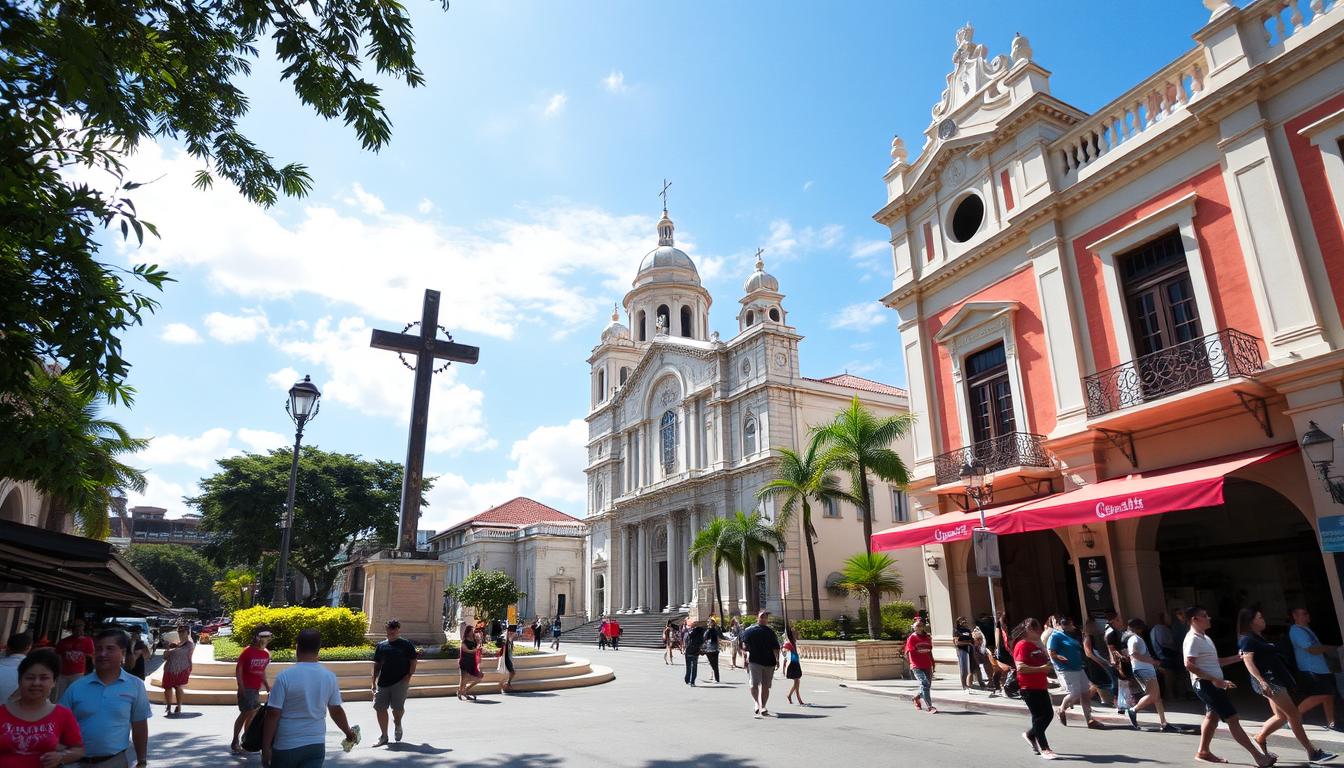
Magellan’s Cross is a key symbol in Cebu’s history. It marks the start of Christianity and Spanish rule in the Philippines. Ferdinand Magellan planted this cross in Cebu on April 21, 1521.
This event led to Rajah Humabon’s baptism. His wife and 400 followers also converted to Catholicism. The original cross now sits in a tindalo wood case.
Visitors can see Magellan’s Cross in a small chapel. It represents the country’s Christian roots and Spanish colonial past. The cross reminds us of the huge impact on Philippine culture.
Birthplace of Christianity in the Philippines
Magellan’s Cross shows Cebu’s key role in spreading Christianity. The baptism of Rajah Humabon and his wife was a turning point. It started the Philippines’ shift to a mainly Catholic nation.
The Basilica Minore del Santo Niño stands near the cross. It’s a living symbol of the country’s deep Christian faith.
Symbol of Spanish Colonization
Magellan’s Cross also marks the start of Spanish rule in the Philippines. Planting the cross showed Spain’s claim over the islands. This act paved the way for Spanish control.
The cross reminds us of Spain’s huge impact on the Philippines. It shaped the country’s history, culture, and traditions.

“Magellan’s Cross is not just a historical site, but a tangible link to the pivotal events that shaped the Philippines’ Christian and colonial heritage.”
Fort San Pedro
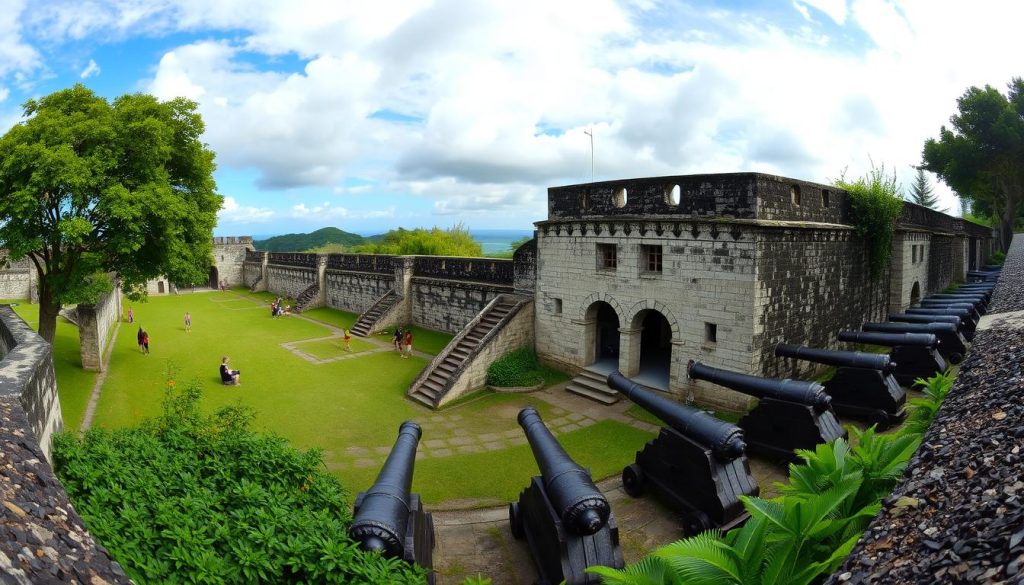
Fort San Pedro is a historical gem in Cebu City. It’s the oldest and smallest fort in the Philippines. This architectural marvel offers a glimpse into the region’s centuries-old past.
The Oldest and Smallest Fort in the Philippines
Miguel López de Legazpi built Fort San Pedro in 1565. It covers 2,025 square meters with a unique triangular design. Two sides face the sea, while one faces the land.
The fort’s walls are 20 feet tall and 8 feet thick. They were first made of wood, then reinforced with coral stone. Three bastions – Ignacio de Loyola, La Concepción, and San Miguel – each have a turret.
A Multifunctional Historical Landmark
Fort San Pedro has served many roles over time. It’s been a garrison, prison camp, school, hospital, and zoo. Now, it’s a public park and museum.
The museum houses Spanish artifacts, paintings, and historical documents. Visitors can learn about Cebu’s past and enjoy Spanish colonial architecture. The roof deck offers stunning views of the surrounding landscape.
| Fact | Statistic |
|---|---|
| Total Area | 2,025 square meters |
| Wall Height | 20 feet |
| Wall Thickness | 8 feet |
| Number of Cannons | 14 |
| Construction Start Date | May 8, 1565 |
| Entrance Fee | 30 pesos (as of 2024) |
| Opening Hours | 8 AM to 7 PM daily |
Cebu Heritage Monument
The Cebu Heritage Monument is a captivating bronze tableau in Cebu City’s Parian District. It chronicles Cebuano history from Rajah Humabon to the Battle of Mactan. Senator Marcelo Fernan commissioned local artist Eduardo Castrillo to create this massive monument.
Built between 1997 and 2000, it showcases key moments in Cebu’s past. The monument includes the beautification of Cebuano martyr Pedro Calungsod. It’s a grand tribute to Cebu’s rich heritage.
Located just 0.7 kilometers from the city center, it’s easy to visit. With a 4.7 rating from 13 reviews, it’s a beloved landmark. Visitors flock to explore its intricate details and learn about Cebu’s history.
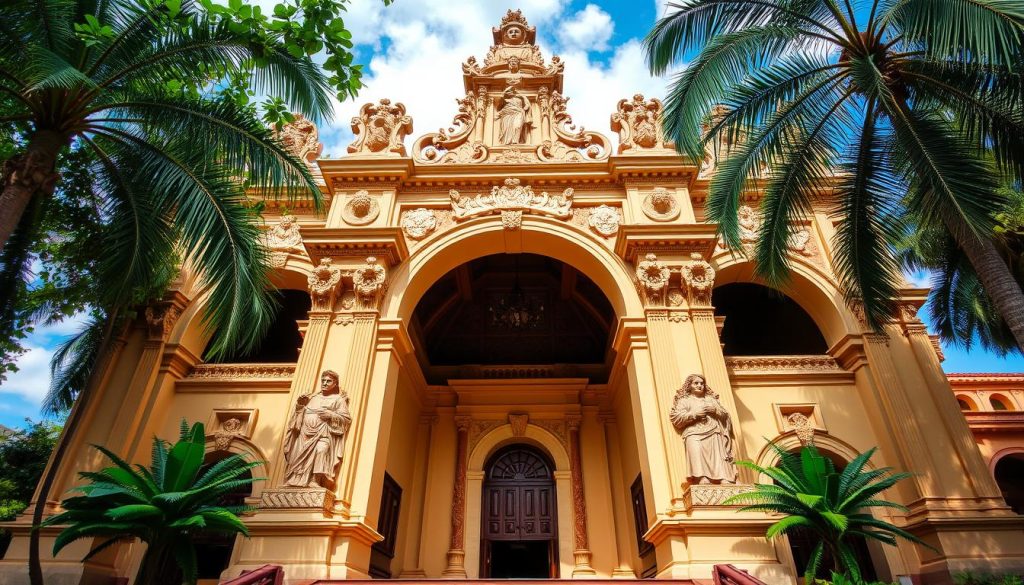
Near the monument, you can visit the Jesuit House and Yap-Sandiego Ancestral House. These historic structures offer a glimpse into Cebuano life and traditions. They enhance your exploration of the city’s vibrant past.
The monument stands as a testament to Cebuano resilience and cultural richness. It invites visitors to immerse themselves in the island province’s captivating story. History buffs and curious travelers alike will find it a must-see destination.
What historical sites should I visit in Cebu City?
Cebu City boasts two remarkable historical sites: the Yap-Sandiego Ancestral House and the Oldest Chinese House Outside of China. These structures offer a fascinating peek into Cebu’s rich cultural past.
Yap-Sandiego Ancestral House
The Yap-Sandiego Ancestral House stands across from the Cebu Heritage Monument. It’s one of the oldest homes in the Philippines, built between 1675 and 1700.
Don Juan Yap created this two-story marvel for his family. It features coral stone walls and a roof made of molave and balayong wood.
Inside, you’ll find period artworks, sculptures, and native furniture. These items showcase a mix of Filipino, Spanish, and Chinese influences.
Val Sandiego, a descendant of Dona Maria Yap-Sandiego, now cares for this historic site. He works to preserve it for future generations to enjoy.
Oldest Chinese House Outside of China
In Cebu’s Parian district, you’ll find the Oldest Chinese House Outside of China. Built around 1675-1700, it shows the impact of Chinese immigration on Cebu.
This house highlights the architectural styles brought by Chinese settlers. Its details and construction methods offer a look into Cebu’s past.
Visitors can explore well-preserved interiors and learn about Cebu’s Chinese heritage. The house provides a unique glimpse into the city’s cultural history.
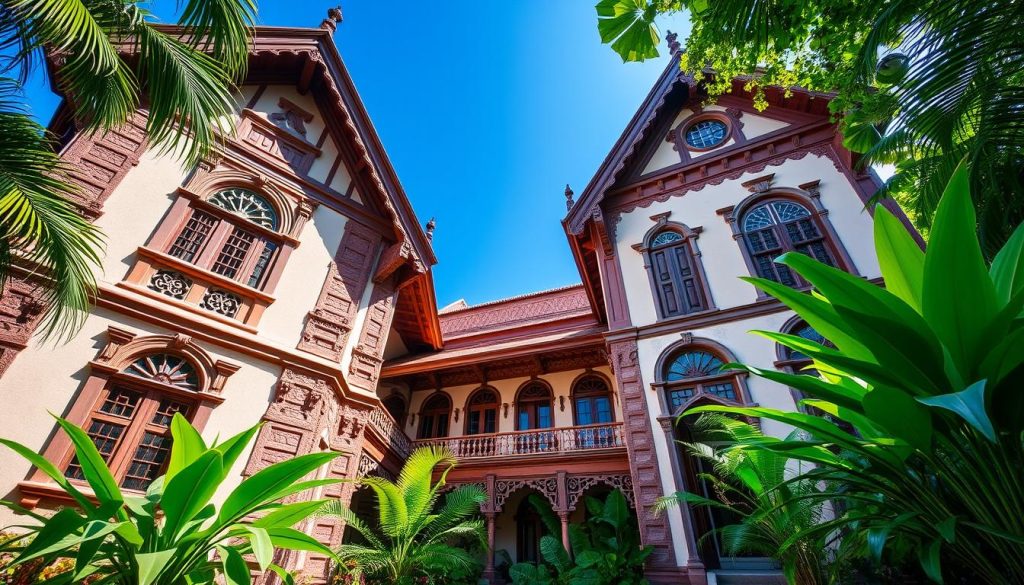
“The Yap-Sandiego Ancestral House and the Oldest Chinese House Outside of China are true gems that showcase Cebu’s rich cultural tapestry. These historic sites offer a captivating glimpse into the city’s past, inviting visitors to immerse themselves in the harmonious blend of Filipino, Spanish, and Chinese influences that have shaped Cebu’s enduring legacy.”
Museo de Sugbo
The Museo de Sugbo, or Cebu Provincial Museum, has a fascinating history. Built in 1871 as Carcel de Cebu, it served as a jail and held Katipunero captives. This large building played a key role in Cebu’s past.
The structure adapted to changing needs over time. During American rule, it became a stable for racehorses. Later, the Japanese used it as a prison again.
Transforming from Prison to Museum
In 2004, the former jail became Museo de Sugbo. It now preserves Cebu’s rich cultural heritage. Visitors can explore its extensive collection, including a presidential gallery and archeological exhibits.
The museum features the Wishing Well of Wisdom, Love, and Good Fortune. This well once provided water for the prison. Today, visitors toss coins and make wishes for a brighter future.
Preserving Cebu’s Rich Cultural Heritage
Museo de Sugbo showcases Cebu’s remarkable transformation. It celebrates the province’s cultural identity through various exhibits and displays. Visitors get a captivating look into this Philippine destination’s vibrant past.
History lovers will enjoy exploring Cebu’s heritage at Museo de Sugbo. It’s a must-visit spot to uncover fascinating stories within its walls.

| Admission Fees | Filipinos | Foreigners |
|---|---|---|
| Adults | Php 30.00 | Php 75.00 |
| Students | Php 10.00 | Php 50.00 |
| Senior Citizens | Php 10.00 | Php 10.00 |
Museo de Sugbo has a rich 135-year history. It changed from a prison to a museum, showing Cebu’s dedication to preserving culture. Visitors can explore the province’s vibrant past through its engaging exhibits.
Mactan Shrine
The Mactan Shrine on Mactan Island is a powerful symbol of Philippine history. It honors the Battle of Mactan, where Datu Lapu-Lapu defeated Spanish forces led by Ferdinand Magellan. This site commemorates a crucial moment in the country’s past.
Commemorating the Battle of Mactan
Built in 1866, the shrine marks the historic clash of April 27, 1521. A 20-meter bronze statue of Datu Lapu-Lapu stands at its center. This monument honors Lapu-Lapu’s heroic stand against foreign conquest.
Lapu-Lapu’s actions made him the Philippines’ first national hero. The statue is believed to be on the exact spot where the battle occurred.
Honoring Datu Lapu-Lapu and Ferdinand Magellan
Next to Lapu-Lapu’s statue is the Magellan Shrine. It features a monument and marker for the Portuguese explorer Ferdinand Magellan. This dual-site allows visitors to ponder the complex legacy of their encounter.
The Mactan Shrine is a must-see for those interested in Cebu’s history. It showcases the Filipino people’s resilience and courage. Visitors from around the world find it a profound and thought-provoking experience.
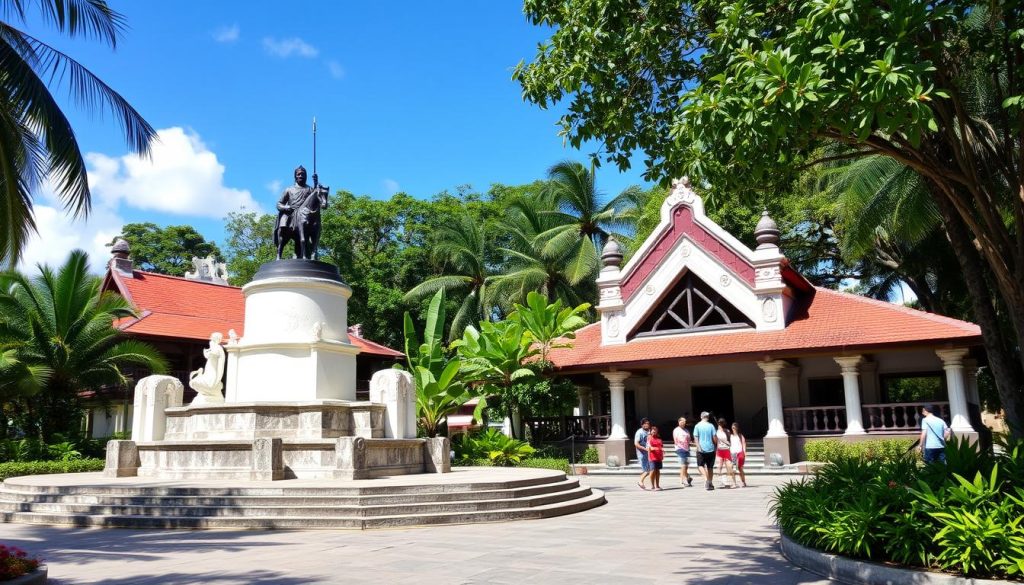
“Lapu-Lapu is considered the first Philippine native to resist foreign invasion, making him the first national hero of the Philippines.”
Cebu Metropolitan Cathedral
The Cebu Metropolitan Cathedral is a symbol of Catholic faith in Cebu City. For over 400 years, it has been central to the religious life of Cebuanos. As the seat of the Archdiocese, it reflects the community’s deep spiritual roots.
Bishop Pedro de Agurto founded the cathedral in 1598. It has faced many challenges, including destruction during World War II. However, it has been rebuilt and restored, maintaining its grandeur and importance.
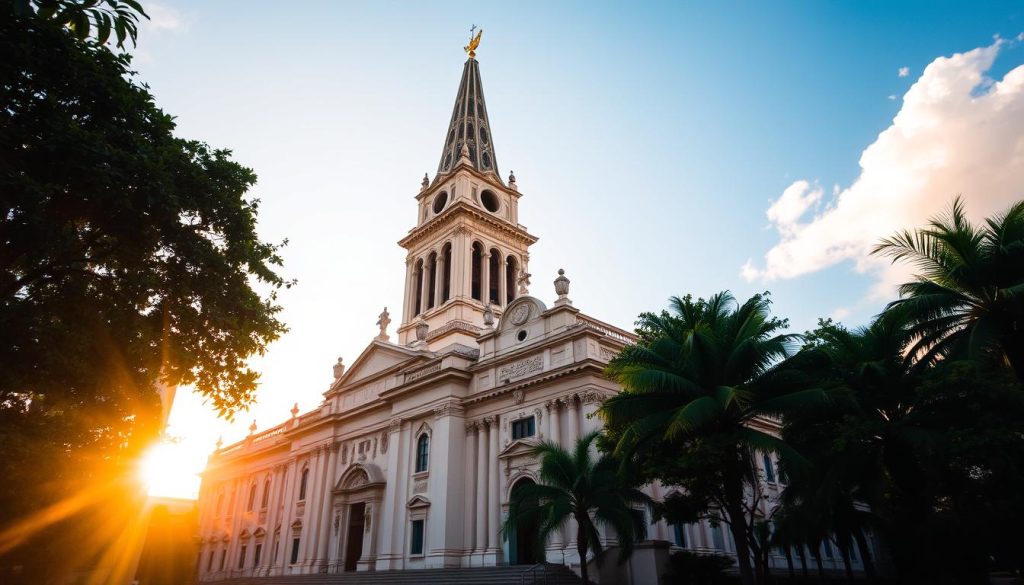
The cathedral’s Spanish Colonial design features a single spire and ornate facade. Inside, you’ll find beautiful religious artwork and elaborate altars. The mausoleum houses Cebu’s bishops and clergy.
In 2009, the cathedral underwent major restoration for its 75th anniversary. A new rector, appointed in 2010, has boosted its spiritual and cultural significance. The cathedral may soon be elevated to a minor basilica.
Visiting the Cebu Metropolitan Cathedral reveals Catholicism’s impact on Cebu City. This landmark stands as a living testament to the Cebuano people’s enduring faith. It embodies centuries of the city’s rich history and heritage.
Conclusion
Cebu City’s historical sites offer a unique glimpse into the Philippines’ rich past. From Magellan’s Cross to the Yap-Sandiego Ancestral House, each landmark tells a story. These sites showcase Cebuano history and culture and immerse visitors in the city’s enduring spirit.
These must-see attractions highlight Cebu’s resilience and the legacy of its people. The Basilica Del Santo Nino and Museo de Sugbo provide captivating insights into the city’s past. They invite visitors to connect with Cebu’s rich heritage and appreciate its resilient spirit.
Cebu’s historical landscape blends Spanish, Chinese, and indigenous influences. This mix has shaped the city’s identity over centuries. The Cebu Metropolitan Cathedral’s grand architecture and Tops Lookout’s serenity are prime examples.
Exploring these sites deepens appreciation for Philippines’ vibrant culture. It also creates a connection to Cebu City’s enduring legacy. Each destination offers a unique experience of the city’s fascinating history.