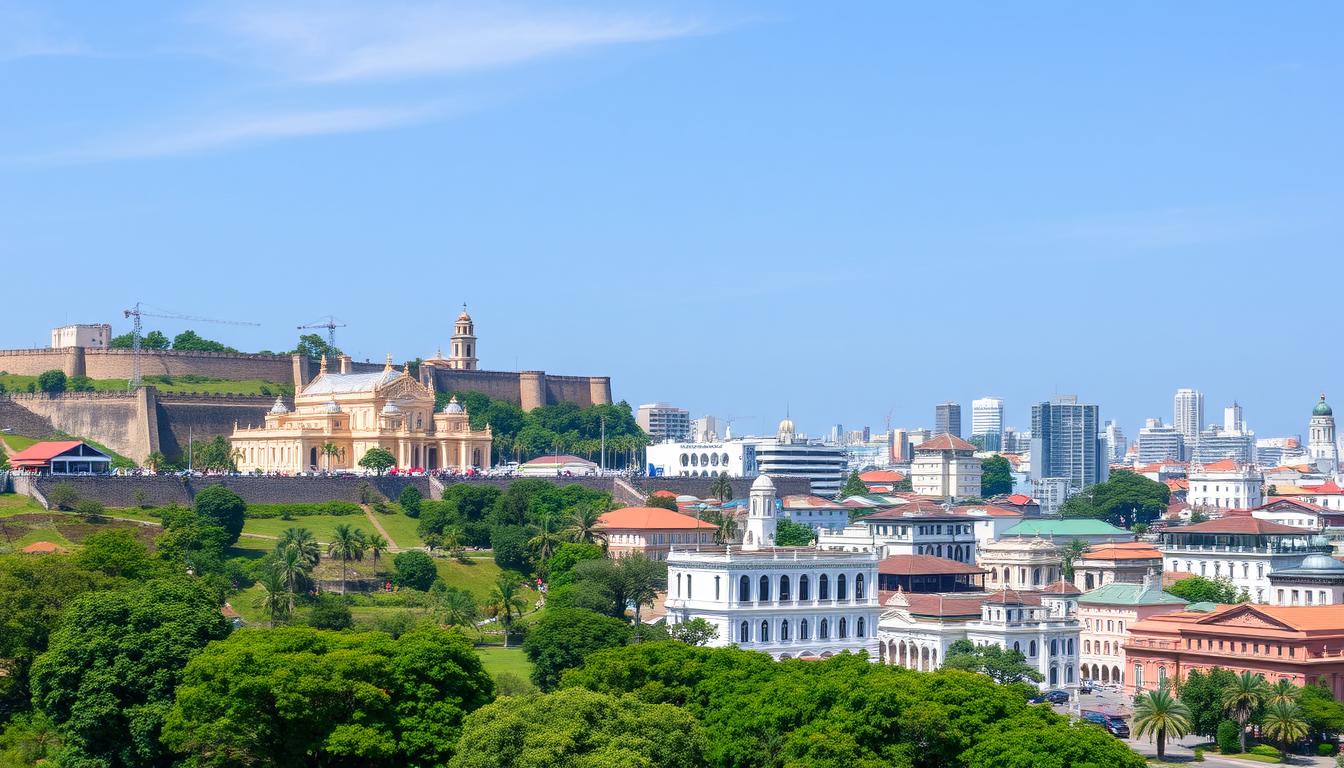
Discover Cultural & Historical Insights in Manila
Manila is a city full of hidden treasures. Beyond its busy streets, you’ll find amazing cultural and historical wonders. The walled area of Intramuros showcases Spanish colonial history.
Rizal Park honors the nation’s hero. It offers a journey through the Philippines‘ past. Manila’s ancient walls and monuments hold fascinating secrets.
Immerse yourself in the city’s rich heritage. History buffs and architecture fans will love exploring Manila. You’ll gain a deeper understanding of Filipino culture here.
Intramuros: The Walled City’s Timeless Charm
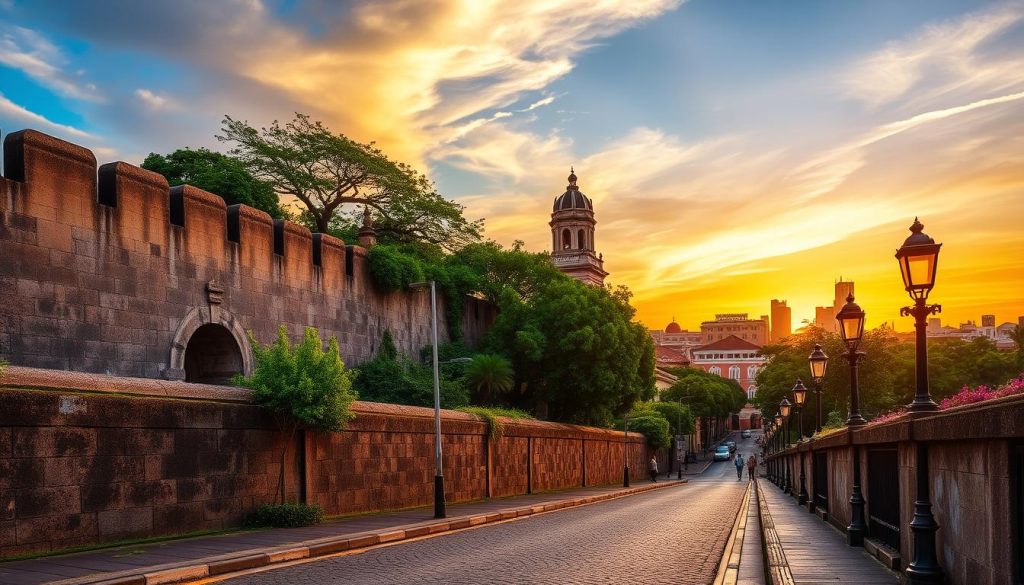
Intramuros, Manila’s historic district, is like a time machine to the past. This 16th-century walled city showcases a rich tapestry of Manila historical sites. It offers a glimpse into the city’s colonial past.
At Intramuros’ heart stands the iconic
Fort Santiago
This late 16th-century defensive fortress has walls over 8 feet thick and 22 feet high. It served as a military headquarters and prison during World War II. Now, it’s a shrine to national hero Dr. Jose Rizal, who was imprisoned here.
Another architectural gem within Intramuros is the
San Agustin Church
Built in 1589, it’s the Philippines’ oldest stone church. It’s a stunning example of Manila colonial architecture with a baroque facade. The church’s interior boasts intricate carvings and frescoes.
The San Agustin Museum, next to the church, displays religious relics and artifacts. It offers visitors insight into the region’s rich cultural heritage.
| Landmark | Significance | Year Established |
|---|---|---|
| Intramuros | Historic walled city of Manila | Late 16th century |
| Fort Santiago | Defensive fortress and prison | Late 16th century |
| San Agustin Church | Oldest stone church in the Philippines | 1589 |
Walking through Intramuros, you’ll hear echoes of the past. The towering walls and awe-inspiring architecture capture the city’s rich history. This walled city’s timeless charm captivates all who visit.
The Legacy of Dr. Jose Rizal at Rizal Park
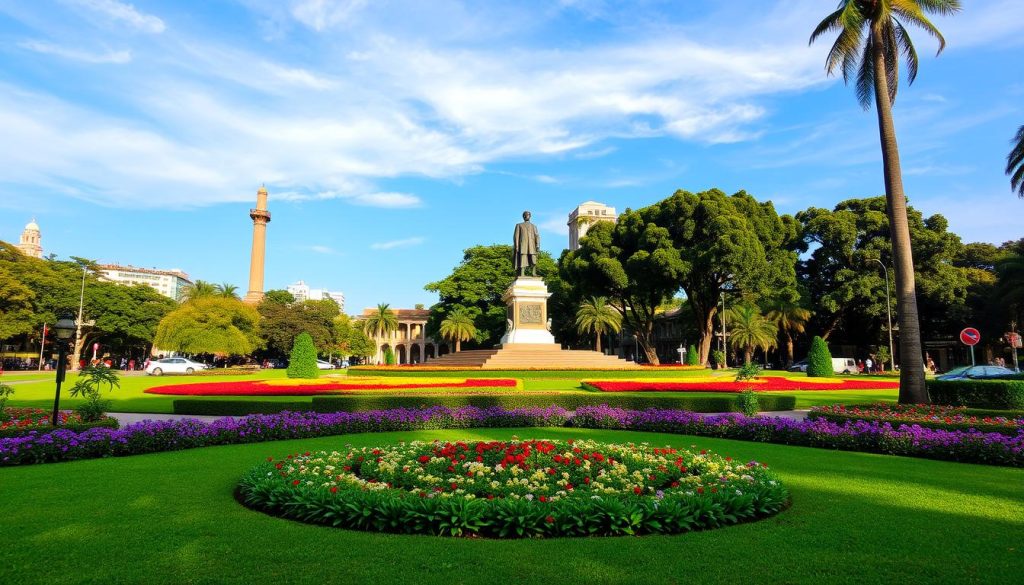
Rizal Park, or Luneta Park, honors Dr. Jose Rizal, the Philippines’ national hero. This green oasis in Manila showcases Rizal’s contributions to Filipino identity. It symbolizes the nation’s fight for independence.
The Rizal Monument is the park’s centerpiece. This bronze sculpture has become an icon of Filipino patriotism. Dedicated in 1913, it resulted from a nationwide fundraising effort.
Filipinos raised over ₱135,195.61 for the monument. In 1961, Rizal’s birth centenary, its height increased from 12.7 to 30.5 meters. This change highlighted the nation’s deep respect for their hero.
Rizal Park is a vibrant hub of activity. Visitors enjoy strolls, cultural performances, and events celebrating Filipino heritage. Ornamental gardens, ponds, and lawns create a peaceful atmosphere.
| Key Facts about Rizal Park | Details |
|---|---|
| Location | Coordinates: 14°34′54″N 120°58′36″E |
| Rizal Monument |
|
| Management | National Parks Development Committee, under the Department of Tourism |
| Designation | National Historical Landmark (April 15, 2013) |
Rizal Park is a living tribute to Dr. Jose Rizal’s enduring legacy. His ideas and sacrifices continue to inspire Filipinos and people worldwide. Visitors discover cultural insights and gain appreciation for the nation’s history.
“I die without seeing the dawn brighten over my native land. You, who have it to see, welcome it—and forget not those who have fallen during the night.” – Dr. Jose Rizal
Manila Ocean Park: A Marine Adventure
Manila Ocean Park is a captivating marine wonderland near Rizal Park. It houses a mesmerizing array of marine life, including coral reefs, dolphins, and sea lions. This state-of-the-art oceanarium promises an unforgettable aquatic adventure.
The park’s highlight is its spectacular oceanarium tunnel. It offers a 360-degree view of stunning marine creatures swimming around you. Manila Ocean Park also hosts interactive shows and educational exhibits.
Family-Friendly Accommodations Near Manila Ocean Park
Manila offers various family-friendly accommodations close to the Ocean Park. These hotels provide a perfect base for exploring the park’s attractions. They also allow easy access to other sights in Manila.
- Hotel H2O: A unique hotel with rooms offering direct views of the oceanarium, providing a truly immersive experience.
- The Manila Hotel: A classic and luxurious hotel with easy access to Manila Ocean Park and other historic landmarks.
- Bayview Park Hotel Manila: A comfortable and affordable option, conveniently located near the park and other popular attractions.
- Rizal Park Hotel: A modern hotel situated within the lush grounds of Rizal Park, just a short distance from Manila Ocean Park.
Manila Ocean Park offers an unparalleled experience in the Philippines’ vibrant capital. It’s perfect for family getaways or diving deeper into marine wonders. The nearby accommodations enhance this unique adventure.

National Museum of the Philippines: A Cultural Treasure Trove
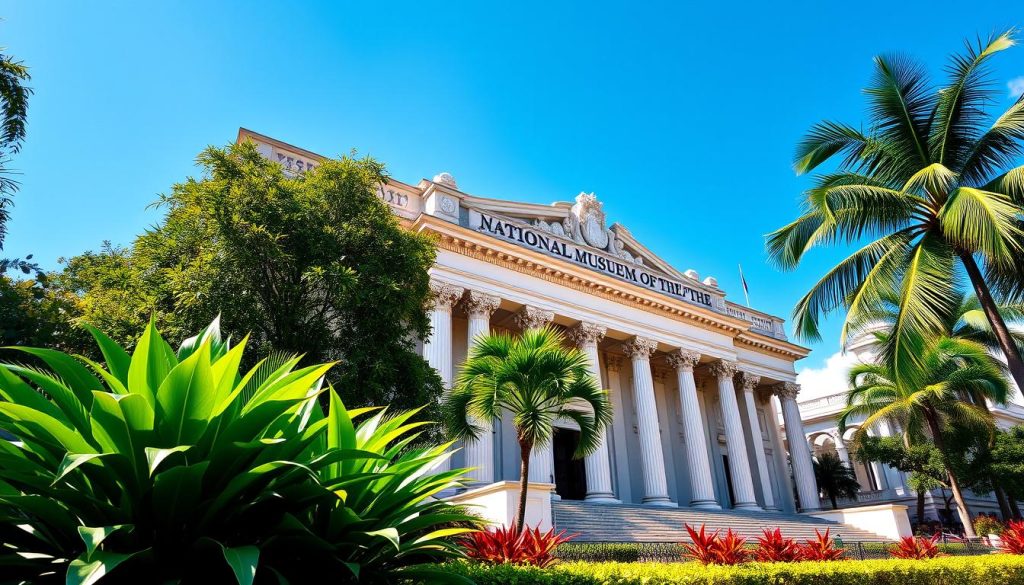
The National Museum of the Philippines is a cultural hub in Manila’s heart. It showcases art, history, and culture, offering a journey through the nation’s past. Since 1901, this institution has preserved Filipino heritage through its vast artifact collection.
The museum complex has several buildings, each focusing on unique aspects. The National Museum of Fine Arts displays Philippine and international art. It shows the evolution of artistic expression from classical to contemporary works.
The National Museum of Anthropology highlights Philippine cultures and traditions. It showcases the rich contributions of indigenous peoples to the country’s social fabric.
Nature lovers will enjoy the National Museum of Natural History. It explores Philippines’ biodiversity, geology, and paleontology. The museum reveals the country’s natural wonders and scientific discoveries.
The National Planetarium enhances the experience with advanced digital projections. Visitors can take a mesmerizing journey through the cosmos.
The National Museum is more than just collections. It’s a vibrant cultural space hosting exhibitions, educational programs, and lectures. These events cater to students, scholars, and the public.
The museum fosters understanding of the Philippines’ past. It plays a key role in building national pride and appreciation for diverse heritage.
The National Museum of the Philippines is a must-visit for art, history, and nature enthusiasts. It offers a deep dive into the richness of Filipino identity. Explore this cultural treasure trove and uncover stories that shaped the nation.
“The National Museum is a repository of our collective memory, a place where the past and present converge to shape our understanding of who we are as a people.”
Where can I find cultural and historical insights in Manila?
Binondo, the world’s oldest Chinatown, is a must-visit in Manila. This vibrant district blends Filipino and Chinese cultures seamlessly. Here, you’ll find traditional shops, temples, and eateries that showcase this unique cultural mix.
Binondo: A Fusion of Filipino and Chinese Cultures
Binondo is a sensory delight. The air is filled with aromas of authentic Chinese dishes. You’ll find dim sum, Peking duck, and savory noodle soups on every corner.
Family-owned restaurants serve time-honored recipes passed down through generations. But Binondo offers more than just great food. It’s a cultural experience that reveals the intertwined histories of Filipino and Chinese communities.
Binondo’s architecture tells its story of evolution. You’ll see ornate Chinese temples next to colonial-era buildings. Vibrant markets and traditional shops offer a glimpse into local daily life and traditions.
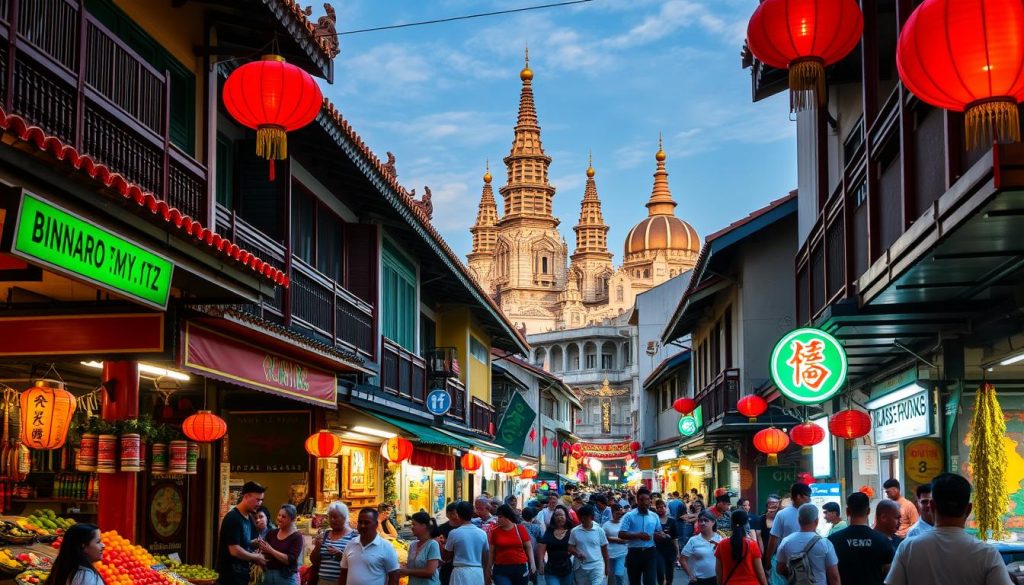
Binondo offers culinary delights, historical insights, and cultural immersion. Its blend of Filipino and Chinese influences creates a captivating experience. Any traveler will find Binondo unforgettable and truly unique.
Manila Baywalk: Sunset Views and Vibrant Evenings
The Manila Baywalk is a 2-kilometer promenade along Manila Bay’s shores. It offers stunning sunset views that transform the sky into a vibrant canvas. Photographers and romantics flock to witness this mesmerizing spectacle.
As night falls, the Baywalk buzzes with energy. Street performers, food vendors, and lively crowds create an exciting atmosphere. Locals and tourists gather here to unwind and enjoy the unique experience.
Hotels with Stunning Bay Views
Several hotels near the Baywalk offer rooms with amazing bay views. Guests can watch the sunset from their rooms while enjoying easy access to the promenade. These accommodations provide a front-row seat to nature’s daily show.
| Hotel | Location | Proximity to Manila Baywalk | Sunset View Availability |
|---|---|---|---|
| The Manila Hotel | Ermita, Manila | Adjacent to the Baywalk | Yes |
| Sofitel Philippine Plaza Manila | Pasay City | Located along the Baywalk | Yes |
| Diamond Hotel Philippines | Ermita, Manila | Directly on the Baywalk | Yes |
The Manila Baywalk and nearby hotels offer a unique, unforgettable experience. It’s perfect for romantic getaways or immersing yourself in Manila’s vibrant energy.
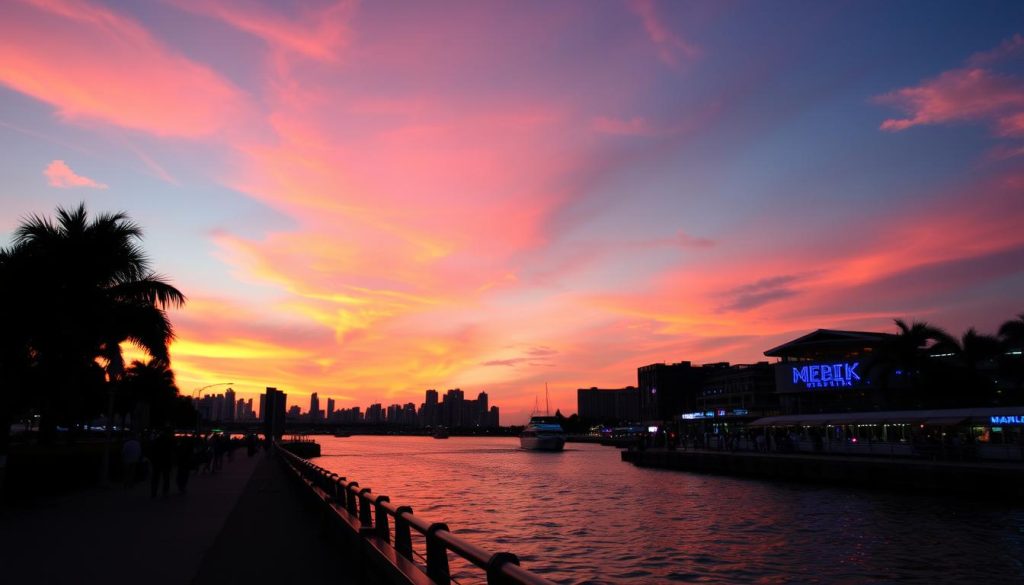
“The Manila Baywalk is a true gem of the city, offering a tranquil respite from the bustling streets and a front-row seat to some of the most breathtaking sunsets I’ve ever seen.”
Manila’s Iconic Landmarks and their Significance
Manila’s iconic landmarks showcase the city’s rich cultural heritage. The Manila Cathedral stands out as a stunning symbol of resilience and faith. It has withstood the test of time, captivating visitors with its beauty and history.
Manila Cathedral: A Symbol of Resilience and Faith
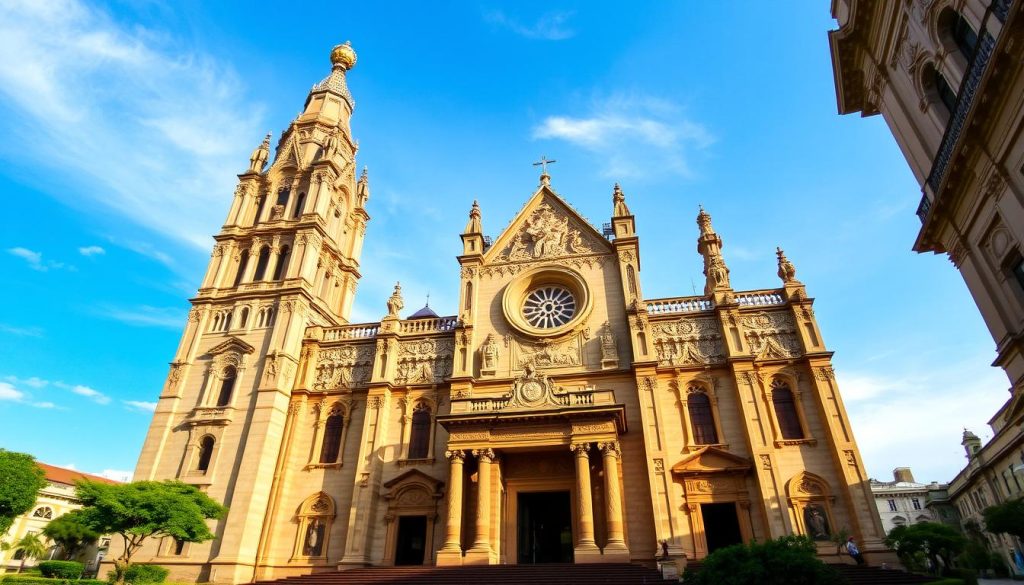
The Manila Cathedral is a neo-Romanesque masterpiece. It has been rebuilt multiple times after natural disasters. Its imposing facade and grand interiors inspire deep spiritual reverence.
This historic cathedral has been part of Manila’s religious heritage since 1571. It has faced fires and earthquakes but always risen again. Each rebuild adds to its storied past.
Visiting this landmark offers a glimpse into Manila’s religious traditions. It also showcases the colonial architecture that shaped the city’s cultural identity.
“The Manila Cathedral is a testament to the resilience and faith of the Filipino people.”
The cathedral’s ornate interiors create a peaceful atmosphere. It’s more than just an architectural marvel. The Manila Cathedral symbolizes the city’s enduring spirit.
It also represents the deep connection between religion and culture in the Philippines. Visitors can experience this unique blend of faith and history firsthand.
Exploring Manila’s Culinary Heritage
Manila’s food culture is a vibrant mix of diverse dining options. It reflects the city’s melting pot of cultures. Traditional Filipino cuisine and Chinese-influenced delicacies shape the capital’s identity.
Barbara’s Heritage Restaurant offers a buffet of Filipino dishes with cultural performances. In Intramuros, Ristorante Delle Mitre blends Filipino and international flavors. These restaurants let diners taste the past.
Manila’s local dining experiences showcase its rich cultural heritage. From Binondo’s bustling streets to Makati’s upscale spots, the city embraces diverse flavors.
“The culinary exchange has shaped Manila’s culinary scene over the centuries, providing a unique perspective on the city’s gastronomy.”
Tondo is known for its lively street food scene. A popular dish is kwek kwek, quail eggs in orange batter. Binondo, the oldest Chinatown, offers Chinese-Filipino fusion.
A favorite in Binondo is siopao, a steamed bun with mixed meats. This dish shows the blend of Chinese and Filipino flavors.
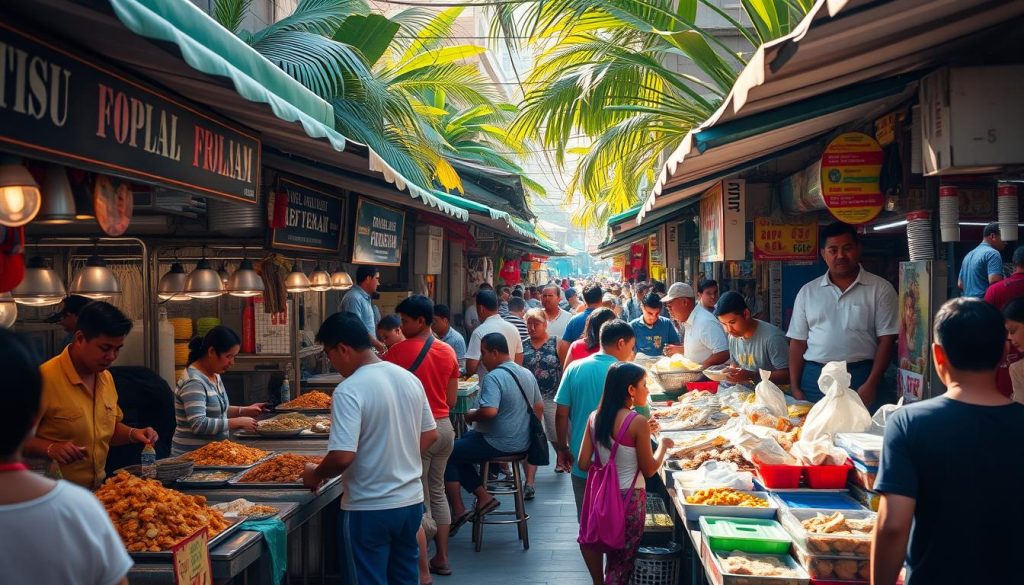
Manila’s culinary scene tells the story of its cultural heritage. From Intramuros to Binondo, each dish offers a taste of history.
Conclusion
Manila, the Philippines’ capital, blends its colonial past with a modern present. Visitors can explore historic landmarks, museums, and cultural hubs. These sites reveal the rich tapestry of the Philippines’ heritage.
From Intramuros’ charm to Dr. Jose Rizal’s legacy, Manila offers diverse experiences. The Manila Ocean Park showcases marine wonders. Binondo presents a unique cultural fusion.
Manila’s architecture, museums, and culinary delights leave lasting impressions. The city combines old and new, offering insights into Philippines’ culture. Its energy and historical offerings make it a must-visit destination.
Explore Manila’s captivating sights and sounds. You’ll gain a deeper appreciation for the Philippines’ rich heritage. This cultural and historical journey through Manila’s cultural and historical attractions promises an insightful exploration.
Plan your trip to Manila today. Immerse yourself in its vibrant atmosphere. You’ll explore the cultural insights that make this city truly remarkable.