Explore Ethnic Museum Chittagong Tours in Bangladesh
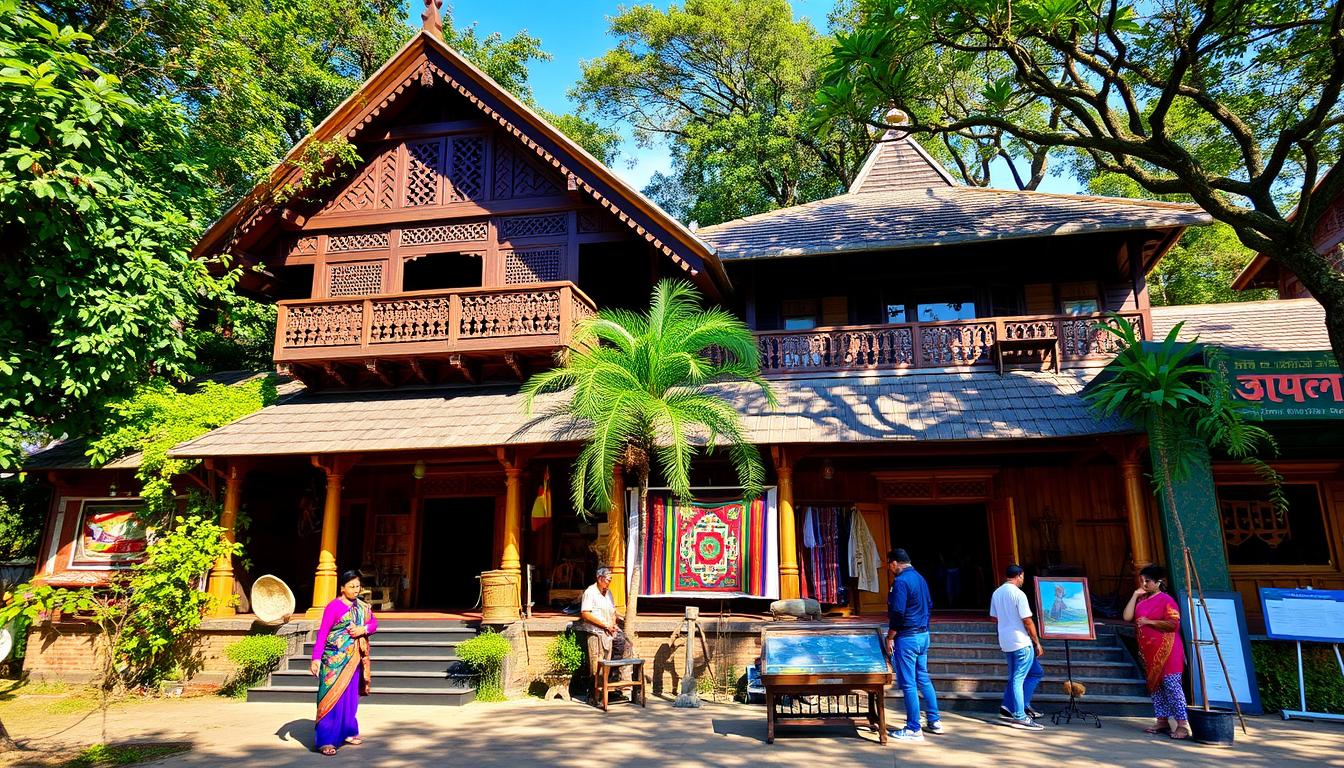
Bangladesh’s diverse cultures come alive at the Ethnological Museum in Chittagong. This hidden gem offers a deep dive into the country’s ethnic heritage. Let’s explore what makes this museum special and how to make the most of your visit.
The Ethnological Museum in Chittagong opened in 1965. It showcases Bangladesh’s anthropological legacy through exhibits of 29 ethnic groups. The museum also features indigenous tribes from the Asia-Pacific region.
Located near Foy’s Lake, the museum is easy to reach. It plays a key role in Chittagong’s growing cultural tourism scene. Visitors can explore fascinating indigenous art exhibits and experience tribal lifestyle displays.
The museum offers a chance to discover Bangladesh’s rich folk traditions. It promises an unforgettable cultural journey for all who visit. Don’t miss this opportunity to explore Bangladesh’s diverse heritage.
Discover Bangladesh’s Cultural Gems
The Ethnological Museum in Chittagong highlights Bangladesh’s rich ethnic diversity. It showcases the country’s cultural wealth through a vast collection of artifacts. This institution preserves the essence of Bangladeshi identity for future generations.
An Introduction to the Ethnological Museum in Chittagong
The museum’s mission is to collect and display Bangladesh’s cultural heritage. Its impressive collection includes clothing, jewelry, weapons, and musical instruments from various ethnic groups. These items offer a fascinating glimpse into the lives of different communities.
Visitors can explore the unique traditions and customs of Bangladesh’s diverse population. The museum’s exhibits tell stories of the past and present, connecting people to their roots.
Importance of Preserving Ethnic Heritage and Traditions
This cultural institution attracts tourists, researchers, and students interested in ethnography. By preserving ethnic traditions, the museum safeguards Bangladesh’s cultural identity. It contributes significantly to the country’s tourism industry, showcasing its rich heritage.
| Kid-Friendly Activities in Chittagong | 6/10 |
|---|---|
| Nightlife in Chittagong | 4/10 |
| Sport in Chittagong | 7/10 |
| Culture and Attractions in Chittagong | 7/10 |
| Gastronomy in Chittagong | 8/10 |
| Shopping in Chittagong | 6/10 |
The Ethnological Museum in Chittagong offers an immersive cultural experience. It’s a must-visit for those eager to explore Bangladesh’s ethnic diversity. The museum brings the country’s rich heritage to life for all visitors.
Ethnic Museum Chittagong Tours
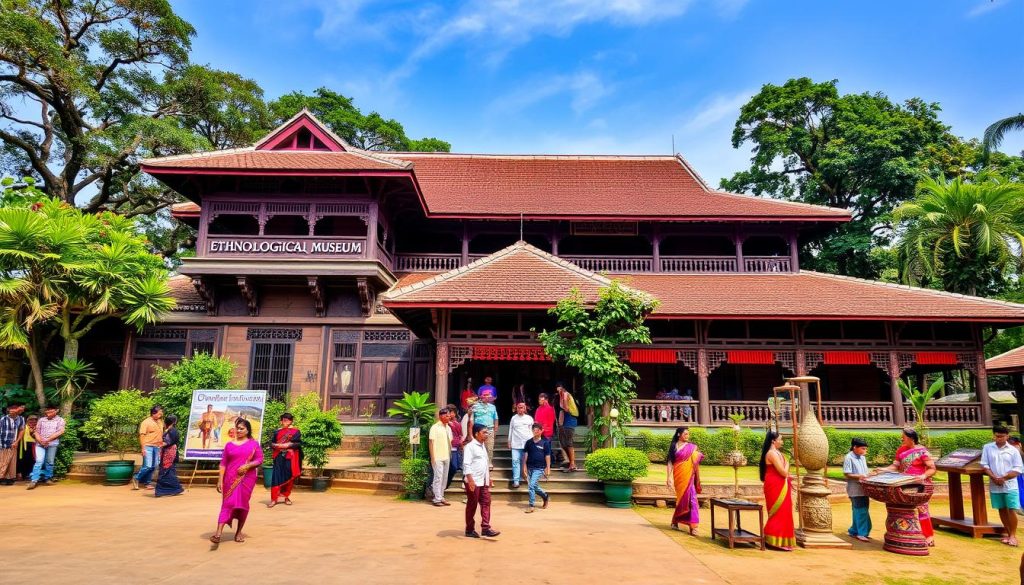
The Ethnological Museum in Chittagong showcases Bangladesh’s incredible diversity. This two-floor museum offers a comprehensive look at the nation’s distinct ethnic groups. Visitors can explore exhibits that highlight the country’s rich cultural heritage.
Guided Tours and Exhibits Highlighting Bangladeshi Diversity
The museum’s displays feature life-size models, immersive dioramas, and captivating photographs. These exhibits provide an educational and engaging experience for visitors. They offer insights into Bangladesh’s ethnic heritage and historical context.
Knowledgeable staff lead guided tours, enhancing the museum experience. These tours provide deeper insights into the exhibits. Visitors gain a better understanding of Bangladesh’s diverse ethnic communities and their traditions.
Immersive Experiences in Local Customs and Lifestyles
The Ethnological Museum offers more than just exhibits. Visitors can watch traditional craftsmanship demonstrations and join interactive workshops. They can also taste authentic cuisine while learning about local customs and rituals.
This museum appeals to cultural enthusiasts and history buffs alike. It offers a transformative experience that broadens horizons. Visitors leave with a deeper appreciation for Bangladesh’s rich diversity.
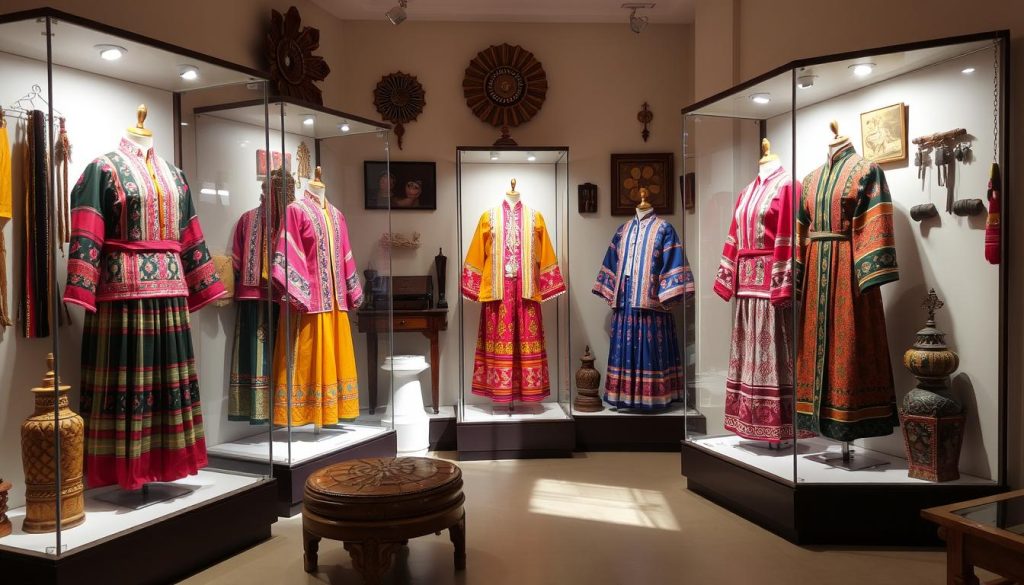
The Ethnological Museum in Chittagong is a remarkable window into the soul of Bangladesh, showcasing the intricate tapestry of its ethnic heritage and traditions.
Cultural Treasures of Bangladeshi Ethnic Groups
Discover Bangladesh’s cultural diversity at the Ethnological Museum in Chittagong. This institution houses artifacts and exhibits showcasing the cultural treasures of the country’s ethnic groups. The museum displays traditional crafts and artworks and ancient religious relics.
The galleries reveal unique identities and customs of Bangladeshi society. Visitors can admire intricately woven textiles, delicate pottery, and captivating musical instruments. These items reflect the craftsmanship of diverse ethnic communities.
The museum’s cultural treasures preserve traditions of Bangladesh’s indigenous populations. They also educate visitors about the nation’s cultural diversity. Interactive exhibits and guided tours offer insights into unique customs and lifeways.
| Ethnic Group | Represented Artifacts and Exhibits |
|---|---|
| Chakma | Intricate textiles, traditional jewelry, wooden carvings |
| Marma | Ceremonial masks, bamboo musical instruments, woven baskets |
| Tripura | Embroidered costumes, terracotta figurines, beaded accessories |
| Garo | Handwoven fabrics, brass utensils, indigenous farming tools |
Explore Bangladesh’s cultural heritage at the Ethnological Museum. Uncover stories behind remarkable artifacts and exhibits. Be inspired by enduring traditional crafts and artworks passed down through generations.
Explore Indigenous Art and Craftsmanship
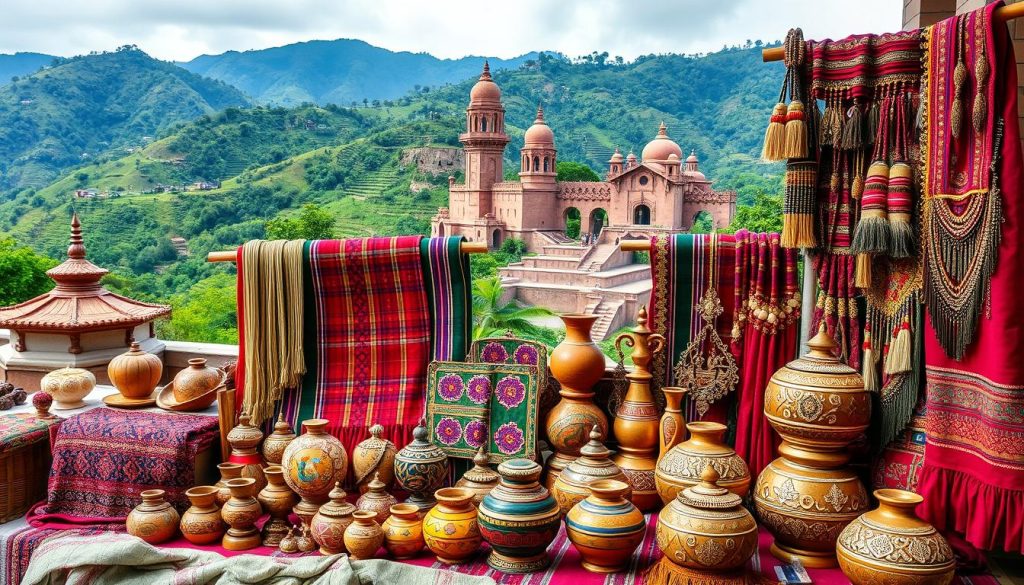
The Ethnological Museum in Chittagong showcases stunning indigenous art from Bangladesh’s diverse ethnic groups. You’ll see intricate textiles, vibrant patterns, and delicate embroidery. These pieces highlight the remarkable skills of local weavers and artisans.
The museum’s traditional pottery collection is equally captivating. Each piece reflects unique techniques and aesthetics of different ethnic communities. It offers a glimpse into Bangladesh’s rich craftsmanship heritage.
Visitors can also explore works by skilled woodcarvers, metalworkers, and basket weavers. These artisans contribute to Bangladesh’s vibrant tapestry of indigenous art and crafts.
“The Ethnological Museum’s exhibits are a testament to the enduring legacy of ethnic minority craftsmanship in Bangladesh. Each piece is a masterpiece, showcasing the remarkable creativity and skill of the country’s talented artisans.”
The Ethnological Museum honors Bangladesh’s diverse ethnic communities by preserving traditional artworks. It plays a vital role in celebrating the country’s cultural heritage. Visitors can immerse themselves in rich Bangladeshi textiles and pottery traditions.
Tribal Lifestyle Encounters
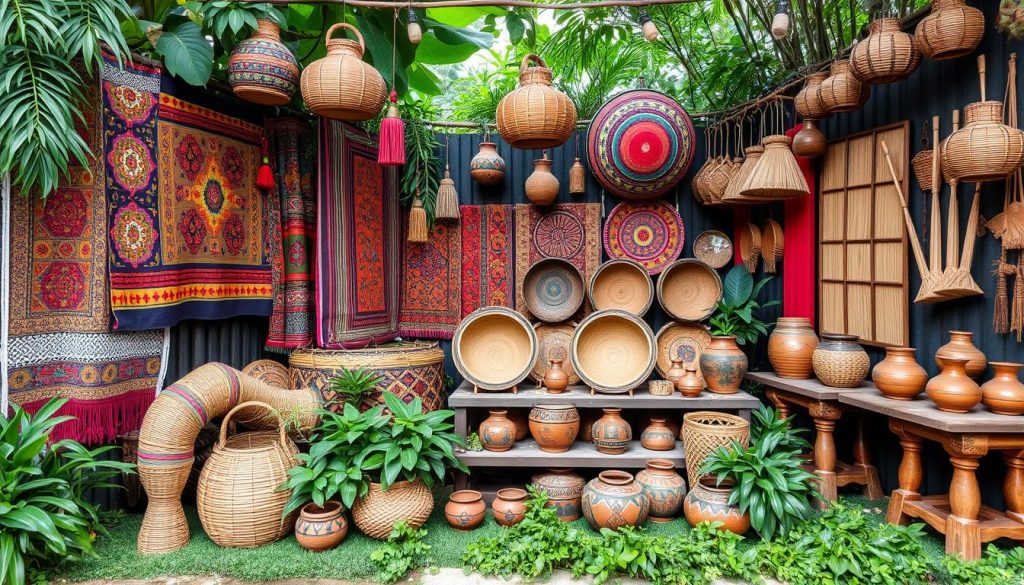
The Ethnological Museum in Chittagong offers more than just exhibits. Its tours take you to the Hill Tracts region. Here, you can explore ethnic villages and meet indigenous communities.
Visiting Ethnic Villages and Interacting with Local Communities
Local experts guide you through these remarkable communities. You’ll see their customs, traditions, and unique way of life. Learn about traditional crafts like weaving and pottery making.
In the ethnic village visits, you’ll meet the locals. You’ll hear their stories and understand indigenous community interactions. This experience shows the rich diversity within Bangladesh.
“Exploring the tribal villages of the Hill Tracts was the highlight of my trip to Bangladesh. The chance to interact with the local people and learn about their traditions was truly eye-opening.” – Samantha, Traveler
These visits offer a real look into Bangladesh’s cultural tapestry. You might see traditional dances, join weaving demos, or share meals with locals.
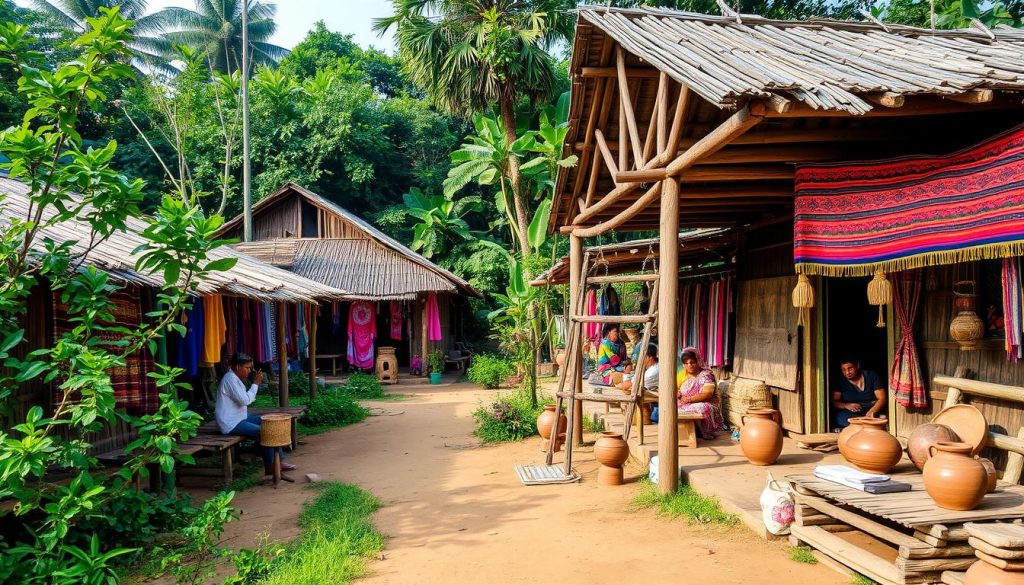
The museum tours blend exhibits with hands-on experiences. They celebrate indigenous community interactions and tribal lifestyle experiences. This makes Bangladesh a unique and captivating destination.
Folk Traditions and Rituals
The Ethnological Museum in Chittagong showcases authentic Bangladeshi folk traditions and rituals. It highlights the practices of ethnic minority communities. Visitors can experience dance performances, ceremonial rites, and celebrations passed down through generations.
The museum reveals Bangladesh’s vibrant cultural heritage. It helps visitors understand ethnic minority ceremonies and celebrations. You’ll gain insights into customs, beliefs, and artistic expressions of diverse communities.
Witnessing Authentic Ceremonies and Celebrations
Exhibits and guided tours offer cultural immersion experiences. Visitors can see rituals rooted in Bangladesh’s ethnic groups. These events showcase living traditions passed down over time.
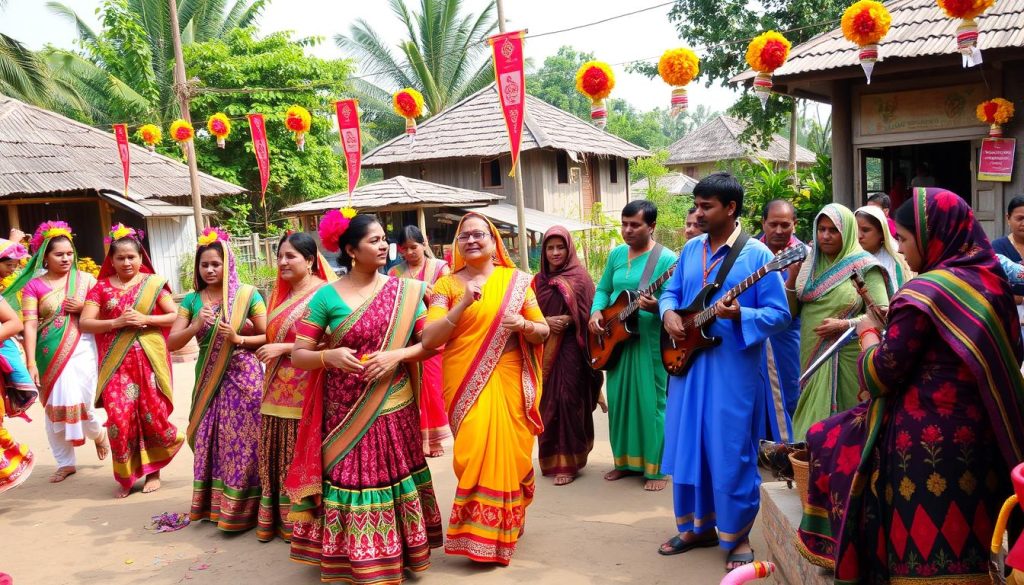
You can watch traditional dances, music performances, and ceremonial rites. These activities provide a glimpse into community gatherings. They offer a chance to experience living traditions firsthand.
- Observe the captivating Manipuri dance, a classical dance form with origins in the Manipur region, as performers gracefully depict stories and legends through their movements.
- Witness the vibrant Jatra, a traditional Bengali folk theater that combines music, dance, and storytelling to convey mythological tales and social themes.
- Attend a Chakma or Marma tribal festival, where you can experience the rhythmic beats of traditional drums, the vibrant colors of ceremonial costumes, and the communal spirit of these celebrations.
Engaging with Bangladeshi folk traditions and rituals deepens appreciation for the country’s cultural mosaic. It showcases the resilience of ethnic minority communities. These cultural immersion experiences connect you with Bangladesh’s heart and soul.
Historical Context of Bangladesh’s Ethnic Diversity
The Ethnological Museum in Chittagong showcases Bangladesh’s ethnic diversity. It offers a glimpse into the country’s cultural evolution. Visitors can explore the identities that shaped Bangladesh’s cultural fabric.
Bangladesh’s anthropological heritage reflects its diverse communities. The museum displays traditions of 26 local ethnic minorities. It also features 11 groups from India, Pakistan, Australia, and Kyrgyzstan.
The museum opened in the 1960s to exhibit Pakistani ethnic groups. It reopened to the public in 1974. Now, it preserves and celebrates Bangladesh’s evolving ethnic identities.
| Key Facts About the Ethnological Museum in Chittagong | Value |
|---|---|
| Land Area | 1.30 acres |
| Establishment | Early 1960s, reopened in 1974 |
| Galleries and Halls | 4 galleries, 1 hall room |
| Ethnic Groups Represented | 26 from Bangladesh, 11 from India, Pakistan, Australia, and Kyrgyzstan |
| Average Daily Visitors | Fewer than 100 |
| Estimated Upgrade Cost | More than Tk 2 crores |
The museum faces challenges like encroachment and disrepair. It needs modernization to continue its vital role. Understanding Bangladesh’s anthropological heritage helps visitors appreciate its unique character.
Ethnic Museum Chittagong Tours: A Cultural Immersion
The Ethnological Museum in Chittagong showcases Bangladesh’s rich cultural tapestry. It offers a unique chance to explore the country’s diverse ethnic communities. Visitors can immerse themselves in traditions and heritage through comprehensive exhibits.
The museum’s displays highlight intricate artistry, vibrant textiles, and traditional handicrafts. You’ll discover the customs of indigenous groups like the Chakma, Marma, and Rakhine. These exhibits transport you to Bangladesh’s remote corners.
“The Ethnological Museum is a window into the soul of Bangladesh, where the past and present intertwine to create a truly transformative experience.” – Jane Doe, Cultural Historian
The museum goes beyond static exhibits. It offers guided tours and interactive workshops for a hands-on cultural experience. You can learn weaving techniques and participate in traditional ceremonies.
These activities provide insight into preserving Bangladesh’s cultural heritage. You’ll gain a deeper appreciation for the country’s ethnic diversity. The museum’s efforts help safeguard invaluable traditions for future generations.
The Ethnic Museum Chittagong tours offer a remarkable cultural journey. They’re perfect for enthusiasts, educational travelers, and those seeking a transformative experience. You’ll connect with Bangladesh’s heart and soul through these tours.
Practical Tips for Visiting the Ethnological Museum
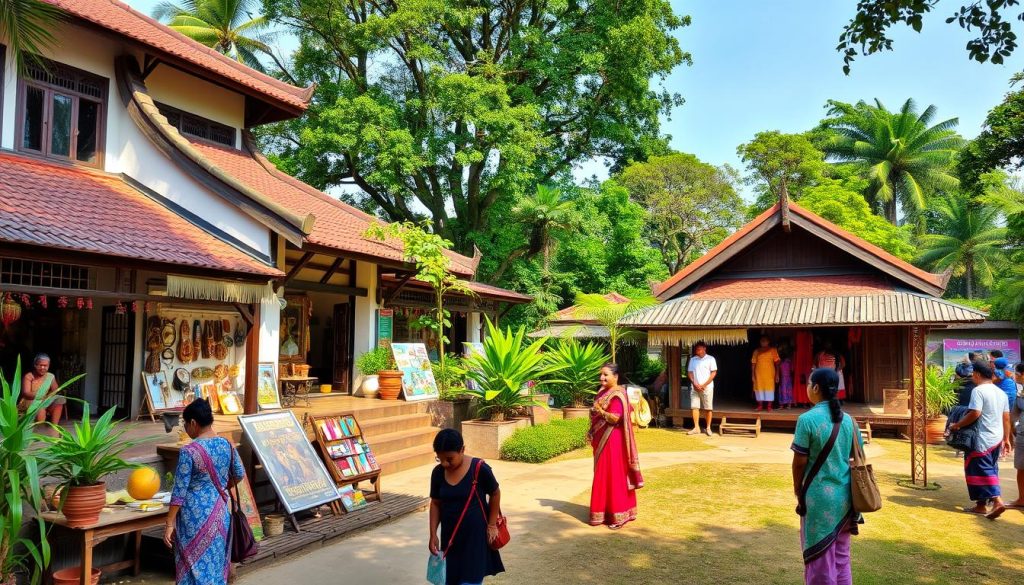
The Ethnological Museum in Chittagong showcases Bangladesh’s rich cultural heritage. It’s located in the Agrabad area, easily reachable by various transportation methods. Convenient parking options are available nearby.
Opening Hours and Best Time to Visit
The museum opens six days a week, closing on Sundays. Visit from October to March for the best weather conditions. Weekdays offer a quieter experience, perfect for exploring exhibits without crowds.
| Opening Hours | Best Time to Visit |
|---|---|
| Tuesday – Saturday: 10 AM – 5 PM | October to March (Cooler Months) |
| Closed on Sundays | Weekdays for Fewer Crowds |
The Ethnological Museum offers a captivating journey through Bangladesh’s ethnic diversity. It’s a must-see for culture lovers, history buffs, and curious visitors alike.
Plan your visit carefully to fully enjoy the country’s heritage. You’ll discover a wealth of artifacts and exhibits that tell Bangladesh’s story.
Cultural Heritage Tours in Chittagong
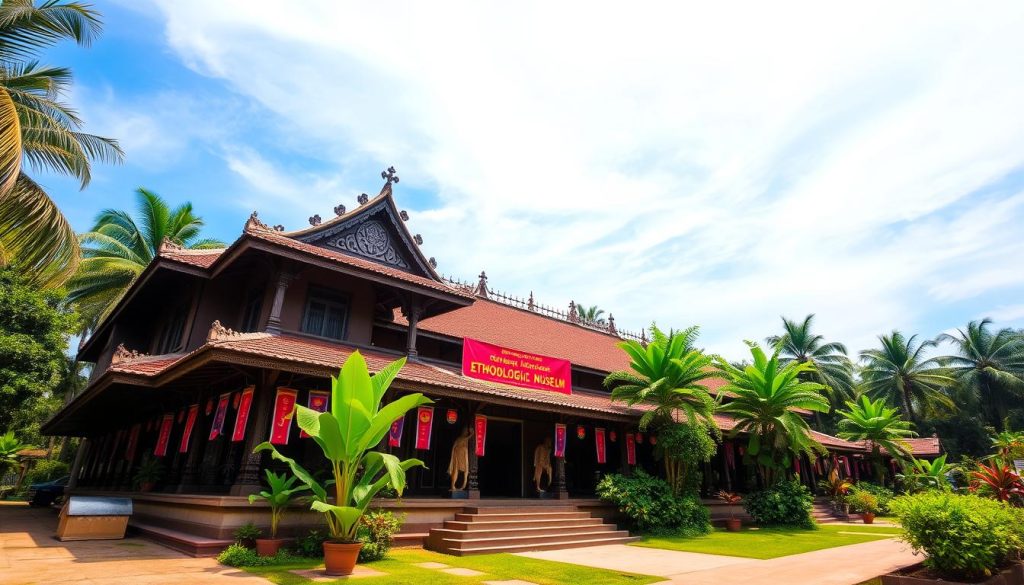
Chittagong’s Ethnological Museum is a gateway to the region’s rich cultural heritage. Visitors can explore other landmarks like shipbreaking yards, colonial buildings, and Foy’s Lake. These tours offer a deep dive into Chittagong’s history and Bangladesh’s diverse identity.
Exploring Chittagong’s Diverse Landmarks
Chittagong is a treasure trove of cultural gems. The Shahi Eidgah Mosque showcases 16th-century Mughal architecture. The Shah Amanat Mausoleum stands as a significant historical site.
Portuguese Fort ruins and colonial university buildings reveal the city’s fascinating past. Kawran Bazar, Chittagong’s largest traditional market, offers a taste of local life.
Nature lovers can enjoy Patenga Beach and the Chittagong Hills. The Shrine of Bayazid Bostami blends religious and historical importance.
| Landmark | Significance |
|---|---|
| Chittagong Ship Breaking Yard | Handles about a fifth of the world’s total ship-breaking industry |
| Foy’s Lake and Amusement Park | Occupies about 320 acres of land |
| National Ethnological Museum | Attracts 200-300 visitors daily as of May 2015 |
| WWII Memorial Cemetery | Currently has 731 tombs, with 20 belonging to foreign soldiers |
| Chittagong Railway Station | Considered one of the best examples of architectural preservation in Bangladesh |
| Fish Harbour & Market | The largest fish market in Chittagong where various types of fish are traded |
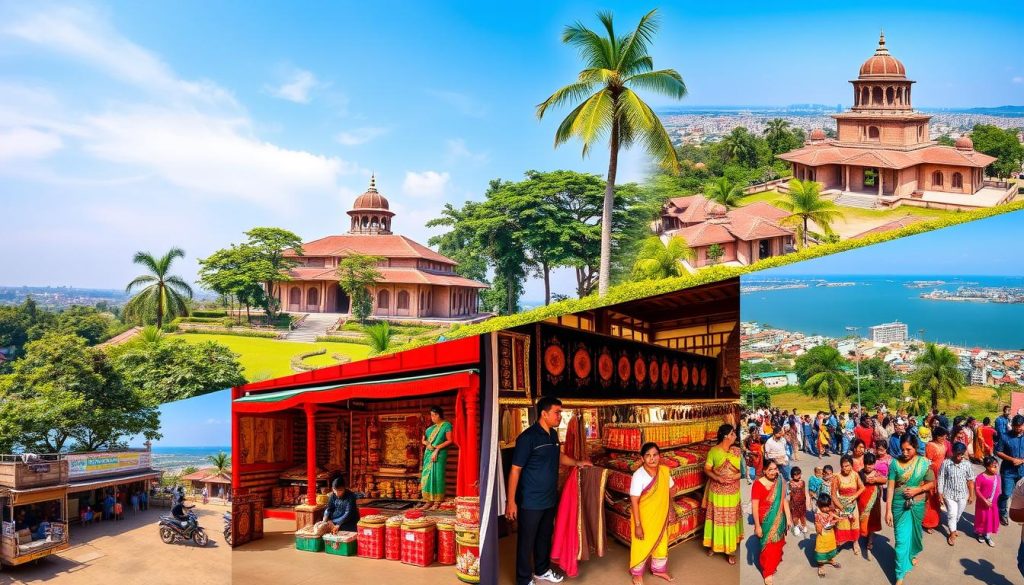
The Ethnological Museum and other cultural sites offer a rich tapestry of Chittagong’s heritage. Visitors can immerse themselves in the city’s captivating history. This journey deepens understanding of Bangladeshi identity.
Conclusion
The Ethnological Museum in Chittagong showcases Bangladesh’s diverse cultural heritage. It houses a vast collection of artifacts and exhibits. History buffs and culture enthusiasts will find this museum truly enriching.
The museum highlights the unique customs of Bangladesh’s ethnic communities. Visitors can explore intricate textiles and traditional artisan works. They can also engage with local communities for a more immersive experience.
Educational programs offer deeper insights into Bangladeshi heritage. These initiatives help preserve the country’s anthropological legacy. They bring to life the vibrancy of this remarkable nation.
Plan your visit to the Ethnological Museum in Chittagong today. Discover the captivating stories that have shaped Bangladesh. Gain a new appreciation for the country’s enduring ethnic heritage.