Safeguarding Laos’ Heritage: Plain of Jars Preservation
Have you ever thought about how ancient sites can be lost to time and modern dangers? The Plain of Jars in Xieng Khouang Province, Laos, is a great example. It has over 2,100 mysterious jars that tell a story from 500 B.C. But, it’s facing big challenges to keep it safe.
After being named a UNESCO World Heritage site in July 2019, efforts to save the Plain of Jars have grown. These efforts highlight the need to protect cultural sites from disasters and human harm. We look at how worldwide support and local action are key to saving this ancient wonder for the future.
Introduction to the Plain of Jars
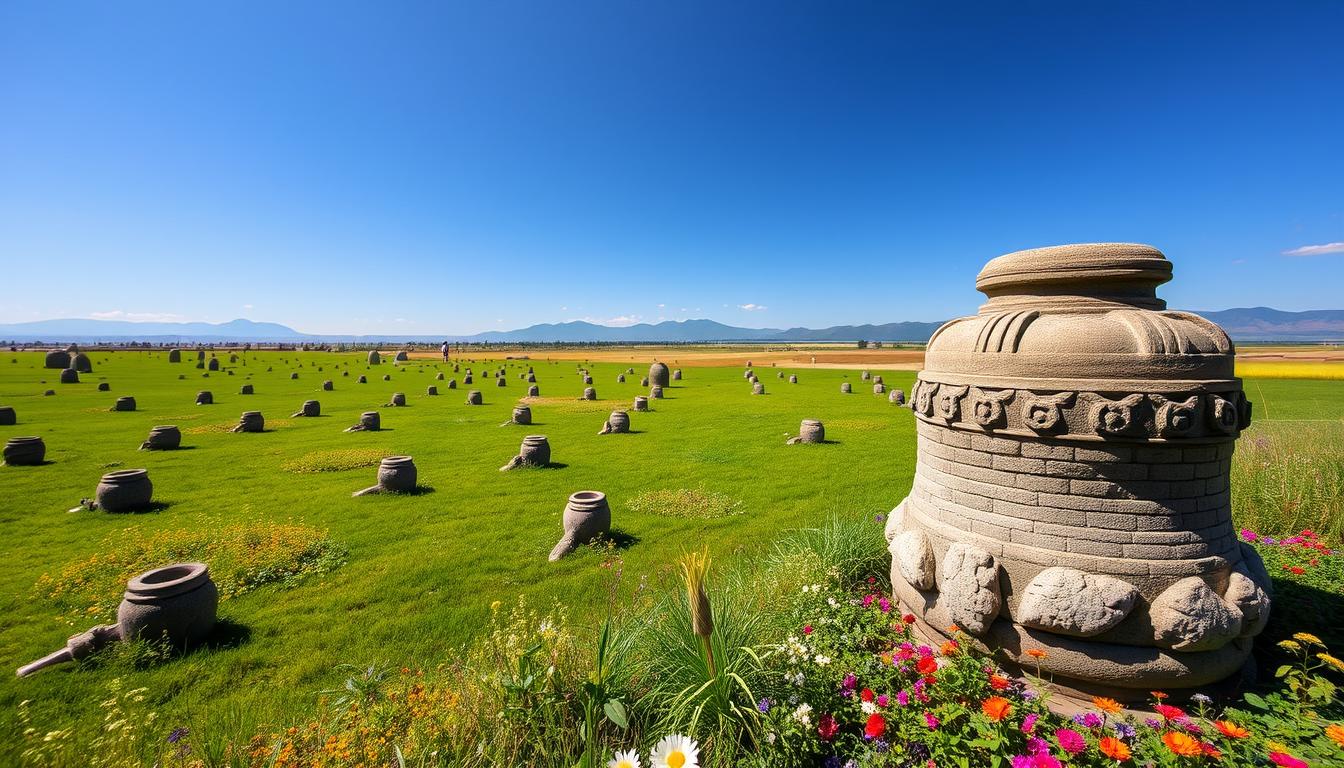
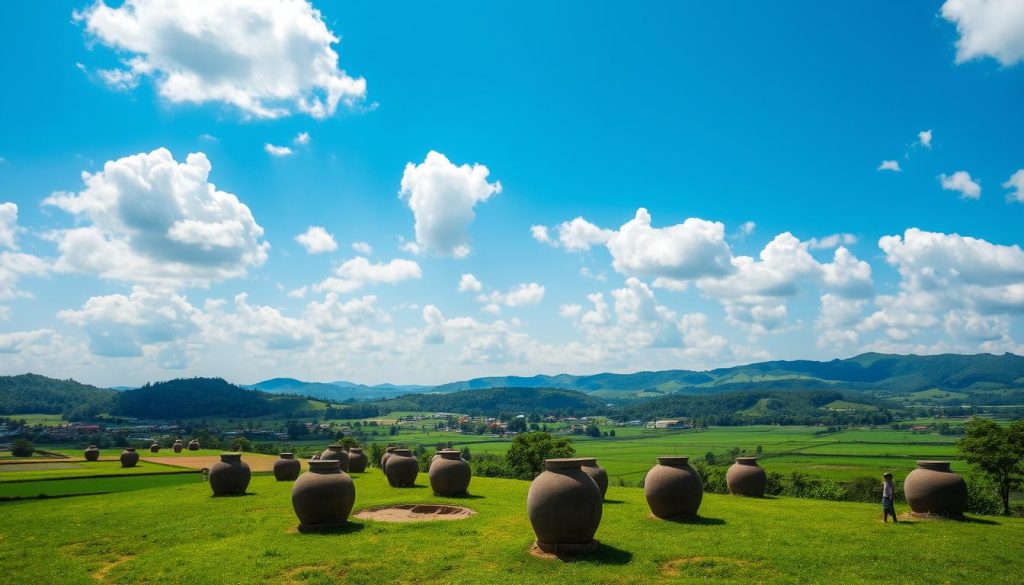
The Plain of Jars is a fascinating site in Laos. It has mysterious stone jars spread across 90 locations. Each site has a few to hundreds of jars, drawing in tourists, historians, and archaeologists.
The jars are believed to be from 1,500 to 2,000 years old. This mystery makes them even more interesting to study and visit.
There are seven safe places to see the jars, like Sites 1, 2, and 3. Site 1, or “Thong Hai Hin,” has over 300 jars. The largest jar is over 10 tons and almost 3 meters tall.
The jars are not just big; they also have unique shapes. For example, Site 3 has jars that are rectangular. These features make the site even more special and attract many visitors.
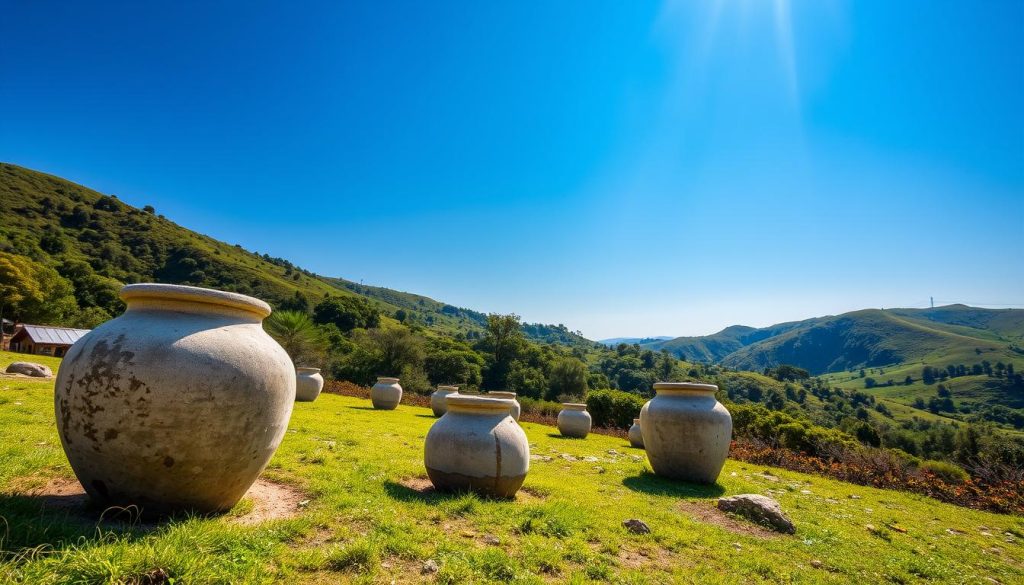
Keeping the Plain of Jars safe is hard because of old bombs from the 1960s. Only a few sites are safe for visitors. This shows how important it is to keep the area clear of bombs.
Visitors pay between 10,000 to 15,000 kip (about 0.48 to 0.72 USD) to enter. The sites are open from 9 a.m. to 5 p.m. This makes it easy for people to see the history and understand why it’s so important to preserve it.
| Site Number | Name | Number of Jars | Height Range | Weight |
|---|---|---|---|---|
| 1 | Thong Hai Hin | Over 300 | 1 to 3 meters | Up to 14 tons |
| 2 | Hilltop Jars | Varied | 1 to 3 meters | Varied |
| 3 | Rectangular Jars | Varied | 1 to 3 meters | Varied |
| 4 | Quarry | Not Specified | Not Specified | Not Specified |
The Plain of Jars is not just about its big stone jars. It’s also about the hard work to keep them safe. Visiting this site is a chance to see history and the effort to preserve it.
Historical Significance of the Plain of Jars
The Plain of Jars is a key part of ancient Southeast Asia’s culture. Over 90 jar sites are found in the Xiangkhouang Province. Each site has jars, some as tall as 3 meters.
Most jars are plain, but Site 1 is special. It has a carved “frogman” on one jar. This shows the creativity of the people who made them.
Stone disks and lids mark graves, showing how people were buried. Archaeologists found glass beads, burnt teeth, and bones in the jars. This shows the variety in burial customs.
The jars date back to between 500 BCE and 500 CE. They are the most important artifacts of the Iron Age civilization.
Stories about the Plain of Jars add to its importance. Legends say giants made the jars to store rice beer. This site was not just for burials but also a crossroads for cultures.
Now, there are efforts to protect this historical site. It faces challenges like natural wear and development. A good plan is needed to keep it safe for future generations.
The site’s history is rich in trade and cultural exchange. It shows the deep history of humans in the area.
Current Preservation Efforts Plain of Jars
The Plain of Jars in Laos is a key archaeological site, drawing worldwide interest. Efforts to preserve it are varied, combining global support with local projects. This mix of approaches helps protect the site and raise awareness about its cultural value.
International Collaboration for Preservation
Since being named a UNESCO World Heritage site, many international groups have helped. UNESCO Bangkok, for example, has run workshops to teach locals about disaster management. This teamwork ensures the Plain of Jars remains intact for everyone to enjoy.
Role of Local Communities in Conservation
Local communities are vital in saving the Plain of Jars. They help with upkeep and watch over the site. Training programs make them feel like true caretakers of their heritage.
This approach not only strengthens preservation efforts but also keeps the site’s cultural importance alive for generations to come.
Threats to the Plain of Jars Heritage
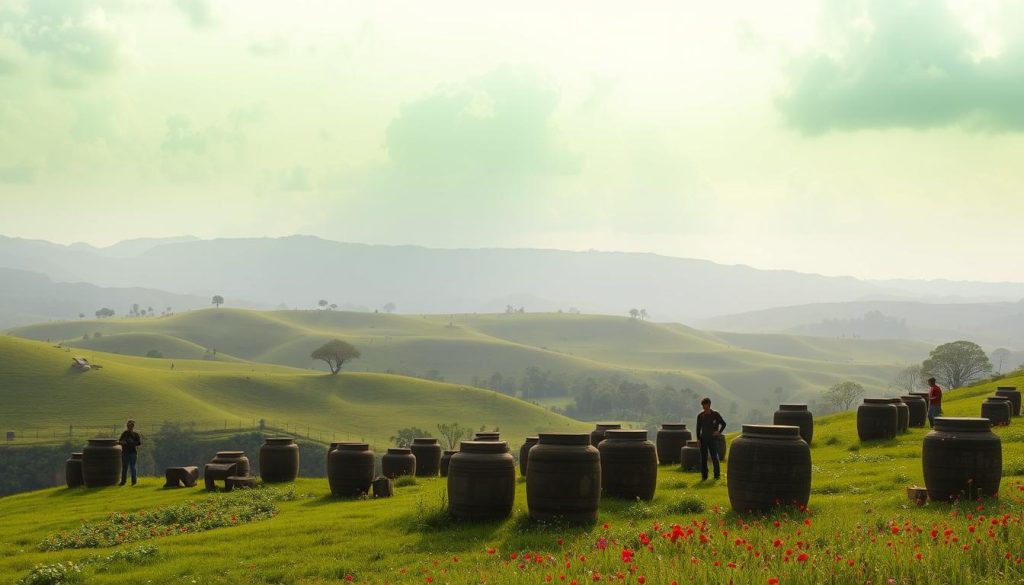
The Plain of Jars in Laos is facing many dangers. These threats harm its preservation. It’s crucial to understand these threats to heritage to protect it.
Natural Disasters and Environmental Risks
This area is at risk from natural disasters like forest fires and landslides. These can damage the site and its artifacts. With a population of 360,000, the need for disaster management is urgent.
Human Impact: Theft and Vandalism
Human actions also pose a big threat. Theft and vandalism are ongoing problems. The site is also dangerous due to unexploded ordnance from past wars.
Development and tourism can also harm it. It’s important for the community to get involved and raise awareness to protect this historical site.
UNESCO World Heritage Status and Its Importance
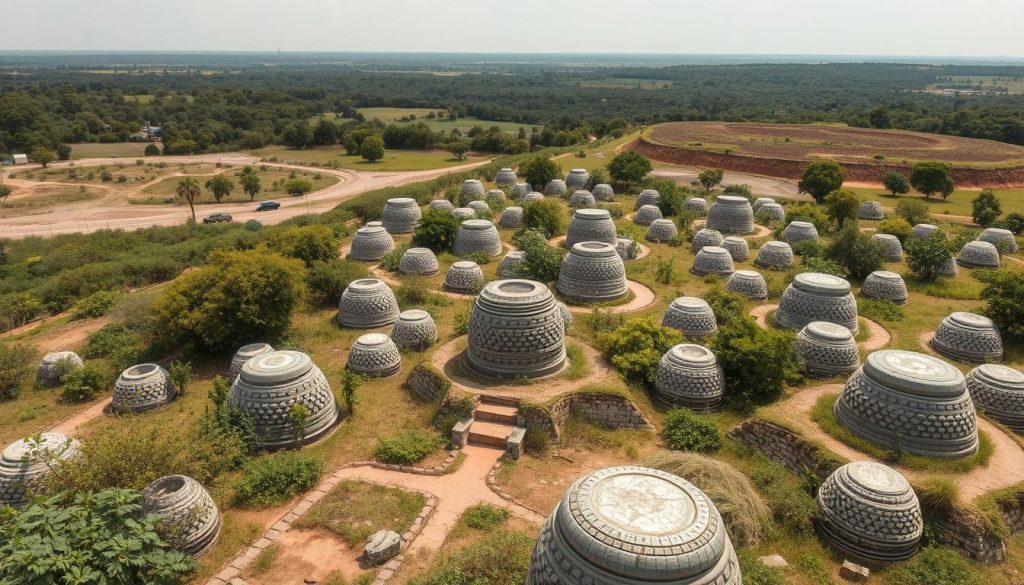
Getting UNESCO World Heritage status in 2019 was a big win for the Plain of Jars. This honor makes the site more visible and highlights its global cultural value. It also boosts efforts to protect historical sites by bringing more attention to conservation needs.
UNESCO’s help brings more funding and technical support. This support helps follow international standards for protecting heritage sites. Local and international groups work together to keep the site’s rich history alive.
The Plain of Jars has over 2,100 ancient jars, dating from 500 BCE to 800 CE. UNESCO’s recognition is key in protecting these structures. They have faced damage from nature and conflicts. Now, there’s a plan to research, improve facilities, and fix infrastructure.
In short, UNESCO’s recognition makes the Plain of Jars more important. It also starts important conservation work. This way, we make sure future generations can enjoy and learn from this cultural treasure.
Cultural Heritage Preservation Strategies
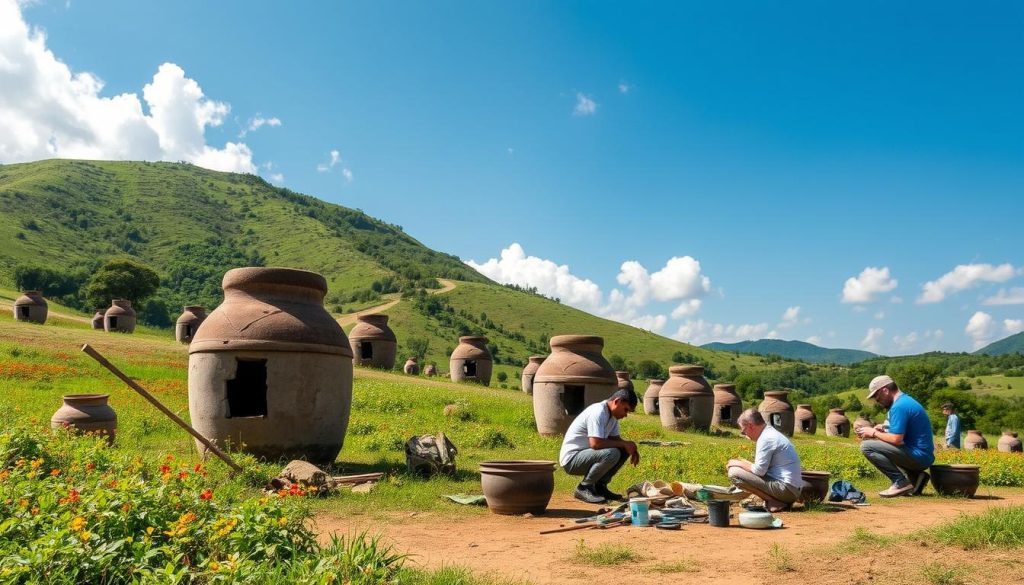
Keeping the Plain of Jars safe is crucial. Communities use strategies to protect these historical sites. Disaster risk management is key. It helps spot and prevent dangers.
The Role of Disaster Risk Management
Having a strong disaster plan is vital. It helps protect the Plain of Jars. By knowing the risks, we can prepare better.
Community-Based Preservation Projects
Getting the community involved is important. Local projects help keep the site safe. They make people care about preserving it.

| Year | Project Name | Funding Amount |
|---|---|---|
| 2021 | Ancient Megalithic Jars Preservation | $129,000 |
| 2018 | Wat Visoun Temple Conservation | $90,150 |
| 2016 | Wat Visoun Temple Conservation, Phase 2 | $132,000 |
| 2014 | Preventive Conservation of Buddhist Archives | $27,845 |
| 2011 | Restoration of Wat Xieng Thong, Phase I | $115,450 |
| 2010 | Conservation of Artifacts at Wat Visoun | $25,000 |
| 2009 | Preservation of Palm Leaf Manuscripts, Part II | $10,000 |
| 2008 | Preservation of Palm Leaf Manuscripts | $9,000 |
Archaeological Significance of the Jars
The Plain of Jars is a treasure trove of history, offering deep insights into the past. The jars, crafted from sandstone and granite, were made by a civilization that flourished from 500 BCE to 800 CE. Excavations have uncovered over 2,100 stone jars across Xieng Khouang Province. These jars, some towering up to nine feet and weighing 14 tons, showcase the ancient societies’ engineering prowess.
Studies show the jars were used for burials, with human remains found alongside them from 700 to 1,200 years ago. This reveals the varied funeral customs linked to these massive artifacts. Keeping these sites well-maintained is vital for preserving our knowledge of the past.
New methods like geochronology and chemical analysis of human teeth are shedding light on ancient diets and settlements. Drones and Lidar technology are also aiding research, mapping jar locations and uncovering new settlements. These tools are helping us learn more about the region’s ancient landscape.
Recent finds include 15 new jar sites with over 100 jars, opening up new avenues for study. The connections between jars in Laos and those in Northeast India hint at shared linguistic and genetic ties across Southeast Asia. These discoveries paint a broader picture of human history.
Sustainable Tourism Initiatives at the Plain of Jars
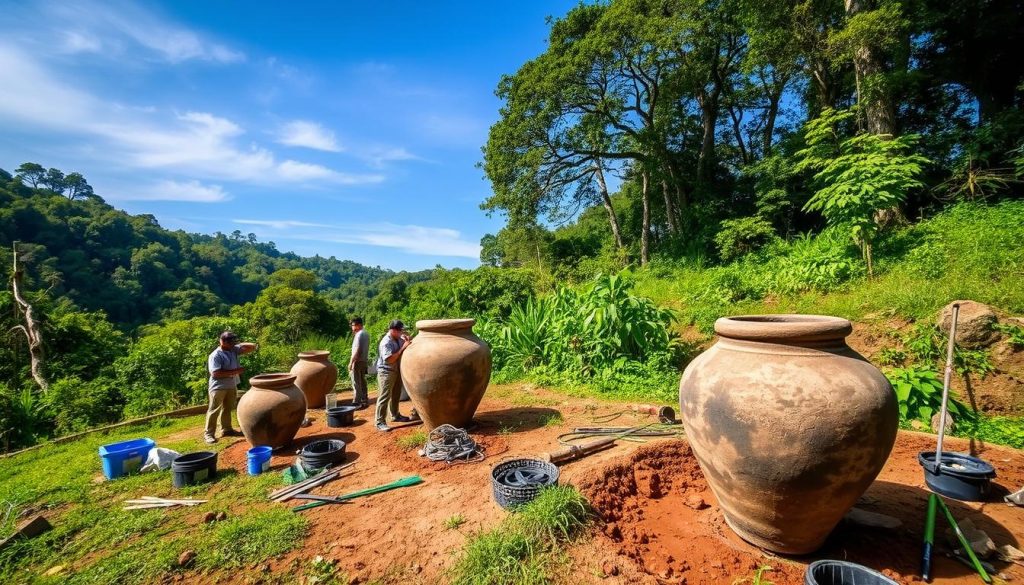
Sustainable tourism is key at the Plain of Jars. Visitors want to see this unique site. There are over 120 jar sites in Laos, showing the need for balance between tourism and conservation.
The United States is giving $129,000 to help. This money will fix damaged jars and create a database and GIS system. This will help protect the site.
Working together is crucial. Scholars from different fields are studying the jars. This shows a commitment to protecting the site. The Australian Research Council supports this research, highlighting its importance.
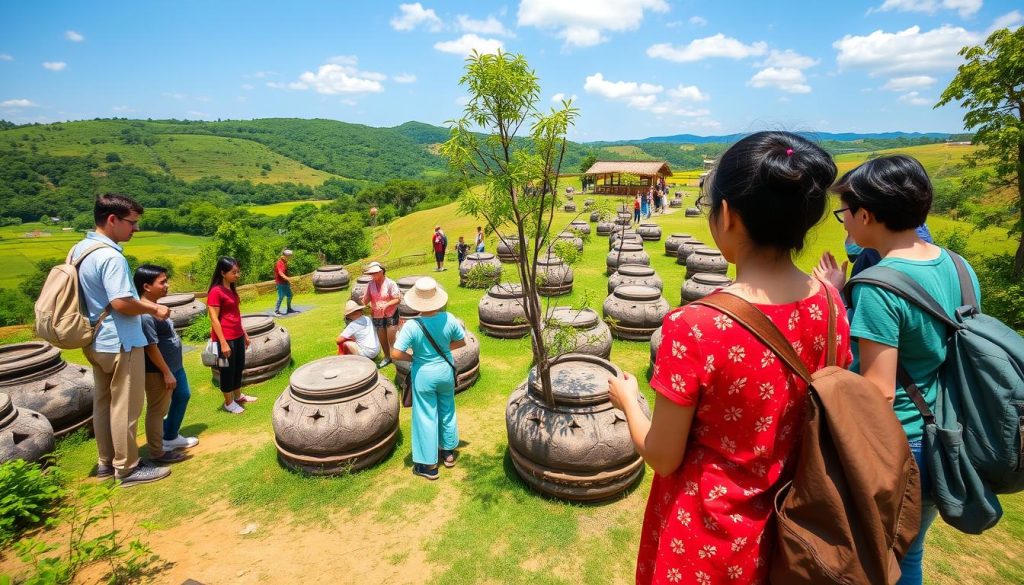
It’s important to teach tourists about the jars. Tours that focus on the jars’ history and conservation help visitors understand. This makes them feel responsible.
Adding local culture to tours makes the experience richer. It turns a visit into a chance to learn and connect. This way, tourism can help the local economy while protecting the site.
Past conflicts have left behind challenges. But, efforts like clearing Site 1 show progress. This ensures safety for visitors and researchers.
These efforts also help find and destroy dangerous items. This shows the importance of balancing tourism with safety.
| Feature | Details |
|---|---|
| Total Jar Sites | Over 120 |
| Recent Funding | $129,000 from the US for conservation |
| Key Research Focus | Site 1 and Site 52 |
| Unexploded Ordnance Status | 30% remains from US Secret War |
| Cleared Items During Mine Clearance | Approximately 800 |
| Cultural Heritage Documentation | Published by Madeleine Killarney in 1935 |
These efforts show how tourism can grow while protecting the Plain of Jars. Working with local communities is key. It respects cultural heritage and helps the economy, setting a good example for others.
Future Directions for Heritage Conservation
The future of the Plain of Jars depends on a clear plan. Working together, local people and international groups are key. They must invest in heritage conservation efforts to face the site’s challenges.
Since 1998, a program has shown the value of combining culture, environment, and economy. It has helped local communities while keeping the site safe. Now, it’s important to keep supporting community and education programs.
Recent discoveries have shown the site’s deep history, dating back to the fifth century BCE. With over 100 sites found, protecting these ancient places is crucial. Being added to UNESCO’s World Heritage list in July 2019 was a big step. But, we must still deal with dangers from old bombs and the environment.
Looking ahead, we need to manage disaster risks and involve communities in preservation. This way, we can keep this historical treasure safe for the future.
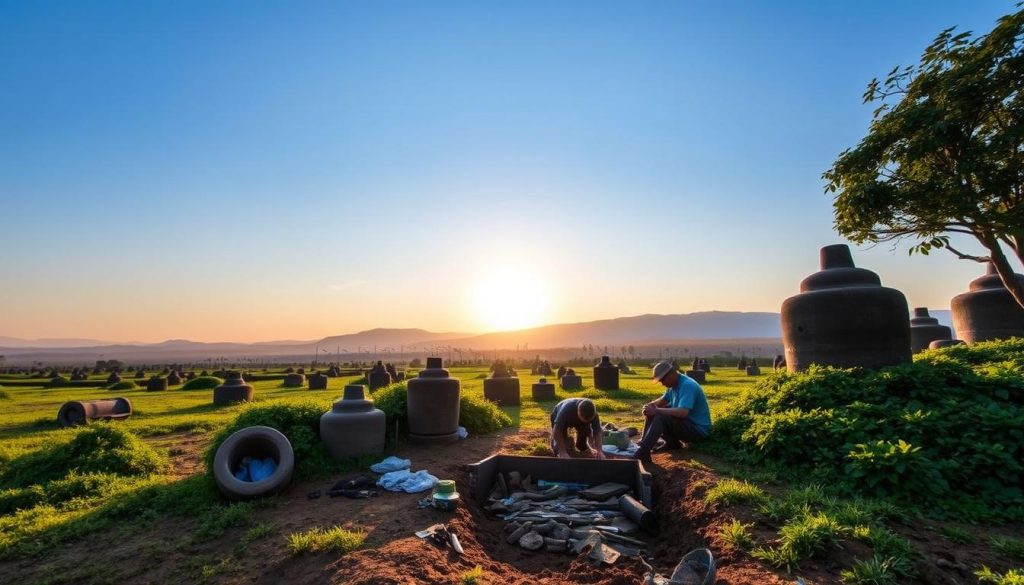
To protect the Plain of Jars, we need a full plan. This includes working together, investing, and involving communities. By focusing on the future of cultural heritage, we can save this remarkable site for years to come.
Environmental Stewardship Practices
It’s crucial to protect the Plain of Jars through environmental stewardship. This area is rich in history and nature. We need to keep it safe for both its past and present.
Sustainable heritage management is key to saving these ancient sites. We must grow biodiversity and manage resources wisely. This way, the site can face challenges head-on.
Getting local people involved in conservation is also important. It helps them feel a part of protecting this treasure. Together, we can make sure the Plain of Jars stays safe for years to come.
We need everyone to work together to care for the environment. This includes teaching people about the importance of conservation. Through education and community efforts, we can keep the Plain of Jars thriving.
Conclusion
The preservation of the Plain of Jars shows a strong commitment to its cultural heritage. Over 2,000 jars are spread across more than 90 sites. This place, a UNESCO World Heritage Site since 2019, tells a story from the Iron Age.
International teamwork and local help are key in protecting it. They face challenges like environmental damage and unexploded bombs. This work is crucial to keep the site safe.
Exploring the jars’ stories, like those of the Hmong and Khmu, shows the site’s importance. It’s not just about saving artifacts. It’s about keeping a legacy alive for future generations.
With more tourists coming, it’s important to balance preservation and tourism. We must find ways to enjoy the site without harming it. This ensures the Plain of Jars remains a treasure for all.
By understanding the Plain of Jars’ cultural value, we can help preserve it. Standing at the intersection of history and today, our support is essential. Together, we can safeguard this remarkable legacy for the future.