Budget for Greece Vacation: Costs Explained
If you’re planning a trip to Greece, one of the most important factors you’ll need to consider is your budget. How much money do you need for a trip to Greece? The answer depends on various factors, including the time of year you visit, your travel preferences, and the activities you plan to do.
Don’t worry, though. In this section, we’ll provide you with a comprehensive breakdown of the costs associated with a trip to Greece. You’ll learn about the expenses you can expect to face and how to plan your Greek adventure budget with ease. By the end of this article, you’ll have a clear idea of the estimated Greece trip cost and be prepared with a budget for Greece trip.
So, let’s begin our journey and explore the costs involved in traveling to Greece.
Accommodation Expenses
Accommodation expenses can make up a significant portion of your travel expenses for Greece, especially if you plan on staying in popular tourist destinations. The good news is that there are plenty of affordable yet comfortable places to stay throughout the country.
The average cost of a hotel room in Greece ranges from $50 to $150 per night, depending on the location and time of year. For example, a 3-star hotel in Athens can cost around $80 per night, while a beachside resort on the island of Santorini can cost upwards of $300 per night.
If you’re looking to save money on accommodations, consider staying in hostels, guesthouses, or apartments. These options can provide a comfortable and affordable place to stay, with prices ranging from $20 to $80 per night.
| Type of Accommodation | Average Cost per Night |
|---|---|
| 5-star hotel | $200 – $500 |
| 3-star hotel | $50 – $150 |
| Hostel | $20 – $40 |
| Greek Island Airbnb | $30 – $100 |
Before booking your accommodations, be sure to do your research and read reviews from previous guests to ensure a comfortable and safe stay. It’s also worth considering the location of your accommodations – staying in the city center may cost more, but could save you money on transportation expenses.

Transportation Costs
Getting around Greece is relatively cheap and easy, with multiple transportation options available that cater to different budgets.
If you’re traveling to Greece from the United States or Canada, flying is usually the most convenient and time-efficient option. Round-trip flights between New York City and Athens start at around $600, but prices can vary depending on the time of year and airline you choose.
Alternatively, you can take a ferry from Italy to Greece for approximately $50 to $95, depending on the route and type of vessel. This may be a good option for those looking for a more scenic journey or who wish to bring along a car.
Within Greece, public transportation is an affordable option, with one-way tickets costing around €1.40 to €2.00 for buses or €1.40 to €2.90 for trains. Taxis are also available, but keep in mind that prices can vary depending on the distance traveled and time of day.
To save money on transportation costs, consider purchasing a multi-day bus or metro pass. For example, a three-day pass for buses and the metro in Athens costs around €22, providing unlimited rides and significant savings.

Note: Prices for transportation are subject to change and can vary depending on the season, mode of transportation, and location.
Dining and Food Expenses
As you explore Greece, you will encounter a plethora of mouth-watering dishes, from fresh seafood to traditional Greek salads. However, dining out in Greece can quickly add up and become a significant expense during your trip. The average cost of a basic meal in a restaurant can vary from $15 to $30 per person, depending on the location and type of restaurant.
For a more budget-friendly option, consider shopping at local markets and cooking your own meals. The average cost of groceries for a week can range from $40 to $70 per person, depending on your dietary preferences and the region you are in. Additionally, utilizing hotel breakfasts and packing your lunches can save you money while still providing a taste of the local cuisine.
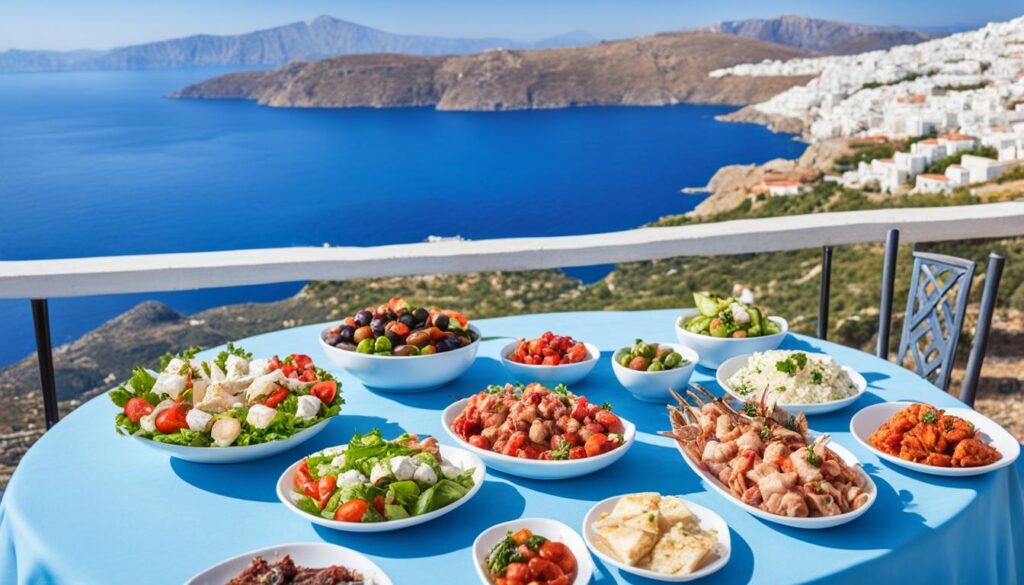
If you do decide to dine out, look for small, traditional tavernas off the beaten path for a more authentic and affordable experience. Avoiding tourist hotspots can save you money and provide you with a more authentic taste of Greek cuisine. It’s also worth noting that some restaurants may charge an extra fee for dining on their terrace or for a view, so keep an eye out for any hidden charges.
Insider Tip: To save even more on food expenses, try a souvlaki wrap or gyro, which typically costs around €2.50 to €3.50.
Overall, budgeting for food expenses in Greece can be kept reasonable if you plan ahead and look for the most affordable options while still indulging in the local cuisine.
Sightseeing and Activities
Experiencing the rich culture and history of Greece is a must during your trip. Fortunately, there are plenty of affordable sightseeing and activity options available.
Popular Attractions
Some of the most popular tourist attractions in Greece include the Acropolis in Athens, the Knossos Palace in Crete, and the ruins of Delphi. Admission fees typically range from €12-€20 (~$14-$23 USD) per person.
Pro Tip: Many popular attractions offer discounts for students, seniors, or groups. Consider planning your itinerary in advance to take advantage of these deals.
Island Hopping
The Greek islands offer stunning landscapes and beaches, making island hopping a favorite activity for many visitors. Ferry prices vary based on distance and season, but expect to pay around €10-€30 (~$12-$35 USD) per person for a one-way trip.

Outdoor Adventures
Greece’s diverse terrain provides plenty of opportunities for outdoor adventure, such as hiking, rock climbing, and water sports. Prices vary depending on the activity and location, but expect to spend around €50-€100 (~$58-$117 USD) for guided tours and equipment rental.
Entertainment and Nightlife
Greece’s vibrant entertainment and nightlife scene offers something for everyone. From traditional tavernas to trendy clubs, expect to spend around €10-€30 (~$12-$35 USD) per person for a night out.
Overall, budgeting for sightseeing and activities in Greece can range from €50-€200 (~$58-$234 USD) per day per person, depending on your interests and preferences.
Shopping and Souvenirs
One of the most memorable parts of your Greece trip will be bringing home unique and authentic souvenirs to treasure and share with loved ones. Whether you’re looking for traditional crafts or the latest fashion trends, there’s no shortage of shopping destinations in Greece. While you don’t have to break the bank to get something special, it’s essential to keep track of your expenses to avoid overspending. Here’s what you need to know about the costs of shopping and souvenirs in Greece.
Popular Shopping Destinations in Greece
Greece boasts a vast array of shopping options, from local markets to high-end boutiques. Athens has many shopping districts, including Ermou Street, a pedestrianized thoroughfare with shops selling everything from clothes to jewelry to home goods. If you’re looking for traditional artisan crafts, head to the Monastiraki Flea Market or the Plaka neighborhood.
Popular tourist destinations, such as Santorini and Mykonos, offer a range of shopping experiences, from designer fashion to locally made ceramics. In smaller towns and villages, you’ll find many mom-and-pop shops and family-run businesses that offer personalized service and unique merchandise.

| Item | Average Cost |
|---|---|
| Handmade ceramics | $20-$40 |
| Olive oil | $10-$20 per liter |
| Komboloi (worry beads) | $10-$20 |
| Traditional Greek sandals | $40-$100 |
| Local honey or honey products | $10-$20 |
Shopping Tips
Before you start shopping, set a budget for how much you want to spend. Decide what souvenirs you want to bring home, and plan your purchases accordingly. Avoid overspending by comparison shopping, asking for discounts, and resisting impulse purchases. Keep in mind that bargaining is not customary in most stores, but you can try to negotiate prices at local markets or with street vendors.
Tip: If you’re flying back home, be mindful of luggage restrictions and weight limits. Keep fragile items safe during travel by packing them carefully with bubble wrap or other protective materials.
Shopping for souvenirs in Greece can be an enjoyable experience and an excellent opportunity to support local artisans and businesses. With a little planning and budgeting, you can take home precious mementos that will remind you of your unforgettable Greek adventure.
Travel Insurance and Health Costs
Traveling to Greece can be an incredible experience, but like any adventure, it comes with risks. Before embarking on your journey, it’s crucial to understand the importance of travel insurance and potential health costs you may face during your trip.
Even if you’re healthy and fit, accidents can happen, and medical expenses can be costly, especially if you require emergency treatment or hospitalization. Travel insurance can help protect you from unexpected expenses and provide peace of mind while you enjoy your Greek vacation.
When choosing travel insurance, make sure to read the policy carefully and understand what is covered and what is not. Consider your specific needs, including pre-existing conditions and your planned activities, and choose a policy that provides adequate coverage.
Additionally, it’s essential to take steps to stay healthy during your trip to Greece. Ensuring you have all necessary vaccinations and researching potential health risks can help prevent illnesses and injuries while on vacation. It’s also important to practice good hygiene, such as washing your hands regularly and avoiding consuming tap water.
By taking precautions and choosing the right insurance coverage, you can have a worry-free trip to Greece and enjoy all that this beautiful country has to offer.
Additional Expenses and Hidden Costs
When planning your Greece vacation cost, it’s crucial not to overlook additional expenses and hidden costs. These costs can quickly add up and blow your budget if you are not careful. Take a look at the following table to see some of these expenses and plan accordingly:
| Expense | Estimated Cost |
|---|---|
| Extra fees at tourist attractions | $10-$20 per location |
| City taxes and hotel fees | $5-$10 per night |
| Transportation surcharges | $5-$10 per trip |
| ATM fees | $3-$5 per transaction |
It is also essential to factor in unplanned expenses, like lost baggage and medical emergencies. Consider purchasing travel insurance to avoid the added stress and cost associated with these potential issues. Keep your budget on track by anticipating and planning for these additional expenses.
Conclusion
Congratulations, you now have a comprehensive understanding of the costs associated with a trip to Greece. By following the tips and insights provided in this article, you can plan your trip while keeping your budget in mind.
To summarize, the estimated cost of a trip to Greece will vary depending on factors such as the time of year you visit, the activities and attractions you choose, and your preferences for accommodations and dining. As a general guideline, a budget-conscious traveler can expect to spend around $1,000-$1,500 per person for a one-week trip to Greece, excluding airfare.
Remember to factor in additional expenses and hidden costs, such as travel insurance, transportation fees, and souvenirs. By planning ahead and keeping these costs in mind, you can avoid any budget surprises and fully enjoy your Greek adventure.
Whether you’re interested in exploring ancient ruins, indulging in local cuisine, or simply relaxing on the beach, Greece offers a wealth of opportunities for any traveler. With a little bit of budgeting and planning, you can experience the beauty and culture of this incredible destination without breaking the bank.
Start planning your Greece trip today and make memories that will last a lifetime!