Discover Haa Valley: Best Time for Culture & Nature
Ever wondered the perfect time to see Haa Valley’s culture and nature? Located in Bhutan, Haa Valley is a place where old traditions meet stunning landscapes. It’s a top spot for those looking for real experiences.
This valley is full of history, from ancient monasteries to lively festivals. You can also enjoy the beautiful views of misty mountains and green valleys. Let’s explore the seasons to find the best time to visit Haa Valley.
Introduction to Haa Valley
Haa Valley is in western Bhutan, known for its calm landscapes and deep traditions. It opened to the world in 2002, becoming a hidden treasure in Bhutan. This small dzongkha has a population that lives by Bhutanese culture, focusing on farming and herding.
The valley is important for its history. A fortress was built in 1895 to fight off Tibetan invasions. Now, it’s a place for government work and military training. Haa Valley is peaceful, perfect for experiencing local festivals like the Haa Summer Festival.
At Haa Valley, you’ll see stunning mountains and greenery. You can learn about the ancient Bön religion still practiced here. Meet locals who farm using old ways, growing potatoes, rice, and apples. There are many treks, like the Haa Panorama Hiking Trail, to see the valley’s beauty and culture.
Understanding Haa Valley’s Unique Culture
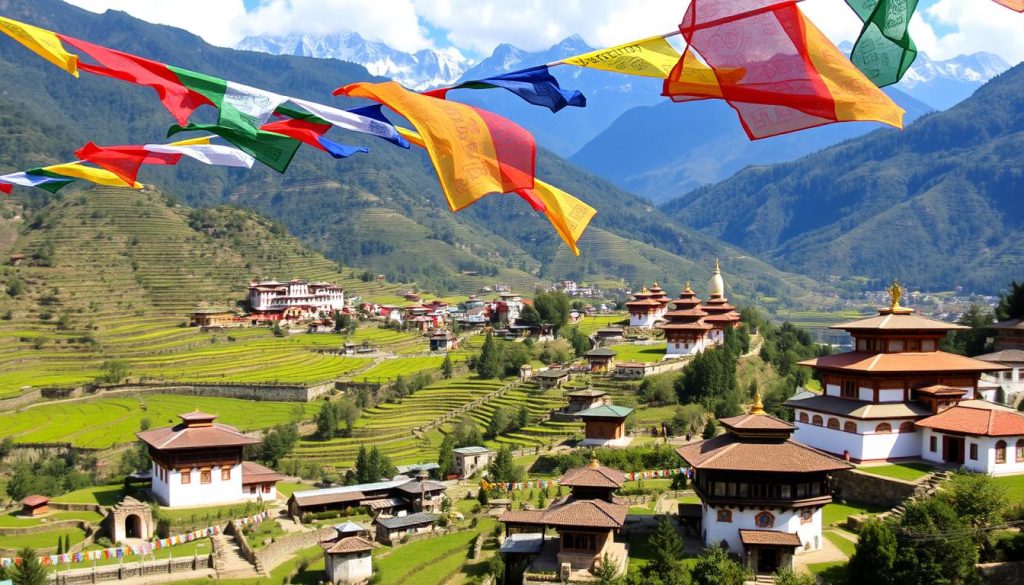
Haa Valley is a treasure trove of rich Bhutanese traditions and community culture. It reflects the lives and values of its residents. Vibrant customs and rituals bring the landscape to life, offering visitors a unique glimpse into local heritage.
The valley stands as a testament to deep-rooted practices. These have been preserved through generations.
The Heritage of Bhutanese Traditions
The cultural experiences in Haa Valley showcase various Bhutanese traditions. Colorful festivals and local crafts highlight these traditions. Celebrations like the Haa Summer Festival feature traditional dance performances and culinary delights.
Workshops emphasize the region’s artisanal skills. The architecture in the area, with intricate decorations and distinct Bhutanese paintings, represents the unique cultural identity of the Haap people.
Influence of Local Communities
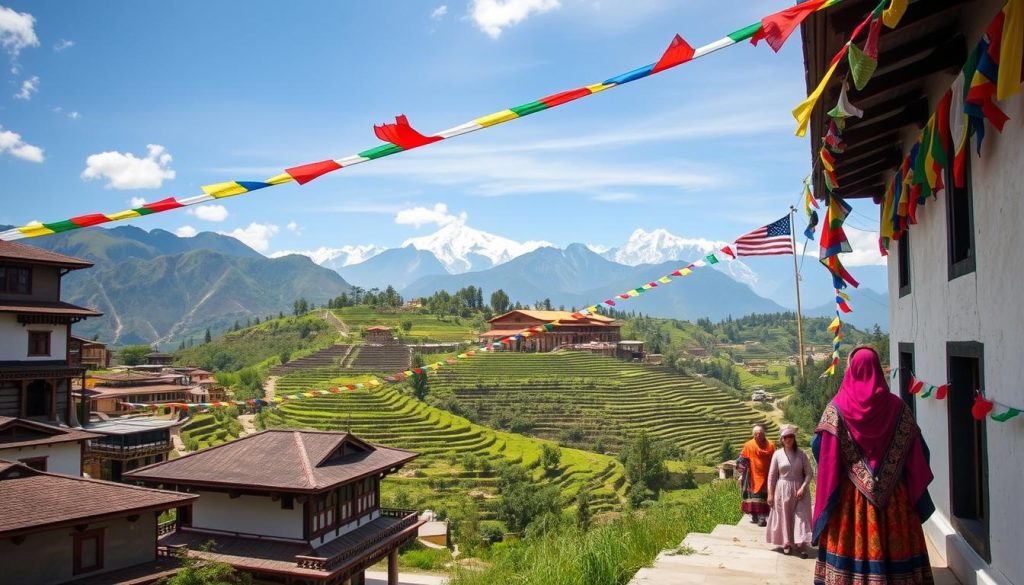
Community culture in Haa Valley plays a vital role in preserving traditions. The local population, largely agrarian, engages in practices that highlight their connection to the land and their nomadic lifestyle. Participation in festivals like the “Haap” New Year, or “Lomba,” fosters a keen sense of collective identity among residents.
Visitors can engage with local artisans, gaining insights into their crafts. They can also revel in the cooperation that thrives within the community.
Natural Beauty of Haa Valley
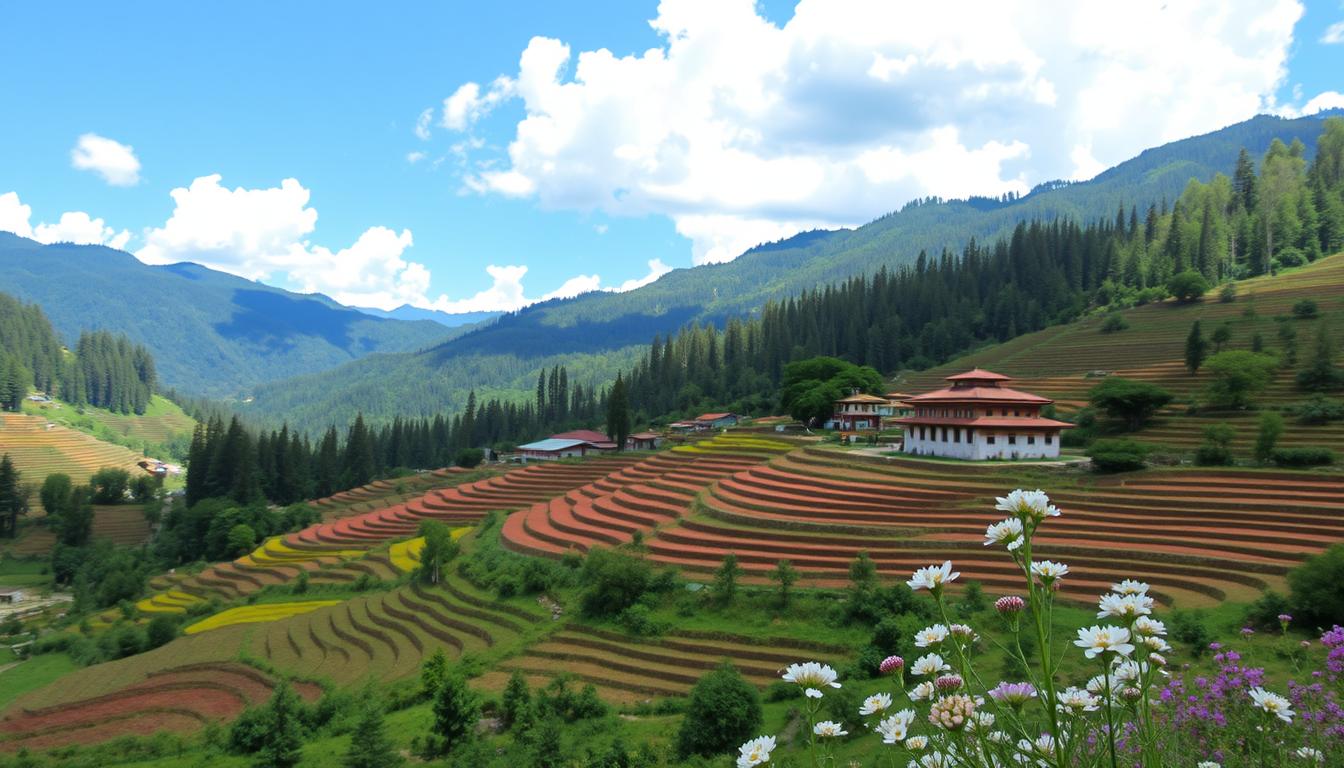
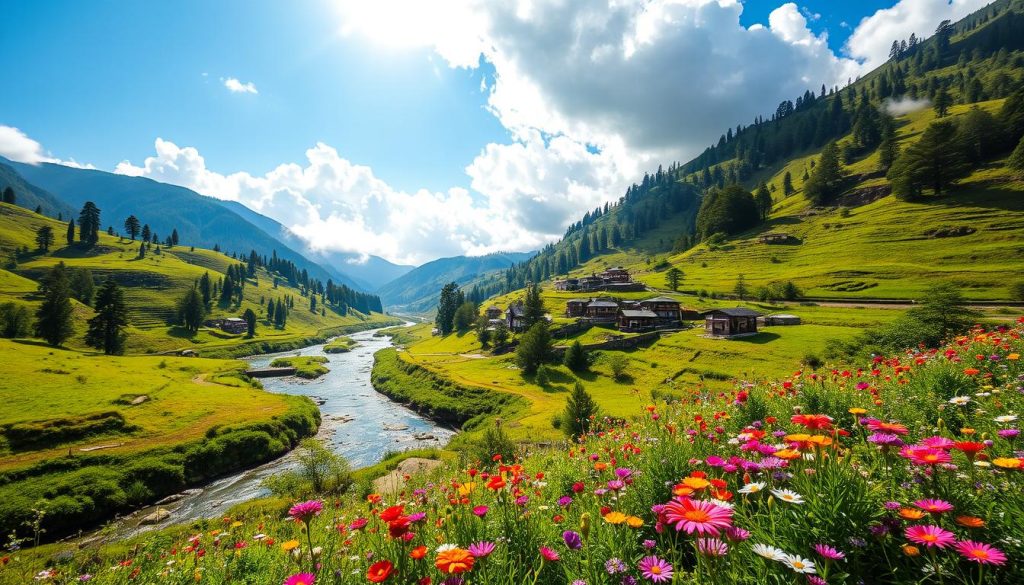
Haa Valley is a treasure trove of natural beauty, attracting nature lovers and outdoor enthusiasts alike. It has rolling hills, sparkling streams, and vibrant wildflower fields. This serene landscape offers breathtaking views that captivate every visitor.
Exploring this region reveals the rich biodiversity in Haa Valley. It’s a perfect destination for those looking to connect with nature.
Stunning Landscapes and Biodiversity
The landscapes of Haa Valley are diverse, revealing a myriad of ecosystems. These ecosystems host an impressive array of wildlife. You can discover unique flora and fauna, contributing to the region’s rich biodiversity.
The area features an abundance of hiking trails for all skill levels. These trails allow for exploration of some of the most picturesque vistas. Whether you are a novice hiker or a seasoned trekker, the varying paths provide opportunities to immerse yourself in the untouched beauty of this valley.
Wildlife and Outdoor Exploration Opportunities
Haa Valley offers numerous outdoor activities that make it a paradise for adventure seekers. Engage in birdwatching, where you can spot numerous avian species that flourish in this vibrant ecosystem. Photography enthusiasts will find plenty of opportunities to capture stunning images of pristine landscapes and lively wildlife.
Participate in Haa Valley nature exploration by enjoying activities such as hiking, mountain biking, and cycling. These options enable you to appreciate the tranquility and unspoiled charm of this enchanting location.
| Outdoor Activities | Description | Best Time |
|---|---|---|
| Hiking | Various trails for all skill levels, showcasing breathtaking views. | March to May, August to November |
| Mountain Biking | Explore rugged terrains and enjoy the scenic backdrop of the valley. | March to May, August to November |
| Birdwatching | Spot diverse bird species in their natural habitats. | Year-round, best in spring |
| Photography | Capture stunning landscapes and rich biodiversity. | Year-round |
Best Time of Year to Experience Haa Valley’s Unique Culture and Nature?
Deciding when to visit Haa Valley depends on what you want to see. Each season has its own special activities. You can dive into local traditions and enjoy the natural beauty.
Spring, from March to May, is the best time. The weather is just right for rafting, kayaking, and hiking. You can also see the Talo Tshechu, a colorful festival that shows off Bhutan’s heritage.
Summer, from June to August, is the hottest time. The landscapes are lush, but rain and humidity might affect your plans. The Haa Summer Festival is a must-see, offering a peek into nomadic life and local sports.
Autumn, from September to November, brings lovely weather and beautiful views. The rice fields turn golden, perfect for trekking. The Thimphu Tshechu in autumn is a highlight, with traditional dances celebrating Bhutan’s culture.
Winter, from December to February, offers a unique experience. It’s chilly, but December is still nice for exploring. The Druk Wangyel Tshechu honors Bhutan’s history and traditions, giving you a deep look into the culture.
To summarize the best times to visit Haa Valley and the highlights of each season:
| Season | Best Time to Visit | Highlights |
|---|---|---|
| Spring (March – May) | Peak Season | Talo Tshechu, ideal for adventure activities |
| Summer (June – August) | High temperatures and humidity | Haa Summer Festival, experience nomadic culture |
| Autumn (September – November) | Popular visiting time | Thimphu Tshechu, stunning golden rice fields |
| Winter (December – February) | Quiet with lower prices | Druk Wangyel Tshechu, serene landscapes |
Spring: A Season of Rebirth
Spring in Haa Valley is a time of beauty and life. Nature wakes up, showing off vibrant flowers and rich culture. The Haa Valley cultural festivities shine during this season. They welcome visitors to see Bhutan’s traditions and community spirit.
Spring Festivals and Cultural Events
Spring brings many festivals to Haa Valley. You can dive into local customs. Events like Talo Tshechu celebrate the area’s heritage. They feature dances and rituals that show Haa’s cultural richness.
These events are a great chance to meet locals and learn about their life.
Activities to Enjoy in Spring
Spring in Haa Valley offers more than just festivals. You can enjoy its natural beauty in many ways. Here are some activities:
- Trekking along trails with blooming rhododendrons.
- Joining community events to connect with locals.
- Exploring beautiful landscapes for photography and walks.
- Tasting local food during festivals for a unique culinary experience.
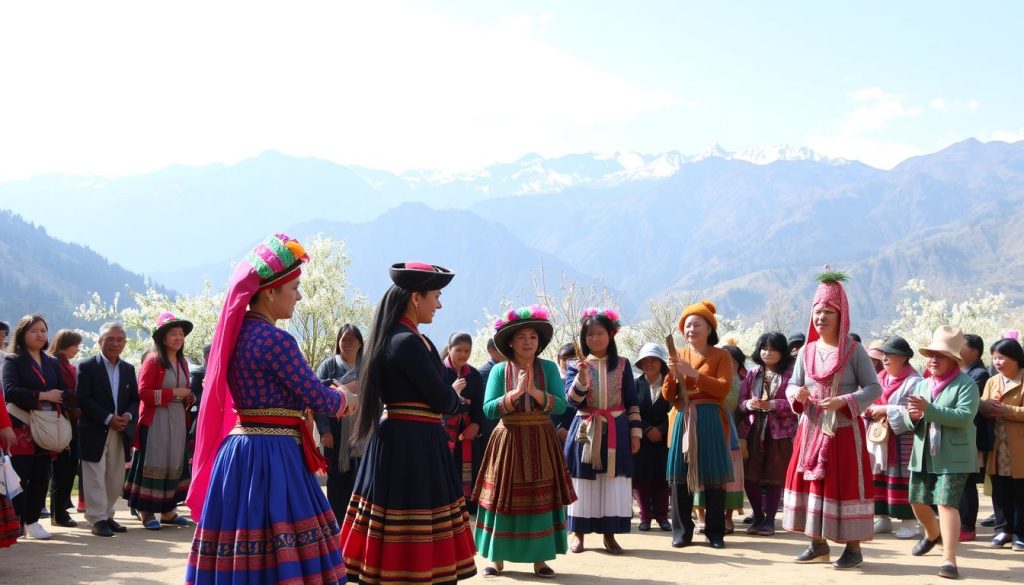
This season is warm and welcoming. It’s perfect for experiencing Haa Valley’s culture. Enjoy the lively Haa Valley cultural festivities and the peaceful surroundings of spring.
Summer: Embrace the Lush Greenery
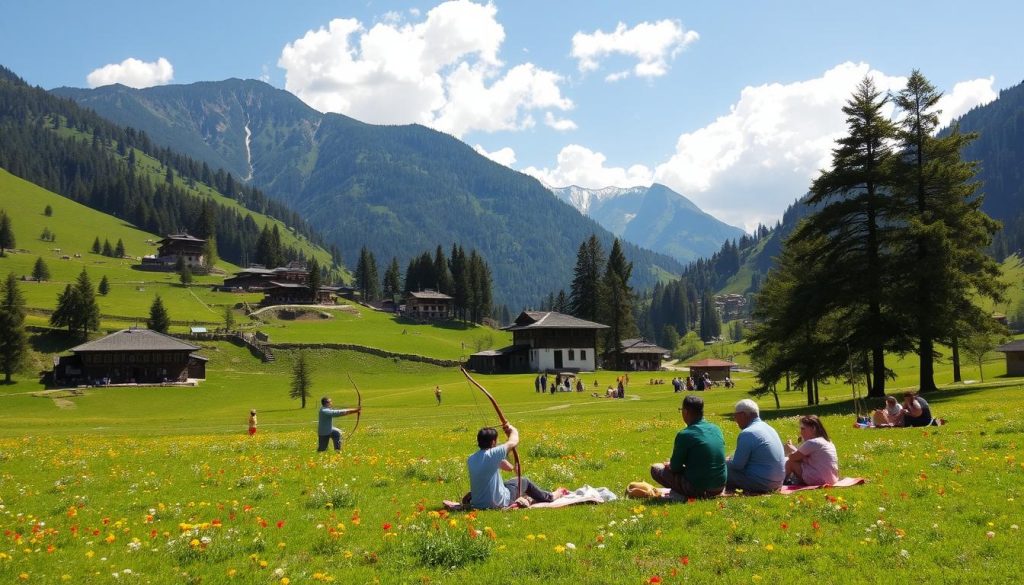
Summer in Haa Valley brings a burst of green, making it perfect for exploring and joining in local events. From June to August, visitors can enjoy exciting activities. The Haa Summer Festival in July is a highlight, with food, dances, and cultural shows.
Even with some rain, summer is great for outdoor fun in Haa Valley.
Haa Summer Festival Highlights
The Haa Summer Festival is a key event, showing the Bhutanese spirit. Here, you can:
- Watch traditional dances.
- Try Bhutanese food.
- See local crafts.
This festival is a great way to meet the local community.
Summer Activities and Attractions
There’s more to do than just the festival. Try these activities:
- Nature walks: Enjoy stunning views on trails.
- Visiting monasteries: Find peace in these spiritual places.
- Local markets: Buy crafts and fresh food, feeling the local vibe.
Summer is perfect for adventure, with amazing scenery. Hike in Jigme Dorji National Park or trek the Jhomolhari Trek from Shana Village. Haa Valley offers unforgettable experiences.
| Activity | Description | Best Time |
|---|---|---|
| Haa Summer Festival | Cultural celebration with food, dance, and arts. | July |
| Nature Walks | Explore scenic trails amidst lush greenery. | June to August |
| Monastery Visits | Experience tranquil spirituality in stunning surroundings. | All summer |
| Local Markets | Shop handmade crafts and experience local culture. | All summer |
Autumn: The Perfect Balance
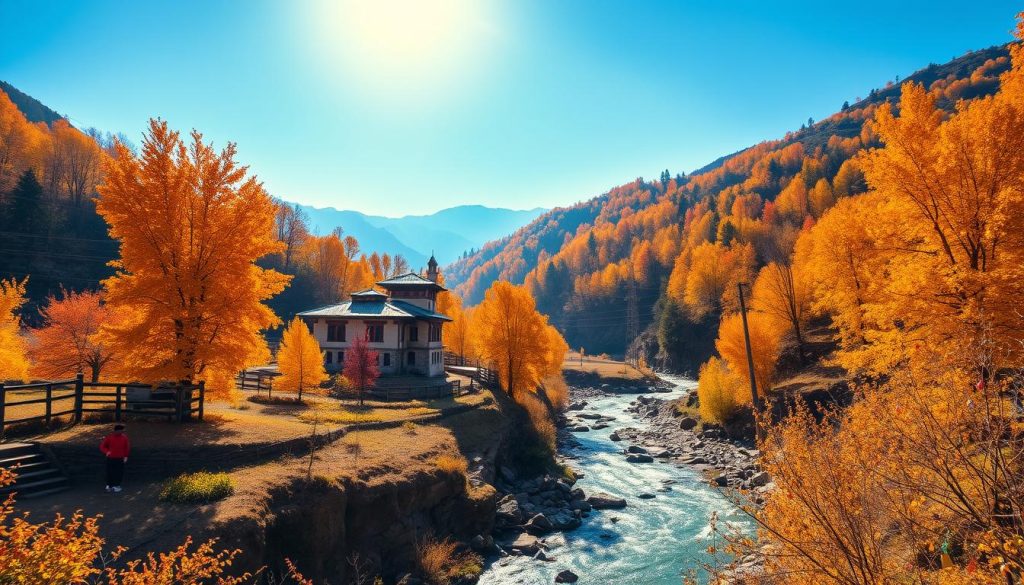
Autumn in Haa Valley is a time of change, with nature’s colors shining bright and the weather just right. It’s a season full of activities, perfect for enjoying the cool air and stunning views.
Scenic Beauty and Climate in Autumn
The landscape of Haa Valley in autumn is breathtaking. Golden rice fields glow in the sun, creating a beautiful backdrop. The weather is just right, making it great for exploring.
You can take amazing photos of ancient monasteries and mountains. It’s a photographer’s dream.
Key Cultural Festivals to Experience
Autumn in Haa Valley is also filled with cultural events. The Thimphu Tshechu is a must-see, with its traditional dances. It’s a chance to learn about Bhutan’s history and traditions.
By joining in these festivals, you can experience local customs and try delicious food. Autumn is a time to connect with Bhutan’s culture and traditions.
Winter: Experience the Serenity
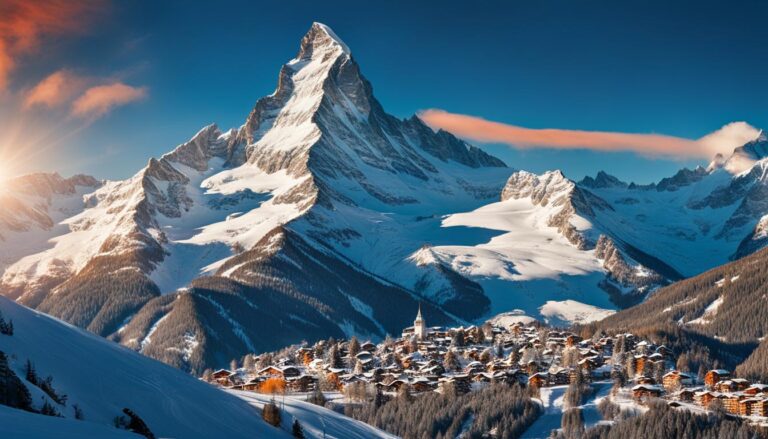
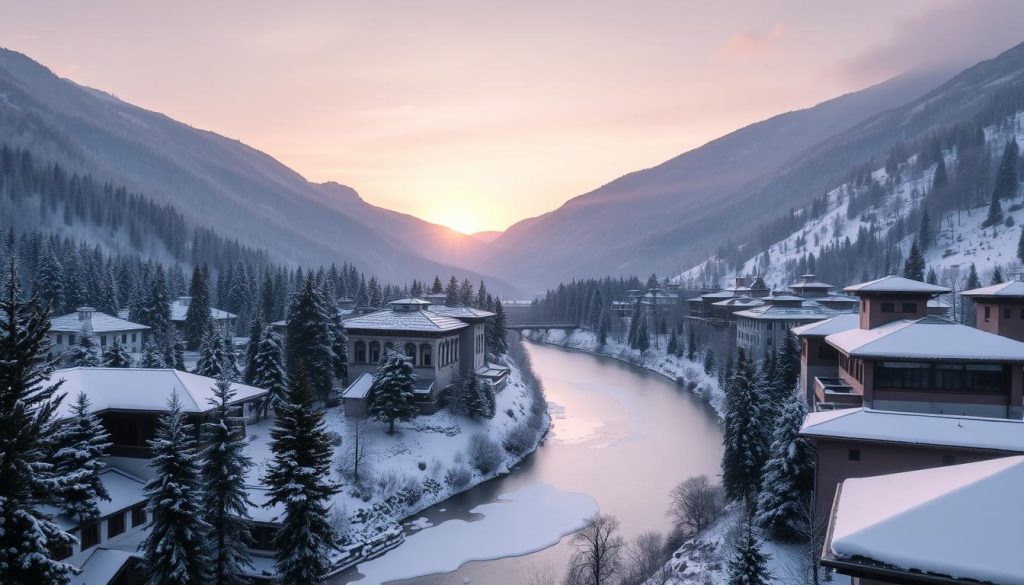
Winter in Haa Valley turns the landscape into a magical wonderland. The cold temperatures bring a peaceful atmosphere, perfect for exploring and reflecting. The snow-covered peaks and fresh air make this place even more beautiful.
Winter in Haa Valley offers a special look at the area’s wildlife and culture. It’s a time for unique experiences.
The Unique Winter Activities in Haa Valley
Winter brings exciting outdoor activities. Wildlife watching is thrilling, as you search for majestic black-necked cranes. These cranes migrate from the Tibetan Plateau and can be seen in the valley.
They create a stunning backdrop for your adventures.
Festivals Celebrated During Winter Months
Winter festivals in Haa Valley add color and life to your visit. Events like Punakha Drubchen and Domkhar Tshechu brighten up the cold season. These festivals show off rich traditions and vibrant culture.
They offer a true taste of local customs and heritage. Joining in these festivities lets you see the community’s spirit and unique way of life during the cold months.
| Winter Activities | Description |
|---|---|
| Wildlife Watching | Spot black-necked cranes and other migrating birds. |
| Winter Festivals | Participate in cultural events like Punakha Drubchen. |
| Hiking | Enjoy serene trails amid breathtaking winter scenery. |
These experiences show the calm and beauty of winter in Haa Valley. It’s a great place for those who love adventure and culture.
What to Pack for Haa Valley
Packing right for Haa Valley makes your trip better. You’ll see amazing views and learn about the culture. It’s important to choose the right clothes and gear for the weather.
Clothing Recommendations for Varying Temperatures
Layering is key when packing for Haa Valley. The weather can change a lot. So, choose:
- Lightweight, breathable base layers for warmth in the evenings.
- Comfortable long skirts or sleeves to respect local customs, like in sacred places.
- Natural materials like cotton or wool that adjust to temperature changes.
Bring enough underwear and socks. Also, pack two sets of silk vests and long johns for cold times. It’s important to dress modestly when visiting monasteries and dzongs.
Essential Gear for Nature Explorations
You’ll also need some important gear for outdoor adventures:
- Comfortable hiking boots for different terrains.
- A small day pack for your essentials while exploring.
- Rain gear for sudden showers.
- Sun protection like sunglasses and sun cream.
- A camera to capture the valley’s beauty.
Remember insect repellent, hand cream, and anti-diarrhea medication. For trekkers, add a sleeping bag, flashlight, and water bottle. And don’t forget earplugs if you’re sensitive to noise, as dogs can be loud.

| Item | Purpose |
|---|---|
| Layered Clothing | Adapts to temperature changes |
| Comfortable Hiking Boots | Essential for trekking |
| Day Pack | Holds essential items while exploring |
| Rain Gear | Stay dry during unexpected weather |
| Sunglasses and Sun Cream | Protect against UV rays |
| Insect Repellent | Prevents bug bites |
| Sleeping Bag | Necessary for trekkers |
The Best Cultural Events in Haa Valley
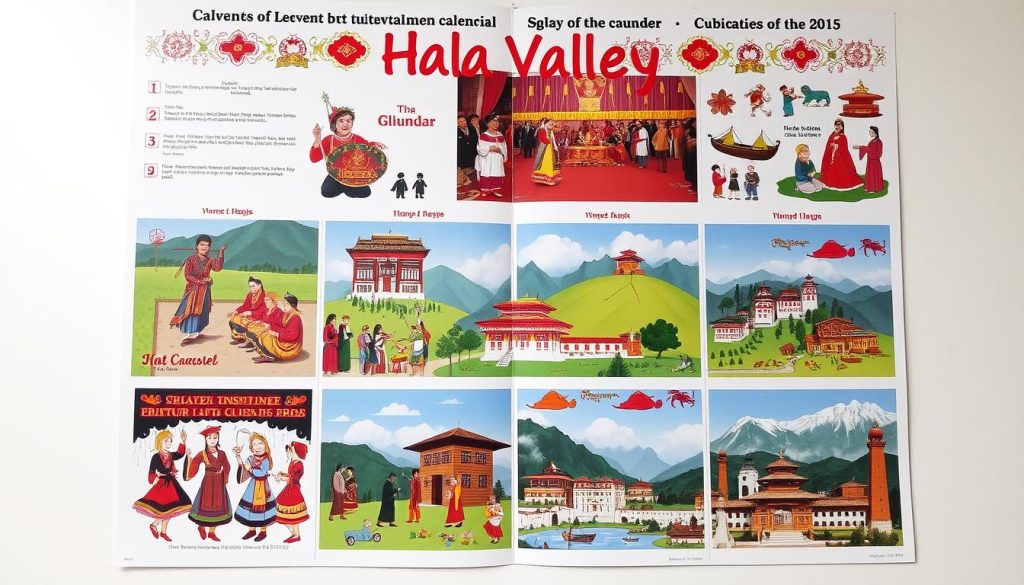
Haa Valley is a place of vibrant cultural celebrations. These events show off the rich heritage of Bhutan. The Haa Valley cultural events calendar is full of authentic experiences for those who want to dive into local traditions.
Cultural Festivals Throughout the Year
Key festivals in Haa Valley bring people together. They give visitors a peek into the local way of life. Some notable events include:
- Haa Spring Festival: From April 7-9, 2024, it features local crafts, food, and performances.
- Haa Summer Festival: A two-day event in July with cultural displays and sports.
- Matsutake Mushroom Festival: In Ura, Bumthang, this three-day August event highlights unique mushrooms.
- Thimphu Tsechu: In September, a three-day festival with colorful dances and rituals.
- Jambay Lhakhang Drup: From October 28th to 31st, it combines religious and cultural ceremonies.
- Black-necked Crane Festival: On November 11th in Phobjikha Valley, it focuses on conservation.
- Druk Wangyel Tshechu: On December 13th, 2023, it features religious rituals at Dochu La Pass.
Significant Celebrations and Their Importance
These celebrations in Haa Valley are key to preserving culture. They strengthen community bonds and let visitors join in on traditional activities. Activities include:
- Participating in local sports like archery and Khuru.
- Tasting unique dishes like ema datsi and Haapi Hoentoe.
- Enjoying folk songs and mask dances that tell ancient stories.
- Staying overnight in local farmhouses for a real experience.
Joining in these festivals makes your trip to Haa Valley special. It helps you understand Bhutanese culture better. Interacting with locals during these events can create lasting memories.
Conclusion
Haa Valley is a mix of culture and nature that invites you to explore all year. The best times to visit are spring and autumn. These seasons offer pleasant weather and vibrant festivals that highlight Bhutan’s heritage.
Winter and summer have their own perks. Winter is quiet with cool weather, while summer is peaceful with fewer tourists. Each season offers unique activities and views that make your trip special.
Choosing the right time to visit lets you fully enjoy Haa Valley’s culture and beauty. Whether you go in any season, your trip will be memorable. Haa Valley is a place that promises enchantment with every visit.